Israel’s election produces a clear winner — and a lurch further to the right
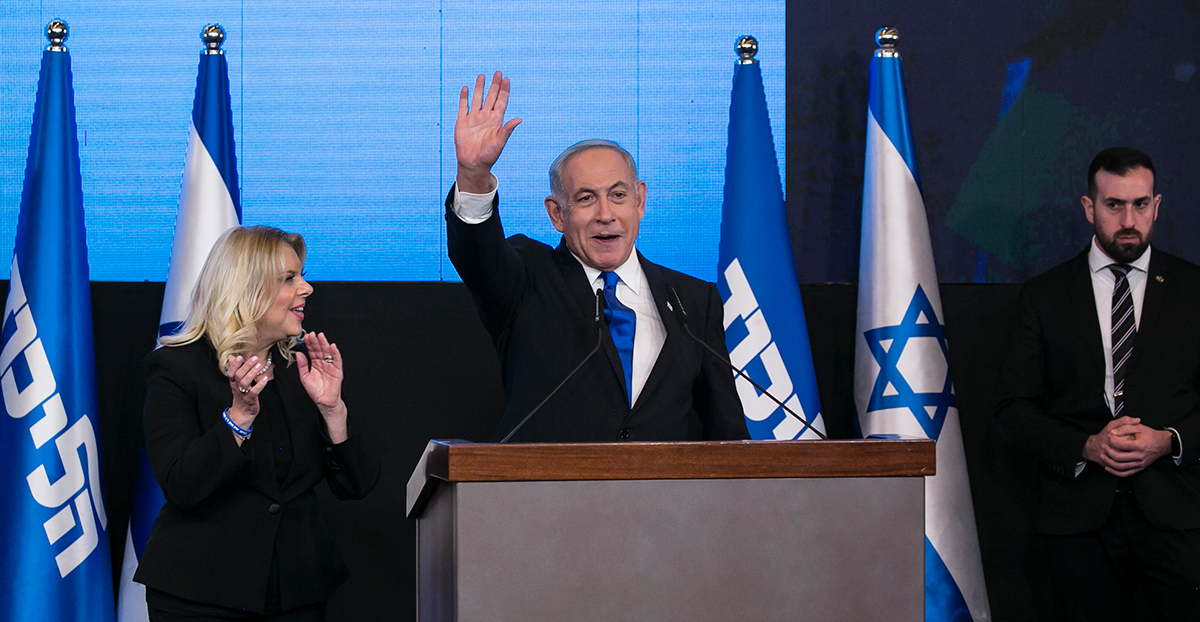
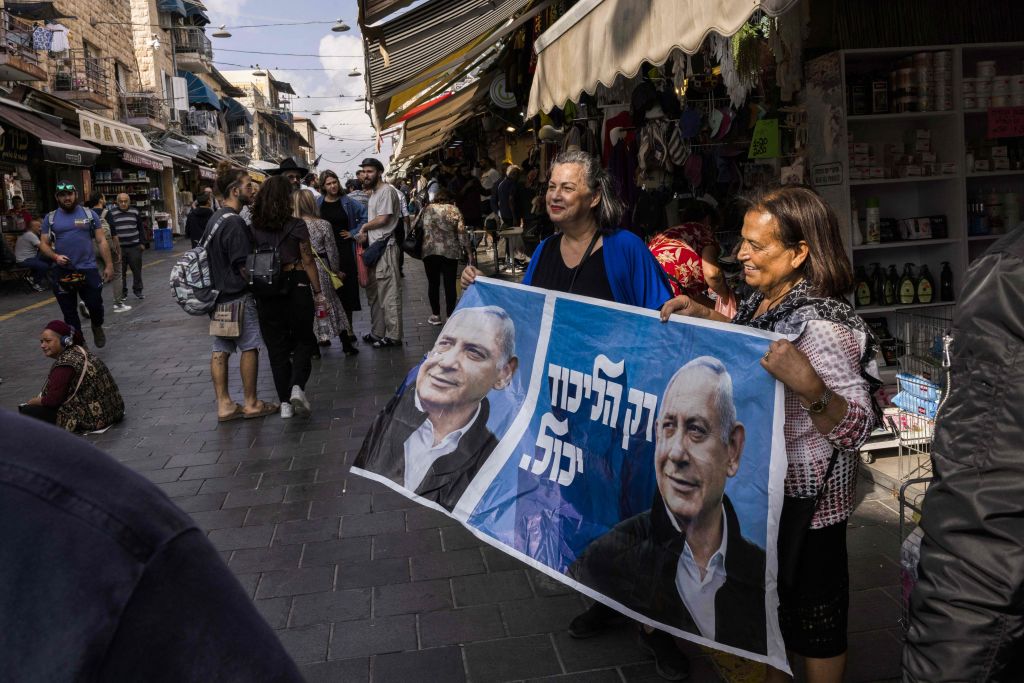
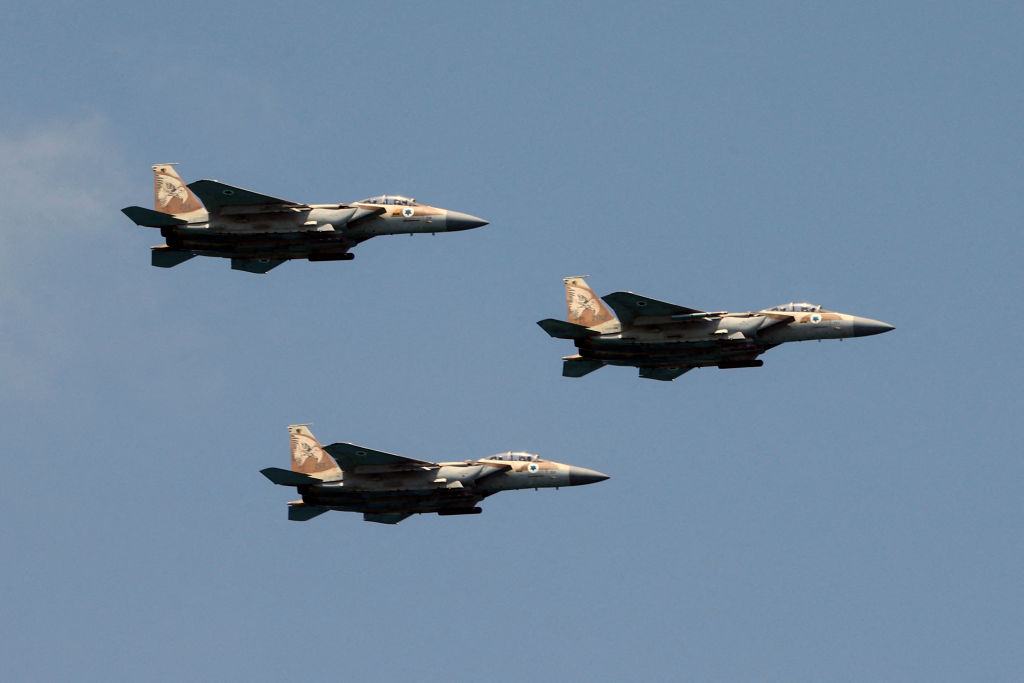
On Nov. 1, Israel’s democracy was shaken, perhaps as never before. It is not so much that former Prime Minister Benjamin Netanyahu has been returned to power, but that if he does become prime minister again, as seems overwhelmingly likely, it will undoubtedly be with crucial support provided by the “Religious Zionism” party, which includes “Jewish Power,” the vehicle of the veteran neo-Kahanist Itamar Ben-Gvir.
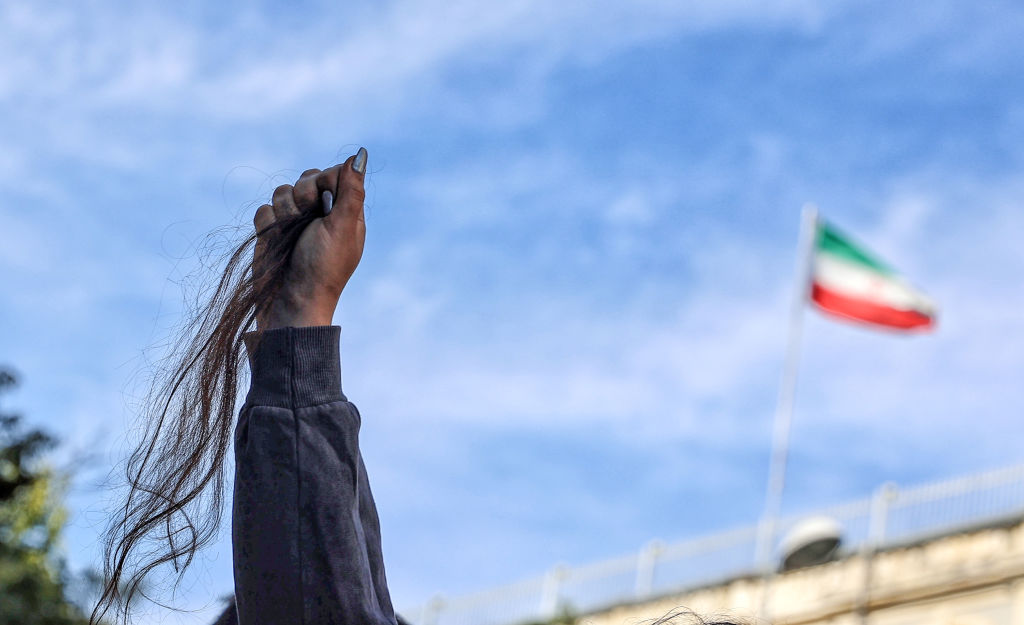
Tehran lashes out at Israelis’ support for Iranian protest movement
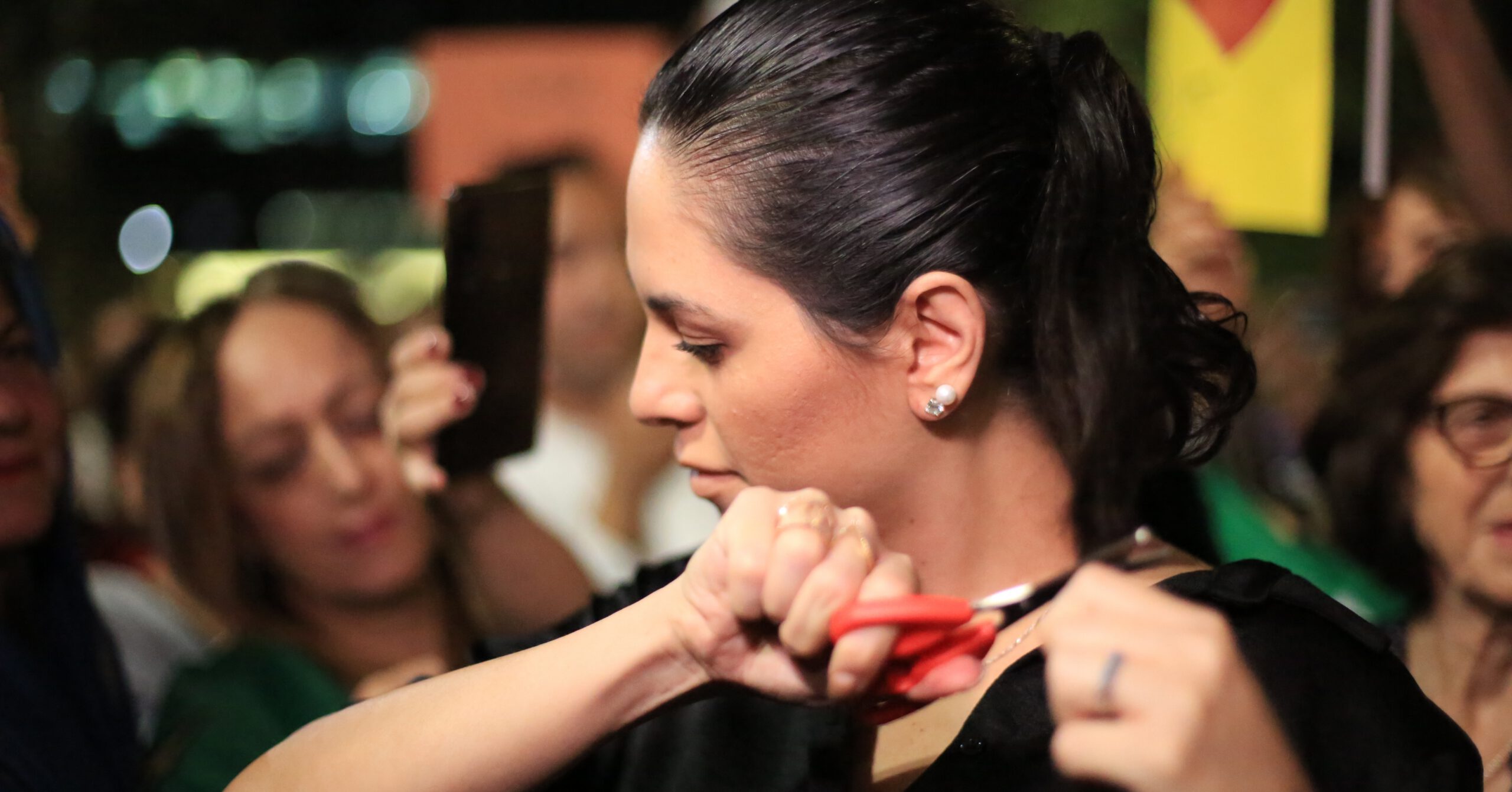
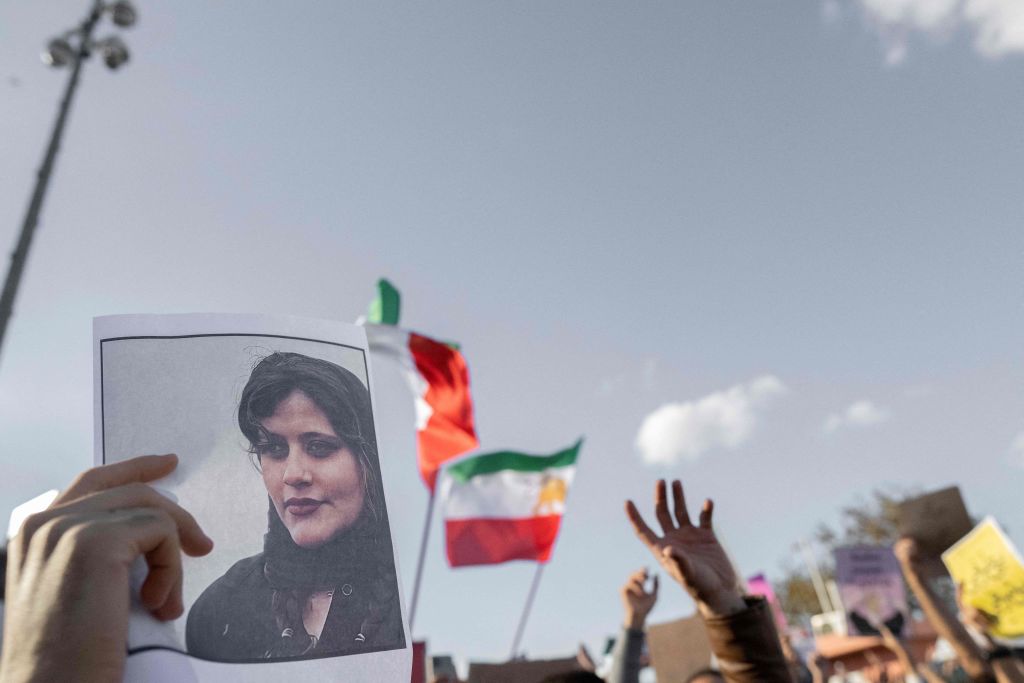
The Iranian regime is pointing the finger at Israel and the U.S. for allegedly orchestrating the nationwide protests. But while the U.S. and Israel both might have an interest in shaping and aiding the protest movement once it began, this large-scale mobilization of the Iranian public is a result of the regime’s own policies.
The Arab Peace Initiative returns. Will it supplant the Abraham Accords?
Although the Abraham Accords have been the main focus of Arab-Israeli peace-making since they were signed, the Arab Peace Initiative (API), introduced by the late Saudi King Abdullah 20 years ago, remains relevant and may be the better reflection of a path forward for Middle East peace
A top priority of the regional order envisioned by the Abraham Accords should be building confidence by sharing cybersecurity tools through the Negev Forum.
Algerians’ clandestine exodus: A complex national tragedy
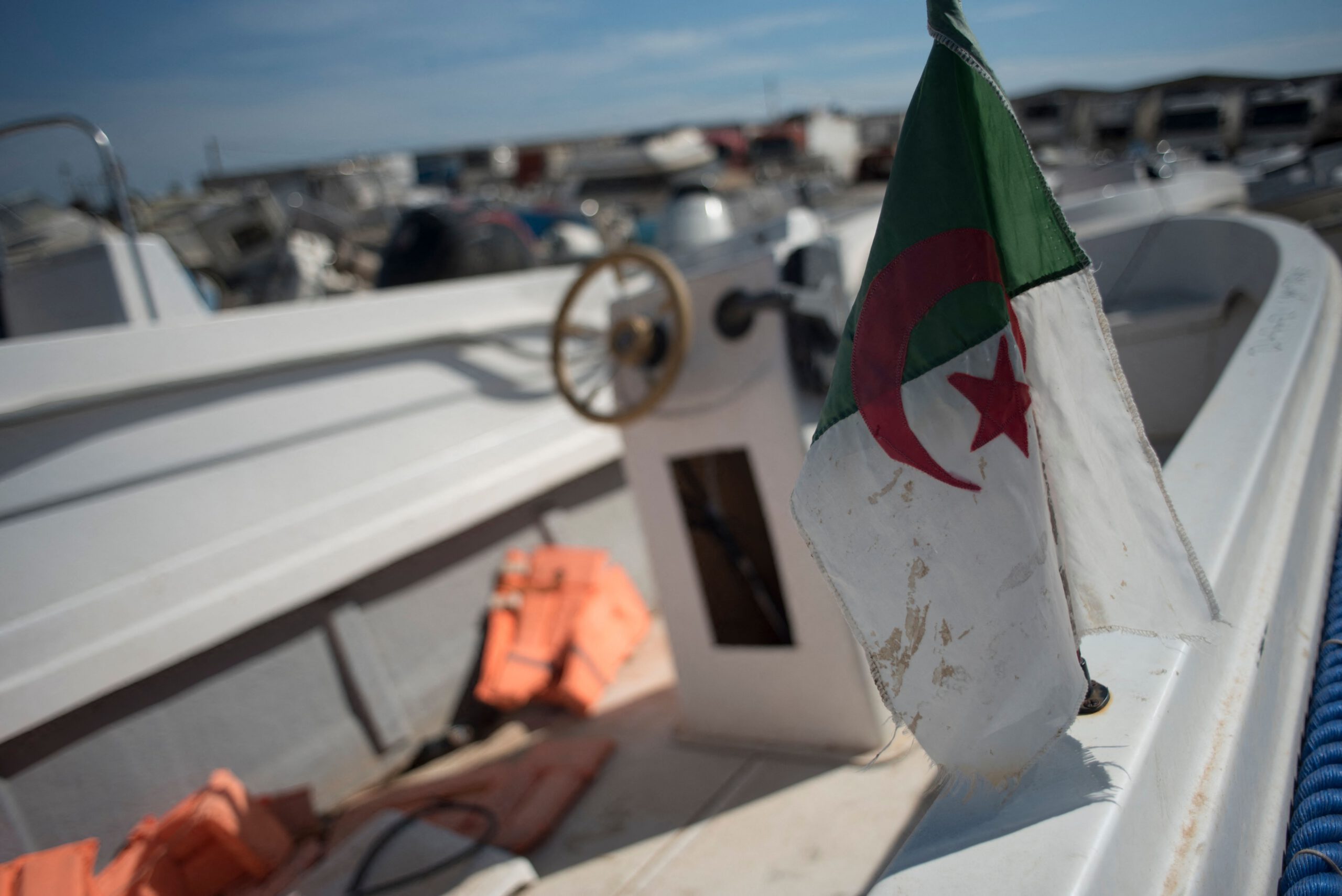
The growing wave of Algerians illegally trying to reach Southern European shores while risking death is by no means a new development. But these perilous trans-maritime voyages are also a reminder of the bleak political and economic situation in which Algeria finds itself three years after the 2019 protest movement sparked hope for fundamental change.
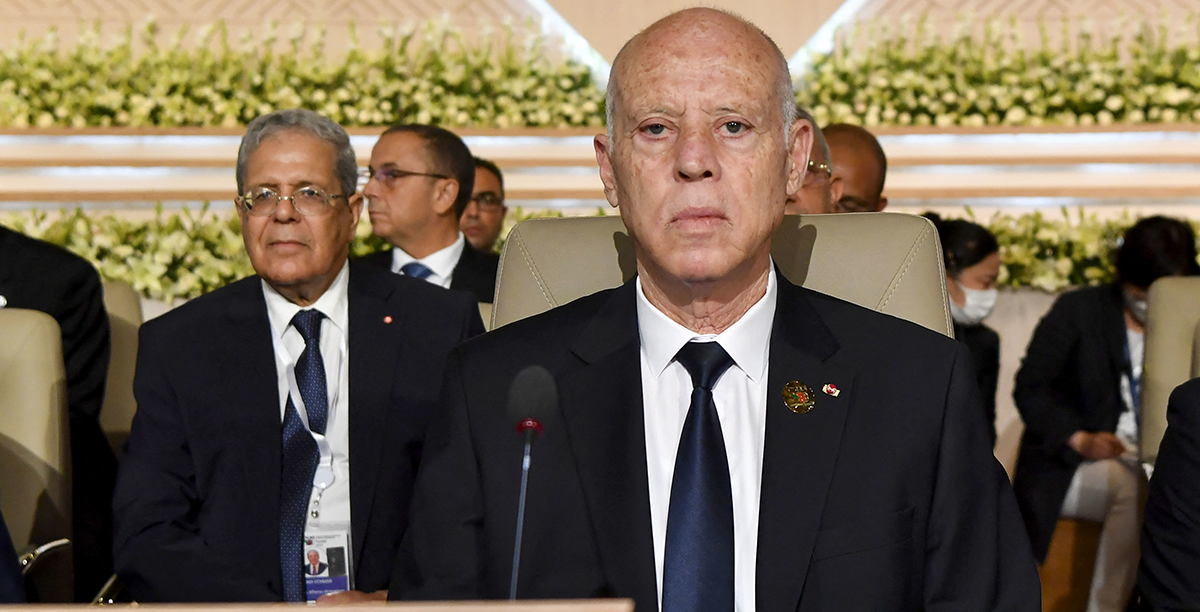
With the decree of a new election law on Sept. 15, President Kais Saied continues rebuilding the formal political mechanisms of the Tunisian state — what some see as a “third republic.” The new law sets the terms for the legislative elections scheduled to be held on Dec. 17, 2022, and it comes only shortly before nominations for candidacies for those elections begin on Oct. 17.
Will Italy’s MENA policy change under the new government?
Although Italians have elected the most far-right government of the postwar era, the future might be marked more by evolution than drastic change, at least in the short term. This is especially true when it comes to Italian foreign policy, including toward the Middle East and North Africa.
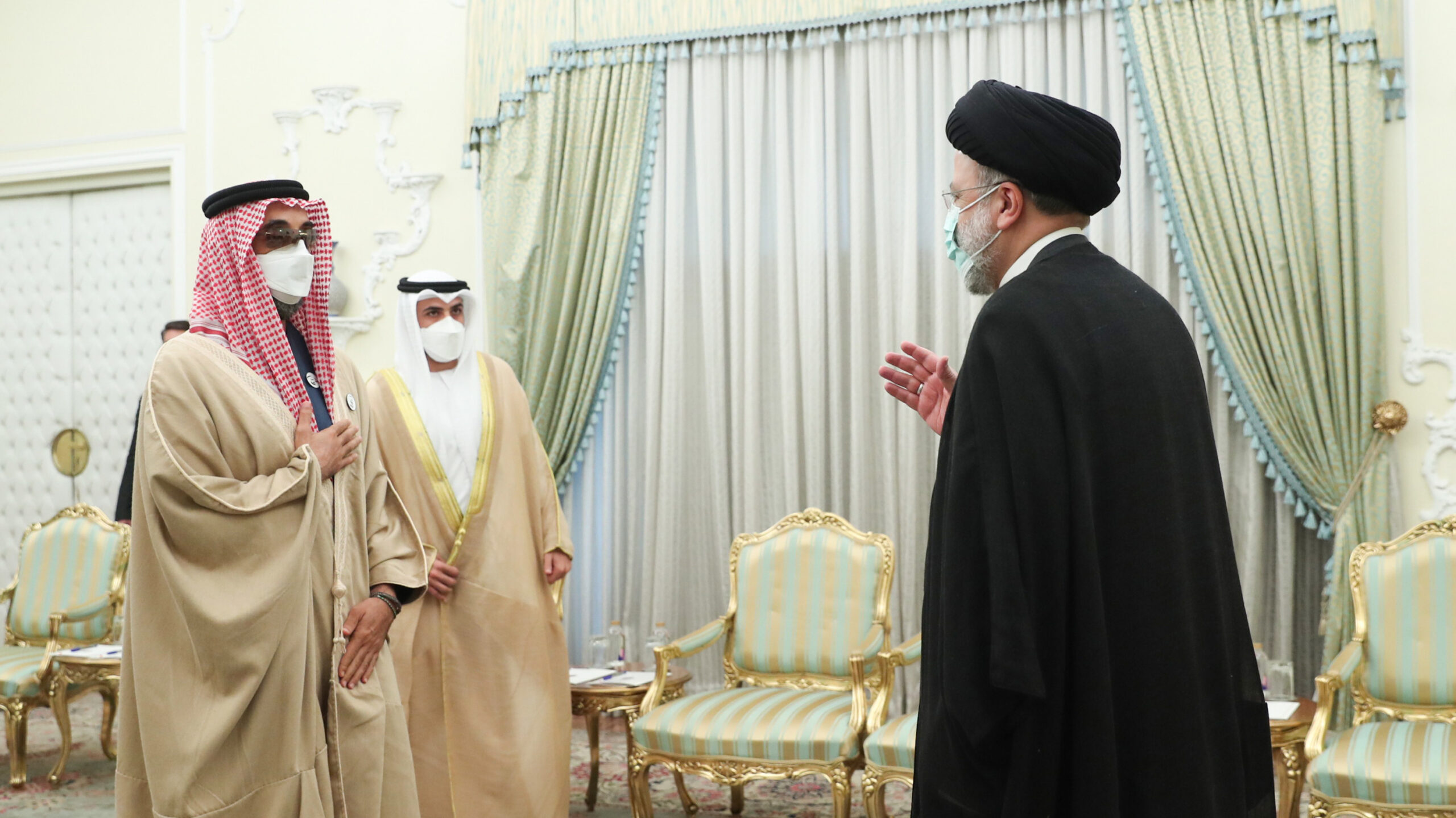
Structural impediments to Iranian-Gulf Arab reconciliation
As welcome as recent moves toward Iranian-Gulf détente have been, extensive obstacles continue to stand in the way of a real and sustained relaxation of tensions, cause by what international relations scholars call the “security dilemma.”
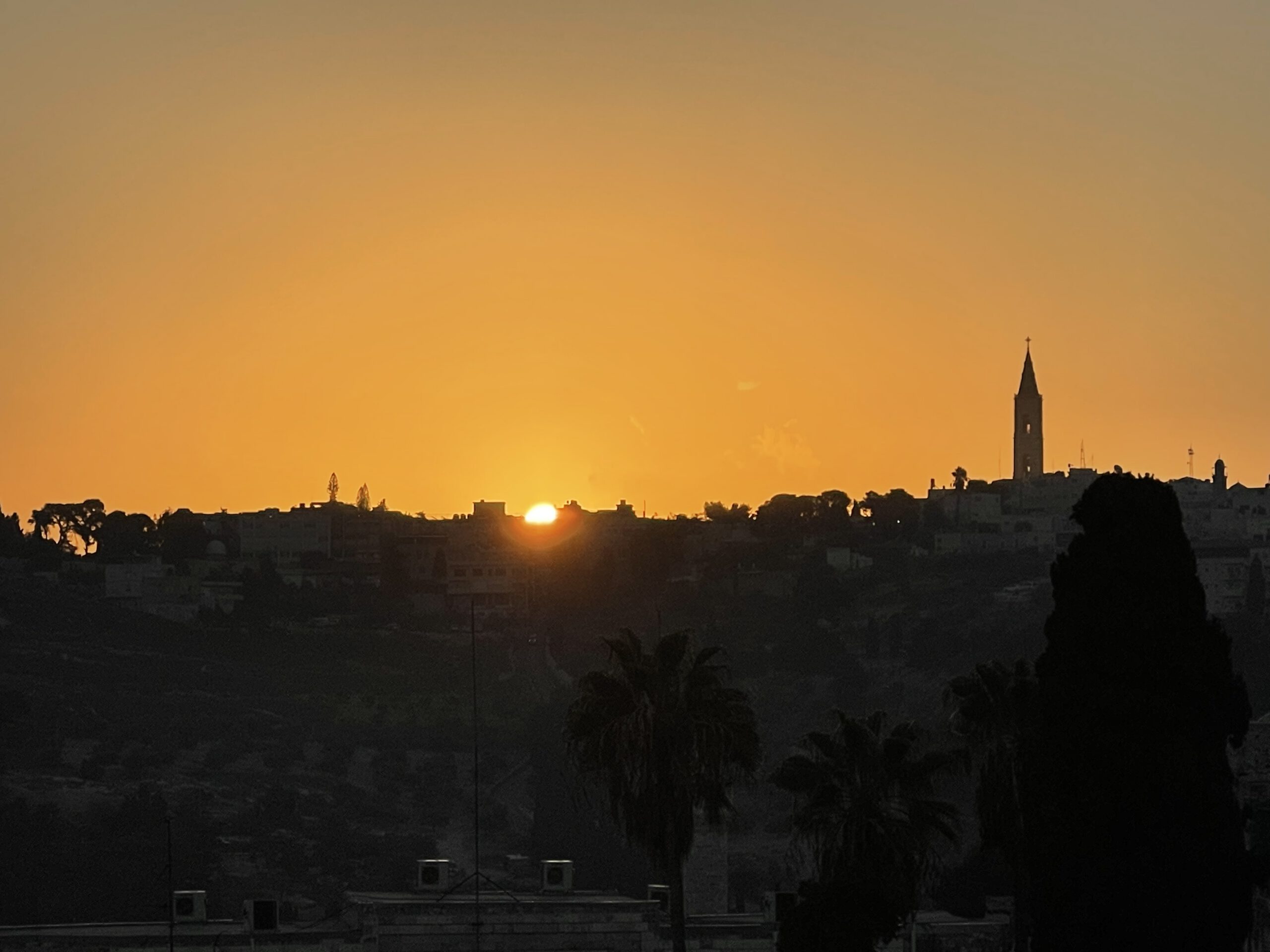
Dispatches from Jerusalem: On the brink in the Middle East between escalation and de-escalation
My week of meetings with Israeli and Palestinian officials and analysts in mid-September has left me groping for a coherent through line in the story about today’s Middle East. It’s the best of times and the worst of times, depending on where one sits.
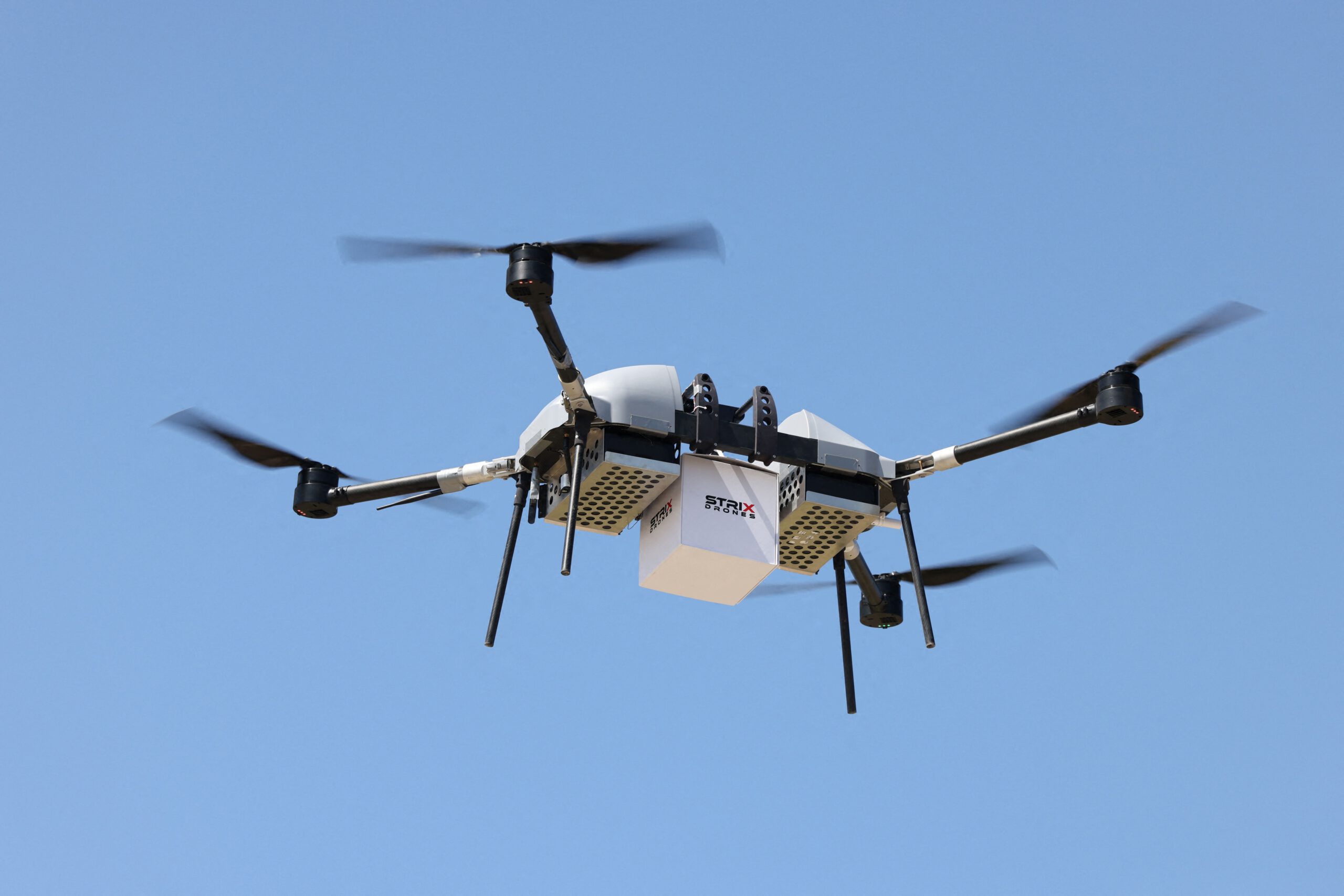
Technology represents one potentially fruitful area where the I2U2 member states — Israel, India, the U.S. and the UAE — could cooperate together, expand their format to include more countries, deliver tangible results, and avoid agitating other global and regional powers.
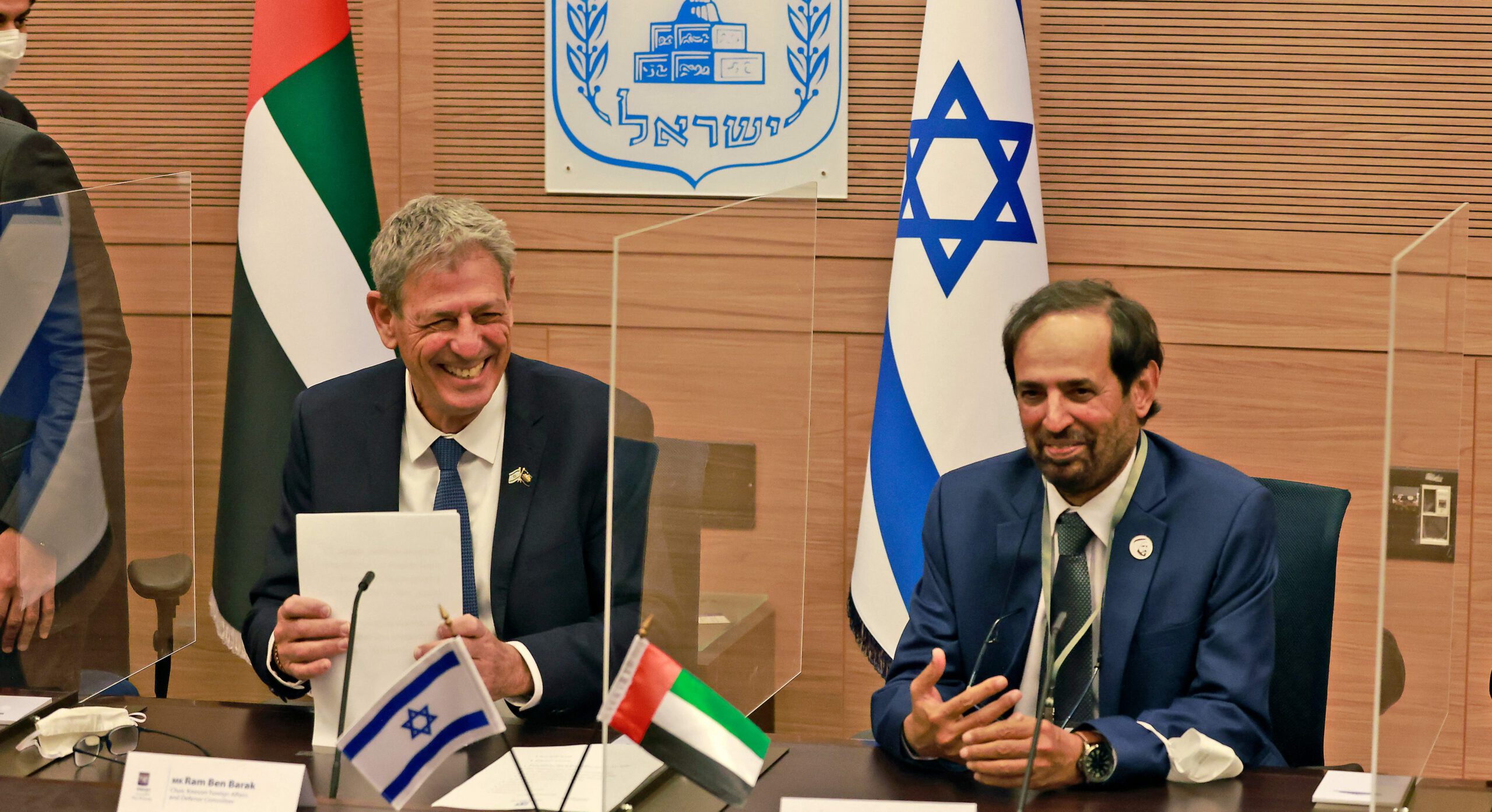
Two years on, what is the state of the Abraham Accords?
Two years after the signing of the Abraham Accords, progress in developing relations between Israel and its Arab neighbors has achieved mixed results, opening up some greater cooperation in the security sphere but failing to change Arab publics’ minds due to the lack of movement on the Israeli-Palestinian conflict.