If the West leaves Idlib to Russia and Assad, it won’t be only Syrians who pay the price
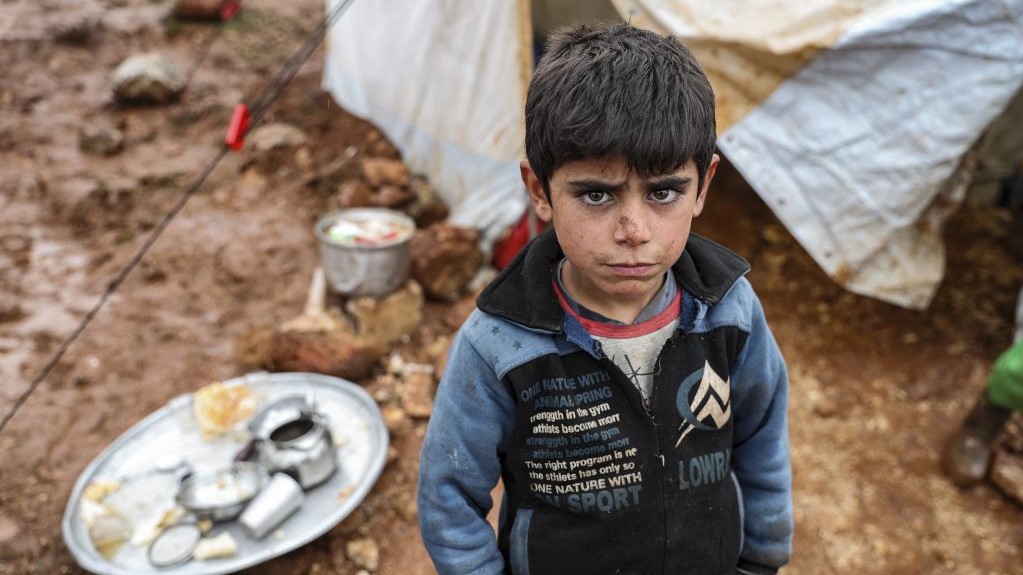
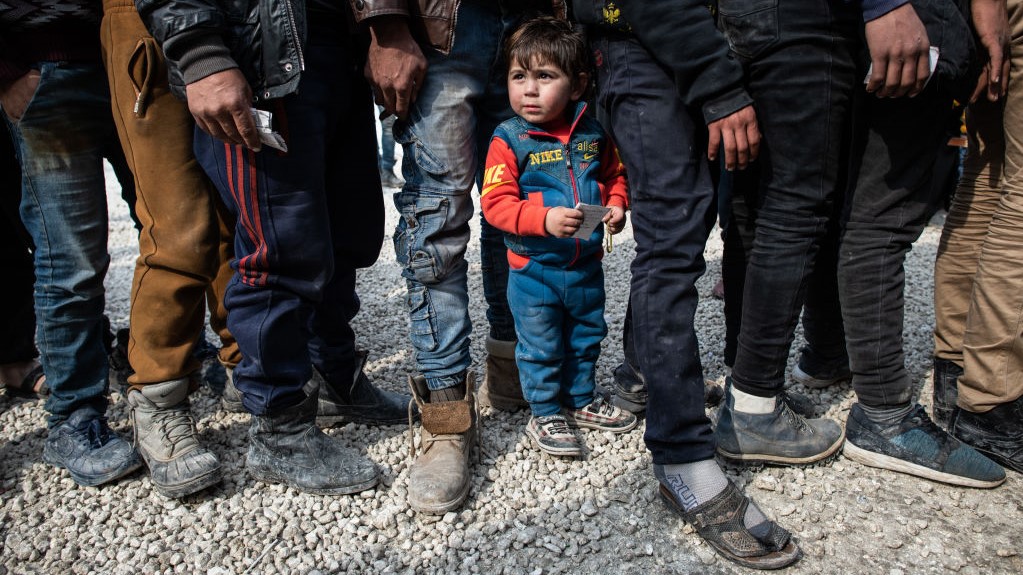
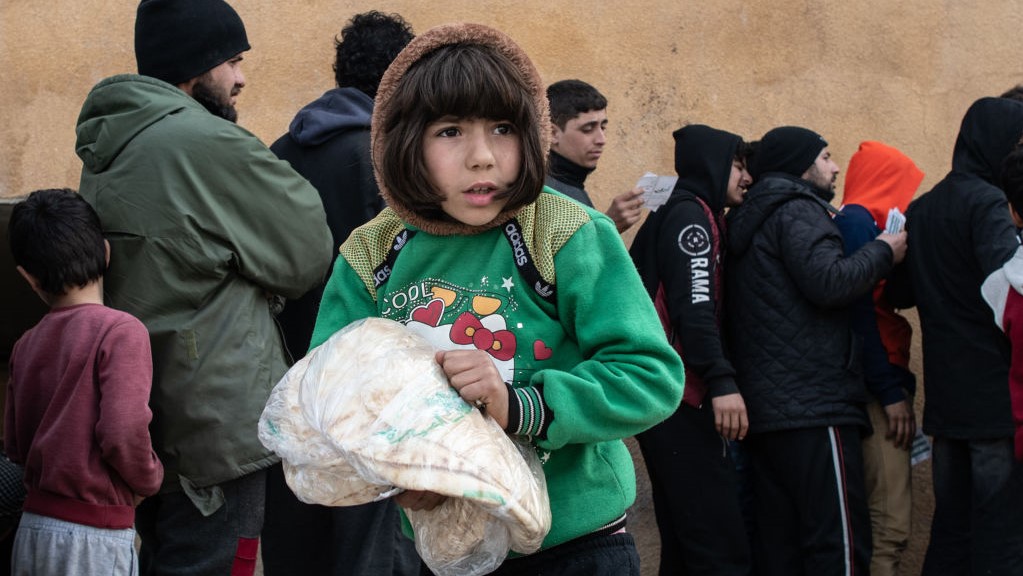
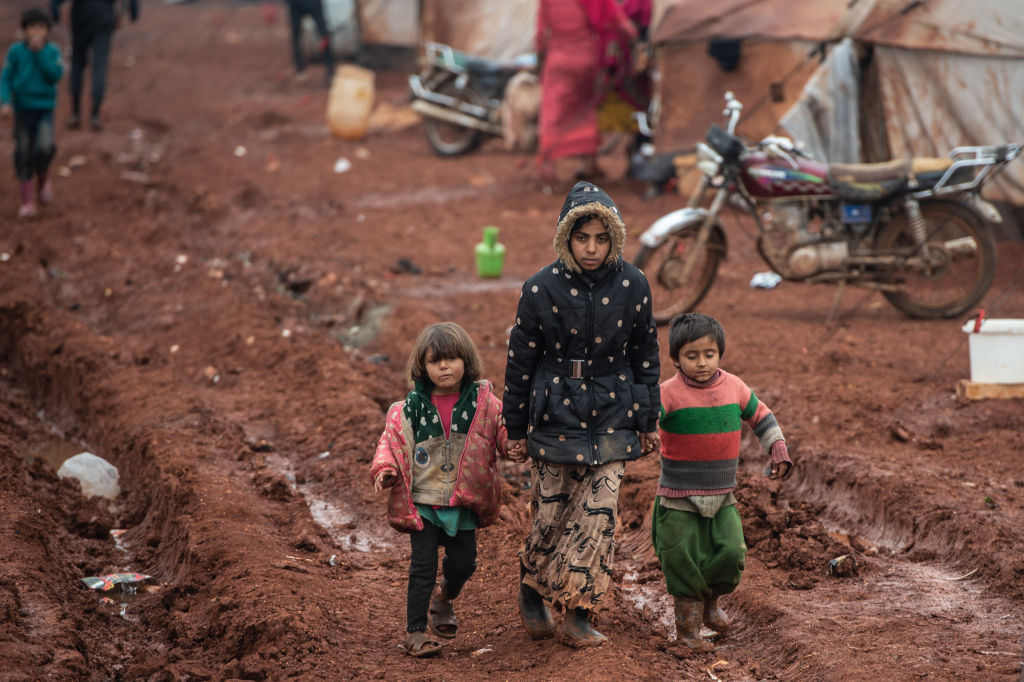
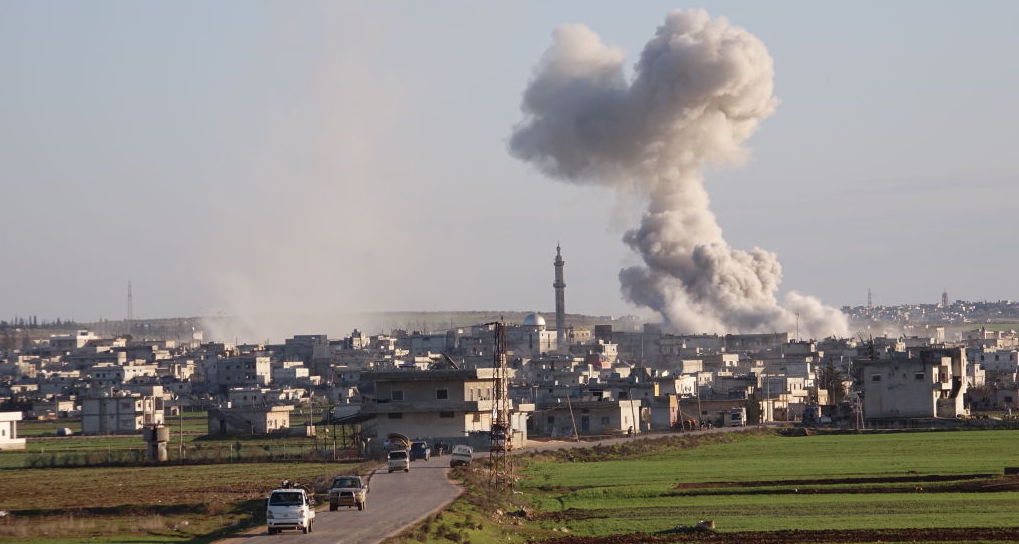
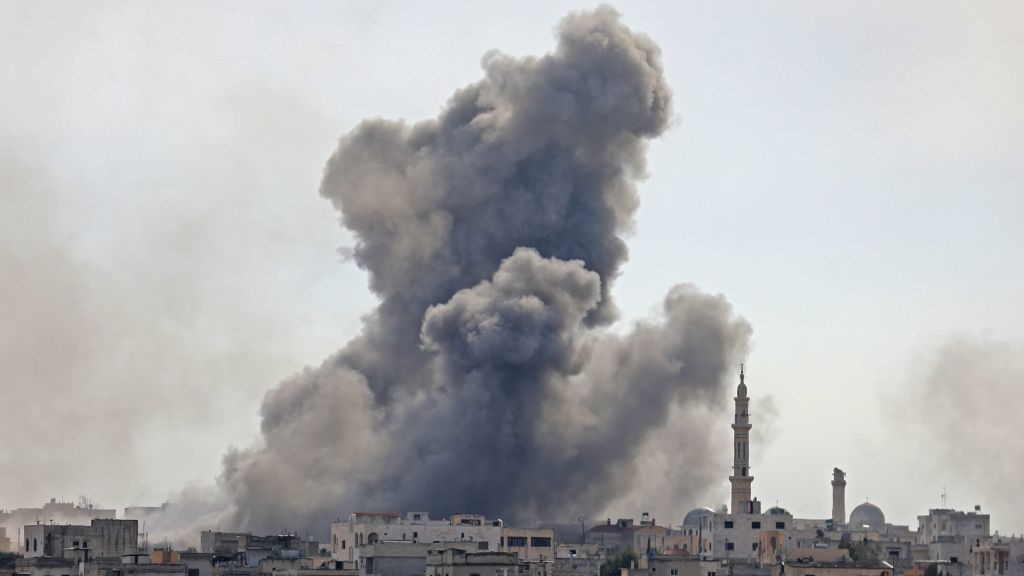
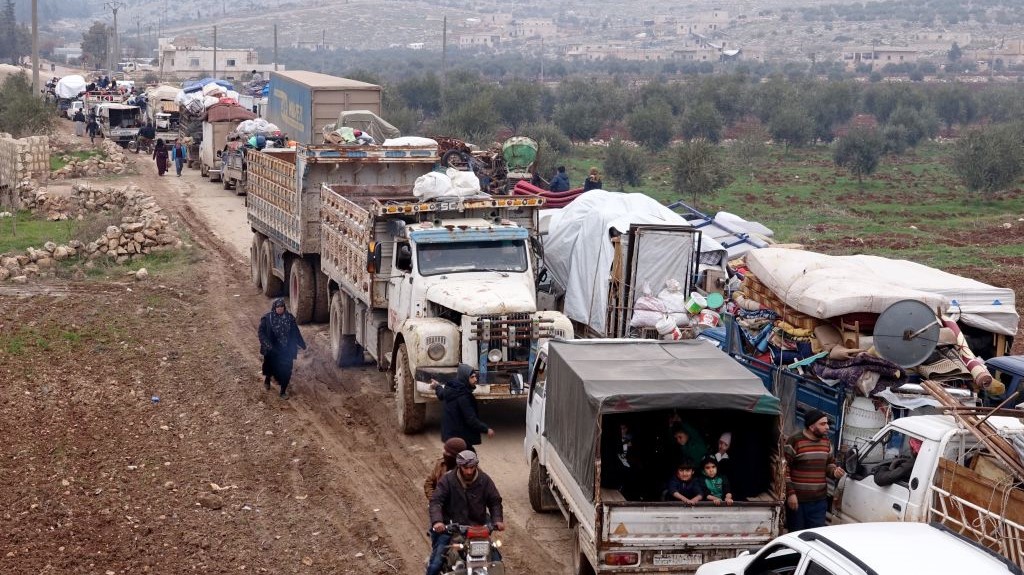
If Assad and the Russians are not reined in and are instead allowed to conquer Idlib — and the more than three million people trapped there — the results could be catastrophic, leading to massive displacement and loss of life.
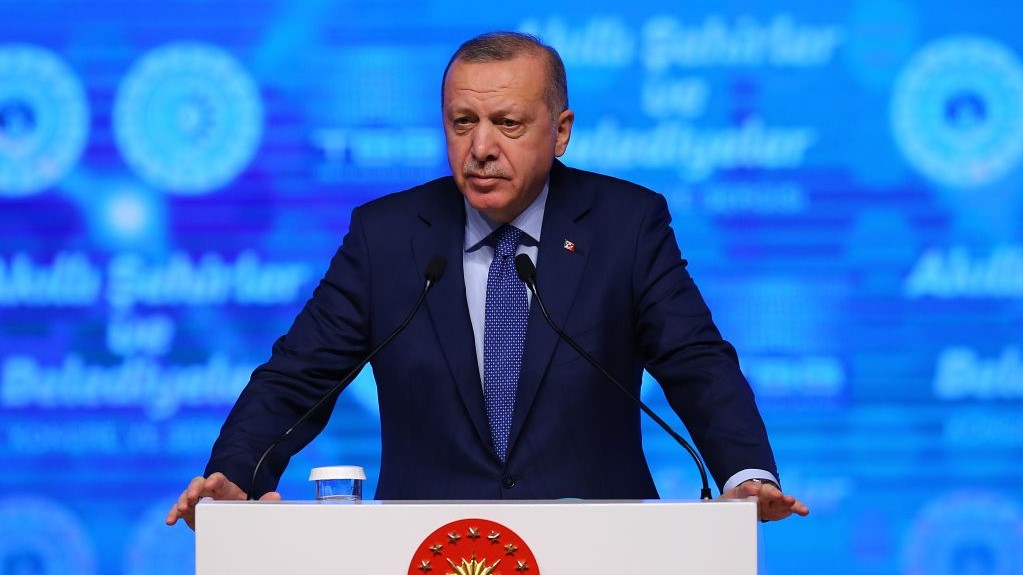
Why Erdogan can't afford to back down over conflict with Assad and Russia
Nearly a million civilians, 81 percent of them women and children, have been displaced from their homes in 90 days in Syria’s northwestern province of Idlib, amid a brutal military campaign by Syria’s Assad regime, Russia and Iran-backed militias.
Understanding EU-MENA relations: Current and changing dynamics
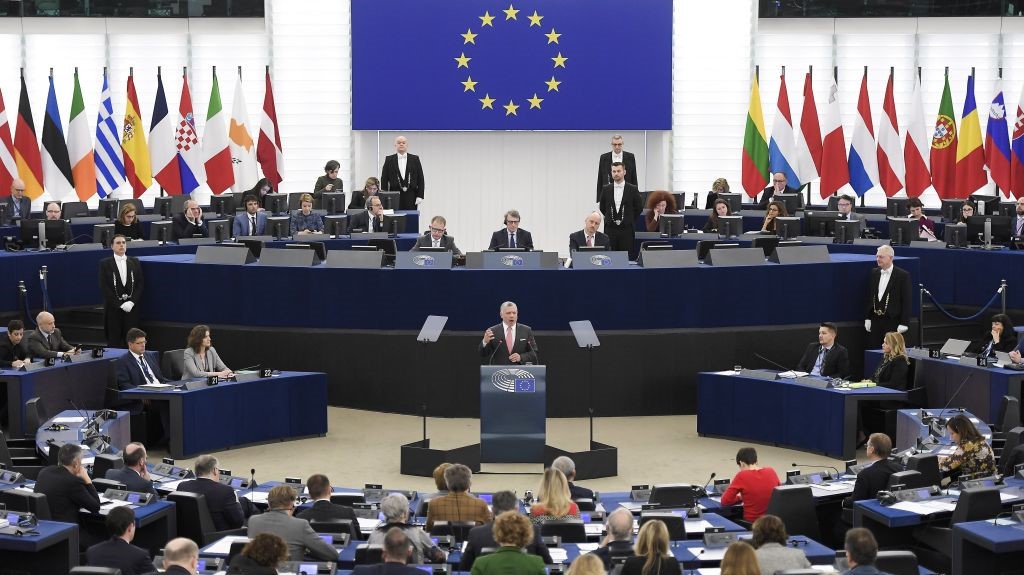
This year could mark a turning point in the European Union’s relations with the countries of the MENA region. If the EU is to realize the objectives laid out in its 2016 global foreign and security policy strategy and become a major world power, it has to be more proactive and creative, especially in the Middle East.
Turkey faces potential Russian blowback on Syria — and tomatoes are only the beginning
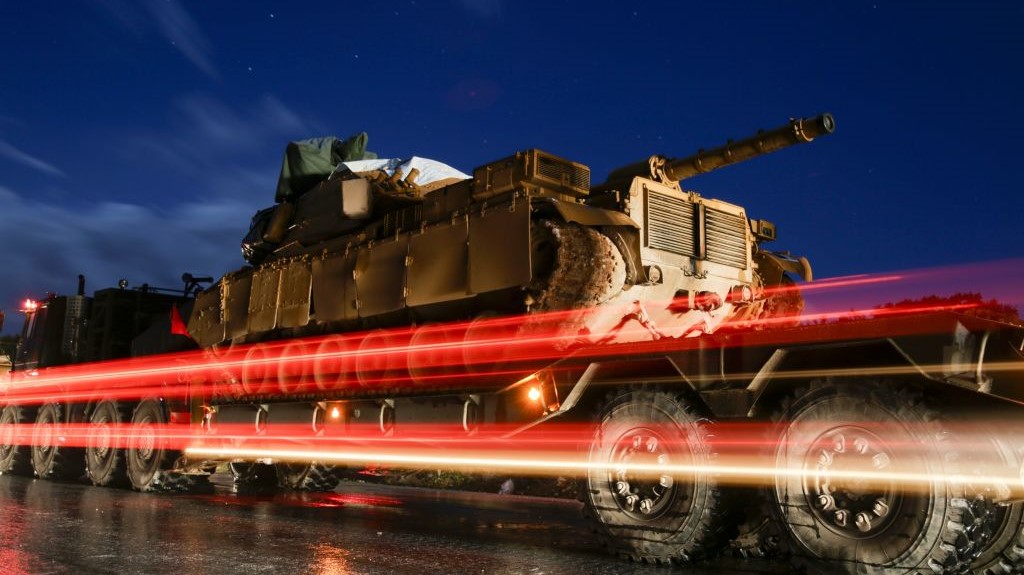
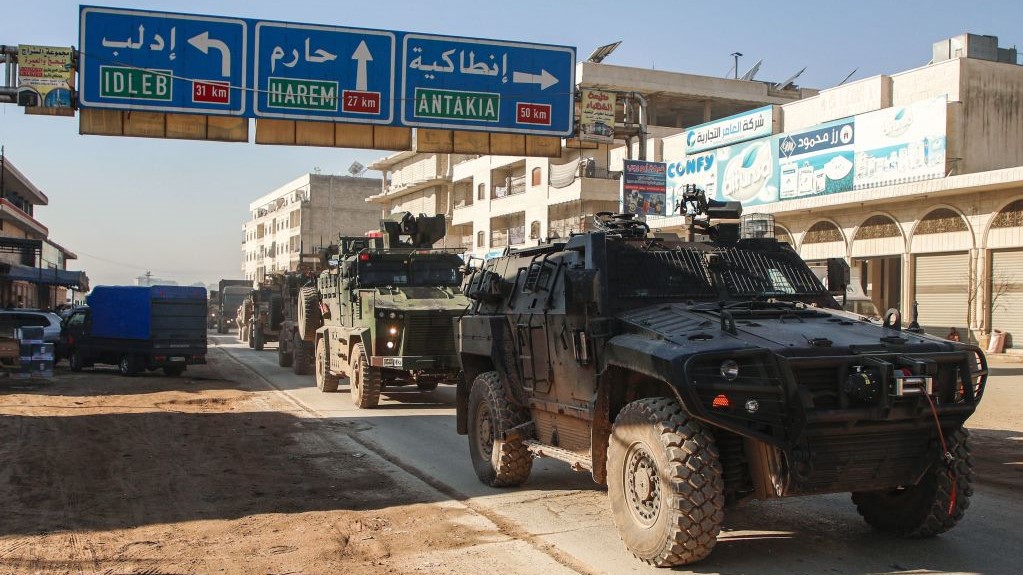
Turkish President Recep Tayyip Erdogan finds himself in a tough spot with Russia as tensions in Syria have escalated dramatically. In a rare direct military confrontation between Turkish and Syrian regime forces, 14 Turkish soldiers and over 100 regime troops were killed in two separate clashes in Idlib over the past 10 days.
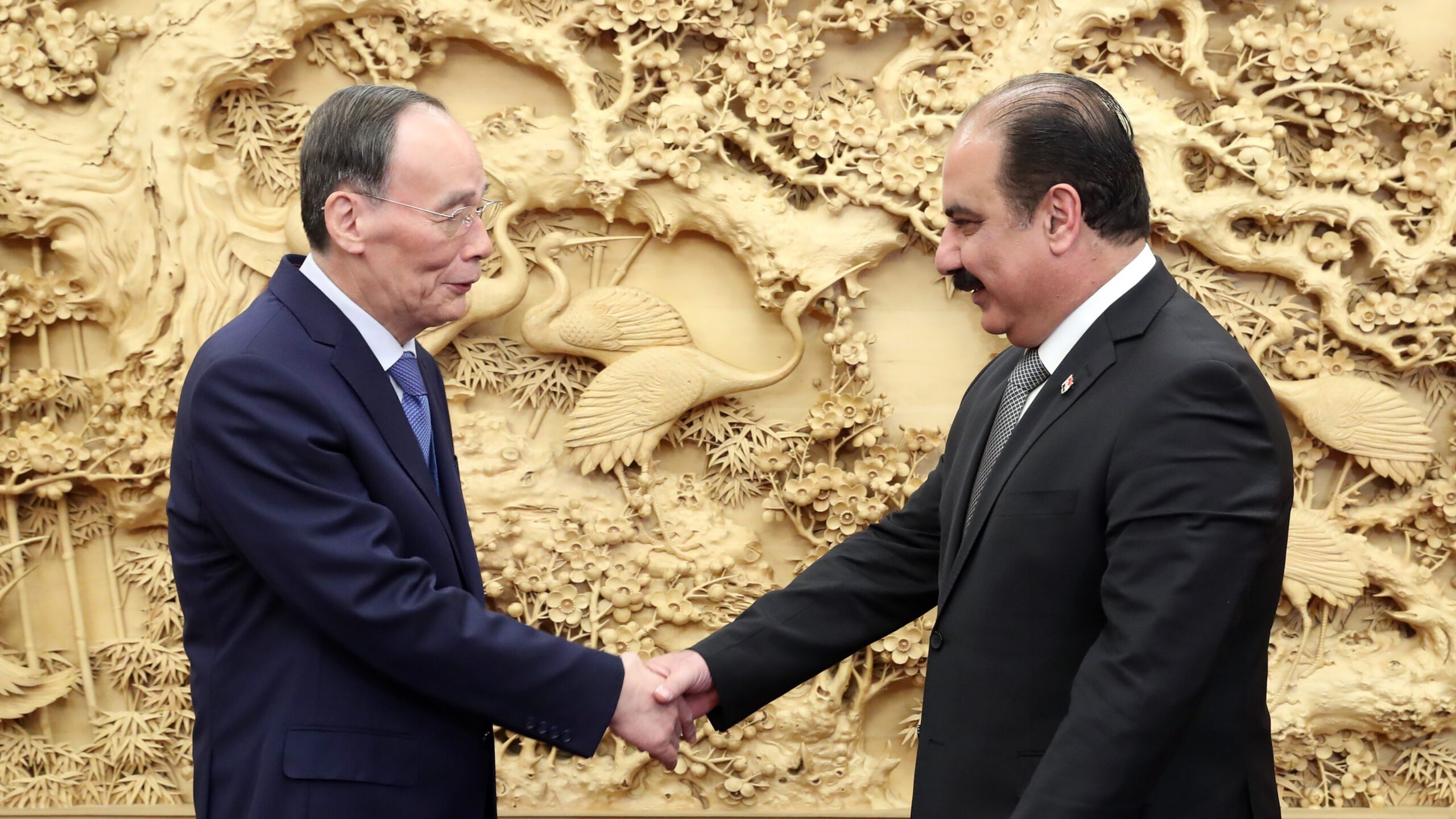
Since the beginning of the Syrian civil war in 2011, many analysts have examined the role played by a handful of key outside actors, such as Russia, Iran, Turkey, and the member states of the Gulf Cooperation Council (GCC). Yet China has received comparatively little attention in most discussions about the Syrian crisis. A deeper look at Sino-Syrian relations and Beijing’s policies vis-à-vis Syria is long overdue as this bilateral relationship is set to become increasingly important to both China’s ambitious foreign policy as well as the Syrian government’s vision for reconstruction and redevelopment.
Damascus battles economic collapse as the Syrian pound plummets
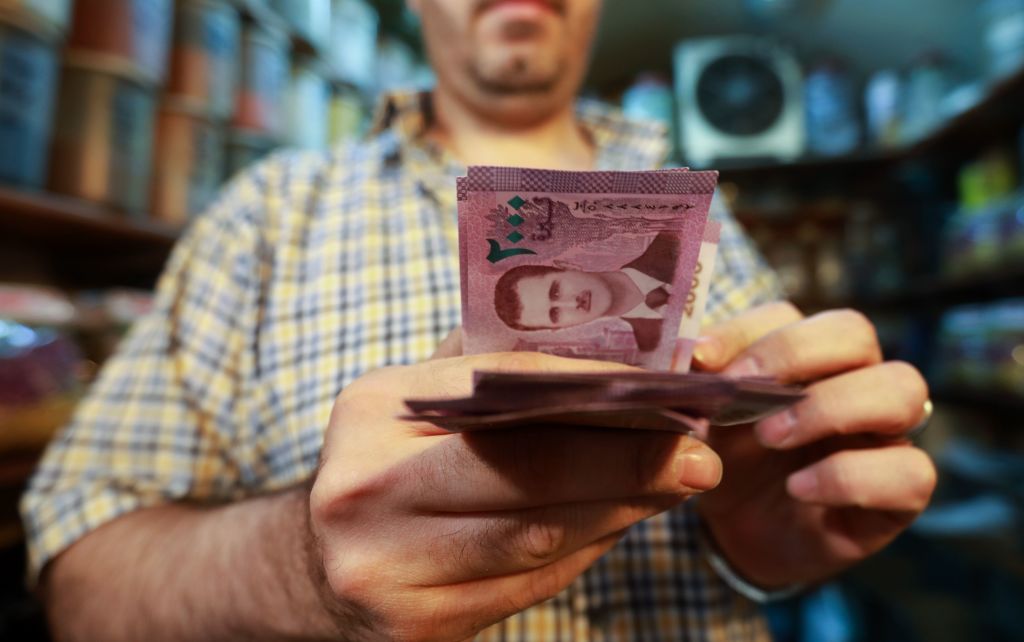
Faced with the threat of further sanctions, a volatile situation in neighboring Lebanon, and a brutally tough winter, the only thing currently rising from the embers of war-torn Syria is the value of the dollar against the struggling Syrian pound. This marks the beginning of a dangerous new phase in the Syrian conflict as the government, fresh from its eight-year-long war for survival, tries to fend off an economic collapse from within.
In Syria, we’re getting counter-terrorism all wrong
While proclamations of ISIS’s defeat were certainly premature, international policy and attention on countering terrorism in Syria has since declined — as if to suggest that the job is done. In fact, as 2020 sets in, the world seems to be getting counter-terrorism all wrong in Syria, in three interlinked ways.
Why Jordan was so quick to reject Trump’s peace plan
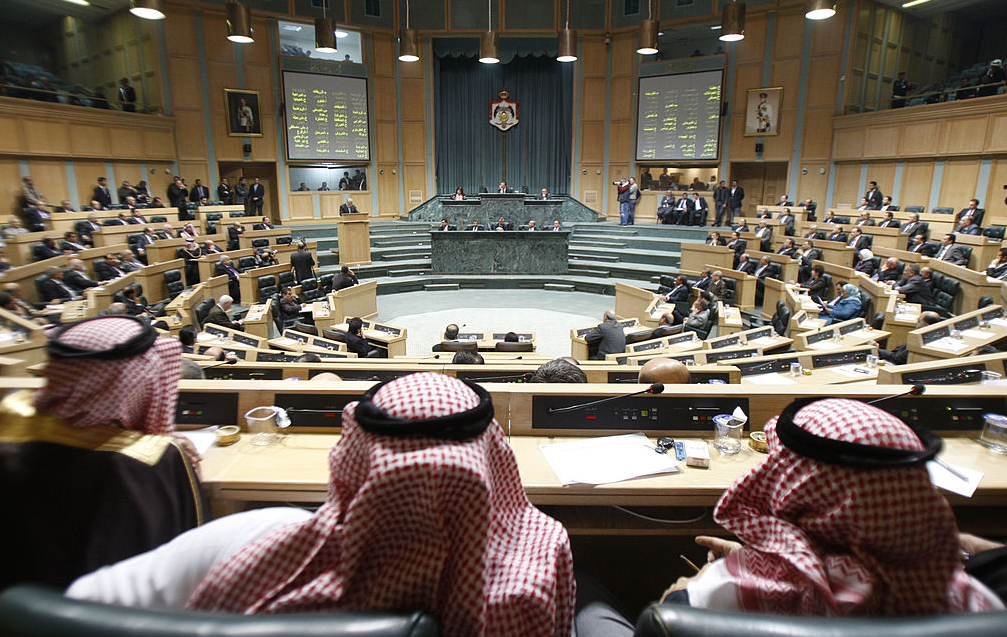
Jordan’s response to President Donald Trump’s so-called “deal of the century” has been quick and unequivocal. Less than an hour after the release of the peace plan at a White House ceremony on Jan. 28, Jordanian Foreign Minister Ayman Safadi issued a statement in which he reiterated Amman’s support for the two-state solution and the Arab Peace Initiative (API) as the only path to a just and lasting settlement to the Israeli-Palestinian conflict, without referring directly to the Trump proposal.
Jordan is bracing for protracted cyber insecurity. Since 2010, the Hashemite Kingdom has rolled out a raft of policies to manage digital vulnerabilities. In keeping with its proactive approach to cybersecurity, Amman is taking additional measures to inoculate the kingdom against digital ailments, including, most recently, the adoption of the 2019 Cybersecurity Law.