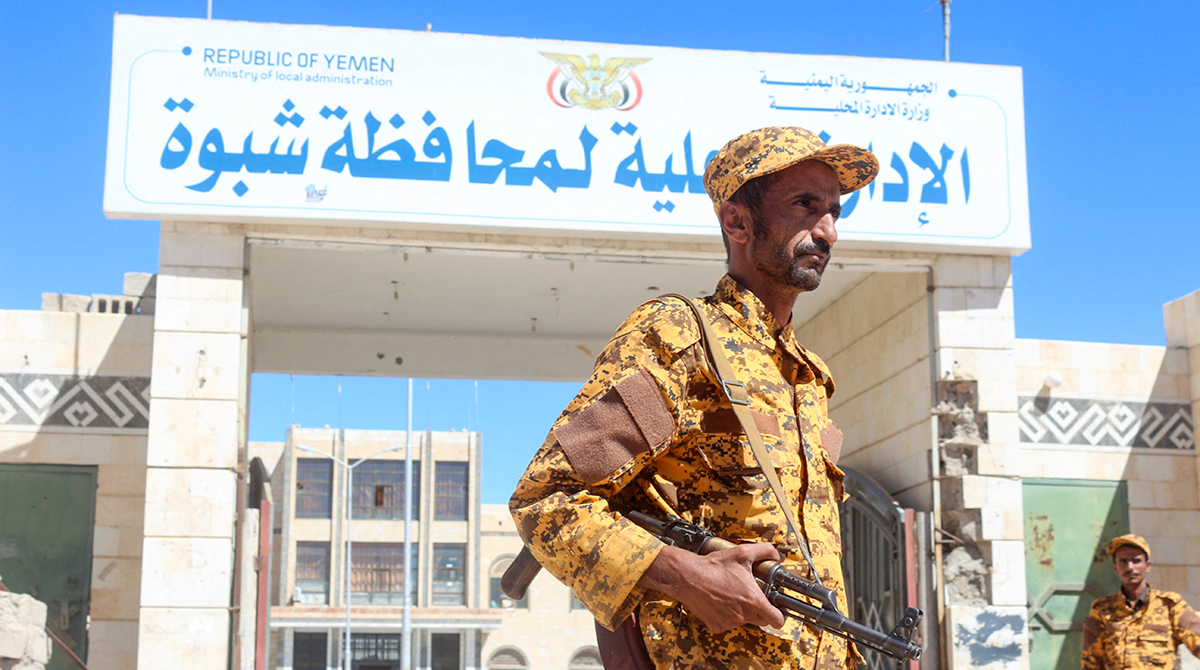
On Jan. 10, the governor of Shabwa announced its liberation from the Iran-backed Houthis. This victory followed a seemingly successful Houthi military campaign over the past couple of years to expand their influence around the city of Marib, weaken the internationally-backed government of Abed Rabbo Mansour Hadi, and solidify their grasp on strategic northern areas. However, while significant, the victory in Shabwa is unlikely to be replicated in the rest of the country, given the very specific political and regional dynamics that helped to bring it about. Moreover, the Houthis’ drone attack on Abu Dhabi on Jan. 17 presents a further challenge to the advance of pro-UAE forces into Marib.
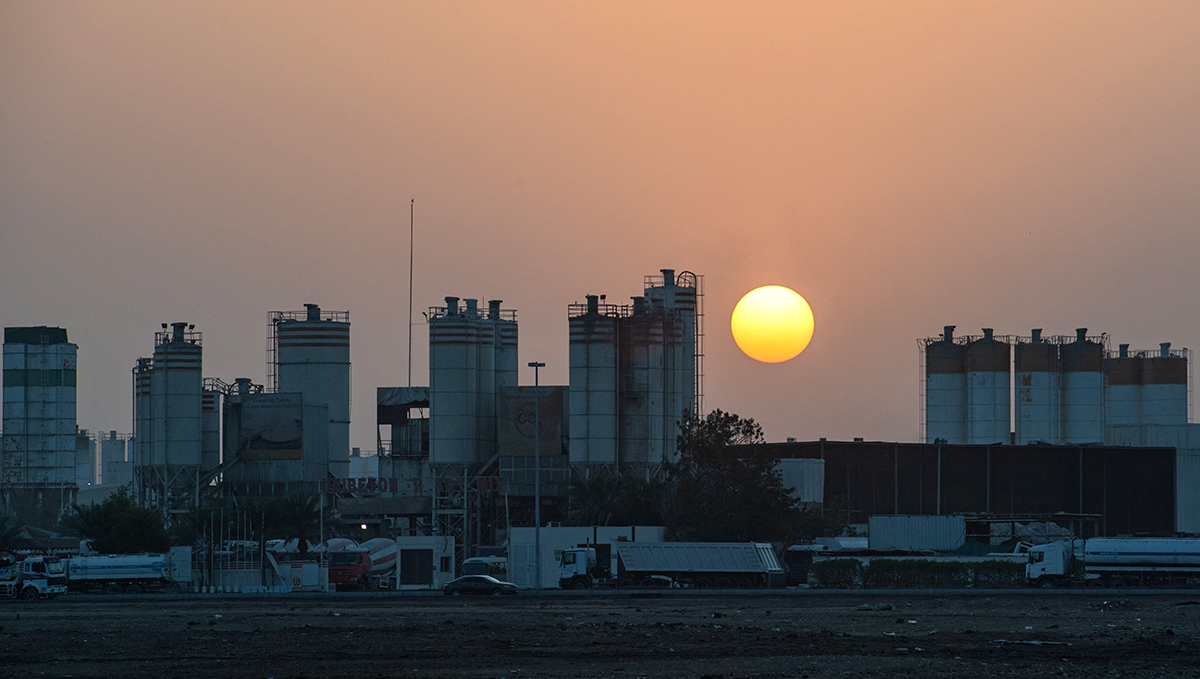
On Jan. 17, the Houthis perpetrated another attack, targeting an Emirati oil facility in Abu Dhabi, killing three international citizens, and damaging infrastructure. The story here is unfortunately all too familiar and begs a coherent response now. After all, what is becoming routine in the Gulf will likely be copied and repeated in other locations.
زخم قوي في توجه السعودية نحو مصادر الطاقة المتجددة والبنية التحتية
إن استراتيجية المملكة العربية السعودية لزيادة محفظتها من الأصول النظيفة والمتجددة قد تم تعزيزها في عام 2021، حيث شهدت المملكة العديد من عمليات تمويل المشاريع في قطاع الطاقة الشمسية وأطلقت صندوق البنية التحتية الوطني لتنويع اقتصادها.
Sinan al-Shabibi: Immortalizing the legacy of Iraq’s best
In Iraqi folklore, Saturday is both an ominous and auspicious day. Iraqis say it is Awwad —“repetitive” — and hence they prefer to postpone taking important decisions to other days of the week. For many Iraqis this week, the news of Dr. Sinan al-Shabibi’s unfortunate passing on Saturday, Jan. 8 could not have come on a worse day. While the loss of one of Iraq’s last firmly independent voices, a respected economist and former central bank governor and someone who genuinely sought the country’s economic transformation, was ominous, in time the day may also become auspicious if his memory and legacy help to inspire a new generation of Iraqis to realize his aspirations for the country.
How Saudi Arabia is forging ahead with its privatization drive
Saudi Arabia’s leviathan sovereign wealth fund, the Public Investment Fund (PIF), has recently sold a 5% stake in the Saudi Telecom Company (STC). The firm is the largest and most profitable in the regional telecoms sector. The 3.2B USD sale, completed in early Dec. 2021, is yet another step in Riyadh’s privatization drive as part of its Vision 2030 agenda, and highlights the growing role of the Kingdom’s domestic financial sector.
Strong momentum in Saudi Arabia’s drive toward renewables and infrastructure
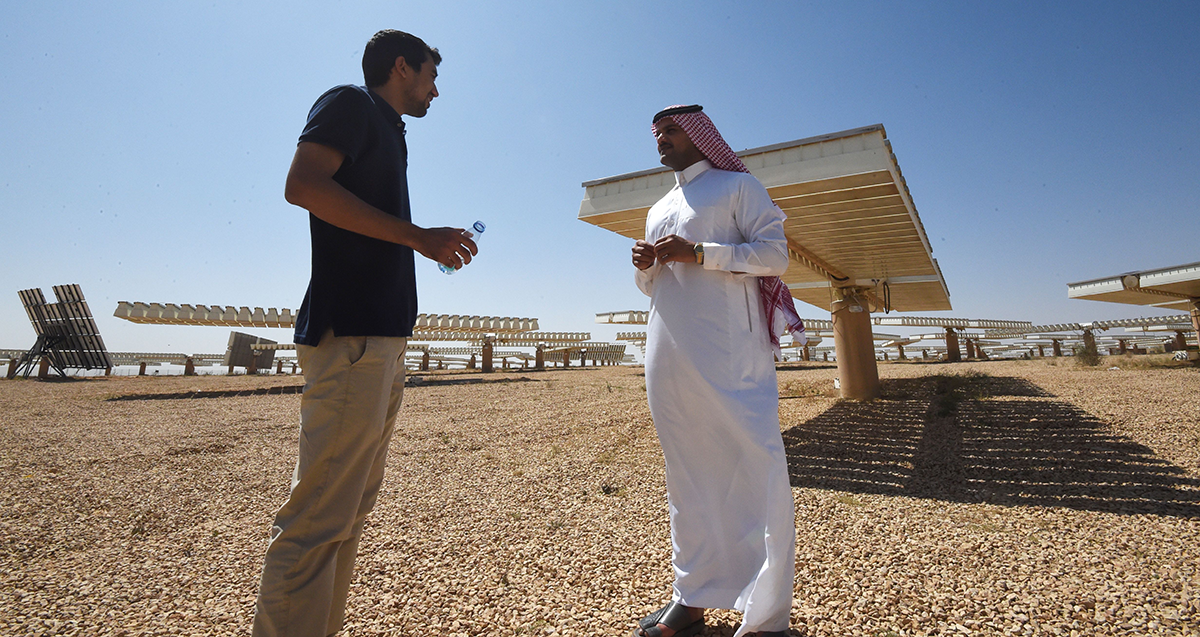
Saudi Arabia’s strategy to push through its portfolio of clean and renewables assets was further strengthened in 2021 as the kingdom witnessed several project financings in the solar sector and launched the National Infrastructure Fund (NIF) to diversify its economy.
Exploring the feasibility of the Jordan-Israel energy and water deal
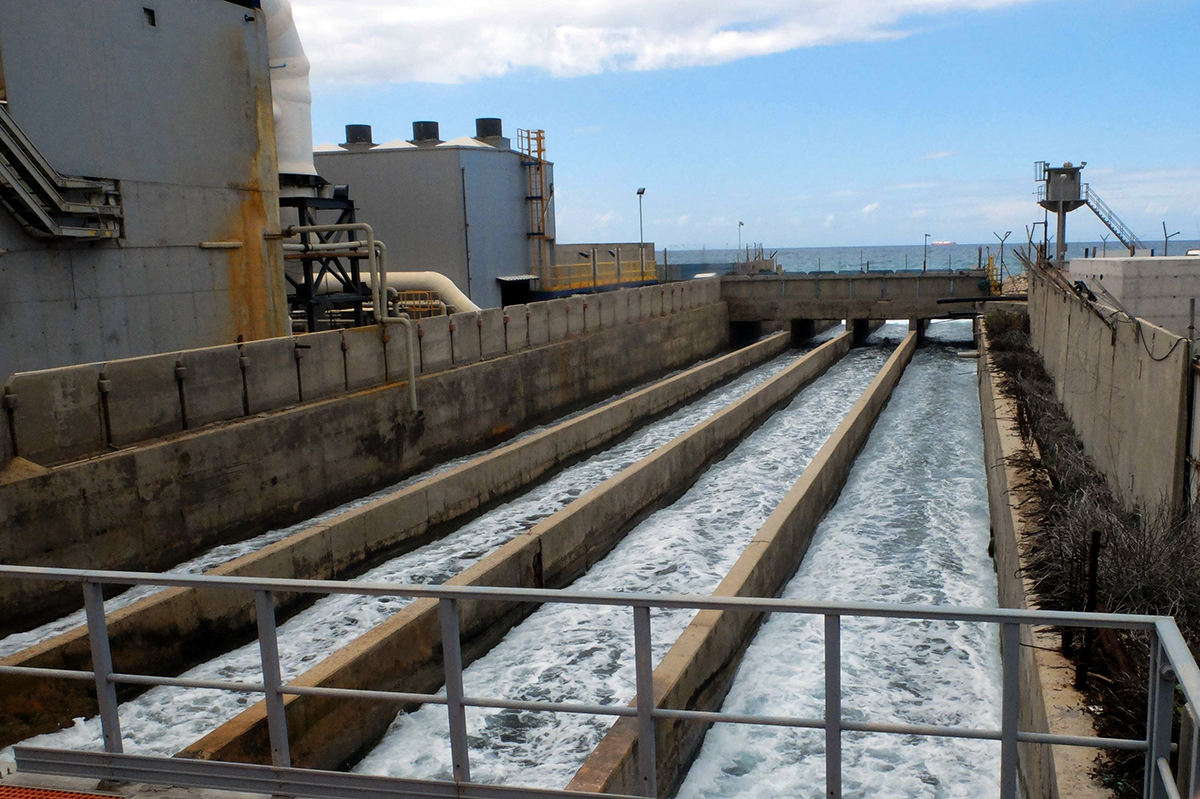
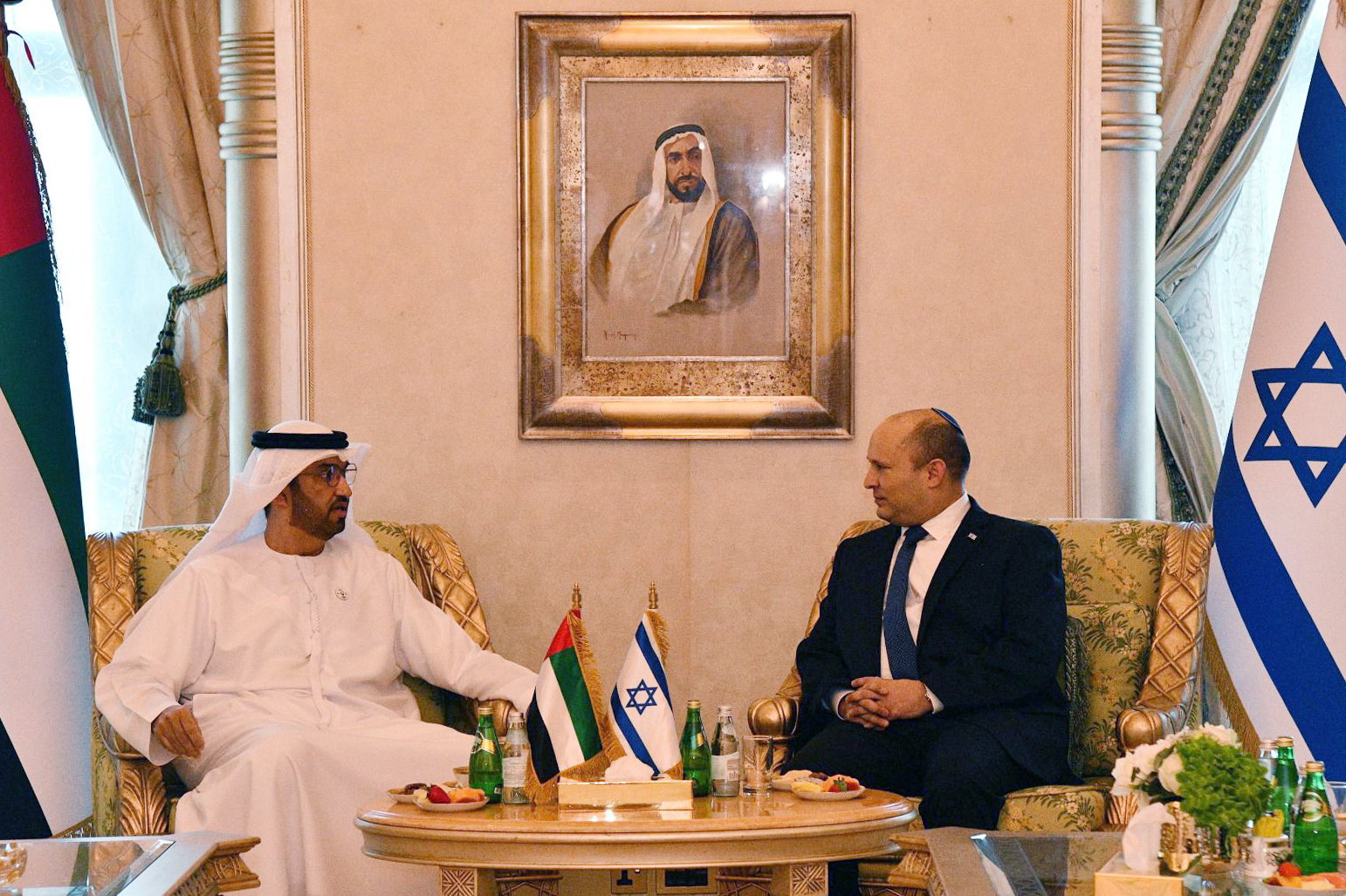
On Nov. 22, the Dubai Expo hosted an event where the United Arab Emirates (UAE), Jordan, and Israel signed a cooperation agreement that would broker an exchange of renewable energy and water between Jordan and Israel. The signing of the agreement between the respective minsters of the three countries took place in the presence of Abu Dhabi Crown Prince Mohammed bin Zayed and U.S. Climate Envoy John Kerry, who played a role in getting the deal done.
ميليشيات العراق تسعى لاستغلال وجود القوات الأمريكية
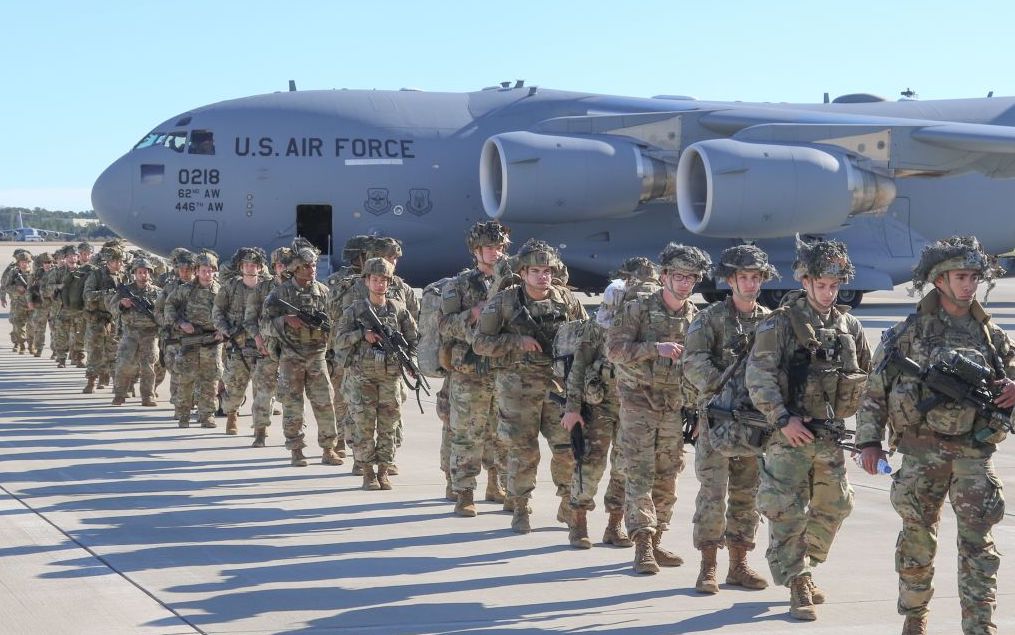
في 9 ديسمبر/كانون الأول، قال الجنرال الأمريكي المسؤول عن التحالف الدولي المناهض لتنظيم الدولة الإسلامية في العراق إن المهمة القتالية الأمريكية قد انتهت وأن القوات الأمريكية لن تقدم سوى المشورة والتدريب والمساعدة والاستخبارات لشركائها العراقيين. لن يغير التحول في الأدوار حجم القوة الأمريكية الصغيرة في العراق كثيرًا، لكن الجنرال فرانك ماكنزي، قائد القوات الأمريكية في الشرق الأوسط، قال في 9 ديسمبر/كانون الأول إن تواجد الناتو في مهمة المساعدة يجب أن يزيد.
The events of recent months, including a series of critical statements by international players about the reluctance of OPEC+ to raise output beyond its established quotas, have clearly demonstrated the changing realities in the oil market. In addition to global uncertainty, the dynamics between Saudi Arabia, Russia, and the U.S., as well as the actions of Asian oil consumers, have become other key factors shaping the cartel’s behavior.
أوبك بلس تواجه اختبارات جديدة لاستراتيجيتها لموازنة السوق في عام 2022
عندما أعلن البيت الأبيض في عهد الرئيس جو بايدن أنه قد نجح في ضم العديد من الدول الرئيسية المستهلكة للنفط في محاولة لتنسيق عمليات الإفراج عن احتياطيات البترول الاستراتيجية (SPRs) حول العالم، بدا أن هذا سيكون العامل الرئيسي الوحيد في أسواق النفط التي ستناقشه أوبك بلس في
تشكيل الحكومة العراقية الجديدة: تحولات استراتيجية وتغييرات تكتيكية
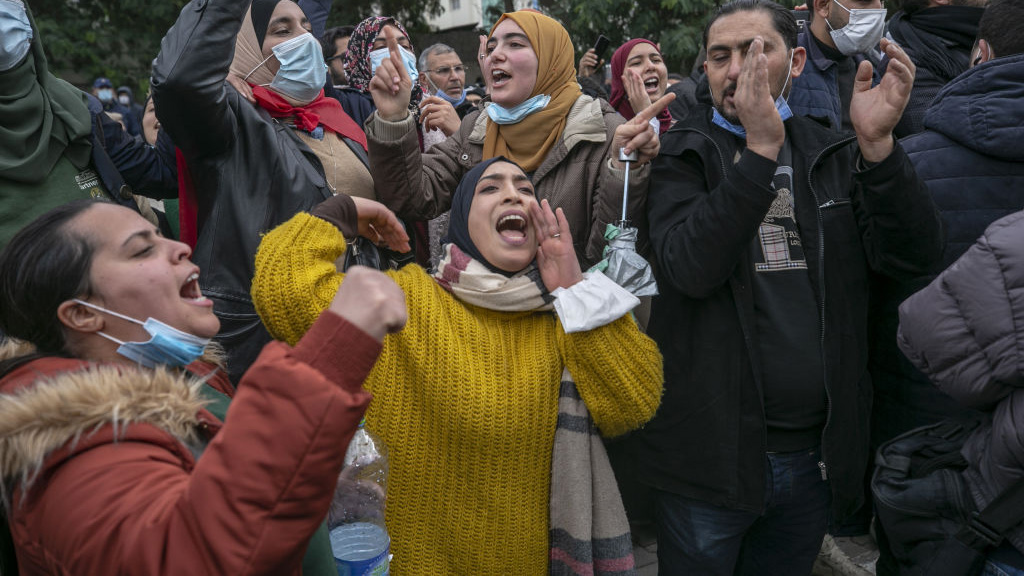
أحدثت انتخابات 10 أكتوبر/تشرين الأول 2021 ثلاث تحولات استراتيجية رئيسية في العملية السياسية العراقية، والتي على الرغم من أنها لم تسفر بعد عن تغييرات جوهرية في عملية تشكيل الحكومة الحالية، إلا أنها تتمتع بإمكانية هائلة لإحداث المزيد من التغييرات الجوهرية في المستقبل. أولاً، تعرضت الفصائل الموالية لإيران عبر القوائم والأحزاب السياسية العراقية، سواء داخل الكتل الكردية أو السنية أو الشيعية، لخسارة ثقيلة. ثانيًا، فازت الأحزاب التي انبثقت عن الاحتجاجات الشعبية في أكتوبر/تشرين الأول 2019، “امتداد وإشراقات كانون”، بتسعة مقاعد وستة مقاعد على التوالي في منافستها الانتخابية الأولى.
Gerald Feierstein, Afshin Molavi, and Courtney Freer discuss the state of the United Arab Emirates as the country celebrates its 50th anniversary, including its history, economic development, and domestic and regional policy objectives.