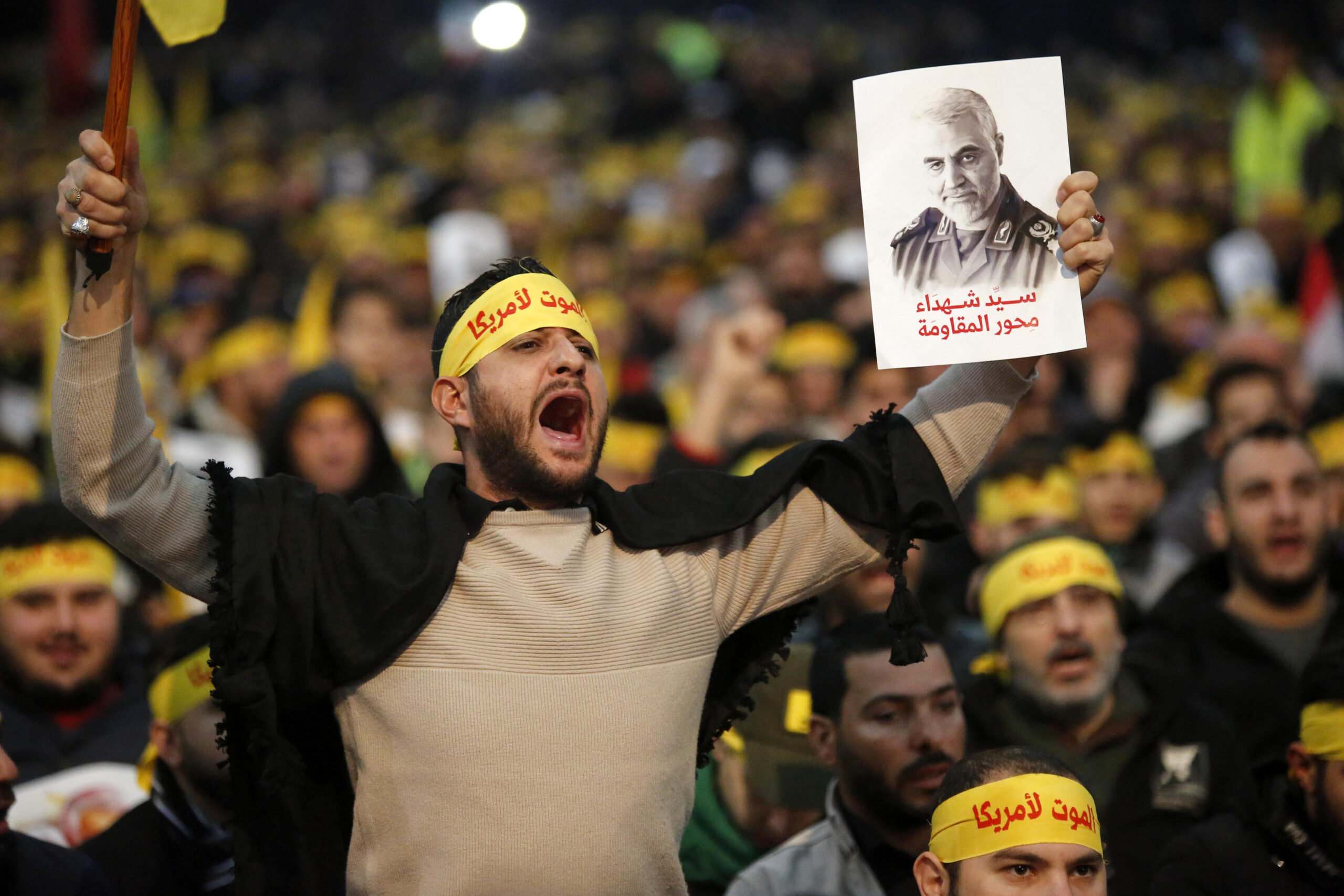
The past decade and a half have been a real whirlwind for Hezbollah, but the group seems to have weathered all of these storms, at least for now. However, it’s one thing for Hezbollah to survive and another altogether for it to thrive. In a special roundtable report from MEI, renowned Hezbollah analysts offer their perspectives on a series of key questions about the major upcoming challenges facing the group. This report includes contributions from Bilal Y. Saab, Nicholas Blanford, Nizar Hamzeh, Matthew Levitt, Magnus Ranstorp, Bruce Riedel, Randa Slim, and Michael Young.
Why there’s little media coverage of the Lebanon and Iraq protests
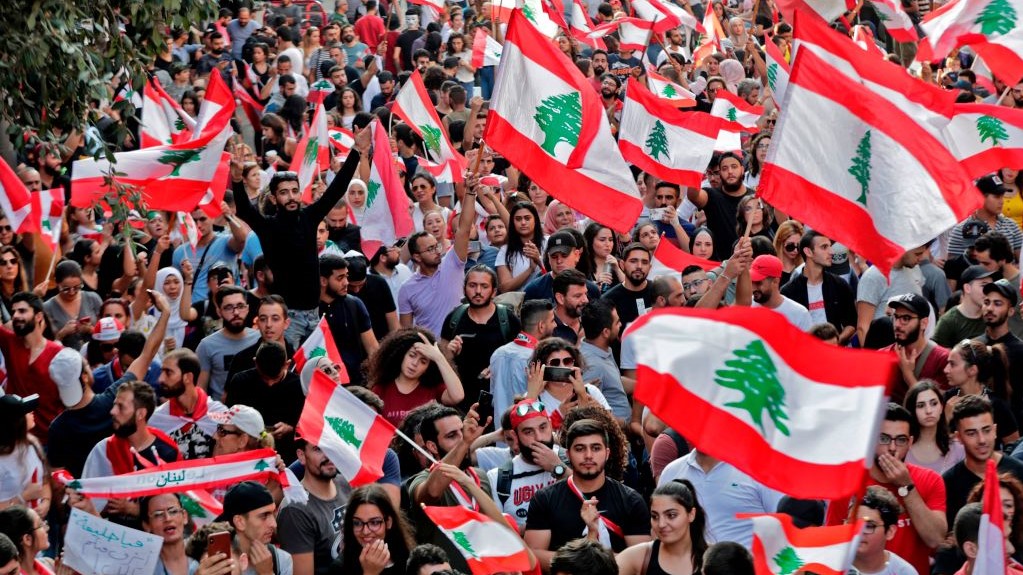
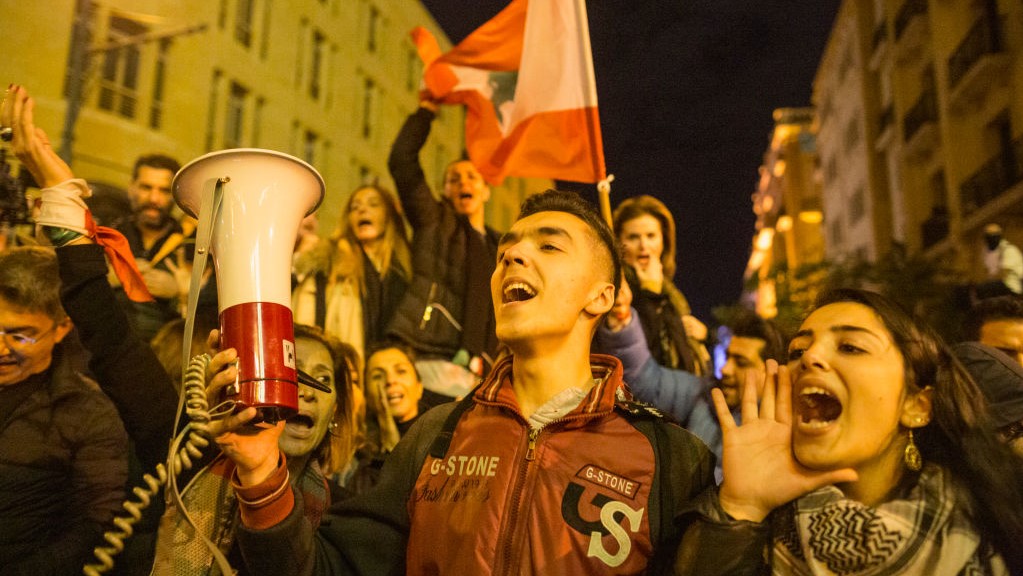
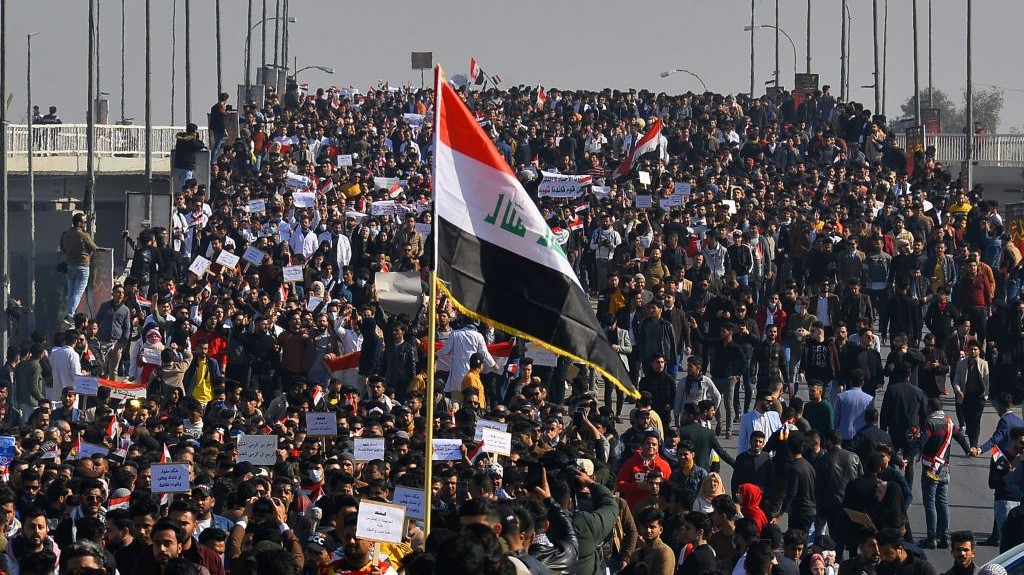
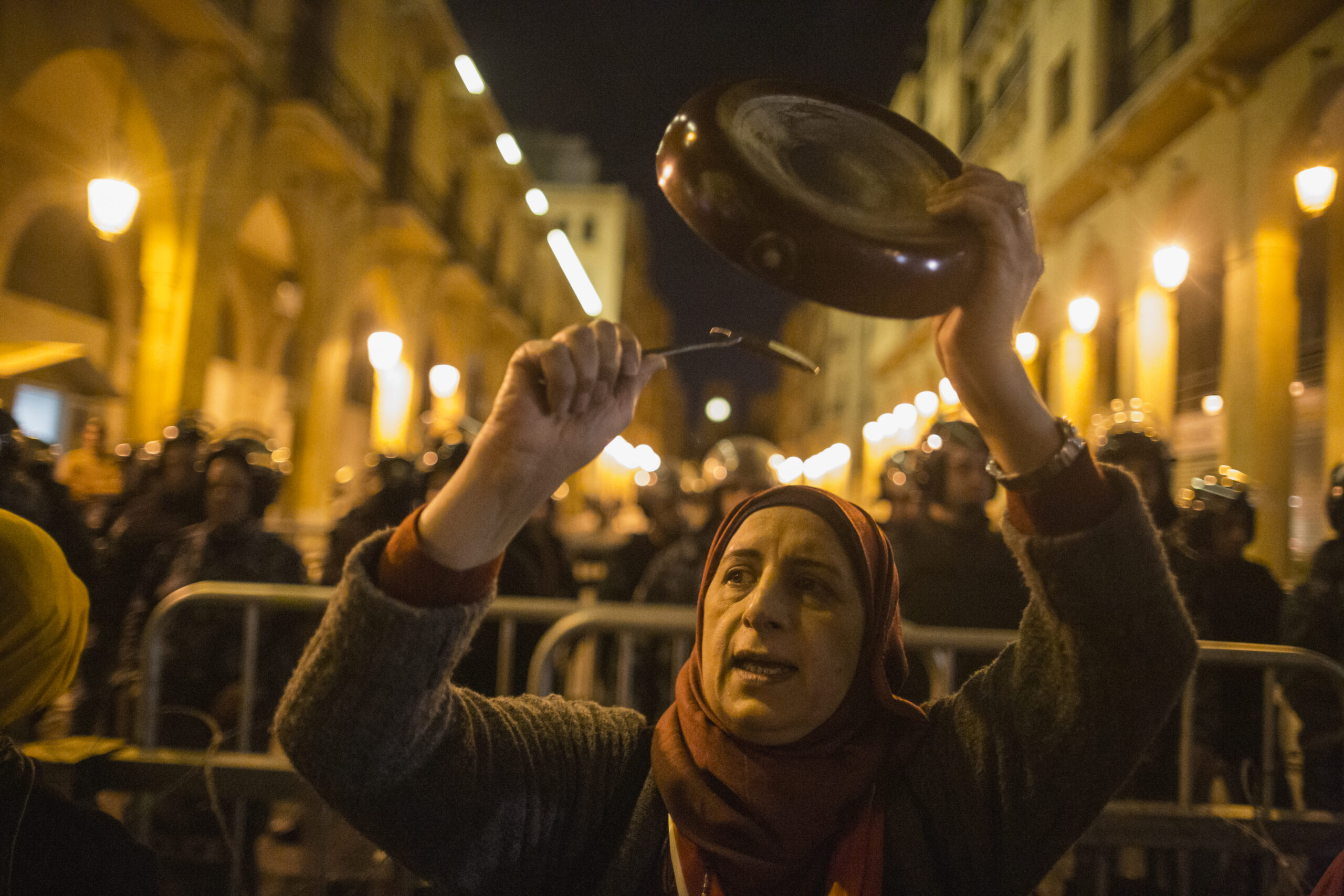
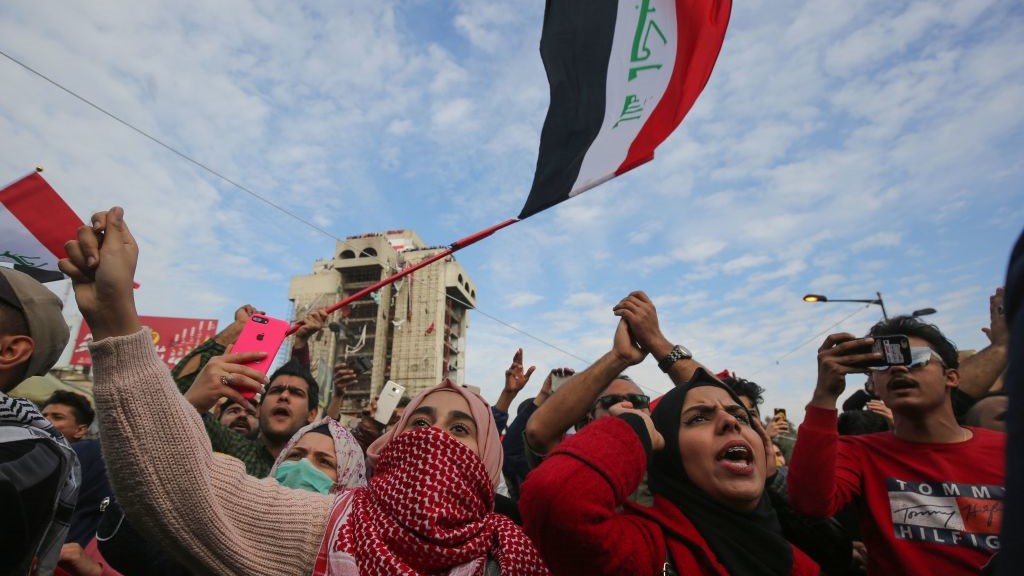
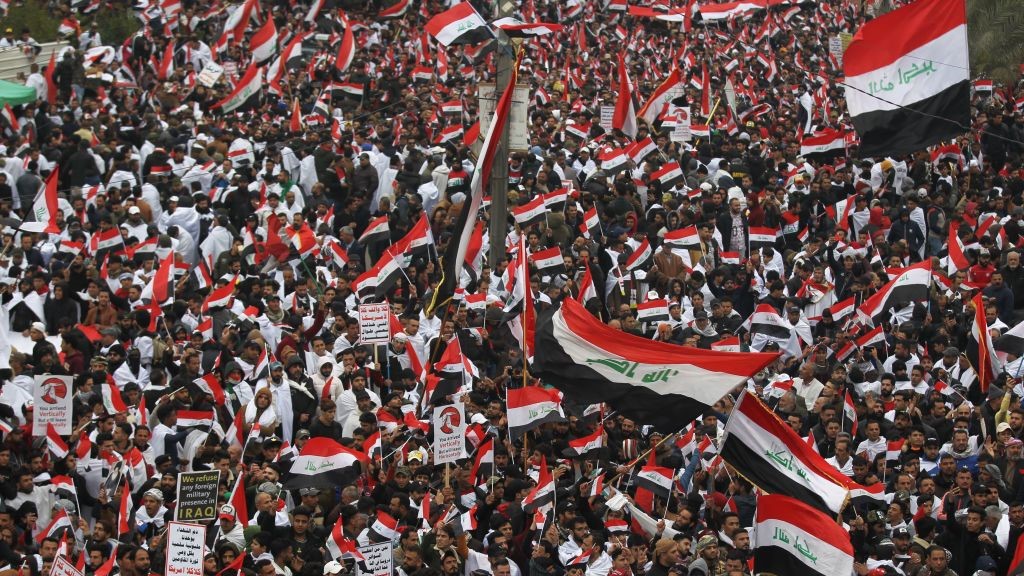
Lebanese and Iraqi protesters have faced an uphill battle drawing global media attention since Arab Spring-like uprisings erupted in both countries last October. Coverage of the protests has been dwarfed by other major international news stories running concurrently with the uprisings, such as Brexit and the Hong Kong protests. The main implication of low coverage has been a lack of sustained international pressure on Lebanese or Iraqi political leaders to accommodate protester demands for wholesale systematic changes.
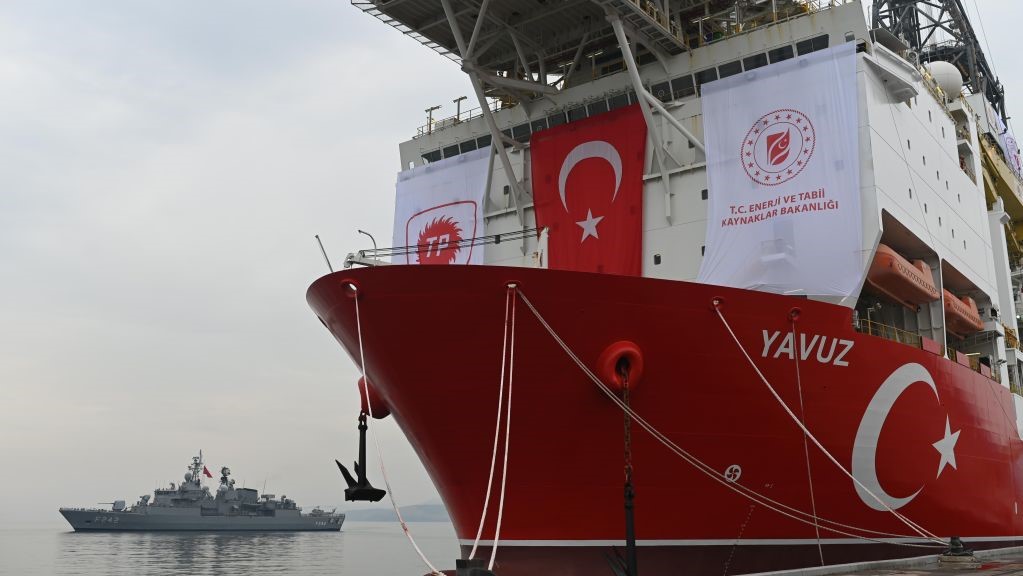
The eastern Mediterranean has become an increasingly important focus for Turkey’s foreign and security policy, but the interlocking of new issues like energy politics and sovereignty rights with old problems like Cyprus has created significant challenges for Ankara.
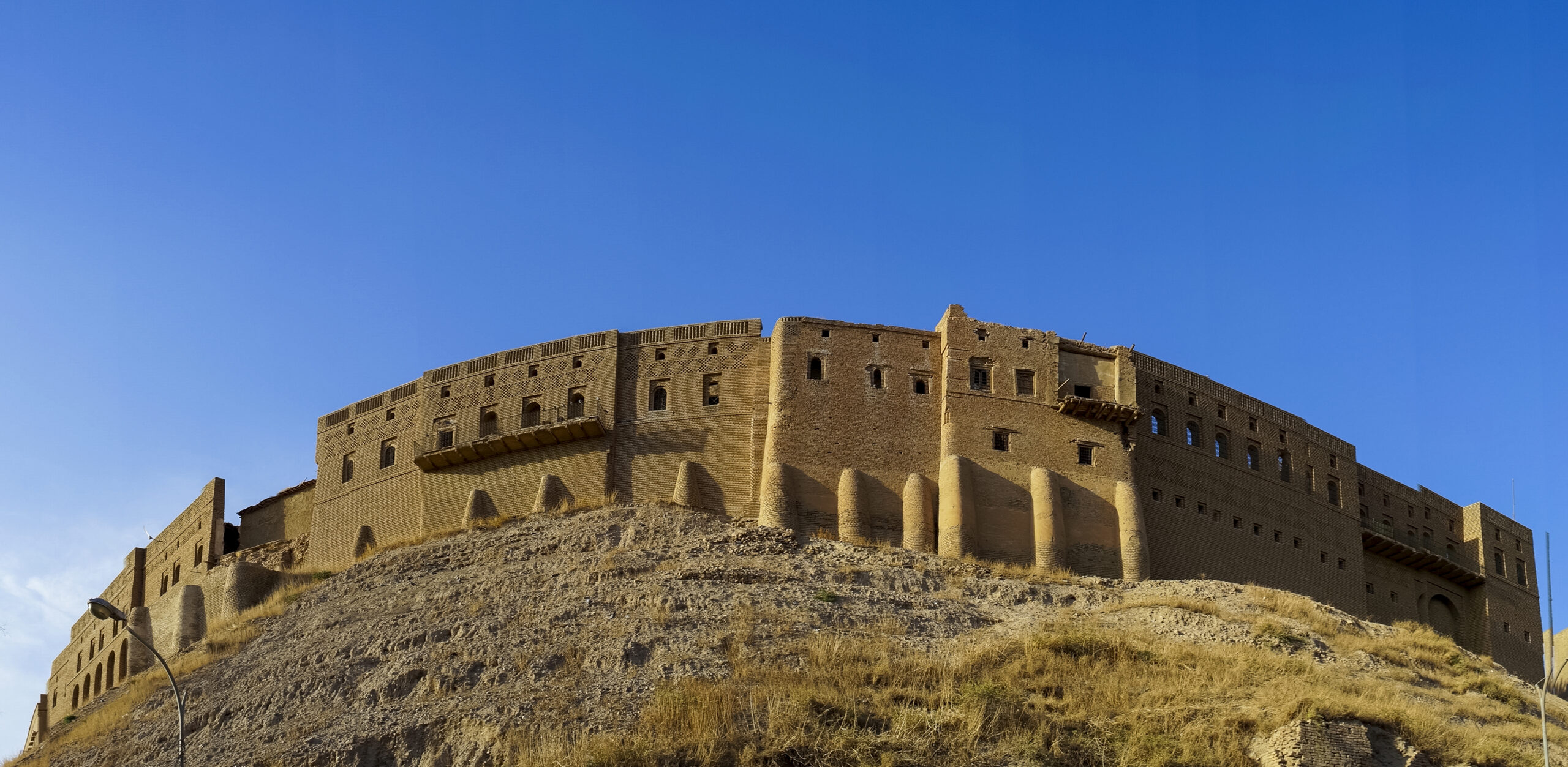
The history of Erbil’s citadel reads like a cinematic epic worthy of Cecil B. DeMille
Possibly one of the world’s oldest continuously inhabited human settlements, the citadel is built on a series of archaeological layers crowned by Ottoman-era houses. It may have been the site of a temple to Ishtar, was an important center of Nestorian Christianity, and survived both the 13th-century Mongol invasion and an 18th-century siege by Nader Shah. It was home to the Medians and the Assyrians (who called it Arbela), Muslims and Jews, and has housed Sufi shrines and displaced squatters. Its mound-like form has been shaped by successive generations of inhabitants and invaders who simply built on top of the rubble of their predecessors.
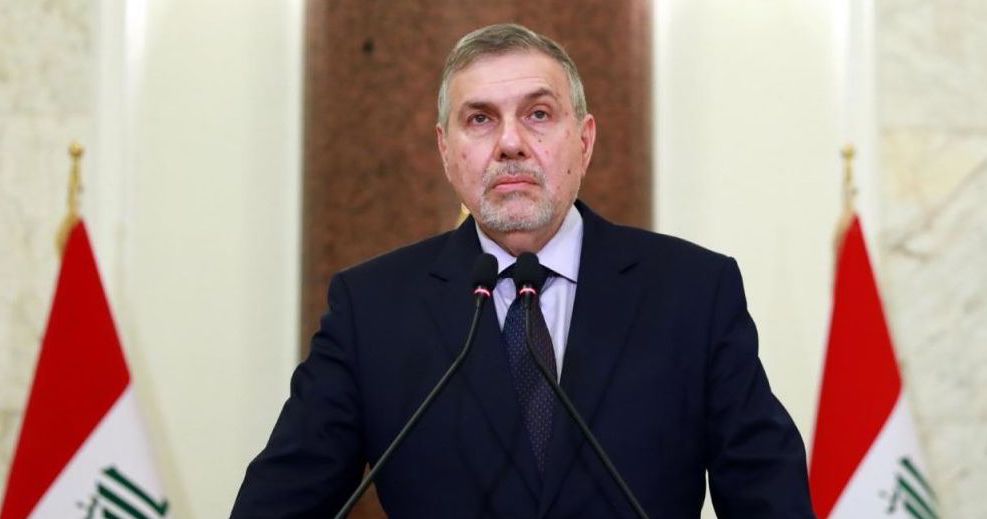
Iraqi PM nominee’s friends wrestle foes in the street
Allawi’s promises notwithstanding, there will be tough jostling among the parties over ministries, and more street protests and violence in the weeks ahead.
The protest movement in Iraq is now entering its fourth month. The protests raging across most of the south of the country have remained non-sectarian in their tone and message, and the movement is steadfast in its rejection of the political order, and all members of the political elite.
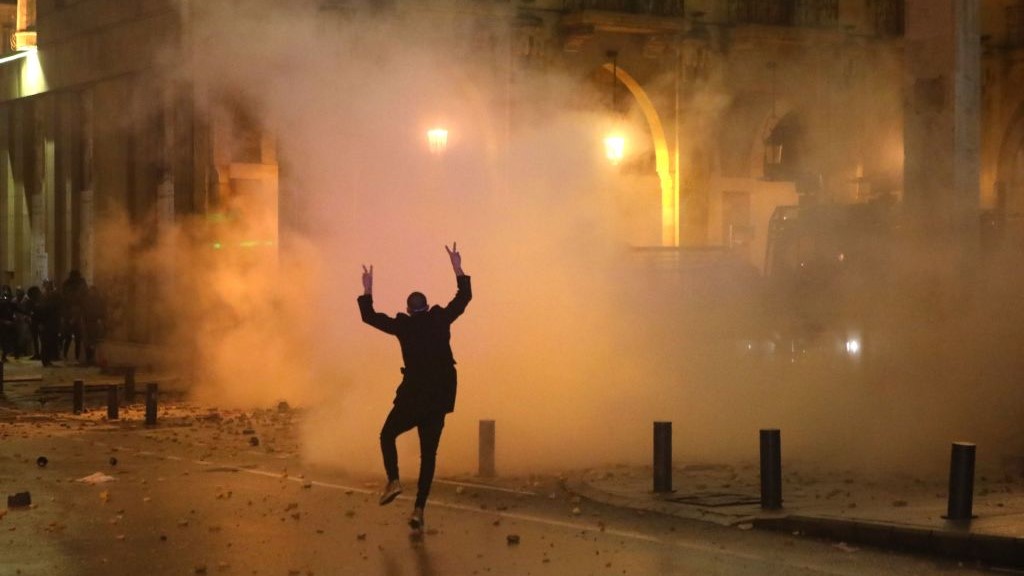
By any objective standard, the Lebanese protest movement has failed. This is not necessarily an indictment against it. Rather, it’s a reality one cannot and should not ignore. The responsible thing to do now is to try to understand why it has fallen flat, despite more than 100 days of demonstrations in various regions of the country including the capital, Beirut.
First, a word of solace. In the annals of history, the Lebanese are in good company as most uprisings and revolutions failed to attain their goals. And even when they did, success either didn’t last long or was completely reversed due to counterrevolutions and other spoilers, both foreign and domestic.
As an Iraqi American who lived through the 1991 Gulf War and 2003 U.S.-led invasion to bring about regime change, I have witnessed firsthand how U.S. wars in the region can break out when Baghdad and Washington fail to understand each other’s intentions and motives.
Iraq: Sadr withdraws support for protests in a political power play
So far, disproportionate violence by security forces against the civilian protesters has led to the exact opposite of what they sought to achieve, causing protesters’ numbers to swell.
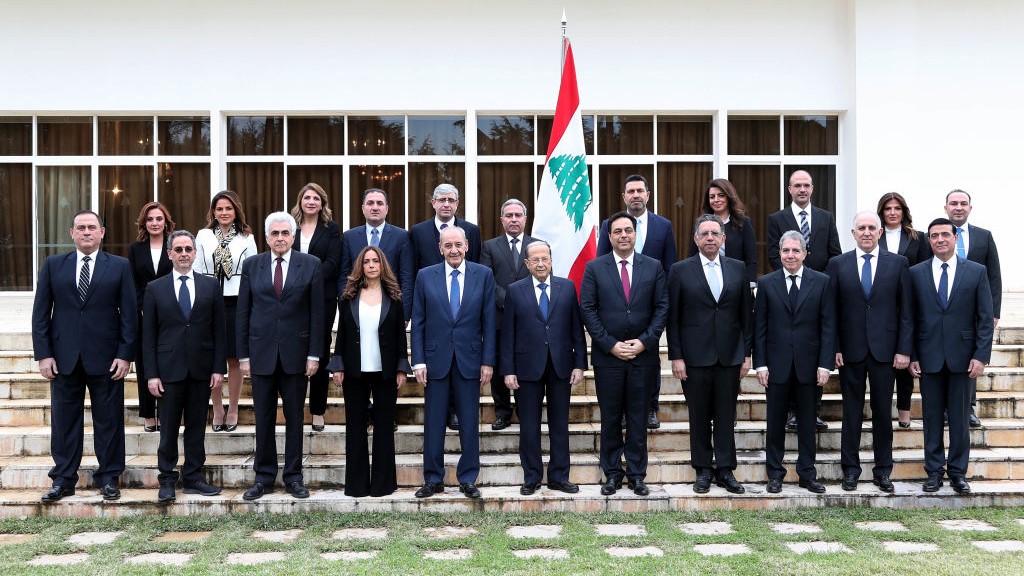
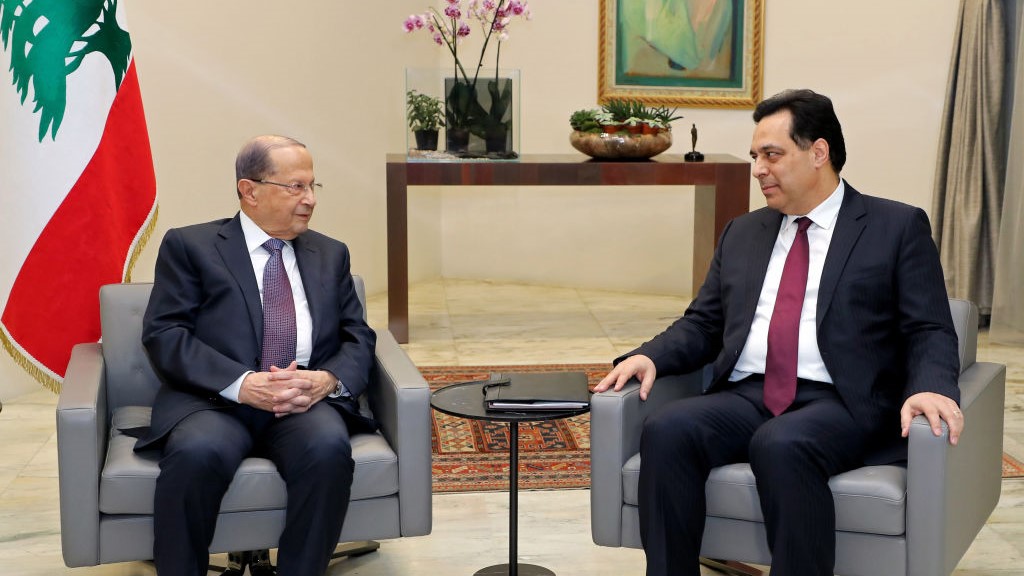
Against the backdrop of a massive economic and financial crisis and a now three-month-old nationwide protest movement, Lebanon swore in a new government on Tuesday — a technocratic cabinet that is widely seen as a “shadow government” for Hezbollah and other entrenched political leaders. MEI’s Paul Salem, Randa Slim, and Bilal Saab join host Alistair Taylor to discuss what lies ahead.
No amount of analytical nuance or ingenuity can challenge the conclusion that the newly formed government in Lebanon is Hezbollah’s creation. The only question left to answer is: why did Hezbollah do it?
Lebanese oligarchs approve technocratic shadow government
The new government is politically aligned with the pro-Hezbollah and pro-Syrian axis in Lebanon, and is very unlikely to drum up international and regional support.
The sky is sliding: Why and how the Lebanese avoided catastrophe and aggravated challenges over time
Lebanon’s in trouble and the Lebanese may soon face the real reckoning that they’ve thus far avoided. Having bought time they’ve increasingly needed with money they’ve increasingly lacked, but somehow conjured, they’re running out of both. Its leaders must act, soon, to avoid a complete catastrophe. And, whether avoiding or coping with collapse, the Lebanese must well and truly consider how to shape a better future.
MEI experts Robert S. Ford, Fatima Abo Alasrar, and Emad Badi join host Alistair Taylor to survey what lies ahead for the Middle East in 2020, with particular attention to Iran, Syria, Yemen, Libya, Iraq and Algeria.