If the US wants to make its mark on the future of Israeli democracy, it’s time it moved from words to deeds
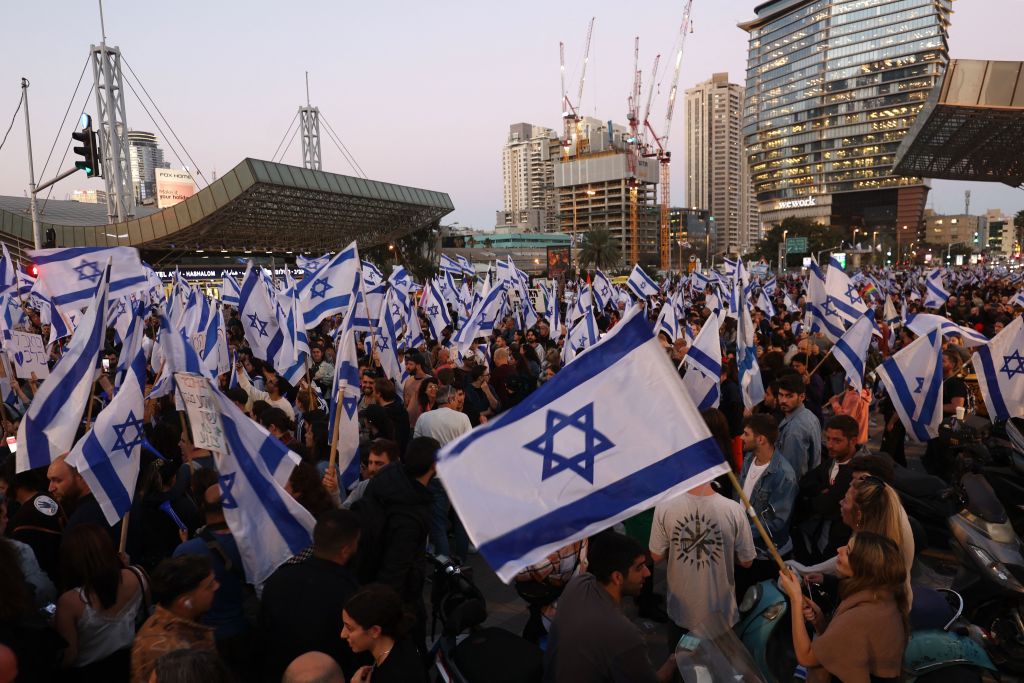
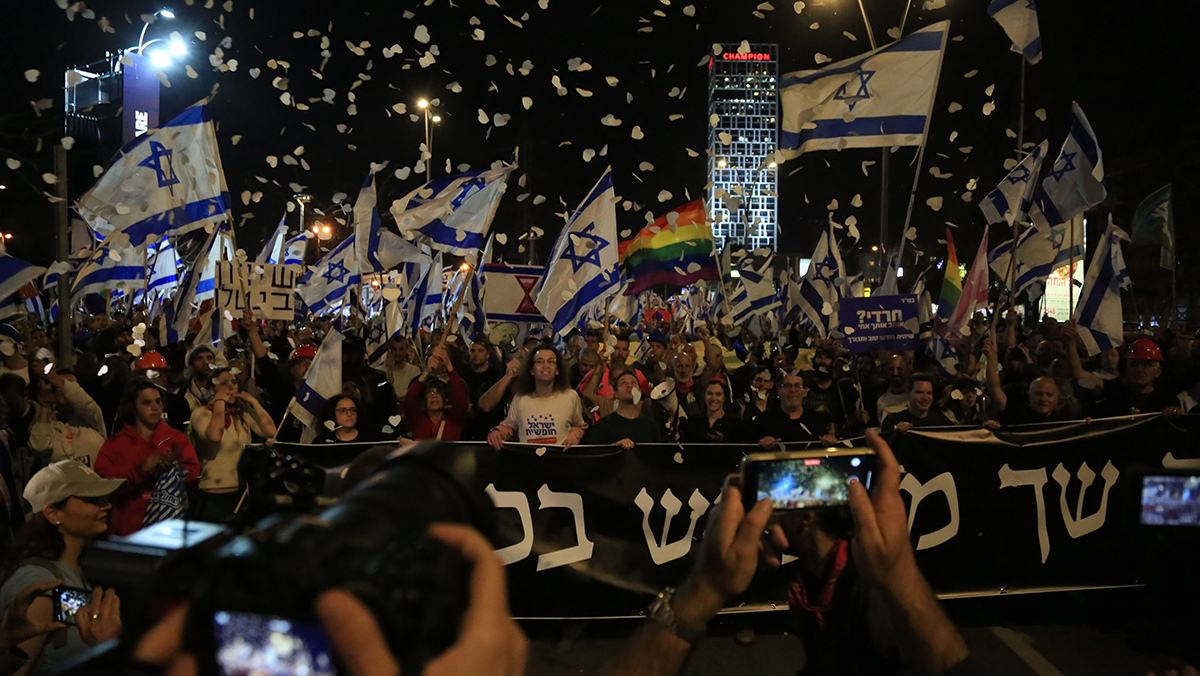
As Israel’s hardline coalition government is ramming through legislation that would radically alter the country’s political character and system of government, alarm bells are finally ringing in Washington. Even President Joe Biden has finally picked up the phone and expressed his concern to Prime Minister Benjamin Netanyahu about his anti-democratic agenda. The growing American apprehension, however, has yet to be translated into meaningful policy action.
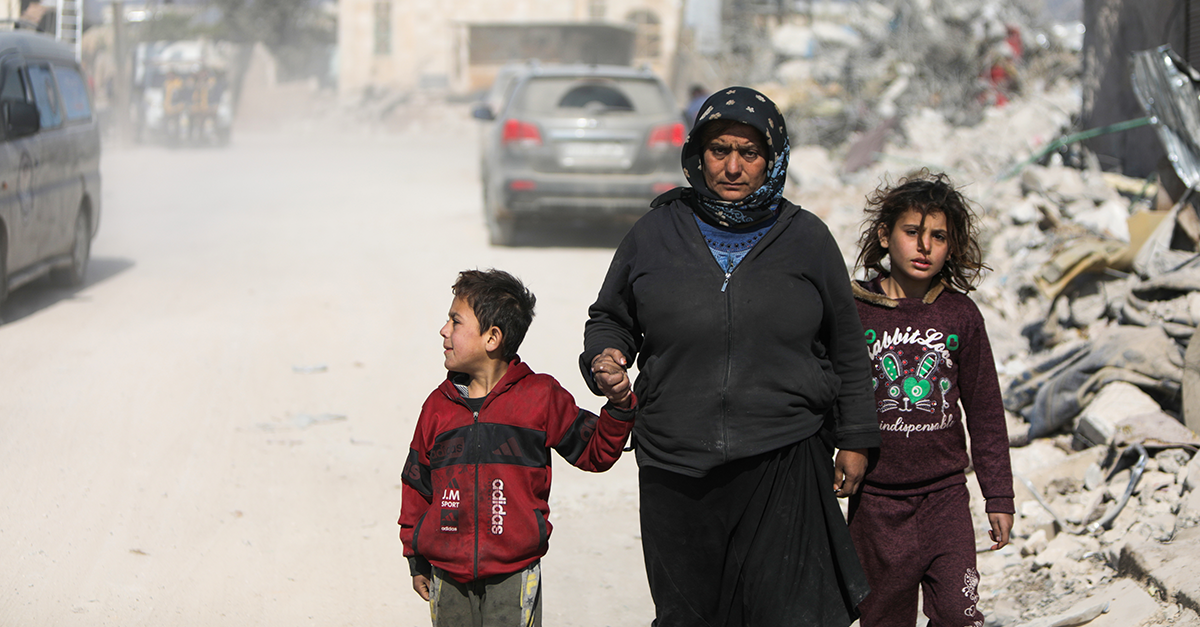
A message to the donors convening in Brussels to aid Syria’s earthquake recovery
On March 20, the EU will hold an international donors’ conference in Brussels to raise funds for Turkey and Syria’s recovery from the devastating earthquakes that struck in early February. While Turkey’s foreign minister will speak before the pledging session, no one will represent or even speak on behalf of Syrians.
Surge in West Bank violence further undercuts Abbas’s precarious leadership
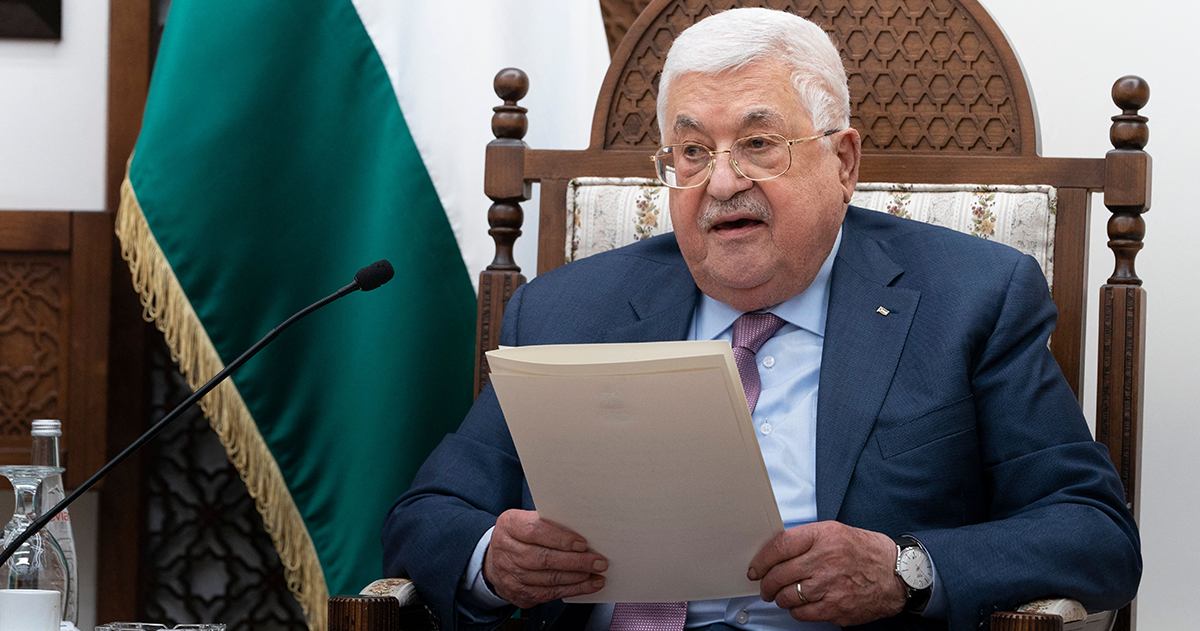
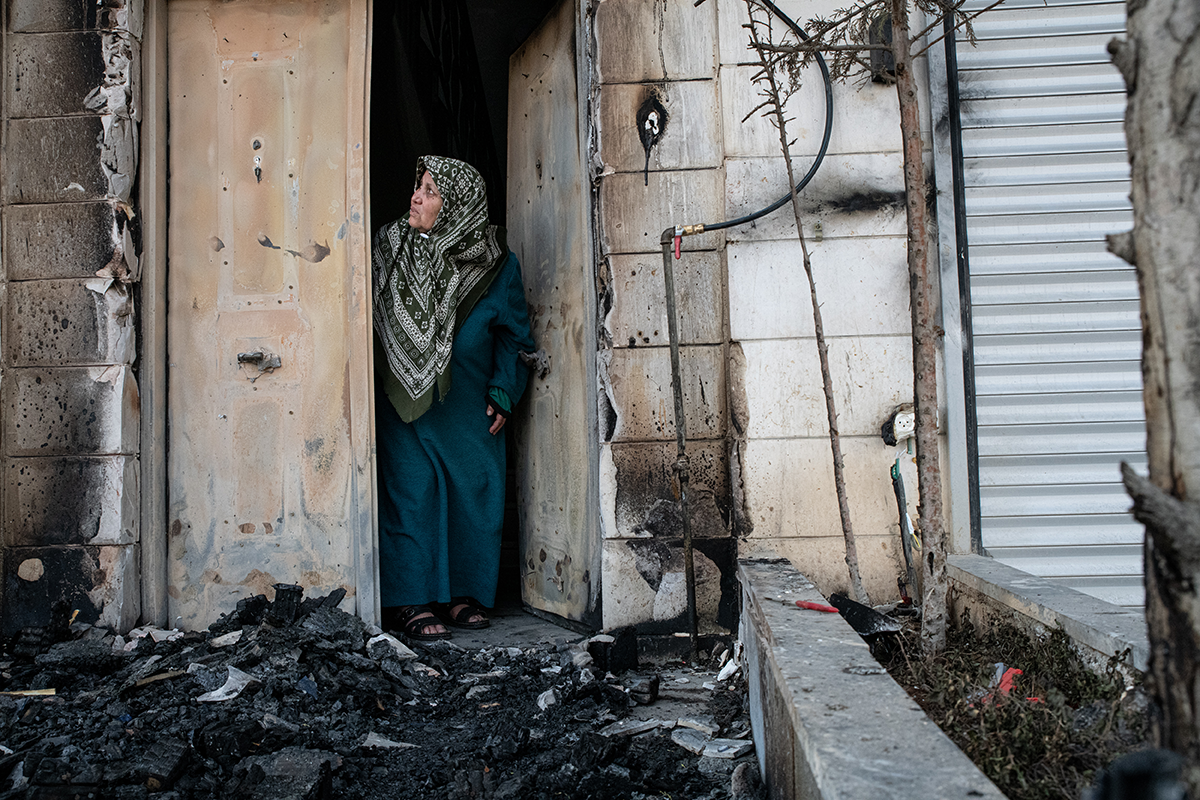
In addition to the terrible human and material toll, among the many casualties of the ongoing Israeli offensive in the West Bank is Palestinian Authority (PA) President Mahmoud Abbas’s leadership. Without outside intervention, Israel’s violent military crackdown is likely to fuel more violence while further undercutting Abbas’s already embattled leadership and whatever may be left of the PA’s domestic credibility.
Aqaba agreement overshadowed by spiking violence in the West Bank
It was described as a “significant breakthrough” by a Jordanian official, while Jordan’s Foreign Minister Ayman Safadi said the agreement would ‘’de-escalate violence” if implemented, but just as the details of the one-day security meeting in Aqaba, on Feb. 26, were being announced, it became apparent once more that a rare attempt to bring Israeli and Palestinian officials together, in a bid to contain a spike in violence that was quickly getting out of control, was ill-fated.
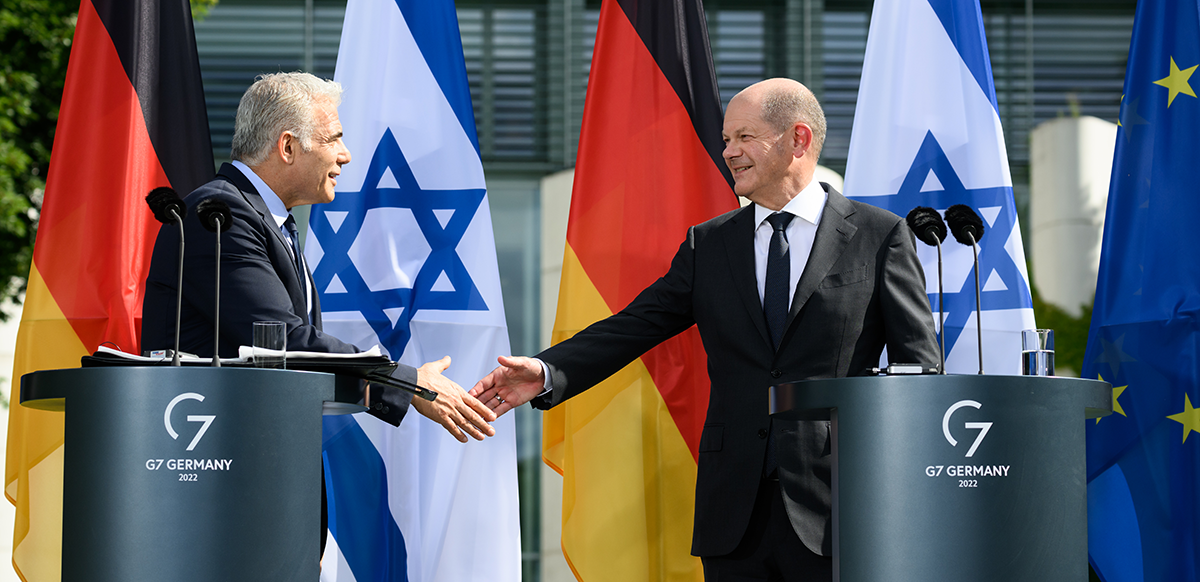
The German "Zeitenwende" still goes unnoticed in Israel
Although Germany and Israel maintain a close partnership, the German “Zeitenwende” has not yet been perceived there. Dr. Nimrod Goren outlines a German-Israeli partnership oriented towards democracy and peace.
Russia's Influence in MENA After a Year of War in Ukraine
MEI Managing Editor Matthew Czekaj speaks with scholars Iulia-Sabina Joja, Alex Vatanka, Yörük Işık, Charles Lister, and Roger Kangas on Russia’s current standing in the Middle East a year since re-invading Ukraine.
How has Russian aggression in Ukraine redrawn Moscow’s relationships in the MENA region? And as the Middle East increasingly becomes a key area of global great power competition, is Russia still a meaningful player there, politically, economically, militarily, and diplomatically?
Challenges of mechanized and combined arms warfare: Lessons for Ukraine from Syria and Iraq
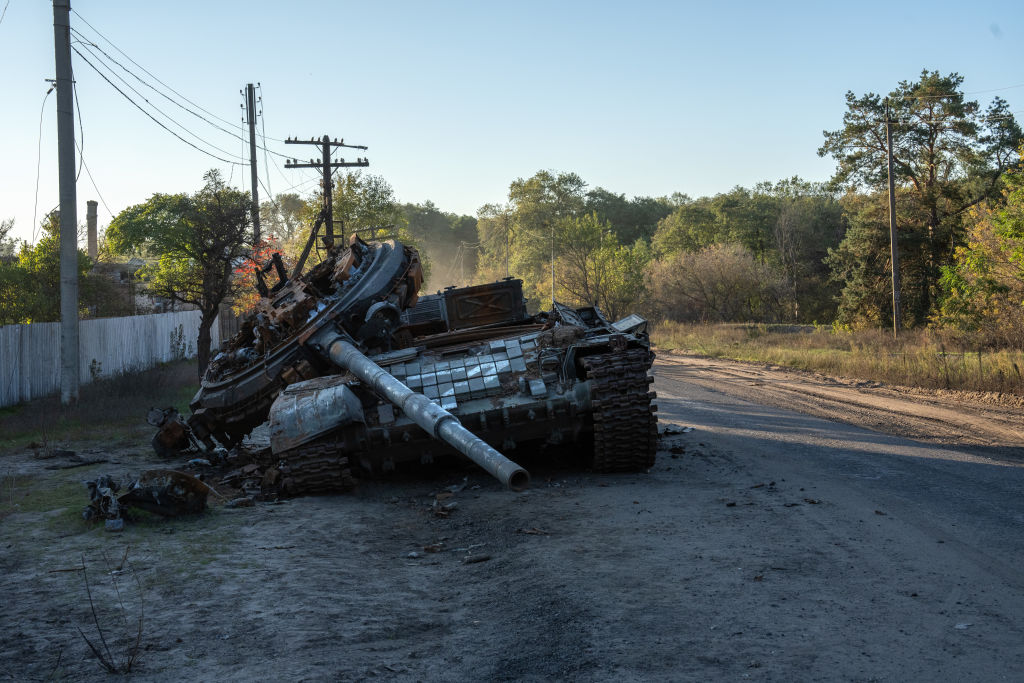
The difficulty of quickly providing mechanized and armored equipment to Ukraine, training Ukraine to employ this equipment in combined arms operations, and ensuring Ukraine can maintain and sustain combat power should not be underestimated. As the examples of Turkey’s 2016 military operation in Syria and the U.S. operation in Fallujah in 2004 illustrate, dislodging Russia from its prepared defensive positions will be a daunting task for the Ukrainian Armed Forces.
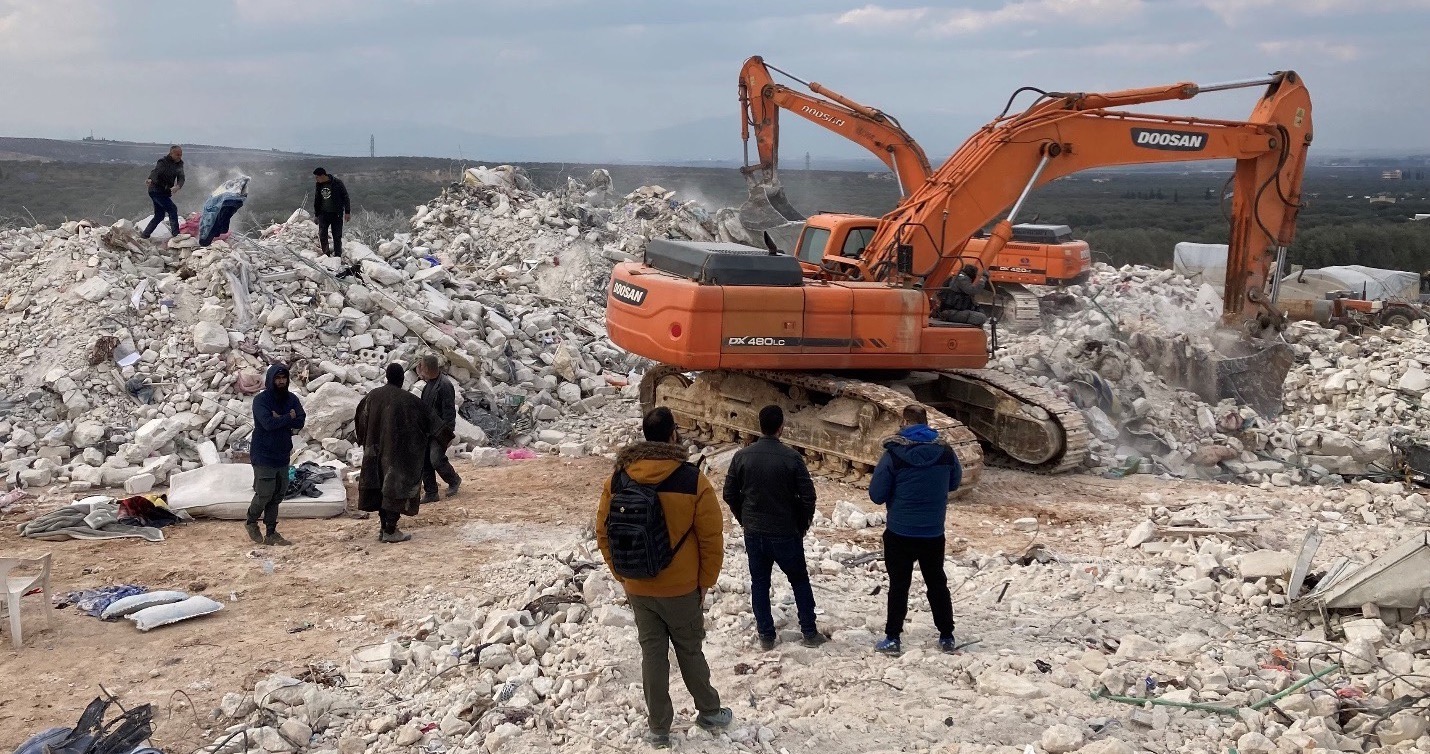
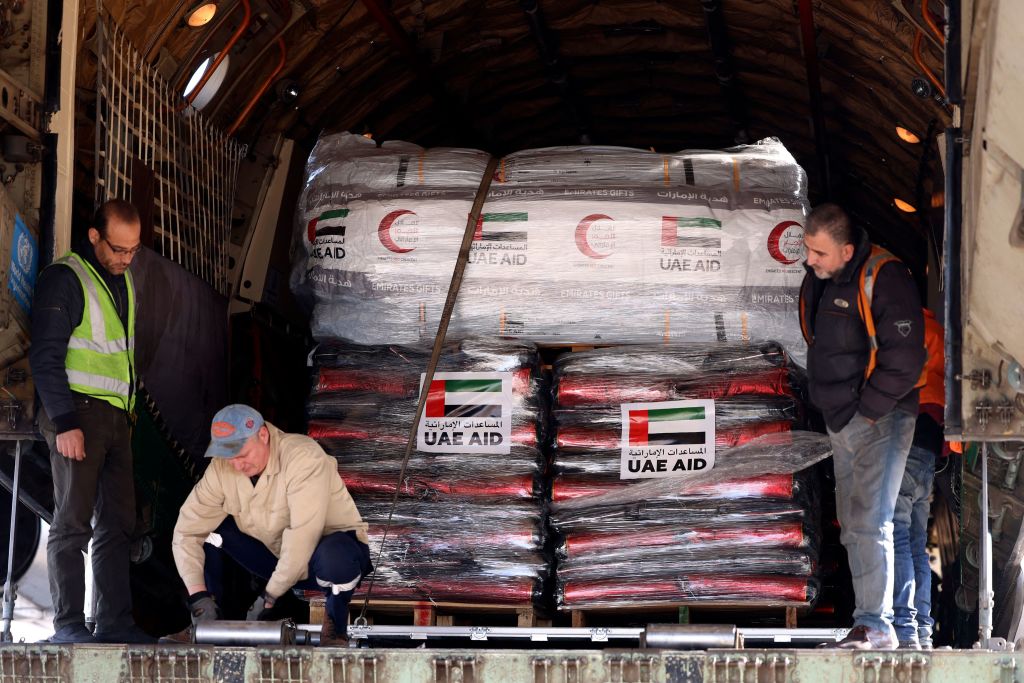
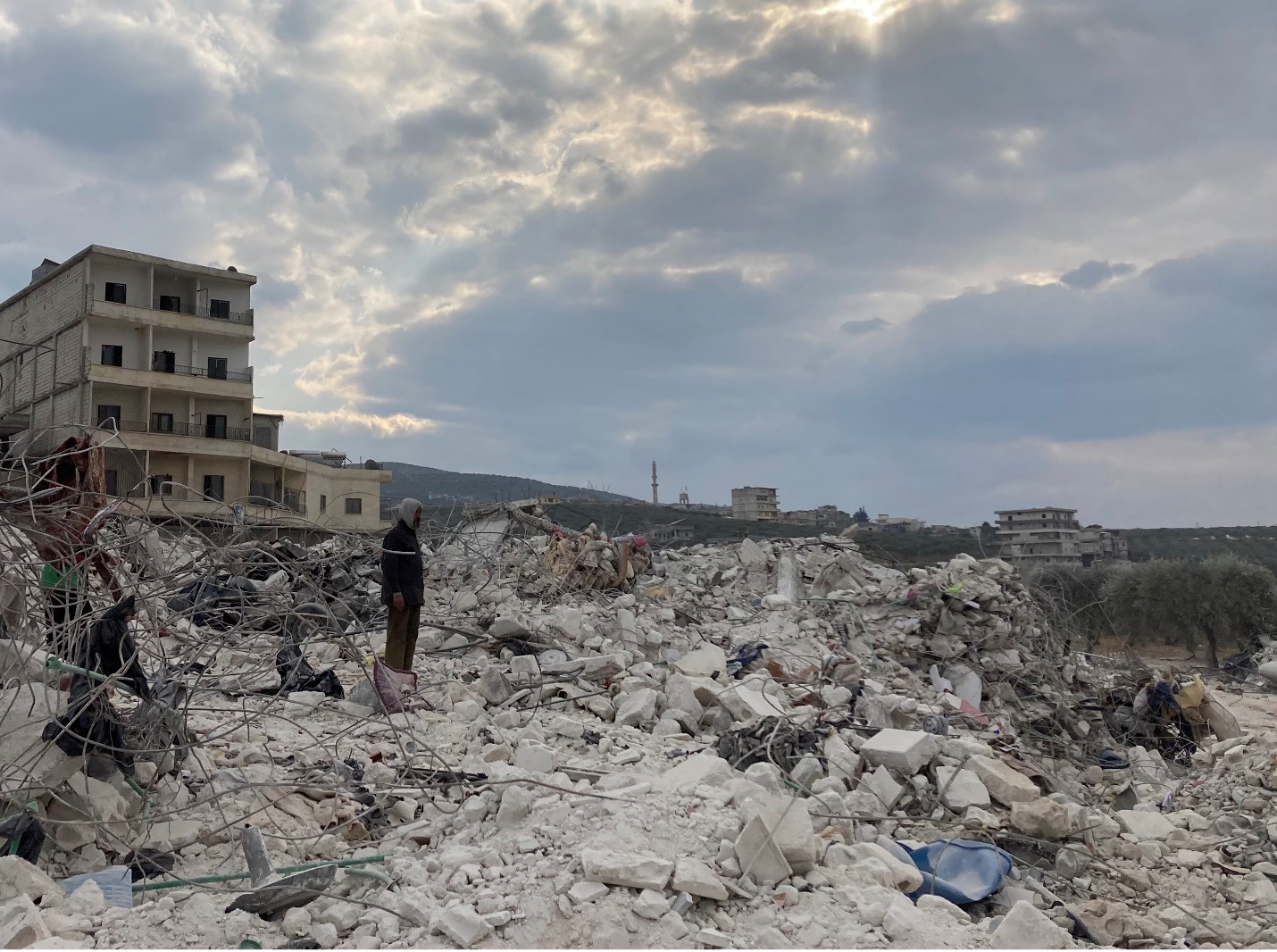
“Idlib is under siege” — this is the common sentiment shared with me by both local leaders and residents alike. The dual earthquakes on Feb. 6 not only rocked the physical foundations of the cities in Syria’s last opposition-held region, it cracked the social foundation of trust Syrians had with the international aid community.
“Please send tents and blankets”: A desperate plea from Syria’s survivors
In the center of Harem, Idlib, hundreds of Syrian families huddle around stoves and in tents as they look on at the row of collapsed apartments they used to call home. “This disaster hasn’t happened to Syria in a thousand years,” says Abu Ahmed, the director of the new camp. “The international community must witness what is happening to us and help.”