Skip to Content

Research & Commentary Results

Filter by
1375 Results
Key dates in the MENA region in 2021
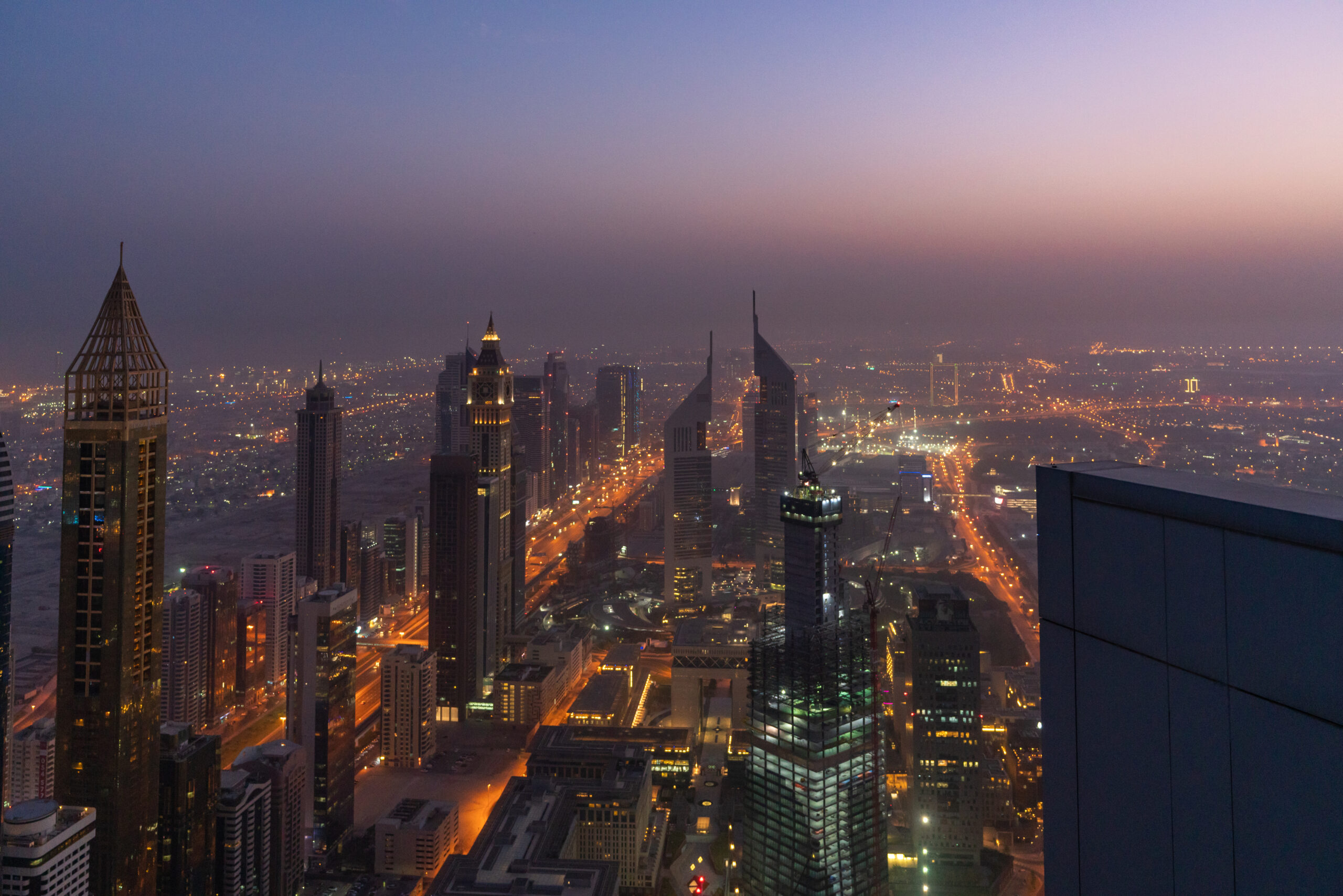
The Dubai Skyline at sunrise on August 24, 2018 in Dubai, United Arab Emirates
  • Analysis
  • Key dates in the MENA region in 2021

    This calendar lists key dates in the MENA region in 2021, broken down by month. It is subject to change and will be updated over the course of the year.

    January 6, 2021

    India’s Relations with West Asia: What Patterns and What Future?
    Middle East Institute
  • Analysis
  • India’s Relations with West Asia: What Patterns and What Future?

    India’s interests and capabilities extend well beyond the subcontinent. This series explores the geopolitical dimensions, economic ties, transnational networks, and other aspects of India’s links with the Middle East (West Asia) — a region that plays a vital role in India’s economy and its future.


    Writing in the July/August 2006 issue of Foreign Affairs, C. Rajan Mohan observed:

    January 1, 2021

    How can China mediate between Israel and Pakistan?
  • Analysis
  • How can China mediate between Israel and Pakistan?

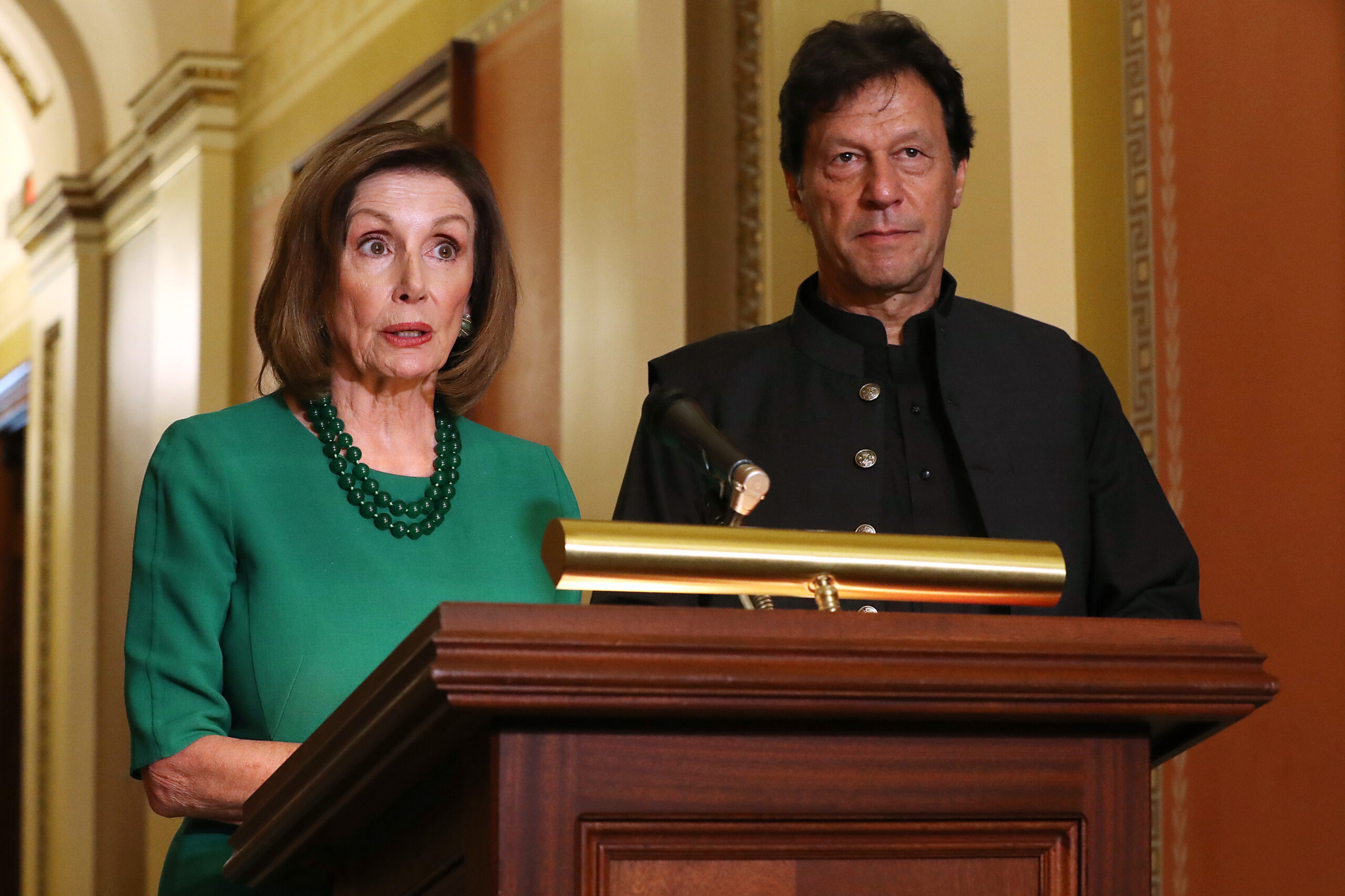
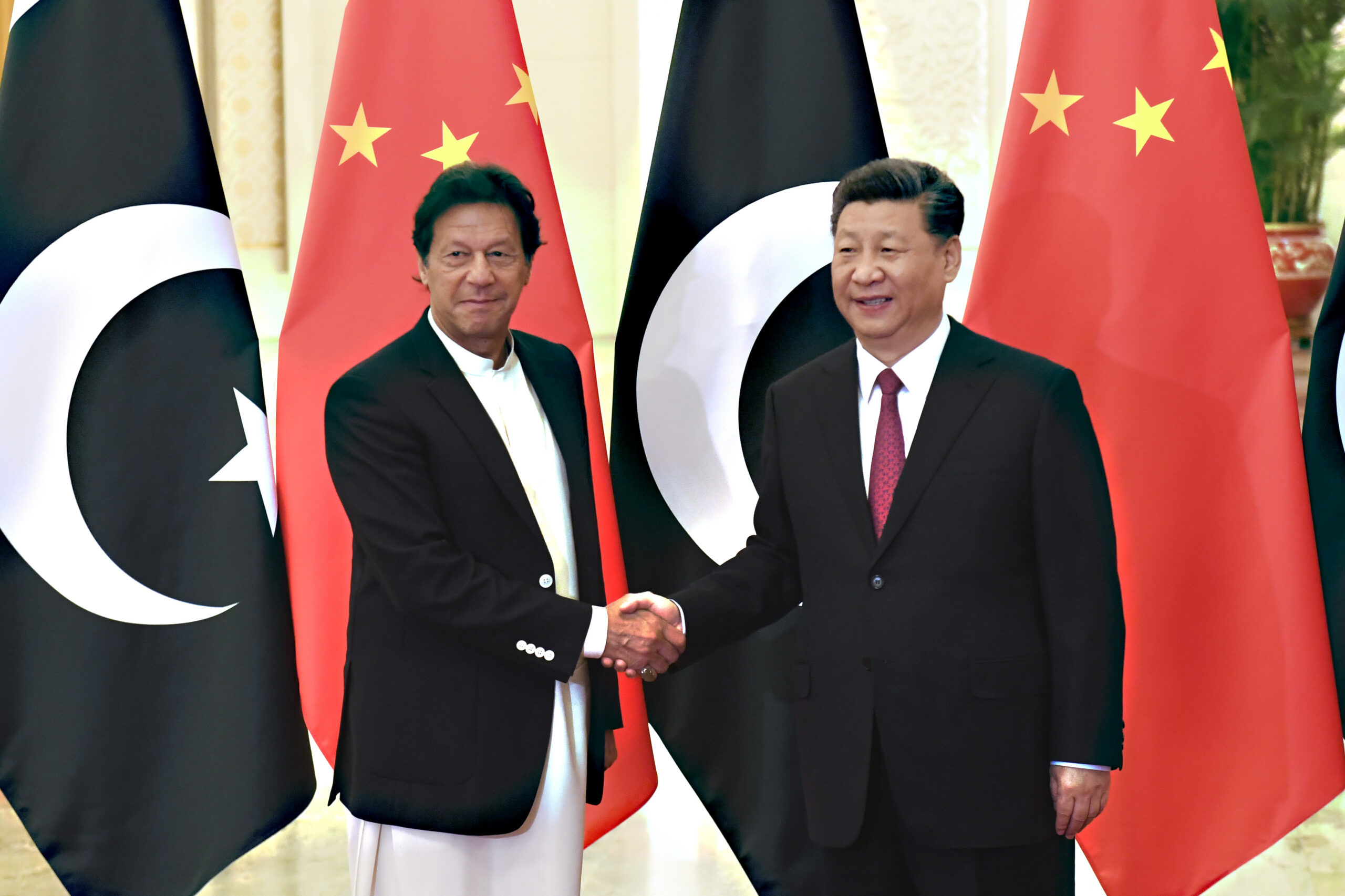
    Pakistan’s Prime Minister Imran Khan recently revealed that several countries are pressuring Islamabad to follow in the footsteps of the Gulf states by recognizing the state of Israel. Khan, however, expressed opposition to this idea, at least until there is a political settlement that meets Palestinian demands. While full normalization between Israel and Pakistan may still be out of reach, China could mediate between these two countries which have never established a diplomatic relationship.

    December 18, 2020

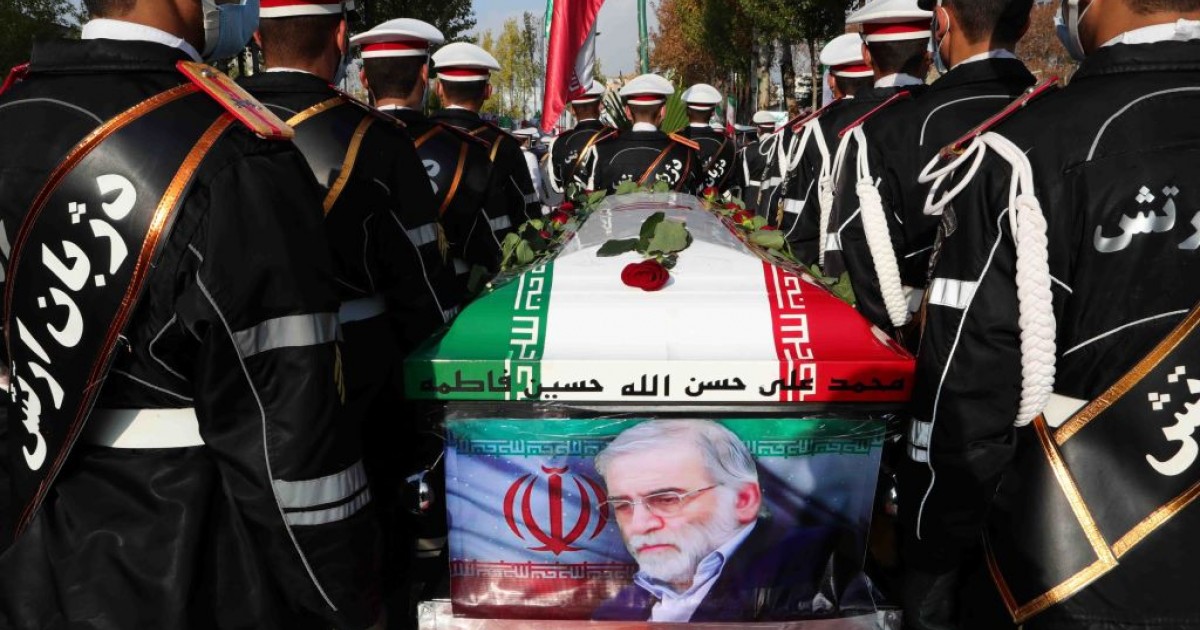
    The Fakhrizadeh assassination: A major failure for Iranian intelligence
    A funeral ceremony of Iranian Top nuclear scientist, Mohsen Fakhrizadeh Mahabadi, held at Defense Ministry of Iran in Tehran, Iran on November 30, 2020. Fakhrizadeh, who headed research and innovation at the defense ministry, was attacked Friday in Damavand county near Tehran.
  • Analysis
  • The Fakhrizadeh assassination: A major failure for Iranian intelligence

    The assassination of Mohsen Fakhrizadeh, the most important figure in Iran’s nuclear program, in late November 2020 is a major failure for Iran’s intelligence services. Despite all the secrecy and the emphasis on protecting Fakhrizadeh, however, he was still assassinated in the Absard area, about 70 km from Tehran, on Nov. 27. Why was he killed despite such a high level of protection, and what effect will his death have on the Iranian regime’s intelligence and security structures?

    December 18, 2020

    Year in review: The Middle East in 2020
    Middle East Institute
  • Podcast
  • Year in review: The Middle East in 2020

    In our final episode of the year, host Alistair Taylor interviews several MEI scholars on the key events that transpired across the Middle East in 2020 including in Iraq, Iran, and Afghanistan, and they discuss US defense and diplomatic strategy in region as the as the transition to the Biden administration gets underway. Guests include Paul Salem, Bilal Saab, Randa Slim, and Marvin Weinbaum.

    December 16, 2020

    2020 Year in Review
  • Commentary
  • 2020 Year in Review

    A look back at the year’s most important developments with analysis from Paul Salem, Alex Vatanka, Randa Slim, Gerald Feierstein, Gonul Tol, Jonathan M. Winer, Khaled Elgindy, Marvin G. Weinbaum, Mirette F. Mabrouk, Grace Wermenbol, Syed Mohammad Ali, Robert S. Ford, and Khaldoun Khelil.
    A recipe for intolerance: Iran’s blueprint for cracking down on Christians
    Photo by ATTA KENARE/AFP via Getty Images
  • Analysis
  • A recipe for intolerance: Iran’s blueprint for cracking down on Christians

    the reality of life for religious minorities in the Islamic Republic of Iran has proven very different, as many Iranians will attest, regardless of their political or religious viewpoints. One recent illustration is the 80 lashes given to two Christian converts in the past two months for drinking wine as part of Holy Communion. One of these converts is currently serving a six-year prison sentence; the other is in internal exile, having already spent two years in prison. The charge against them? “Acting against national security by establishing house-churches and promoting ‘Zionist’ Christianity.” In the regime’s eyes, these converts, and all others like them — a recent survey suggests there may be as many as 1 million — are no Christians. They are erring Muslims. So any punishment is justified.And in spite of what regime figures like to say about the “tolerance” of the Islamic Republic, from the early days of the revolution — as soon as they were firmly in power — the ayatollahs began a crackdown on civil and religious liberties.

    December 9, 2020

    The Middle East and American Democracy’s Near-Death Experience
  • Commentary
  • The Middle East and American Democracy’s Near-Death Experience

    The fascination with the peaceful removal of leaders by a simple vote in the United States has always contrasted painfully with the inability of most Middle Eastern populations to do the same.

    December 8, 2020

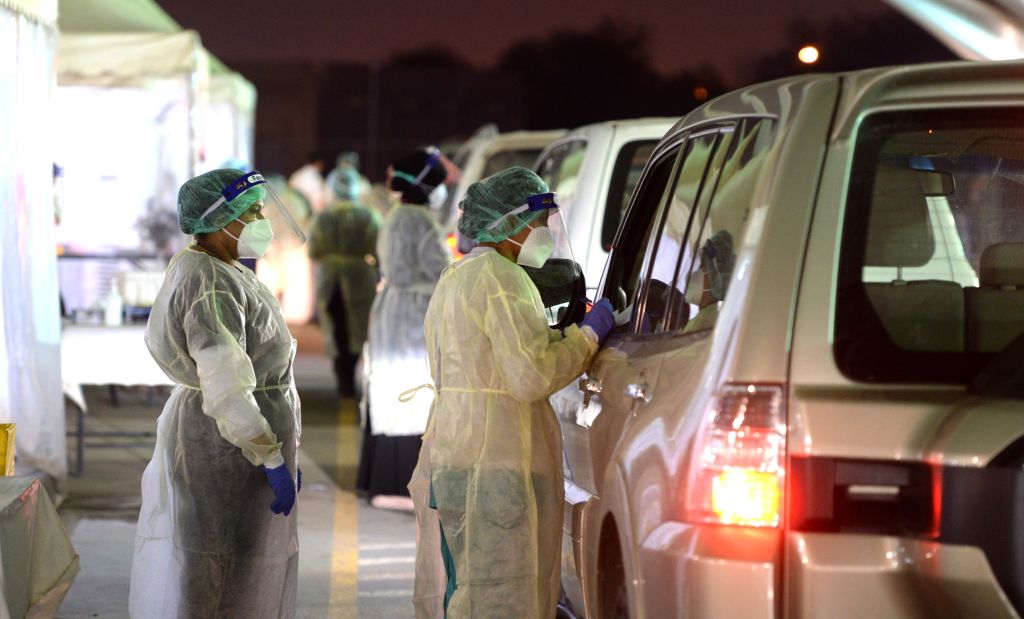
    Iraq’s Fragile State in the Time of Covid-19
    Photo by AHMAD AL-RUBAYE / AFP) (Photo by AHMAD AL-RUBAYE/AFP via Getty Images)
  • Analysis
  • Iraq’s Fragile State in the Time of Covid-19

    Iraqi authorities have taken a series of preventative and remedial measures to deal with the pandemic and its second order effects. However, since early June, the number of positive COVID cases has soared, while job losses and rising prices have caused the national poverty rate to climb. Three overlapping segments of the Iraqi population — the forcibly displaced, women, and children — have been hit especially hard by the public health and socioeconomic impacts of COVID-19.

    DIY futures in the Middle East: What if small got bigger?
    Photo by Marwan Naamani/picture alliance via Getty Images
  • Analysis
  • DIY futures in the Middle East: What if small got bigger?

    It’s difficult to look at the Middle East and consider its future optimistically. Much of the analysis of the region centers on crisis and collapse. There is plenty of both, fueled by wars and civil conflicts, poverty, extremism, and more. Given the human toll, focusing on all this is natural. It is also necessary if solutions to deeply rooted problems are ever to be developed, leading to a better future.A related risk is becoming blinded to “weak signals” — early indicators of what could become features of potential alternative futures. Weak signals are developments that are emerging outside the dominant norms and trends of today. In the Middle East, probably the most dominant norm is the inability of governments throughout the region to provide security and prosperity for their citizens. The COVID-19 pandemic is making this even more apparent, and markedly worse. It is not just the obvious failed states — as Steven Cook recently observed, “sometimes state failure is a more chronic condition.” But in the midst of this — and fueled by it — there is evidence of activities at the local level to create what is missing. Could these be signals of a future different than the one it is so easy to expect for the region?

    December 1, 2020

    Deeds matter most
    Photo by AFP via Getty Images
  • Analysis
  • Deeds matter most

    “Deeds matter most” was the official diplomatic response to Joe Biden’s election from the Islamic Republic’s foreign minister, Javad Zarif. It came in the form of an early morning Tweet, an appropriate medium given the new political norm established in recent years. The statement read like one from a career diplomat urging “dignity, interest, and responsible diplomacy,” based not on empty rhetoric, but on actions — measurable steps that would demonstrate each side’s commitment to “multilateralism, cooperation, respect for law …” Yet the tweet’s author, Mr. Zarif, has a history of practicing the age-old political principle of “do as I say, not as I do.” Indeed, when it comes to U.S.-Iran relations, the month of November is the perfect time to assess each side’s deeds in this decades-old conflict. Bombastic rhetoric has been a hallmark of this rancorous relationship since Islamic revolutionaries stormed America’s embassy in Tehran in early November 41 years ago. Yet for all the regime’s bluster, including slogans like “Death to America,” its deeds, especially toward Iranians, speak much more loudly.

    November 30, 2020

    What Biden’s election means for Hezbollah
    Photo by Kaveh Kazemi/Getty Images
  • Analysis
  • What Biden’s election means for Hezbollah

    Despite fresh comments from Hezbollah’s leader Hassan Nasrallah that Joe Biden’s victory in the U.S. elections would not dramatically alter America’s pro-Israeli foreign policy in the Middle East, Hezbollah appears largely optimistic of its future under the new administration. The Party of God seems wary of the next few months, however, until President Donald Trump leaves the White House in January. While Hezbollah will certainly benefit from a reboot in diplomatic relations between the U.S and Iran, which could translate into much-needed liquidity for the organization and a strengthening of its internal position, it still faces numerous domestic challenges that money alone cannot solve.

    November 19, 2020