The road to Marrakech: US-China tensions loom over IMF/WB spring meetings
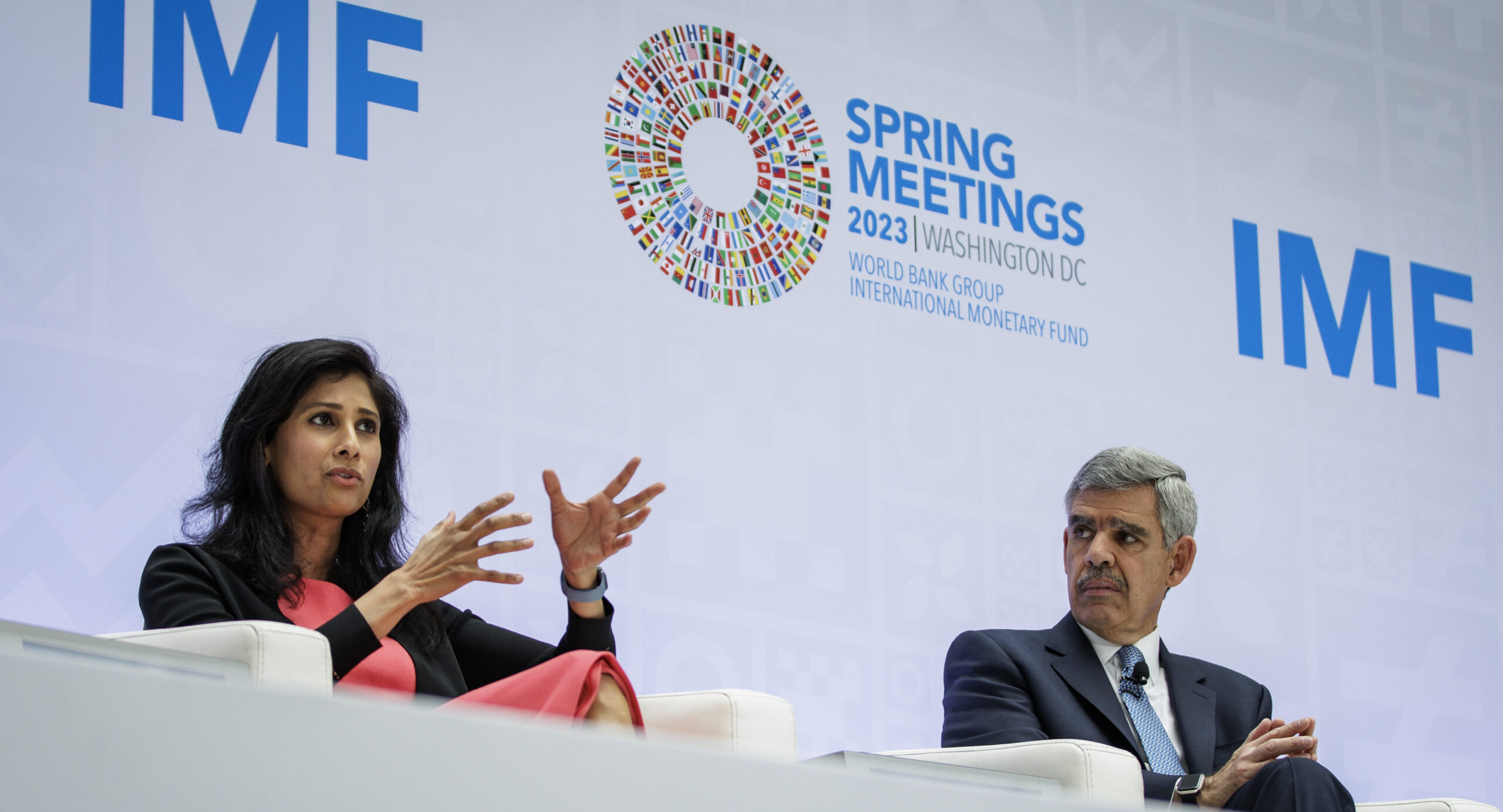
Last week’s spring meetings of the IMF and World Bank in Washington, D.C., were an important occasion for financial and economic leaders from the MENA region to meet with their counterparts from these IFIs and major bilateral donor countries. At the same time, they serve as a lead up to the important Annual Meetings that will be held in Marrakech, Morocco, in the fall — the first time they will be hosted by an Arab or African country.
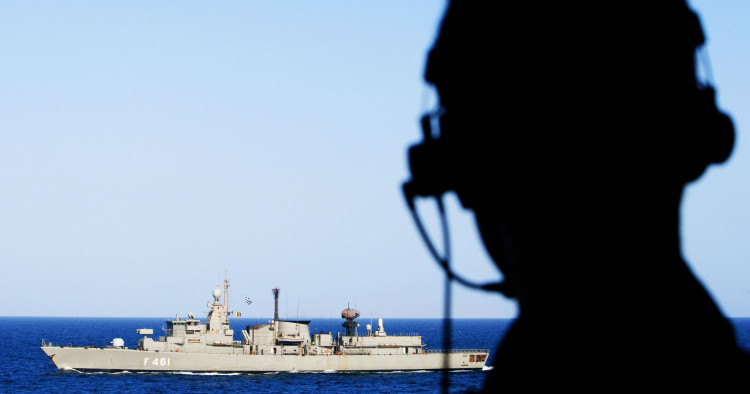
It is clear that the era of US hegemony in the Gulf, and the Middle East more broadly, is over. What is less certain is what security system will replace it and whether it will better serve regional security and US interests.
The Gulf is becoming a more crowded geopolitical space than ever, with external powers such as China, Russia and India increasing their involvement in the region to safeguard their economic interests, while local powers, most notably Saudi Arabia, the UAE and Qatar, are rising and pursuing a more independent foreign policy course.
The judicial “reform” will make things worse, but Israel’s Supreme Court has long failed Palestinian citizens
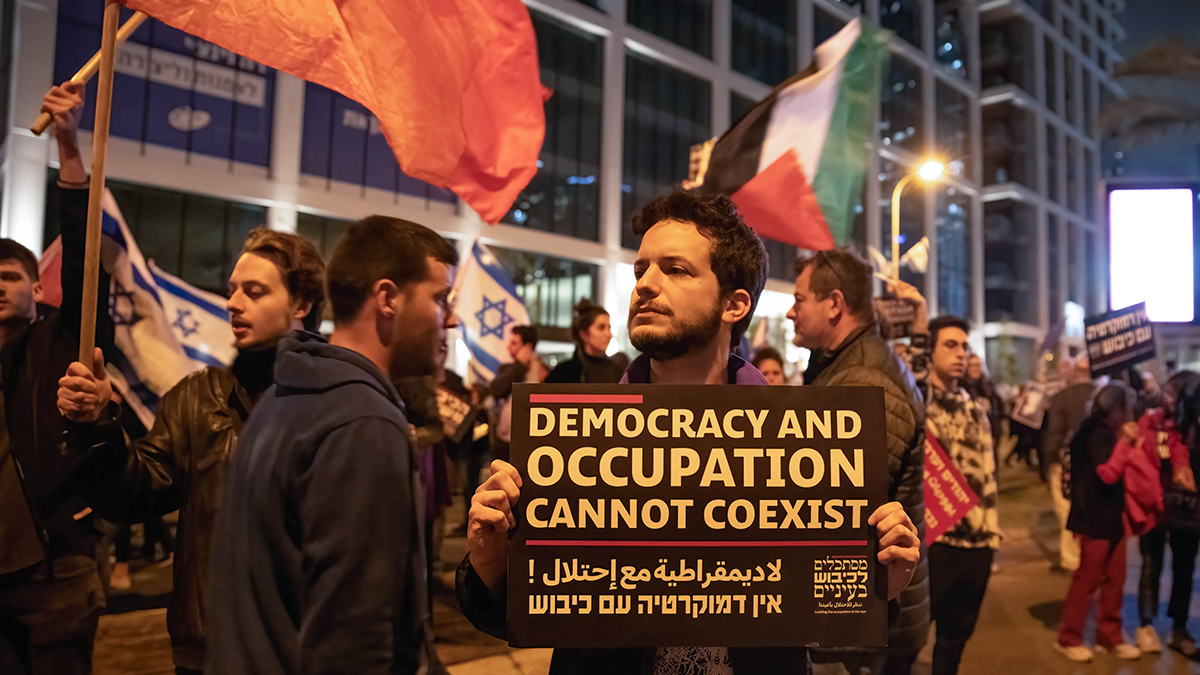
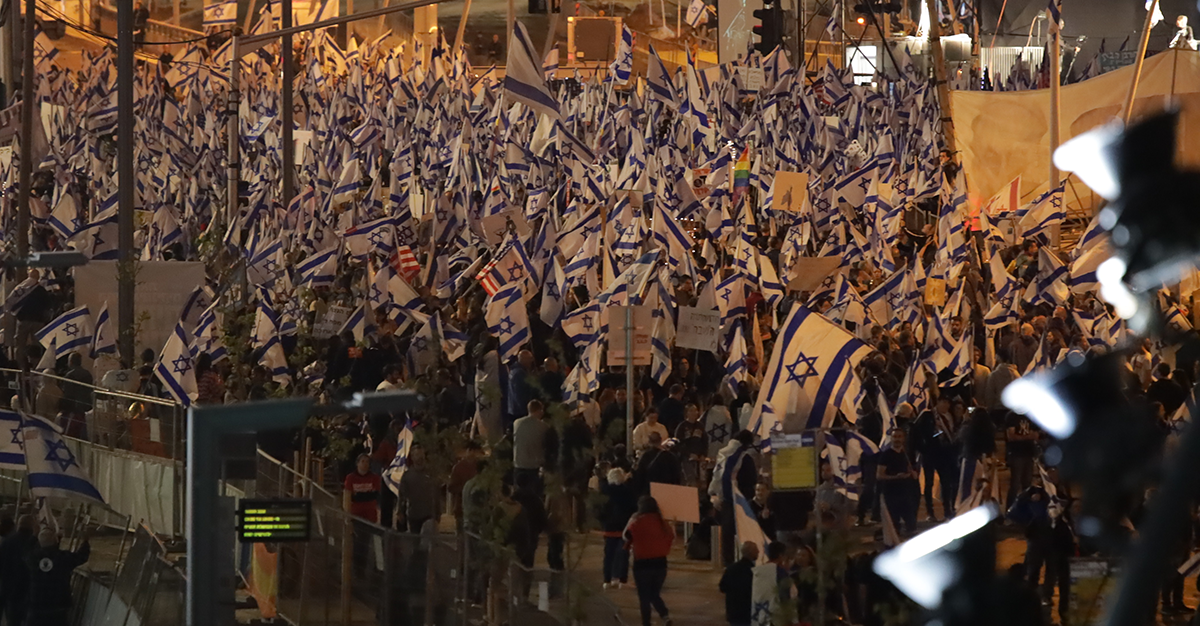
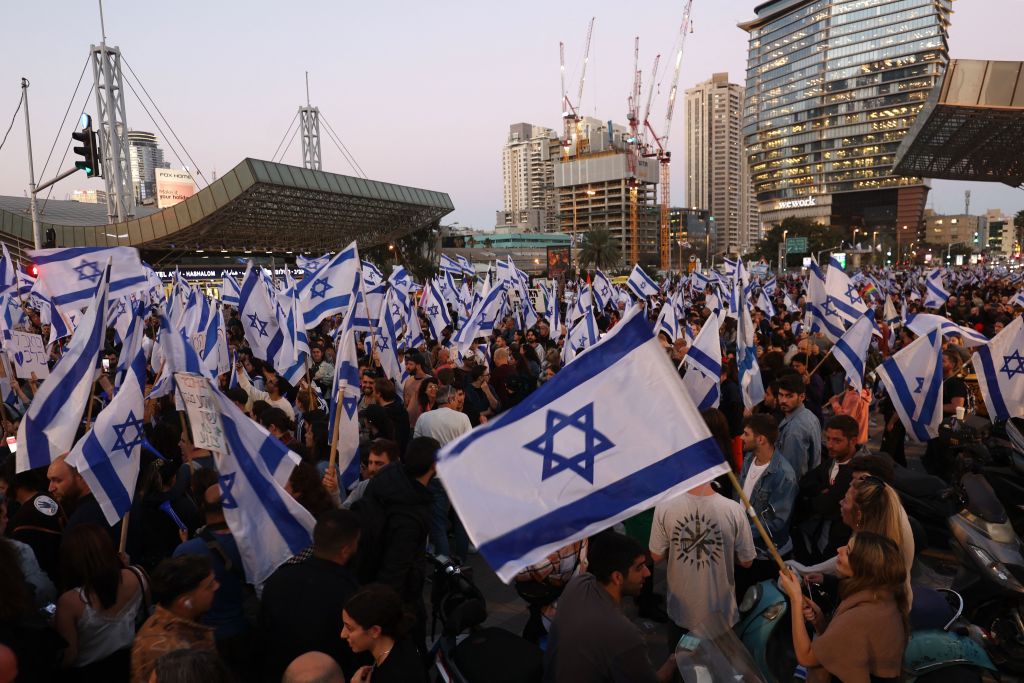
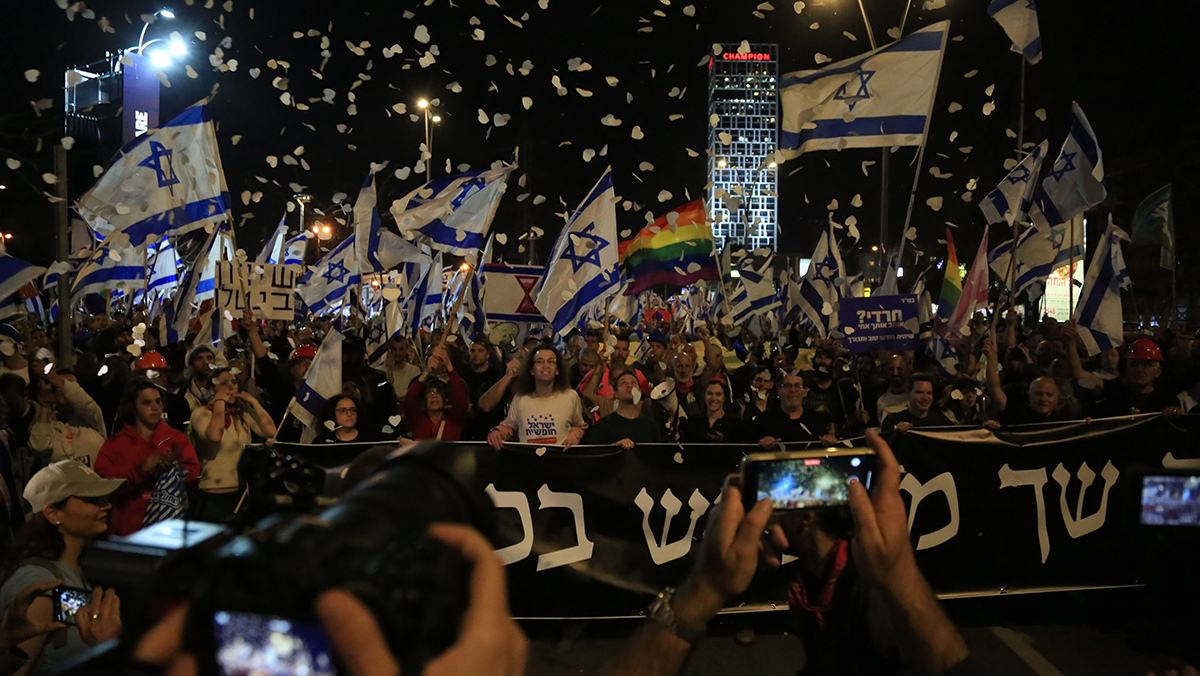
Over the past several months, the eyes of the world have been on the massive demonstrations in Israel against the Netanyahu government’s proposed judicial “reform.” Even though Palestinian citizens of Israel are likely to be the group most affected by the proposed changes, they have been notable for their absence, for the most part, from the protests. While Jewish citizens are worried about what the proposed changes might mean for Israel’s judiciary and the future of its democracy, the Supreme Court and the legal system more broadly have long failed to protect the rights of the country’s Palestinian citizens.
Qatar doubles down on LNG amid energy market volatility
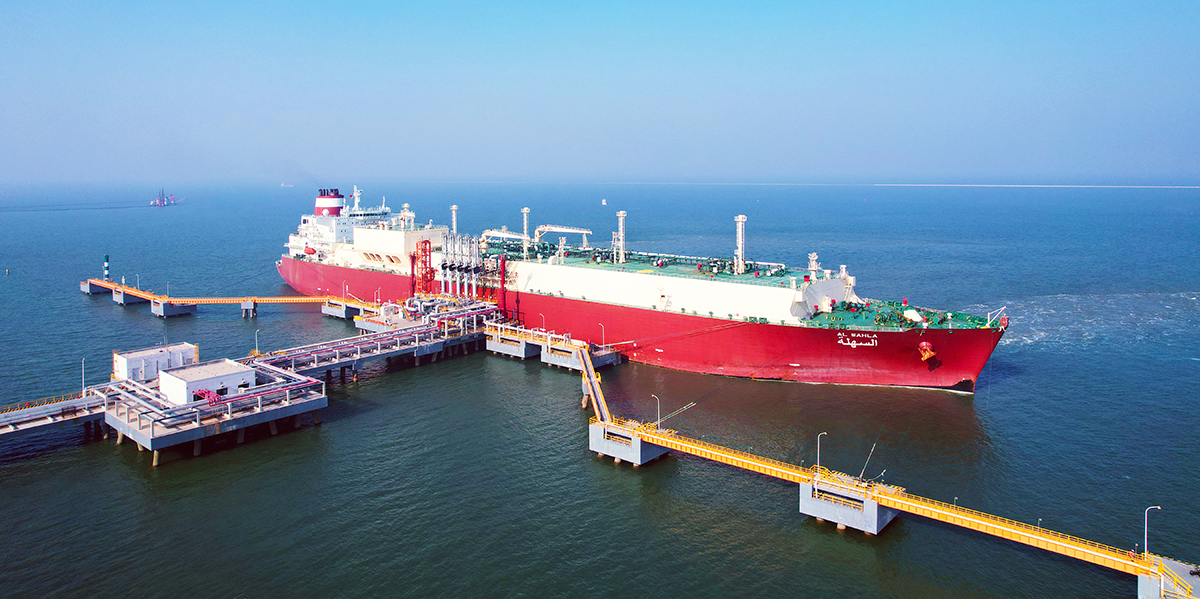
The oil and gas sector has been the dominant driver of Qatar’s economy. Over the years, although that sector has remained the major focus of Qatari investments, the emphasis has increasingly shifted towards the expansion of the country’s gas production and LNG export capacity. While the construction boom ahead of the 2022 FIFA World Cup powered the Qatari economy in recent years, income generated by the expansion of the country’s LNG production and export capacity is likely to drive the economy for many years to come — both despite and partly because of the market turmoil caused by the fallout from Russia’s invasion of Ukraine in February 2022.
China and the Saudi-Iran rapprochement: Implications for Yemen
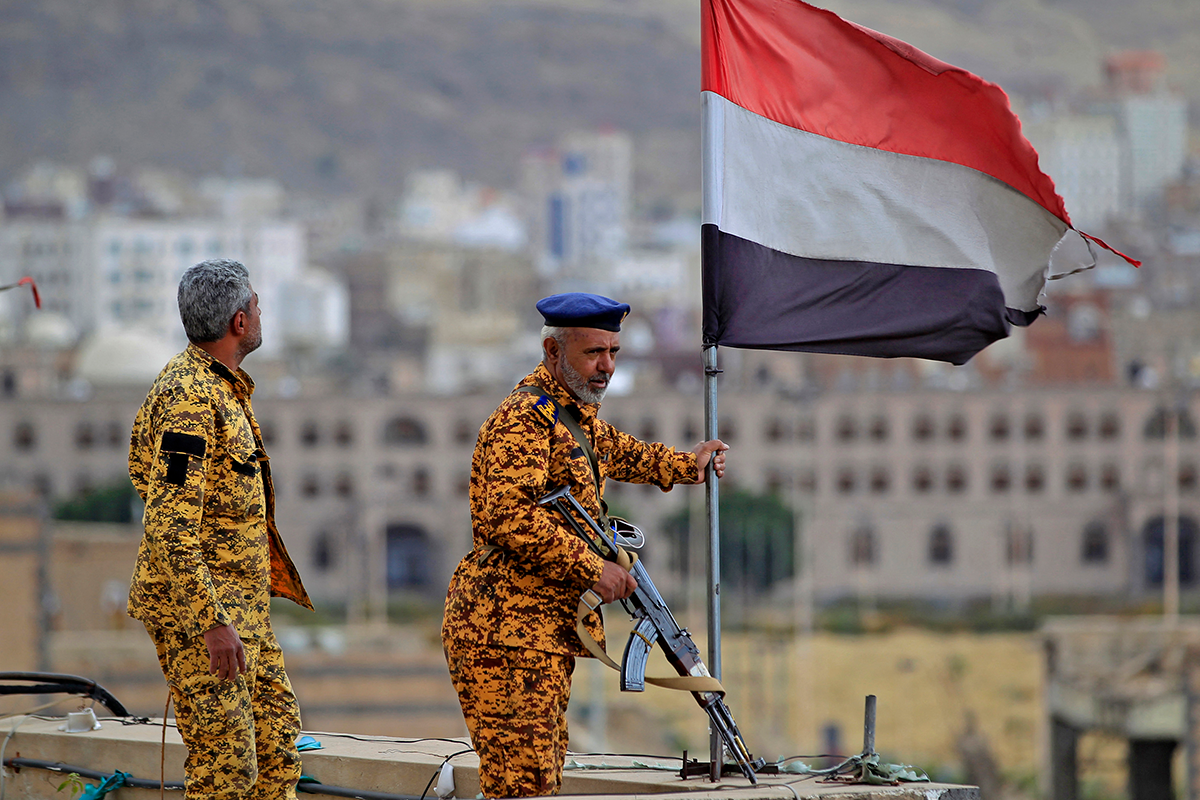
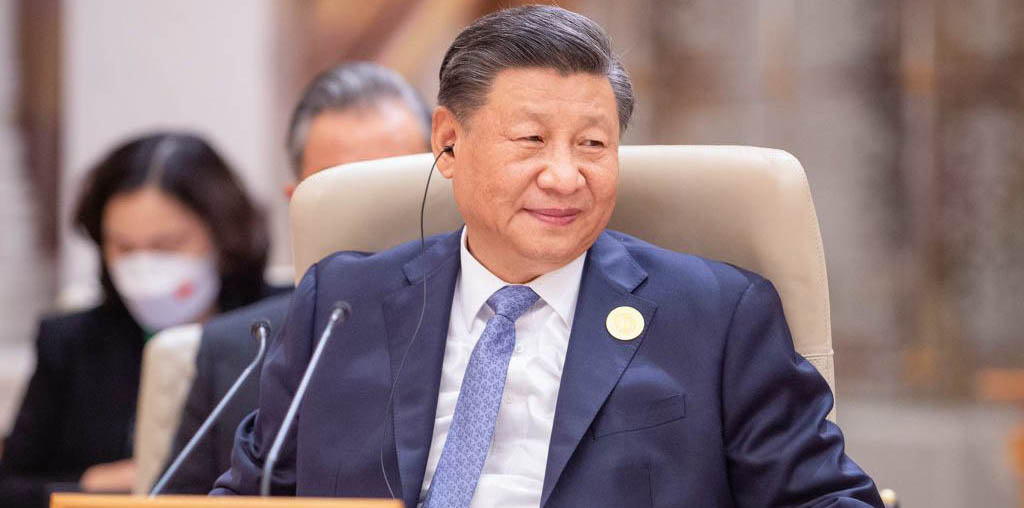
The conclusion of the China-brokered Saudi-Iranian détente on March 10, which aims to thaw long-standing enmity and manage competition between the two regional arch rivals, has multi-layered implications for Yemen.
The Israeli protests: What’s happened and what’s likely to come
Monday, March 27 was supposed to be a red-letter day for the new far-right Israeli coalition government, when it planned to slide through the Knesset the central provision of its “judicial overhaul” bill, comfortably ahead of the Passover recess beginning on April 2. Instead, it ended up being one of the most extraordinary days in Israeli history. Spurred by the “firing” of Defense Minister Yoav Gallant by Prime Minister Benjamin Netanyahu the evening before, the demonstrations against the overhaul, which had been building in intensity for over two months, became overwhelming.
Israel and Azerbaijan: Trusted friends and reliable partners
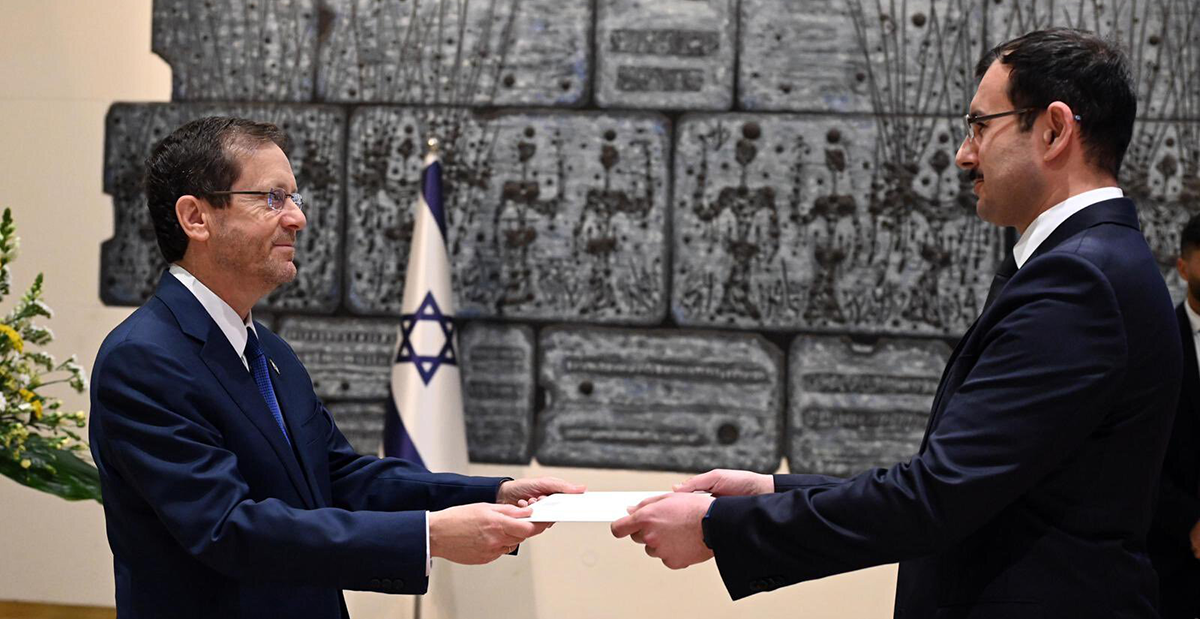
Israeli-Azerbaijani relations are based on two main pillars: patient and cordial political relations as well as defense cooperation and arms sales. While the former reached a more intensive level this year, with the opening of an Azerbaijani embassy in Tel Aviv in late March, the latter pillar of the relationship was well developed long before, as Israel became Azerbaijan’s largest weapons supplier.
Arab women break boundaries and stereotypes in Middle Eastern militaries
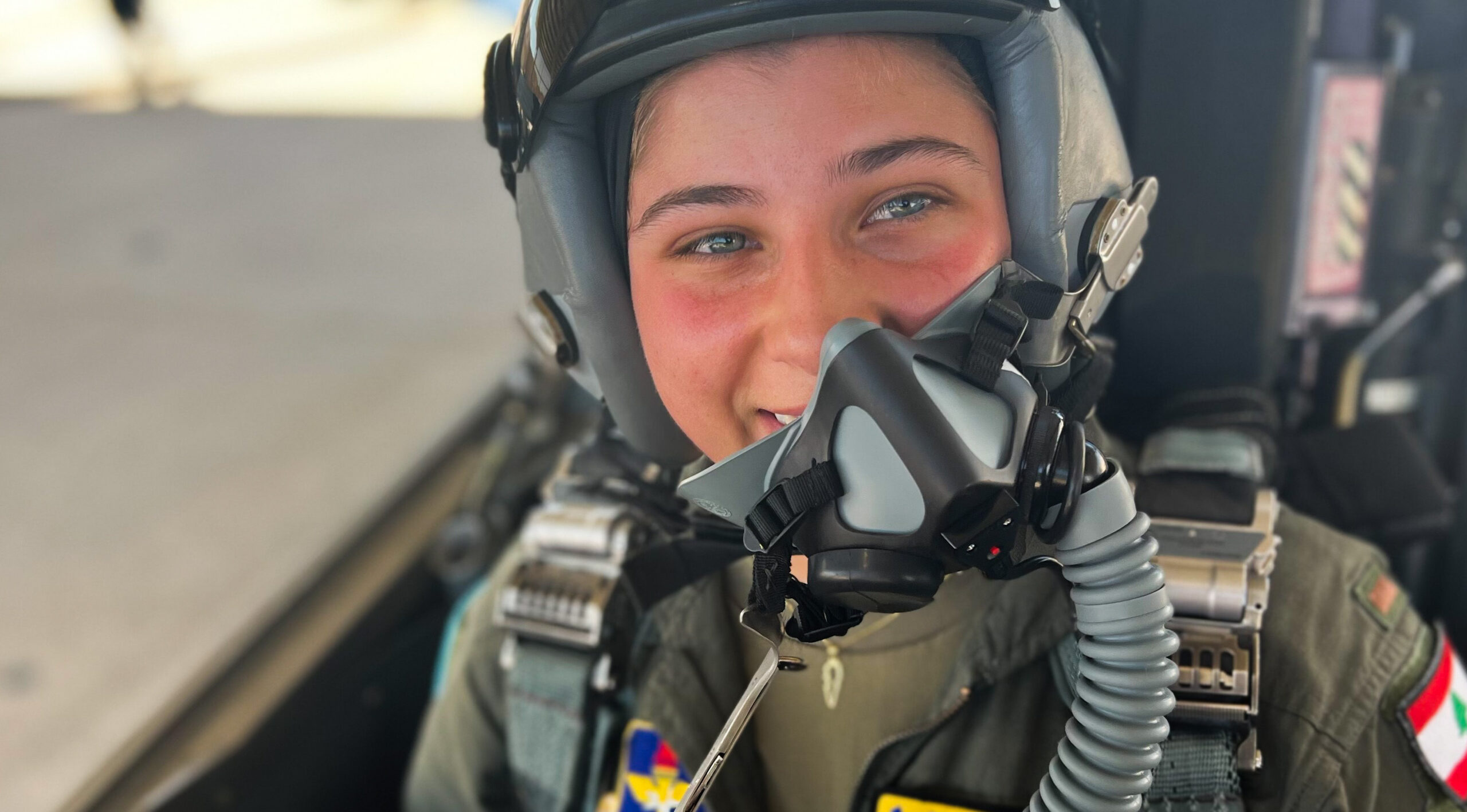
As Women’s History Month in the U.S. draws to a close, women in the armed forces of several Middle Eastern countries continue to achieve historic milestones, with many now serving as pilots, engineers, peacekeepers, and in special forces units. The role of women is steadily increasing as the result of new initiatives, policies, and gradually changing mindsets in the Middle East.
Missed opportunities: The billions sacrificed annually to generate electricity in the GCC
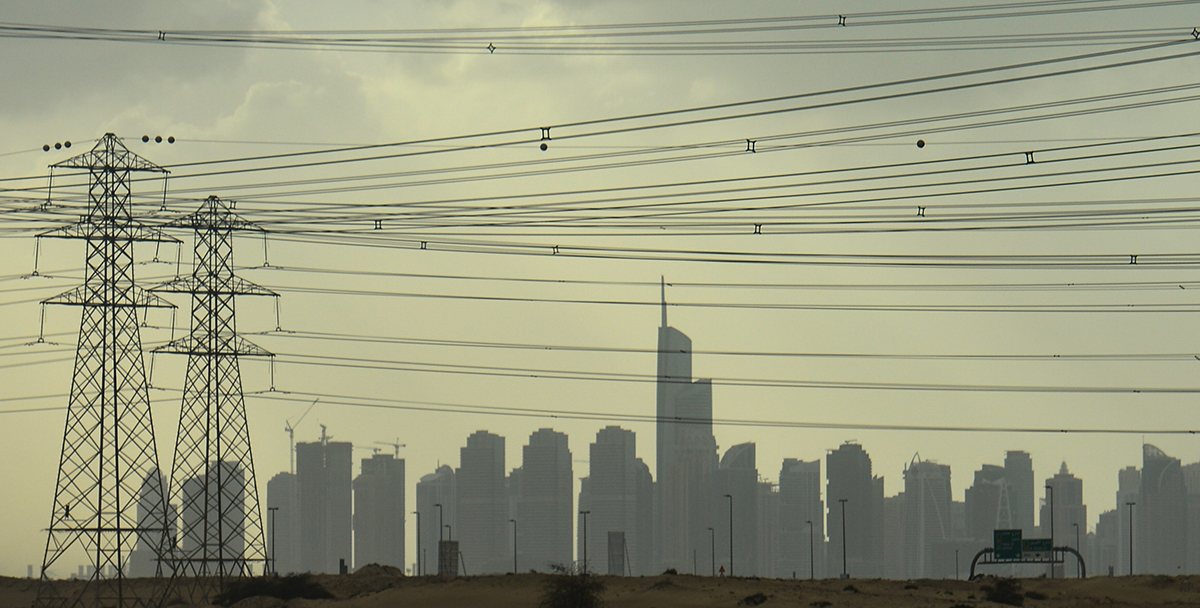
The GCC governments still cover over 40% of the cost of domestic electricity production. Yet, electricity subsidy bills alone do not reflect the full extent of their economic losses. Once the forgone revenues from the export of natural gas and oil used to meet rising domestic energy demand are added in, the total economic cost of the GCC’s electricity is too great to ignore.
A Saudi-Houthi deal won’t bring lasting peace in Yemen
The recent agreement to restore diplomatic relations between Saudi Arabia and Iran raised hope among Western leaders and some Yemen watchers that it could help bring an end to the war in Yemen. The international community, however, can do more harm than good if its actions are driven by hope and desperation rather than a careful reading of the reality on the ground. Yemen must not be a sacrificial lamb for improving relations between Iran and Saudi Arabia.
If the US wants to make its mark on the future of Israeli democracy, it’s time it moved from words to deeds
As Israel’s hardline coalition government is ramming through legislation that would radically alter the country’s political character and system of government, alarm bells are finally ringing in Washington. Even President Joe Biden has finally picked up the phone and expressed his concern to Prime Minister Benjamin Netanyahu about his anti-democratic agenda. The growing American apprehension, however, has yet to be translated into meaningful policy action.