Iran-Africa relations under Raisi: Salvaging ties with the continent
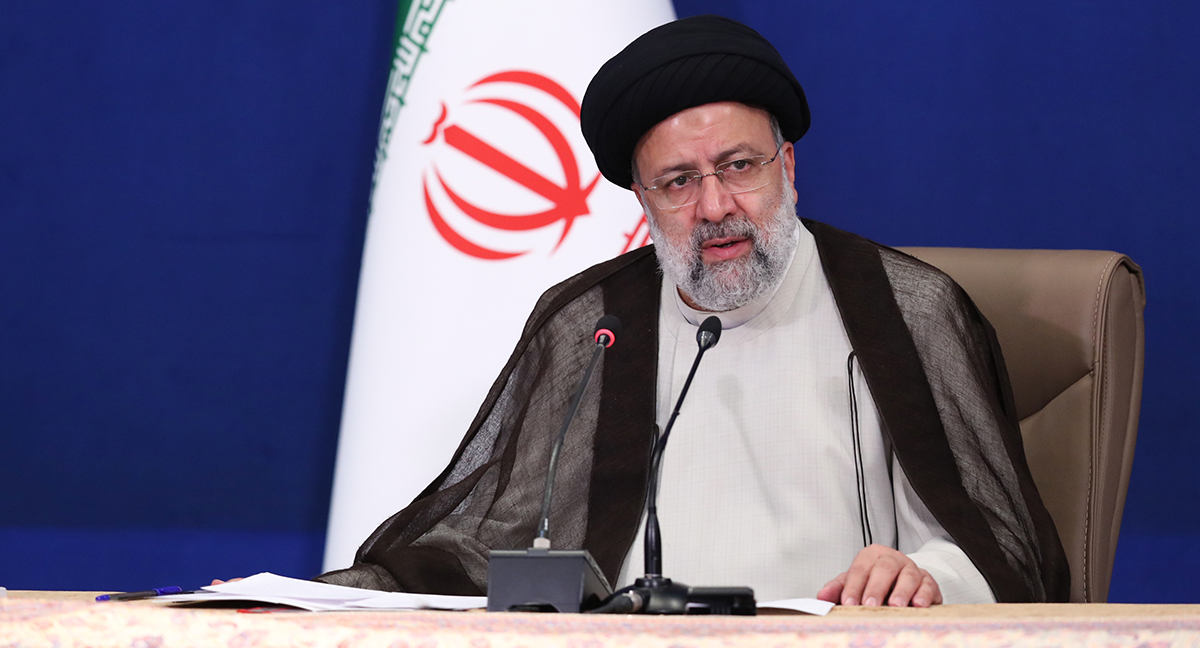
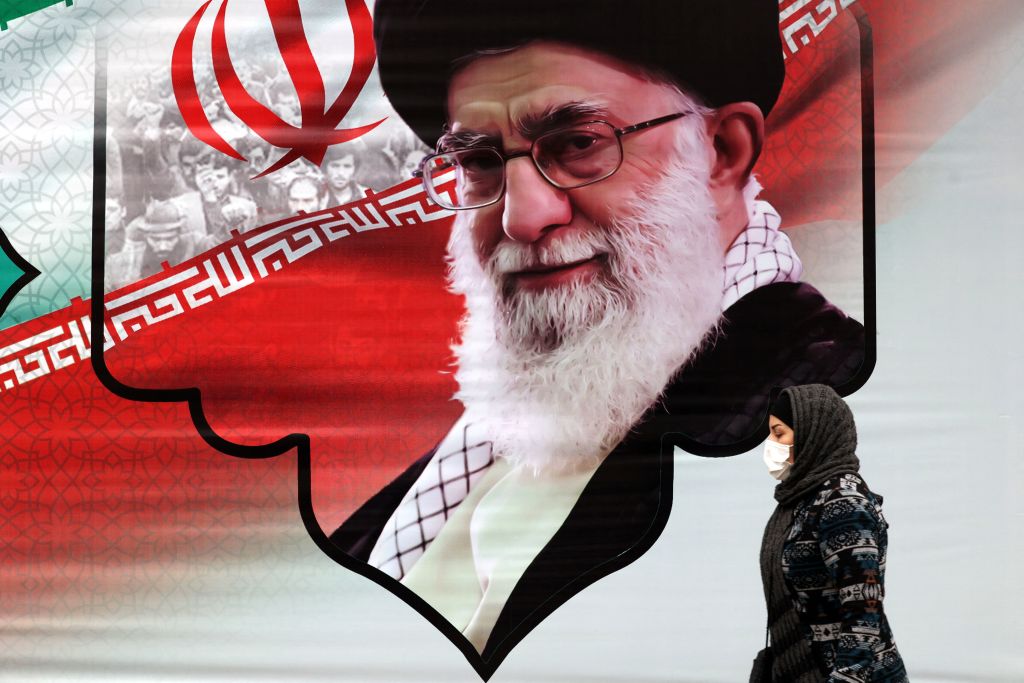
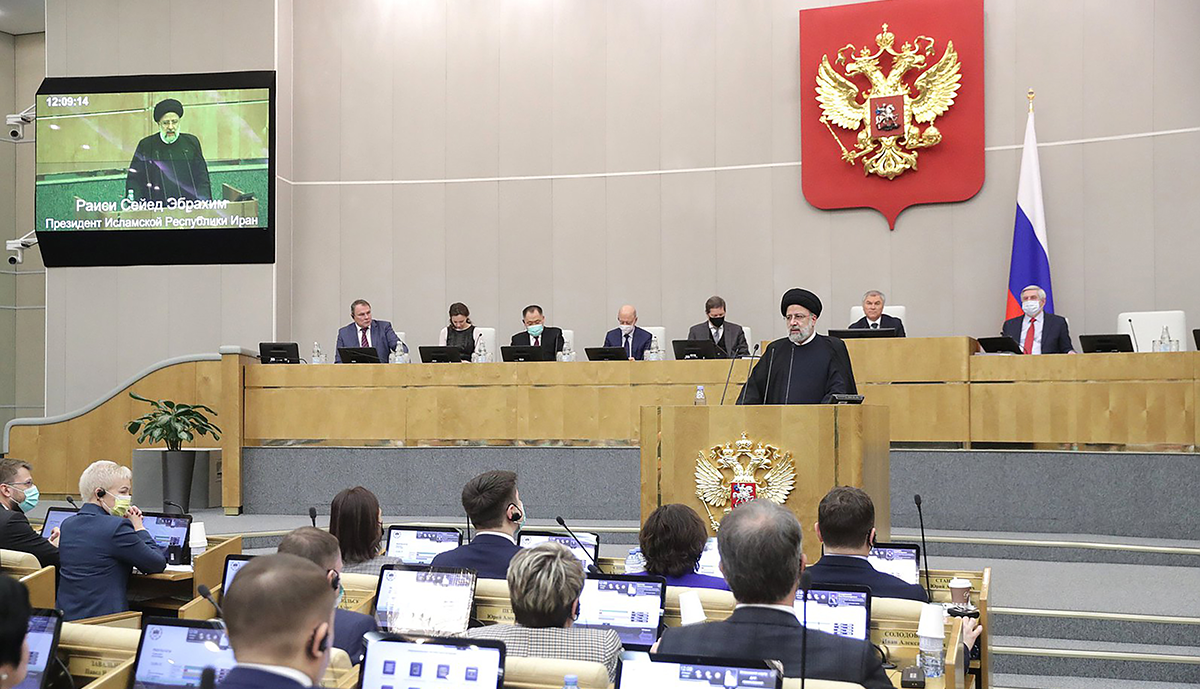
Since the beginning of his presidency, Raisi has called for increasing cooperation with Africa. Contrary to popular perception, this is not part of a hegemonic project to further expand Iranian influence in Africa. Rather, it constitutes an effort to reset relations with the continent after his predecessor spent eight years neglecting it.
How will the war in Ukraine affect EU-MENA relations?
While most analyses of the war in Ukraine have tended to focus on the intra-European dimension, it is worth exploring the potential consequences of this conflict for the EU’s relations with countries further afield, especially those in the Middle East and North Africa.
Iran’s growing presence in Syria’s al-Hasakah poses a direct threat to US forces
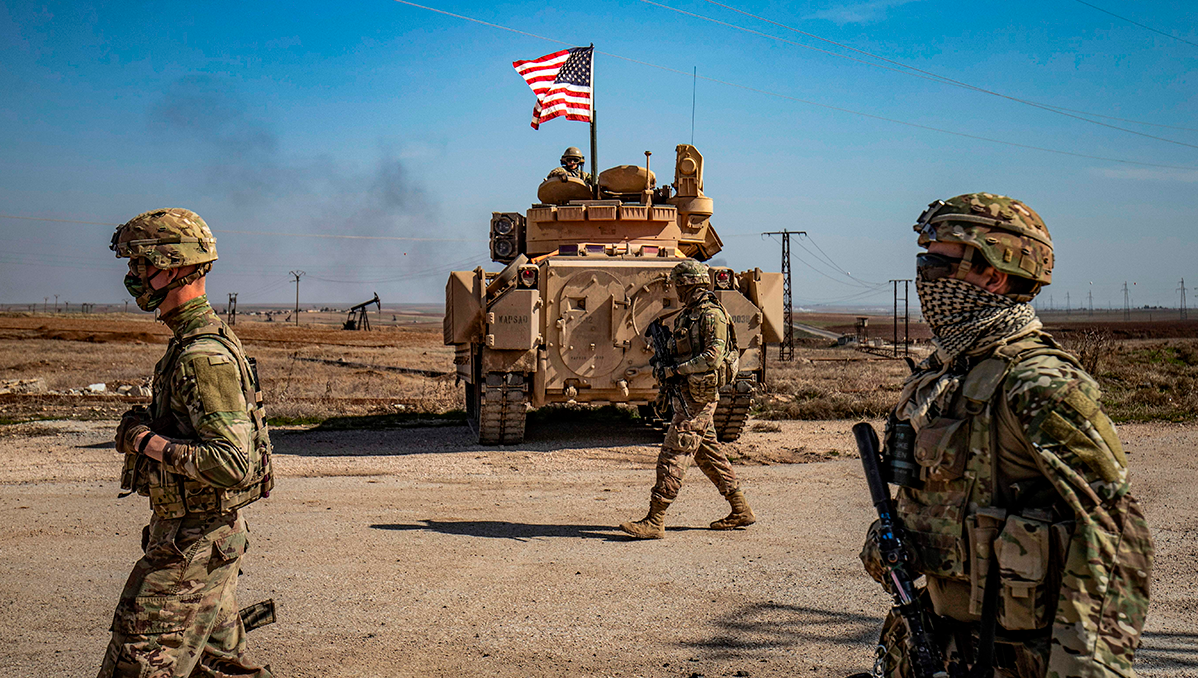
During February and early March 2022, the militias of the Iranian Islamic Revolutionary Guard Corps (IRGC) located in Syria’s al-Hasakah Governorate brought in several shipments of weapons and military equipment in an effort to strengthen their military and security presence in the governorate, which is considered the richest in Syria in terms of oil and agricultural wealth.
The Russian invasion of Ukraine has been a watershed moment on so many levels for so many countries. Existing political, economic, energy, and transportation channels are being affected across western Eurasia. Countries are maneuvering to minimize the war’s detrimental impact while new trade synergies are being formed at a rapid pace. Most recently, Germany and Qatar signed a long-term energy partnership for the delivery of Qatari natural gas as the Germans look to reduce dependence on Russian supplies. Qatar’s reserves are located in the world’s largest gas field, which it shares with its northern neighbor, Iran.
Russia's invasion of Ukraine and the nature of Iranian-Russian relations
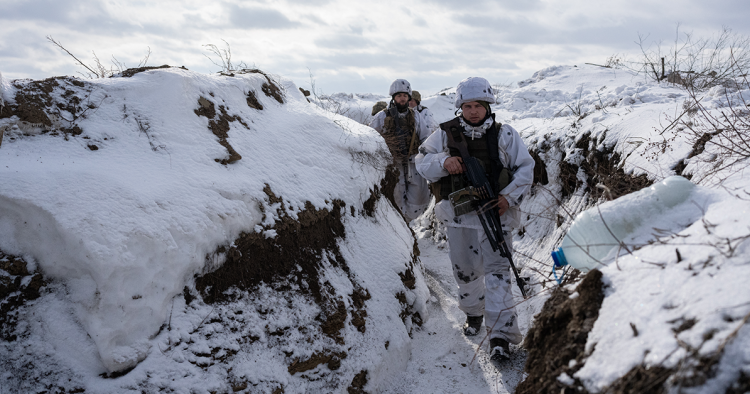
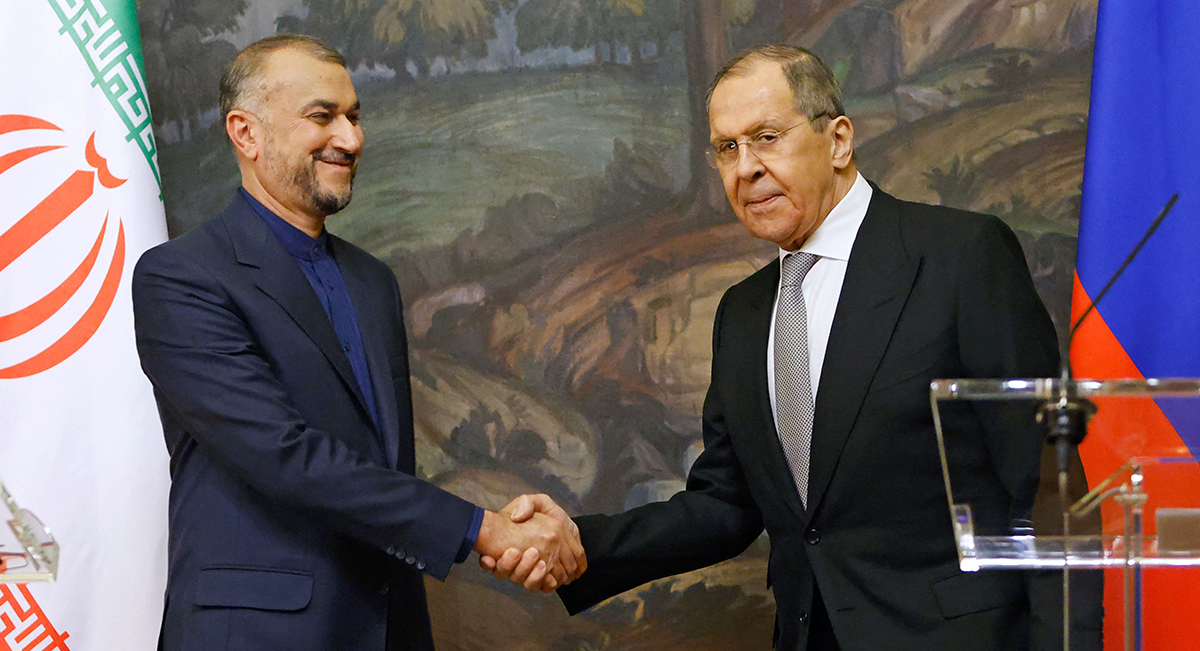
Russia’s Feb. 24 invasion of Ukraine, which triggered Europe’s first major conflict since the Balkan Wars of the 1990s, marks a watershed in the continent’s post-Cold War history. The conflict poses significant security challenges for countries throughout Eurasia and beyond, and Iran is by no means immune to the geopolitical changes underway.
Mirette Mabrouk, Joey Shea, and guest host Eliza Campbell discuss current political disputes over the Grand Ethiopian Renaissance Dam (GERD), cyber diplomacy, and the effects of climate change on the Horn of Africa.
Iran’s regional agenda and the call for détente with the Gulf states
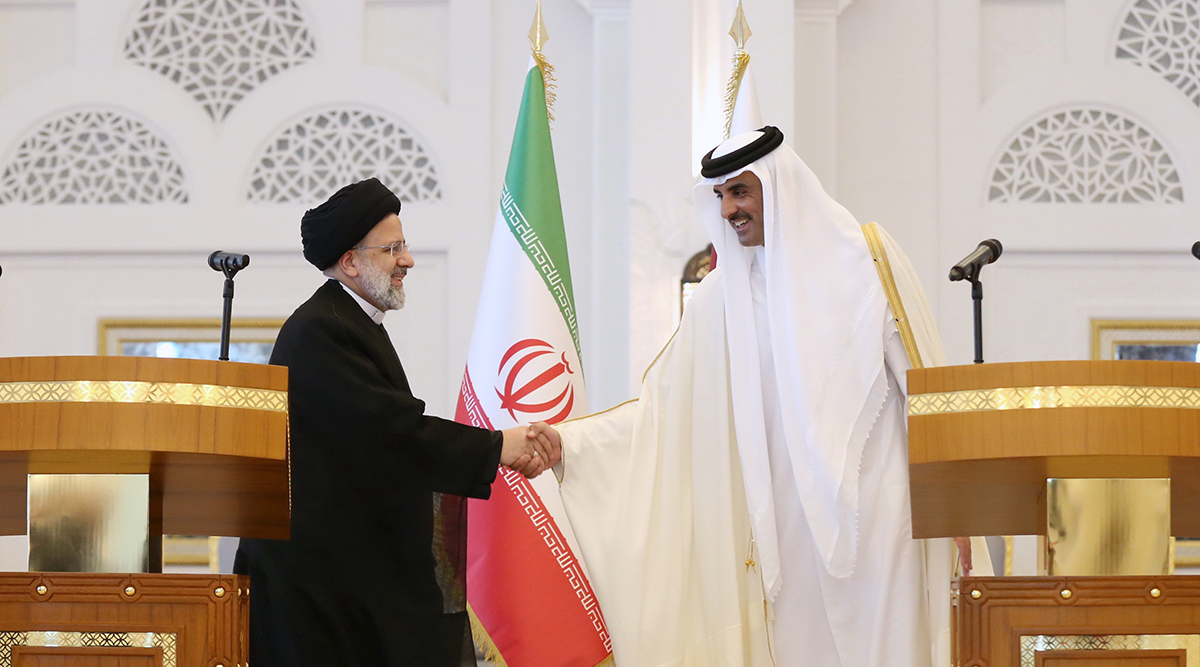
As both a candidate and as president, Ebrahim Raisi has repeated a basic mantra: that he will seek to quickly improve relations with Iran’s neighbors, and particularly the Arab Gulf states. But what are his motivations for this and what are the potential hurdles?
Will Iran’s heavy-handed approach to deterring Israel backfire?
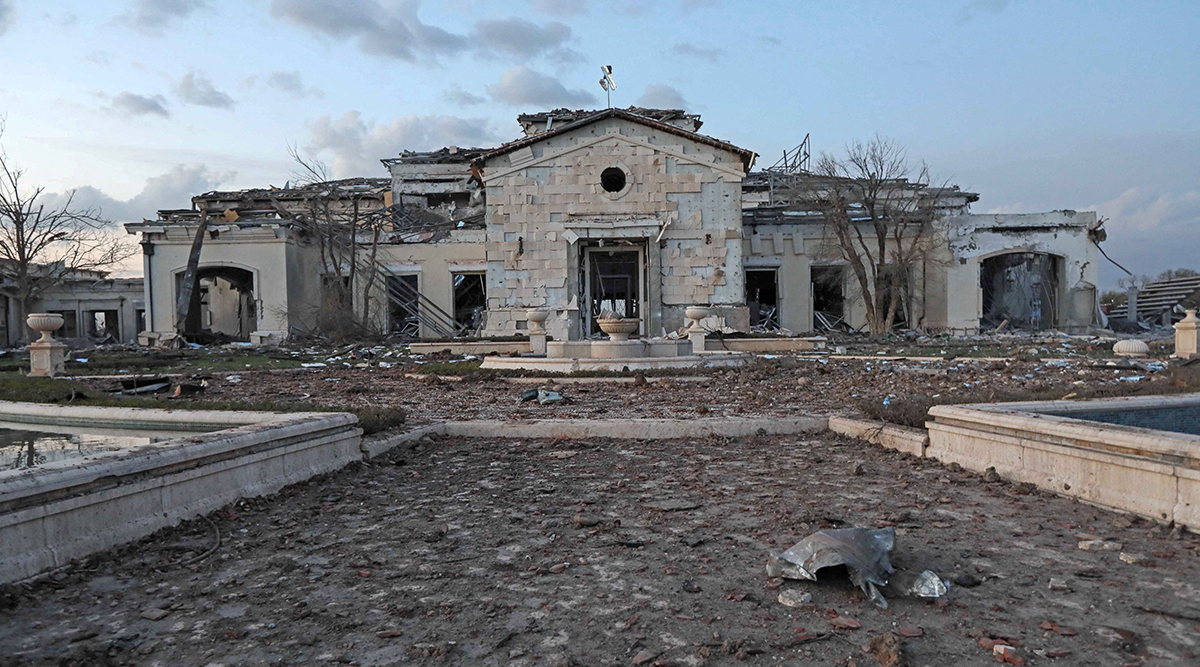
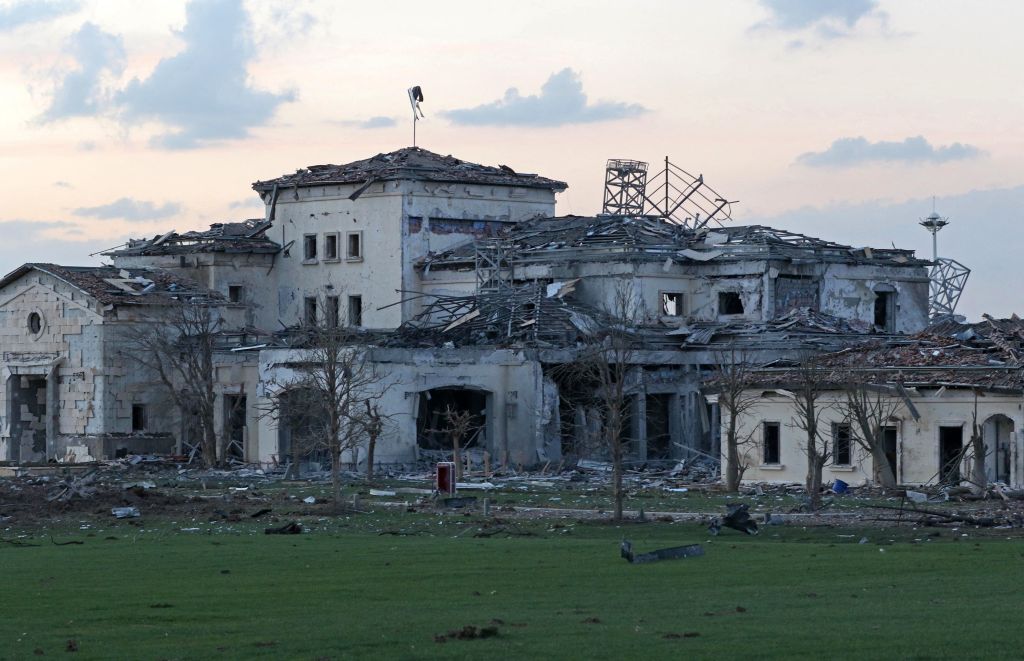
On March 13, Iran’s IRGC fired missiles at targets in the Iraqi Kurdish city of Erbil. While Tehran’s threat of force might shape the calculations of regional states that are weighing the pros and cons of establishing closer ties with Israel, the Iranians will inevitably have to reckon with the possibility that this heavy-handed approach may backfire.
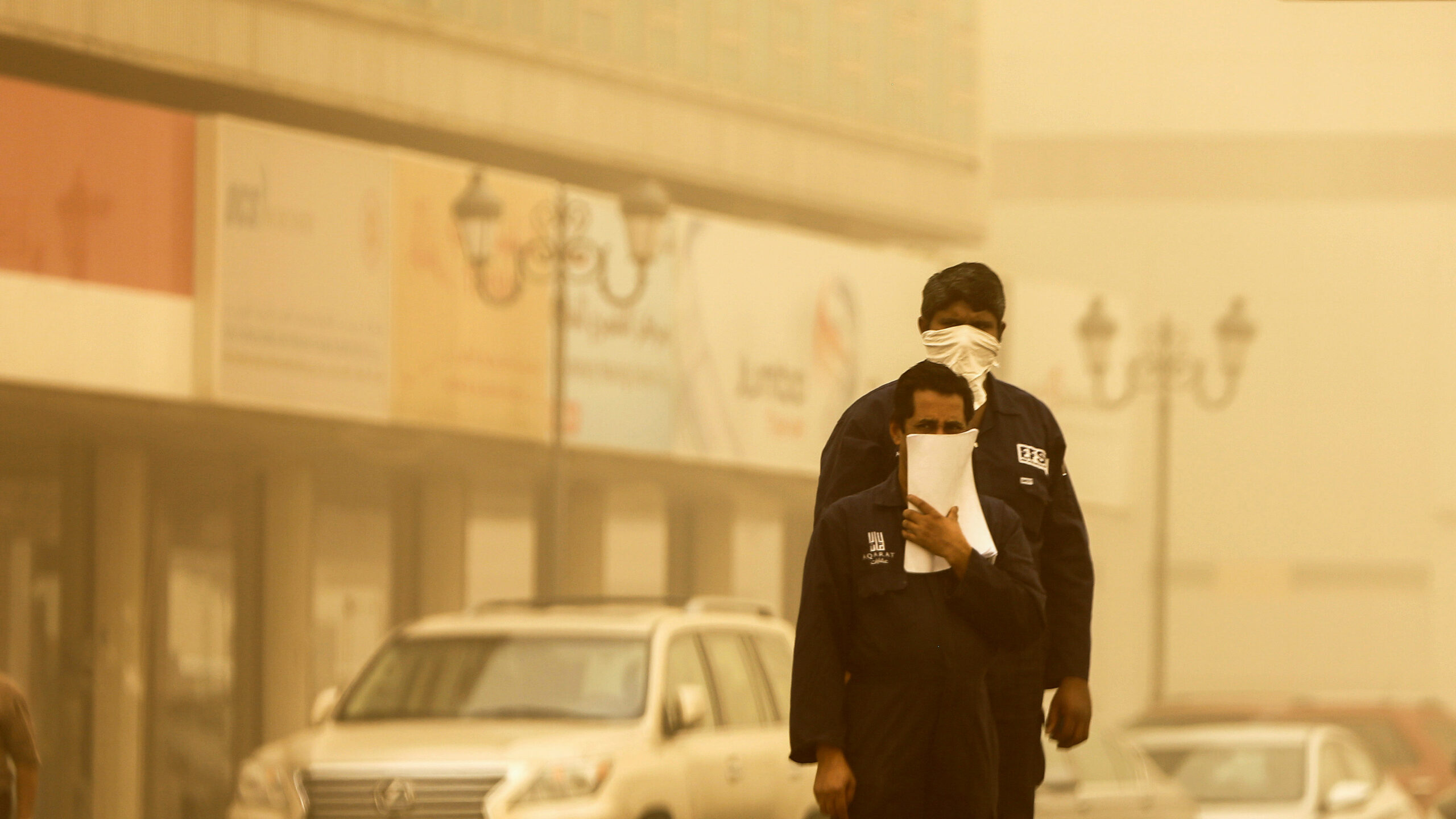
Severe sand and dust storms are an underrated risk in the Gulf region, despite mitigation measures
The precise causes of sand and dust storms (SDSs) are not fully known, but they are becoming better understood. Armed with this knowledge, regional actors are beginning to respond in the face of intensifying SDSs.
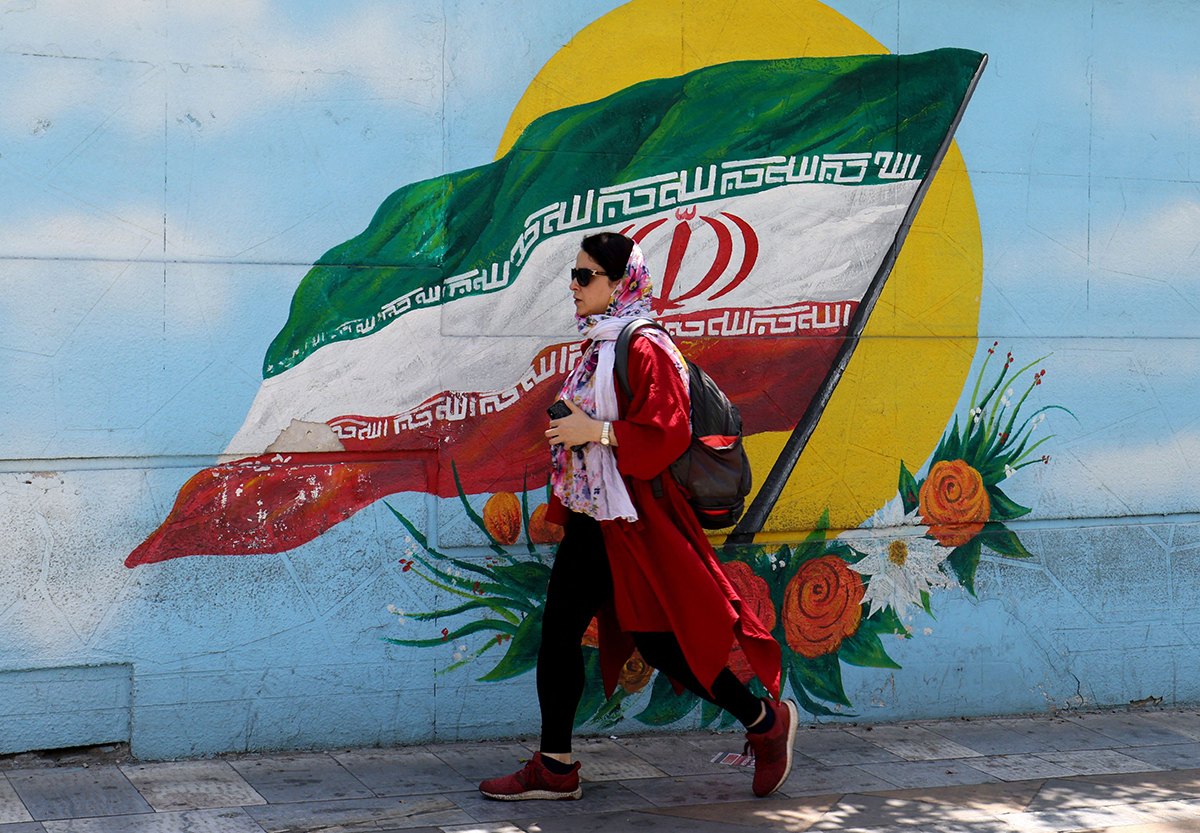
Iranian women both within the country and in the diaspora are working together to usher in real social and political change in Iran. Women-led grassroots organizations are leading an effort to promote democracy and human rights through a collaborative, non-ideological approach.
Drones are re-engineering the geopolitics of the Middle East
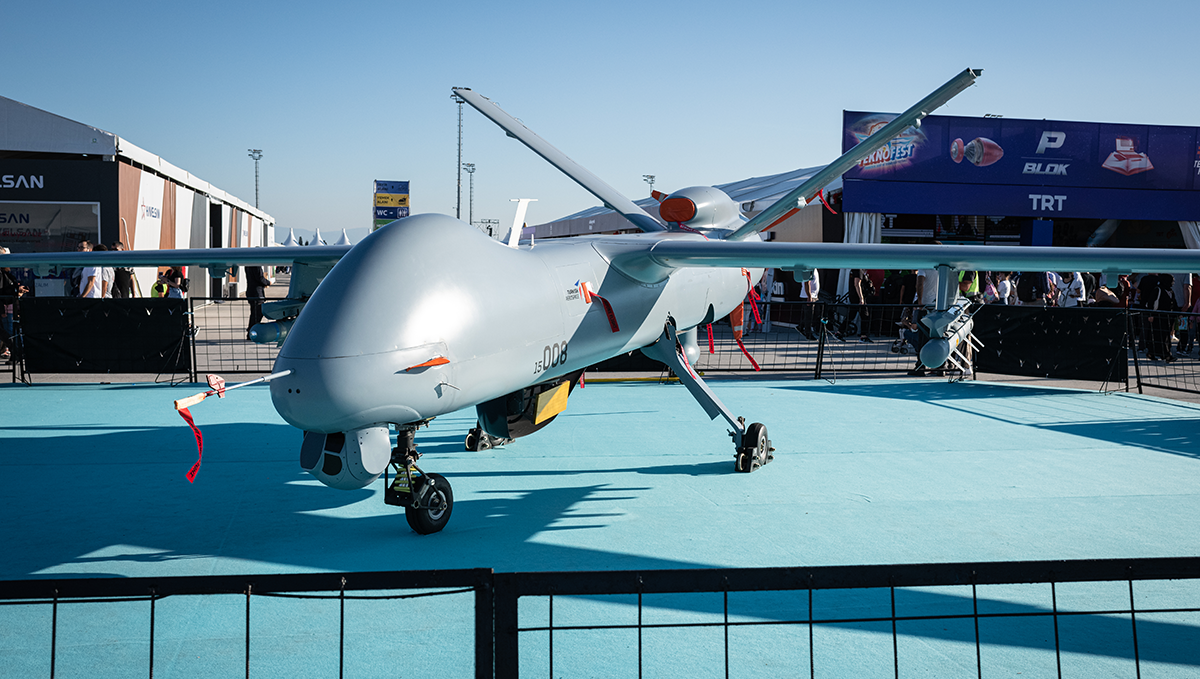
The Middle East is experiencing a seismic shift in its geopolitics: the dawn of the era of drones. From Syria to Libya and from Yemen to Iraq, UAVs have altered the dynamics on the battlefield. Agile and affordable, drones aren’t just a menace to remote conflict zones, but also to states far removed from theaters of war.
Russia doesn't see Israel as a preferred strategic partner over Iran
Iranian observers argue that Russia is willing to sacrifice Iranian interests when expedient, and some might even think that Russia is pivoting toward Israel in its Middle East policy. Nonetheless, the big picture of Russo-Iranian relations over the last decade reveals security cooperation between Tehran and Moscow that stands on a strong and reliable foundation, with both countries benefitting.