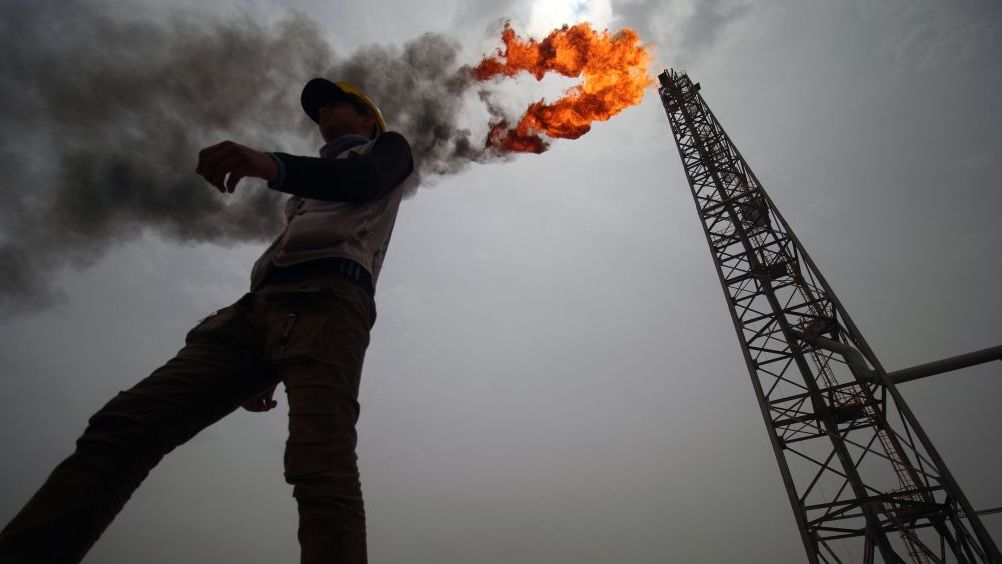
The factor of Iranian oil, while important for the situation in the oil market, turned out to be somewhat overestimated in terms of its impact on OPEC+ decision-making.
The promise and the pitfalls of Iraq’s tripartite New Mashreq
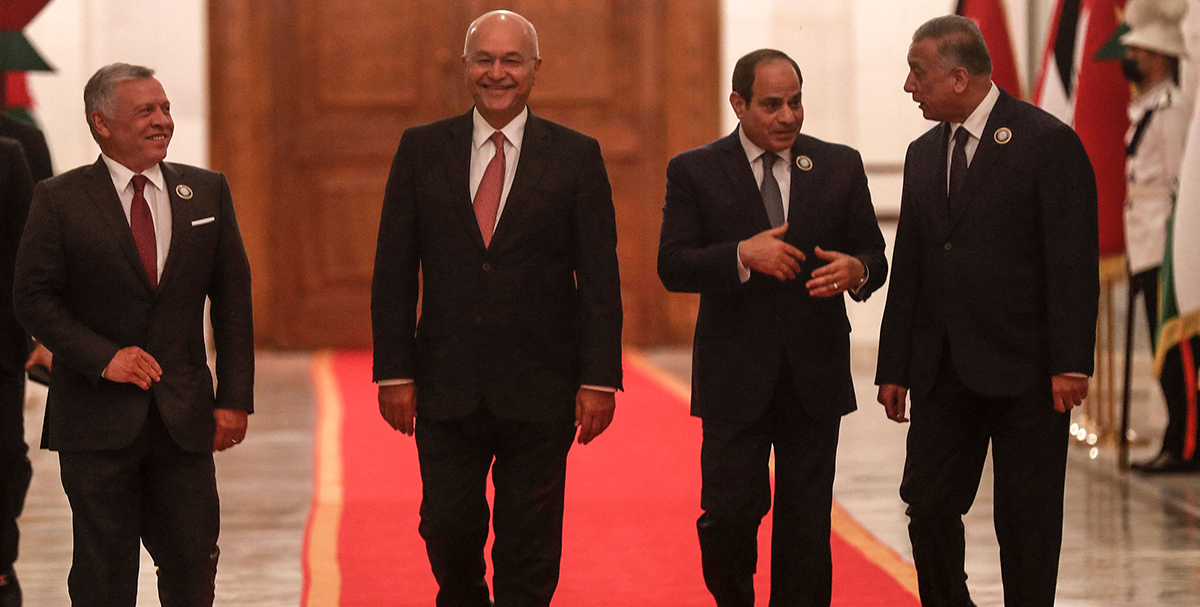
Sunday was a festive day in Baghdad. The last time Iraqis had received an Egyptian president 30 years ago, the region was gearing up for war and uncertainty as the late President Hosni Mubarak shuttled between Baghdad and Gulf capitals prior to Saddam Hussein’s invasion of Kuwait in 1990. The circumstances were quite different on June 27, when Egyptian President Abdel-Fattah el-Sisi and King Abdullah II of Jordan were given the red-carpet treatment at a tripartite summit marking the fourth meeting between the leaders of the three countries aiming to form a new regional alliance.
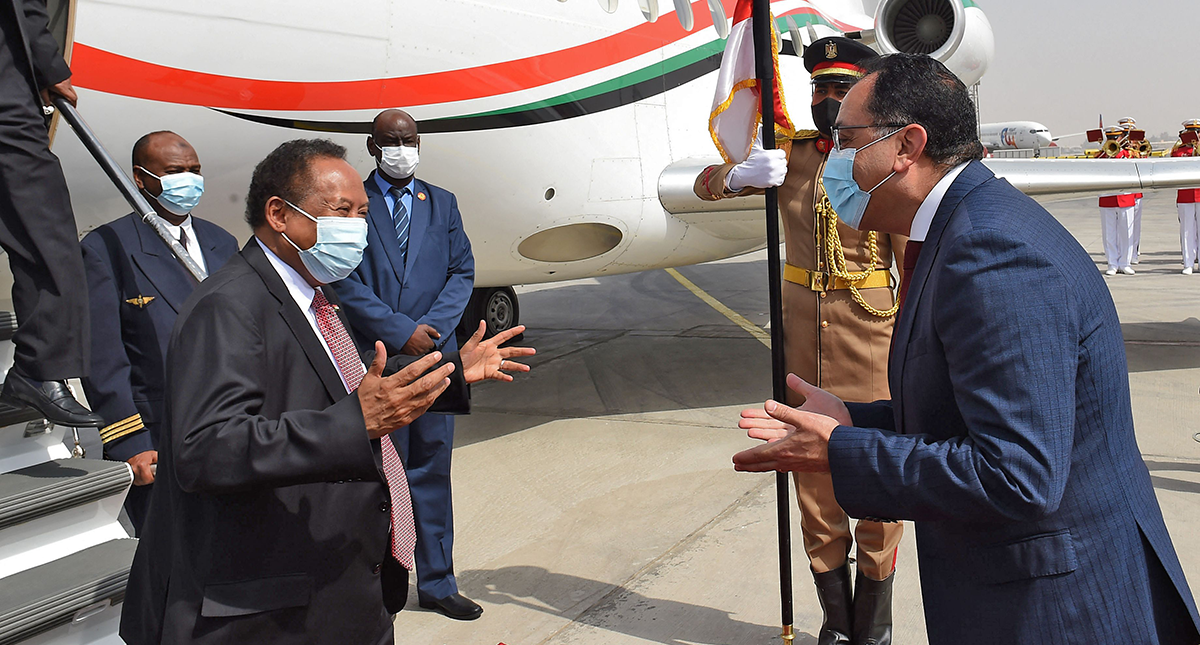
Egypt, Ethiopia, and Sudan are caught in a dangerous deadlock over the Nile River and despite what the international community seems to think, the risk of military confrontation among the three nations is not at all far-fetched. Addis Ababa began the second phase of filling the reservoir behind its giant Grand Ethiopian Renaissance Dam (GERD) in early May without an agreement with the riparian nations — Egypt and Sudan. However, much has changed over the past year and the second filling has played out rather differently from the first last July. In the intervening months Egypt has ramped up its diplomatic outreach and emerged as an influential player in the Nile Basin, the Horn of Africa, and East and Central Africa. Cairo succeeded in forging strategic alignment with Khartoum to exert diplomatic pressure on Addis Ababa, forming webs of alliances with different regional powers across East and Central Africa and the Horn of Africa to project power and influence, and exerting geopolitical forward pressure on Ethiopia in parallel with the diplomatic track to solve the GERD dispute.
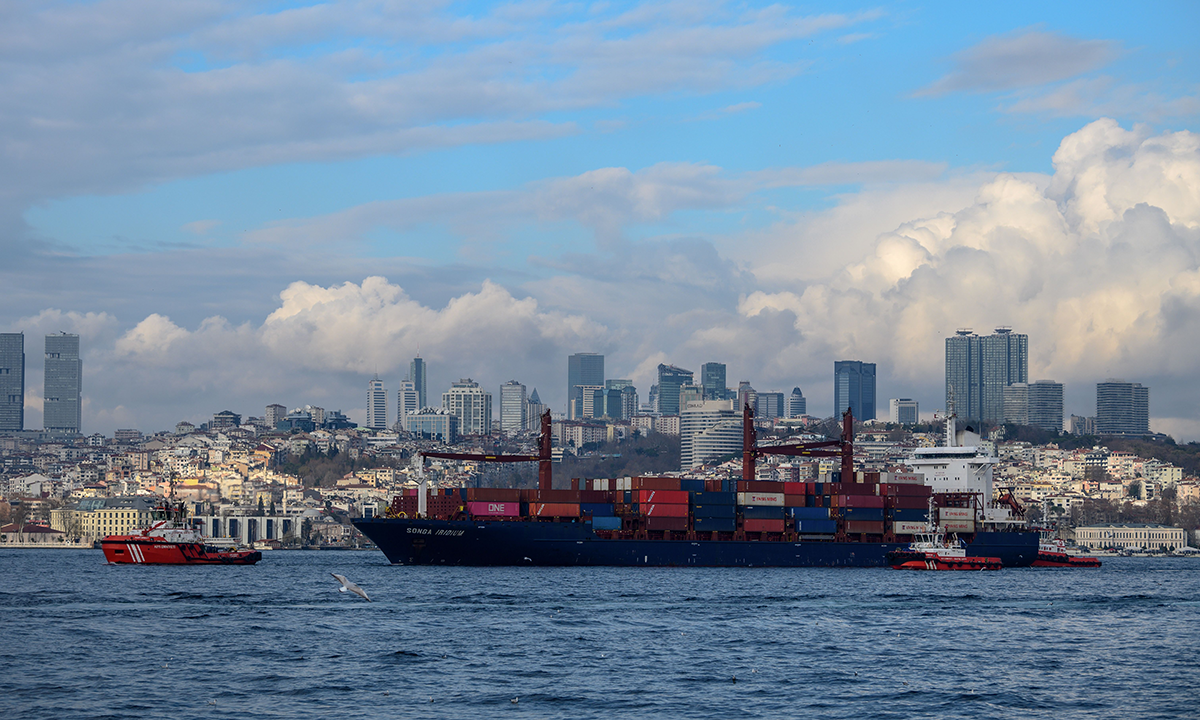
The Turkish government recently confirmed that the country has approved development plans to carve a new passage between the Black Sea and the Sea of Marmara. Cutting through forests and farmland, the new Canal Istanbul would run parallel to the Bosphorus for a total of 45 km (28 miles) with a depth of 20.75 meters (68 feet) and a width of 275-350 meters (900 to 1150 feet). Ground-breaking for the first bridge over the proposed canal is scheduled to take place on June 26. However, this will be a ceremony for domestic political consumption and by no means indicates that construction is really starting. Financing the massive project might prove impossible due to the environmental concerns and investment risks hanging over it.
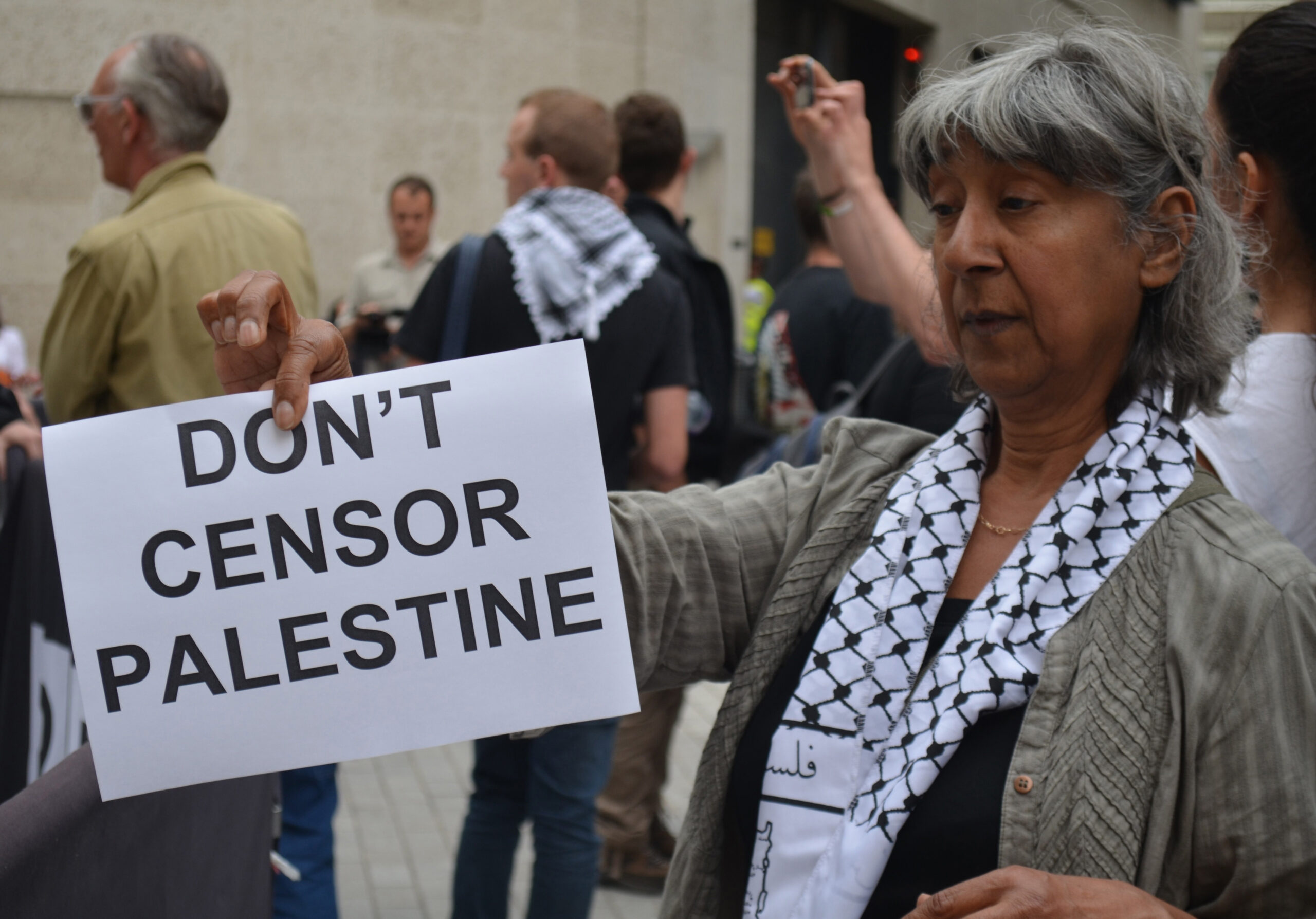
The “Palestinian exception”: Social media censorship of Palestinian activism
In a landscape of suppression and retaliation against Palestinian journalists and activists at the hands of Israel, social media networks have been at once critical organizing platforms and tools for exacerbating censorship.
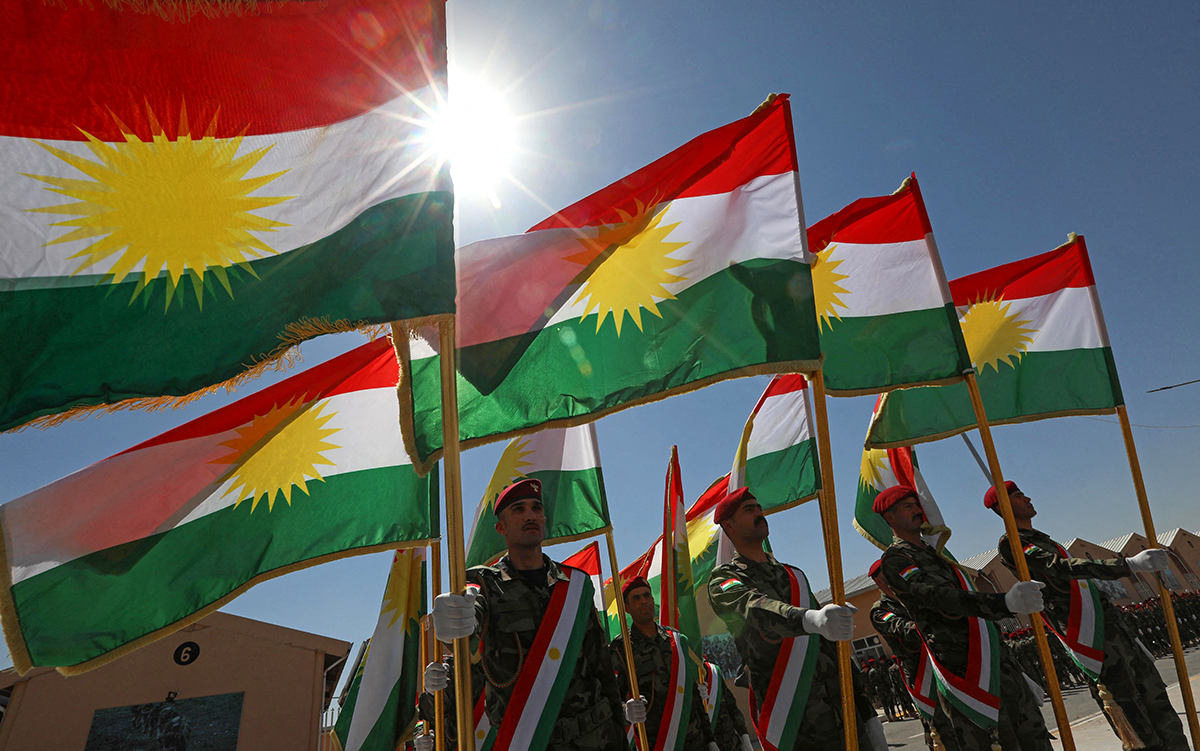
Games without Frontiers: Renegotiating the Boundaries of Power in Iraqi Kurdistan
Over the past year, intensifying political and economic conflicts between the Kurdistan Region’s two hegemonic parties, the Kurdistan Democratic Party and the Patriotic Union of Kurdistan, have challenged the legal and institutional order in which the Kurdistan Regional Government operates. A new generation of leadership within the parties, a fraught relationship with the federal government, and a prolonged economic crisis have strained the relationship between the two parties to its breaking point.
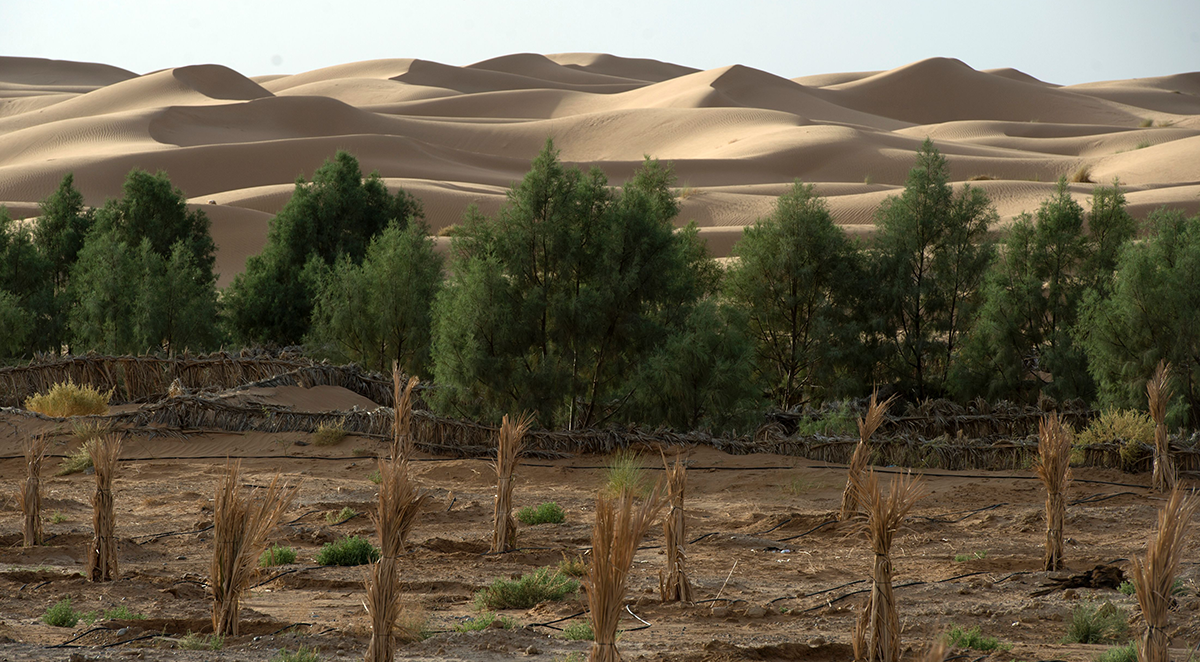
Could climate risk insurance reduce the cost of climate change adaptation in the Middle East?
As one of the hottest and driest spots globally, the Middle East region faces some of the worst impacts of climate change. Many of these events have not only been socially and politically devastating but have also resulted in huge financial losses for countries already experiencing economic insecurity. Countries in MENA have found themselves increasingly exposed to extreme weather events and natural disasters, which have affected more than 40 million people and cost more than $20 billion over the past 30 years, according to the World Bank. During the last five years alone, 120 disasters were recorded in the region, resulting in an average of $1 billion annually in damages and losses.
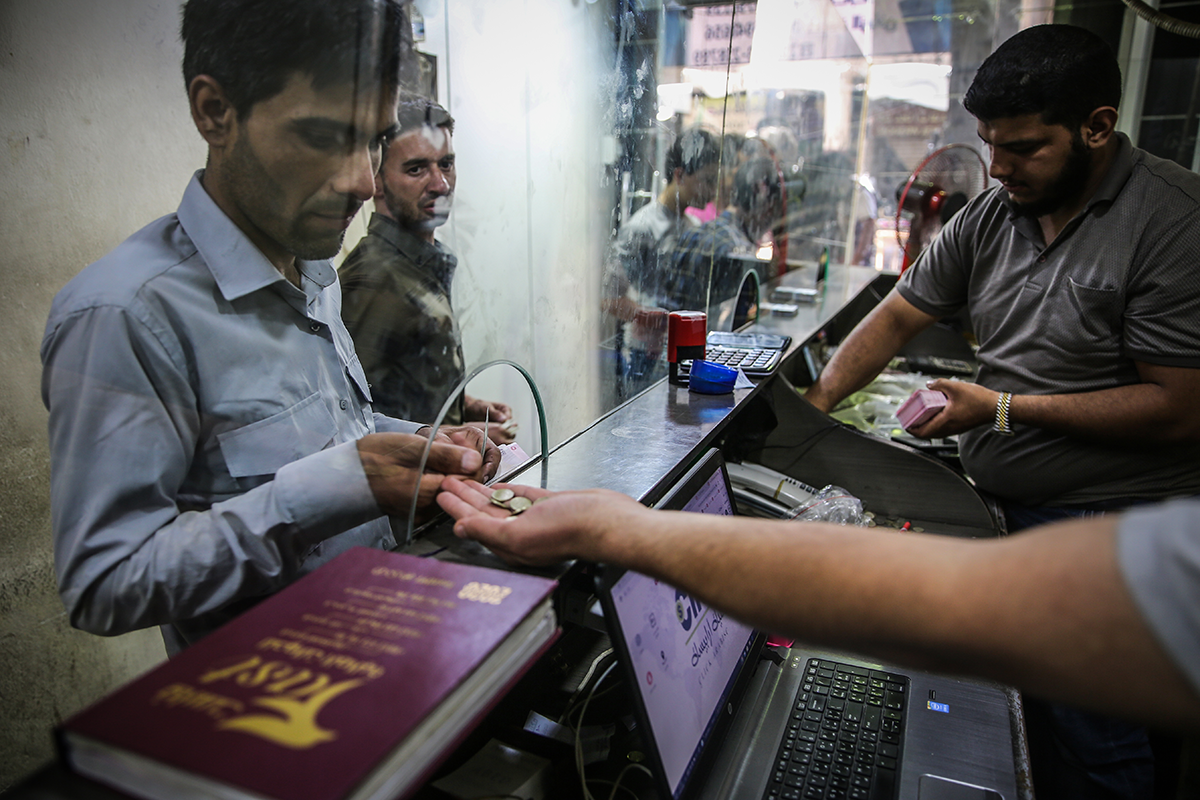
Over the past four years, Hay’at Tahrir al-Sham (HTS) has tried to transform itself from a faction of the Global Jihad movement into the de facto local military and governing power in north-west (NW) Syria. This shift requires the group to seek sources of funding other than al-Qaeda and its donors; consequently, HTS has undertaken a slow but steady takeover of the economy in NW Syria, from financial services and oil and gas to internet and telecommunications. This paper lays out how that process has taken place and provides a detailed look at the economics of HTS.
It's Now or Never: Lebanon Policy Conference Key Takeaways
Over the course of two weeks in May and June, the Middle East Institute hosted its inaugural Lebanon policy conference in collaboration with the American Task Force on Lebanon (ATFL) and LIFE. This series of events brought together leading diplomats, policymakers, economists, development practitioners, and think tank professionals from the U.S., Europe, the Middle East, and Lebanon to discuss the urgency and viable paths forward for the country’s political, financial, and humanitarian crises.
The Abraham Accords and their cyber implications: How Iran is unifying the region’s cyberspace
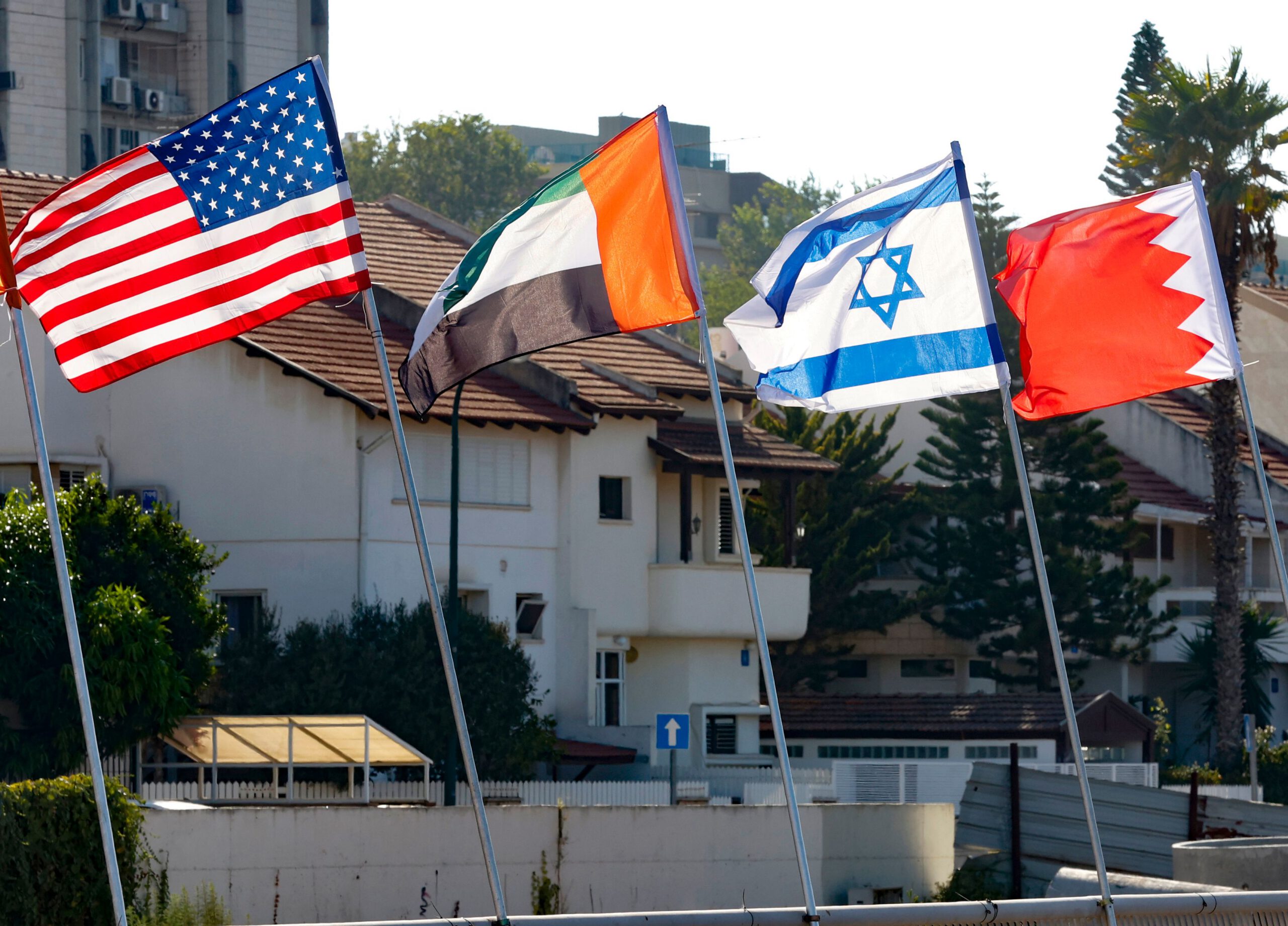
On Sept. 15, 2020, the world witnessed a new era of Israeli-Arab relations as the UAE and Bahrain opened diplomatic relations with Israel, in what is known as the Abraham Accords. Unlike the Israeli-Egyptian or the Israeli-Jordanian peace deals, which aimed to end direct military confrontations, the Abraham Accords seek to maximize common interests and address security issues to form a new front against Iranian threats. As Biden’s administration shows a willingness to return to some form of the 2015 Iran nuclear deal, the joint cooperation between Israel and the Gulf states is becoming more visible than ever, particularly in cyberspace, where they share a common enemy.
In this policy paper, Dr. Karen E. Youngsets out to delineate and compare economic diversification efforts underway in the GCC that might prove useful in the Iraqi context, for the state as a whole, and measures that might be adopted in the context of the Kurdistan region.
Pakistan needs to reframe its regional connectivity push
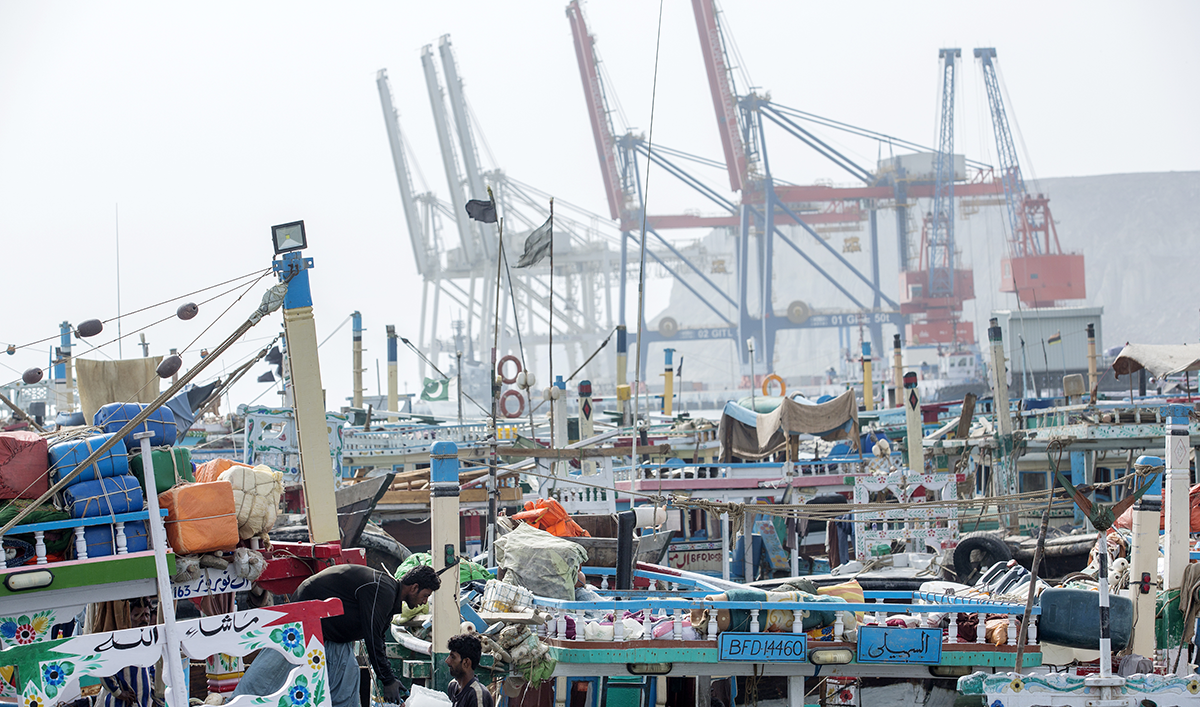
On April 8, the top U.S. diplomat in Pakistan visited the Chinese-operated port of Gwadar — the first such visit by an American official in 15 years. The move appears to be part of a campaign by Pakistan to promote its regional connectivity agenda and simultaneously signal that this effort isn’t solely wedded to China and its Belt and Road Initiative.
Sarah Johansson and Mohammed Soliman join guest host Mike Sexton to discuss the various legal, technical, and environmental challenges of cryptocurrencies in the region, among others.
The 5G divide in the Middle East: Further disparity between the Gulf and its neighbors
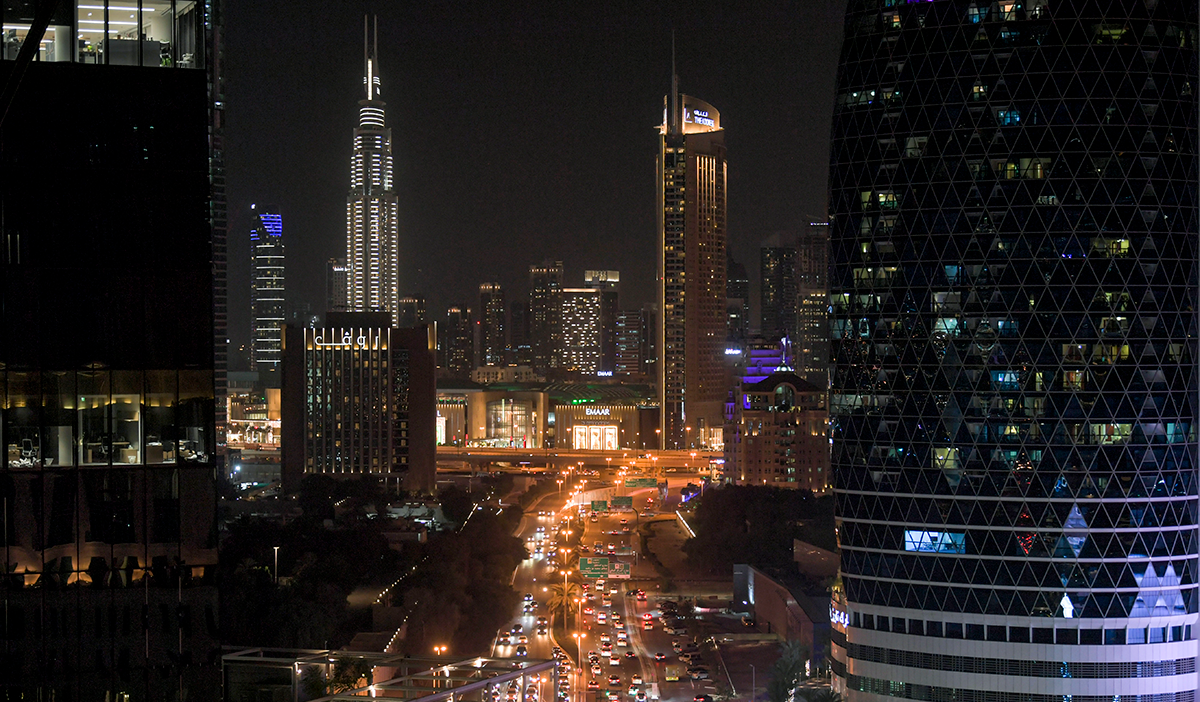
The 5G technology revolution is poised to change society irreversibly in the Middle East. The evolution of the Internet of Things (IoT) powered by 5G networks could prove life-enhancing. Already, the Gulf countries have led the way in adopting 5G technology in the region and the rollout of 5G showcases the Gulf’s new role as a leader in digital technology. Although the Gulf countries have made strides to be global tech leaders, their neighbors in the region seriously lag behind in their abilities to adopt large-scale 5G technology. This disparity will further deepen the divides in development between the Gulf and the rest of MENA. Looking to the future, the Gulf will surely pull ahead as the tech hub of the region, but there are still important benefits for the rest of the region to reap as they slowly adopt next generation technology.