MEI experts Gerald Feierstein, Alex Vatanka, Gonul Tol, and Charles Lister join host Alistair Taylor to survey what lies ahead for the region in the year ahead, with particular attention to Yemen, Iran, Turkey, and Syria.
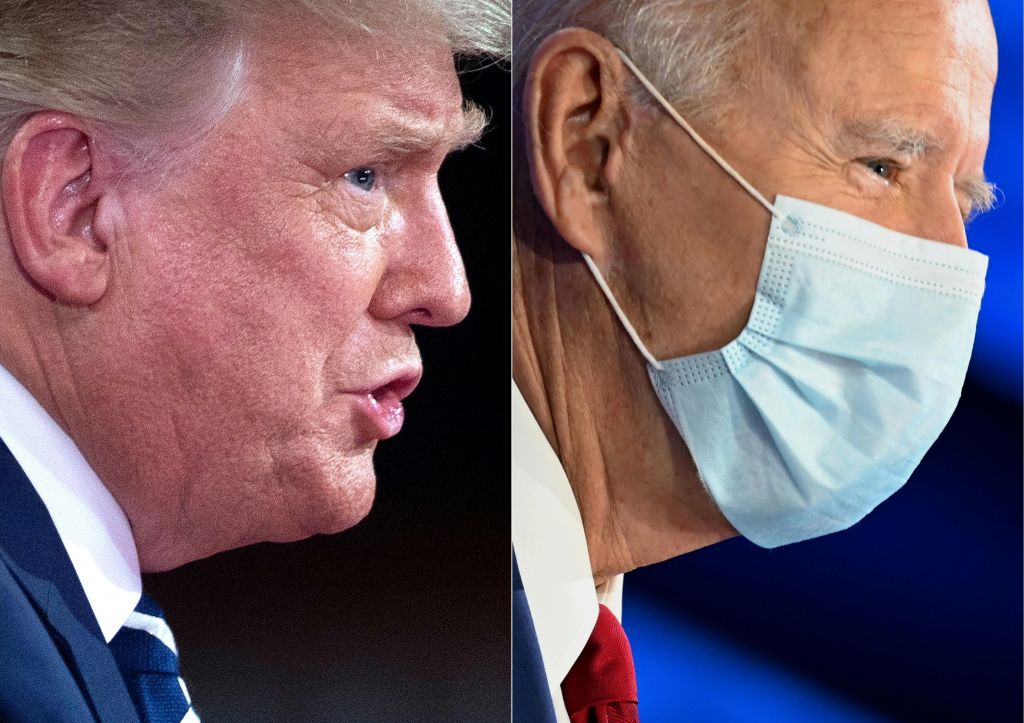
The Biden administration and the Middle East: Four-year policy goals
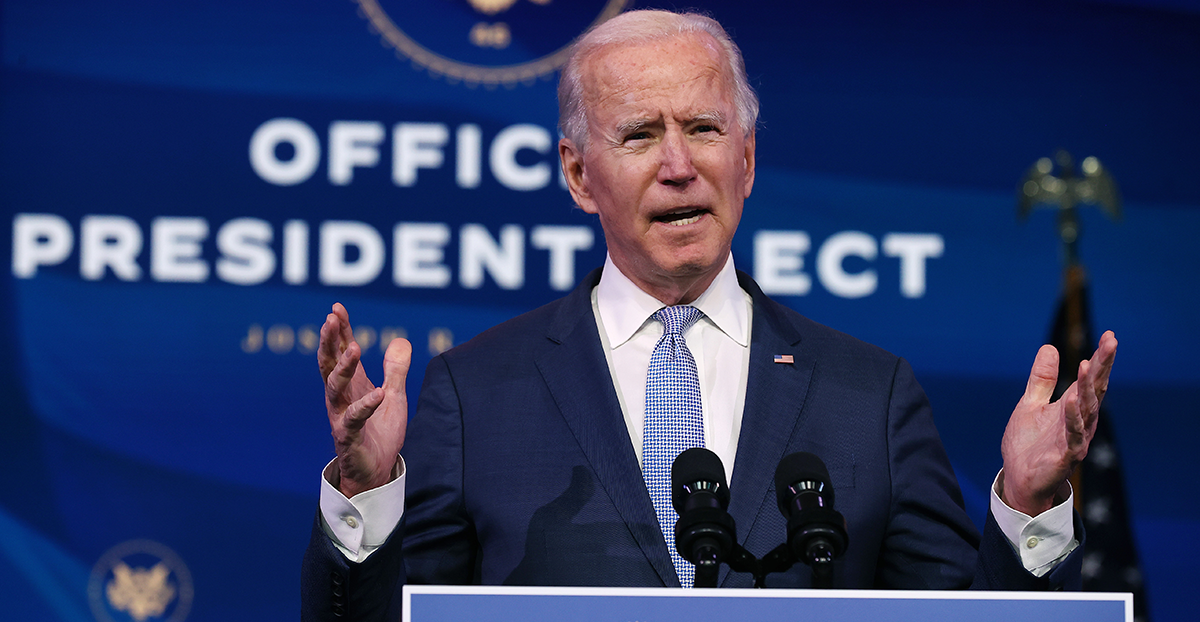
The Biden administration will face a number of major challenges in the Middle East over the next four years, from great power competition and climate change to cybersecurity and refugees and migration. But what realistically can it achieve in that time on the policy front? To better understand what’s possible, we asked 10 experts from across MEI to weigh in with their thoughts.
A Shift Among the Shi'a: Will a Marj'a Emerge from the Arabian Peninsula?
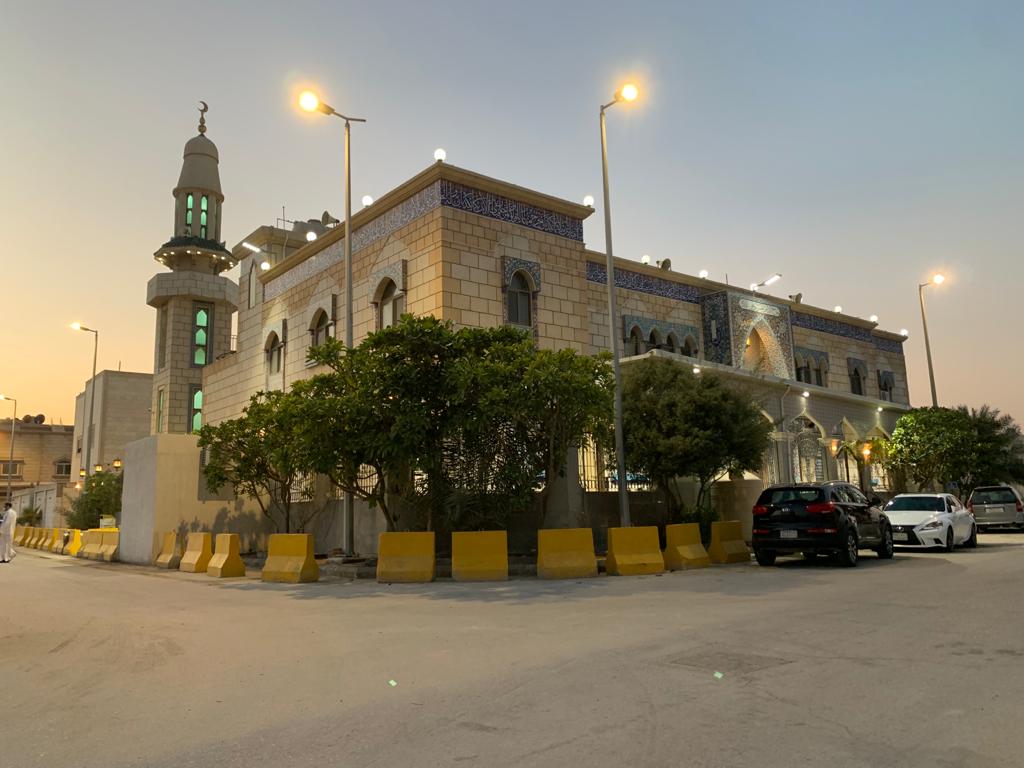
This paper looks at the political implications of the relationship between Shi’a in the Gulf states and Iranian marj‘as, the historical background to these ties, and Gulf states’ concerns surrounding the outflow to Iran of religious taxes. In some Gulf countries, these issues are tied to concerns about the loyalty of Shi’a to the nation. The authors argue that the emergence of a marj‘a who would be based in one of the Gulf states could quell these concerns.The authors identify potential marj‘as from the region and steps that Gulf states must take so that their Shi’a citizens will shift their allegiance from foreign-based marj‘as to domestically based ones.
This calendar lists key dates in the MENA region in 2021, broken down by month. It is subject to change and will be updated over the course of the year.
The GCC al-Ula Statement: Perhaps a step, but not a solution
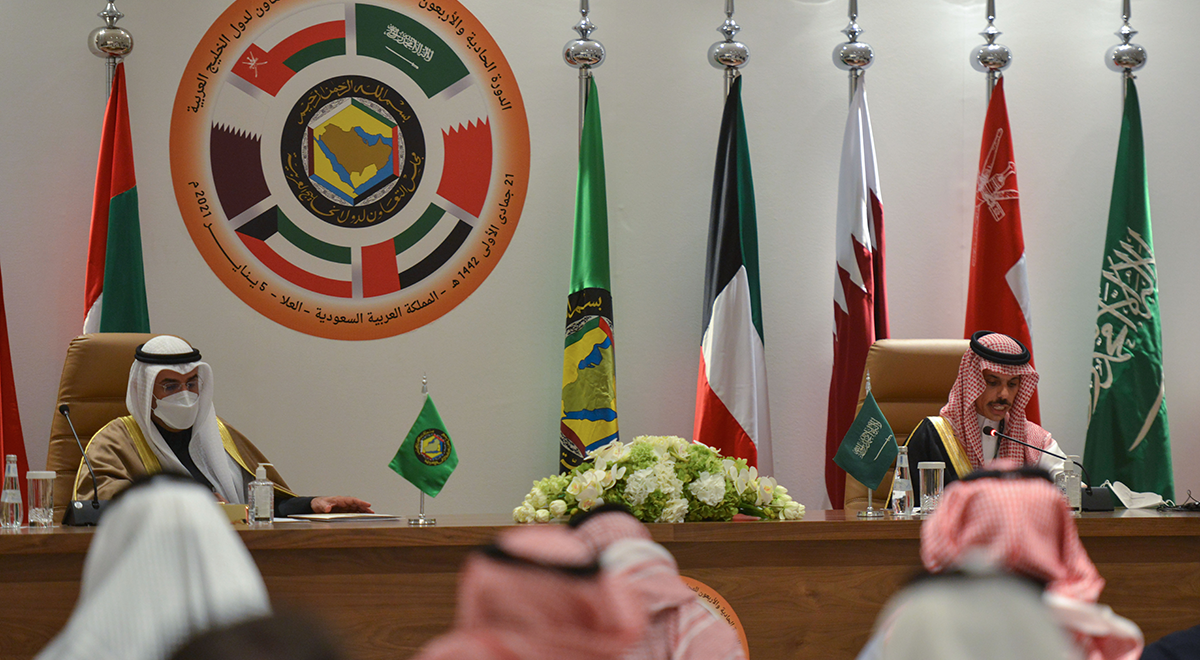
The leaders of the six Gulf Cooperation Council (GCC) member states — Saudi Arabia, the United Arab Emirates, Oman, Kuwait, Bahrain, and Qatar — signed a “solidarity and stability” agreement, dubbed the “al-Ula Statement” after the Saudi city in which it was inked, at their Jan. 5 summit meeting.
In the Middle East, cyber sovereignty hampers economic diversification
Rapid and unprecedented transformation in the Middle East, whether political, social, or technological, is forcing governments to reckon with enormous changes. Many governments are responding by attempting to pursue two contradictory paths forward — cyber sovereignty and digital transformation — and they might end up not achieving either.
دول مجلس التعاون الخليجي تستعد لوضع إقليمي وعالمي مُختلف تماما
مع بداية عام 2021، تستعد دول مجلس التعاون الخليجي لبيئة عمل مُختلفة بشكلٍ كبير، عما واجهته في الأعوام الماضية. فالتحول من إدارة ترامب إلى إدارة بايدن سيأتي بمجموعة من اللاعبين أكثر تشككًا، في مراكز صُنع القرار في البيت الأبيض، ووزارتي الخارجية والدفاع، وتقريبا في كل مناصب واشنطن. توجد بالفعل بعض الإشارات التي تدل على أن دول مجلس التعاون الخليجي تتأقلم مع الواقع الجديد.
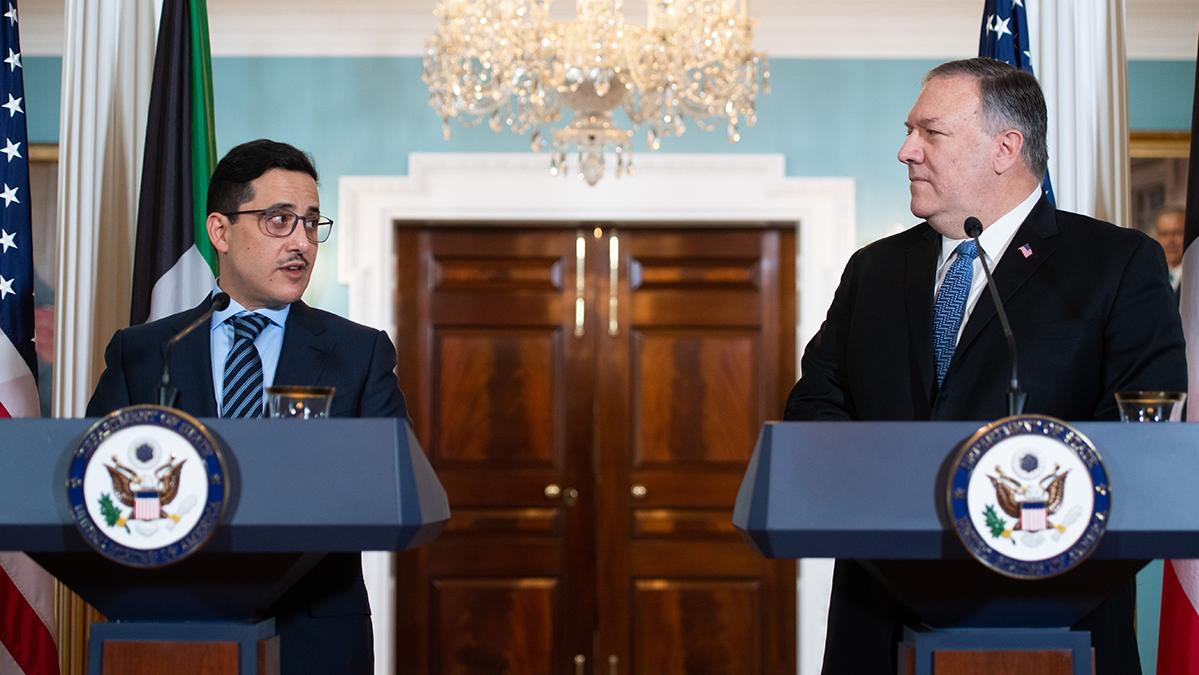
The United States and the Gulf: Trapped in transition?
The mixed messages and pendulum swings in U.S. Gulf policy in recent years are rooted in and have further fueled deep questioning and a largely unresolved debate within the United States about America’s role in the region, and indeed in the world. Like the U.S., relations between the GCC and Iran are locked in confrontation. Breaking this impasse requires decisive U.S. reengagement in Gulf affairs led by vigorous, sustained diplomacy that promotes intra-GCC reconciliation and supports efforts aimed at tempering the Saudi-Iran strategic rivalry.
Political support, not terrorist designation, is key to moving forward in Yemen
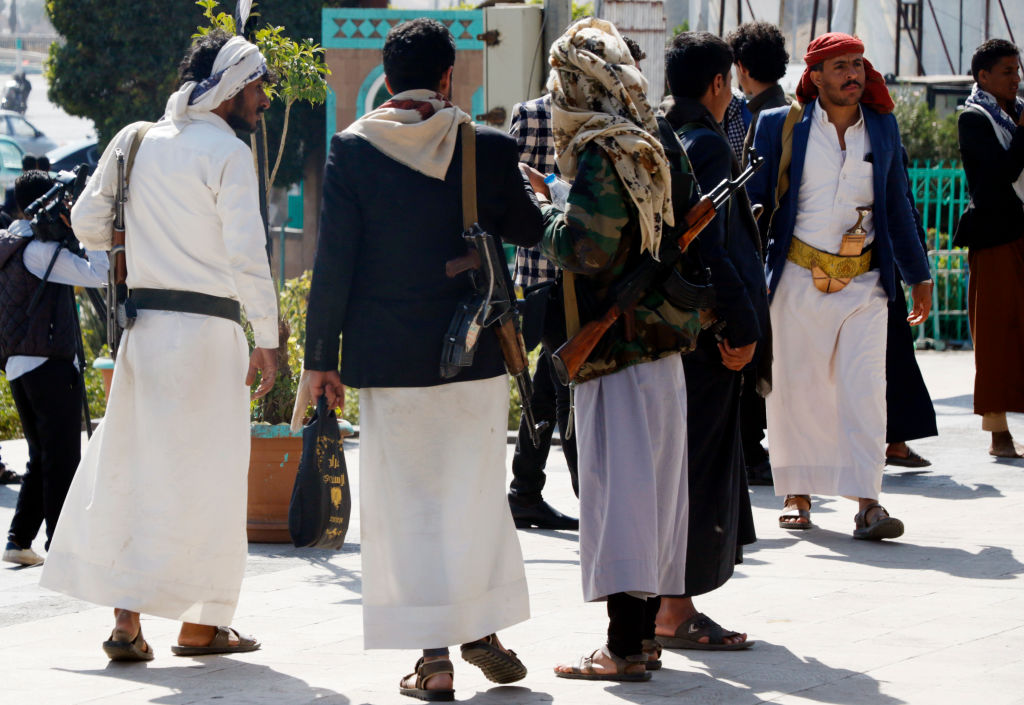
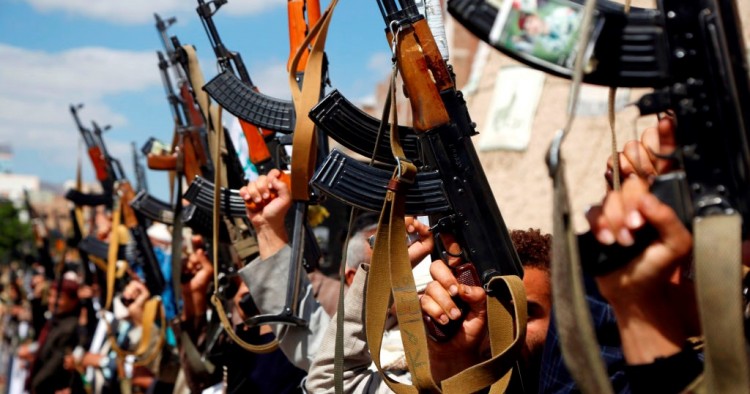
Now is the time for a political reset in Yemen — and the United States must play an important role. This role must include encouraging all sides toward a more inclusive political process that reduces violence and raises Yemeni and international voices, and moves toward specific and achievable objectives over time. Solutions that purport to be either speedy or simple are, in fact, quite dangerous. To that point, the current administration’s consideration of designating Ansar Allah (the Houthi movement) as a foreign terrorist organization (FTO) will not help advance the United States or the other various participants in this conflict toward a durable strategic settlement.
In our final episode of the year, host Alistair Taylor interviews several MEI scholars on the key events that transpired across the Middle East in 2020 including in Iraq, Iran, and Afghanistan, and they discuss US defense and diplomatic strategy in region as the as the transition to the Biden administration gets underway. Guests include Paul Salem, Bilal Saab, Randa Slim, and Marvin Weinbaum.
Now in its sixth year, the war in Yemen shows no signs of abating. The country faces what is widely considered the world’s worst humanitarian crisis — a situation that has only been exacerbated by the global coronavirus pandemic. As a new administration prepares to take over in Washington, it is a natural time to assess U.S. policy toward the country. We asked 9 experts to provide their perspective and answer the following question: How should the Biden administration approach Yemen?
A look back at the year’s most important developments with analysis from Paul Salem, Alex Vatanka, Randa Slim, Gerald Feierstein, Gonul Tol, Jonathan M. Winer, Khaled Elgindy, Marvin G. Weinbaum, Mirette F. Mabrouk, Grace Wermenbol, Syed Mohammad Ali, Robert S. Ford, and Khaldoun Khelil.
What could environmental cooperation between Iran and the GCC look like?
The Persian Gulf states are among the most vulnerable on earth to the effects of climate change, which makes environmental cooperation necessary for their survival. Located in one of the hottest and driest parts of the planet, the region is vulnerable to extreme heat waves, dust storms, and water scarcity. All of these will increase in frequency and severity with further climate change. Protecting the natural environment of the region is not just an ecological concern, but a security one as well. Unmitagated climate change could spur conflict over limited resources and produce waves of migrants. While the future may seem bleak, environmental cooperation also presents a unique opportunity for improving the relationship between the Gulf Cooperation Council (GCC) states and Iran. Successes from cooperation on essential environmental issues could be the start of a more general rapprochement.