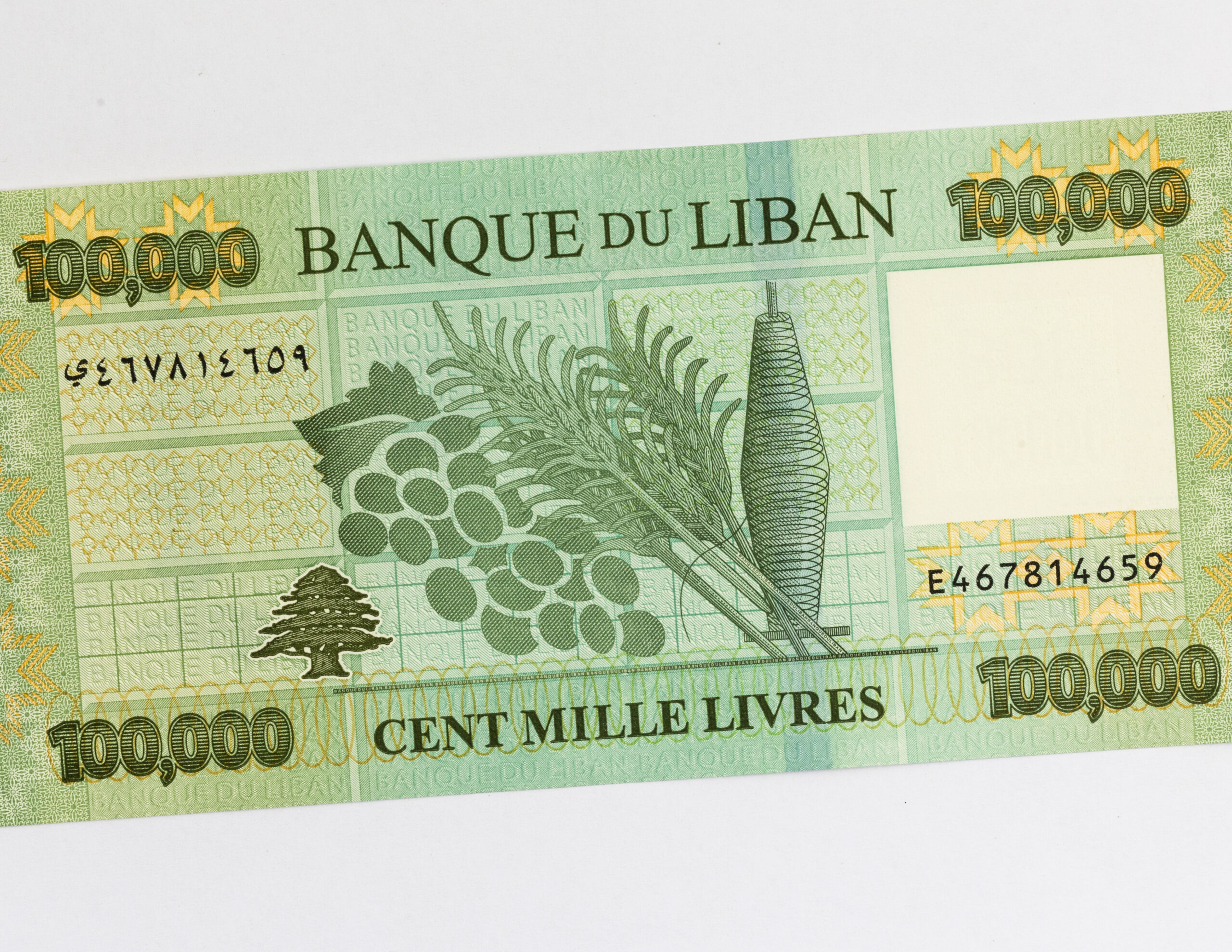
Restoring both domestic and international confidence in the Lebanese government will ultimately depend on taking tangible steps towards economic revival. This article presents key policy options to achieve this result, including rebuilding trust through improved governance and judicial reforms, investing in digital infrastructure, driving sustainable growth via regional integration and innovation, and balancing economic revival with sovereign debt restructuring.
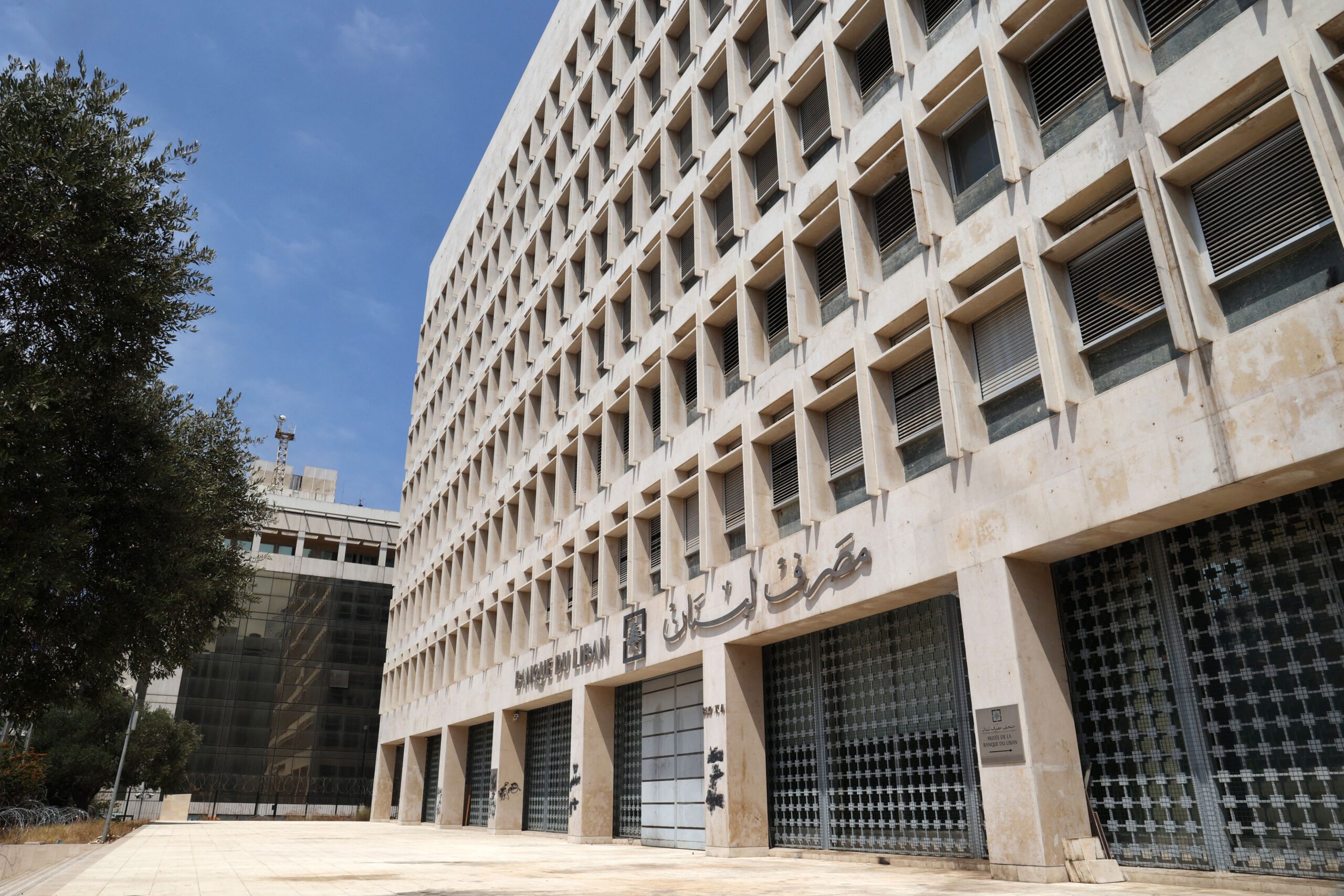
Lebanon’s monetary crisis and the future of the Central Bank
While the banking crisis remains unresolved, there is still ample scope for Lebanon’s central bank to advance reforms and set the stage for a sustainable economic recovery even without a comprehensive reform program supported by the IMF.
A realistic, step-by-step approach to restoring Lebanese sovereignty
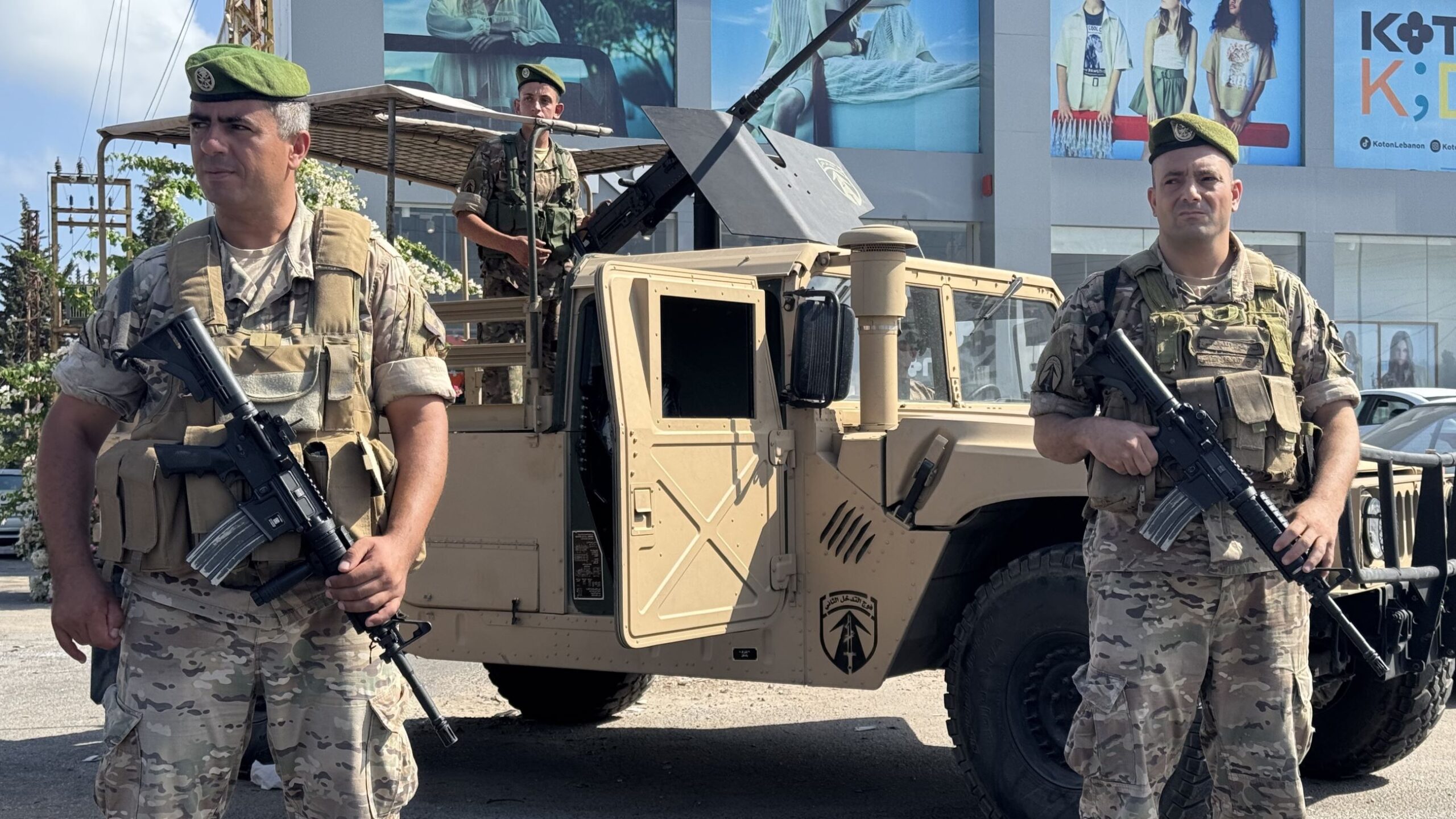
Seizing Lebanon’s once-in-a-generation opportunity hinges on its ability to resolve its core dysfunction: reclaiming the state’s monopoly on force and its exclusive authority to determine matters of war and peace. Beirut, backed by deepening US support, must focus on achieving tangible milestones and strategic victories that momentum, making Hizballah’s disarmament unstoppable and the state’s reassertion of authority irreversible.
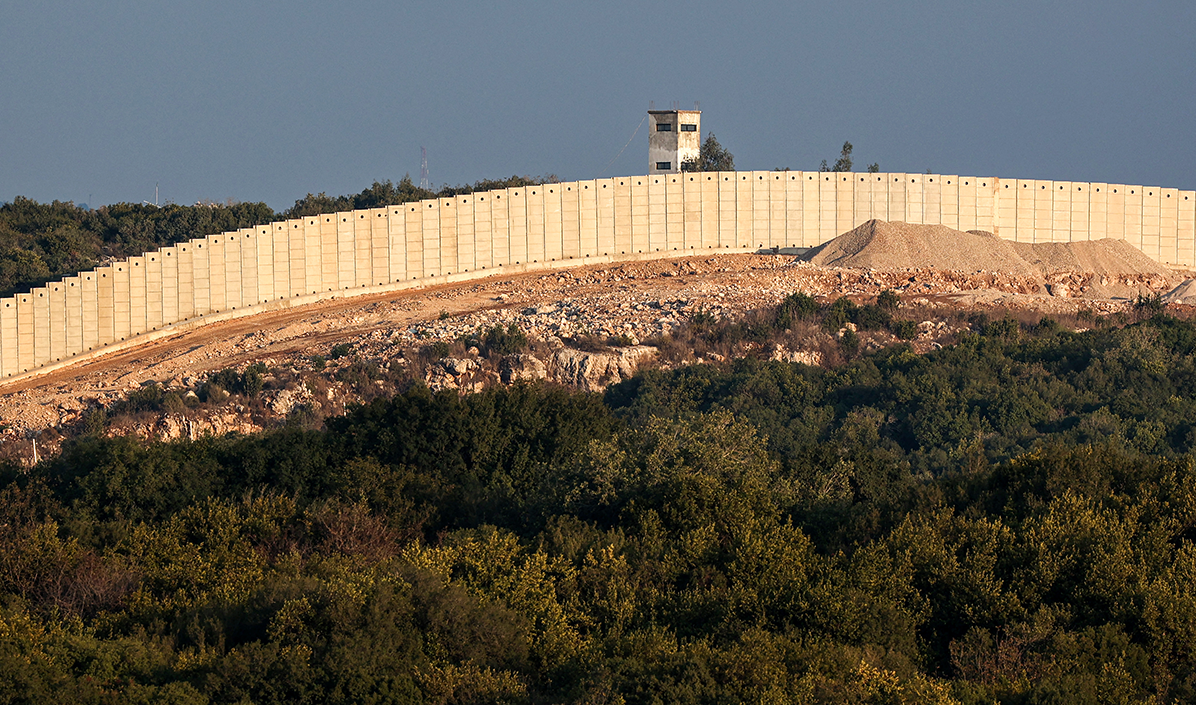
The central challenge facing Lebanon today is whether the country will graduate to functional statehood or continue struggling to survive. Yet with Lebanese officials now insisting that the state “monopolize arms” and become the decisive arbiter on matters of war and peace, a relevant question arises: Where, territorially, does Lebanon begin and end?
To encourage and incentivize long-overdue structural reforms, the European Union and the broader international community should adopt a more proactive, hands-on approach to Lebanon. The current context calls for an approach that balances assistance delivery with active support to the Lebanese government in its quest to reform and rebuild the state.
Once hailed as a rare democracy in the Middle East, Lebanon has now slipped into the ranks of closed autocracies. Decades of corruption, sectarian rule, and foreign meddling have left the country reeling — and the past year brought assassinations, mass displacement, and Israel’s full-scale war against Hezbollah in the south. With its economy in free fall and its political system on life support, Lebanon stands at a crossroads: could shifts in regional power, efforts to disarm Hezbollah, and a change in leadership pave the way for recovery, or will instability deepen?
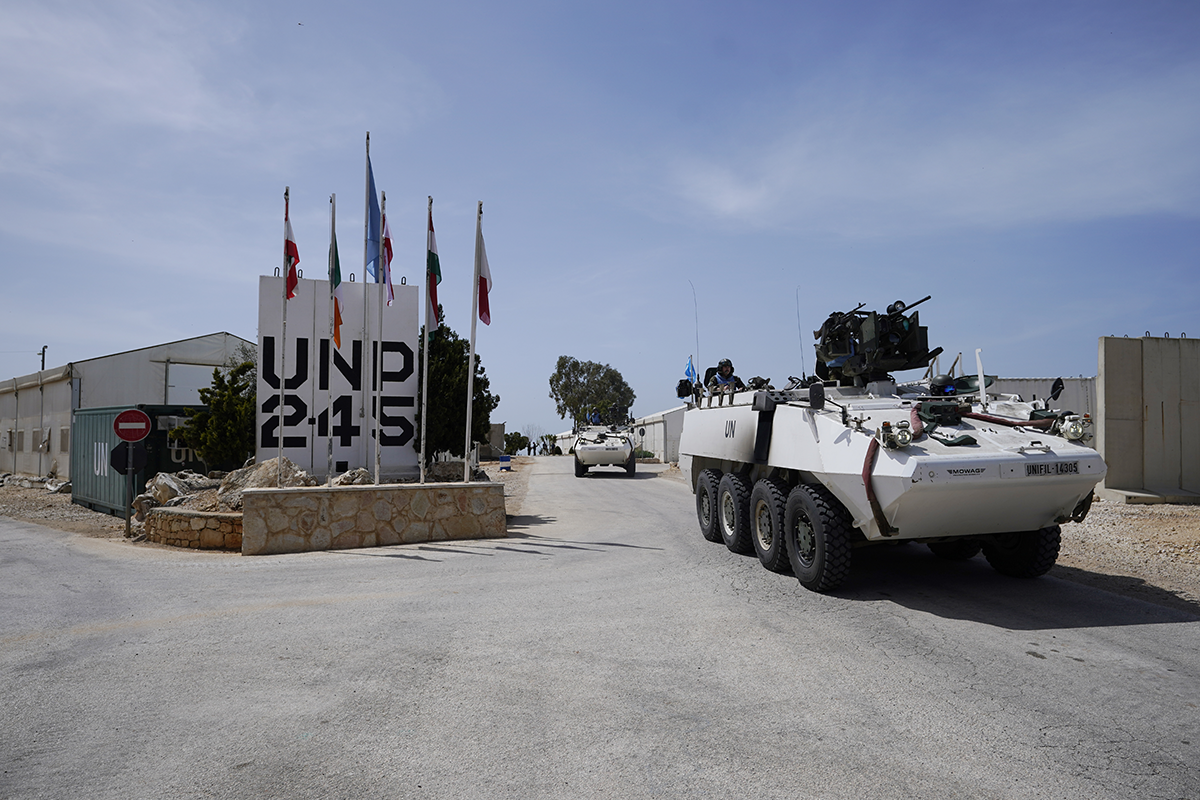
At the end of August, the future of the United Nations Interim Force in Lebanon (UNIFIL), established nearly 50 years ago, goes on trial in New York, where the Security Council will debate the renewal of its mandate. Nearly two decades after its transformation under UN Security Council Resolution 1701, UNIFIL is now part of the problem it was created to solve. Ten thousand blue helmets from almost 50 countries, including major North Atlantic Treaty Organization (NATO) members, failed to stop the latest conflict between Israel and Hizballah, and, if business continues as usual, will fail to prevent the next.
Lebanon and the UNIFIL Mandate: Disarming Hizballah and Reclaiming Sovereignty
With its new government at the half-year mark and the UNIFIL international peacekeeping force’s mandate due for reauthorization at month’s end, Lebanon stands at a pivotal moment. In this episode of Middle East Focus, hosts Alistair Taylor and Matthew Czekaj are joined by MEI Senior Fellow Fadi Nicholas Nassar to evaluate whether the Lebanese state can reclaim its sovereignty, starting with the disarmament of Hizballah and the enforcement of a cease-fire.
As the dog days of August approach, we are pleased to share a curated summer reading list featuring some of VP for Policy Ken Pollack’s favorite books on the region. Covering a variety of timely and engaging topics, the list offers recommendations for anyone interested in deepening their understanding of the Middle East.
Inflection point or continuing spiral in the Middle East?
After almost two years of fighting in Gaza, and after the decimation of Hizballah, the fall of Bashar al-Assad’s regime in Syria, and the 12-day Israeli-American war on Iran, the Middle East is in new strategic and political territory. Two pathways lie ahead: the first is one in which the gains and changes brought about by war are turned, through intense diplomacy and negotiation, into new international and political arrangements that bring about a period of security and stability in the region; the second is one in which that corner is not turned, and the wars in Gaza, Iran, and potentially Yemen, Syria, and Lebanon, continue indefinitely. The trajectory will depend on the choices of key actors — above all Iran, Israel, and the United States.
A career in American diplomacy in the Middle East is a humbling affair. Whenever you heard well-meaning American officials speak of the birth pangs of a “new Middle East,” you knew it was time to update the embassy’s evacuation plans and re-stock its bunkers.
And if anyone in charge spoke of peace in Lebanon of all places, you knew to supplement the evacuation plans with an IQ test for anyone so detached from reality. For the history of American-Lebanese relations is one strewn with inflated expectations and deflated ambition. And not a few corpses.
Deals, Diplomacy, and Day-After Plans: The Trump Administration's Middle East Strategy
As the Trump administration marks six months in office, it is pursuing a flurry of diplomatic initiatives across the Middle East — some publicly coordinated, others shaped behind closed doors. MEI Distinguished Diplomatic Fellow Mara Rudman joins hosts Alistair Taylor and Matthew Czekaj to assess the administration’s broader regional strategy and its handling of key issues.
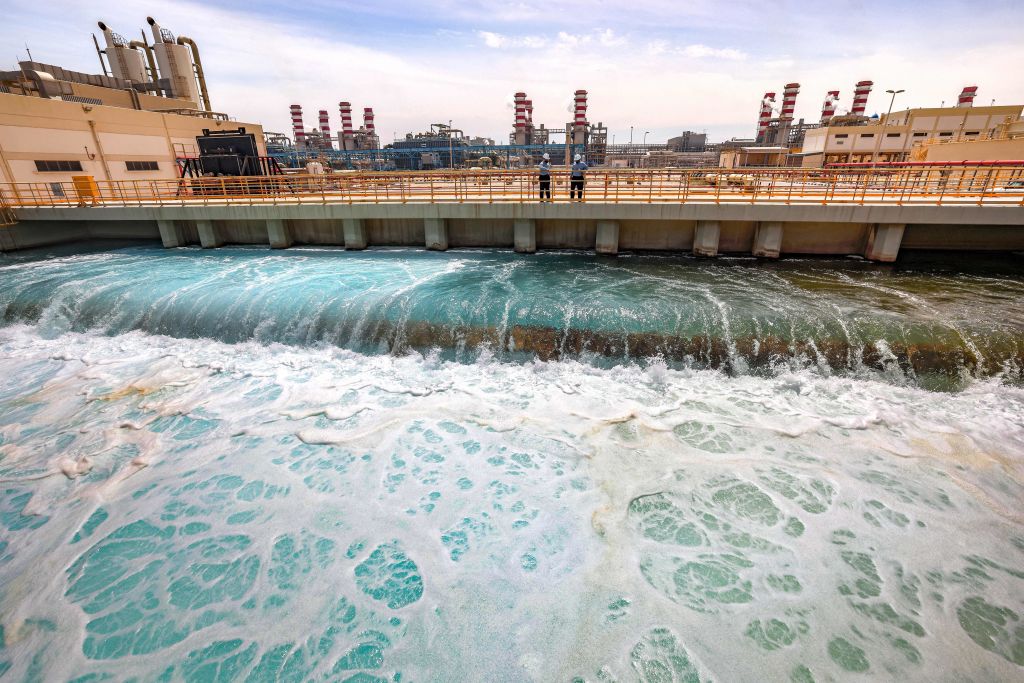
The Gulf’s water crisis: Why cooperation is crucial — and complicated
On June 19, false reports of an Israeli strike on Iran’s Bushehr nuclear plant sparked alarm across the Gulf. Though denied by Israeli officials, the claim traces back to a warning from Qatar’s prime minister of a potential catastrophe in the event of nuclear contamination — no water, no food, no life — due to the Gulf’s reliance on desalinated seawater. Gulf governments moved quickly to reassure the public that no radiation had been detected, but the episode underscored the region’s growing sense of vulnerability. A regional approach to water security could help to mitigate such risks.
Iraq tries to assert state authority during crisis
The Iraqi government has long navigated a path between maintaining political ties with its Iranian neighbor and Tehran’s allies inside Iraq on the one hand, and preserving its security relationship with the United States on the other. Unsurprisingly, it quickly welcomed US President Donald Trump’s June 23 Israel-Iran cease-fire agreement.
Lebanon at a Crossroads: Sovereignty, Hizballah's Disarmament, and the Road to Reform
MEI Senior Fellow Paul Salem joins the program to assess Lebanon’s rapidly shifting political landscape. With a new president and government promising to enact reforms and reassert sovereignty, Lebanon faces a daunting agenda: disarming Hizballah, rebuilding institutions, navigating regional diplomacy, and restoring the economy.