Growing unrest in Syria’s Suwayda as Jordanian airstrikes and civilian deaths increase
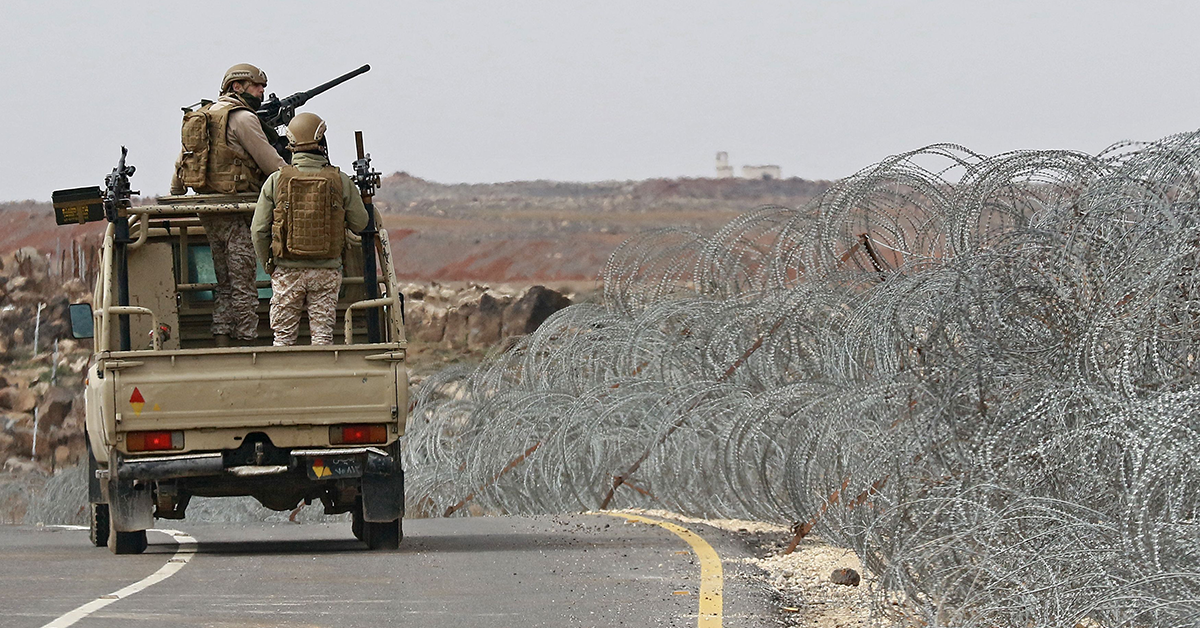
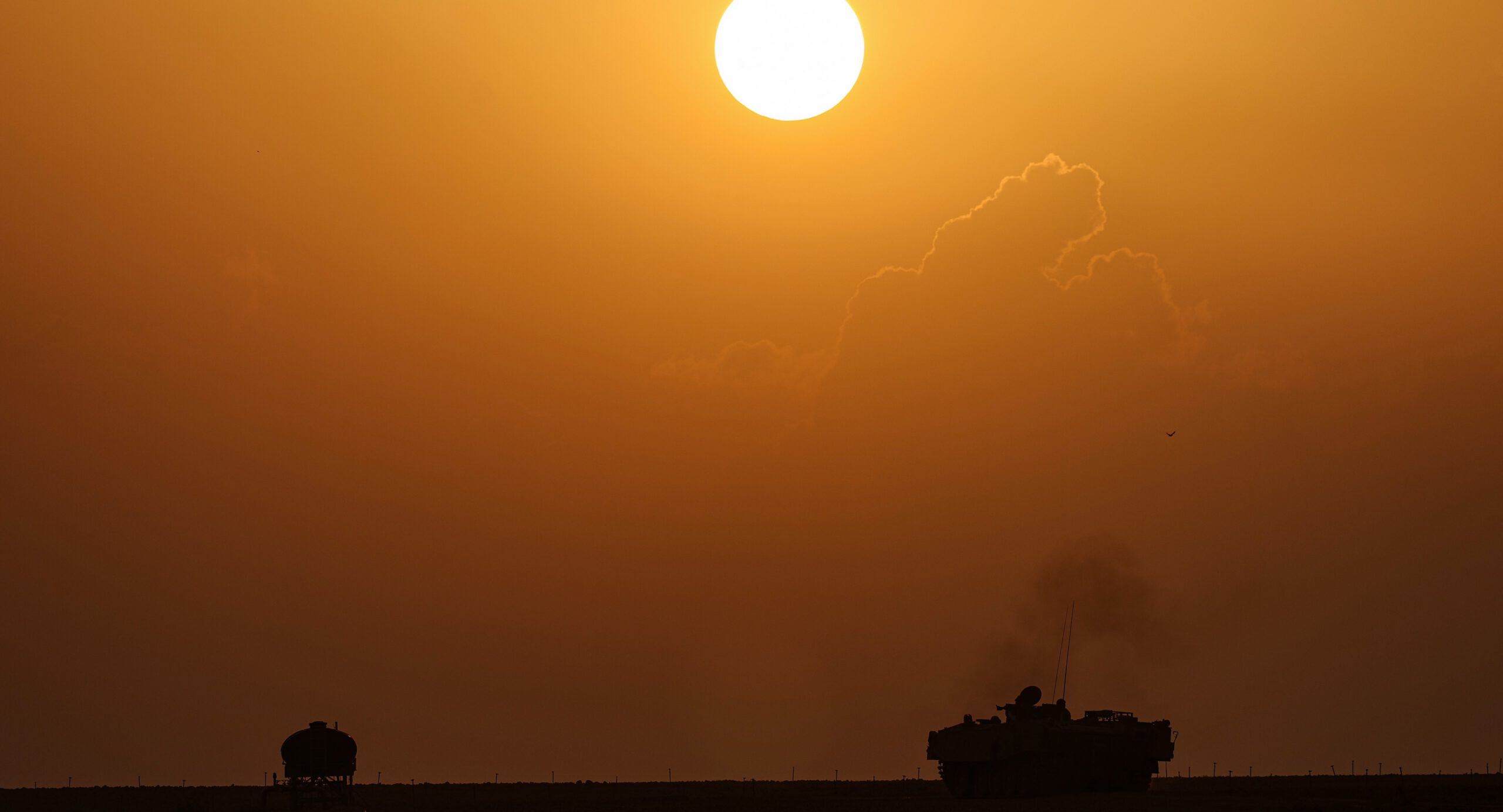
As the civilian death toll continues to rise, Jordan has come under growing criticism for its airstrikes in southern Syria’s Suwayda Governorate, aimed at combatting drug trafficking and smuggling operations.
Jordanian ambitions, Saudi funds: A look at Saudi investments in Jordan
In 2017, Saudi Arabia’s Public Investment Fund and a number of Jordanian banks established the Saudi-Jordanian Investment Fund to channel $3 billion into the Jordanian economy. Two SJIF projects provide relevant case studies of the challenges facing Jordan’s broader efforts to attract more FDI and drive economic development.
It isn’t a surprise that Sudan’s two warring sides — the Sudanese Armed Forces and its sprawling paramilitary Rapid Support Forces — did not agree to a ceasefire. When they resumed talks in Jeddah, mediated by the U.S. and Saudi Arabia in late October, the RSF was busy launching a major offensive on the vast western region of Darfur.
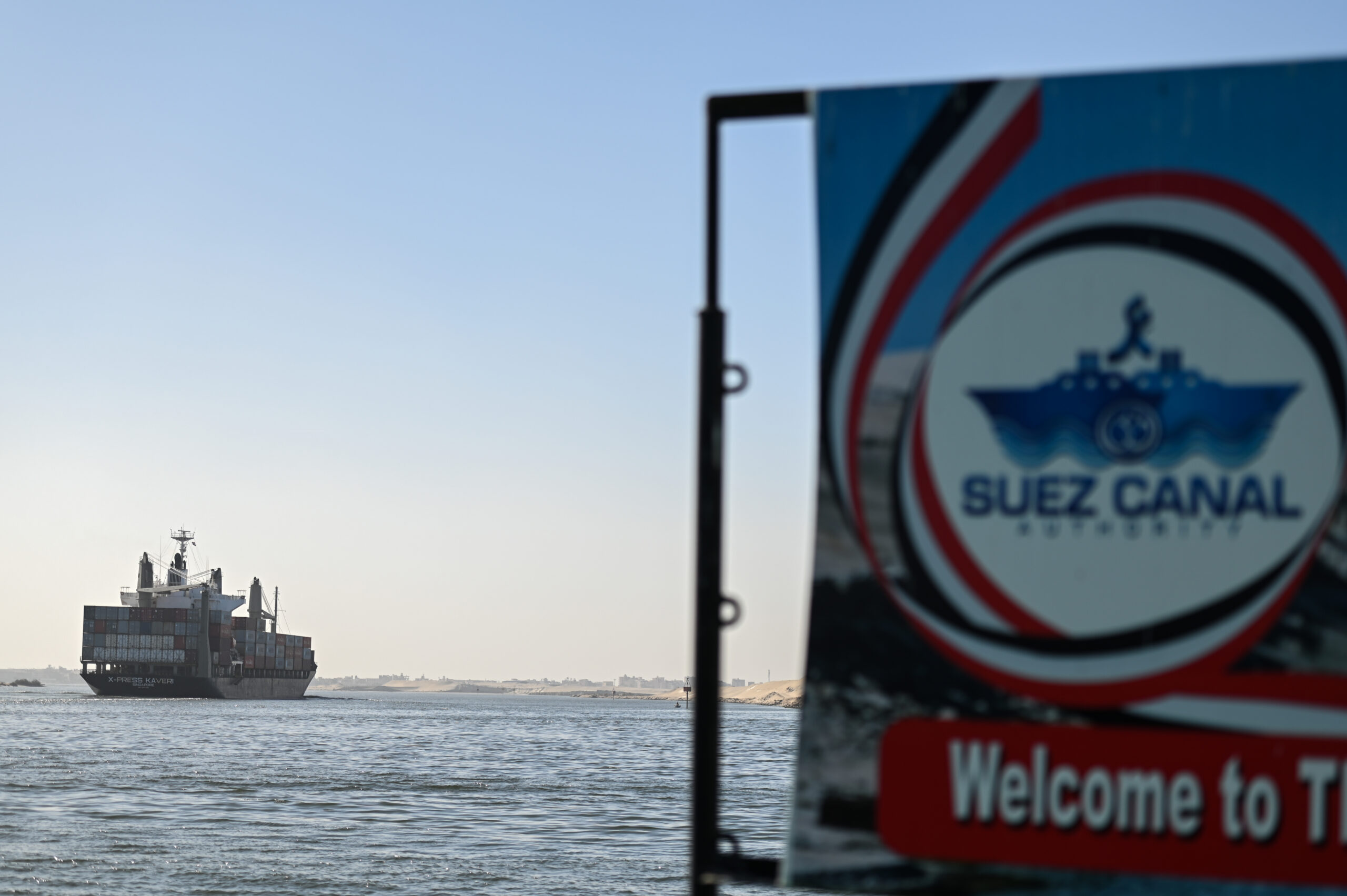
China’s growing maritime presence in Egypt's ports and the Suez Canal
In recent years, China’s presence in Egypt’s strategic ports has grown noticeably, including the involvement of both private and state-owned Chinese companies. While this reflects Beijing’s growing ambitions in the region, the opacity of the Sino-Egyptian agreements and the blurry lines between China’s commercial ports and its military aspirations raise questions about the potential implications.
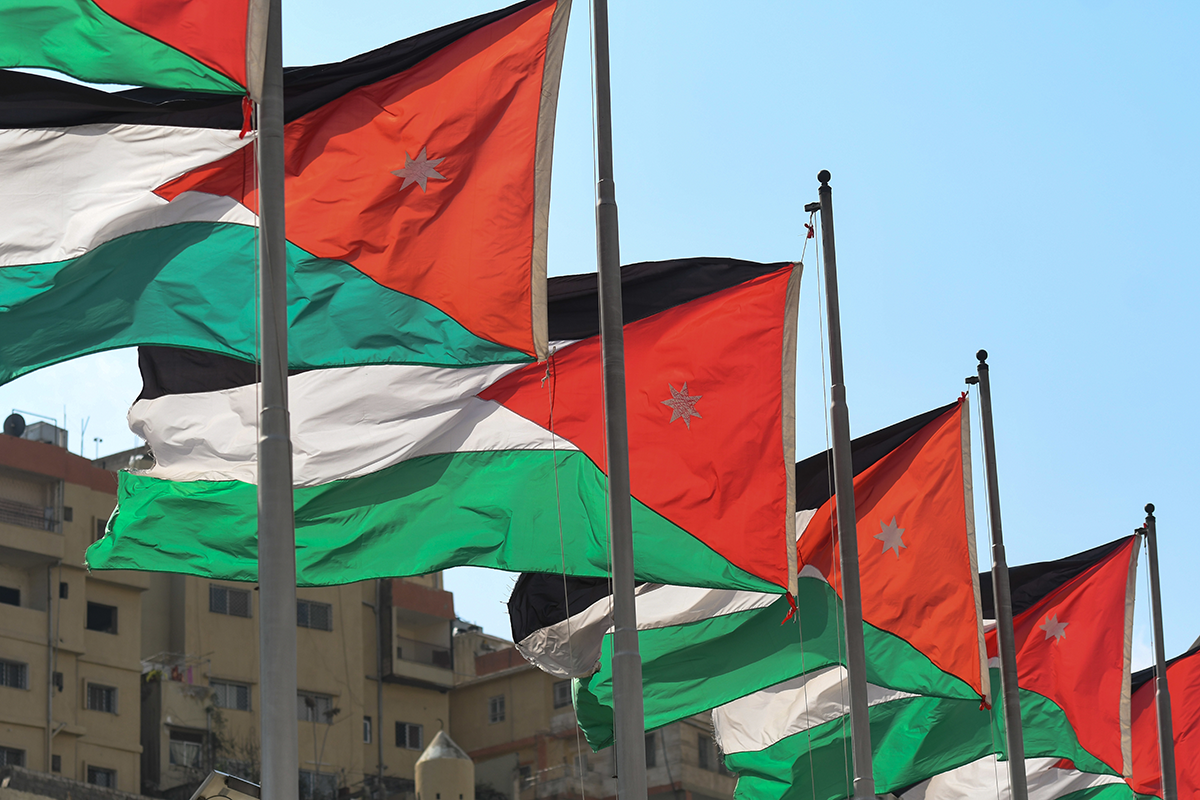
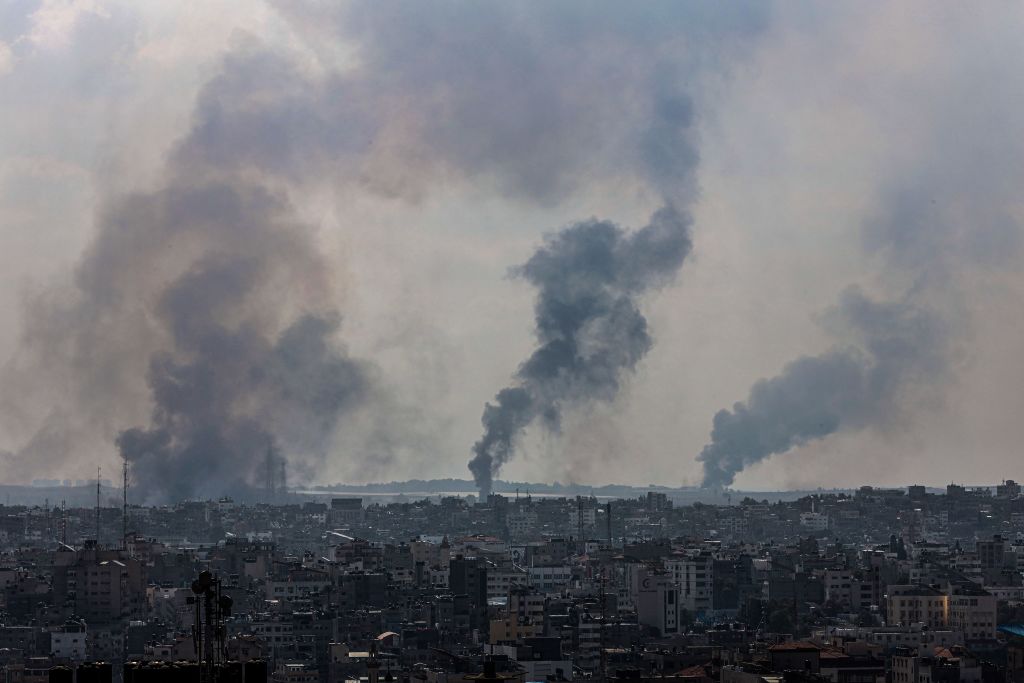
“The worst is coming”: Jordan braces for spillover effects of Israel-Hamas war
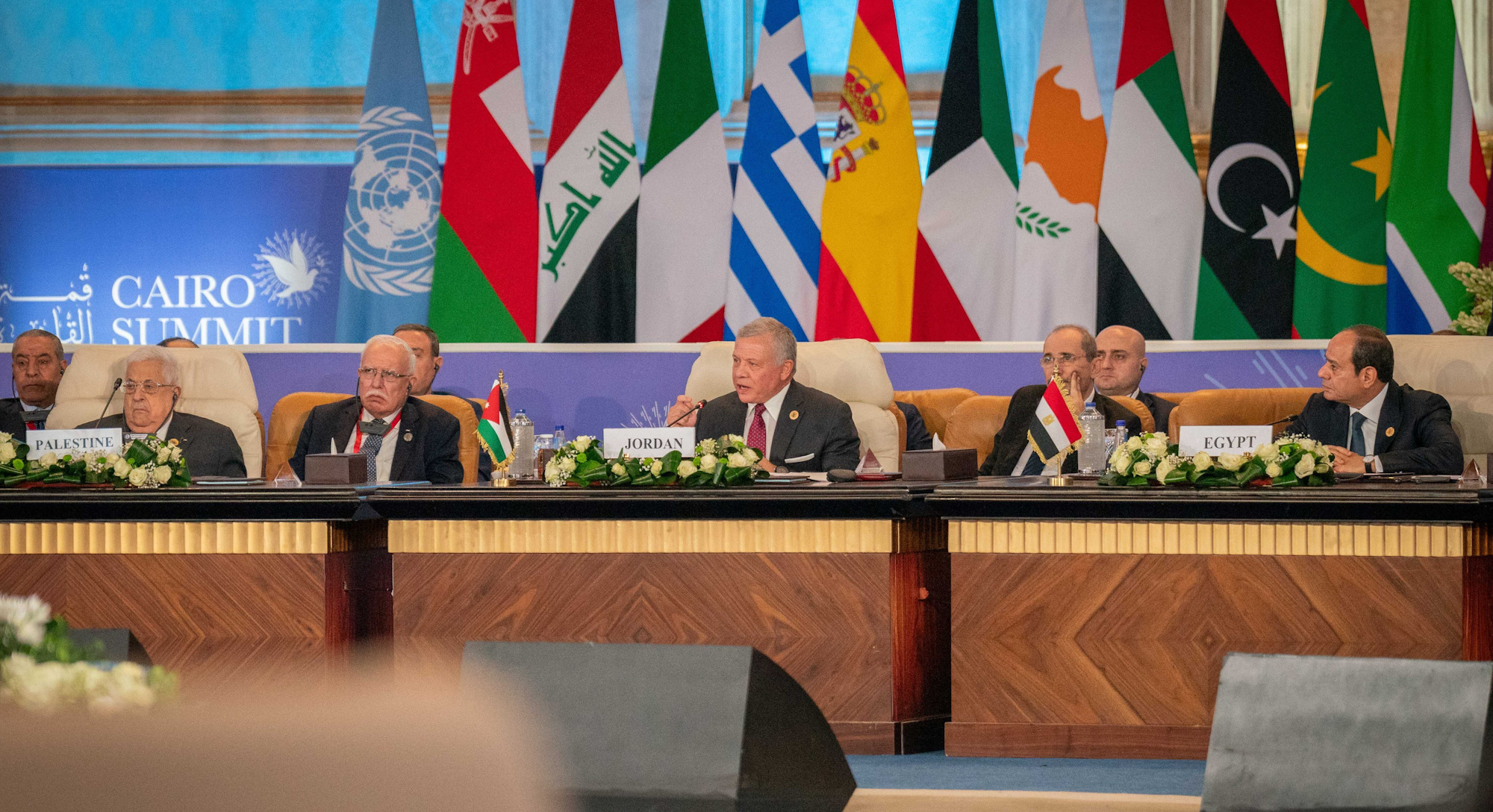
As the Israel-Hamas war enters its fourth week, the Kingdom of Jordan finds itself on the frontline of the conflict and King Abdullah II a central figure in the regional and global diplomatic efforts to contain it. The Hashemite Kingdom braces for a broader conflict and multiple spillover effects, having little leverage and few policy options.
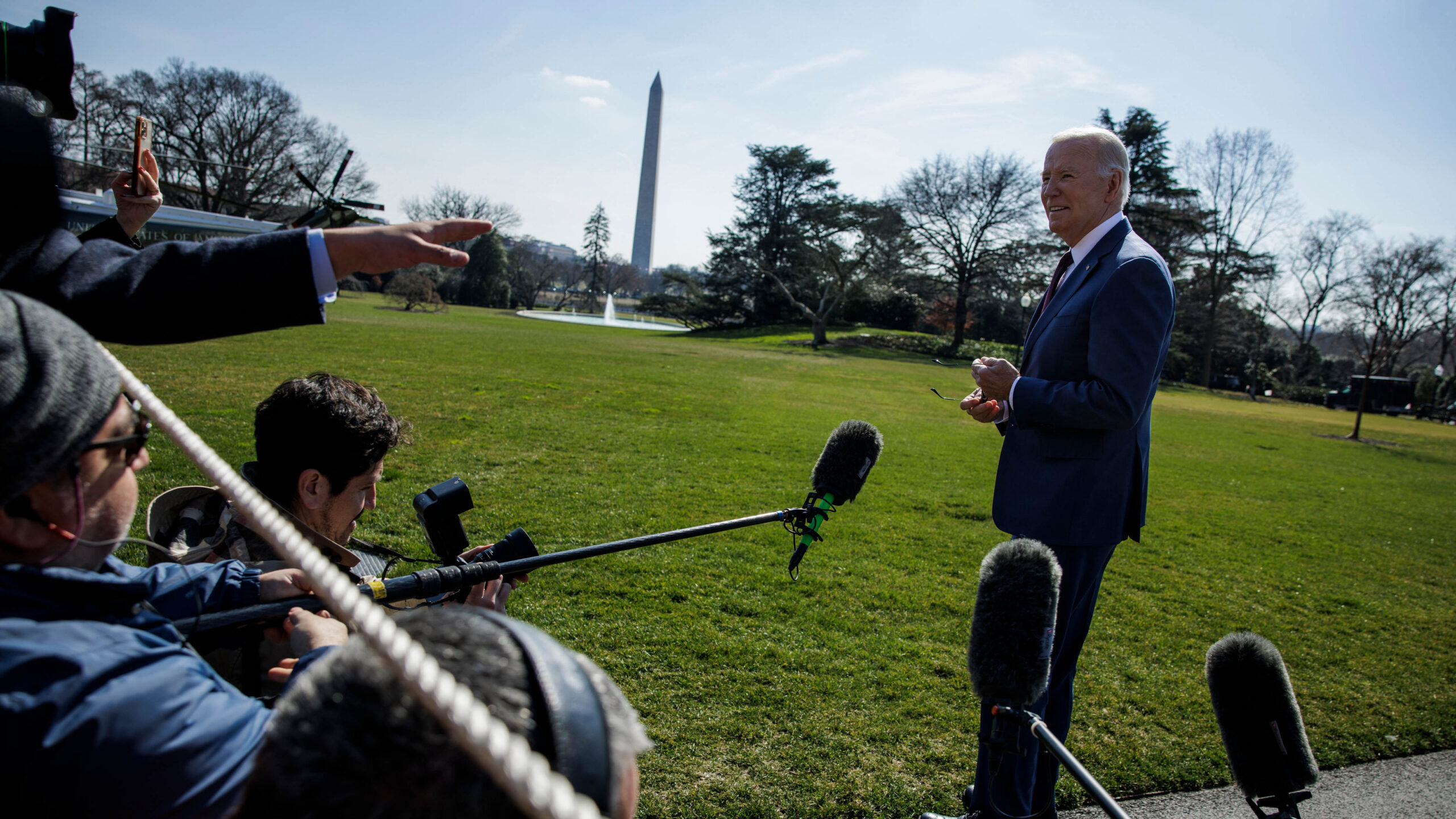
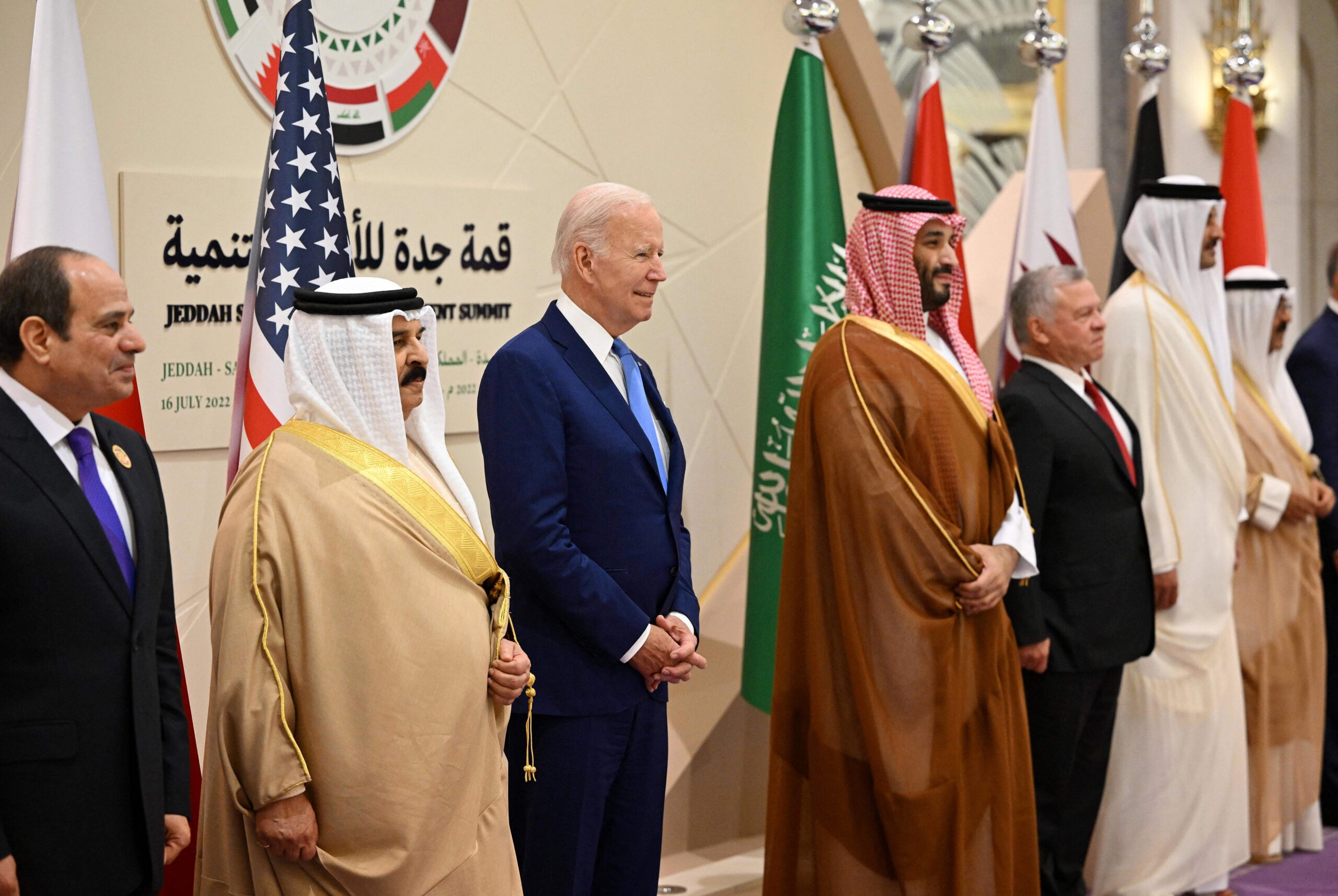
Treading Cautiously on Shifting Sands: An Assessment of Biden’s Middle East Policy Approach, 2021-2023
This report provides an interim assessment of the Biden administration’s overall Middle East strategy and examines the strategic opportunities and risks for U.S. policy in the broader region.
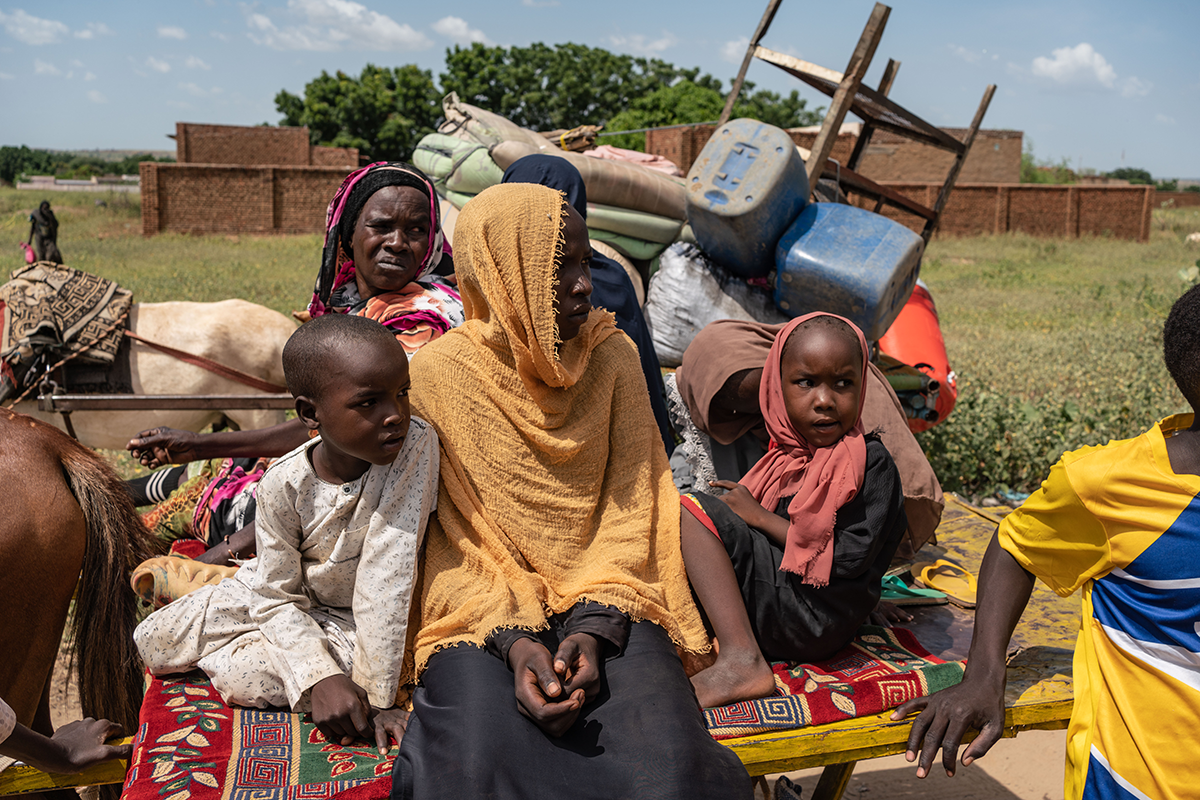
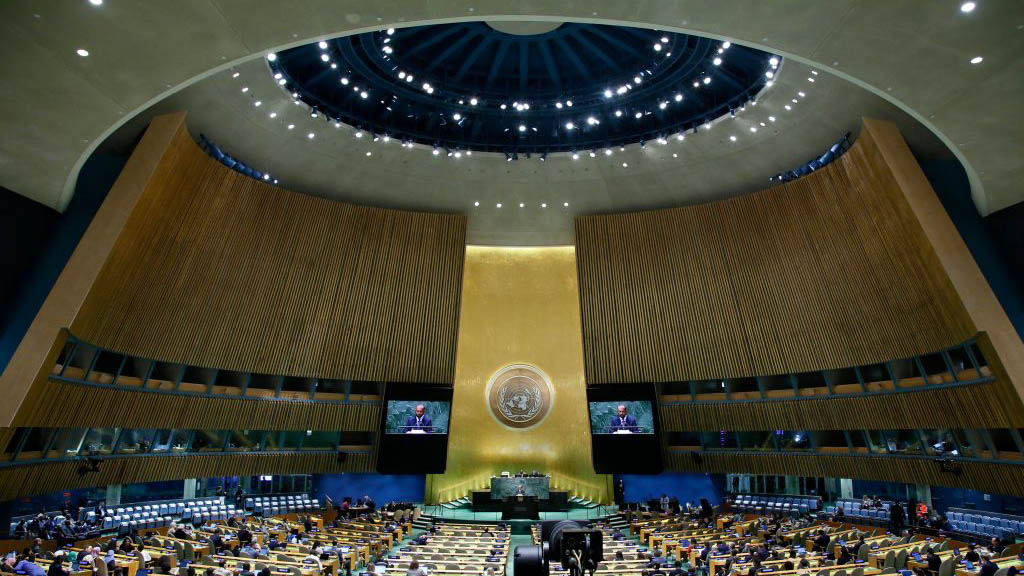
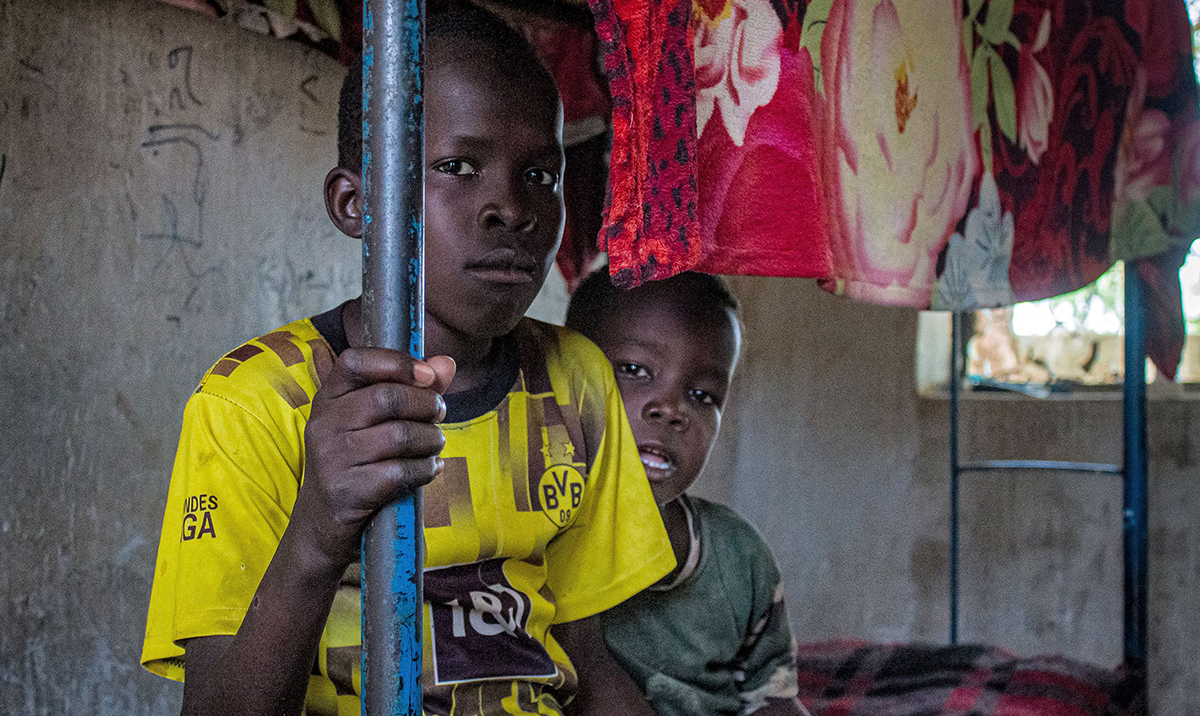
Nearly five months on, Sudan’s war between its army and largest paramilitary force has destroyed much of Khartoum, the adjacent cities of Bahri and Omdurman, as well as key towns in Darfur. The warring forces have killed thousands of civilians, destroyed critical infrastructure, and forced a staggering 4.9 million people to flee their homes. The U.N. is providing important humanitarian assistance, but it should be doing far more, especially to advance accountability and improve coordination in the messy diplomatic arena. Both the high-level week in New York and the Human Rights Council session in Geneva present opportunities that it should not squander.