Weekly Briefing: Key side meetings involving MENA leaders expected at upcoming G20
Expert regional analysis by MEI scholars and contributors.
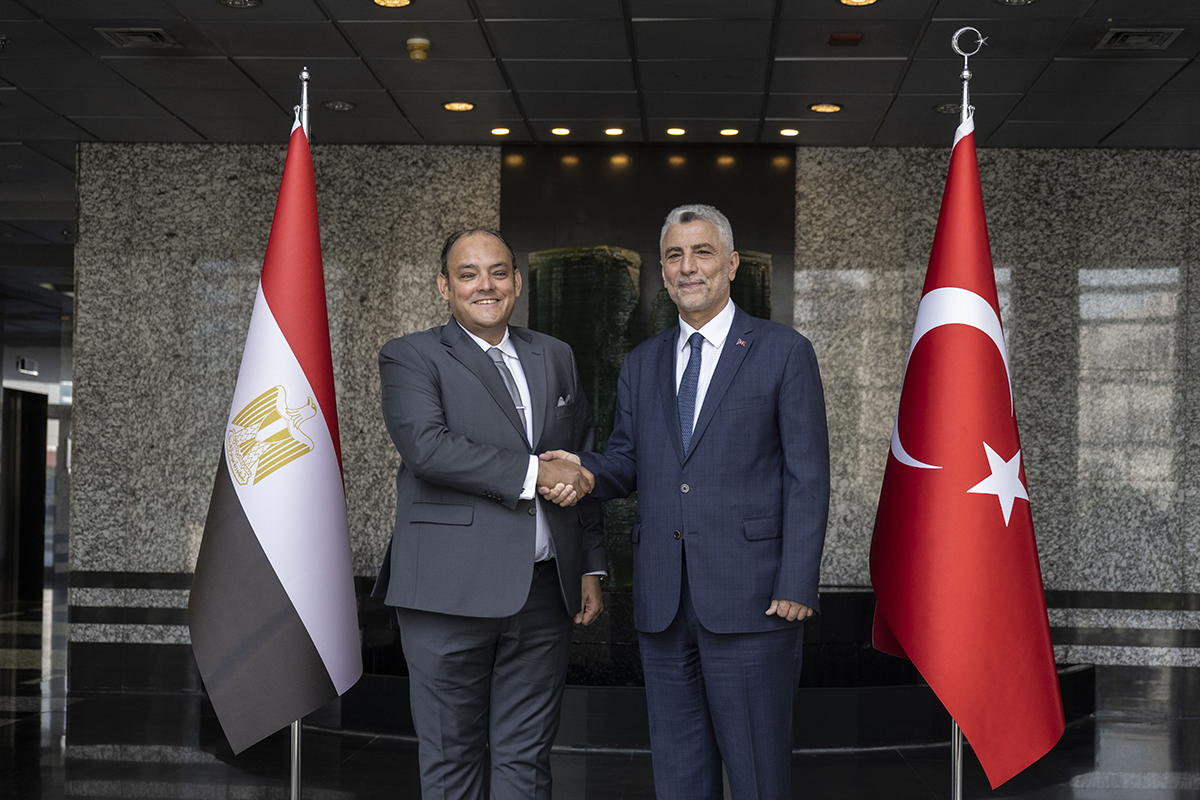
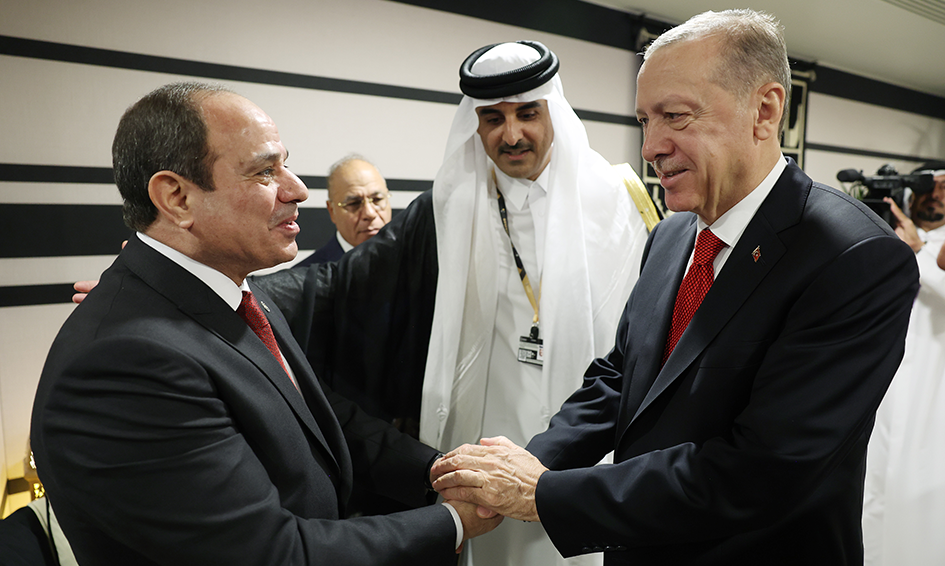
Turkey and Egypt, two influential regional players with a complex history of cooperation and conflict, are now working on mending their ruptured ties. As officials navigate this process, it is essential to identify practical steps to capitalize on the diplomatic breakthrough. Sustainable peace can only be ensured by shifting the focus from political ideology to shared interests. One way to do that is by creating an inclusive, multi-track process that involves state institutions, businesses, NGOs, academics, and the grassroots.
A brutal heat wave tormenting Egypt since mid-July, resulting in lengthy and repeated power cuts, has turned into a political liability for President Abdel-Fattah el-Sisi ahead of his expected campaign to run for a third, six-year term early next year.
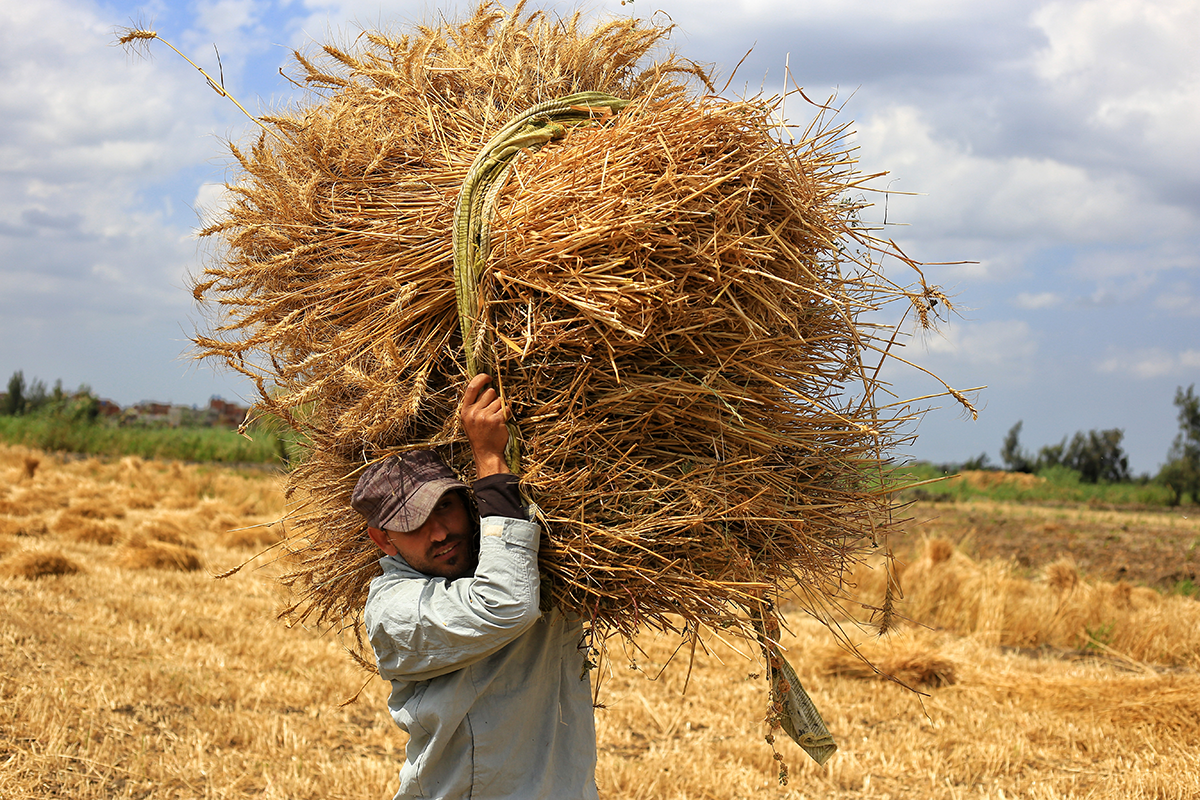
After 500 days of coping with the debilitating impact of Russia’s invasion of Ukraine, Egypt’s economy is faltering. At the core of the crisis is its fragile food security. Now, the Egyptian economy is fast approaching a tipping point and Cairo has no alternative but to boost its domestic agrifood production. In addition to building out its infrastructure, Egypt must also adopt cutting-edge agritech solutions to improve the water-use efficiency of the crops themselves.
While some analysts attribute Egypt’s realignment toward Turkey, Qatar, and Iran to a change in the foreign policies of its influential allies, the UAE and Saudi Arabia, it can be argued that Egypt’s shift is primarily motivated by its domestic dynamics and its unfulfilled foreign policy objectives between 2014 and 2018. Egypt’s realignment, in that sense, seeks to achieve multiple unmet domestic and regional aims.
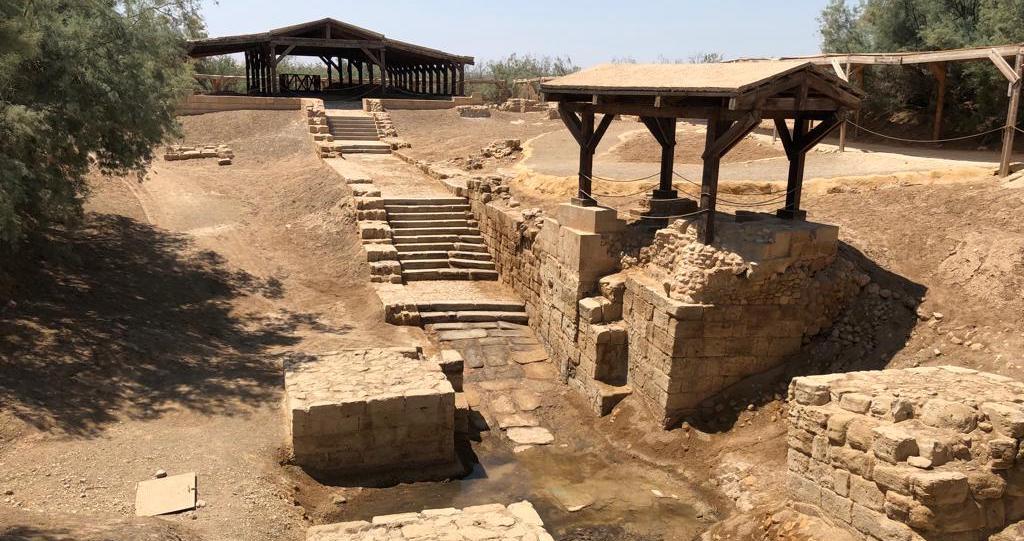
The Jordanian government has sought to further develop the Bethany Beyond the Jordan baptism site in an effort to boost the tourism sector and the broader economy. But striking the right balance between economic, religious, political, and environmental considerations won’t be easy.
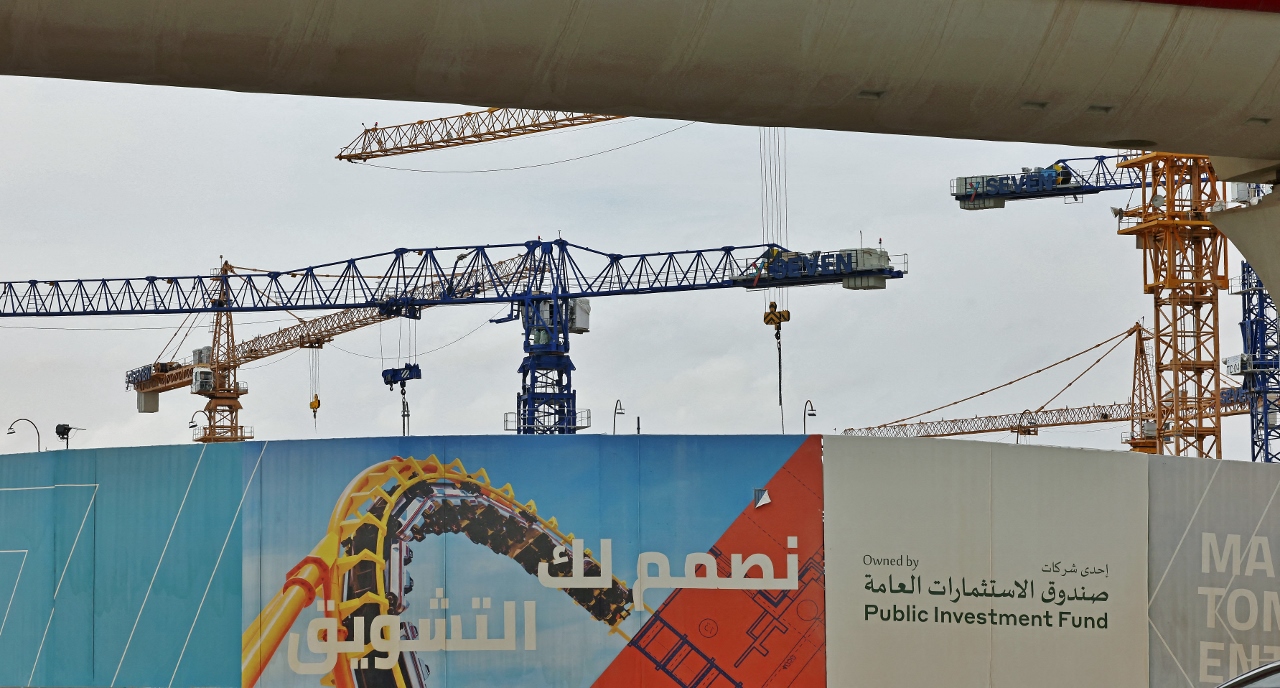
For resource-rich countries such as Gulf oil and natural gas producers, sovereign wealth funds have emerged as promising tools to save for future generations, mitigate the effects of outsized economic shocks, and/or be deployed as reserve investment and strategic development funds to spend on human, natural, social, and physical capital.
As environmental challenges become a priority for countries across the Middle East and the Mediterranean, this creates new opportunities for regional environmental cooperation, including between Israel and its neighbors. Despite being limited in scope and facing several key obstacles, regional cooperative endeavors are taking place, including on both the bilateral and multilateral levels, and efforts to sustain and expand them are underway. This new report, written under the auspices of the Israel Climate Forum, addresses the importance of regional environmental cooperation in the Middle East and Mediterranean, examines the scope of such cooperation between Israel and its neighbors, and spells out opportunities, obstacles, and recommendations for increased coordination and joint action, including the role the U.S. and Europe can play.
Read MEI’s weekly briefing featuring expert analysis of key regional developments for the week ahead.
For the second time in three months, Egyptians have expressed their dissatisfaction — albeit largely symbolically and on a limited scale — with the government’s tight control over nearly all public freedoms. The Engineers’ Syndicate’s vote against a government-selected candidate to head the organization may be pointing to growing public dissatisfaction with the authorities’ policies, both on the economic and political fronts.
Expert regional analysis by MEI scholars and contributors.
Rather than addressing the critical gaps in Somalia’s security, President Hassan Sheikh has chosen to prioritize nation-building over state-building, diverting scarce resources needed to stabilize areas liberated from al-Shabaab. The Biden administration has enabled President Sheikh’s nation-building project through its partner-led, U.S.-enabled approach.
In the past few years, Jordan’s public debt has become a major policy concern for the government, the international community, and key donors that support Amman. The public debt has risen significantly over the past 15 years, raising many questions about Jordan’s future macroeconomic stability, public debt sustainability, and the government’s ability to finance development projects.
Read MEI’s weekly briefing featuring expert analysis of key regional developments for the week ahead.