How Lebanon’s authorities can keep the Iran war from engulfing the country
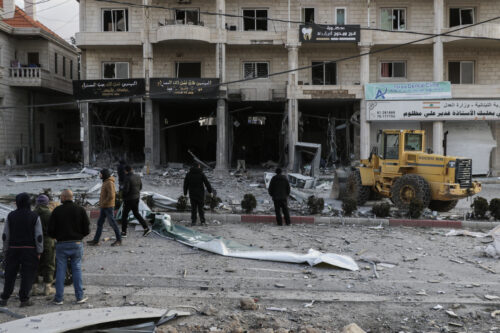
Today’s decision taken by the Lebanese government — to declare all of Hizballah’s security and military activities illegal — is a landmark development. But how the government and the Lebanese Armed Forces implement this directive now that a new round of attacks has actually taken place will be the ultimate test of their credibility.
Saudi Arabia has stepped up its efforts to unify and restructure Yemen’s anti-Houthi forces after the rapid expansion and sudden implosion of the United Arab Emirates-backed secessionist Southern Transitional Council following Abu Dhabi’s military withdrawal from the country.
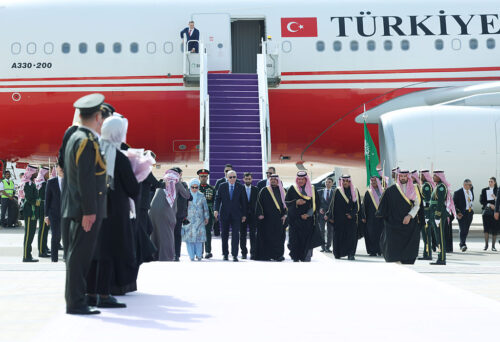
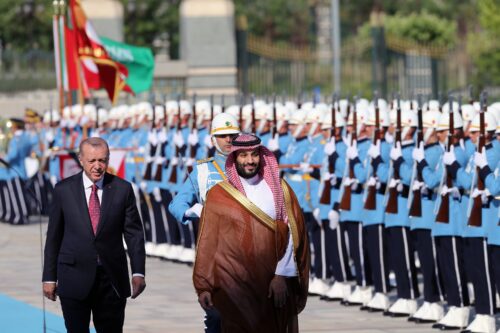
February talks between Saudi Arabia and Turkey signaled the emergence of a pragmatic regional order grounded in economic complementarity, defense cooperation, and shared anxieties about instability.
From the Middle East to West Asia: Redefining America’s Global Strategy
MEI Senior Fellow Mohammed Soliman joins hosts Alistair Taylor and Matthew Czekaj to discuss his new book, West Asia: A New American Grand Strategy in the Middle East. The book argues that it is time for the United States to move decisively away from nation-building and focus instead on order-building, outlining a framework for a new regional order that links Europe to the Indo-Pacific. Soliman also shares how he conceived of the core ideas behind his book and explains why his thesis is especially relevant in today’s geopolitical, economic, and technological landscape.
This bonus episode of Middle East Focus features an excerpt from a recent MEI Virtual Briefing recorded on January 20. Director of Communications Zeina Al-Shaib is joined by MEI Affiliate Fatima Abo Alasrar and Associate Fellow F. Gregory Gause III to discuss the dramatically changing dynamics in Yemen’s civil war. Last month, Yemen emerged as a focal point of rising tensions between Saudi Arabia and the United Arab Emirates. The Southern Transitional Council, a UAE-backed southern separatist movement, has disbanded in recent weeks, following fierce clashes with Saudi-backed forces. In the conversation, Alasrar and Gause analyze the political, security, and socio-economic shifts affecting Yemen’s internal dynamics and what all this means for regional stability.
What Ankara sees in Riyadh — and why it still needs Abu Dhabi
As the rivalry between Riyadh and Abu Dhabi sharpens in Yemen and beyond, Turkey has begun edging closer to Saudi Arabia, sparking claims that a new regional order is taking shape: a Turkey-Saudi axis backed by a NATO-like defense architecture, implicitly aligned against Israel and the United Arab Emirates. This reading overstates the case.
A New Phase in Vision 2030: From Strategic Exemptions to Broad Ownership
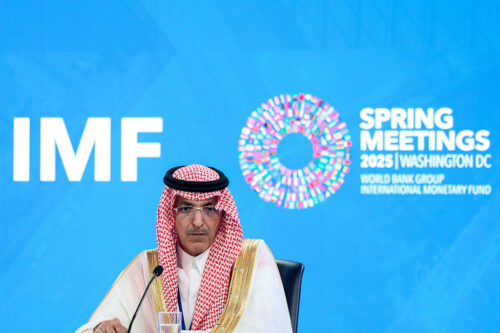
Saudi Arabia is making a bold push to rewire the rules of the game for foreign investment within the Kingdom. The proposed lifting of the 49 percent foreign‐ownership cap in publicly listed companies is emerging as the next frontier of that effort. This reform, scheduled to take effect on February 1, could change the calculus for active and passive global capital, drive fresh scrutiny of regulatory constraints, and test the Kingdom’s ability to follow through in what may prove to be a tight balance between opening up and preserving sovereign control.
From coalition to confrontation: Saudi-UAE rivalry in Yemen and its regional implications
The final days of 2025 marked a turning point in the Middle East, as competition between Saudi Arabia and the United Arab Emirates in Yemen spilled out into the open. Tensions between the two coalition partners, which jointly launched a military intervention in Yemen in 2015, have simmered for years and are now rapidly escalating, with far-reaching implications for both Yemen and regional security more broadly.
Iran’s Axis of Resistance After the 12-day War: Adaptation, Restructuring, and Reconstitution
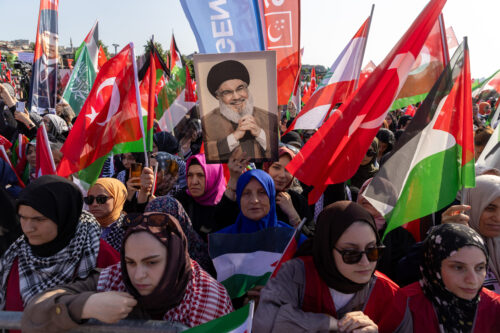
Since Israel’s 12-day war against Iran, Tehran and its network of regional proxies and non-state allies, the so-called Axis of Resistance, have entered a phase of strategic dormancy — an outward calm concealing rearmament, financial adaptation, and ideological renewal.
Soft Power in Hard Times: Pope Leo XIV’s Visit to Lebanon
MEI Senior Fellow Fadi Nicholas Nassar joins host Matthew Czekaj to share expert insights and personal reflections on Pope Leo XIV’s trip to Lebanon from November 30 to December 2. Nassar unpacks the significance of the visit, part of the pontiff’s first overseas tour since assuming office, and its potential impact on Lebanon’s untenable status quo. The conversation explores key questions, including the ability of spiritual and moral authority to compensate for the shortcomings of political leadership as well as whether Lebanon’s government will be able to capitalize on the momentum generated by this visit as the possible return of conflict looms on the horizon.
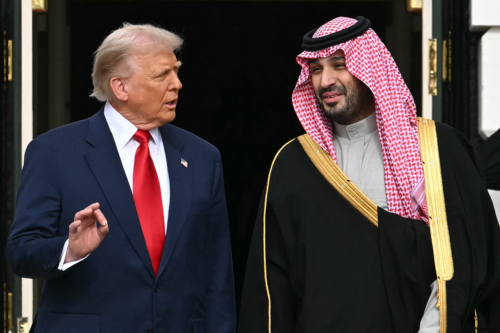
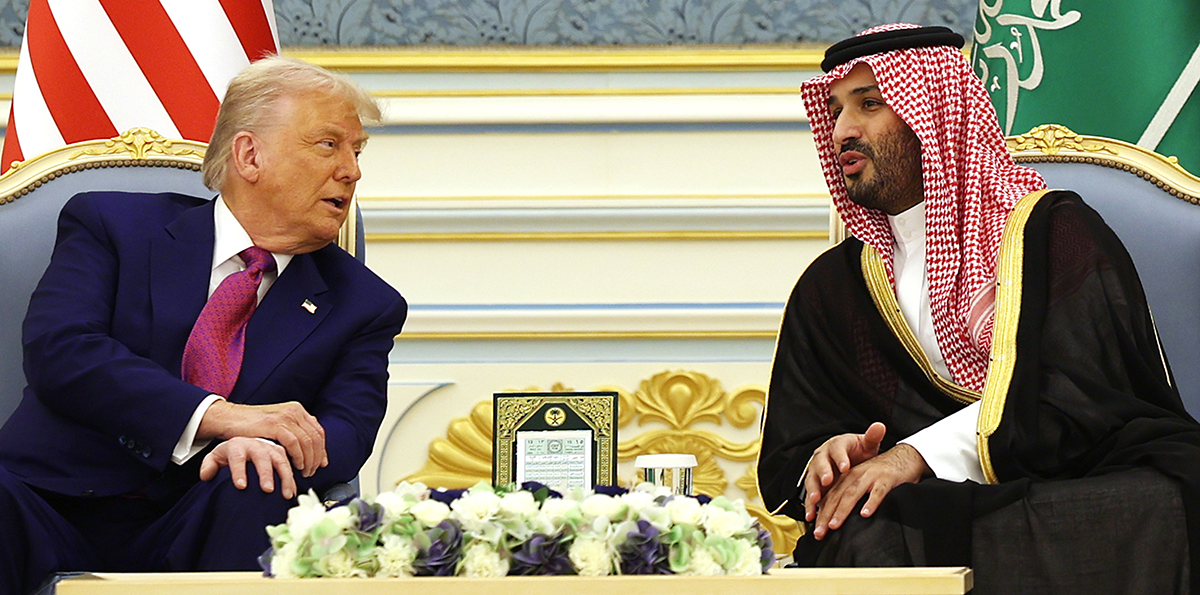
Trump-MBS summit: Good feelings, real commitments, and unresolved questions
Mohammed bin Salman, the crown prince, prime minister, and main decision-maker in Saudi Arabia, left Washington and his summit with President Donald Trump with a number of promises made and commitments received. But several questions, including on shared diplomatic agenda items, the extent of civilian nuclear cooperation, and the nature of the American defense commitment to Saudi Arabia, remain unanswered.
Special Feature: A Front-Row Seat to Saudi Arabia’s Transformation
In this episode, Brian sits down with Faisal Abbas, editor-in-chief of Arab News. Abbas, who reported on Saudi Crown Prince Mohammed bin Salman’s November 18 visit to the White House, unpacks his impressions from the visit and the opportunities it presents for US-Saudi relations. The conversation also explores the Kingdom’s transformation over the past decade, its relationships with key partners including the United States, and Abbas’s recommendations for deepening the US-Saudi partnership going forward.
On November 18, Saudi Crown Prince Mohammed bin Salman is scheduled to make his first trip to Washington since 2018. In a new MEI Policy Memo, Daniel Benaim breaks down why it matters for the US and the relevant policy considerations.