Hamas
This backgrounder provides an overview of the history of Hamas, its ideology and leadership, military capabilities and goals, the October 7 attack, relevant US government policies and legislation, and the group’s future in Gaza.
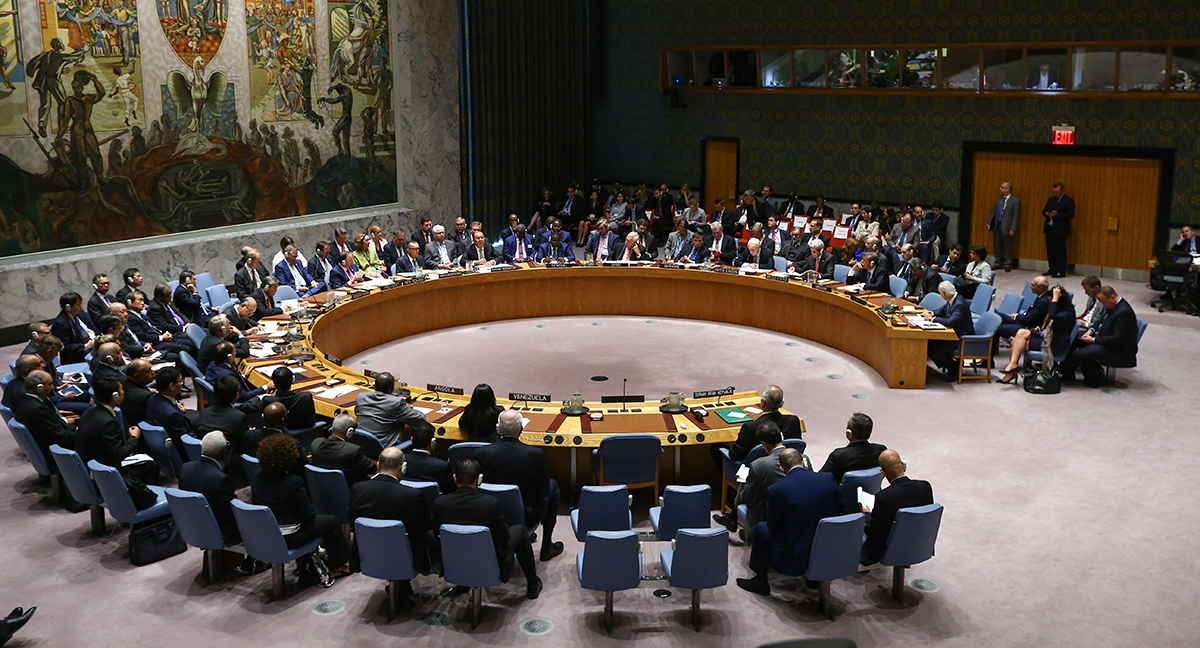
The United States plans to submit a resolution on Gaza to the United Nations Security Council by the end of November. Reportedly, the latest draft endorses President Donald Trump’s 20-point plan, recognizes the Board of Peace as a “transitional governance administration,” and authorizes the BoP to establish an International Stabilization Force. In a new MEI Policy Memo, Lucy Kurtzer-Ellenbogen breaks down why it matters for the US and the relevant policy considerations.
The United States plans to submit a resolution on Gaza to the United Nations Security Council (UNSC) by the end of November. Reportedly, the latest draft endorses President Donald Trump’s 20-point plan, recognizes the Board of Peace (BoP) as a “transitional governance administration,” and authorizes the BoP to establish an International Stabilization Force (ISF). The UN resolution is a first step to achieving buy-in from potential ISF contributors. In turn, a viable ISF will be one key to moving beyond the cease-fire to securing the 20-point plan’s envisioned Hamas disarmament, further Israeli military withdrawal, and a path to Palestinian governance. The US faces several dilemmas as it seeks to transition from cease-fire to stabilization and beyond.
For years, Israeli populist politicians have chipped away at the country’s democratic guardrails. But the Hamas attacks of October 7, 2023 accelerated Prime Minister Benjamin Netanyahu’s drive to consolidate power. The kind of societal pushback that once blocked his efforts to expand executive authority is now under severe strain. Israel’s multi-front conflict with Iran, Hamas, and other Iranian proxies has blunted protest movements and sidelined those who once filled the streets in defense of democracy. Defending checks and balances has been eclipsed by wartime priorities.
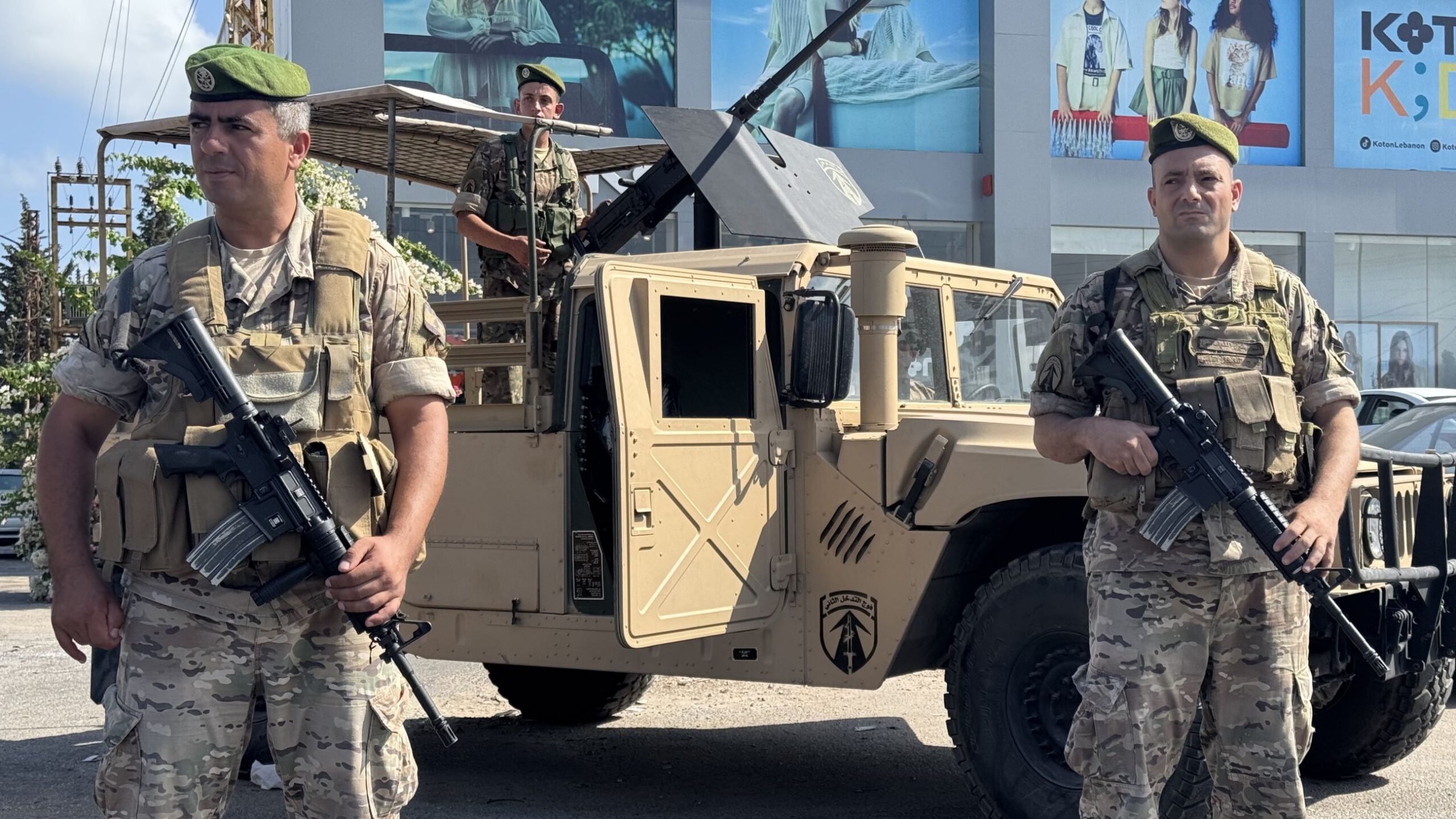
Seizing Lebanon’s once-in-a-generation opportunity hinges on its ability to resolve its core dysfunction: reclaiming the state’s monopoly on force and its exclusive authority to determine matters of war and peace. Beirut, backed by deepening US support, must focus on achieving tangible milestones and strategic victories that momentum, making Hizballah’s disarmament unstoppable and the state’s reassertion of authority irreversible.
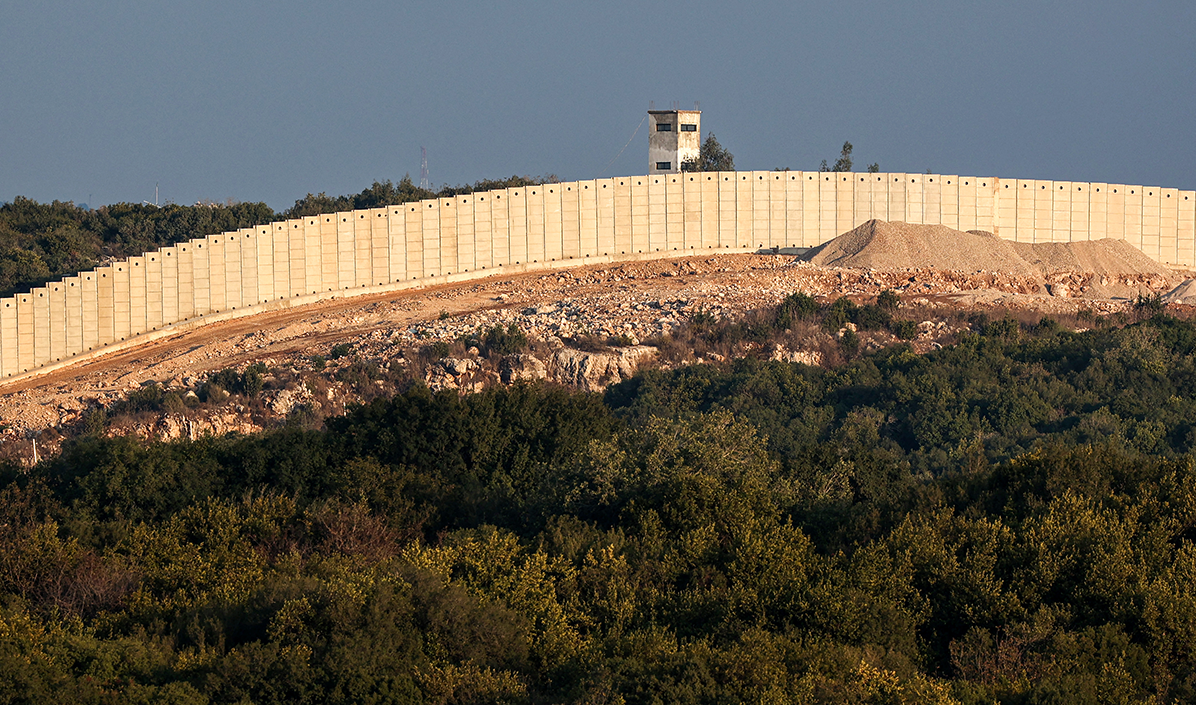
The central challenge facing Lebanon today is whether the country will graduate to functional statehood or continue struggling to survive. Yet with Lebanese officials now insisting that the state “monopolize arms” and become the decisive arbiter on matters of war and peace, a relevant question arises: Where, territorially, does Lebanon begin and end?
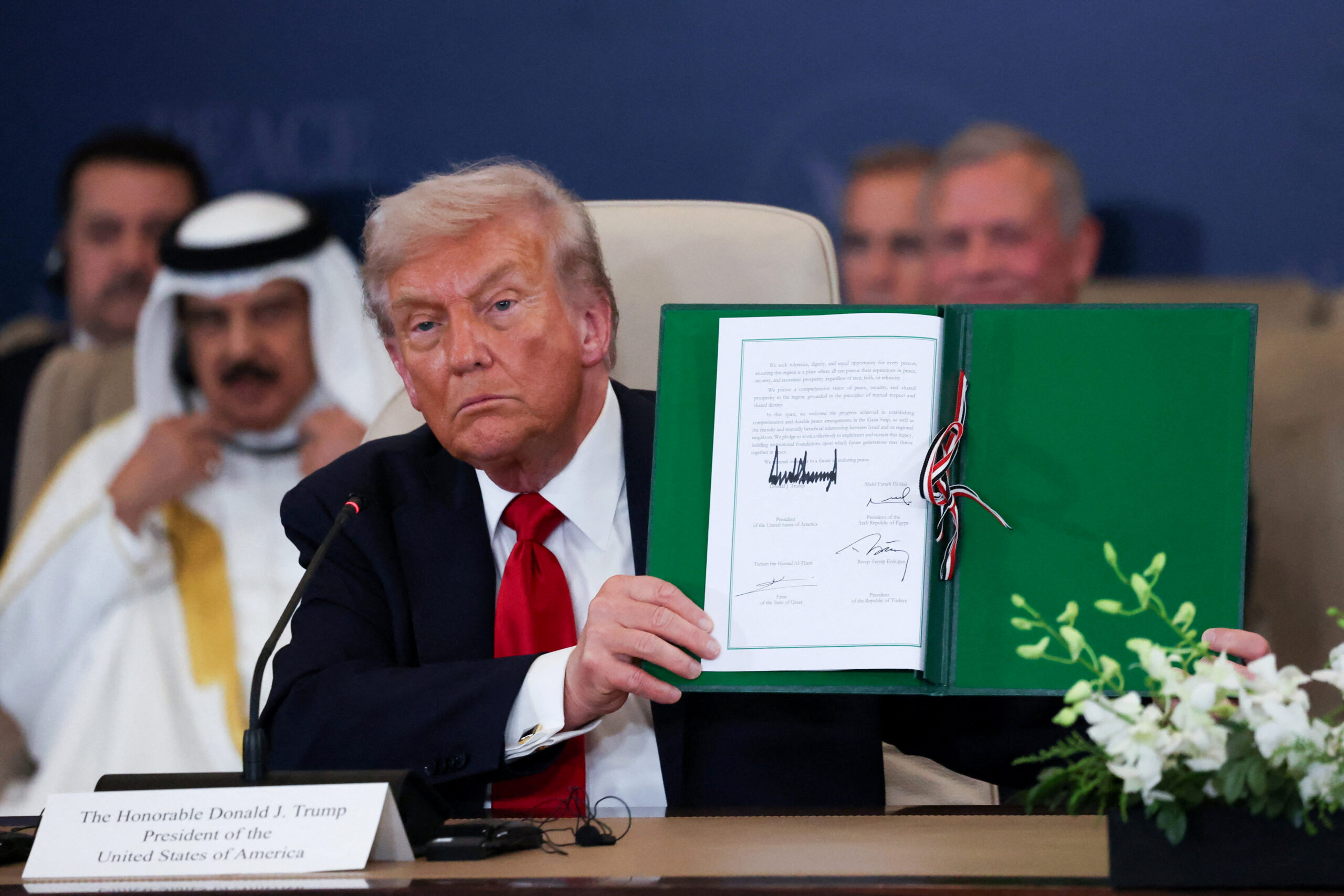
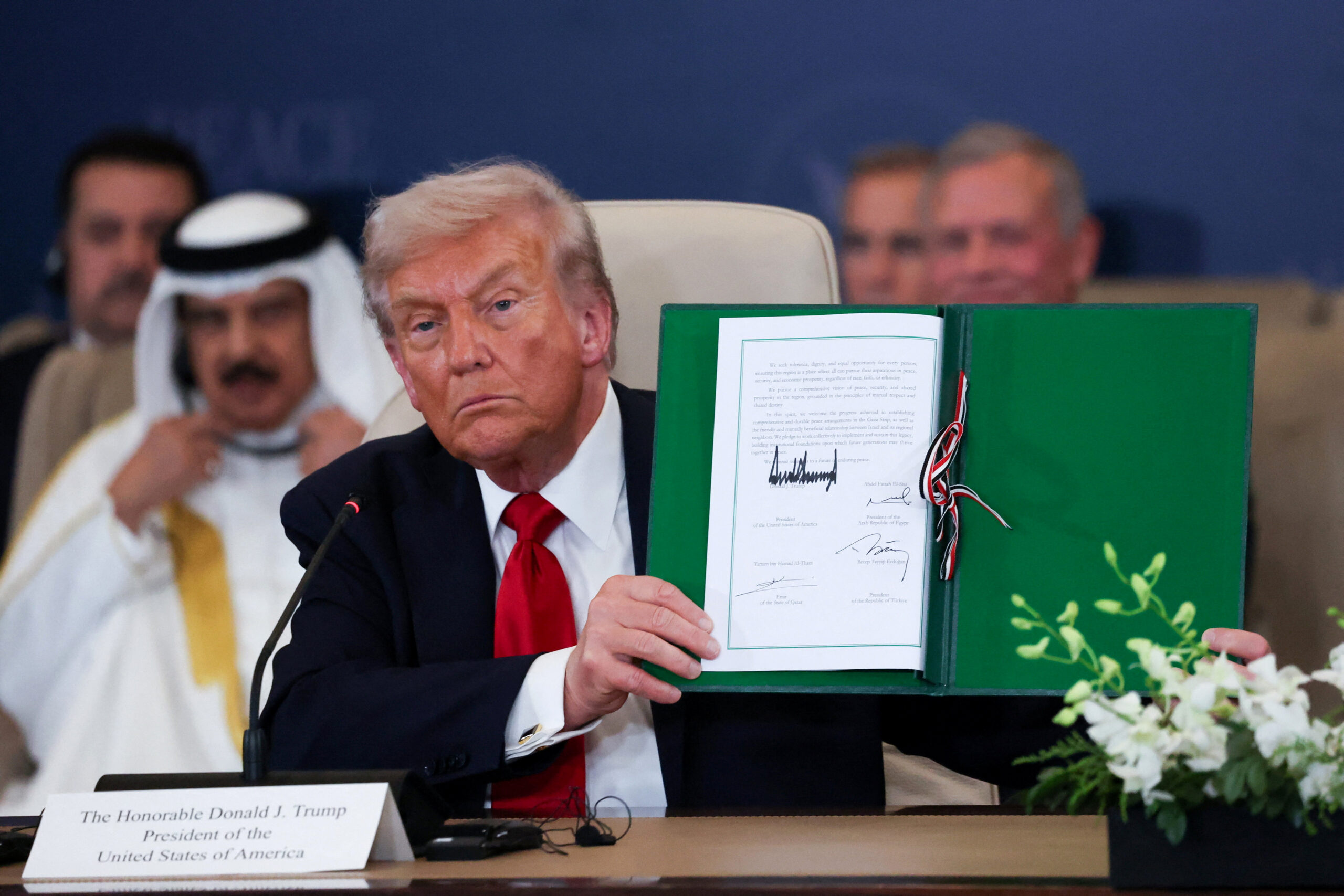
US President Donald Trump started off his week by flying to Israel and Egypt to mark the Gaza cease-fire and release of the last remaining Israeli hostages. But as these positive developments unfolded in the Middle East, the Trump administration’s overall agenda remained weighed down on other fronts.
The October 2025 cease-fire and hostage-release deal that ended the Israel-Hamas conflict marks the beginning of a complicated post-war phase. In a new MEI Policy Memo, Brian Katulis breaks down why it matters for the US and the relevant policy considerations.
The October 2025 cease-fire and hostage-release deal that ended the Israel-Hamas conflict marks the beginning of a complicated post-war phase. The agreement has created important opportunities to advance stability in the Middle East and build a lasting and sustainable peace marked by enhanced regional security and integration, but there are considerable risks to manage. Achieving these goals will require coordinated international action along multiple lines of effort: security, rule of law, recovery and reconstruction, responsive governance, and steady and focused diplomacy to build confidence among key parties.
US President Donald Trump sent his top Middle East envoy Steve Witkoff and his son-in-law Jared Kushner to take part in Israel-Hamas talks hosted by Egypt this week aimed at ending the war in Gaza, securing the release of hostages, and producing progress toward a lasting and sustainable resolution to the conflict. Here are three things to watch for in US policy on this front in the coming days and weeks.
Following Israel’s September 9 strike on Hamas targets in Qatar, Pakistan has taken swift and significant foreign policy steps in response and adopted an unusually assertive stance. This shift was largely influenced by Pakistan’s military chief, Field Marshal Asim Munir. The latter is determined to enhance his country’s strategic autonomy and diplomatic leverage in an increasingly complex international environment by positioning Pakistan as a key security actor and an emerging middle power on the global stage.
The Strategic Mutual Defense Agreement (SMDA) between Saudi Arabia and Pakistan, signed in Riyadh on September 17, is far more than a bilateral pledge. It represents a profound reordering of alignments in the Gulf and South Asia, reflecting and reinforcing the broader erosion of US preeminence in the Eurasian security architecture. While much of the initial commentary centered on the striking commitment of a wealthy Gulf monarchy to the defense of a nuclear-armed South Asian state, as well as the question of whether Pakistan had in fact extended its nuclear umbrella to Saudi Arabia, the deeper story is arguably China’s potential advance.
The September 17 Saudi-Pakistani defense agreement generated a wave of overheated commentary about Saudi Arabia now residing under a Pakistani nuclear umbrella and how a new strategic reality was in the offing in the Persian Gulf and South Asian regions. Analysts need to slow their roll. Extended deterrence is an extremely difficult thing to pull off. The devil is in the details, about which we know nothing.
After two terrible years — beginning on the horrific morning of October 7, 2023 — there is now a chance the Gaza war could end. This chance exists not because the 20-point proposal released by the United States on September 29, 2025, is a model of diplomatic detail or nuance. It exists because its patron, President Donald Trump, appears determined not to take “no” for an answer.