Monday Briefing: Tragic earthquake highlights the "two Moroccos"
Contents:
Contents:
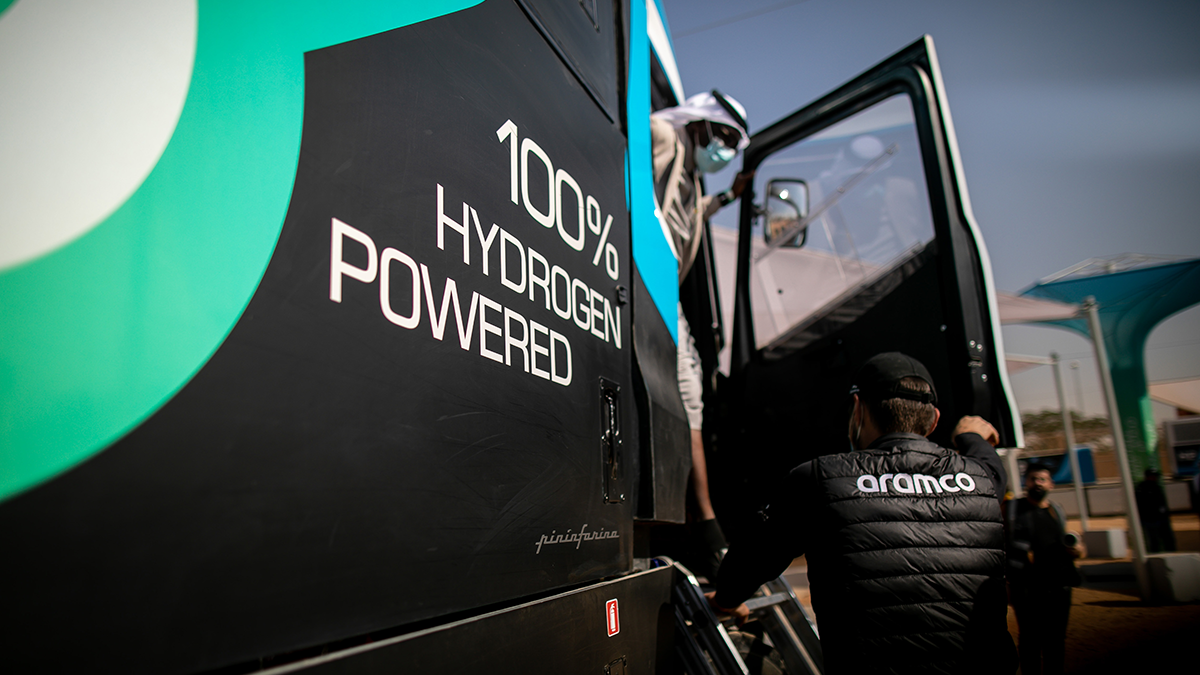
Hydrogen has been touted as an energy solution for the future and a leading mitigation technology against climate change. Among the states of the GCC, it has come to be seen as central to their energy transition strategy and a means to retain the region’s hegemonic position within global energy relations.
Read MEI’s weekly briefing featuring expert analysis of key regional developments for the week ahead.
MEI’s Senior Vice President Kate Seelye speaks with award-winning theater director and writer Amir Nizar Zuabi – Artistic Director of the ‘Amal Walks Across America’ tour. They discuss the upcoming U.S. tour of Little Amal, an internationally celebrated 12-foot-tall puppet of a 10-year-old Syrian refugee girl traveling across the world carrying a message of hope and compassion for displaced people everywhere.
Read MEI’s weekly briefing featuring expert analysis of key regional developments for the week ahead.
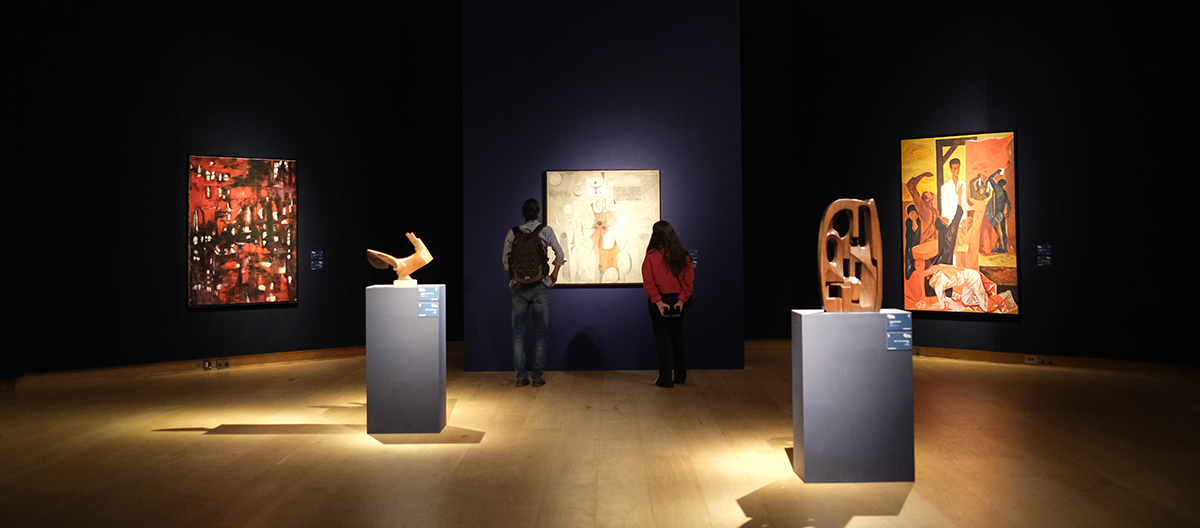
Kawkaba: Highlights from the Barjeel Art Foundation, a new exhibition of works by artists from across the Middle East and North Africa that opened recently at Christie’s in London, bears the name of the Arabic word for constellation. Fittingly, it shines a light on the region’s mid-century moment when art was often part of a process of post-colonial nation building. The exhibition is a star-studded journey through the region’s 20th century histories and aesthetics, showcasing lesser-known artists along with the greats.
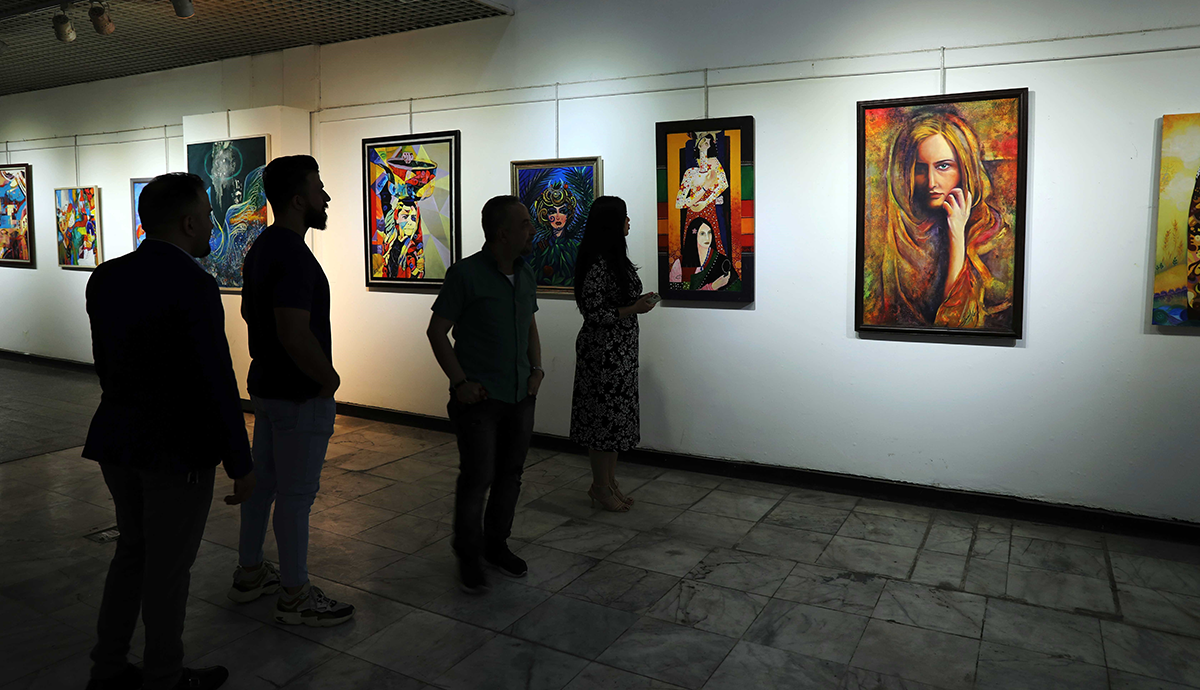
Although it has fallen off the international news cycle, Baghdad is booming, high on rising oil prices and full, once again, of neo-Abbasid, petroleum-fueled aspirations. Thanks to new anti-money laundering legislation, funds are being funneled not only into hotels and real estate but also into new cultural enterprises. So what does culture in Iraq look like in 2023?
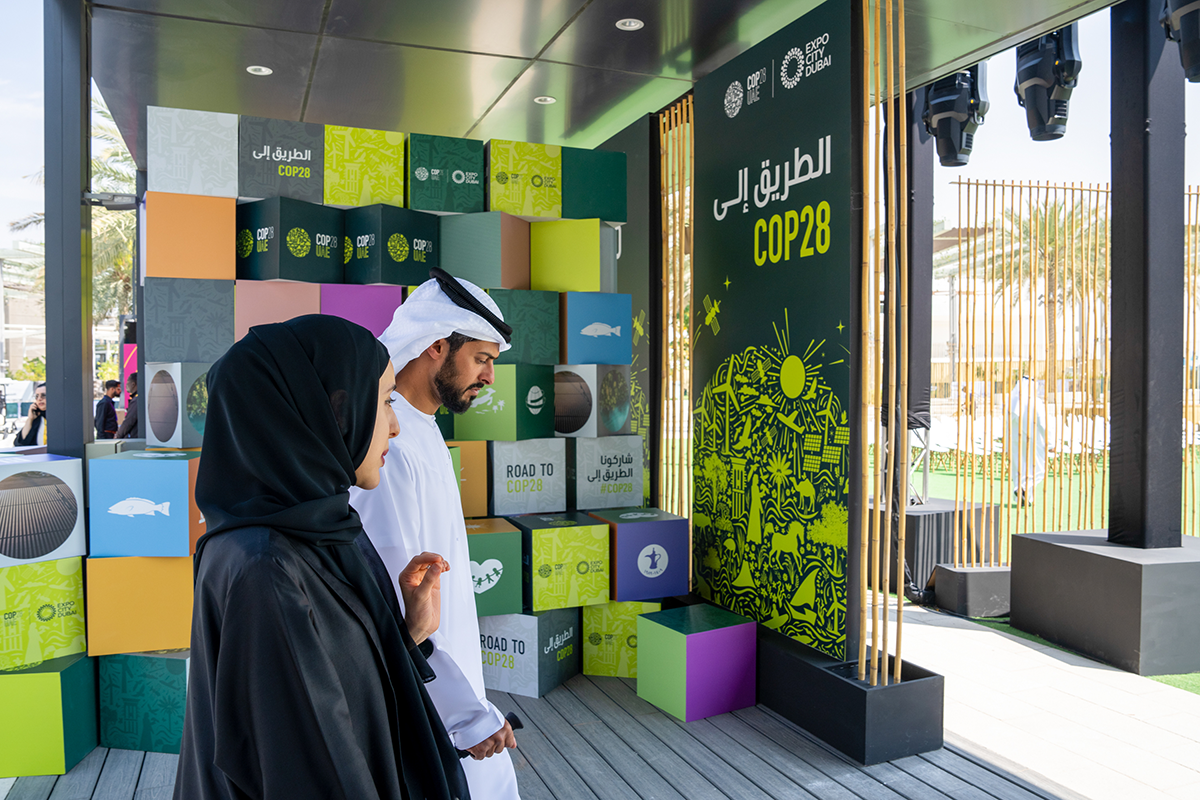
In the race to manage climate change, the UAE is ramping up its efforts in a bid to accelerate its transition to a green economy. In the first two weeks of July 2023, it published several important documents laying out its actions and objectives, including a revised version of the national climate pledges it made under the Paris Agreement, as well as a number of targeted policies and strategies.
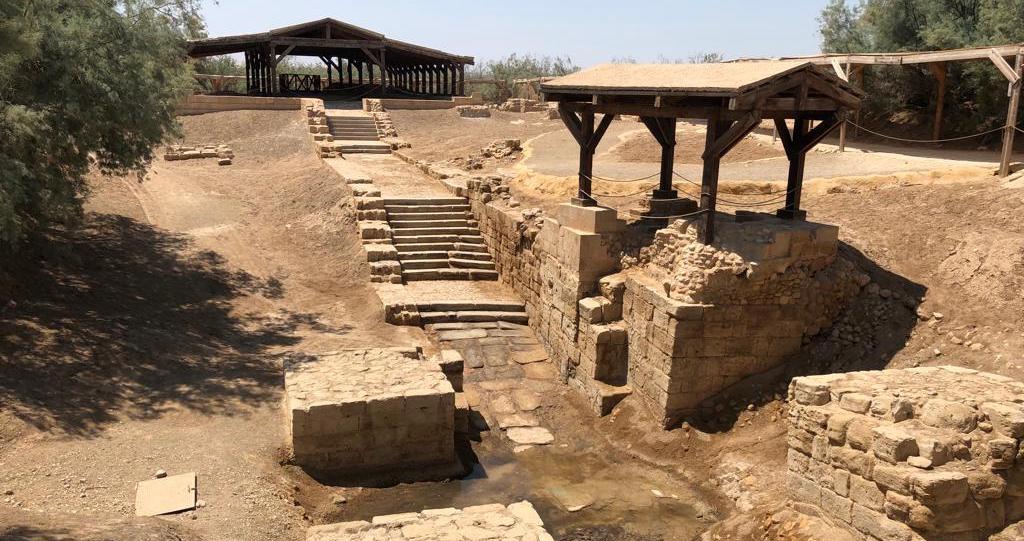
The Jordanian government has sought to further develop the Bethany Beyond the Jordan baptism site in an effort to boost the tourism sector and the broader economy. But striking the right balance between economic, religious, political, and environmental considerations won’t be easy.
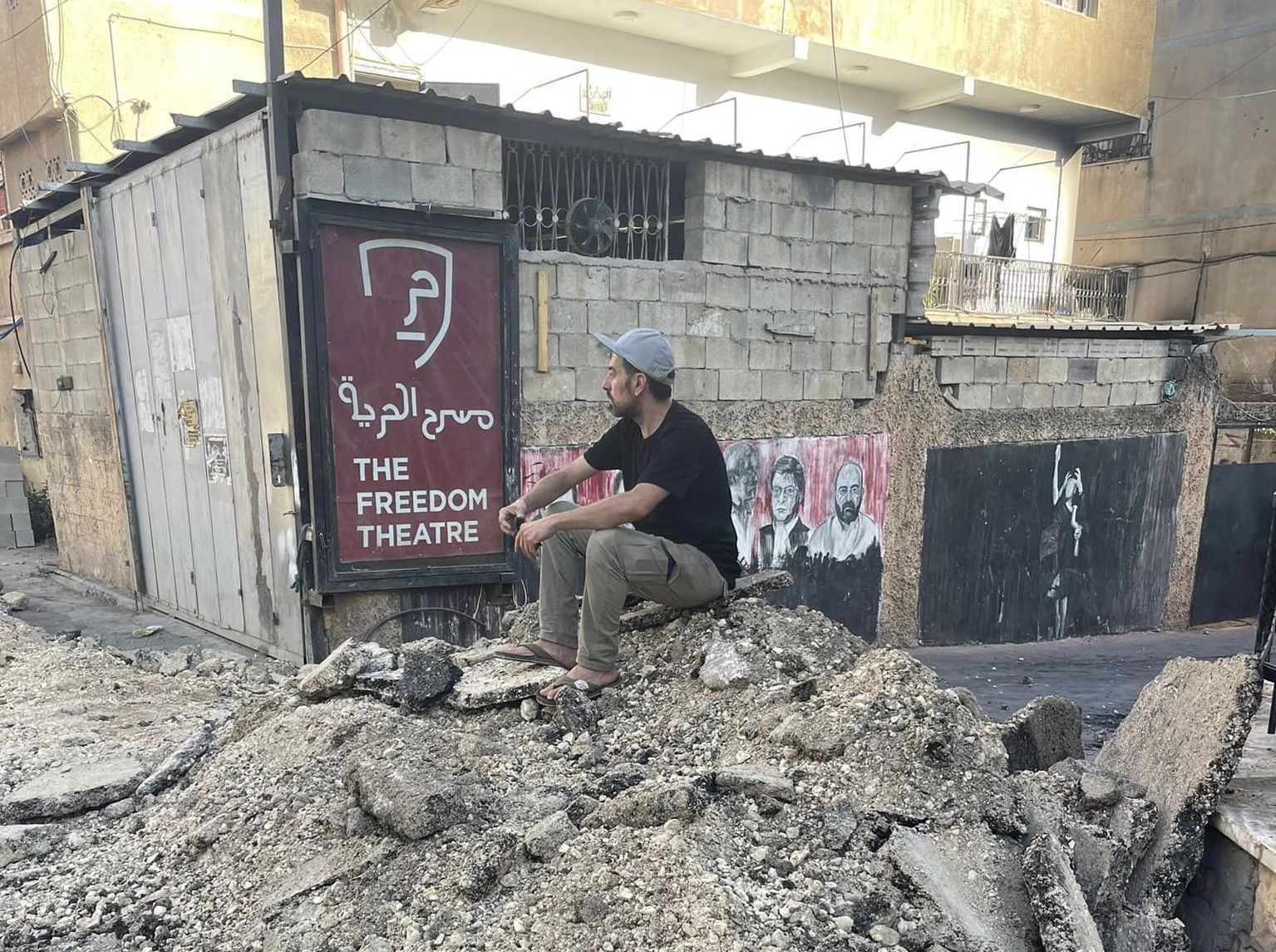
The Freedom Theatre, headquartered in the Jenin Refugee Camp that was invaded once again by the Israel Defense Forces last week, is nothing if not a crucible for the Palestinian experience. Up against grinding poverty, occupation, religious extremism, and, more recently, aerial bombardment, the theater miraculously survives.
As environmental challenges become a priority for countries across the Middle East and the Mediterranean, this creates new opportunities for regional environmental cooperation, including between Israel and its neighbors. Despite being limited in scope and facing several key obstacles, regional cooperative endeavors are taking place, including on both the bilateral and multilateral levels, and efforts to sustain and expand them are underway. This new report, written under the auspices of the Israel Climate Forum, addresses the importance of regional environmental cooperation in the Middle East and Mediterranean, examines the scope of such cooperation between Israel and its neighbors, and spells out opportunities, obstacles, and recommendations for increased coordination and joint action, including the role the U.S. and Europe can play.
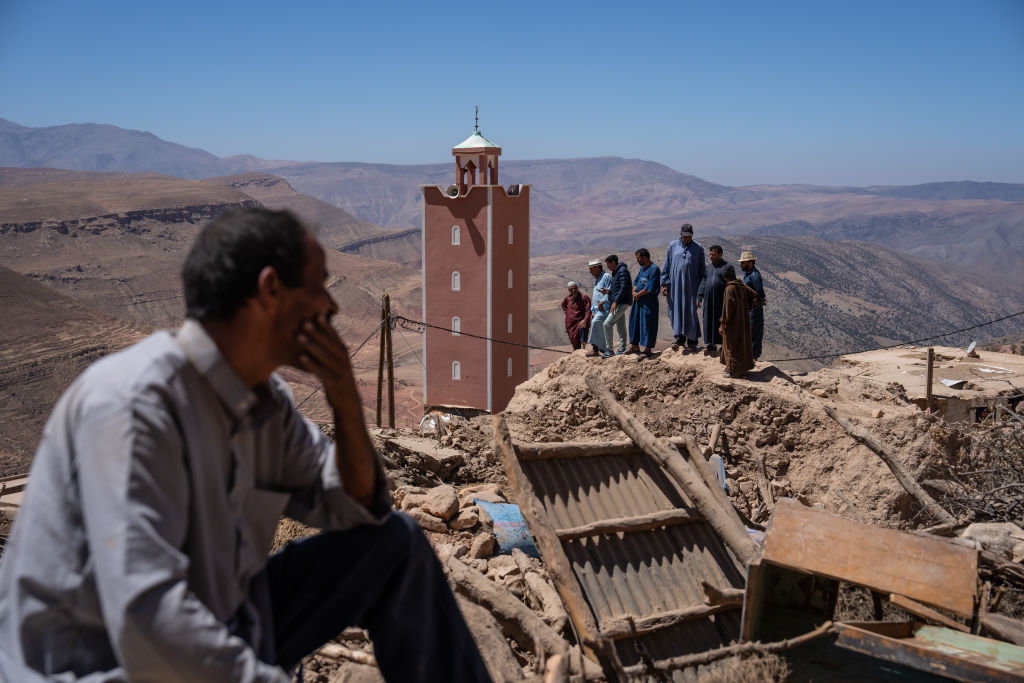
Read MEI’s weekly briefing featuring expert analysis of key regional developments for the week ahead.
This year’s Bonn Climate Change Conference featured events and discussions focusing on climate issues such as adaptation, mitigation, the global stocktake, and climate loss and damage. Progress on these issues at the Bonn Conference is intended to translate into potential draft decisions to be adopted at the COP28 meeting taking place in the UAE later this year. Mohammed Mahmoud discusses the details of the Bonn Conference, how it may have shaped the MENA climate change agenda, and other major outcomes with Athra Khamis and Neeshad Shafi, two of MEI’s non-resident scholars in the Climate and Water Program that attended the Bonn Conference.
Several Gulf states have introduced renewable energy certificates into their low-carbon energy eco-system. What are RECs and how can they help companies navigate the energy transition?
Read MEI’s weekly briefing featuring expert analysis of key regional developments for the week ahead.