The US Cyber Workforce and Education Strategy: A blueprint for building cyber talent in the Gulf
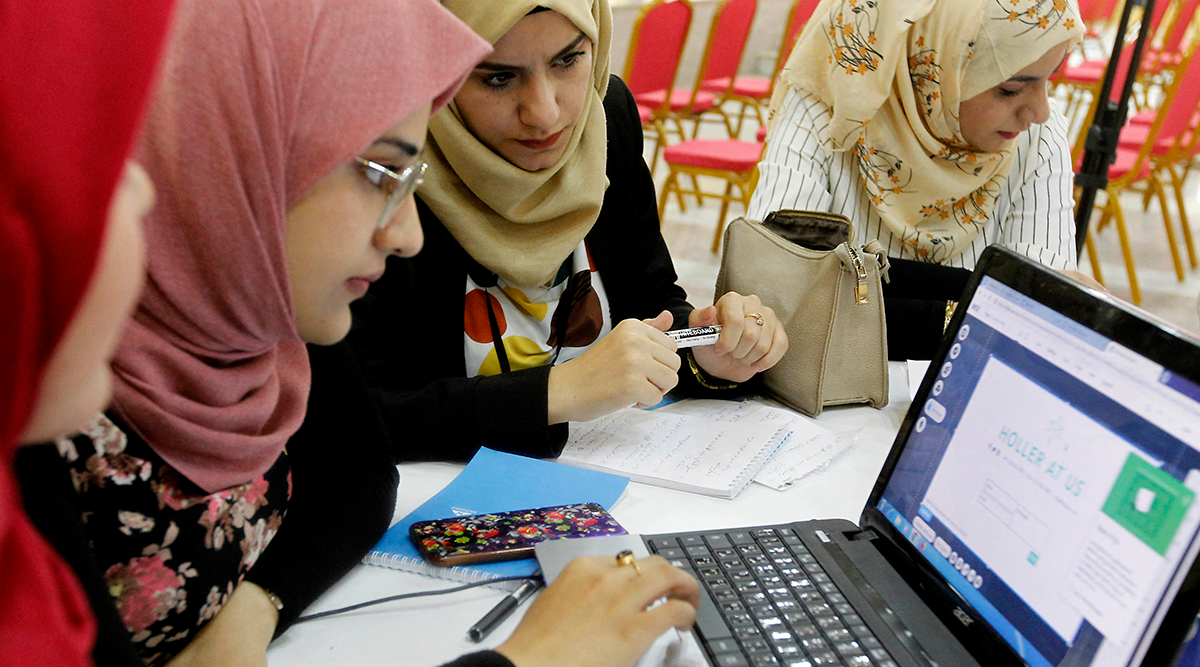
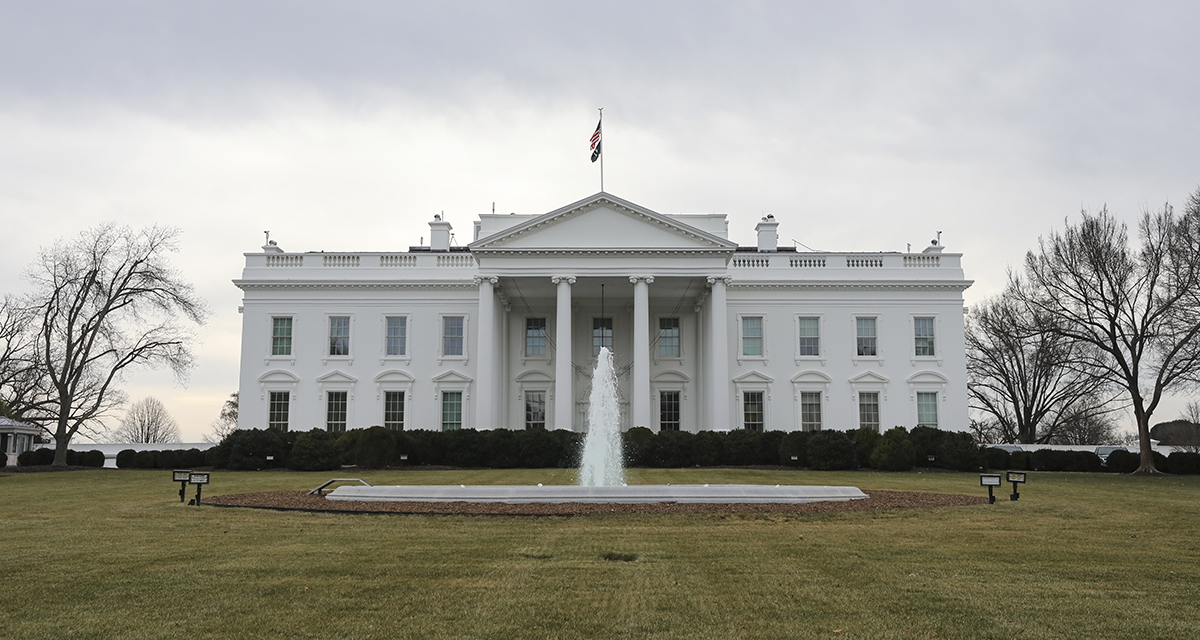
In July 2023, the White House released the National Cyber Workforce and Education Strategy. The strategy is designed to address the cybersecurity workforce shortage by emphasizing skills-based hiring and lifelong learning. It also provides guidance for other nations, particularly in the Gulf region, as they undergo their own digital transformation and work toward gender equality in their workforces.
Enhancing US-EU collaboration in MENA's digital development
Both the U.S. and the EU are increasingly focusing on digital development in the Middle East and North Africa as part of their efforts to support economic growth and tackle the region’s youth unemployment crisis. Deeper transatlantic cooperation in this field would greatly benefit both sides and drive forward digital development in the region.
Just over one year ago, I asked a simple question in The National Interest: What if machine learning—the most famous research paradigm in artificial intelligence (AI) today—is more limited than it seems? I expressed concern that the United States Department of Defense (DoD) could be unprepared for a slowdown or stagnation in AI development (an AI “winter”).
From oil wells to power cells: How Saudi Arabia and its Gulf neighbors are securing their future through battery technology
As the world shifts toward a more sustainable future, the GCC states are also embracing this profound transition, moving from oil wells to power cells. With their vast resources, strategic location, and commitment to sustainability, the Gulf countries are uniquely positioned to become major players in the global battery supply chain. By embracing the potential of battery technology, these nations are not just preparing for a post-oil future but are actively shaping it.
Paul Scharre’s book “Four Battlegrounds: Power in the Age of Artificial Intelligence” straddles two lines of thought: the transformative impact of AI on power and warfare in the 21st century and the dangers AI presents to human freedoms, individual rights, and the meaning of truth and reality.
Understanding the growing Indo-Israeli strategic cyber partnership
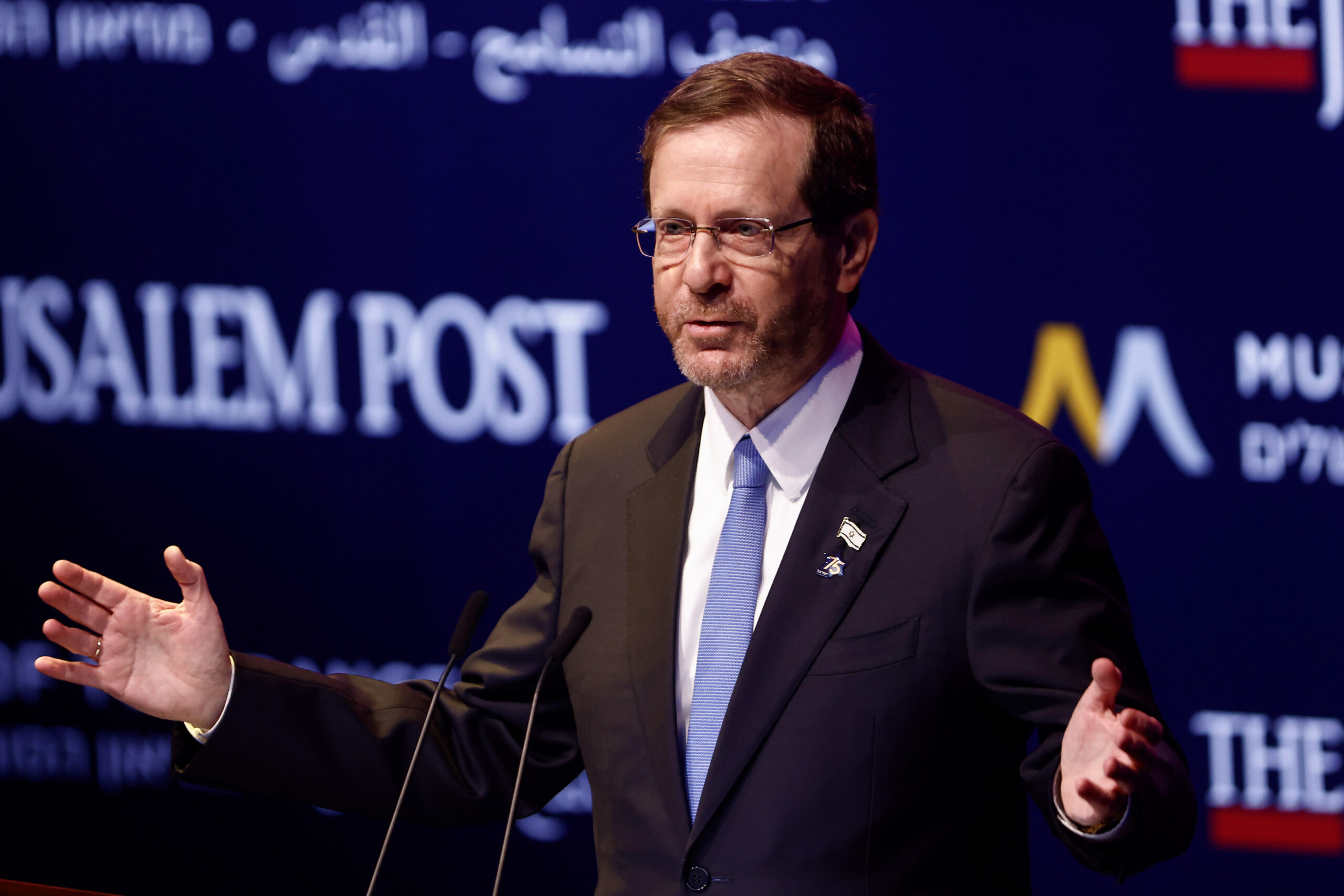
India and Israel have embarked on a mission to enhance their bilateral strategic cyber partnership. Private-sector collaboration and investment have laid the foundation for this partnership, which has now expanded to government-level agreements and frameworks.
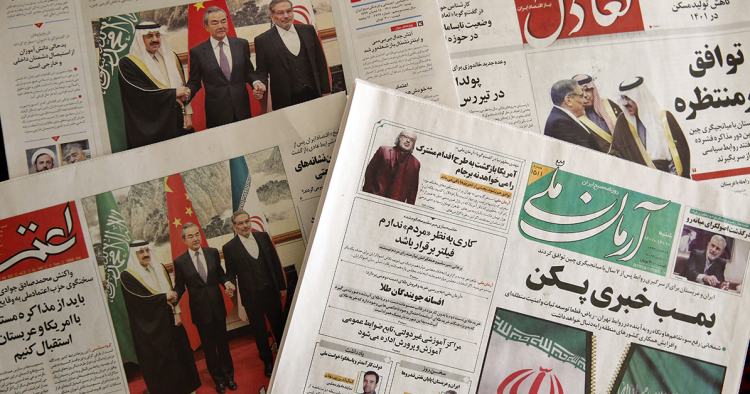
Several foreign ministers gathered in an Asian capital to negotiate an end to regional turmoil. One of the countries represented at the meeting brokered an agreement to end hostilities between the others.
Henry Kissinger’s Latest Intellectual Conquest: Artificial Intelligence
Now at 100, Henry Kissinger remains a larger-than-life statesman, strategist, and scholar. Alongside intellectual titans such as George Kennan and Zbigniew Brzezinski, his story intertwines with post-World War II American foreign policy. A recent flurry of articles and editorials that spanned news outlets, think tanks, and policy platforms were put out to celebrate Kissinger’s centennial and commemorate his legacy.
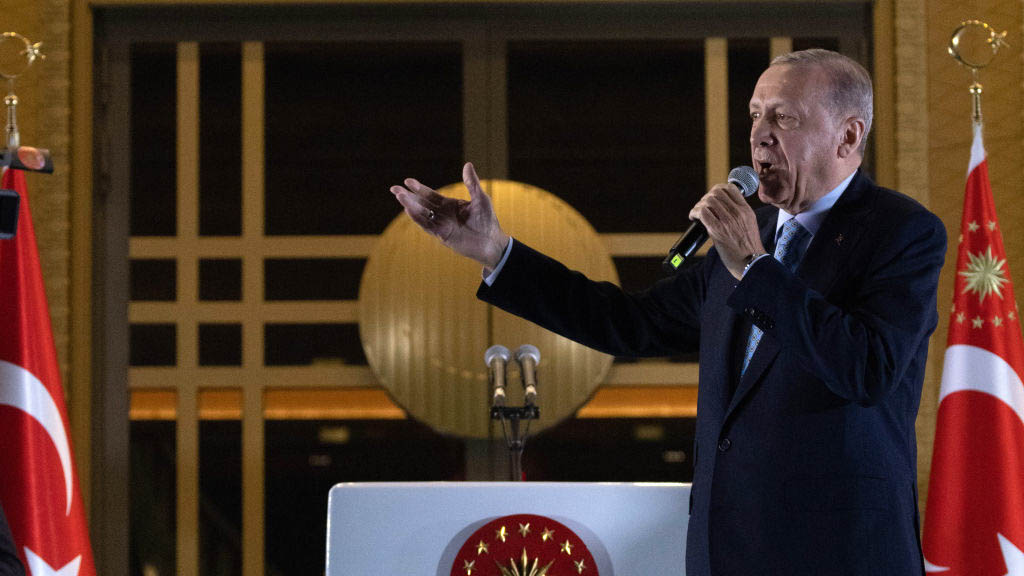
To analyze the crossroads Turkey faces in the 2023 elections, it could prove useful to “look back from the alternative futures” and explore how the possible outcomes might play out. What could it look like if we look back from 2030 to another victory by Erdoğan? And how might have the last seven years played out had the opposition won?
The technical is geopolitical: Expanding US-UAE relations through AI
With AI development disproportionate attention is given to the world’s technological heavyweights, the U.S. and China, as they seek an innovative edge in their great power competition. But Gulf states like the UAE are also moving rapidly to invest in and adopt AI, with significant implications for bilateral relations. The momentum in both the U.S. and the UAE can be leveraged by anchoring further ideas for political, diplomatic, and military cooperation in the technical evolution of AI.
The 2023 National Cybersecurity Strategy: How Does America Think About Cyberspace?
The Biden administration’s National Cybersecurity Strategy, released on March 2, 2023, revamped the U.S. approach to cyberspace and underlined the ways in which the government aims to build a more resilient, defensible, and values-aligned cyberspace. What does the strategy mean and what opportunities might it present for U.S. partners and allies in the Middle East?