Beyond oil: Google’s big bet on Saudi Arabia’s AI future
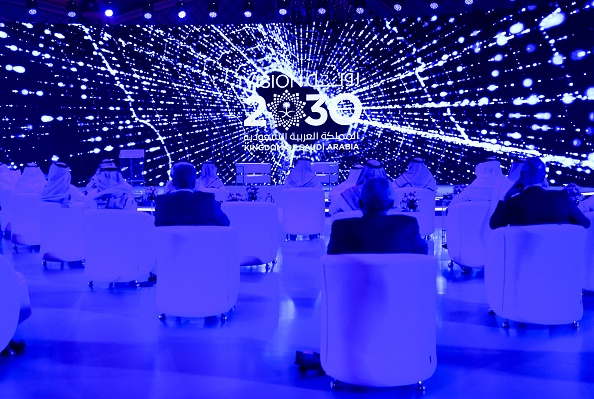
In a landmark move signaling the growing importance of the Middle East in the global tech landscape, Google has entered into a strategic partnership with Saudi Arabia’s Public Investment Fund (PIF), the kingdom’s sovereign wealth fund. The partnership underscores the “growing interlink” between AI and energy, as Saudi Arabia — along with the United Arab Emirates and other Gulf states — uses its energy surplus to power data centers, a critical pillar of AI infrastructure.
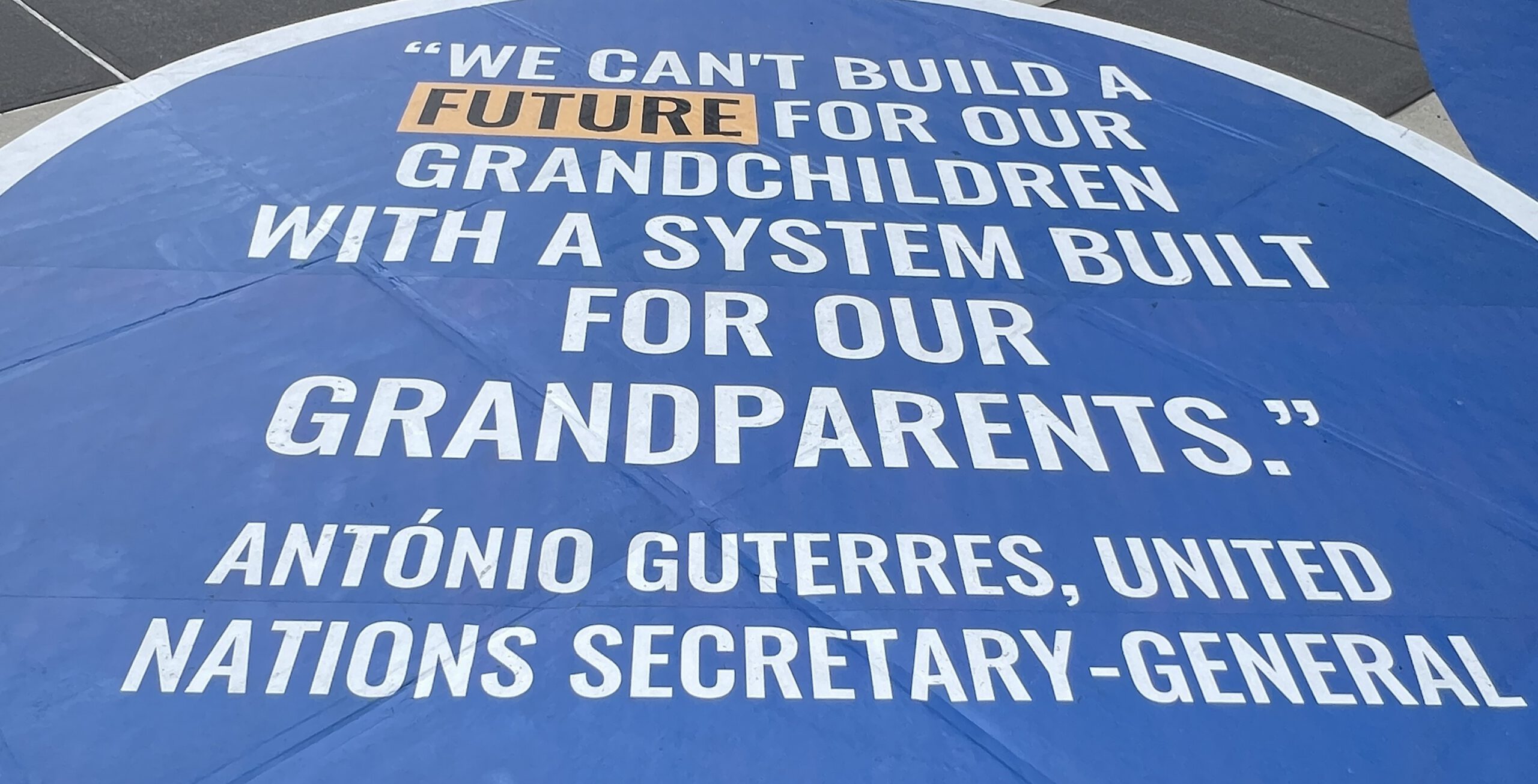
At last month’s Summit of the Future, the more than 190 UN member countries agreed to unprecedented new commitments on behalf of future generations, and they pledged to build a long-term future perspective into their mechanisms of governance, domestically and multilaterally. MEI’s Strategic Foresight Initiative program director Steven Kenney reflects on attending the summit and its outcomes.
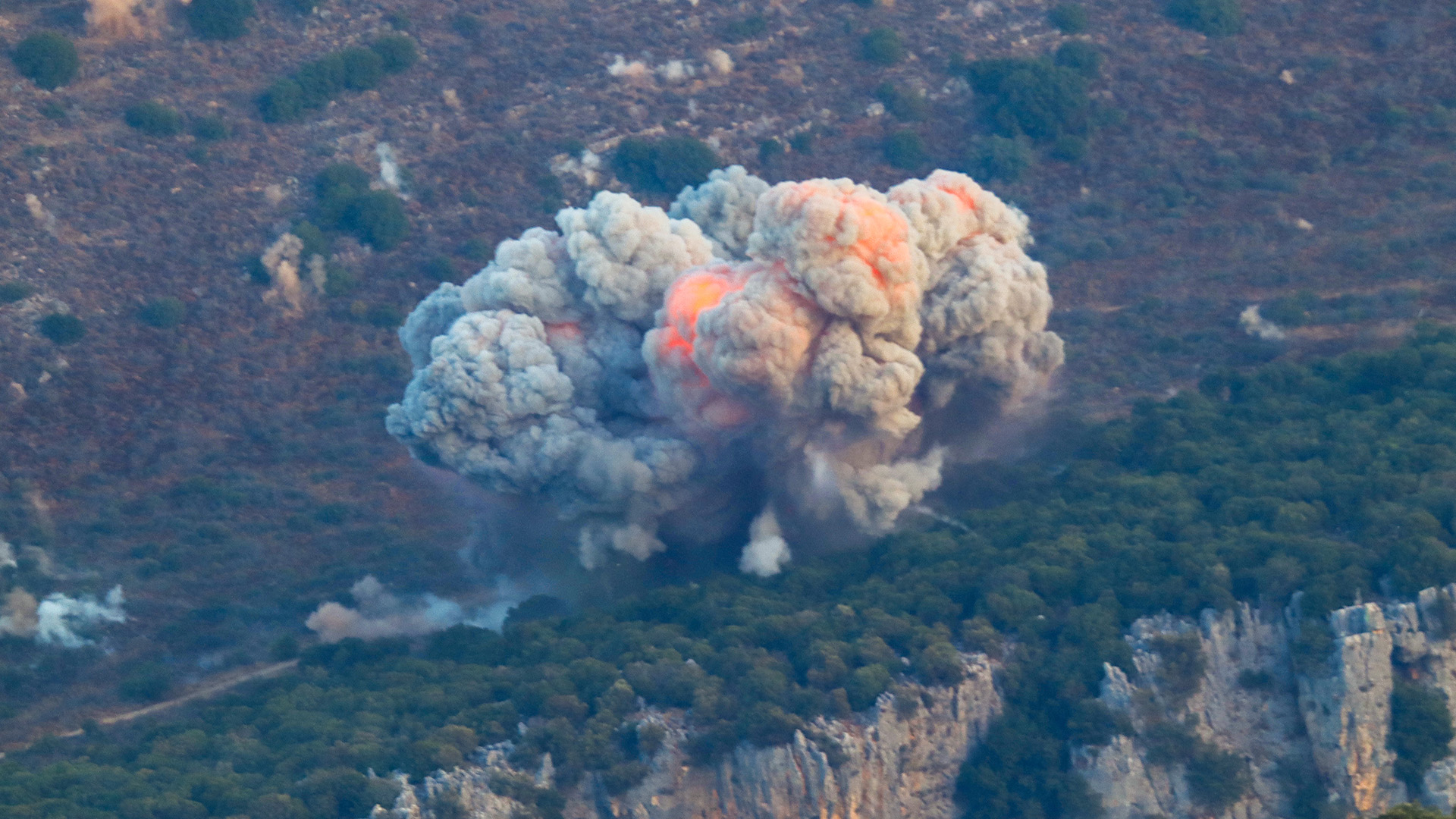
Over the past month, Iran and its regional network of allies and proxies – The Axis of Resistance – has suffered a string of dramatic losses and defeats. What is the future of the Axis and its members, and what can the US and its allies do to confront and disrupt this Iranian-led network?
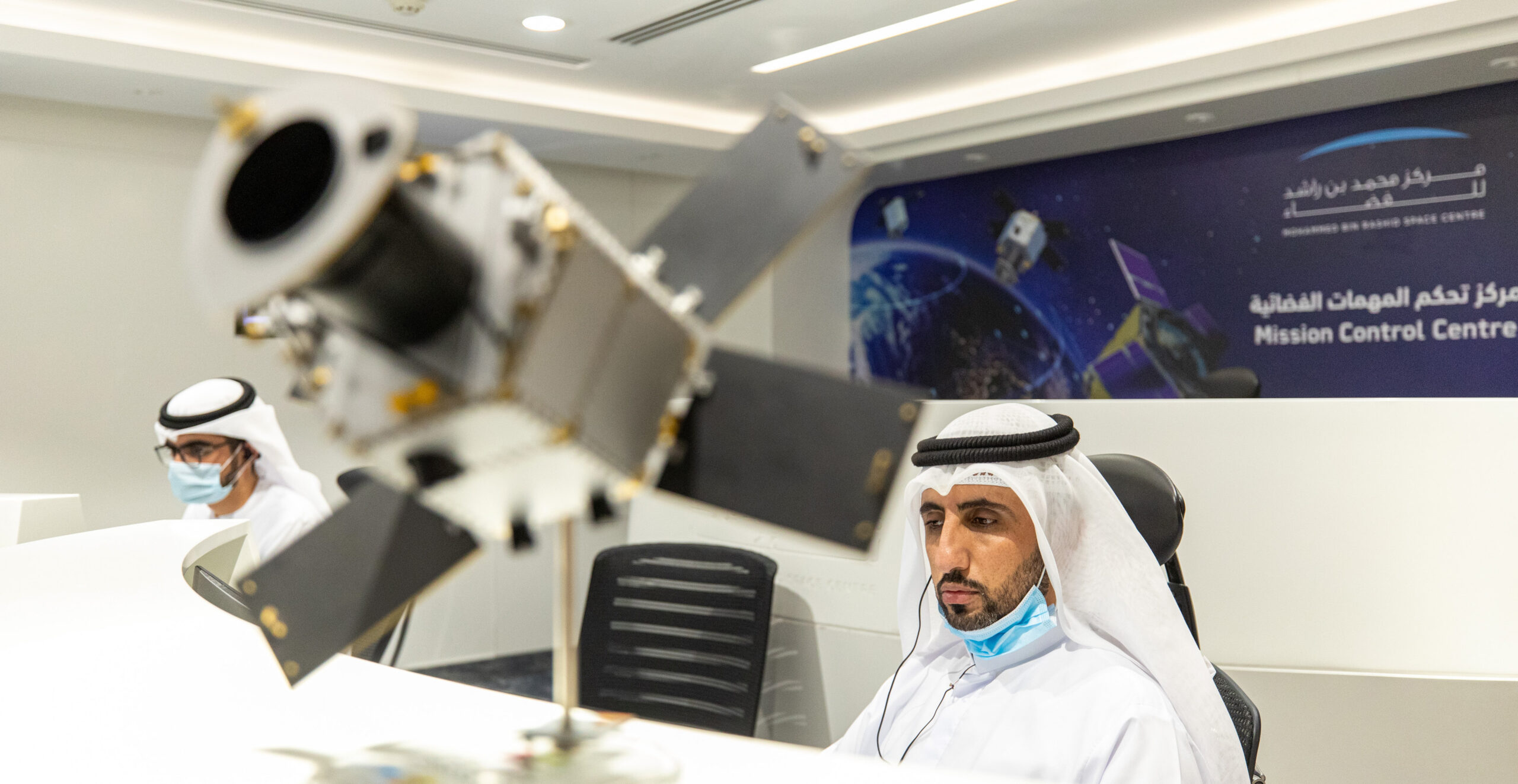
The UAE and US elevate tech to a cornerstone of their relationship
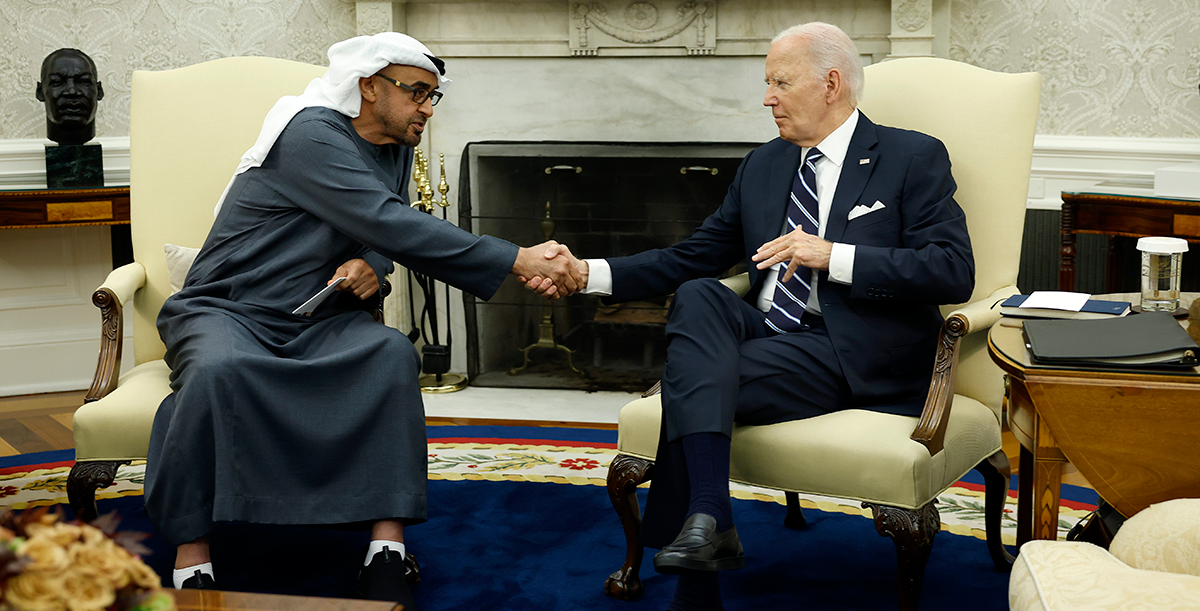
When President Mohamed bin Zayed Al Nahyan (MbZ) of the United Arab Emirates visited the White House on Sept. 23, the joint US-UAE statement was one of the most extensive yet covering pledges to cooperate on nearly every technological sector and signaling a clear goal to shift the bilateral relationship away from hydrocarbons.
Navigating the shadows: Afghanistan’s terrorism landscape three years after the US withdrawal and its international implications
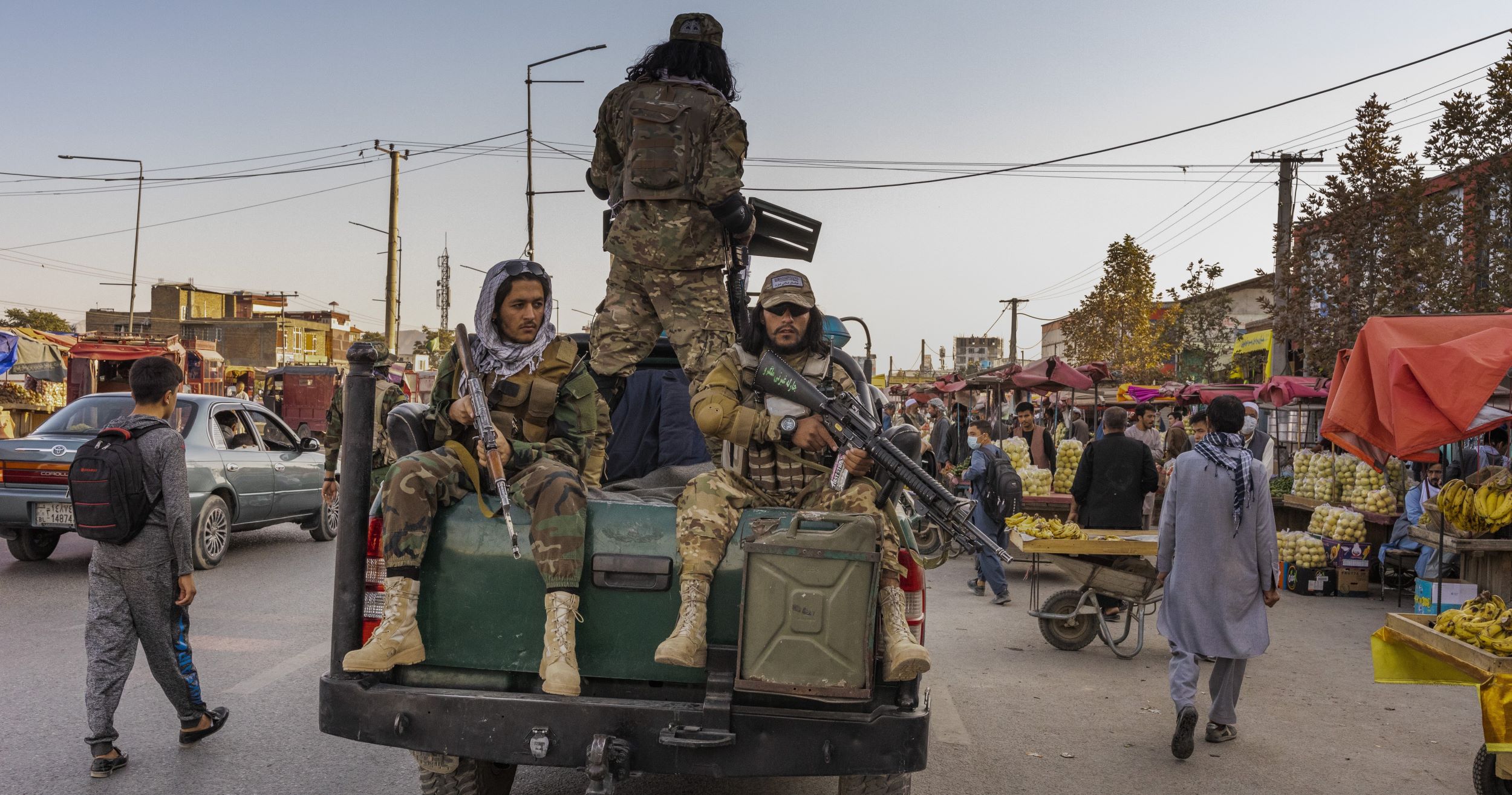
Three years since the US and allied withdrawal from Afghanistan, the facts on the ground challenge some more optimistic depictions of the Taliban’s counterterrorism cooperation with the US, al-Qaeda’s reemergence, or the capacity of ISKP to direct external attacks that could threaten American interests.
As the U.S. leaves Iraq, it can’t leave the door open for ISIS
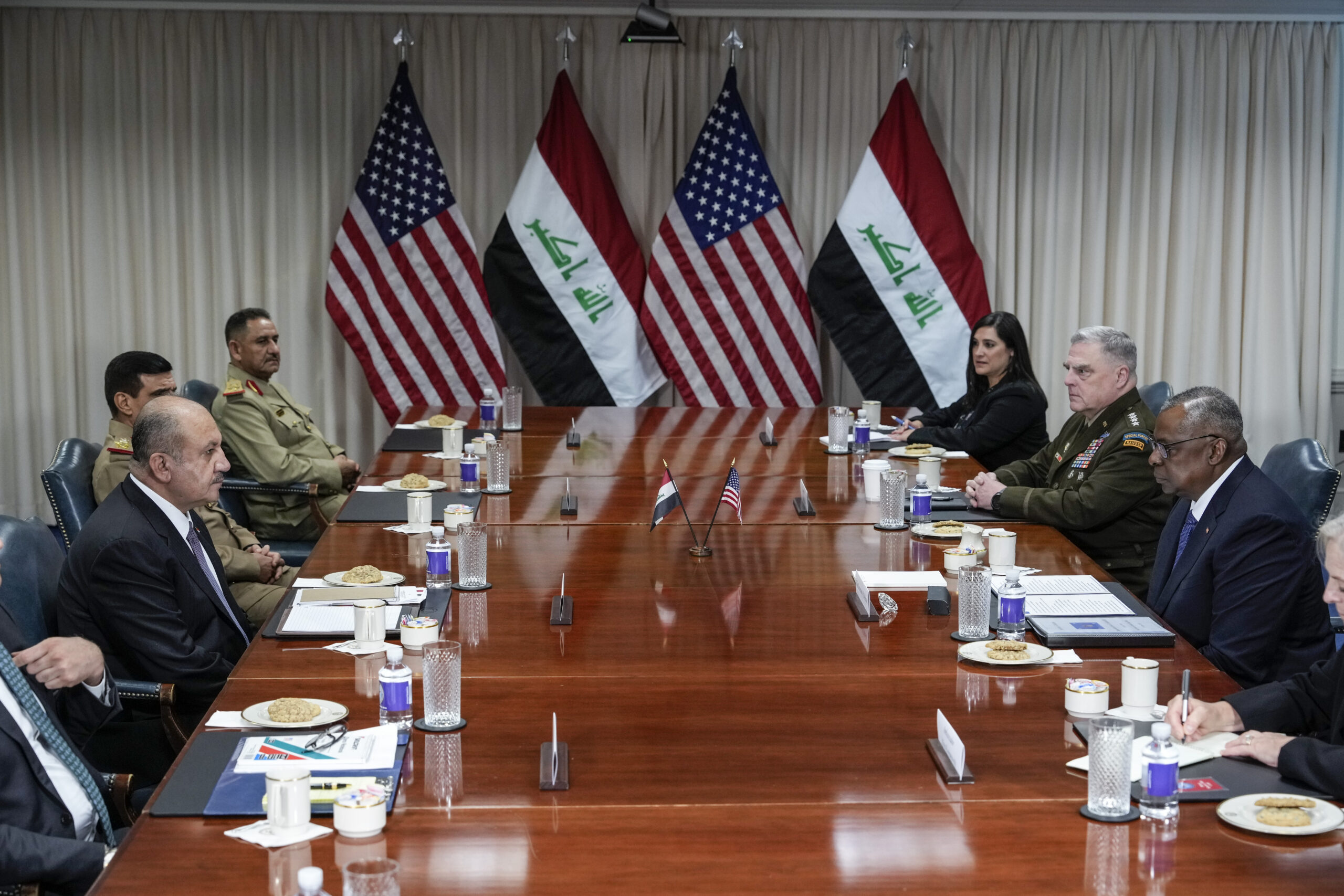
After more than six months of talks, the United States and Iraq look set to announce a significant agreement stipulating that the U.S.-led anti-Islamic State coalition will withdraw entirely from the country over the next two years.
Shiraz Maher – Co-Director of the International Centre for the Study of Radicalisation (ICSR) – and Charles Lister – Director of MEI’s Syria and Countering Terrorism and Extremism Programs – speak to MEI Editor in Chief Alistair Taylor about ISIS and the detainee dilemma. What is the international community to do with the tens of thousands of foreign ISIS detainees and their families, including children, held in makeshift facilities in northeastern Syria under the control of the Syrian Democratic Forces?
Securing the quantum future: The imperative for global collaboration
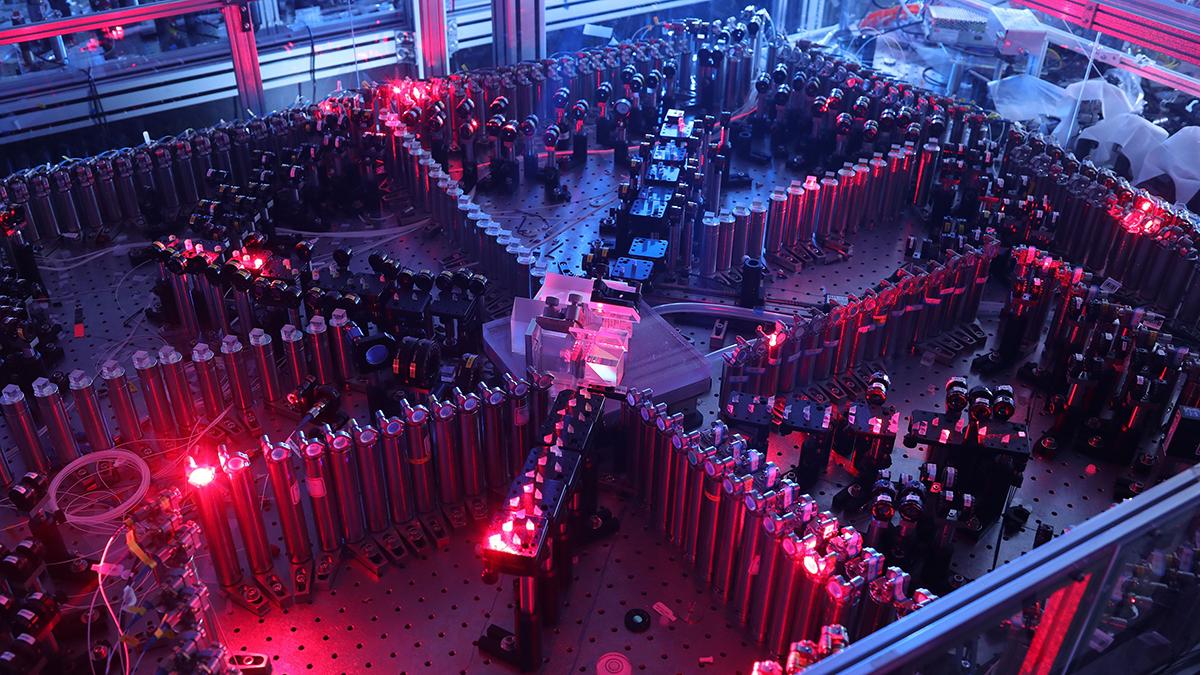
As China makes substantial strides in quantum R&D, the global community must urgently address vulnerabilities in our digital networks. The Middle East, like many other regions, stands at a critical juncture in this technological race, where quantum innovation brings both opportunities and risks.
Israel and the Axis of Resistance in the wake of the Gaza war
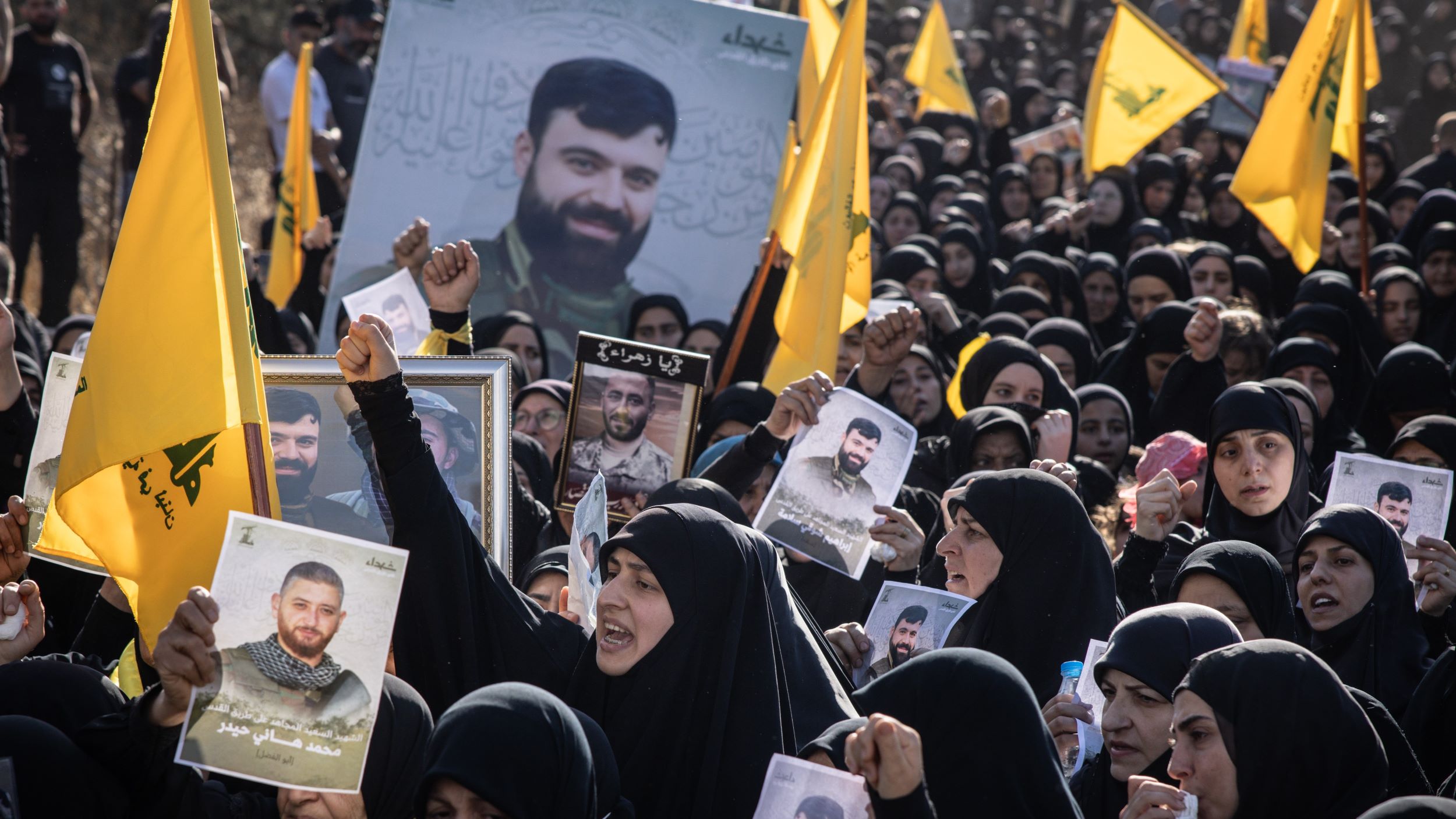
Hamas’ Oct. 7 attack touched off a destructive war with Israel and a limited but fierce regional conflagration between Israel and the Iran-led “Axis of Resistance,” with Lebanese Hezbollah at the forefront. The ongoing conflict has been multi-fronted, multi-faceted, dynamic, and already highly consequential. While a clear bottom line remains elusive, exploring the war’s primary origins and evolution offers useful indicators.
On this week’s episode, Director of MEI’s Syria and Countering Terrorism and Extremism Programs Charles Lister speaks with MEI Editor-in-Chief Alistair Taylor on the resurgence of the Islamic State, or ISIS, in Syria and Iraq. This episode is the first in a several-part series looking at where the terrorist group stands today and its international footprint 10 years on from the founding of the 87-country Global Coalition to Defeat ISIS.
As the Middle East becomes more autonomous and empowered domestically, the leaders in the region might consider more synergetic relations with each other and prepare national long-term plans that provide a balanced and integrated approach to social, technological, environmental, economic, and political development and progress.
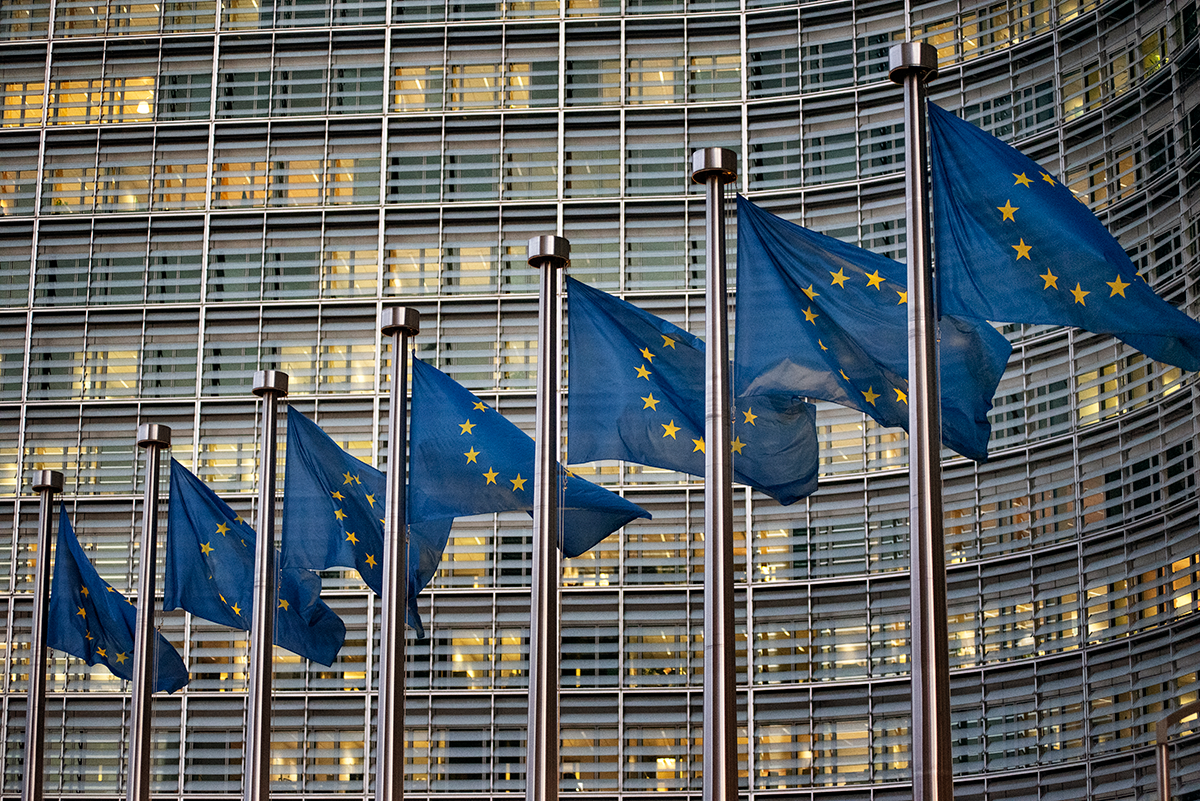
The EU needs to expand its support for the MENA region’s digital transformation
Digital transformation will play a key role in shaping relations between Europe and the MENA region, but despite these high-level announcements, EU strategy and programming on the ground would need to expand to meet the region’s requirements and serve the EU’s strategic interests.