In the Crowded Arena of Tuareg Rockers, Mdou Moctar Stands Tall
Mdou Moctar recently finished his first U.S. tour. In his three October performances in Washington, he set out to do a lot. Pickless, his kinetic guitar licks bounced around the stage, bringing his audience thousands of miles away to the Sahara desert. His calm, welcoming voice sang about the struggles and hopes of his divided homeland.
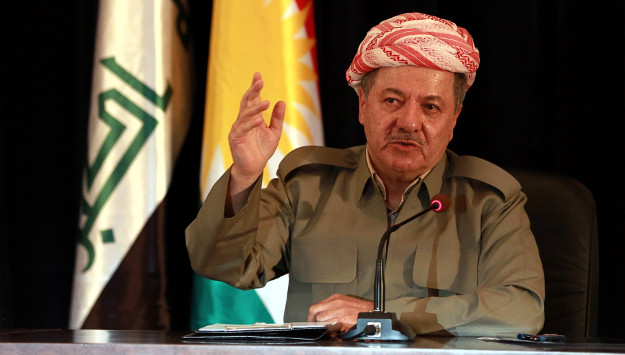
Barzani Stands Down as K.R.G. President | Monday Briefing
In this week’s Monday Briefing, MEI experts Randa Slim, Yousef Munayyer, Charles Lister, Charles Schmitz, and Alex Vatanka provide analysis on recent and upcoming events including President Barzani’s decision to step down from the KRG, the Trump administation’s silent response to Israeli settlement expansion in Jerusalem , the Armed Syrian Opposition’s attendance of the seventh round of Astana Talks, Saudi foreign minister blaming Iran for lack of progress in peace talks in Yemen, and President Rouhani’s failure to advance the reform cause in Iran.
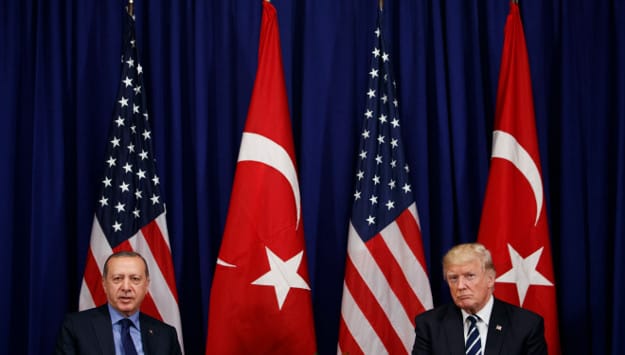
U.S.-Turkey Relations Hit All-Time Low | Weekly Briefing
In this week’s Monday Briefing, MEI experts Gonul Tol, Ibrahim al-Assil, Amal Kandeel, and Jonathan M. Winer provide analysis on recent and upcoming events including the diplomatic row between Turkey and the United States, the arrival of Turkish troops in Idlib, Morocco’s establishment of a national water security strategy amid climate concerns, and the resumption of talks on the Libya Political Agreement in Tunis.
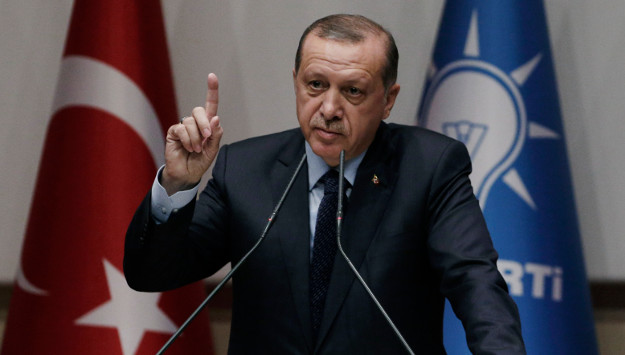
Erdogan Visits Iran as Tension Rises over Kurdish Vote | Monday Briefing
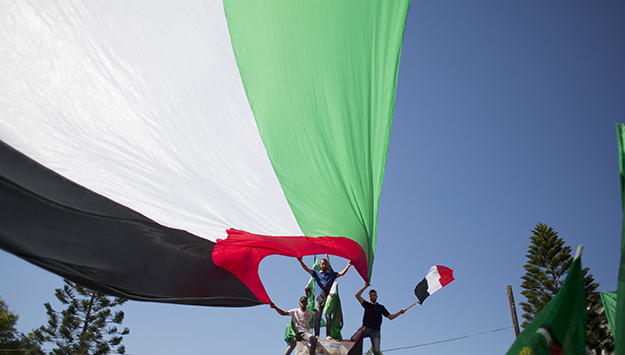
In this week’s Monday Briefing, MEI experts Alex Vatanka, Randa Slim, Marvin G. Weinbaum, Yousef Munayyer, and Gerald Feierstein provide analysis on recent and upcoming events including Turkish President Erdogan’s visit to Iran, Ayatollah Ali al-Sistani’s efforts to push for dialogue after the Kurdish independence referendum, the pending indictment of Nawaz Sharif in Pakistan, signs of progress in the reconcilliation attempt between Hamas and Fatah, and the Saudi king’s visit to Moscow.
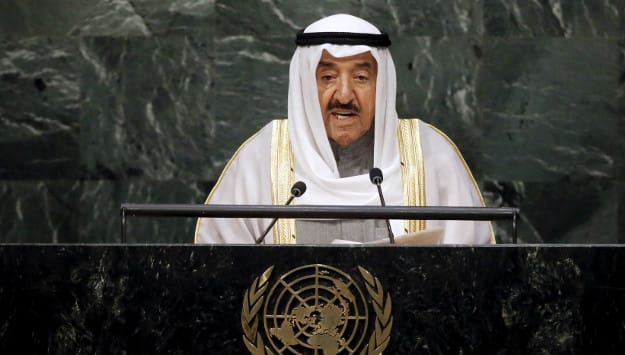
Qatar to Top Agenda of Kuwaiti Emir’s Washington Visit | Weekly Briefing
In this week’s briefing, MEI experts Gerald Feierstein, Charles Schmitz, Jonathan M. Winer, and Yousef Munayyer provide analysis on recent and upcoming events including Kuwaiti Emir Sheikh Sabah al-Sabah’s upcoming visit to Washington, recent clashes in Yemen, the French Foreign Minister’s trip to Libya, and the U.N. Human Rights Council’s discussion on Israel/Palestine.
Israel-Palestine: What Can Be Learned from Other Conflicts?
Israelis and Palestinians tend to be invested in the notion that their conflict is unique in its intractability. But other conflicts have reached a measure of resolution, or at least extended periods of non-violence. Learning from their limited success can offer insights and key policy implications; learning from their failures can provide valuable warnings and lessons. Comparing conflicts can even humanize what’s happening in Israel and the occupied territories.
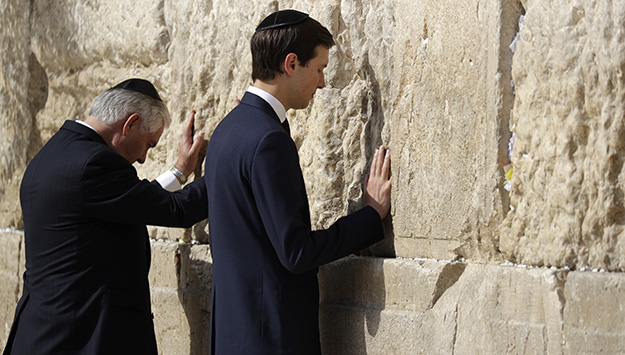
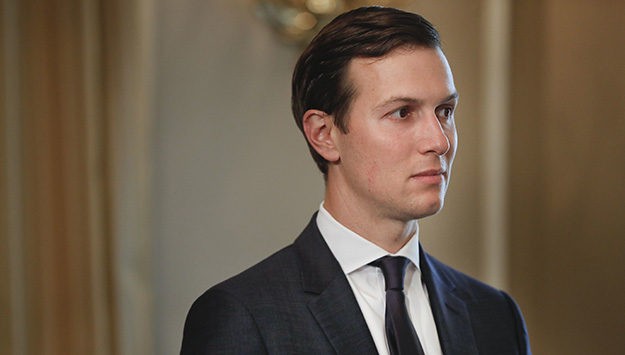
Jared Kushner was on a Middle East mission last week attempting to do what at least half a dozen U.S. emissaries and special presidential envoys have failed to do for more than two decades: putting the peace process on track toward concluding a final settlement between Israel and the Palestinians. But there was a marked change in the U.S. tone, as Kushner, accompanied by Special Envoy for International Negotiations Jason Greenblatt and Deputy N.S.A. Adviser Dina Powell, met with leaders of Saudi Arabia, Jordan and Egypt before heading to Israel and the West Bank.
Monday Briefing | Abbas Hoping for a Commitment from Kushner on MidEast Peace
In this week’s Monday Briefing, MEI experts Yousef Munayyer, Paul Salem, Ahmad Majidyar, Alex Vatanka, and Gonul Tol provide analysis on recent and upcoming events including the upcoming trip by the U.S. delegation headed by Jared Kushner to Israel/Palestine, Iraq’s anti-ISIS operation in Tal Afar, President Trump’s upcoming announcement on U.S. military strategy in Afghanistan, Iran’s efforts to find a role in China’s One Belt, One Road project, and Turkey’s rocky relations with Germany.
Monday Briefing | Is the Middle East Tilting toward De-Escalation?
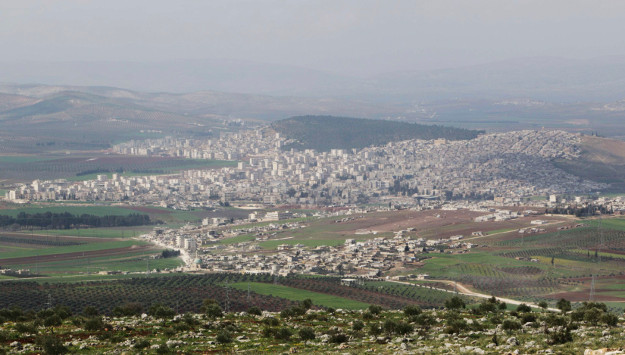
In this week’s Monday Briefing, MEI experts Paul Salem, Gonul Tol, Alex Vatanka, and Jonathan M. Winer provide analysis on recent and upcoming events including Saudi Arabia’s diplomatic engagements in the region, Turkey’s consideration of military operations in northern Syria, Iranian President Rouhani’s centrist cabinet nominations, and Libyan leaders’ decision between greater cooperation or renewed confrontation.
Gaza Three Years after the War: Ten Critical Observations
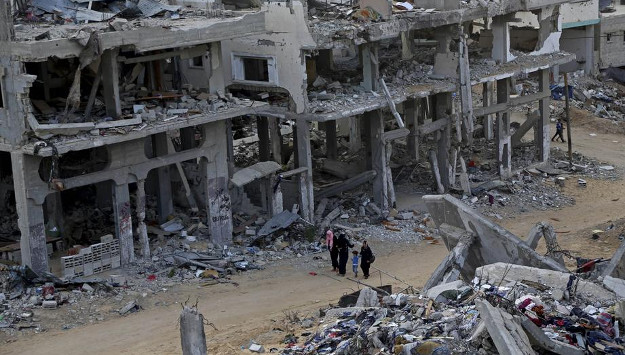
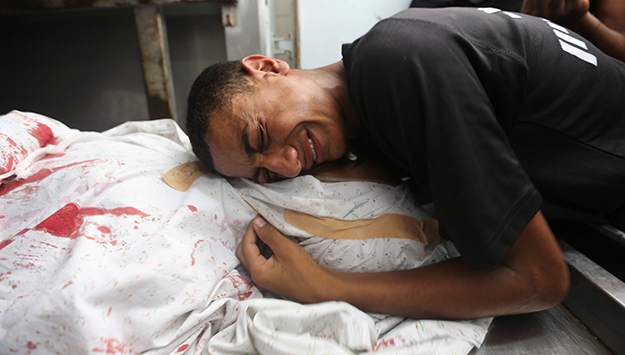
Three years ago this summer, on July 8, Israel launched the deadliest attack on the Hamas-run Gaza Strip; the third in less than six years. The war lasted 51 days on end and left in its wake an unprecedented human carnage and caused massive destruction to Gaza’s already frail economy and failing infrastructure. Three years later, Gaza has not recovered. If anything, things have gotten worse; much worse.
Libya Still Seeking Grand Bargains, But Facing Range of Spoilers
The hopeful scene in Paris July 25 was a familiar one. Libyan leaders, in this case General Khalifa Haftar and Prime Minister Fayez al-Sarraj, meet under the umbrella of another world leader, in this case, French Prime Minister Emmanuel Macron, and announce progress on a deal to put Libya back together and hold new elections.
It was a scene that had last played on May 2 in Abu Dhabi, under Emirati guidance with the same Libyan players, and one I and others had sought to put together a full year ago when I was serving as U.S. Special Envoy for Libya.
My day job is as a Professor of Israel Studies at the University of Maryland; every fall I teach a large course entitled “Fundamental Questions of the Israeli/Palestinian Conflict.” A few years ago I was lecturing about the 1973 Yom Kippur War and explained that, as I see it, the war was essentially as a draw, in which Egypt and Israel both lost and won.
Netanyahu's Shrewd Political Game Behind Jerusalem Violence
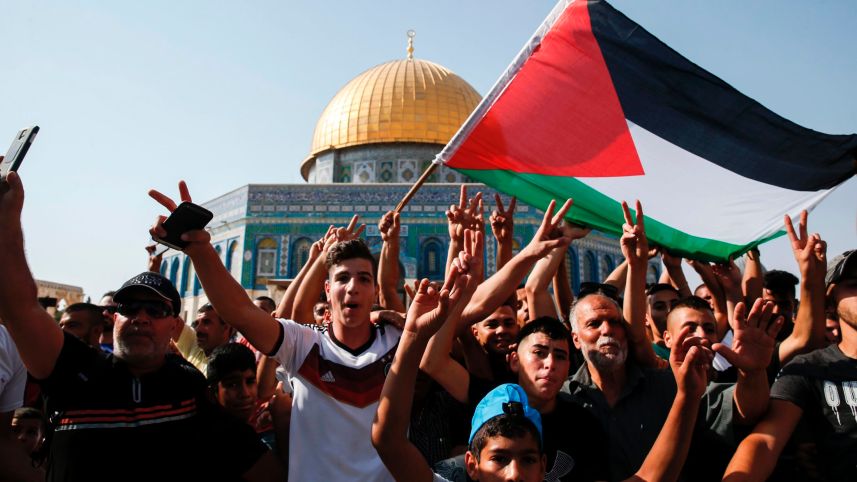
Jerusalem’s Old City is a tinderbox that could set off a regional conflagration. This is a demonstrably true statement: when Ariel Sharon, then an opposition politician, stood surrounded by security guards on the steps in front of the Dome of the Rock in September 2000, and proclaimed that it would remain in Israeli hands forever, the consequence of his populist blustering was the Second Intifada.