Skip to Content

Research & Commentary Results

Filter by
939 Results
Pakistan needs to reframe its regional connectivity push
Asim Hafeez/Bloomberg via Getty Images
  • Analysis
  • Pakistan needs to reframe its regional connectivity push

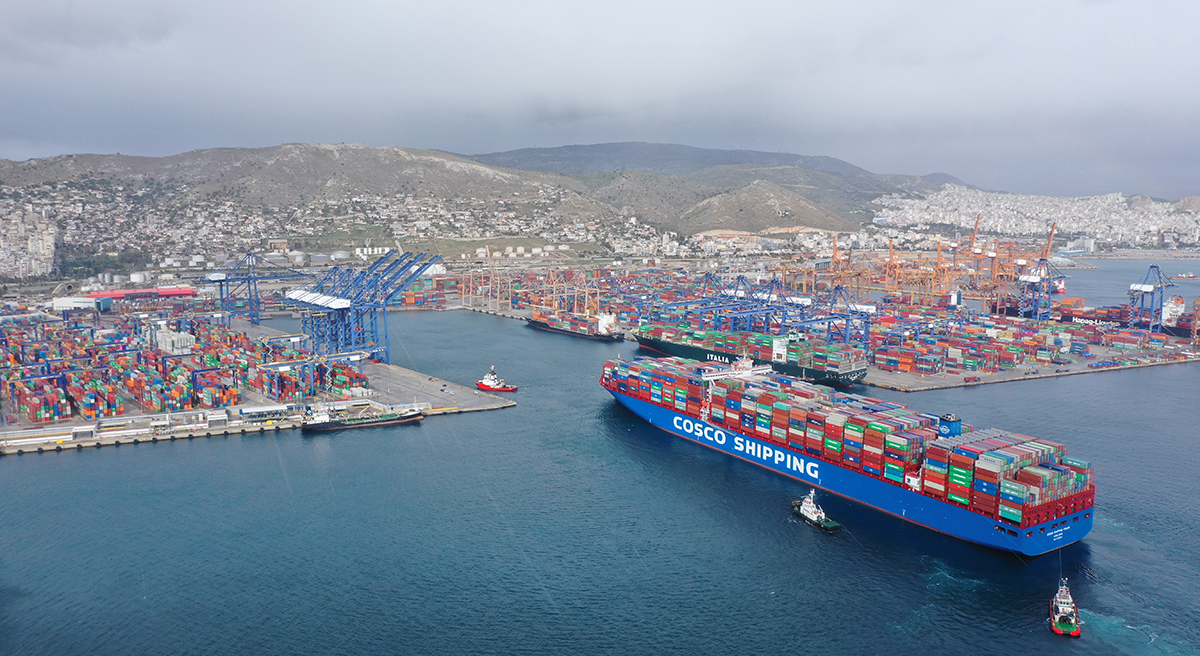
    On April 8, the top U.S. diplomat in Pakistan visited the Chinese-operated port of Gwadar — the first such visit by an American official in 15 years. The move appears to be part of a campaign by Pakistan to promote its regional connectivity agenda and simultaneously signal that this effort isn’t solely wedded to China and its Belt and Road Initiative.

    May 25, 2021

    Greece and Cyprus can play a modest role in advancing Israeli-Palestinian peace
  • Analysis
  • Greece and Cyprus can play a modest role in advancing Israeli-Palestinian peace

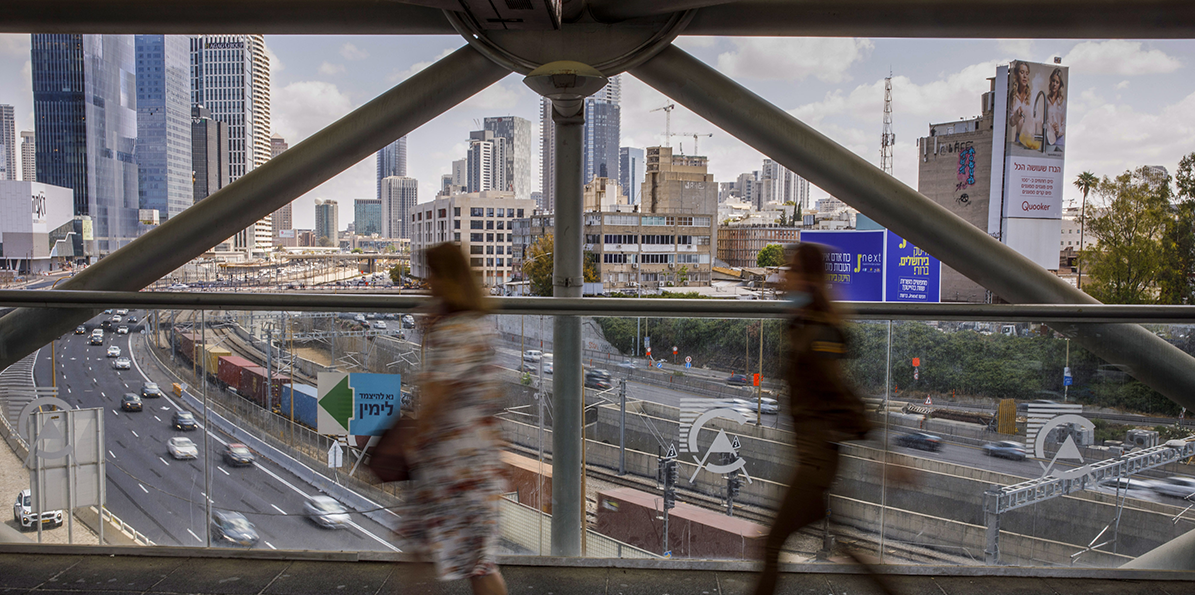
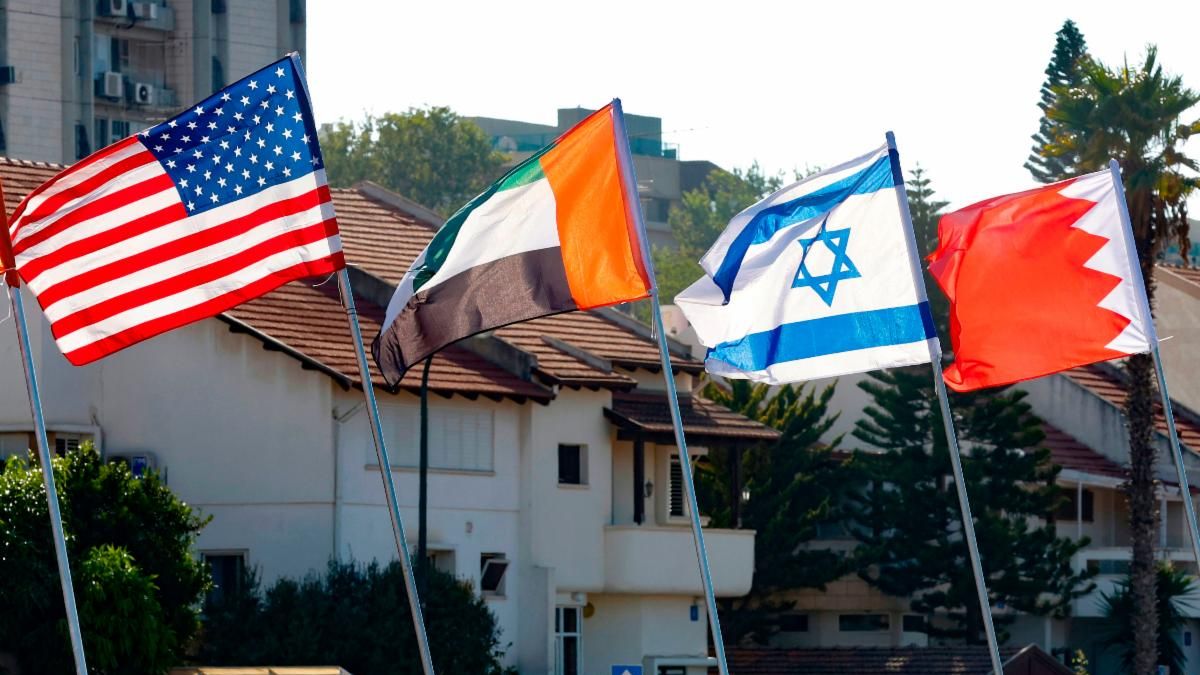
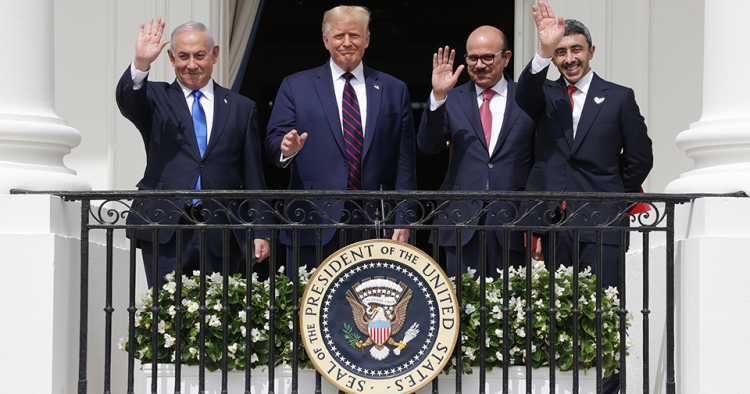
    In March 2021, the Eastern Mediterranean Gas Forum held its first meeting as a recognized international organization. Delegations from member countries – including Cyprus, Egypt, Greece, Israel, Italy, Jordan, and Palestine – gathered in Cairo to organize a regional gas market. The forum is a unique space that offers a platform for dialogue between European and Middle Eastern countries. Furthermore, it is rare that Israeli and Palestinian delegations cooperate on the international stage. Yet, as the inaugural meeting demonstrated, the conflict is never too far away. When the delegates voted on whether to grant the United Arab Emirates observer status in the forum – a privilege given to the United States and European Union – Palestine vetoed, a clear demonstration of Ramallah’s frustration with the normalization process that started a few months ago.

    May 21, 2021

    Agricultural technology in the Middle East: Sowing the seeds of the future
     Christopher Pike/Bloomberg via Getty Images
  • Analysis
  • Agricultural technology in the Middle East: Sowing the seeds of the future

    Over the last decade, new technology has been developed to address agriculture’s longstanding structural problems related to unproductive farming soils and water shortages. Such initiatives could potentially play a pivotal role in promoting food systems’ resilience across the region. These technologies are designed to increase and improve the outputs of the agricultural sector, while using less energy and more sustainable methods. Responding to the need to promote sustainable agricultural growth, agricultural technology (or “agritech”) today aims to reduce agrarian waste and the use of chemical fertilizers. Looking to the future — while taking cues from the past — may unlock the solutions to the region’s desperate food insecurity.

    May 19, 2021

    Israeli repression links the violence in Gaza and Jerusalem
    Photo by Ali Jadallah/Anadolu Agency via Getty Images
  • Commentary
  • Israeli repression links the violence in Gaza and Jerusalem

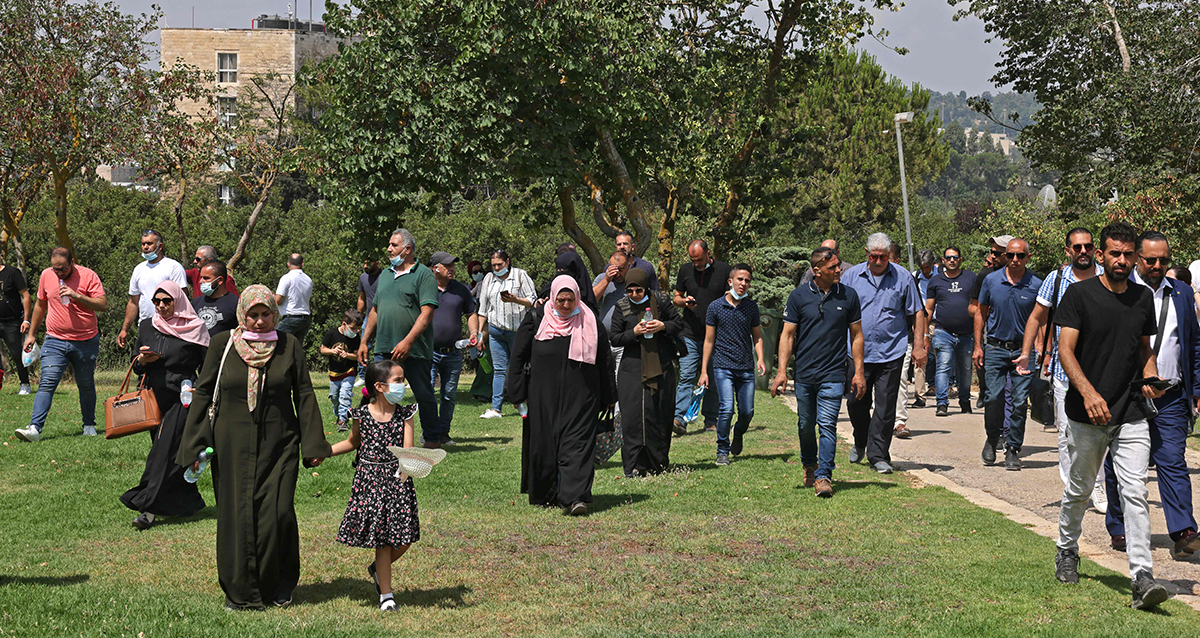
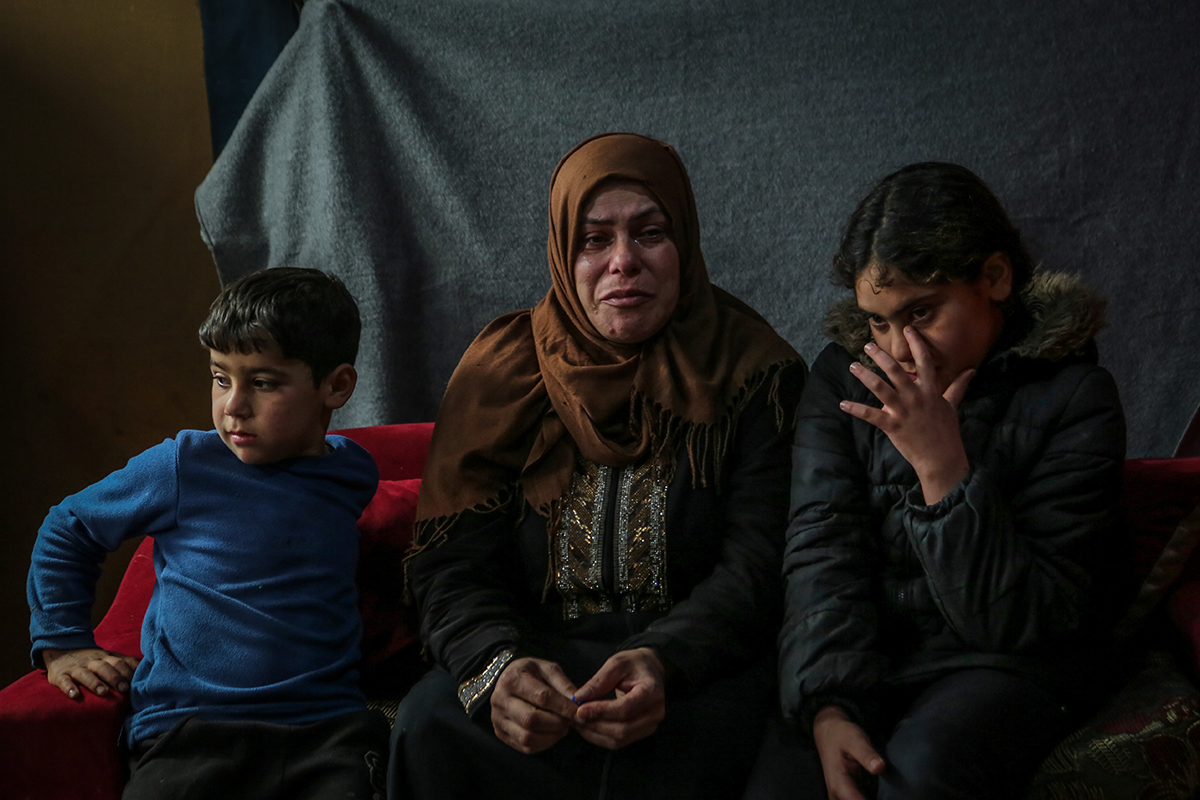
    Even as it pays lip service to a two-state solution, the international community—particularly the United States—has largely acquiesced to the Israeli-imposed status quo in Gaza and East Jerusalem by exempting both areas from the political and diplomatic process.

    May 14, 2021

    Iranian sanctions evasion and the Gulf’s complex oil trade
    Photo by Ali Mohammadi/Bloomberg via Getty Images
  • Analysis
  • Iranian sanctions evasion and the Gulf’s complex oil trade

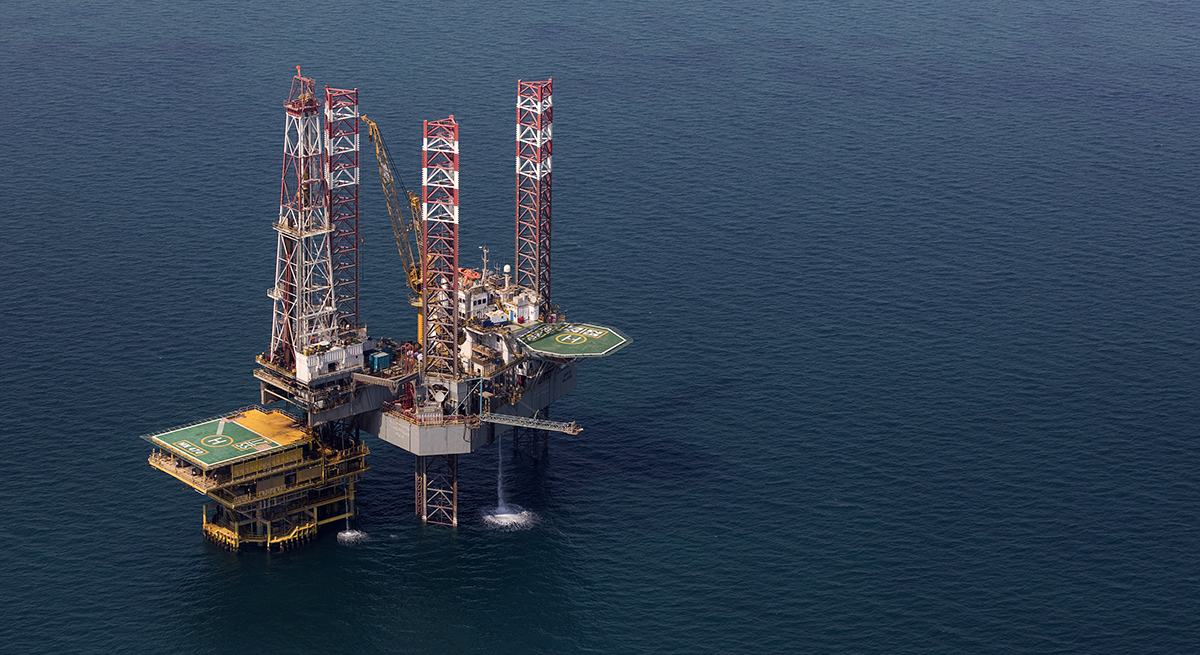
    Sanctions have had a devastating impact on Iran’s oil production and exports, preventing much-needed investment in the country’s ageing fields and barring it from legally exporting crude oil to global customers. Using a range of evasion tactics, however, Iran has succeeded in circumventing sanctions and maintaining a steady — albeit much lower — level of crude exports. The Gulf’s complex regional oil market has facilitated these tactics, providing the perfect environment for trade in oil that U.S. sanctions designate as illicit.

    May 11, 2021

    Once again, Iraq is at a crossroads
    Photo by Murtadha Al-Sudani/Anadolu Agency via Getty Images
  • Analysis
  • Once again, Iraq is at a crossroads

    Although it has been more than 18 months since Iraq’s October 2019 protests, many of the big questions raised remain unanswered, most of which revolve around the sustainability of the post-2003 political system and its ability to correct itself over time.

    May 3, 2021

    “Death by a thousand cuts”: Syrian refugees face dire conditions as Lebanon unravels
    Photo by Marwan Naamani/picture alliance via Getty Images
  • Analysis
  • “Death by a thousand cuts”: Syrian refugees face dire conditions as Lebanon unravels

    Syrian refugees in Lebanon are now in a state of legal limbo and have been pushed further to the margins of society and into the arms of smugglers and profiteers as they, along with most Lebanese, desperately try to survive in a country described by one of its own political leaders as a sinking ship.

    May 3, 2021

    The unfolding struggle for political survival in Lebanon
    Photo by Mahmut Geldi/Anadolu Agency via Getty Images
  • Analysis
  • The unfolding struggle for political survival in Lebanon

    Lebanon’s political leaders are getting deeper into trouble, and they know it. This does not make them any less dangerous. Recurring skirmishes over cabinet formation — namely those referencing constitutional powers, cabinet size, sectarian representation, and ministerial allocation — continue to dominate the public discourse and waste precious time. They remain, however, peripheral to the central issue that establishment parties currently face: an all-out struggle for political survival at a time when tough and unapologetic decisions need to be made.

    April 27, 2021

    Making sense of the Iran-China strategic agreement
    Photo by Pool/Iranian Presidency/Anadolu Agency/Getty Images
  • Analysis
  • Making sense of the Iran-China strategic agreement

    The 25-year agreement between Iran and China that made headlines this past month is far from new. It was first announced in 2016 during a state visit by President Xi Jinping to Tehran, at a time when sanctions on Iran were being lifted as part of the 2015 nuclear deal. Chinese and Iranian officials have been working out the details of the deal ever since as part of a slow process of consultation and negotiations. The timing of the latest announcement about the agreement is, therefore, less about developments in relations between Beijing and Tehran and more about the fast-deteriorating relations between Beijing and Washington. China is looking to identify areas where it can cultivate leverage, and Iran is a prime opportunity.