Reforms at the margin: How decentralized power generation could solve Lebanon's energy woes
For years, Lebanon has suffered from chronic electricity shortages, and repeated attempts to resolve the crisis have failed. None have been able to surmount the political impasse that blocks every reform effort in the country.
Two years after the start of Algeria’s popular uprising, the regime is far from stable
Abdelmadjid Tebboune’s rise to the presidency was supposed to bring a degree of predictability to Algeria’s military rulers. But since he was pronounced the winner of the presidential election in December 2019, the regime has entered a new phase of uncertainty. The COVID-19 pandemic, continued dissent, political volatility, and deepening economic malaise have affected the ruling oligarchy’s calculations. Two years after the start of Algeria’s popular uprising, known as the Hirak movement, the country is stuck in the same impasse it has faced since 2019.
Geo-technology trends to watch in MENA in the 2020s
Ongoing conflicts in Syria, Libya, and Yemen are expected to continue to destabilize the Middle East and North Africa (MENA) in 2021. However, technology will likely add another layer of complexity to these conflicts and reshape the region throughout the 2020s. When the Arab Spring began a decade ago, the biggest challenge facing long-standing Arab autocrats was grappling with the power of social media and the rise of online political opposition by tech-savvy millennial activists. In the 2020s, however, regional governments are now facing a new set of emerging technologies that will shape not only domestic politics but also regional geopolitical dynamics. These advancing technologies include: drone, cyber, and space technologies.
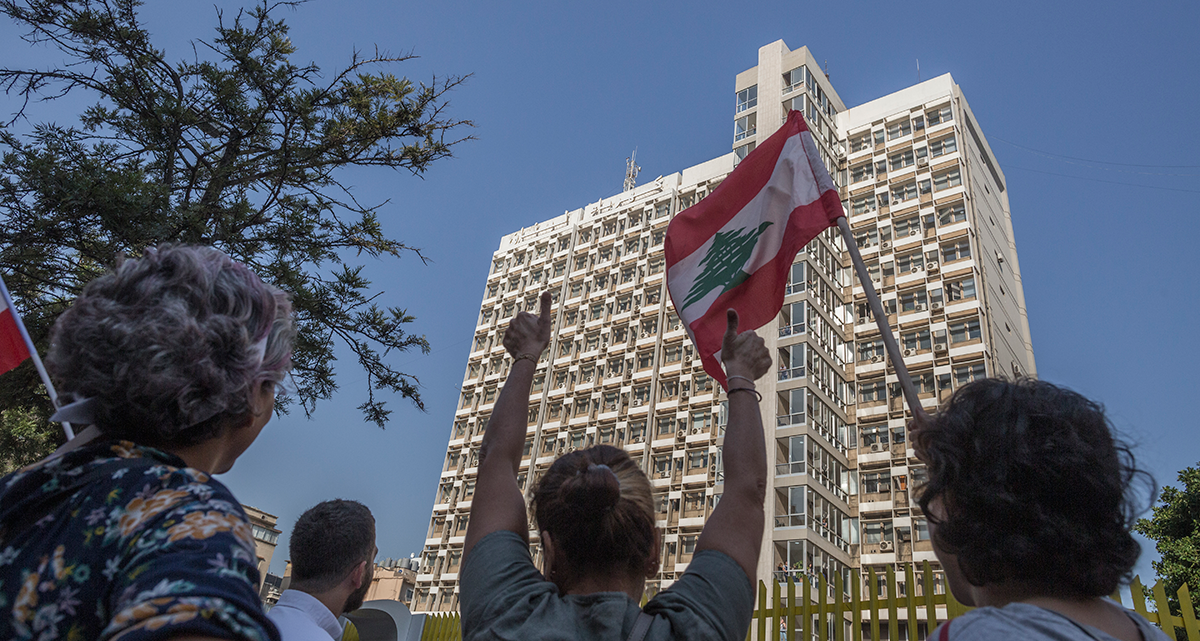
Lebanon and its citizens have endured many hardships in recent years. Two dimensions of Lebanon’s condition today are especially striking, however, and augur more difficult times ahead. First, Lebanon has become just another pauperized and increasingly militarized Arab country whose citizens rebel against state authorities. Simultaneously, the regional and international powers that once engaged in it for their own purposes seem less interested in saving it from its self-inflicted decline.
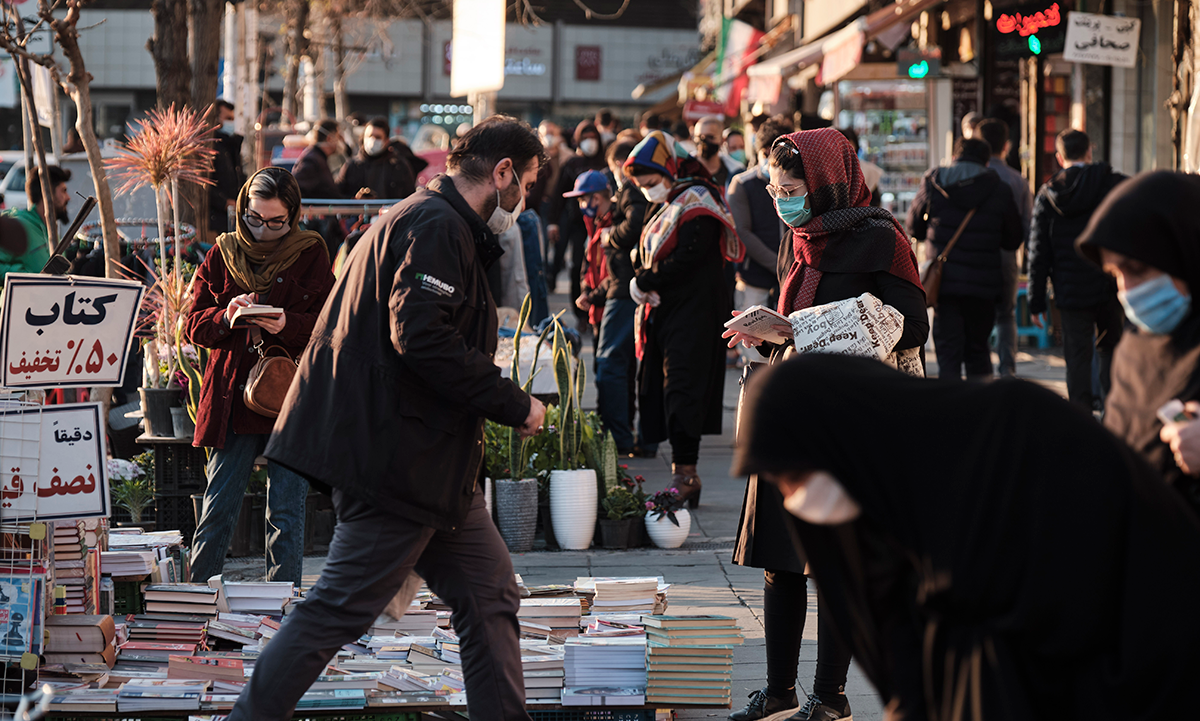
The news coming out of Iran does not paint a pretty picture of its economy. Economic mismanagement, widespread corruption, weak legal and institutional capacity, and unfavorable business regulations, alongside the unprecedented U.S. financial and economic sanctions and the coronavirus pandemic, have been choking the Iranian economy. However, with a population of 85 million, half under the age of 30 and highly educated, as well as a strategic location on the Persian Gulf and vast reserves of energy and other natural resources, including wind and solar energy, Iran’s economy has incredible potential waiting to be unlocked.
Iran-US negotiations 2021: No 2015 redux by the standards of the Iranian economy
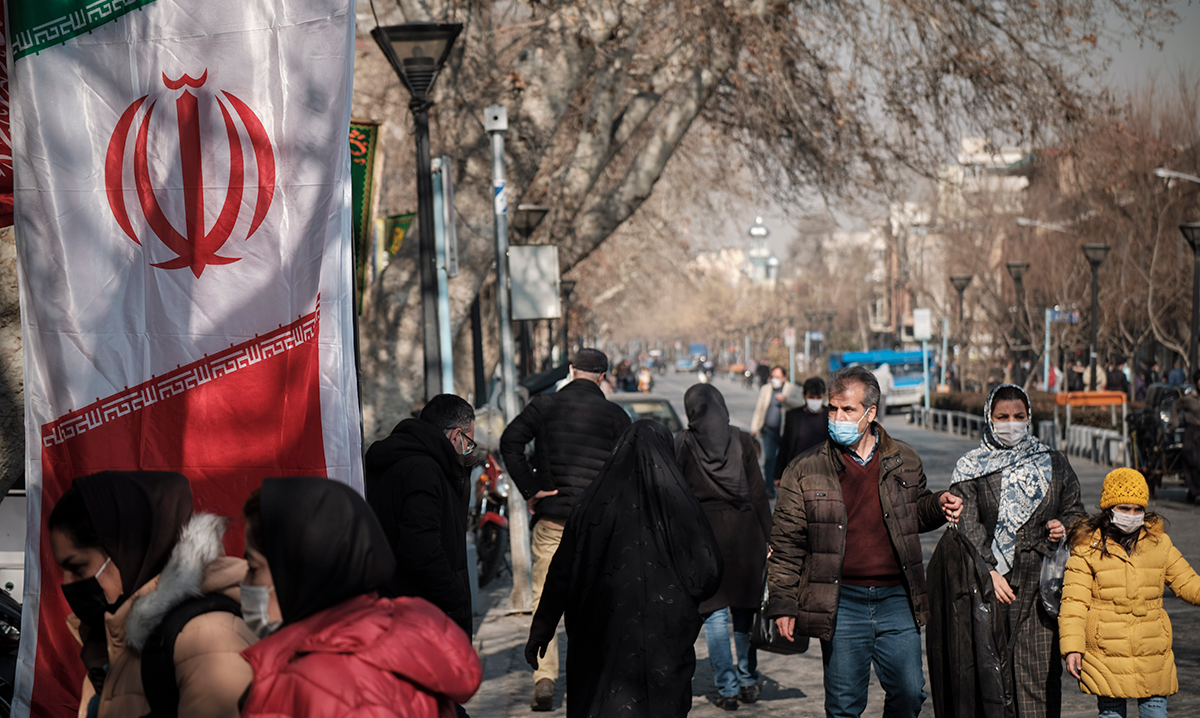
The core question for Iran watchers this year is the likelihood and nature of a renewed Iranian nuclear deal. However, the circumstances are very different and the respective bargaining power of the two sides does not mirror the negotiations in 2015. In particular, the macroeconomic backdrop is considerably worse today and the regime more desperate for sanctions relief than it seems.
The Turkey-Pakistan entente: Muslim middle powers align in Eurasia
In the 1950s, at the onset of the Cold War, Pakistan and Turkey were part of the Central Treaty Organization or CENTO, a pro-Western bloc of Muslim-majority states. Today, the two countries — both with troubled relations with the United States — are Muslim middle powers with a growing entente in a multipolar Eurasia. In recent years, cooperation between Pakistan and Turkey has strengthened not just in the defense, diplomatic, and economic realms, but also in the cultural space, causing geopolitical ripple effects in the Himalayas, the Arabian Peninsula, and the South Caucasus.
Houthi terrorist designation raises troubling questions for tech companies
One underrecognized aspect of Houthi operations that the recent FTO designation brings under scrutiny is their online presence. Ansar Allah maintains accounts on YouTube and Twitter, with 26,300 followers and 16,800 followers respectively. It also has an active group with over 22,000 participants on Telegram, an instant messaging service legally headquartered in London with servers in Dubai. The group even has its own official website.
The Biden administration and the Middle East: Four-year policy goals
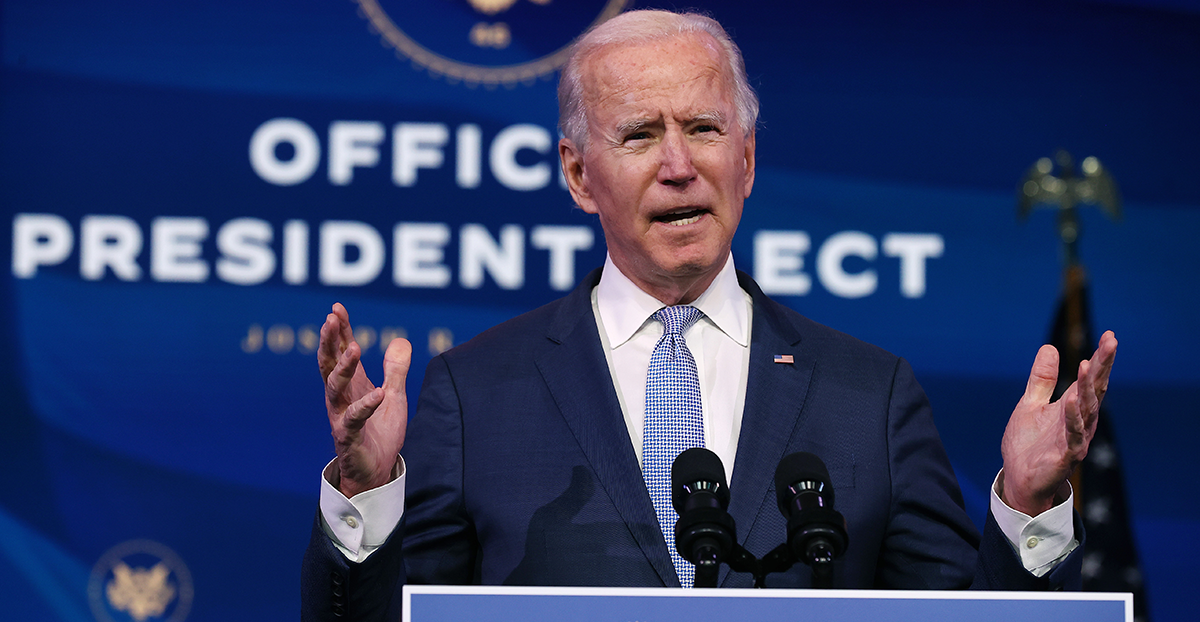
The Biden administration will face a number of major challenges in the Middle East over the next four years, from great power competition and climate change to cybersecurity and refugees and migration. But what realistically can it achieve in that time on the policy front? To better understand what’s possible, we asked 10 experts from across MEI to weigh in with their thoughts.
New ways of fighting state-sponsored COVID disinformation
Keeping up with and making sense of the flood of information about the COVID-19 pandemic is a challenge. It doesn’t help that much of that information is misleading, often by design. The “infodemic” surrounding the coronavirus, described as such by the World Health Organization (WHO) as early as February 2020, “spreads faster and more easily than the virus” itself. A recent joint statement by WHO, UN, UNICEF, UNDP, UNESCO, UNAIDS, ITU, UN Global Pulse, and IFRC noted grave consequences. It is “undermining the public health response and advancing alternative agendas of groups [and] individuals,” in ways that “cost lives … and threaten long-term prospects for advancing democracy, human rights, and social cohesion.”
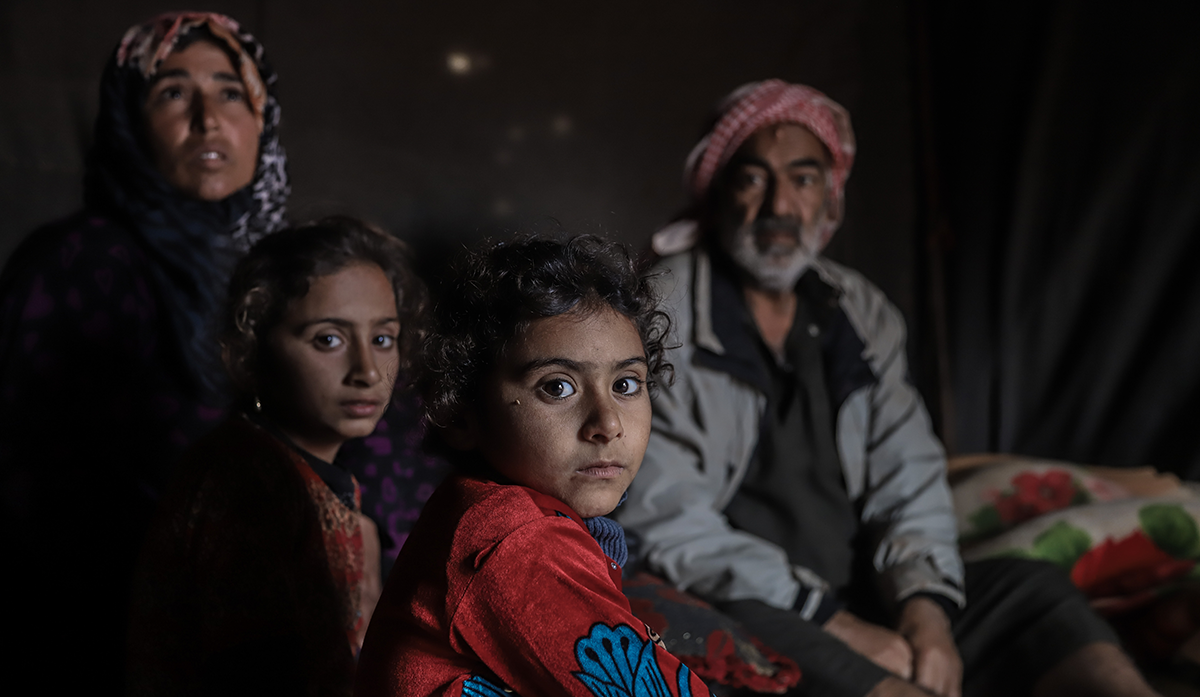
In two months’ time, Syria’s crisis will turn 10 years old — a grim milestone for what has been the most deadly and destructive civil conflict in recent history.
In the Middle East, cyber sovereignty hampers economic diversification
Rapid and unprecedented transformation in the Middle East, whether political, social, or technological, is forcing governments to reckon with enormous changes. Many governments are responding by attempting to pursue two contradictory paths forward — cyber sovereignty and digital transformation — and they might end up not achieving either.