US sanctions hurt Syrian civilians — they need to be worth it
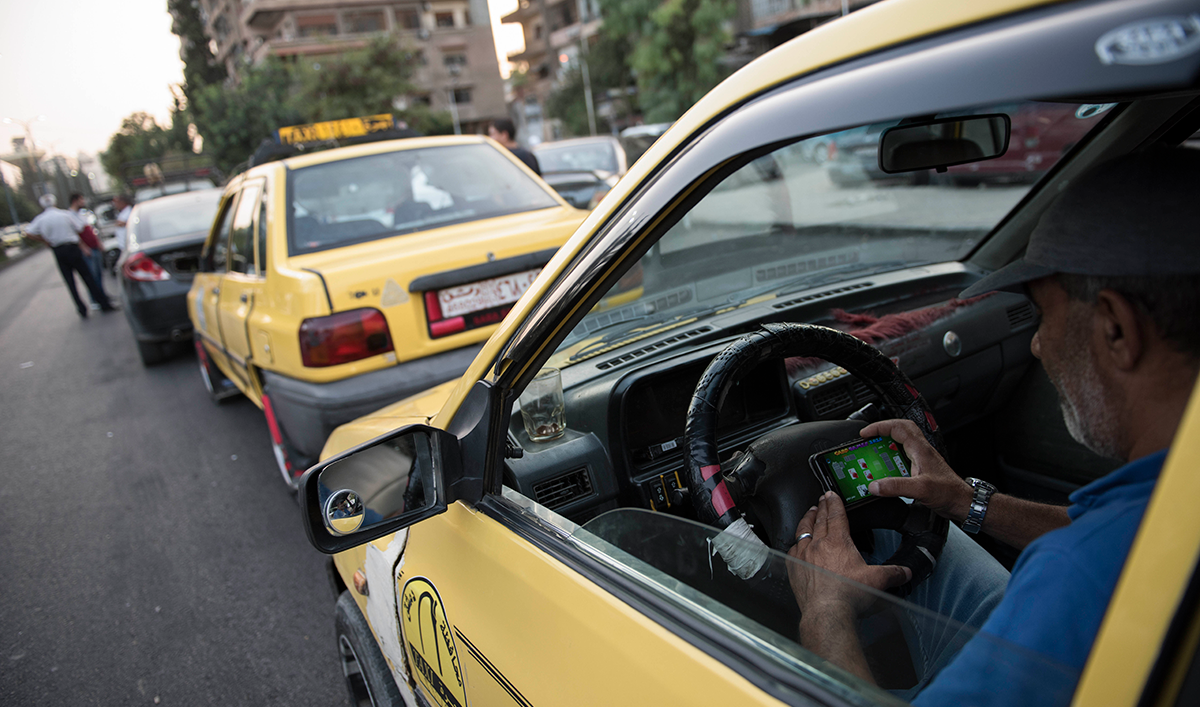
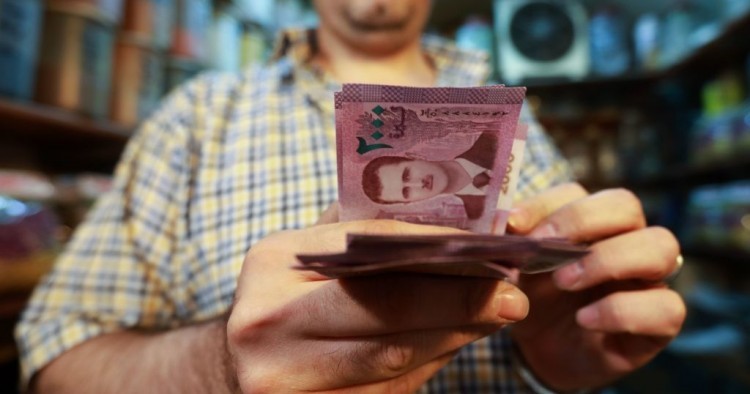
On June 17, 2020, the U.S. State Department’s special envoy to Syria, Joel Rayburn, announced the beginning of the “summer of Caesar,” promising a wave of sanctions designations under the newly activated Caesar Syria Civilian Protection Act. Summer has come and gone, but there’s little to show for it.
How are Russia and China responding to the Caesar Act?
The Caesar Civilian Protection Act sanctions on Syria, which were signed into law by U.S. President Donald Trump in December and took effect on June 17, have polarized the international community. Most European countries have supported the Caesar Act’s use of sanctions to punish Syrian President Bashar al-Assad for war crimes, but Russia and China have stridently criticized the legislation.
Regional transit trade isn’t enough to drive Pakistan’s Gwadar Port
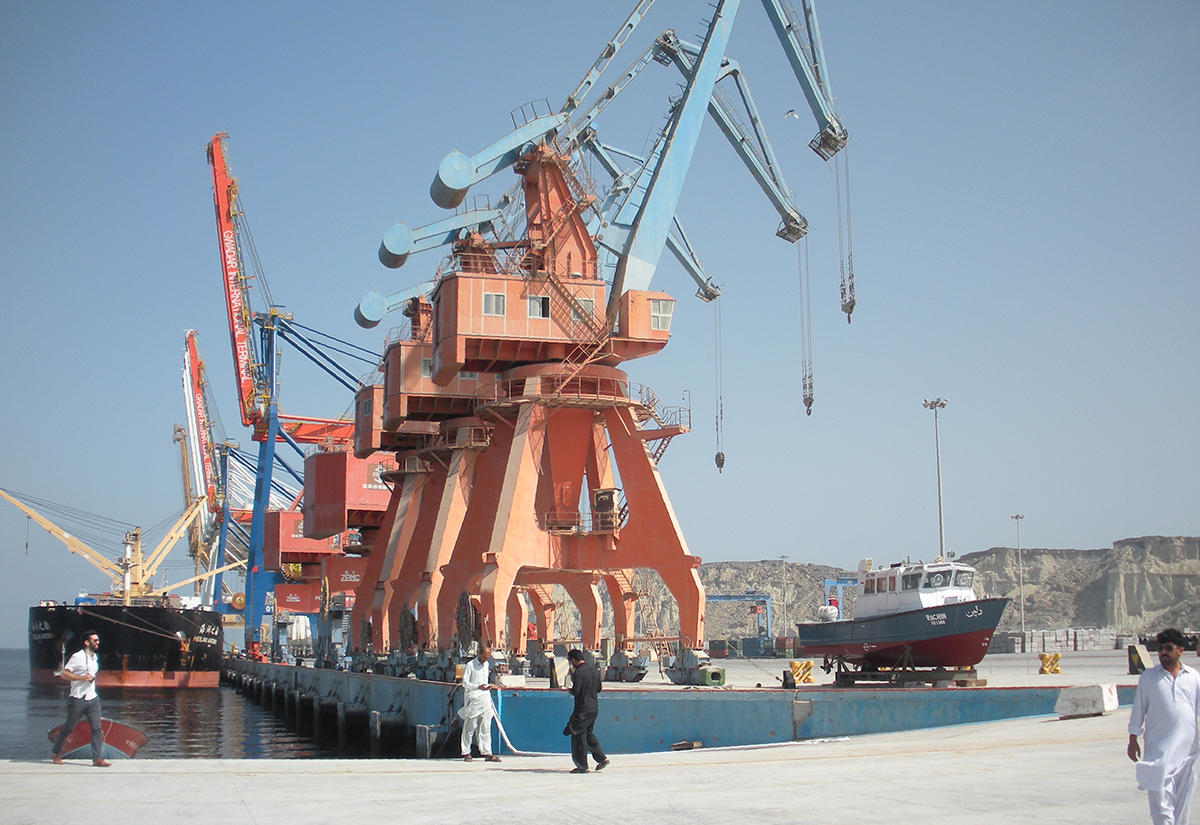
Landlocked Afghanistan has begun using the Chinese-operated Pakistani port of Gwadar for transit trade — a development Pakistani officials see as marking the start of Gwadar’s role as a gateway port through the China-Pakistan Economic Corridor. Pakistan’s hope to develop the Arabian Sea port into a gateway for Afghanistan, Central Asia, and China’s Xinjiang region has been a long-standing one — and it is misguided. Islamabad should instead focus on local drivers to build the port and use it as a vehicle to develop the impoverished, but resource-rich region of southern Balochistan.
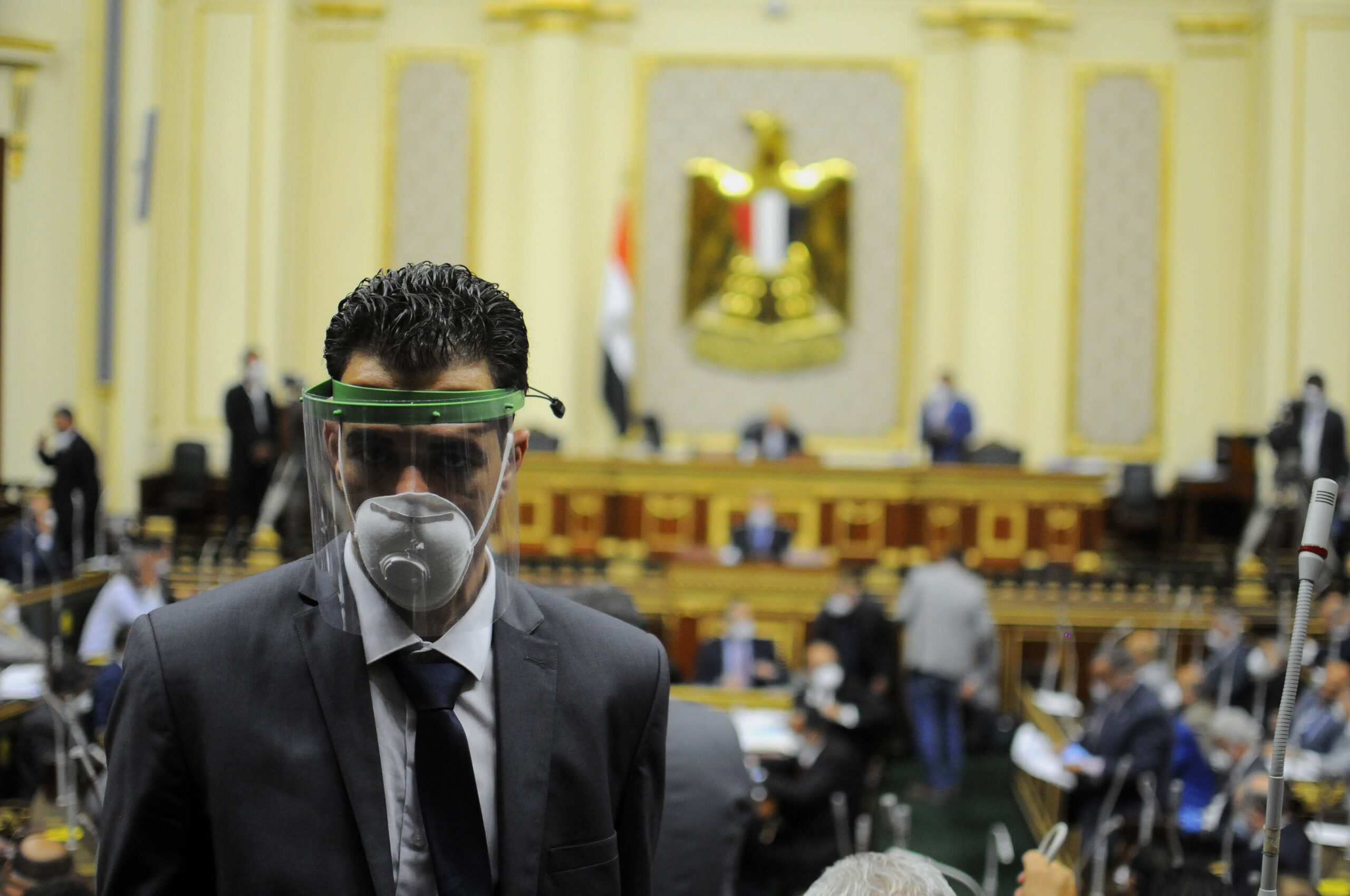
Egypt is not alone in having been knocked into a pit by the fallout from the COVID-19 pandemic, but it will have to dig itself out on its own. However, if Egypt is going to do so, it needs to rethink its approach to development, starting with looking for the silver lining to the pandemic. Is it possible to address existing issues that have been brought home by the exceptional circumstances? In this report, contributors dissect the weaknesses that make Egypt particularly vulnerable to external threats and examine ways in which to address these vulnerabilities and shore up the economy and the business and developmental environment.
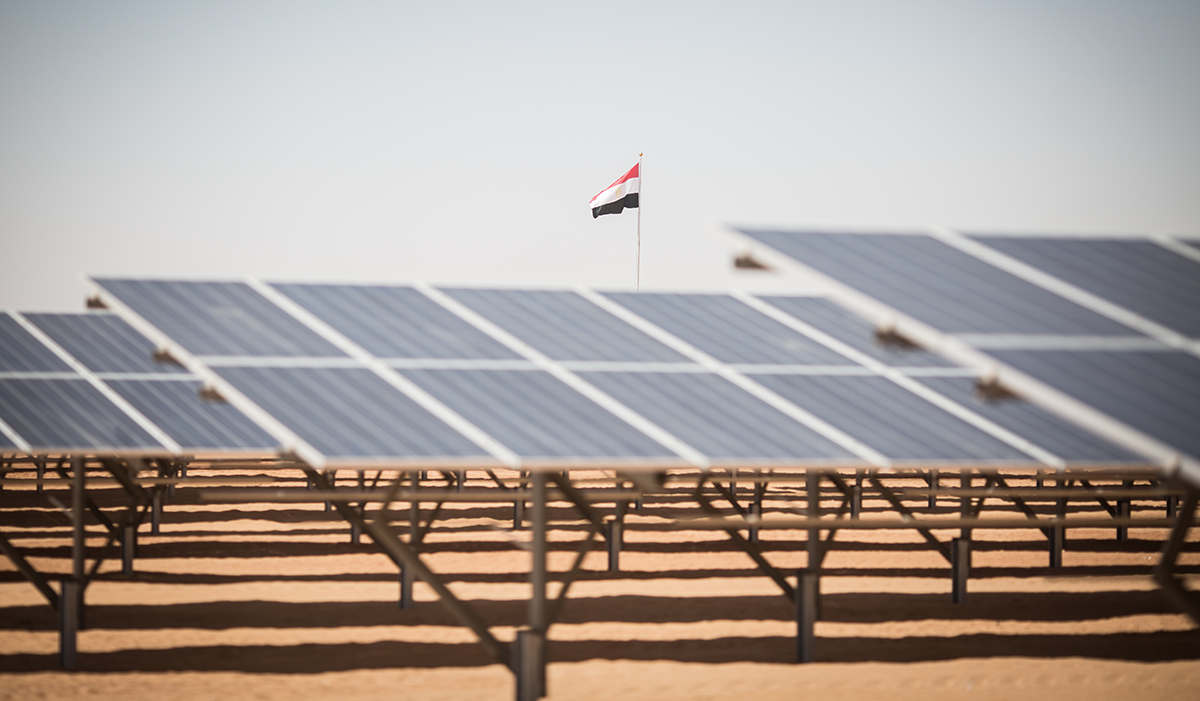
With its successful turnaround, strategic location, and extensive infrastructure, Egypt is repositioning itself as a regional energy hub for not only Europe and the Middle East, but also for Africa. It is useful to reflect on the successful transformation of Egypt’s energy sector while also evaluating where the sector stands today and how it will react to the twin challenges of the COVID-19 global pandemic and the oil price shock.
Using digital tools, the IRGC strengthens its grip on power in Iran
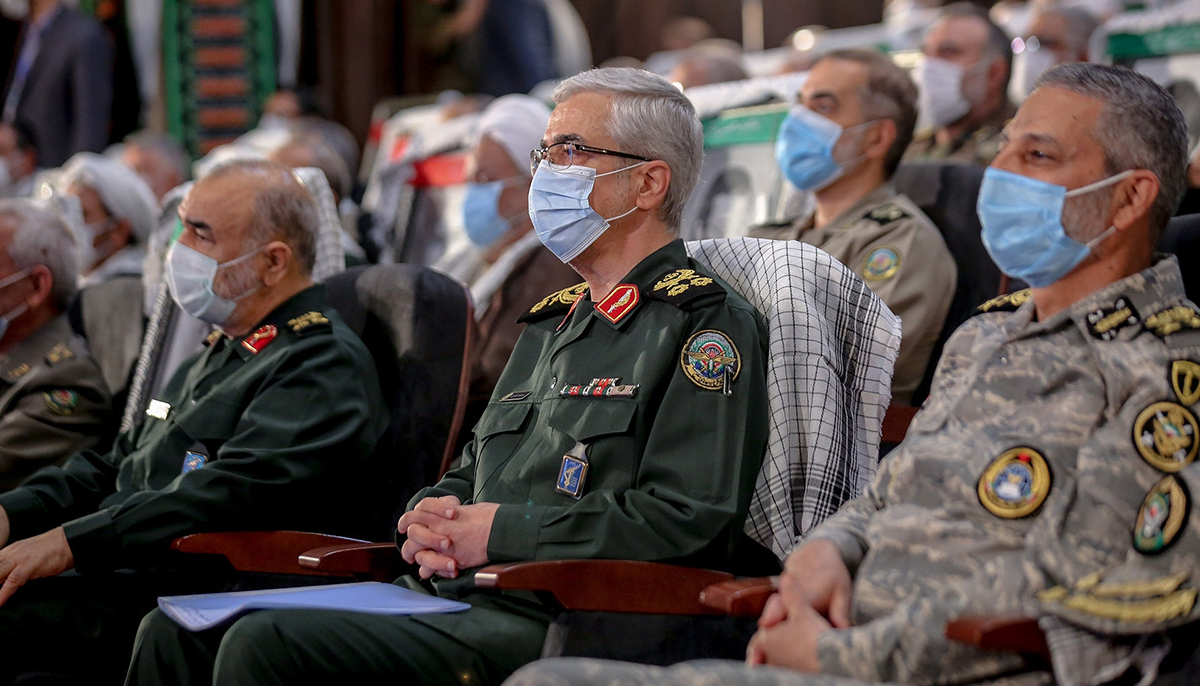
Over the past decade, Iran has made a concerted push to expand its cyber capabilities, an effort in which the IRGC has played a central role. Given the IRGC’s expansive and growing power, scholars, analysts, and many Iran watchers have long thought that at some point it could take over control in Iran, replacing the theocratic government with a military one. As Iran approaches an inflection point over the issue of succession after Ayatollah Khamenei, that day could be coming soon, and the IRGC is well placed to bring about such a transition given the hybrid mix of physical and cyber capabilities that it has developed and perfected over recent decades.
Monday Briefing: Will Russia and Turkey face off over Nagorno-Karabakh?
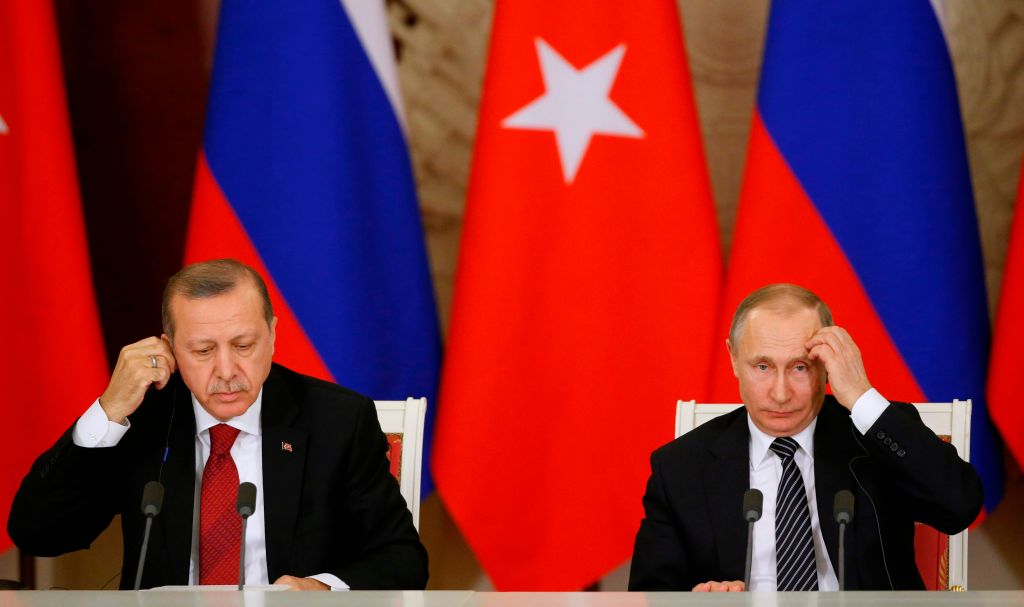
This week’s briefing on recent news and upcoming events in the region featuring Maxim A. Suchkov, Ibrahim Jalal, Eliza Campbell, Alex Vatanka, and Marvin G. Weinbaum.
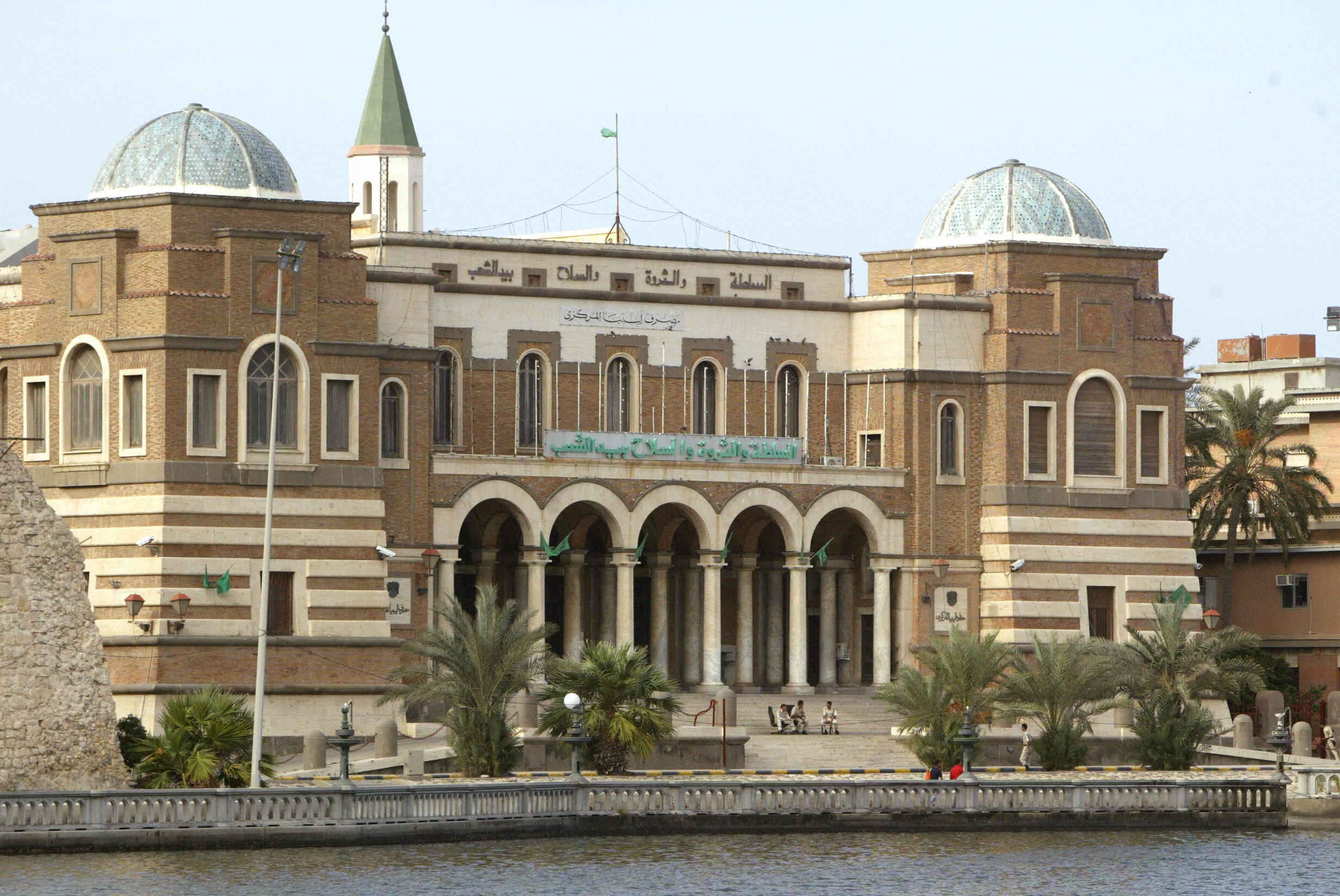
An International Financial Commission is Libya’s Last Hope
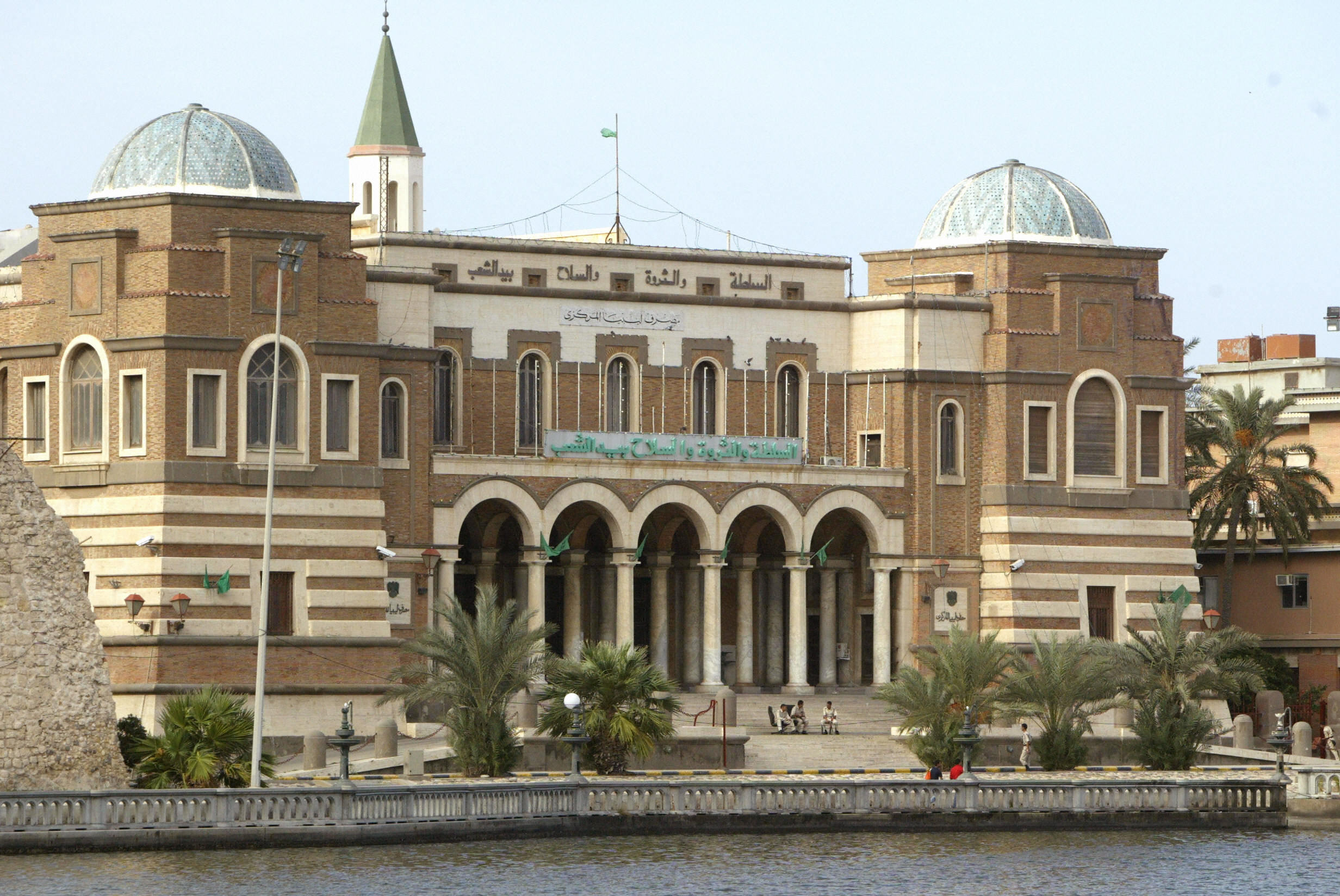
For the last five years, the international community has tried a range of different approaches to mediating the Libyan civil war. All have failed. Most nations not actively fueling the war with weapons, money, training, and mercenaries now see that halting these destructive flows is critical to bringing the rival militias to the negotiating table. However, this will not be enough to solve the conflict. Once militias are cut off from external sources of support, the core economic issues that gave rise to the conflict will still remain. Only a new approach empowering Libyan economic reformers and reworking the economic system can fix the dysfunction. To achieve this, international actors need to facilitate the establishment of a Libyan-led International Financial Commission with the authority to restructure the economy.
Economic transparency and structural reform remain Libya’s last hope
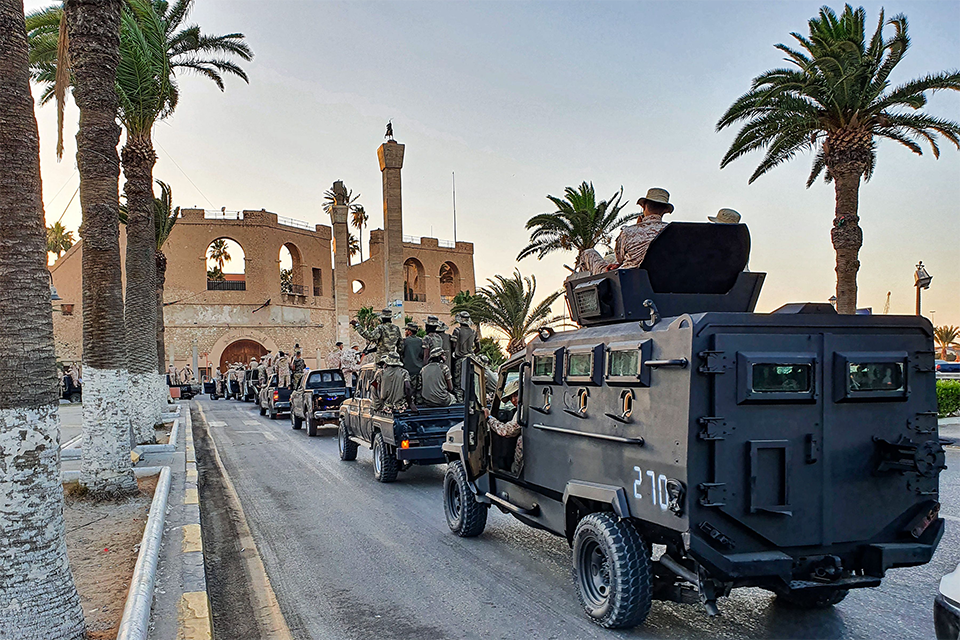
Since 2011 Libya’s seemingly endless Wars of Post-Gadhafi Succession have not fundamentally been fought over the control of territory, but rather over the control of economic institutions, patronage networks, and the amorphous optics of legitimacy and international support. The most recent battle, the 2019-20 “War for Tripoli,” was about gaining access to the fonts of both legitimate and corrupt enrichment: letters of credit, smuggling networks, subsidized petrol, and control of those myriad institutions to which Libya’s sui generis economic system grants the ability to exert de facto fiscal, financial, and legal power. Therefore, although Hifter and his allies have been wholesale evicted from western Libya, the grievances they highlighted, preyed upon, and took advantage of remain unchanged.
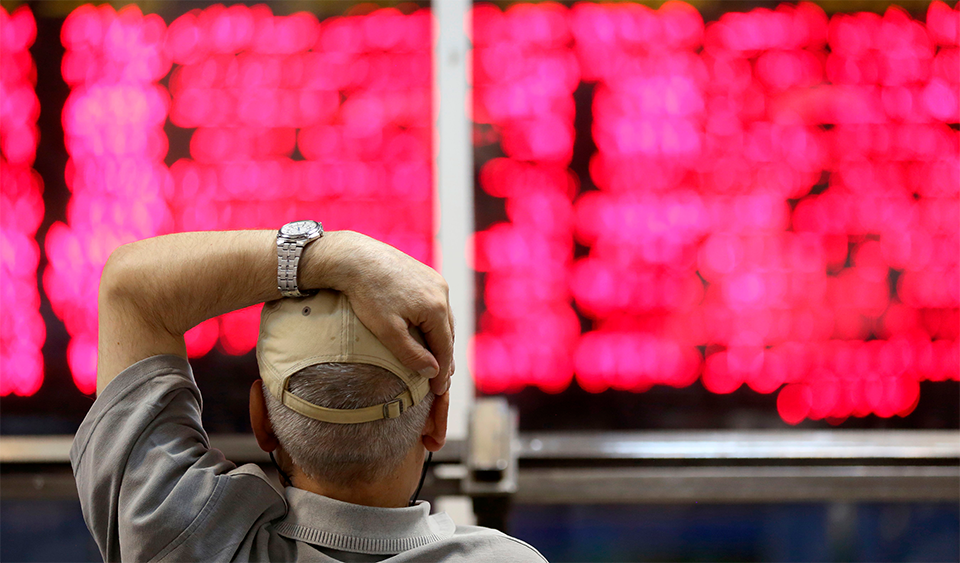
Following the outbreak of the COVID-19 pandemic, the Tehran Stock Exchange (TSE) took a different path than the rest of the financial world. As markets around the globe plunged, the TSE soared to new heights. There has been a recent reversal, however, with the index falling sharply from its peak in early August and losing around 20 percent of its value over the course of a month. The story of the TSE is about the extreme measures a desperate government is willing to take to make ends meet.
Election 2020: Challenges and Opportunities for US Policy in the Middle East
In a new briefing book released ahead of the U.S. elections in November, entitled Election 2020: Challenges and Opportunities for US Policy in the Middle East, MEI scholars lay out key issues across the region, highlight the U.S. interests at stake, and provide policy insights and recommendations for the path forward.
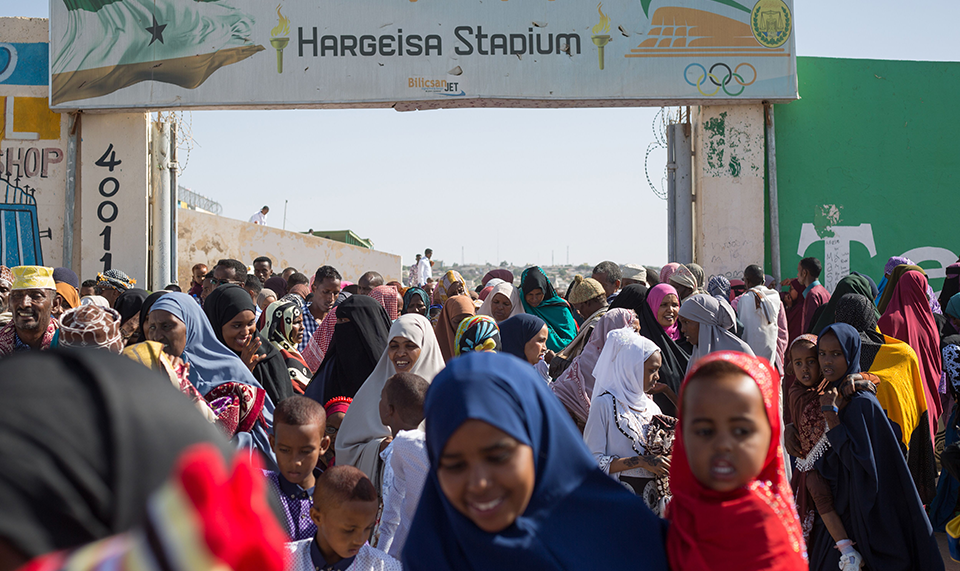
Taiwan should implement the “Economic Miracle” model in Somaliland to win Africa’s goodwill
Countries in the Horn of Africa can draw lessons from the Taiwanese because they are themselves attempting to make the same political transition Taiwan did, but have not yet achieved the needed reforms such as ensuring good governance, eradicating corruption, and developing economic self-reliance to reduce dependency on aid. Taiwan may not have the financial resources to win against the PRC’s checkbook-driven One-China policy in Africa, but it could overcome that disadvantage by convincing African nations that it can help them replicate the sustainable growth model of the “Taiwan Economic Miracle.” Taiwan’s recent diplomatic overtures in Somaliland seem like a step in that direction and could be a game-changer, not only for the Horn of Africa but for the continent as a whole.
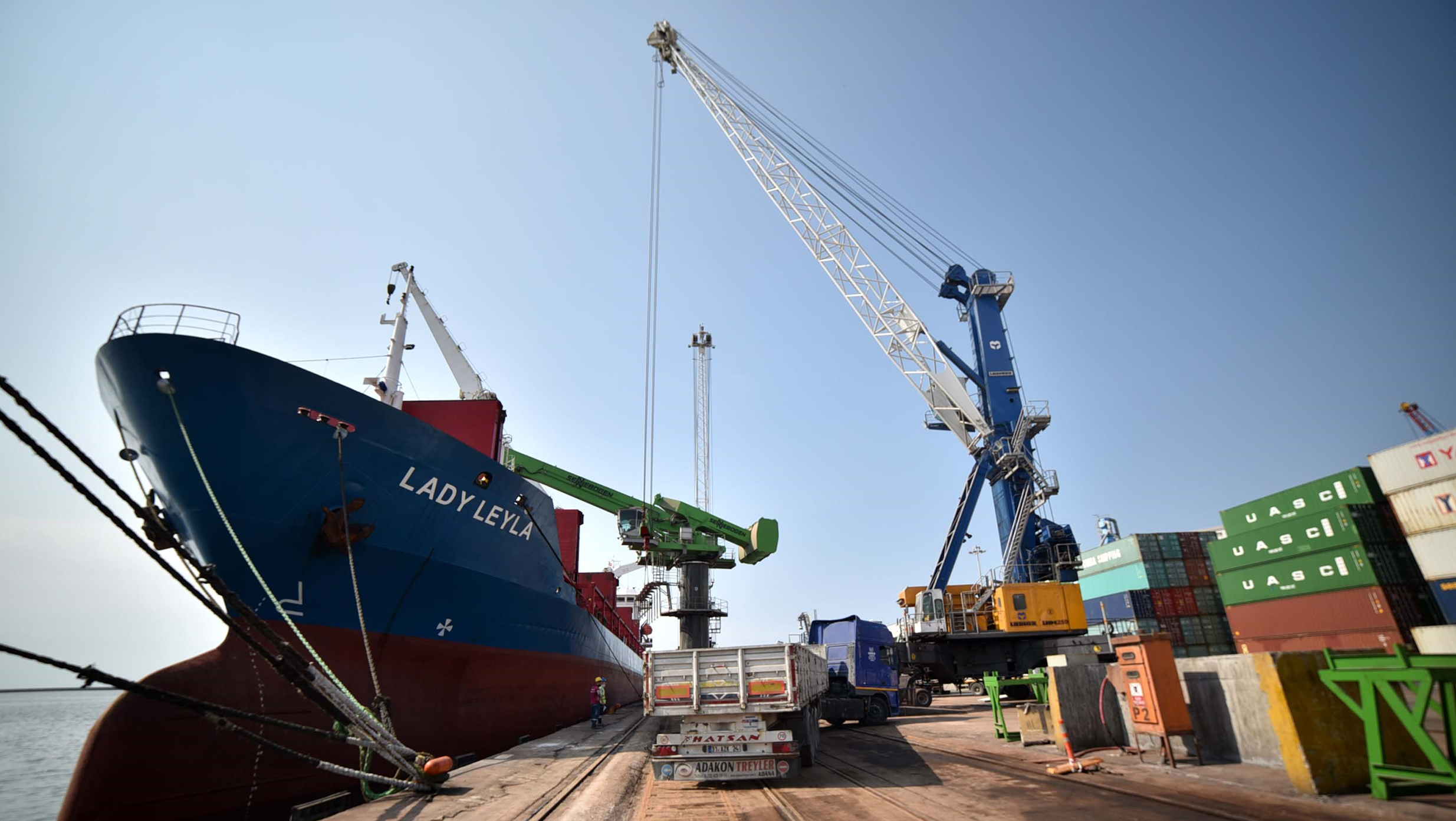
From port to port: Both Lebanon and Turkey would benefit from greater shipping connectivity
Following the devastating explosion that rocked Beirut on Aug. 4, one of the first foreign state dignitaries to visit Lebanon to pledge support was Turkish Vice President Fuat Oktay. Oktay said that not only would Turkey help to rebuild the damaged port and the surrounding buildings, but it could also provide temporary support in the form of linking Turkey’s largest Mediterranean port, Mersin International Port, with the Port of Beirut.
The U.S.-China rivalry is in uncharted territory. There is no clearer example of this than the U.S.’s intensifying and increasingly global fight with Chinese company Huawei over the security of 5G.