Skip to Content

Research & Commentary Results

Filter by
1009 Results
Egypt's Nile strategy
Photo by SELMAN ELOTEFY/AFP via Getty Images
  • Analysis
  • Egypt's Nile strategy

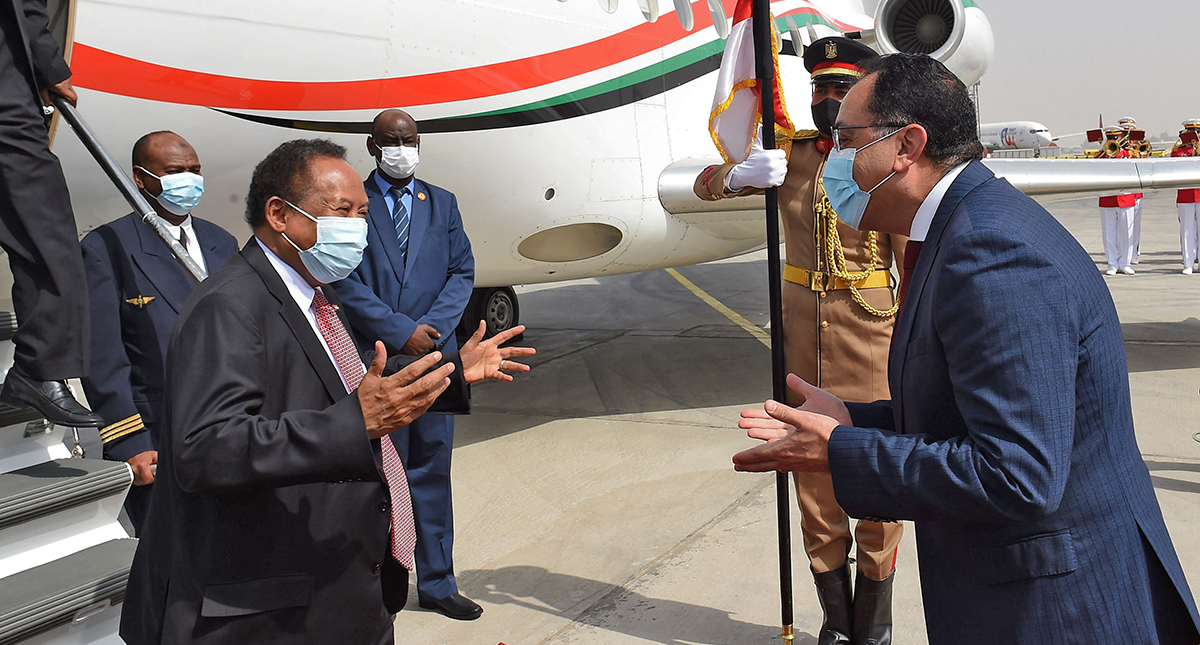
    Egypt, Ethiopia, and Sudan are caught in a dangerous deadlock over the Nile River and despite what the international community seems to think, the risk of military confrontation among the three nations is not at all far-fetched. Addis Ababa began the second phase of filling the reservoir behind its giant Grand Ethiopian Renaissance Dam (GERD) in early May without an agreement with the riparian nations — Egypt and Sudan. However, much has changed over the past year and the second filling has played out rather differently from the first last July. In the intervening months Egypt has ramped up its diplomatic outreach and emerged as an influential player in the Nile Basin, the Horn of Africa, and East and Central Africa. Cairo succeeded in forging strategic alignment with Khartoum to exert diplomatic pressure on Addis Ababa, forming webs of alliances with different regional powers across East and Central Africa and the Horn of Africa to project power and influence, and exerting geopolitical forward pressure on Ethiopia in parallel with the diplomatic track to solve the GERD dispute. 
    Canal Istanbul: Don’t believe the hype
    Photo by BULENT KILIC/AFP via Getty Images
  • Analysis
  • Canal Istanbul: Don’t believe the hype

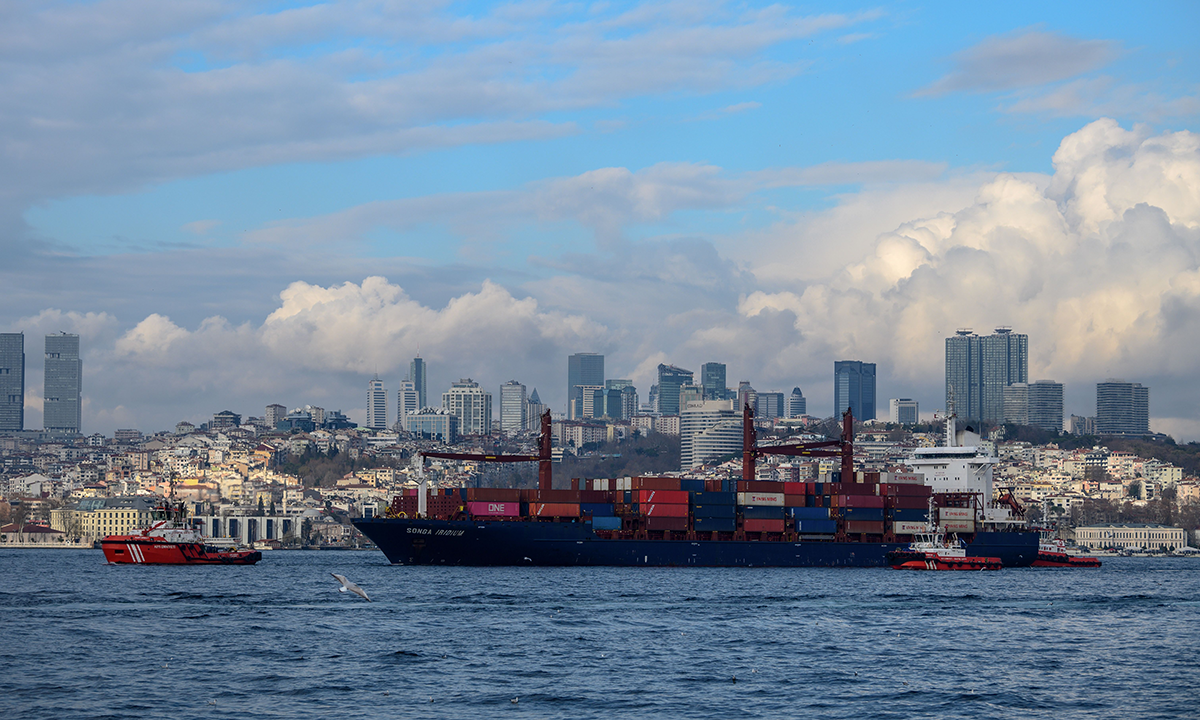
    The Turkish government recently confirmed that the country has approved development plans to carve a new passage between the Black Sea and the Sea of Marmara. Cutting through forests and farmland, the new Canal Istanbul would run parallel to the Bosphorus for a total of 45 km (28 miles) with a depth of 20.75 meters (68 feet) and a width of 275-350 meters (900 to 1150 feet). Ground-breaking for the first bridge over the proposed canal is scheduled to take place on June 26. However, this will be a ceremony for domestic political consumption and by no means indicates that construction is really starting. Financing the massive project might prove impossible due to the environmental concerns and investment risks hanging over it.

    June 25, 2021

    Black Sea Security: Priorities for the US-Georgia Partnership Under President Biden
  • Analysis
  • Black Sea Security: Priorities for the US-Georgia Partnership Under President Biden

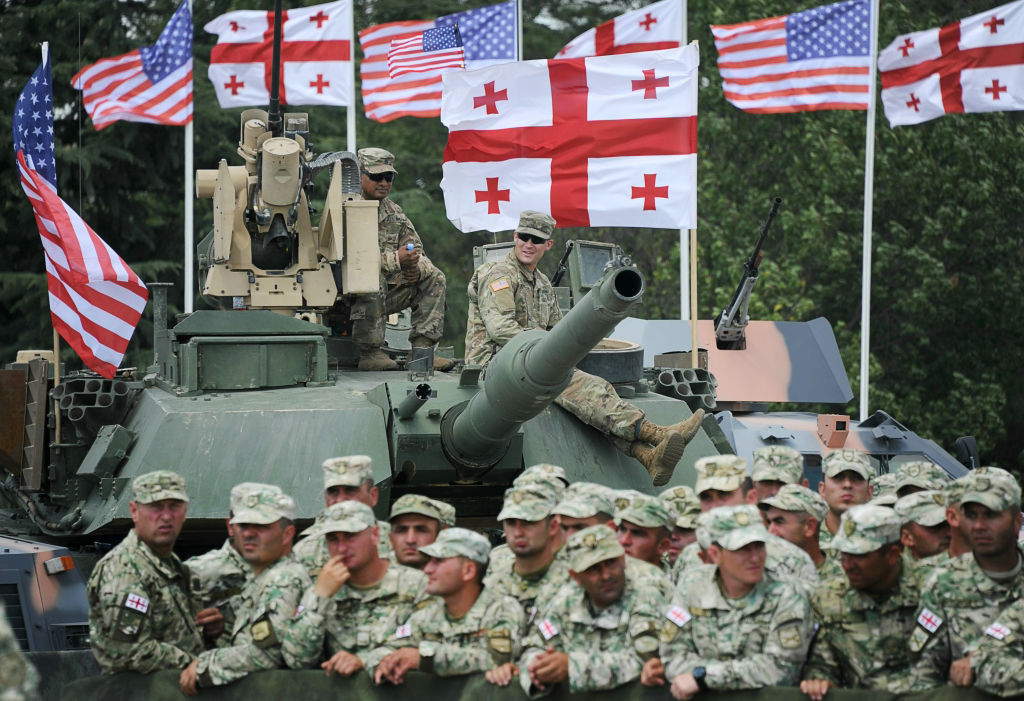
    Tbilisi and Washington have in recent years built a strong strategic partnership. Yet, a myriad of threats imposed by Russia on Georgia and the Black Sea region – including a continued “borderization” policy, modernization of the Black Sea Fleet, and attempts to transform the Black Sea into an Anti-Access/Area Denial (A2/AD) zone – call for a review of U.S. policy toward Georgia and the wider Black Sea region.

    June 24, 2021

    Games without Frontiers: Renegotiating the Boundaries of Power in Iraqi Kurdistan
  • Analysis
  • Games without Frontiers: Renegotiating the Boundaries of Power in Iraqi Kurdistan

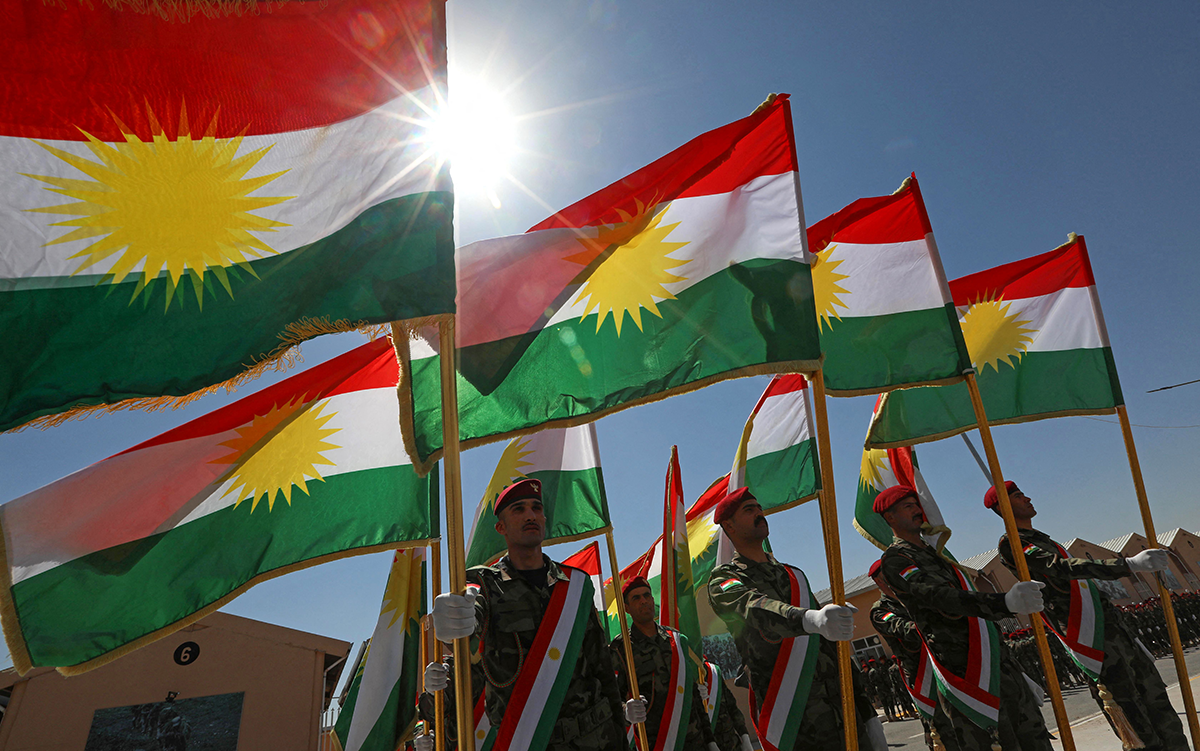
    Over the past year, intensifying political and economic conflicts between the Kurdistan Region’s two hegemonic parties, the Kurdistan Democratic Party and the Patriotic Union of Kurdistan, have challenged the legal and institutional order in which the Kurdistan Regional Government operates. A new generation of leadership within the parties, a fraught relationship with the federal government, and a prolonged economic crisis have strained the relationship between the two parties to its breaking point.

    June 23, 2021

    Could climate risk insurance reduce the cost of climate change adaptation in the Middle East?
    Photo by FADEL SENNA/AFP via Getty Images
  • Analysis
  • Could climate risk insurance reduce the cost of climate change adaptation in the Middle East?

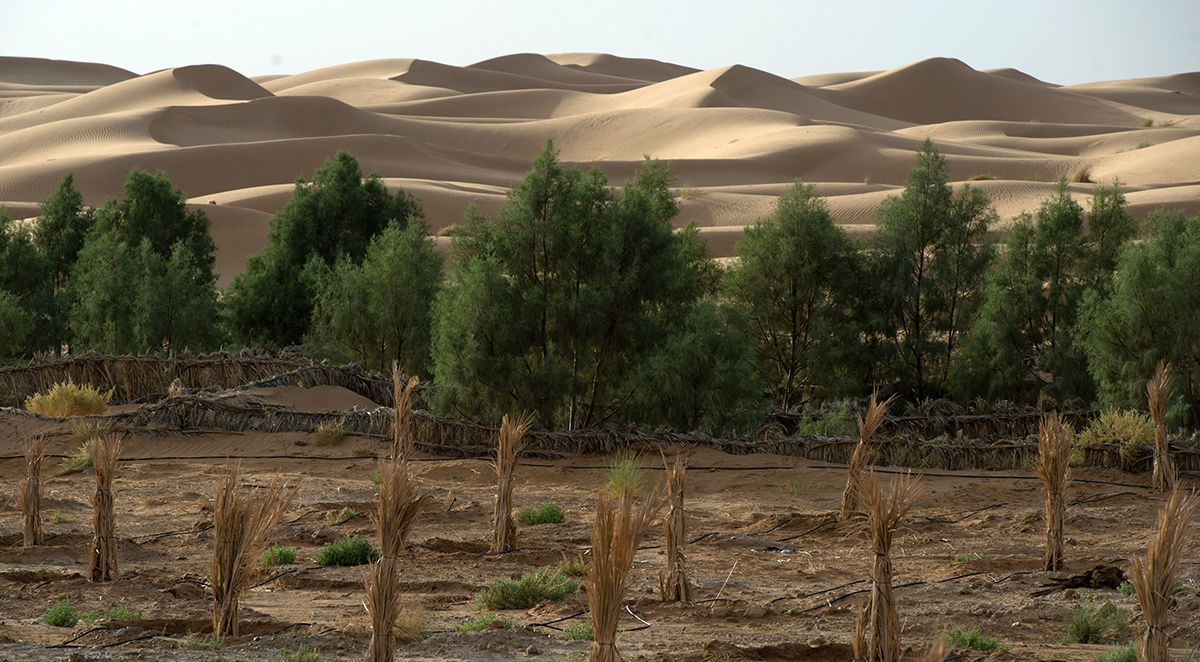
    As one of the hottest and driest spots globally, the Middle East region faces some of the worst impacts of climate change. Many of these events have not only been socially and politically devastating but have also resulted in huge financial losses for countries already experiencing economic insecurity. Countries in MENA have found themselves increasingly exposed to extreme weather events and natural disasters, which have affected more than 40 million people and cost more than $20 billion over the past 30 years, according to the World Bank. During the last five years alone, 120 disasters were recorded in the region, resulting in an average of $1 billion annually in damages and losses.

    June 23, 2021

    The Economics of Hayat Tahrir al-Sham
    Photo by Anas Alkharboutli/picture alliance via Getty Images
  • Analysis
  • The Economics of Hayat Tahrir al-Sham

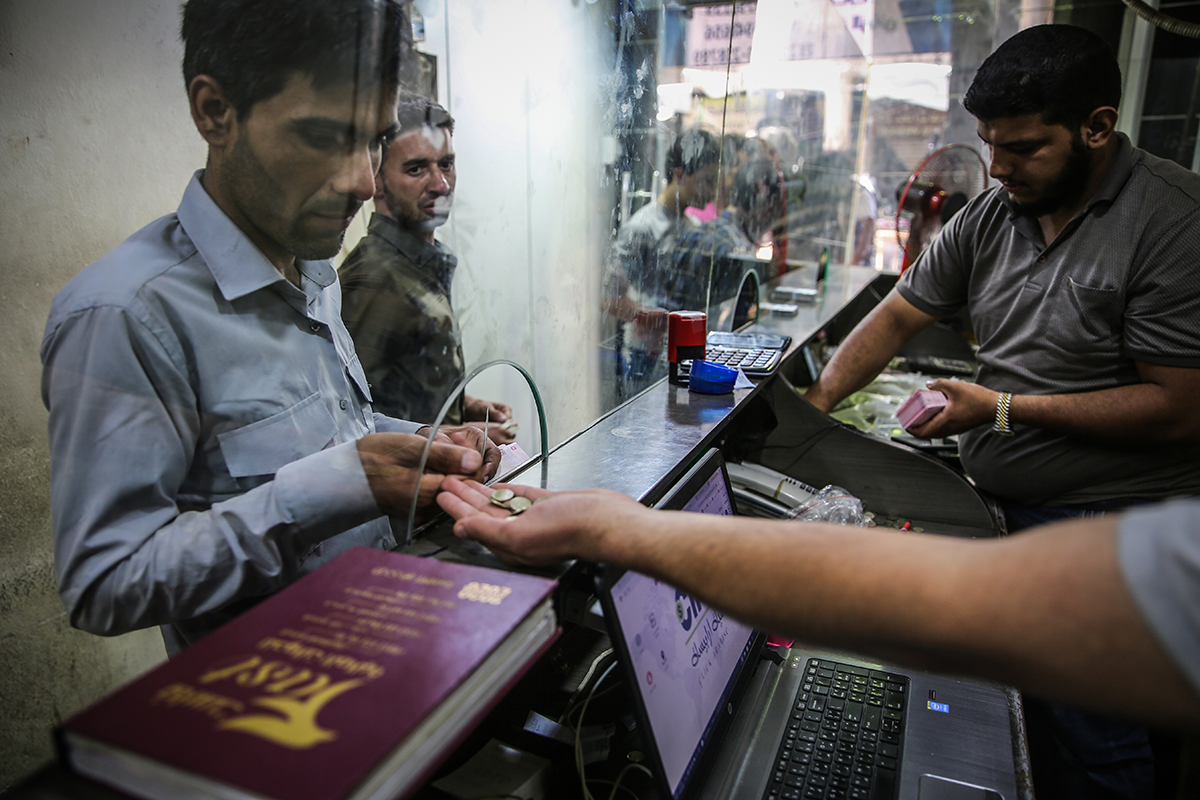
    Over the past four years, Hay’at Tahrir al-Sham (HTS) has tried to transform itself from a faction of the Global Jihad movement into the de facto local military and governing power in north-west (NW) Syria. This shift requires the group to seek sources of funding other than al-Qaeda and its donors; consequently, HTS has undertaken a slow but steady takeover of the economy in NW Syria, from financial services and oil and gas to internet and telecommunications. This paper lays out how that process has taken place and provides a detailed look at the economics of HTS.

    June 21, 2021

    It's Now or Never: Lebanon Policy Conference Key Takeaways
  • Analysis
  • It's Now or Never: Lebanon Policy Conference Key Takeaways

    Over the course of two weeks in May and June, the Middle East Institute hosted its inaugural Lebanon policy conference in collaboration with the American Task Force on Lebanon (ATFL) and LIFE. This series of events brought together leading diplomats, policymakers, economists, development practitioners, and think tank professionals from the U.S., Europe, the Middle East, and Lebanon to discuss the urgency and viable paths forward for the country’s political, financial, and humanitarian crises.

    June 15, 2021

    The EU in the Black Sea is absent, but highly desired
  • Analysis
  • The EU in the Black Sea is absent, but highly desired

    The Memorandum of Understanding signed recently by Georgia, Moldova, and Ukraine on enhanced cooperation toward European Union (EU) membership highlights both progress and overall shortcomings of the EU’s Eastern policy. Despite the Union enlarging to the East in 2004 and 2007 – and the fact that Russian aggression has long been felt on EU territory – the bloc’s Eastern policy still does not reflect realities on the ground. However, the recent buildup of Russian military in Ukraine, as well as the deployment of Russian ‘peacekeepers’ in Nagorno-Karabakh, has created momentum for an urgently needed rethink of the Union’s Eastern neighborhood policy.

    Black Sea security: Is COVID-19 a window of opportunity for Ukraine?
  • Analysis
  • Black Sea security: Is COVID-19 a window of opportunity for Ukraine?

    The Black Sea region is currently managing military pressure from Russia, the economic influence of China, and soft power efforts of the West, making it a stage for power competition. With COVID-19 exacerbating Ukraine’s political weaknesses and economic vulnerabilities, Russia and China are increasingly adopting a united front in the Black Sea. Such geopolitical changes in power distribution require more active presence and involvement of the U.S. in the Black Sea.

    June 9, 2021

    Tehran and Moscow: Alignment and Divergence in the Caspian
  • Analysis
  • Tehran and Moscow: Alignment and Divergence in the Caspian

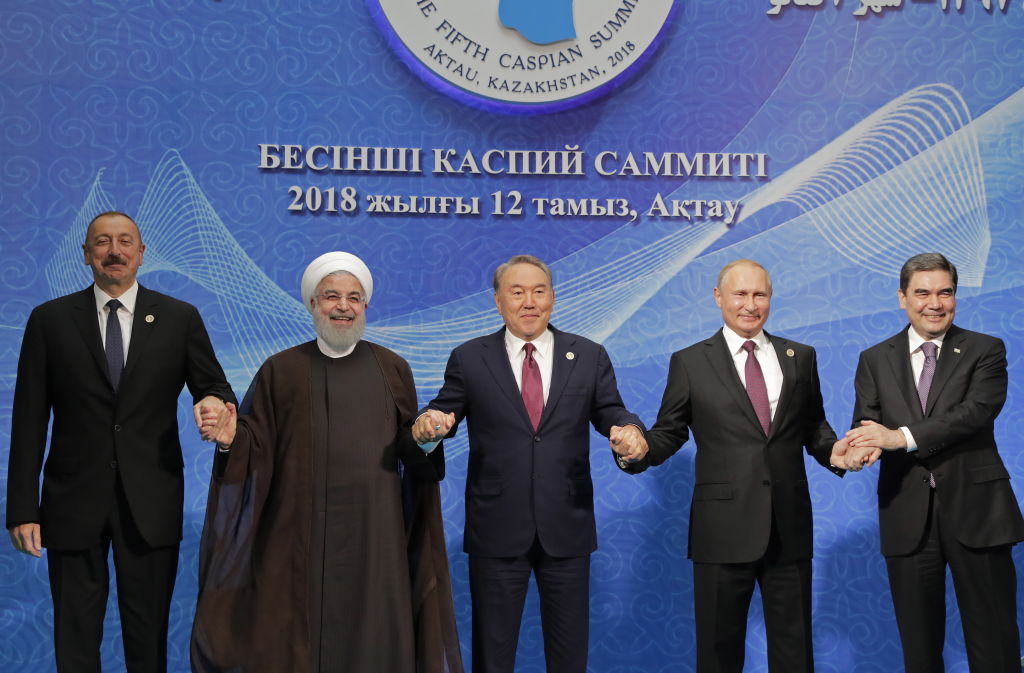
    The complexities, converging interests, and persistent tensions marking Iranian-Russian relationships are evident in their policies toward the Caspian Sea region. Iran and Russia are the two largest countries that border the sea, the world’s largest inland body of water. The Caspian region therefore provides many opportunities for diplomatic, economic, and military engagement between Iran and Russia. Some issues of mutual importance relating to the Caspian include the Nagorno-Karabakh War, the Afghanistan and Iraq conflicts, NATO partnerships in the Caucasus region, and the construction of trans-Caspian pipelines.

    June 9, 2021

    Lessons Learned for Baghdad & Erbil From the GCC
  • Commentary
  • Lessons Learned for Baghdad & Erbil From the GCC

    In this policy paper, Dr. Karen E. Youngsets out to delineate and compare economic diversification efforts underway in the GCC that might prove useful in the Iraqi context, for the state as a whole, and measures that might be adopted in the context of the Kurdistan region.

    The U.S. must ensure NATO’s door remains open to Georgia and Ukraine
  • Analysis
  • The U.S. must ensure NATO’s door remains open to Georgia and Ukraine

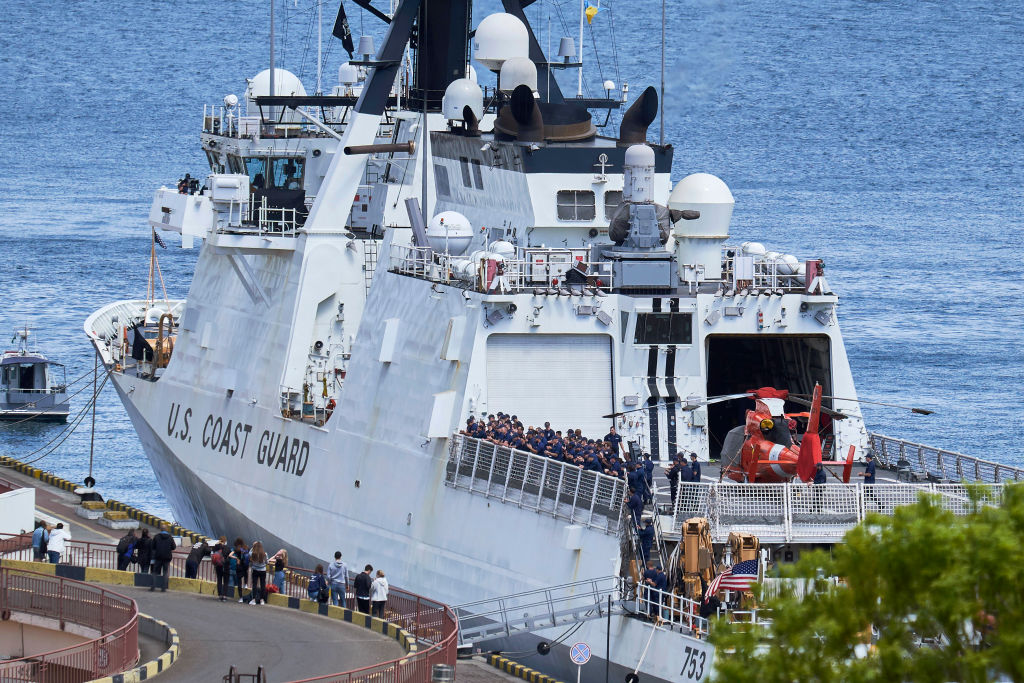
    The USCGC Hamilton recently completed a visit around the Black Sea. This visit was notable for a couple of reasons. First, this was the first time the United States Coast Guard has operated in the Black Sea since 2008 when Russia invaded Georgia. Second, this U.S. deployment to the Black Sea came on the heels of a sizable Russian military buildup in the region.

    May 27, 2021

    Pakistan needs to reframe its regional connectivity push
    Asim Hafeez/Bloomberg via Getty Images
  • Analysis
  • Pakistan needs to reframe its regional connectivity push

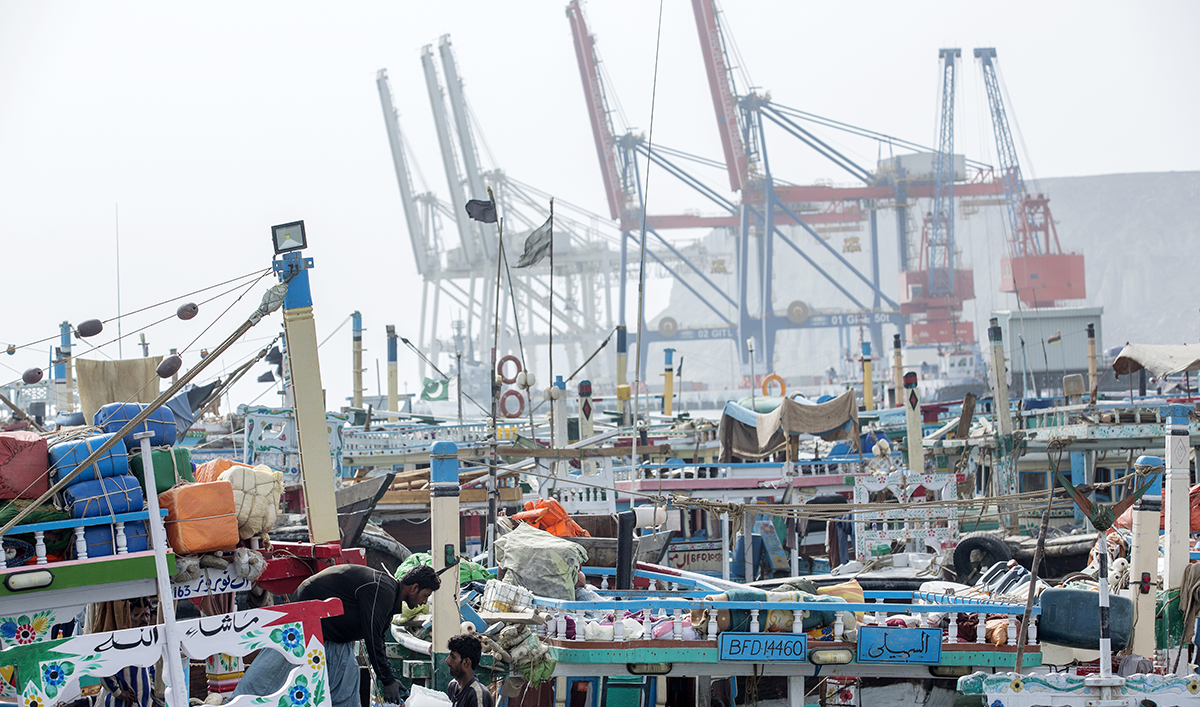
    On April 8, the top U.S. diplomat in Pakistan visited the Chinese-operated port of Gwadar — the first such visit by an American official in 15 years. The move appears to be part of a campaign by Pakistan to promote its regional connectivity agenda and simultaneously signal that this effort isn’t solely wedded to China and its Belt and Road Initiative.

    May 25, 2021

    Agricultural technology in the Middle East: Sowing the seeds of the future
     Christopher Pike/Bloomberg via Getty Images
  • Analysis
  • Agricultural technology in the Middle East: Sowing the seeds of the future

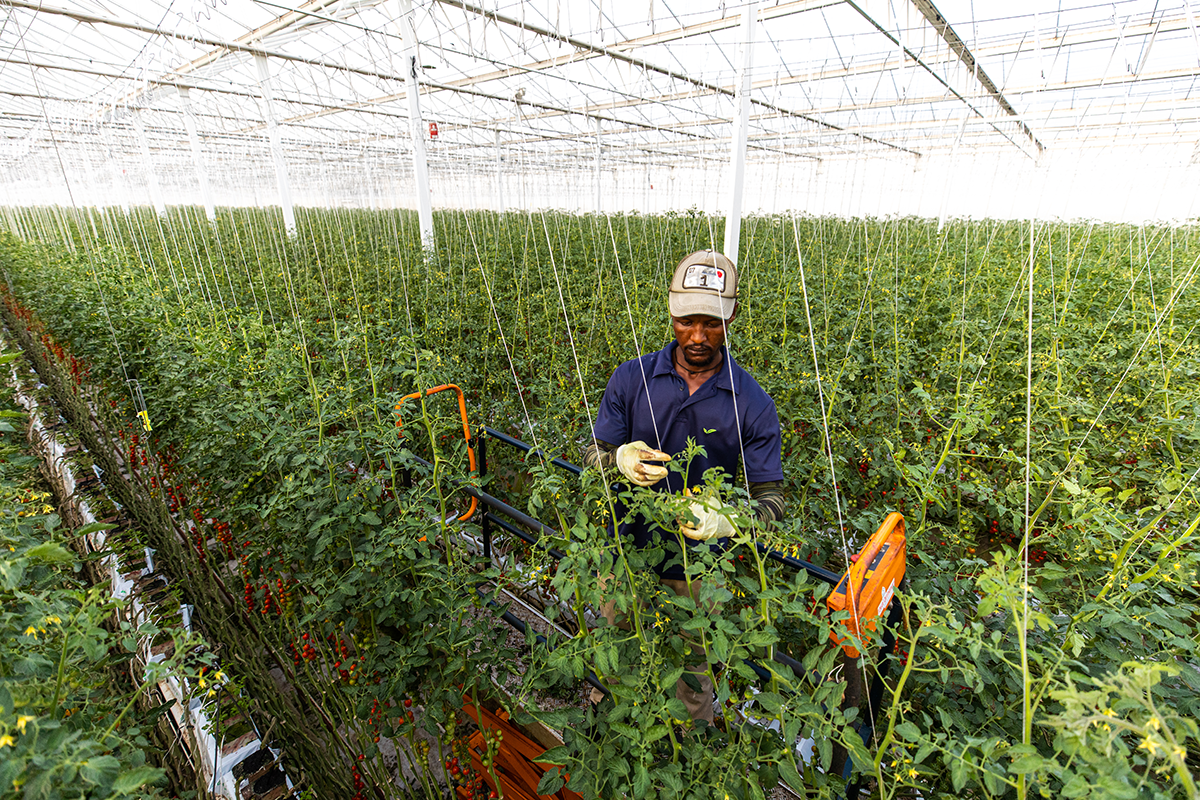
    Over the last decade, new technology has been developed to address agriculture’s longstanding structural problems related to unproductive farming soils and water shortages. Such initiatives could potentially play a pivotal role in promoting food systems’ resilience across the region. These technologies are designed to increase and improve the outputs of the agricultural sector, while using less energy and more sustainable methods. Responding to the need to promote sustainable agricultural growth, agricultural technology (or “agritech”) today aims to reduce agrarian waste and the use of chemical fertilizers. Looking to the future — while taking cues from the past — may unlock the solutions to the region’s desperate food insecurity.

    May 19, 2021