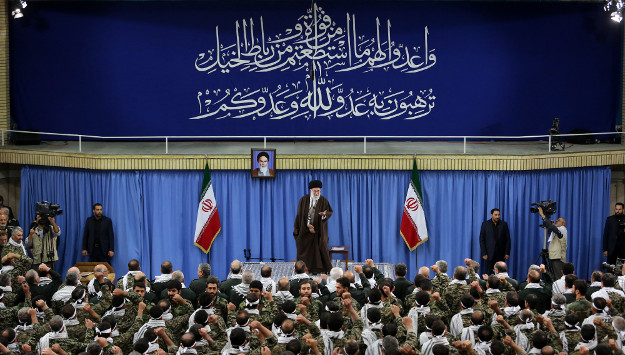
Pulling the Strings: How Khamenei Will Prevent Reform in Iran
Read the full article on Foreign Affairs.
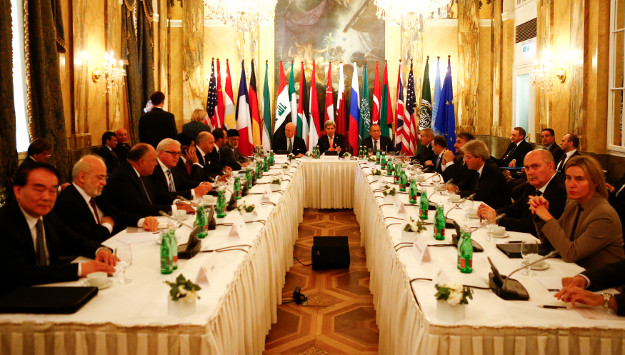
The shooting down of a Russian SU-24 by Turkey on November 24 has ratcheted the Syrian crisis to a new level of urgency. This escalation, combined with the horrific attacks in Paris and the security situation still unfolding across Europe, is understandably dominating the news cycle. Amidst this tumult, however, the results of the Vienna Summit of November 14 have been largely buried. In truth, the downing of the Russian fighter and the massacre in Paris underscore the importance of looking again at what came out of the Vienna talks and what steps the U.S.
The enactment of the Gubernatorial Regulation (Peraturan Gubernur / Pergub) 228/2015 introduced new restrictions on public demonstrations in Jakarta. Though this measure was soon thereafter revised, subsequent warnings by police raise questions about the scope of freedom of expression in Indonesia as well as the current and future role of civil society there.

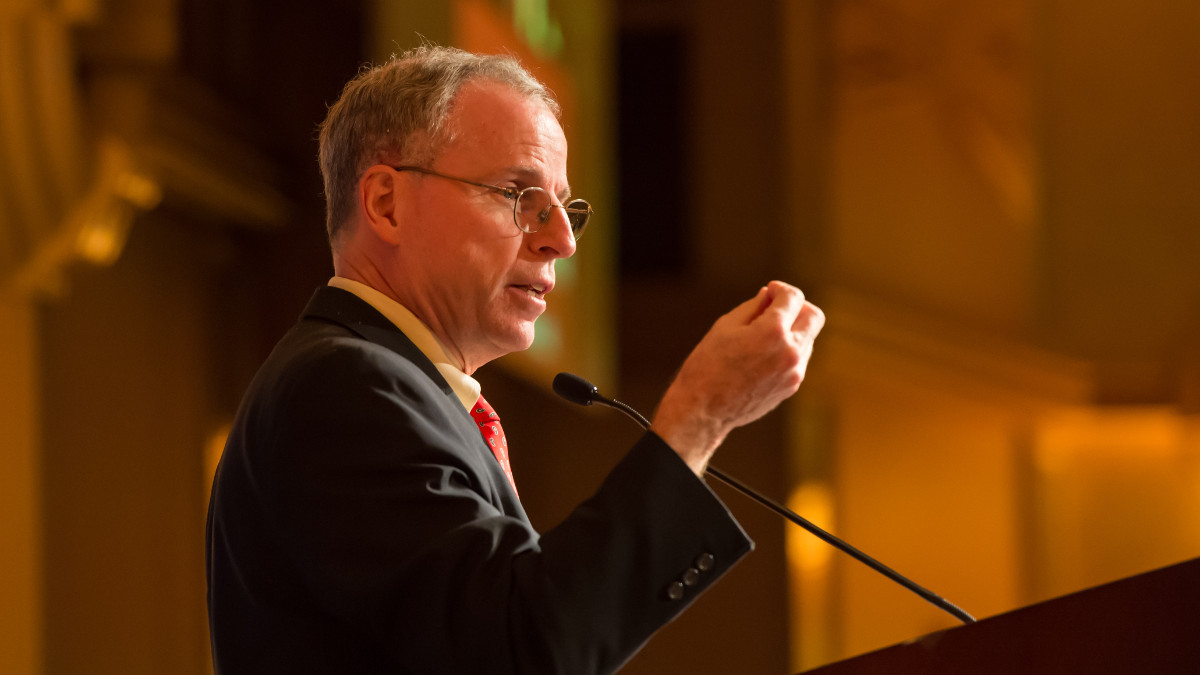
Robert S. Ford, senior fellow at The Middle East Institute and former U.S. Ambassador to Syria and Algeria, delivered the keynote address at MEI’s Annual Awards Banquet on November 12, 2015, in Washington, D.C.
The first panel at MEI’s 69th Annual Conference featured Prem Kumar (Albright Stonebridge Group), Michael Singh (The Washington Institute for Near East Policy), Tamara Cofman Wittes (The Brookings Institution), Robin Wright (The New Yorker, U.S. Institute of Peace and the Woodrow Wilson International Center for Scholars), and moderator Elise Labott (CNN).
The Egyptian state today faces one acute crisis after the other. To be fair, the Egyptian military cannot be held responsible for creating these crises. However, it is unlikely that Egypt will be able to resolve them unless and until the armed forces divests itself of the power and the privileges associated with the immense economic power and privileges it has accumulated.
This article was first published on The World Post.
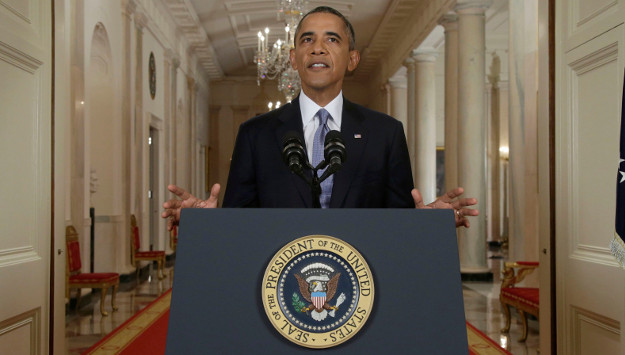
Under the pall cast by the horrific terrorist attacks in Paris, the U.S., Russia and other world powers met in Vienna Saturday and agreed on a timetable for a political process in Syria. However, the principles and steps they set conjure a sense of déjà vu.
The division of citizens into confessional and other group constituencies, rather than some spontaneous outpouring of primordial hatred, was in fact a calculated survival strategy employed by frightened regimes under siege. It was and remains one premised on forestalling the emergence of cross-cutting societal factions that could challenge the political status quo, coalitions that—unlike narrow sectarian groups—could claim to represent the will of all the people and mobilize a broad base of support in pursuit of those claims. But has playing the sectarian card paid off?
Read the full article on Al Jazeera America.
The White House recently acknowledged that it was out of ideas on how to pursue Israeli-Palestinian peace talks in the final year of Barack Obama’s presidency, raising — for the first time — the prospect that Israel’s occupation of East Jerusalem and the rest of the West Bank is permanent.
This piece was co-authored by Chester Crocker, the James R. Schlesinger Professor of Strategic Studies at Georgetown University’s Walsh School of Foreign Service. Read the full article at The National Interest.
The political culture in Oman seems to foster a pluralist intermeshing of national and sub-national identities that other diverse Arab states like Syria and Iraq were at pains to eliminate. This essay examines the Omani case to explore whether there are any lessons to be learned about sectarianism and how it can be confronted in the wider Middle East.
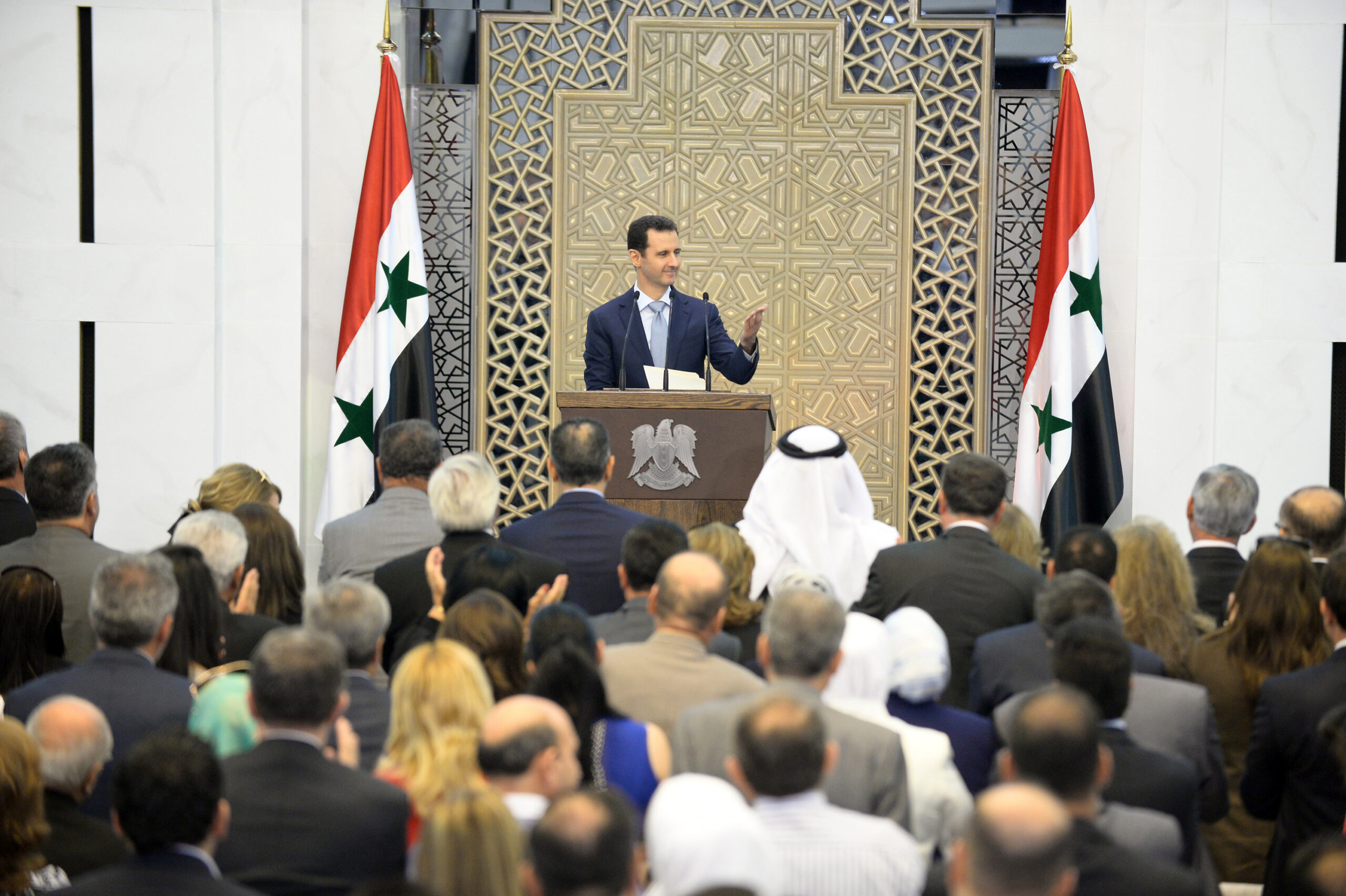
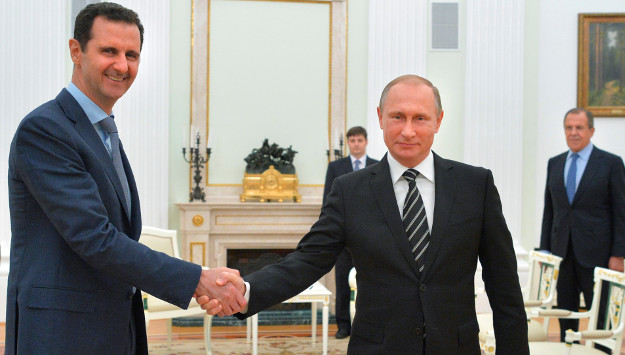
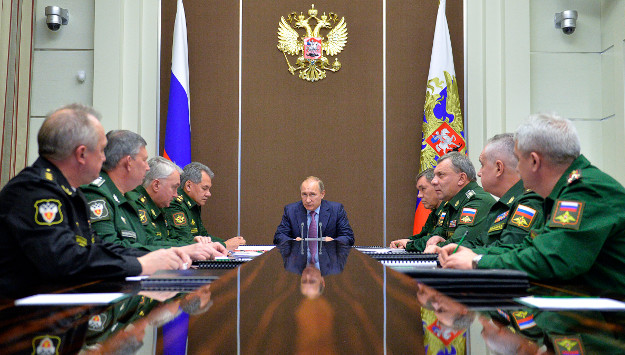
There is a debate within U.S. policy circles about Russian president Vladimir Putin’s strategy in Syria. While all agree that Putin intervened to shore up the faltering regime of Bashar al-Assad, there are at least two interpretations of what Putin’s ultimate objective is.
The #YouStink movement and its various associate movements have denounced “the system,” “confessionalism,” and “the political class” of all orientations, including the parliament, the cabinet of minister, the prime minister, and so on, without really showing an understanding of how all these institutional positions relate to one another, and to the problem of corruption and of the poor public sector. By looking at the recent protests in Lebanon, this article proposes ways to avoid this slippery slope and demonstrates how to think of genuine change––and recognize its limits––given the prevailing political context.