Morocco's “first in North Africa” electric car production is a European manufacturing gain over China
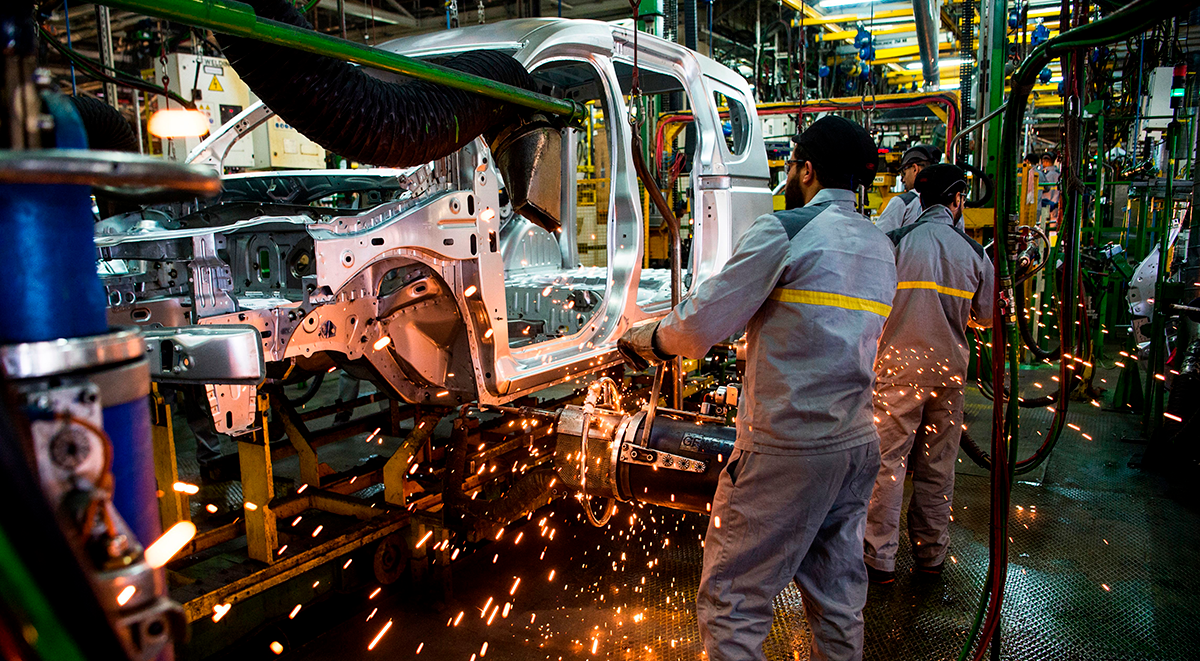
In an automotive first for North Africa, German automaker Opel will soon begin producing electric cars in Morocco. Opel’s electric car manufacturing in Kénitra leapfrogs China’s plan to build electric cars in Egypt, giving Morocco’s automotive industry an important first-mover advantage. The move also represents a strategic gain for European automotive manufacturing over China. As a gateway to West Africa, Morocco provides Opel and its parent company Stellantis a nearby production base for the eventual cost-effective export of electric vehicles to rapidly expanding markets in Sub-Saharan Africa.
What’s driving the escalating tensions between Algeria and Morocco?
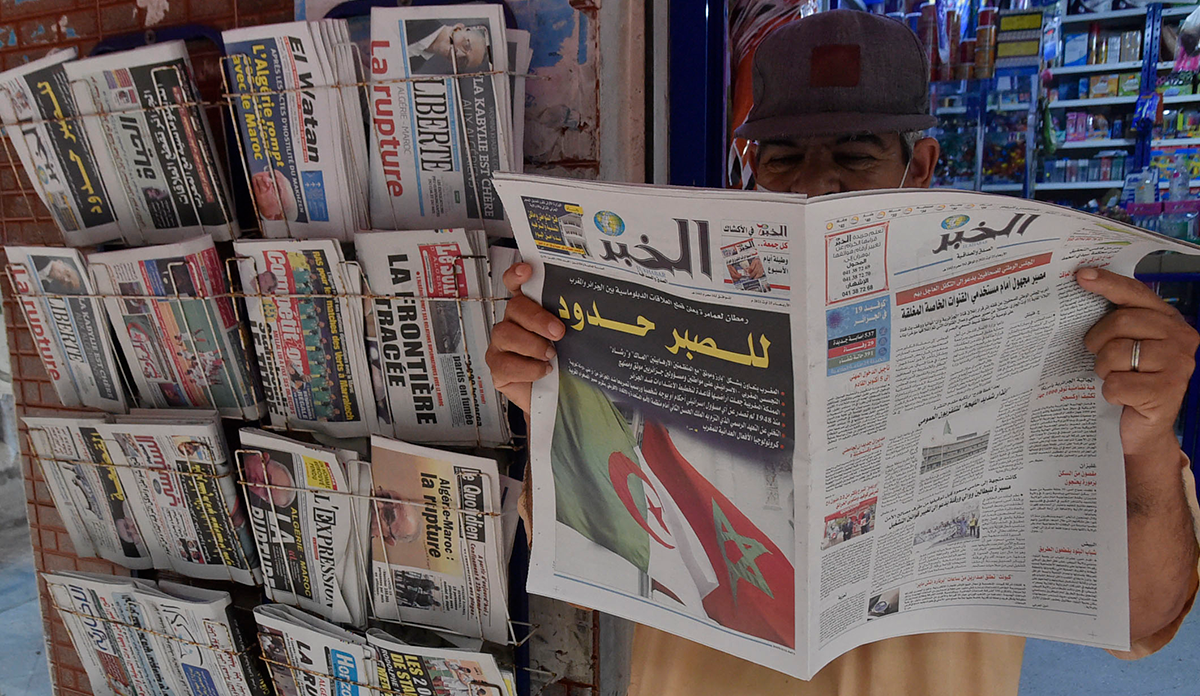
On Aug. 24 Algeria broke off its already minimal bilateral relations with Morocco, declaring this was due to the kingdom’s “hostile actions” and accusing it of involvement in the wildfires that struck the Kabylia region earlier that month. The heightened tension between the two countries brings into focus regional uncertainty and may spell the end of their limited collaboration in the energy sector.
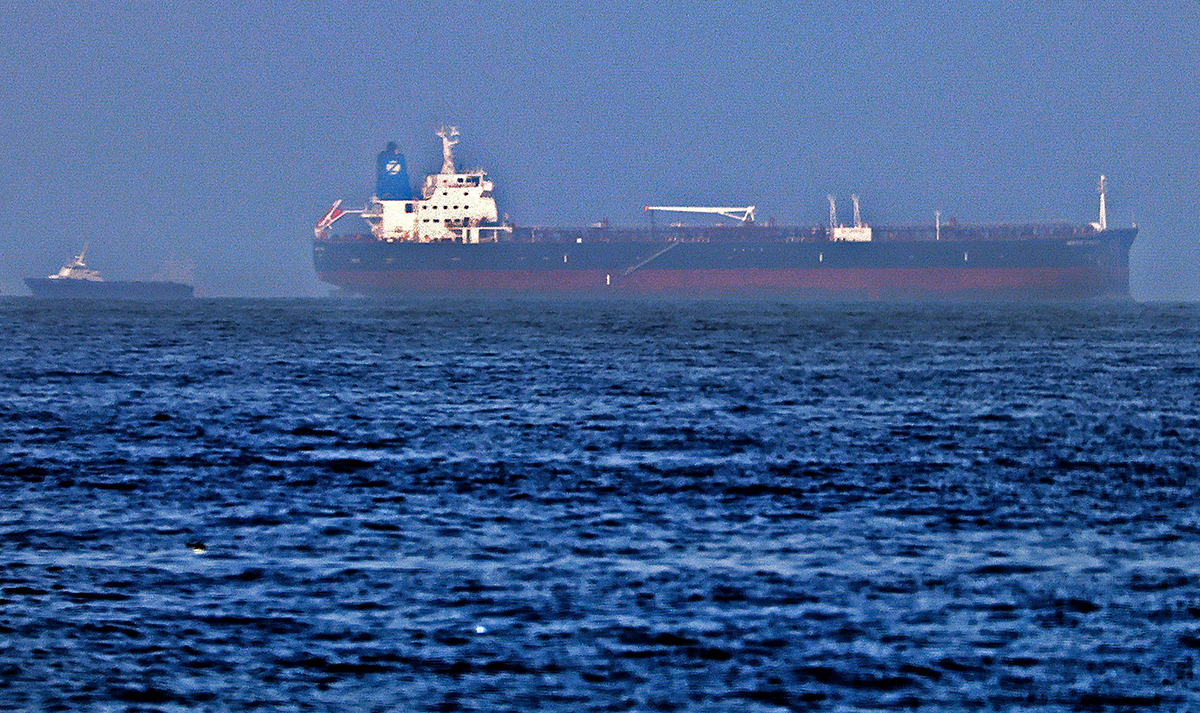
The July 29 suicide drone attack on the Israeli oil tanker Mercer Street, which left two British and Romanian crewmembers dead in the Arabian Sea, was carried out by Iran and was intended to cause human casualties and physical damage, according to the investigative report from U.S. Central Command(CENTCOM). While Tehran denied any hand in the strike, the G7 directly blamed Iran and U.S. Secretary of State Antony Blinken promised a “collective response.”
إسرائيل ومصر تتصدران توقعات النمو في الشرق الأوسط وشمال إفريقيا: قصة استراتيجيتين متباينتين
الدولتان في الشرق الأوسط اللتان تتمتعان بأعلى توقعات نمو لعام 2022 هما إسرائيل ومصر. وتقدر مؤسسة فيتش سوليوشنز أن الناتج المحلي الإجمالي على مستوى منطقة الشرق الأوسط وشمال إفريقيا سينمو بنسبة 3.6% في عام 2021، بعد انكماش بنسبة 4% في عام 2020. هنا نجد أن مصر وإسرائيل هما الدولتان الوحيدتان في المنطقة اللتان يُتوقع نمو اقتصادهما بما يتجاوز حجم مستويات ما قبل كوفيد-19.
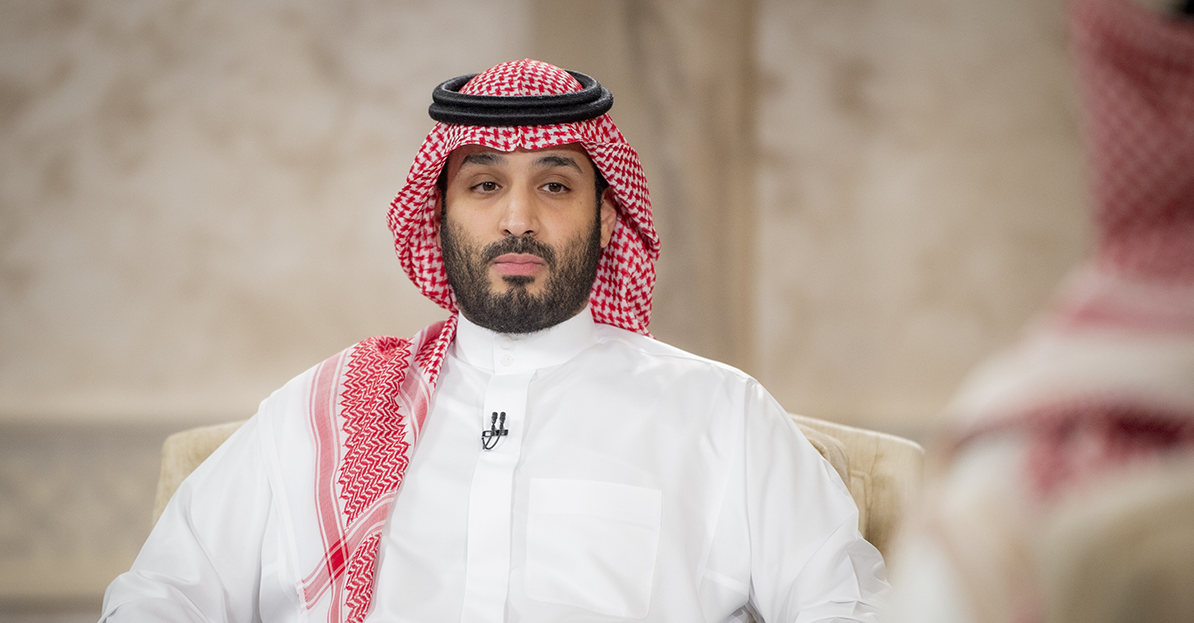
At the dawn of the Biden era of American foreign policy, a more mature, realistic Saudi foreign policy is emerging to match the shifting signals from Washington. In some measure, the Saudis are readopting elements that traditionally characterized their policy preferences before the meteoric rise of Crown Prince Mohammed bin Salman (MbS), the kingdom’s de facto ruler.
Consistency and change: Morocco under King Mohammed VI
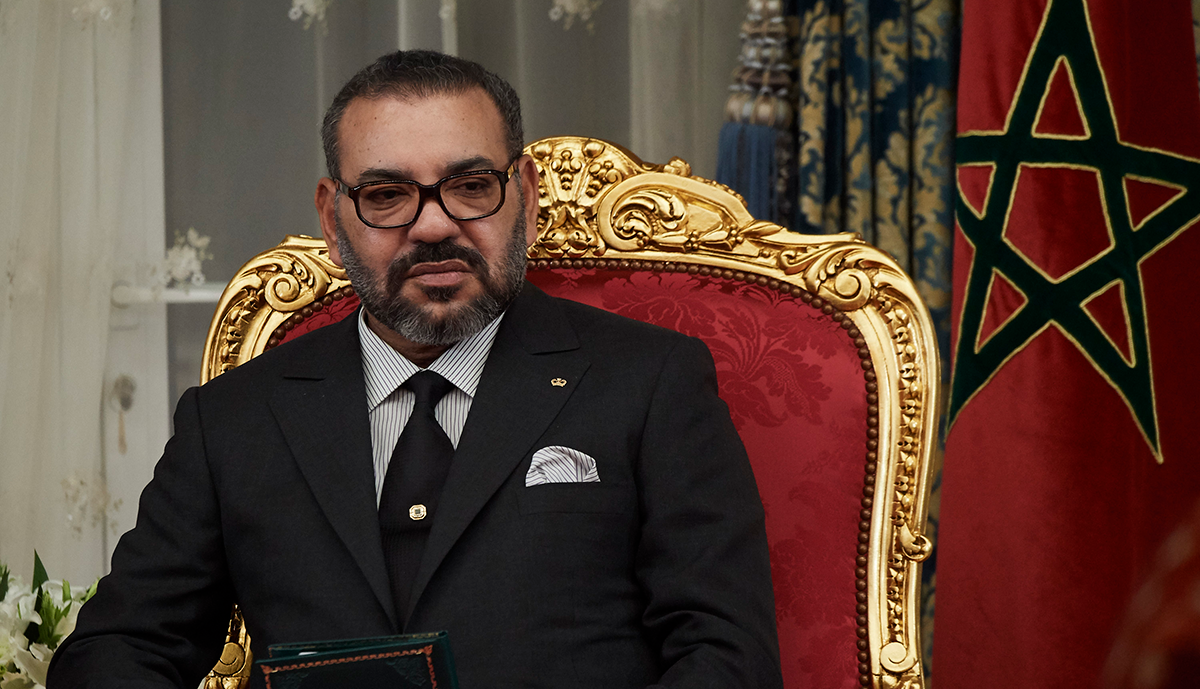
In July, Morocco marked the 22nd year of King Mohammed VI’s rule and 10 years under the new constitution ushered in by a popular referendum in the aftermath of the 2011 protests. The past 22 years have transformed Morocco, the region, and the world in fundamental ways, yet the country’s politics have continually snapped back to a familiar equilibrium. During these past 22 years Morocco has gone through three distinct phases in managing these internal and external dynamics.
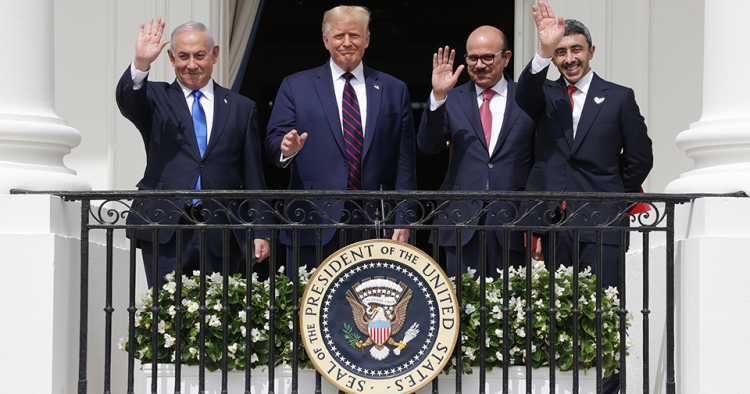
On Sept. 15, 2020, Emirati Foreign Minister Abdullah bin Zayed al-Nahyan, Bahraini Foreign Minister Abdullatif bin Rashid al-Zayani, then-Israeli Prime Minister Benjamin Netanyahu, and then-U.S. President Donald Trump met on the South Lawn of the White House to sign the Abraham Accords, normalizing relations between the two Gulf Arab states and Israel. Morocco followed suit several months later, signing a similar agreement with Israel on Dec. 22, and a week and a half after that, on Jan. 6, 2021, Sudan and Israel also agreed to normalize relations. A year on, these accords have had a significant, if not yet fully realized, impact on the Middle East, affecting everything from geopolitics and economics to tourism and people-to-people (P2P) ties, and they also reflect the changing dynamics in the region and beyond, particularly with the U.S. and China.
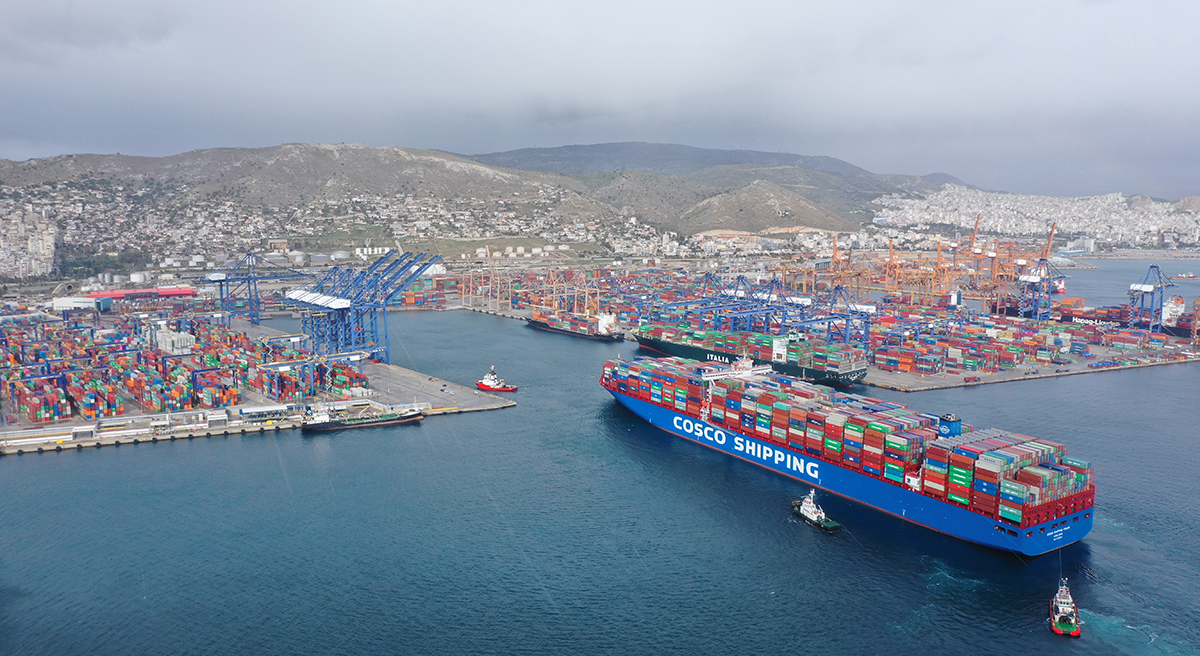
One of the most consequential changes in the Middle East’s geopolitical map is happening at the water’s edge. Along the entire eastern rim of the Mediterranean basin, global and regional actors are engaging in a spate of port capacity expansions, new private port construction, and the sell-off of major state-owned ports that will determine who sits atop the region’s global trade flows for decades to come. The international competition to rebuild Beirut’s port is one key puzzle piece in this larger process that is reconfiguring the Levant’s maritime commercial architecture and, as a consequence, the geopolitical contours of the Middle East.
The possibility that the Lebanese government could opt for China to reconstruct Beirut’s port has raised alarm in Washington and European capitals given China’s already outsized commercial port presence in Egypt, Israel, and Greece. Increased Chinese involvement in Lebanon’s port operations could consolidate Beijing’s hold over the commercial connectivity architecture of the Levant. Re-orienting global commercial flows between Europe, the Middle East, and Asia according to Beijing’s priorities would make China’s Belt and Road Initiative a dominant organizing principle in the international relations of the Middle East. The most effective way to offset China’s ambition may be to facilitate Mediterranean rivals France and Turkey to jointly rebuild Beirut’s port.
Amb. Dennis Ross and Karen Young join guest host Gerald Feierstein to discuss the progress of relations between Israel and the Arab world one year after the signing of the Abraham Accords, as well as the agreement’s economic impacts and what role the United States will play moving forward.
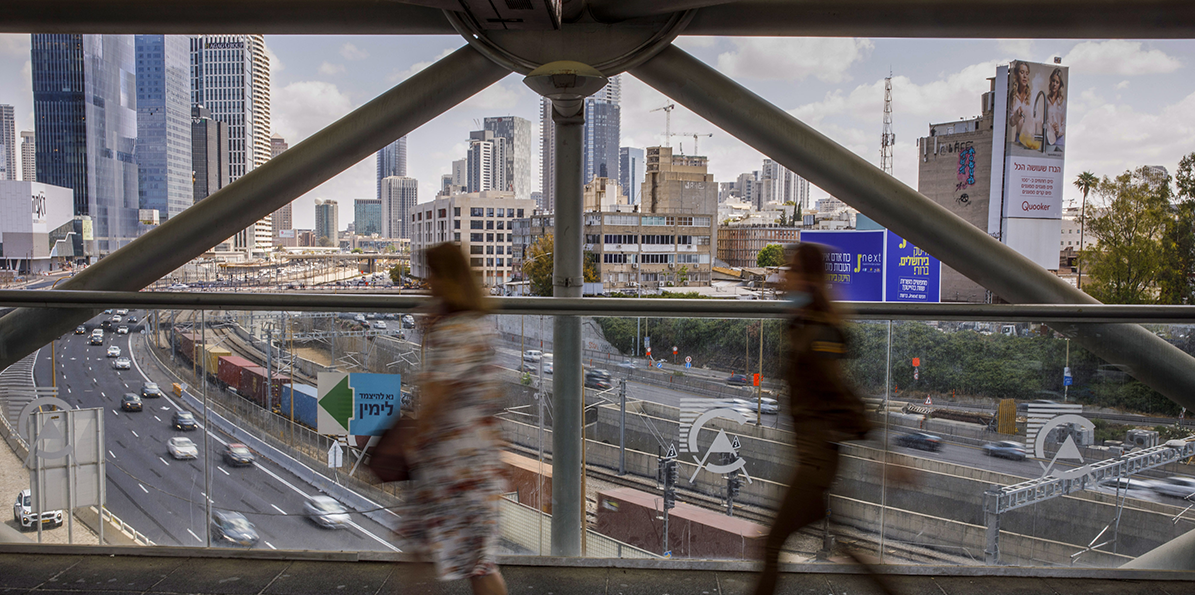
Israel and Egypt top growth expectations in MENA: A tale of two divergent strategies
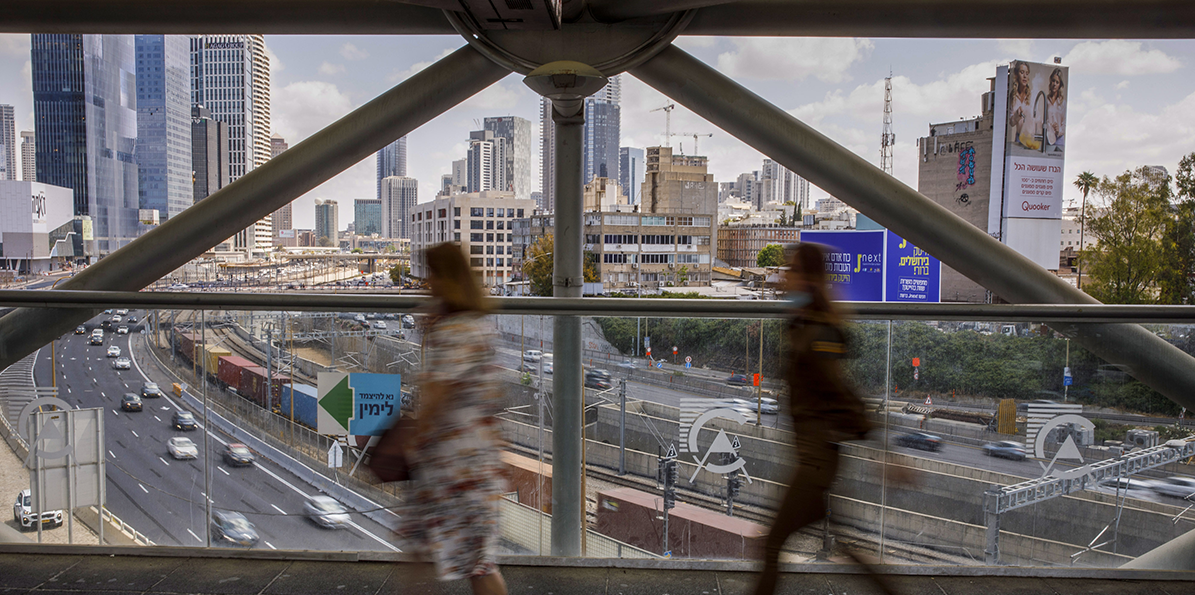
The two countries in the Middle East with the highest growth expectations for 2022 are Israel and Egypt. Fitch Solutions estimates that MENA-wide GDP will grow by 3.6% in 2021, after a contraction of 4% in 2020. Egypt and Israel are the only countries within the region expected to grow their economies beyond the size of their pre-COVID-19 levels for 2021.
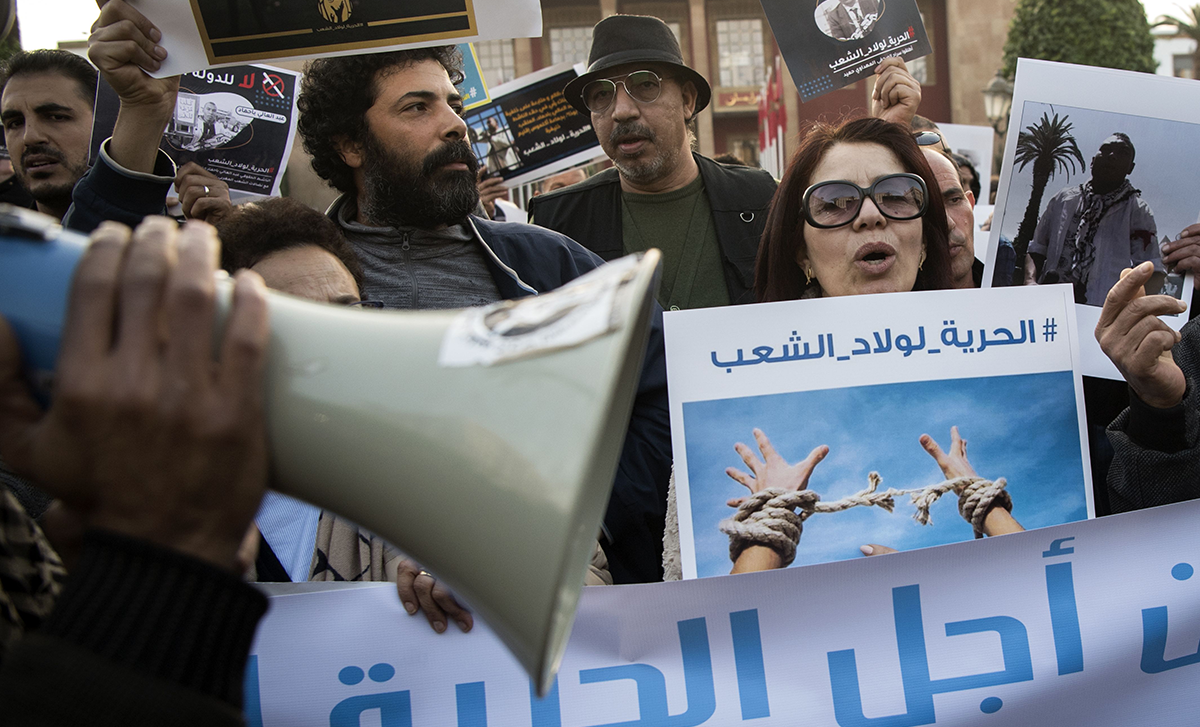
Testimony | "Briefing on Human Rights and Freedom of Expression in Morocco"
The following testimony was presented to the House Foreign Affairs Committee, Tom Lantos Human Rights Commission “Briefing on Human Rights and Freedom of Expression in Morocco” on August 12, 2021.
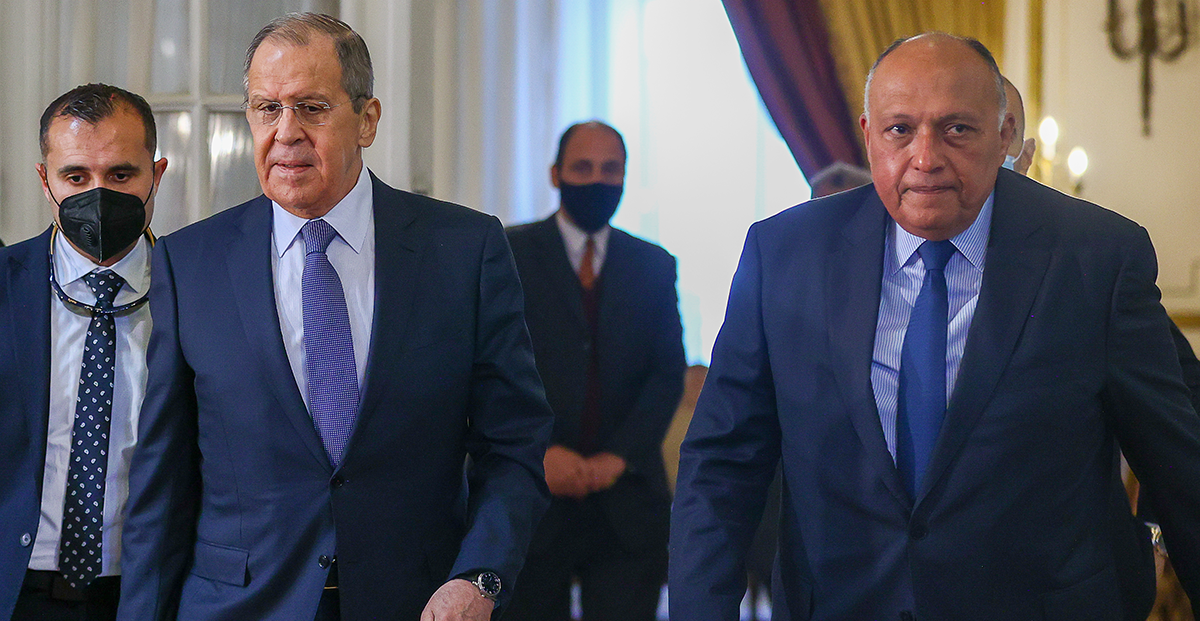
Since late June, Russia has expanded its diplomatic involvement in the Grand Ethiopian Renaissance Dam (GERD) dispute between Egypt, Sudan, and Ethiopia. While Russia has offered technical assistance to the GERD’s conflicting parties, it has refrained from inserting itself into the Nile dam dispute as a mediator and instead balanced the views of Egypt, Sudan, and Ethiopia in multilateral fora. Russia’s balancing strategy has been positively received in Sudan and Ethiopia but has created latent frictions with Egypt. Russia has persisted with this non-interference policy, as it has largely prevented a spillover of tensions over the GERD to other areas of cooperation with Egypt and believes that its position will help consolidate its partnership with Ethiopia.