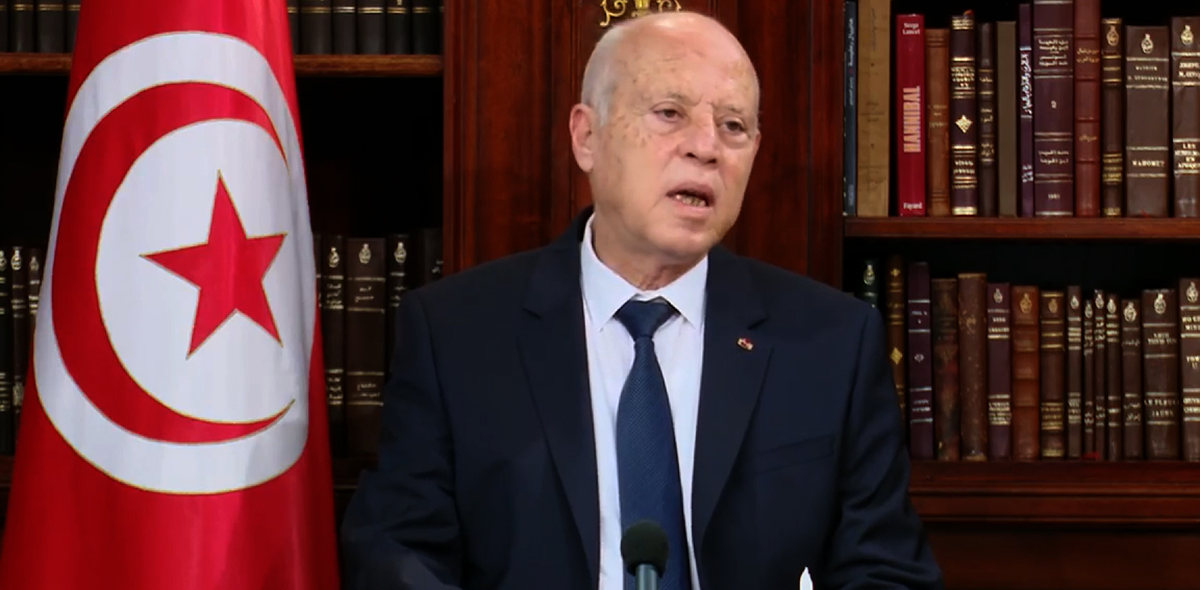
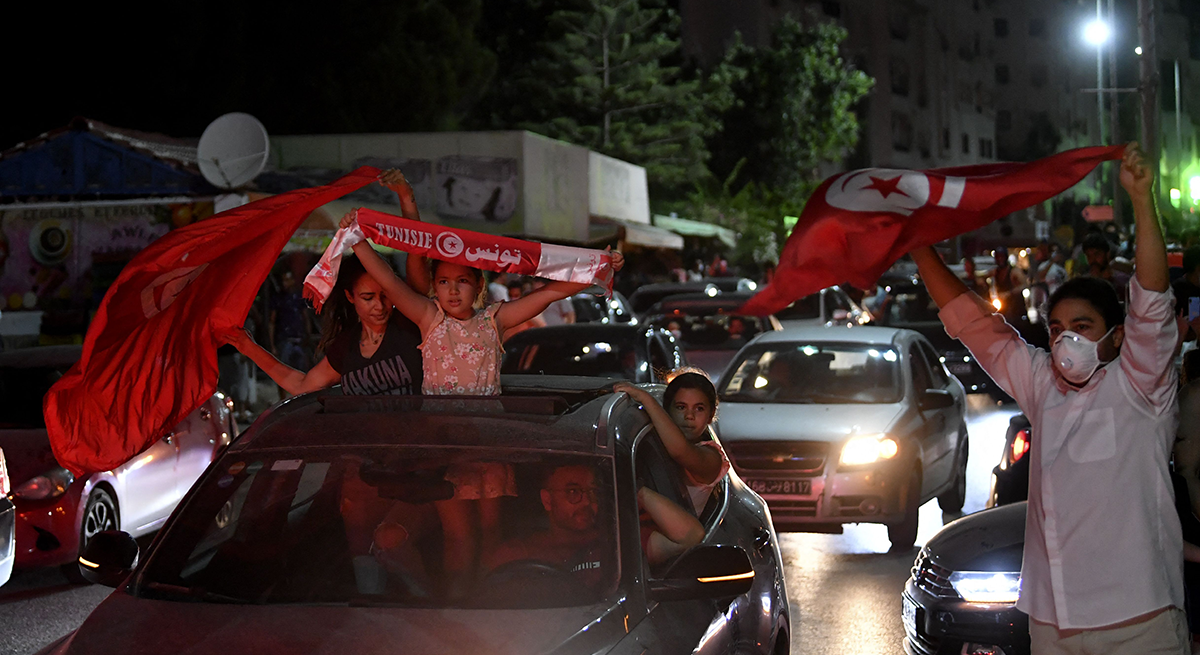
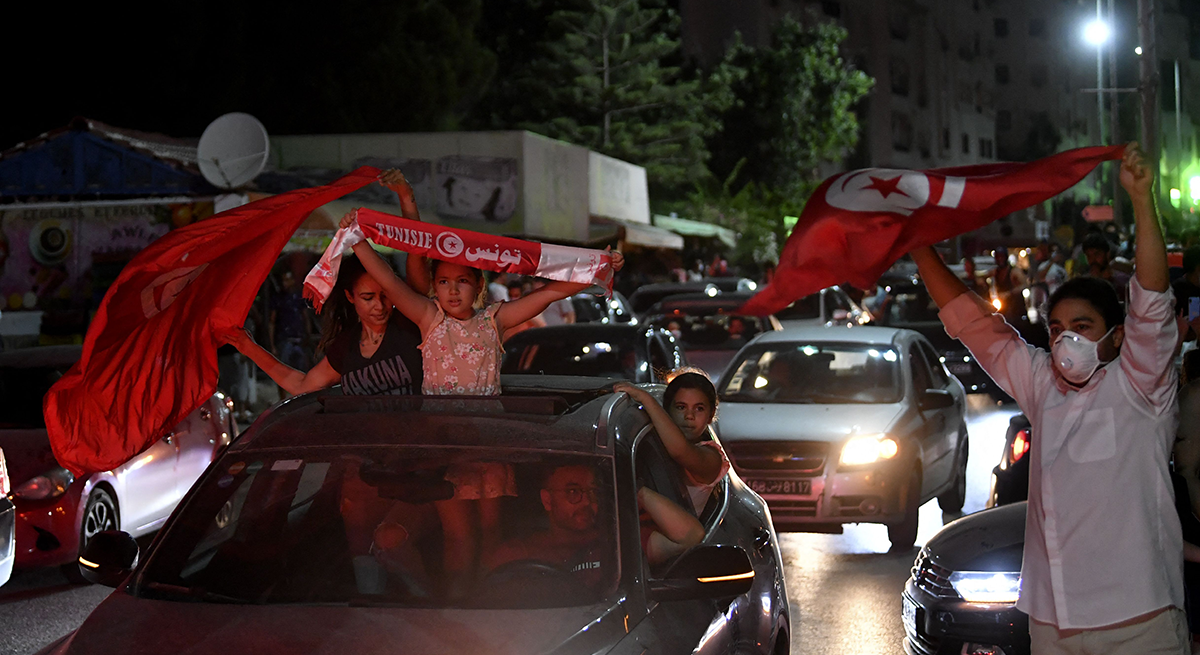
يبدو أن قرارات الرئيس قيس سعيّد في 25 يوليو/تموز بتعليق عمل البرلمان والحكومة كانت تحظى بشعبية كبيرة، على الرغم من الانتقادات الحادة من أولئك الذين استنكروا هذه القرارات باعتبارها انقلابًا أو غير دستورية أو تجاوزًا خطيرًا لسلطته. لكن الاحتفالات الجماهيرية في الشوارع التي اندلعت فور إعلانه المتلفز – على الرغم من حظر التجول ليلًا – مثّلت دليلًا على شعبية تحركاته.
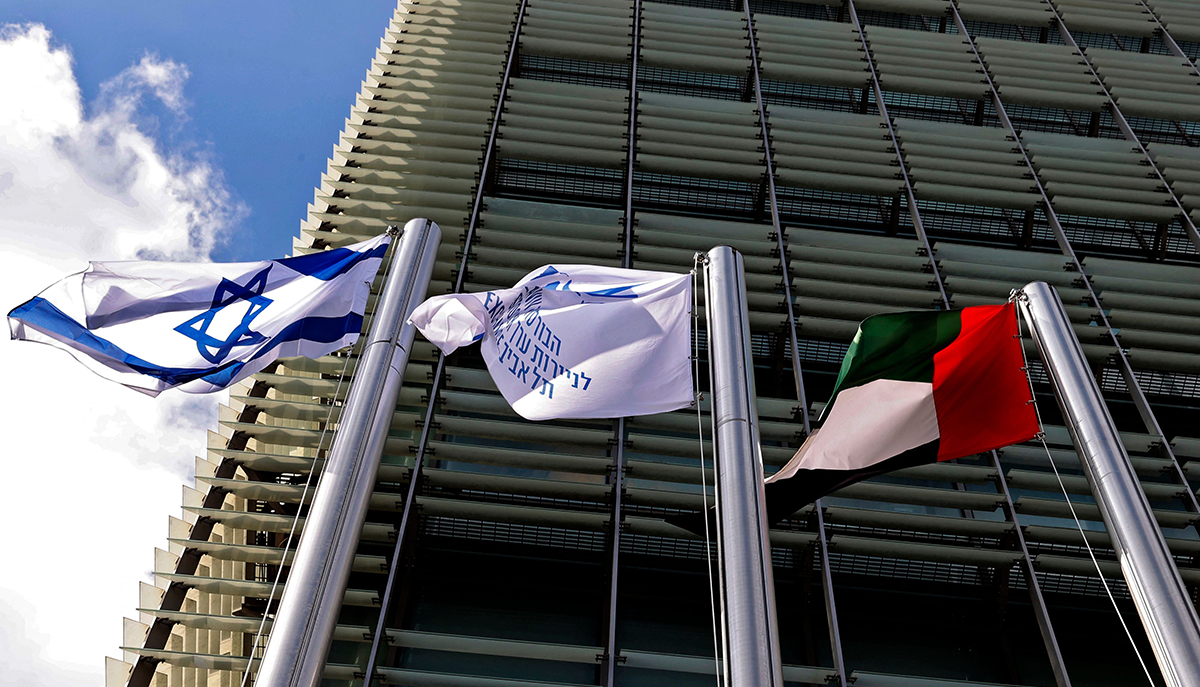
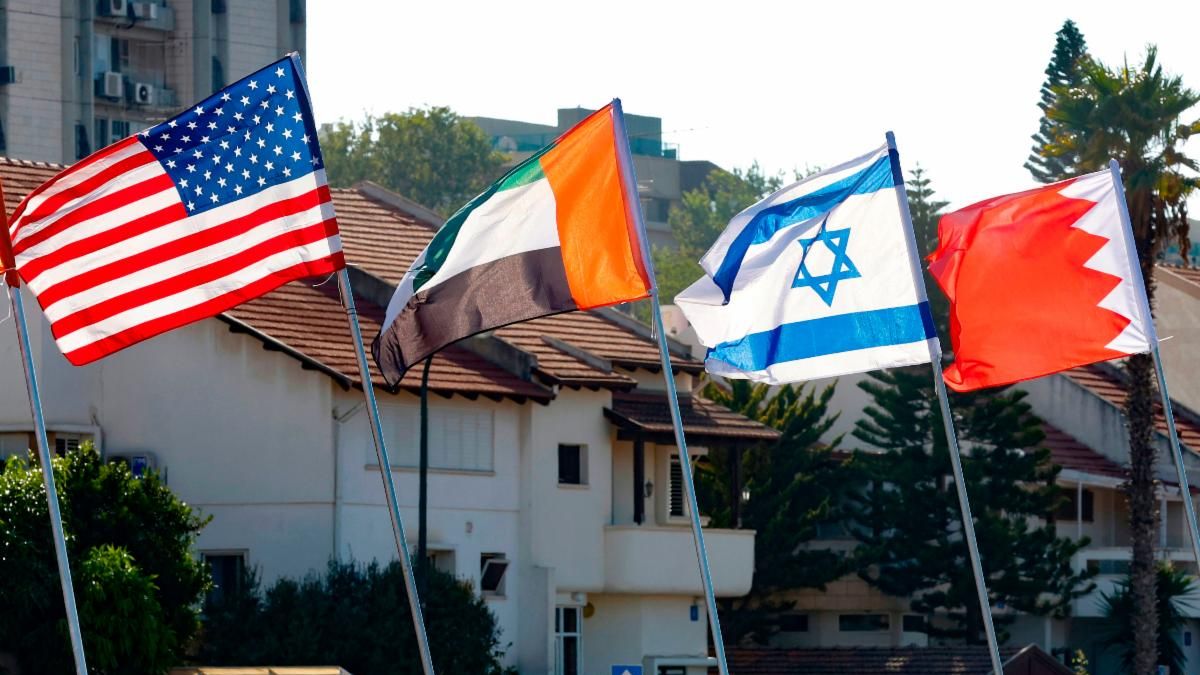
It has been a year since the August 2020 announcement of the Abraham Accords, which normalized diplomatic relations between the UAE and Israel. The accords were later signed at a White House ceremony attended by President Donald Trump that September. In less than a year the UAE and Israel swiftly exchanged ambassadors. This was the highlight of the first year of normalizing relations between Tel Aviv and Abu Dhabi. During their first year the accords also successfully passed the unexpected, brutal test of the 11-day military escalation between Israel and Hamas that began in late May 2021.
After 18 years, Palestinian families can finally live together: The end of Israel’s 2003 citizenship law
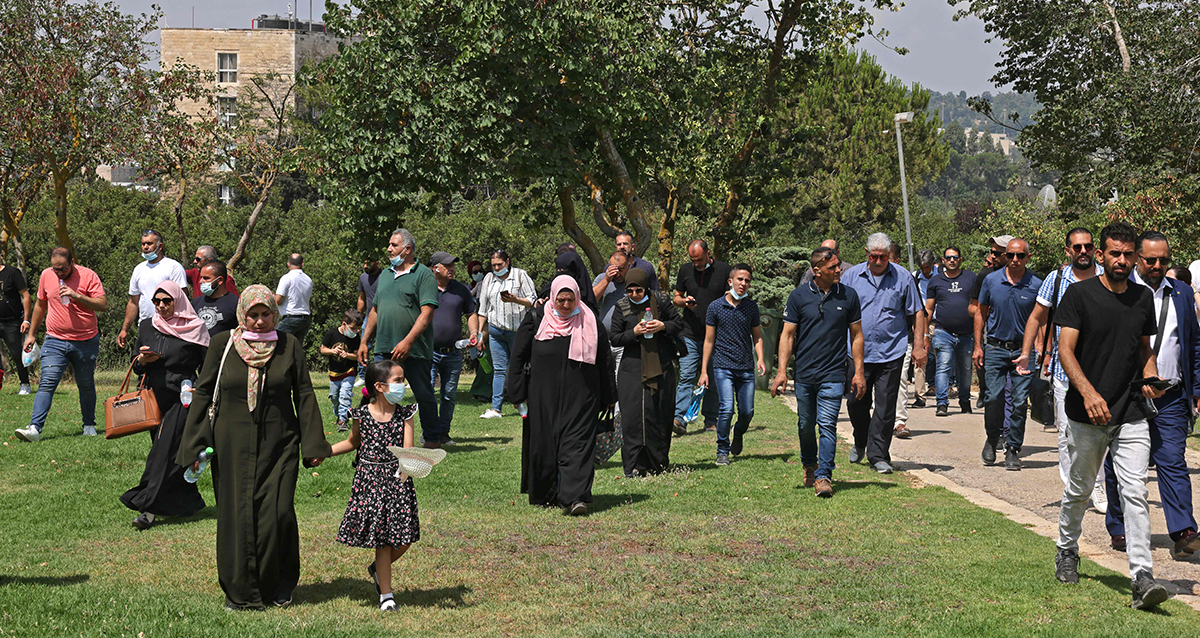
The expiration of Israel’s 2003 citizenship law early last month has finally ended the suffering of roughly 30,000 Palestinian families and paved the way for their reunification. Despite the efforts of the Zionist political parties to renew the law, the abstention from voting of the two Arab Palestinian Knesset members from the United Arab List — which, for the first time, is represented in Israel’s new coalition government — blocked the majority needed to extend the long-standing “temporary” law, which subsequently expired on July 6. While this is welcome news for many Palestinian families, the defeat of this notorious law is by no means a panacea. Until there is real change in Israel, Palestinians, both those who are citizens of Israel as well as those in the occupied territories, will continue to face legal obstacles when it comes to obtaining their basic rights.
The Tunisian president’s political capital is finite
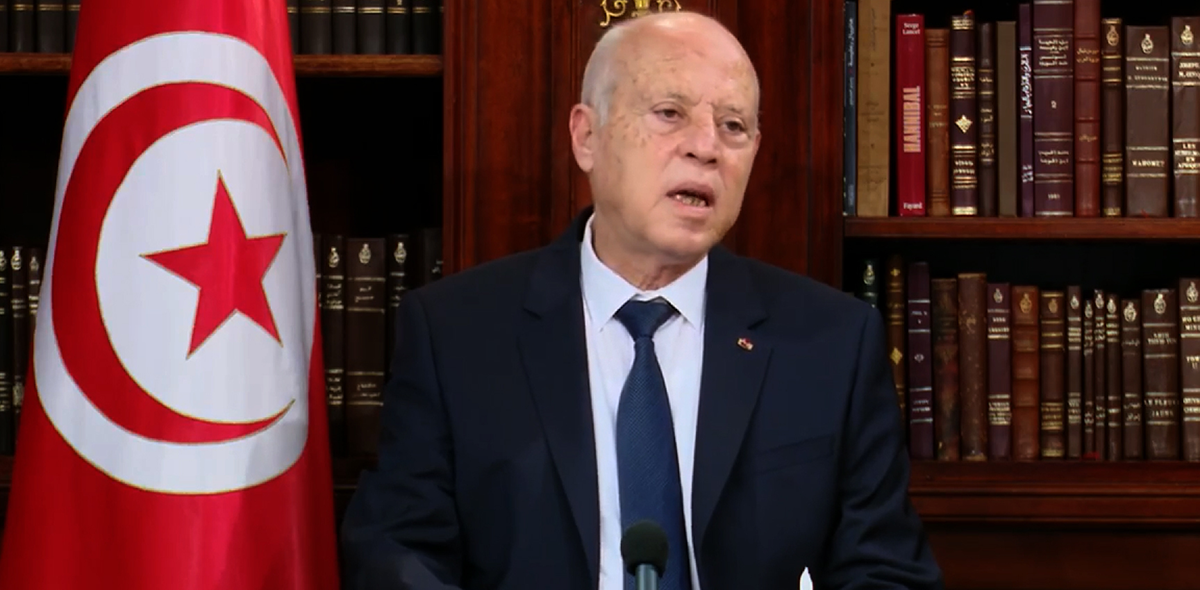
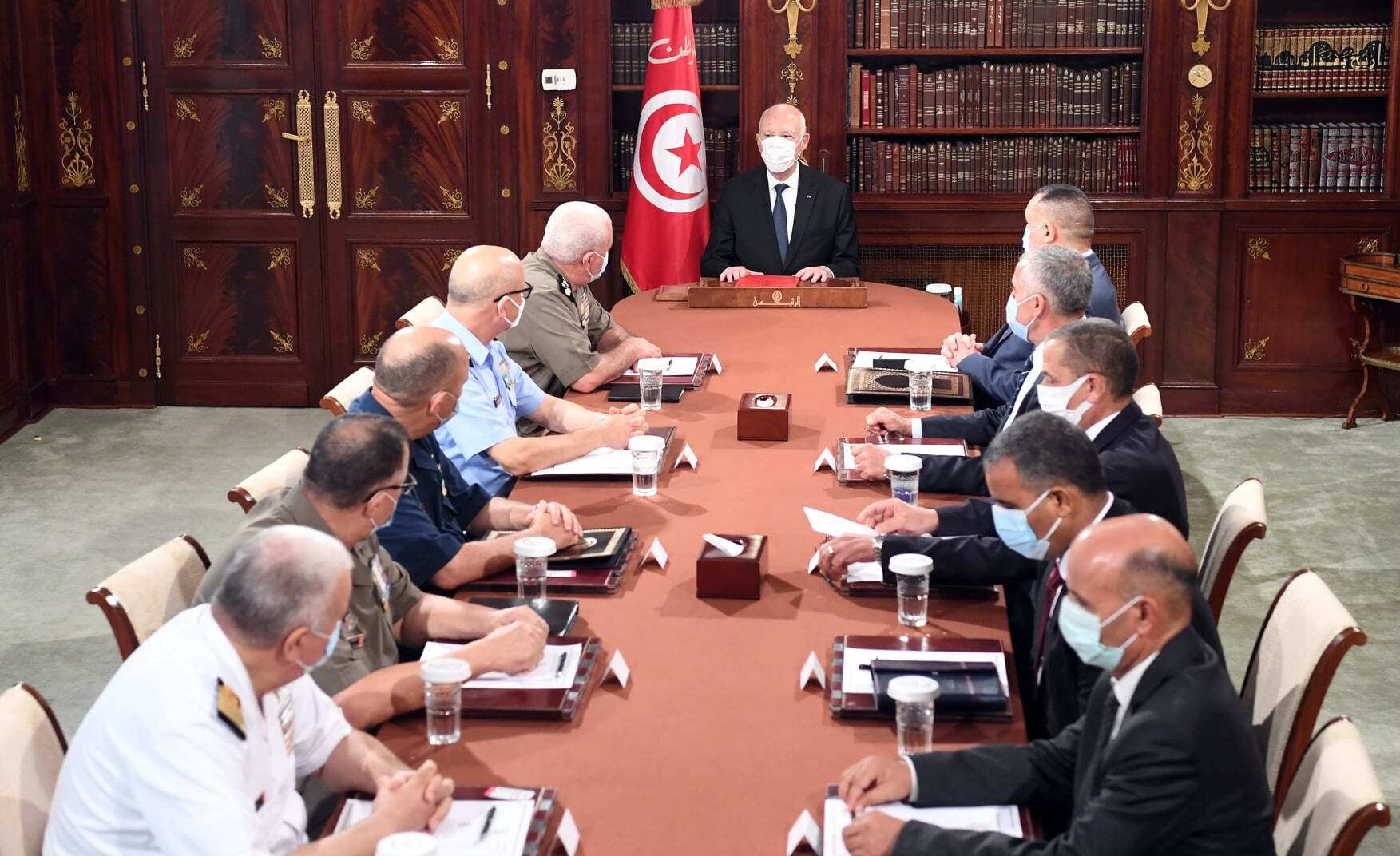
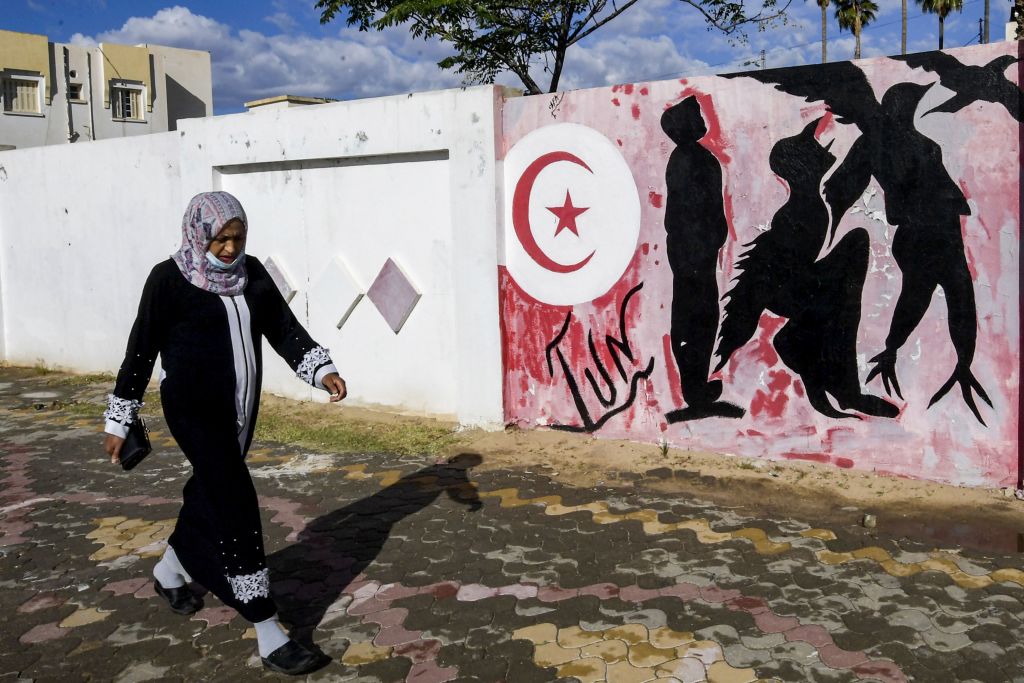
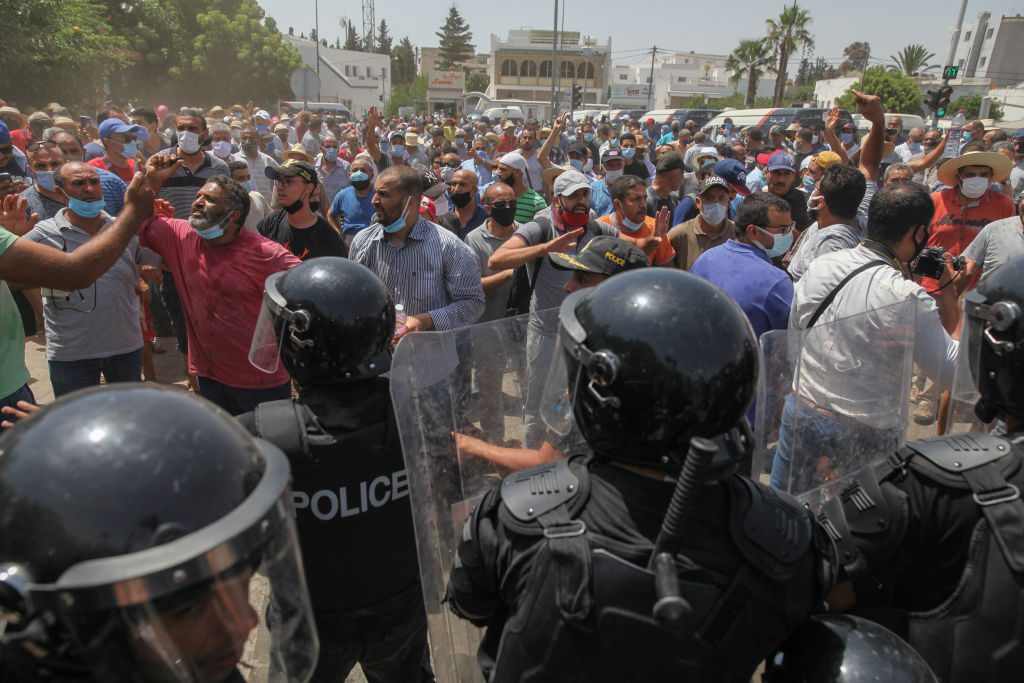
President Kais Saied’s July 25 decisions to suspend parliament and the government appear to have been largely popular, despite sharp criticism from those denouncing them as a coup, unconstitutional, or a dangerous overstep of his authority. The mass celebrations in the streets that broke out immediately after his televised announcement — in spite of a nighttime curfew — are evidence of the popularity of his moves. Some polling since then, which although unclear in their methodology, also seem to indicate that large majorities approve of Saied’s measures — for now.
A coup or not? What happened in Tunisia and what comes next?
The debate over what Saied did, while important because of the legal and political implications, obscures the way in which his actions are themselves an indication of how Tunisian democracy has not been working for Tunisians. And what Saied did is, in the short term, unlikely to yield the results Tunisia needs.
تجنبت الدول الغربية تسمية استيلاء الرئيس قيس سعيّد على الحكومة في تونس بـ”الانقلاب”، كما امتنعت عن اتخاذ خطوات لتعليق المساعدات الاقتصادية لهذا البلد. ففي 27 يوليو/تموز، أجرى وزير الخارجية أنتوني بلينكن اتصالًا هاتفيًا بالرئيس التونسي للحث على احترام المبادئ الديمقراطية والحوار المفتوح مع جميع الفاعلين السياسيين في تونس.
Intissar Fakir and Fadil Aliriza of MEI’s Program on North Africa and the Sahel discuss the context and consequences of Tunisian President Kais Saied’s political maneuvers earlier this week, which opponents were quick to label a “coup.”
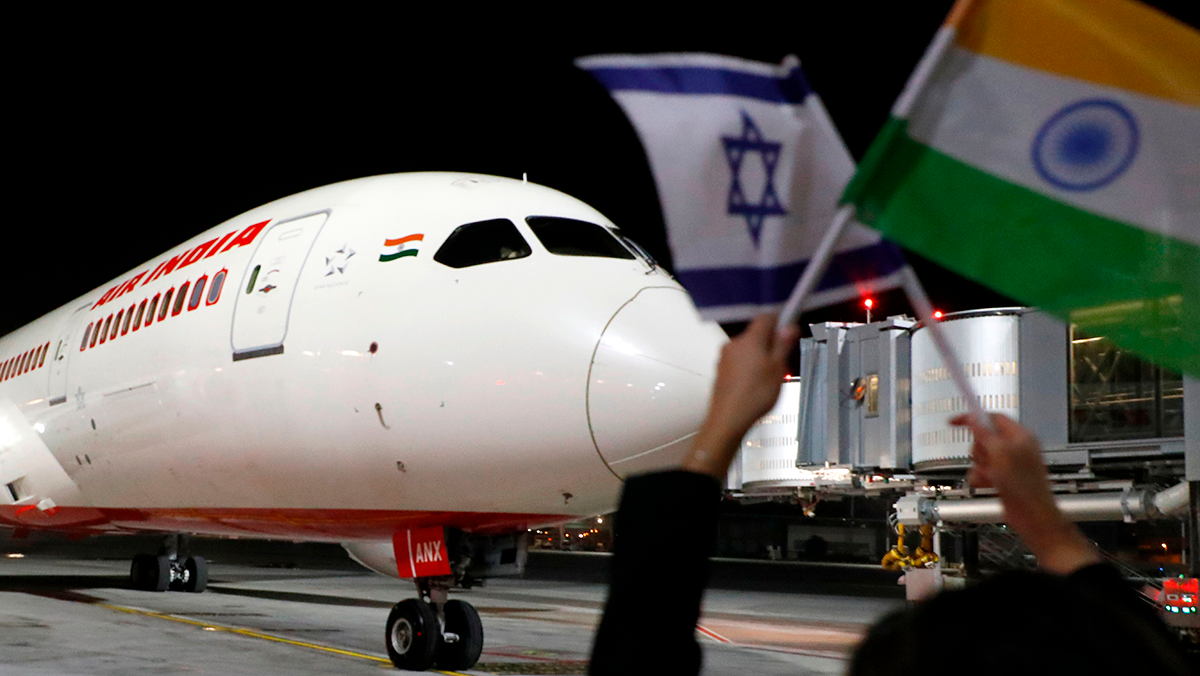
An Indo-Abrahamic alliance on the rise: How India, Israel, and the UAE are creating a new transregional order
There is a new and little noticed geostrategic alliance on the rise. India, Israel, and the UAE have had surface-level, transactional relations for a long time. However, last year’s normalization agreements between Israel and several Arab states — chief among them, the UAE — along with Turkey’s bid to return as the leader of a Muslim order and the growing distance between the UAE and Pakistan have created an unlikely and unprecedented “Indo-Abrahamic“ transregional order. This emerging multilateral pact may fill the gap the United States is leaving in the Middle East and has the potential to transform the region’s geopolitics and geoeconomics.
لماذا يحتفل الكثير من التونسيين بقرار الرئيس سعيّد
سارع خصوم الرئيس التونسي قيس سعيّد والمعلقون الدوليون الأكثر دراية بمصر إلى إدانة ما وصفوه بـ “الانقلاب”. هنا، إلى جانب الحاجة إلى تقييم الوضع التونسي وفقًا لطبيعته الخاصة، قد يكون من المفيد تنحية التصنيفات القانونية وتلك المرتبطة بالعلوم السياسية جانبًا في الوقت الحالي والتفكر بدلًا من ذلك في سبب احتفال الكثيرين في تونس بقرارات الرئيس الأخيرة.
Why many Tunisians are celebrating President Saied’s decision
Tunisian President Kais Saied’s opponents and international commentators more familiar with Egypt have been quick to condemn what they are calling a “coup.” In addition to the need to assess the Tunisian situation on its own unique terms, it may be useful to set aside legalistic and political science taxonomy for the moment and consider instead why many in Tunisia have celebrated the president’s recent decisions.
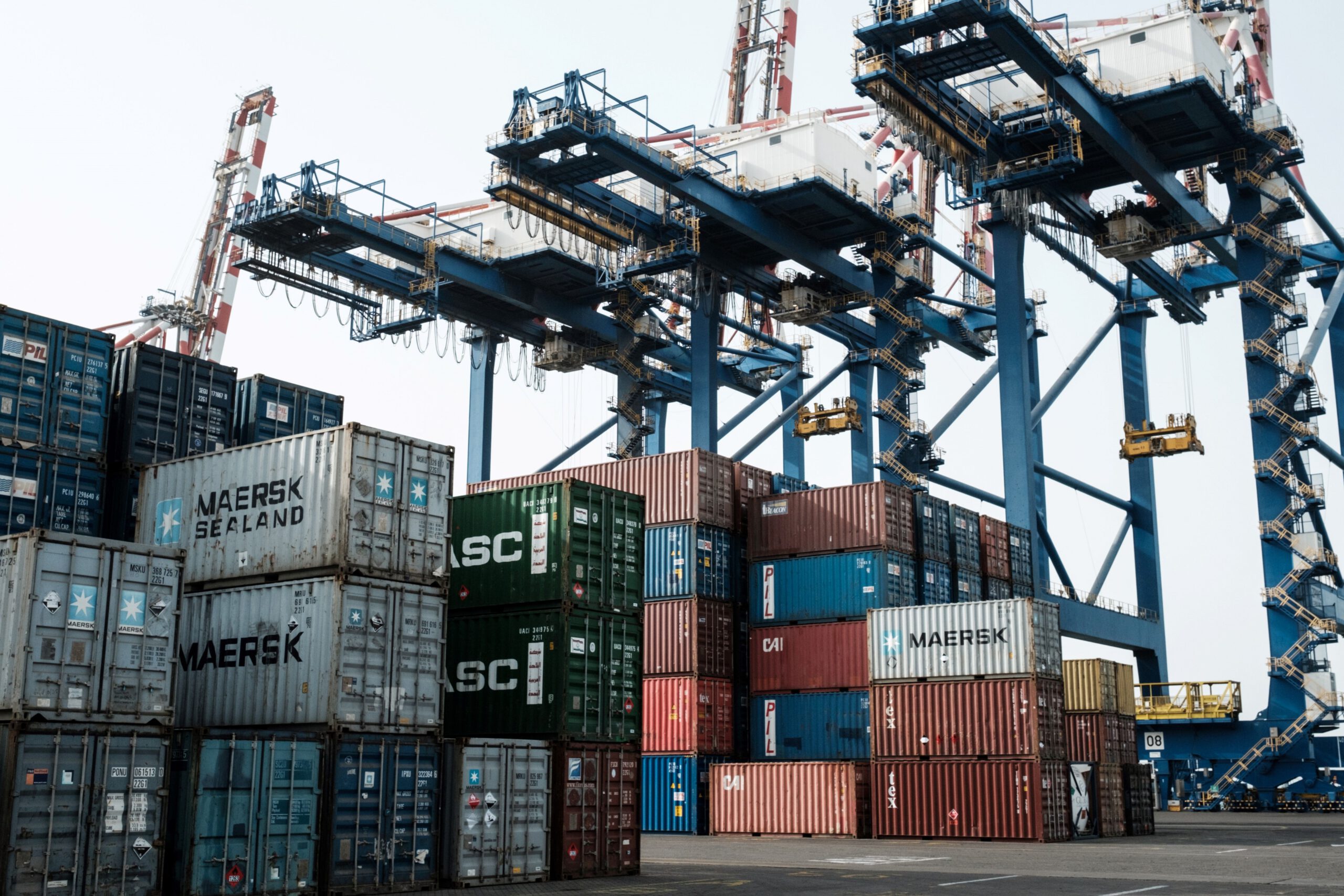
Although it is home to the Horn of Africa’s main transshipment hub, a host of foreign military bases, and a booming local service sector, Djibouti faces a number of major economic challenges, including new and growing competition, dangerous reliance on Ethiopian power and water supplies, climate change, and high levels of debt. This is why Djibouti needs a Plan B for what comes next after the presidency of its long-time leader, Ismail Omar Guelleh, in power since 1999.
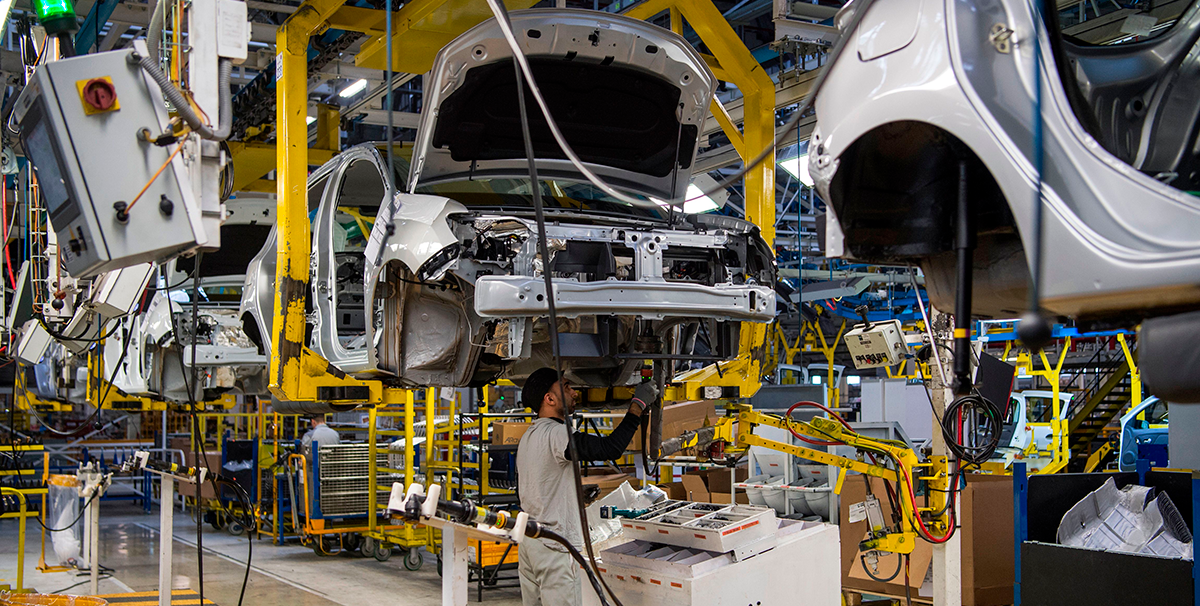
Morocco finds on-ramp into EV manufacturing through electronic chip production for Tesla
STMicroelectronics, one of Europe’s leading semiconductor manufacturers, will very shortly inaugurate a new production line in Morocco to manufacture electronic chips for American electric car pioneer Tesla. The production line is the latest example of a larger trend among international firms to look to Morocco as an attractive location for “nearshoring.” Through Rabat’s smart infrastructure investments and careful management of its foreign partnerships, Morocco has already exploited this trend to emerge as Africa’s leading automaker. Now with an auto chip production line dedicated to electric vehicles (EVs), Morocco is positioning itself to become a center for EV production while turning itself into a strategic component of Western semiconductor supply chain resilience.