Skip to Content

Research & Commentary Results

Filter by
1790 Results
Is Idlib set for internal strife?
Photo by OMAR HAJ KADOUR/AFP via Getty Images
  • Analysis
  • Is Idlib set for internal strife?

    With its territory under increasing pressure, its finances dwindling, and manpower more challenged than ever, HTS’s ability to balance its extremism with controlled uses of pragmatism is under strain. Internally, its leadership is bitterly divided over decisions of the past, present, and future and externally, its rivals and enemies all appear to be conspiring against it. In an attempt to protect internal cohesion, HTS has become determinedly self-assertive in recent weeks, pursuing unpopular policies such as trading with the regime and lashing out at those brave enough to express their dissatisfaction. In response to HTS aggressions, a wider array of opposition voices — both moderate and Islamist — are declaring loudly that HTS now represents a threat to their revolution.

    Can corona diplomacy cure Turkey’s foreign policy isolation?
    Photo by Ali Balikci/Anadolu Agency via Getty Images
  • Analysis
  • Can corona diplomacy cure Turkey’s foreign policy isolation?

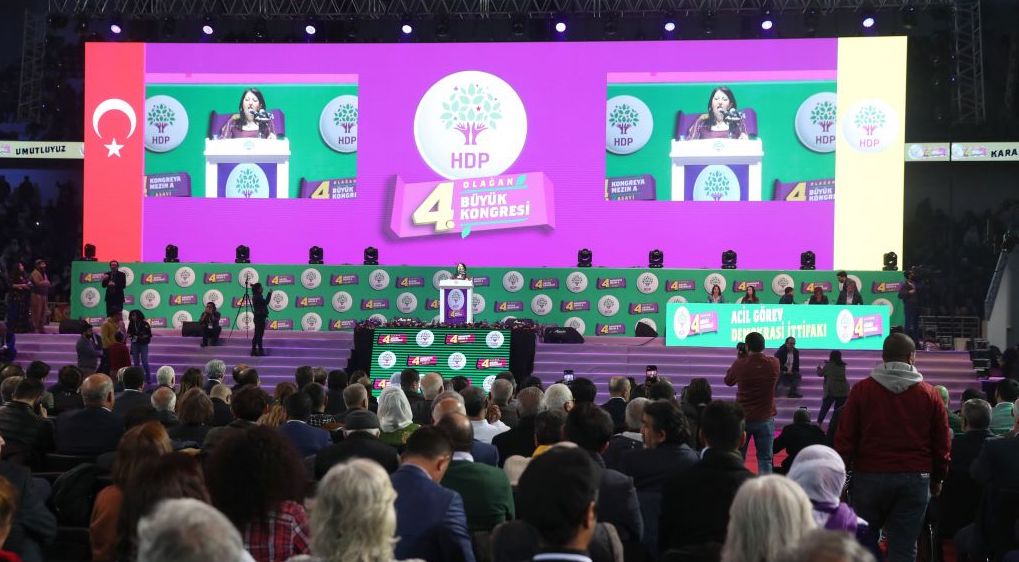
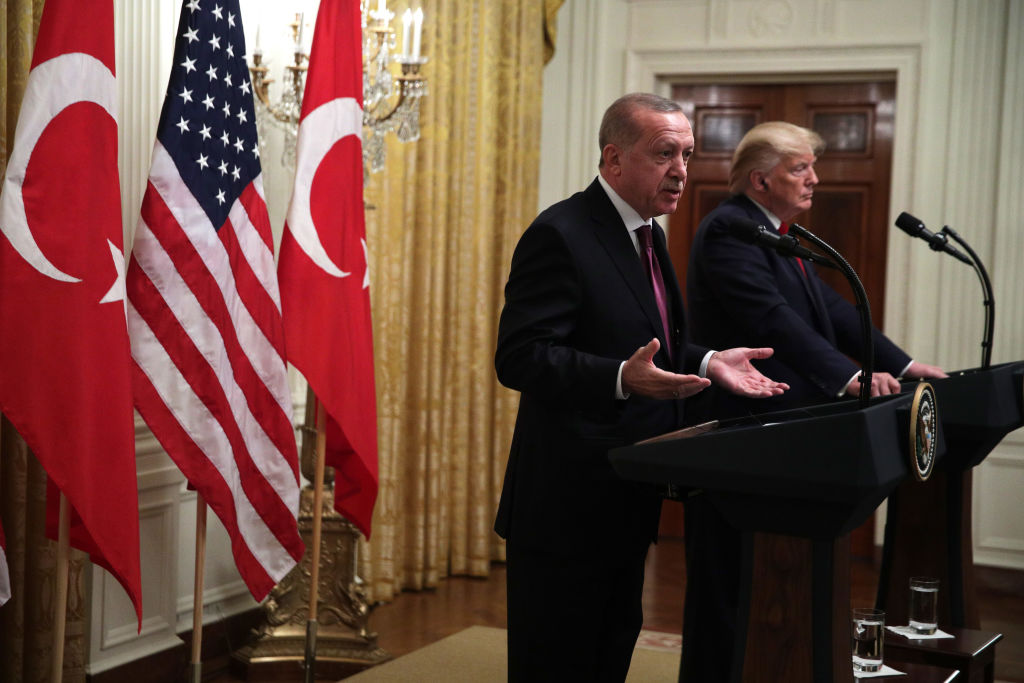
    Even before the coronavirus upended life around the world, Turkey’s President Recep Tayyip Erdogan was already grappling with a host of problems. Then COVID-19 hit the country. Many argue the virus will exacerbate Erdogan’s problems but where others see a problem, Turkey’s president sees an opportunity. He is using the crisis to undercut the opposition, distribute government contracts to his loyalists, and punish his critics. Erdogan is relying on the virus to score foreign policy points as well. Sending medical aid to its neighbors and beyond helps assert Turkey’s leadership and improves its shattered image. The coronavirus likewise provides an excuse to remove a long-time irritant in Ankara’s ties with Washington and perhaps end its isolation in the region.

    Supporting refugee communities during the pandemic
    Middle East Institute
  • Podcast
  • Supporting refugee communities during the pandemic

    Basma El Husseiny (Action for Hope) and Samar El Yassir (Anera) join guest host Lyne Sneige to discuss the impact of the COVID-19 pandemic on refugee communities and the NGOs that work with them.

    April 24, 2020

    Ravaged by war, Syria’s health care system is utterly unprepared for a pandemic
    Photo by AAREF WATAD/AFP via Getty Images
  • Analysis
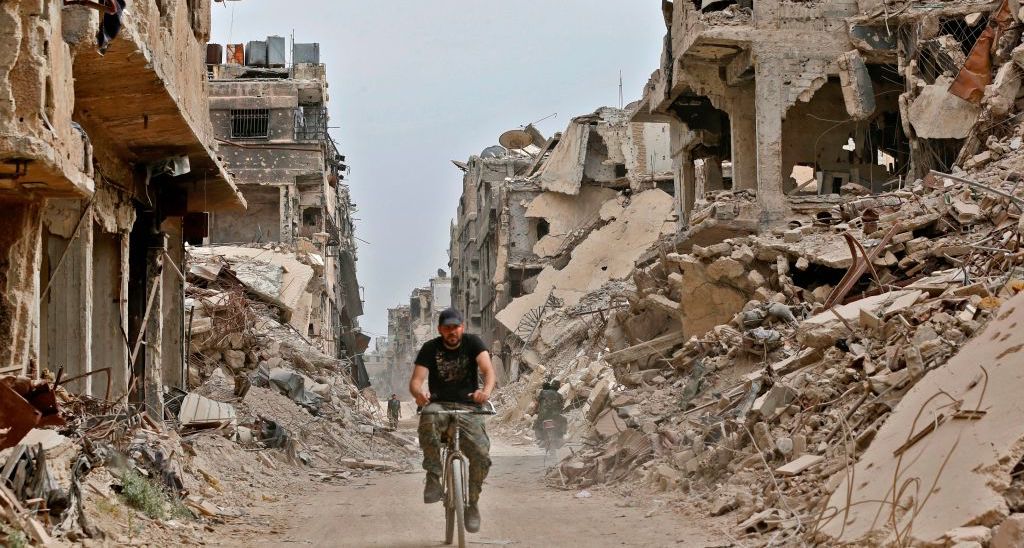
  • Ravaged by war, Syria’s health care system is utterly unprepared for a pandemic

    Officially, Syria has just 42 COVID-19 cases, all but one of them in regime-held areas, as testing capacity is almost non-existent elsewhere. The actual number is certainly higher, but there appear to be few severe cases at the moment. Yet, interviews with doctors and NGO workers conducted over the phone and via messaging apps across all areas of control in Syria — from regime-held areas and the northeast to Idlib and the Turkish-controlled region — paint a grim picture of a health care sector utterly unprepared for a pandemic.

    April 23, 2020

    Turkey’s Dangerous New Exports: Pan-Islamist, Neo-Ottoman Visions and Regional Instability
    Ozan Kose/Agence France-Presse/Getty Images
  • Analysis
  • Turkey’s Dangerous New Exports: Pan-Islamist, Neo-Ottoman Visions and Regional Instability

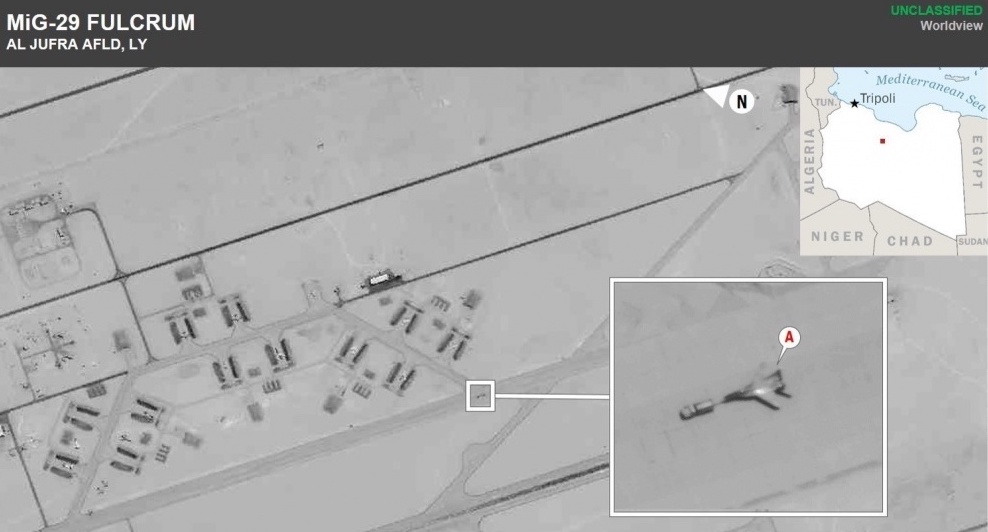
    There is certainly no shortage of writings on Turkey today regarding that country’s “drift” away from its Western orientation. Some who espouse this argument frame the consequences in terms of Turkey’s increased ties to China. While Turkey itself has launched an “Asia Anew” policy, the outsized focus on this and other alleged signs of Turkey’s “drift from the West” distracts from the very palpable effects of its adventurism in the Middle East, North Africa, and Eastern Mediterranean. Turkey’s increasingly reckless foreign policy is on full display — from weaponizing refugees to extort the European Union to exporting mercenary Jihadist fighters to Libya. These are hardly the actions of a responsible regional power, much less a key member of the NATO alliance. 

    April 21, 2020

    The growing threat of ISIS in Syria’s Badia
    Photo by: GEORGE OURFALIAN/AFP via Getty Images
  • Analysis
  • The growing threat of ISIS in Syria’s Badia

    When the American-backed Syrian Democratic Forces (SDF) captured the village of al-Baghouz in late
    March 2019, ISIS’s self-proclaimed “caliphate” came to an end. The largest multinational military
    coalition in modern history spent four-and-a-half years methodically rolling back ISIS’s control of an
    expanse of territory the size of Britain, stretching across Syria and Iraq.

    Diversify and expand: Turkey’s drive towards natural gas security
  • Analysis
  • Diversify and expand: Turkey’s drive towards natural gas security

    President Recip Tayyip Erdogan has sought to dramatically reorient Turkey’s role and relationships in the region. Gradually at first but then abruptly, he has pivoted from the Republic’s historical status as a key member of the transatlantic alliance towards new partnerships – including Russia. Erdogan has consistently aimed for freedom in executing his foreign policy agenda, of which energy concerns are pivotal. It remains to be seen whether this hard-sought autonomy will be limited or expanded by Turkey’s domestic energy needs and its prime position as a hydrocarbon transit state.

    April 16, 2020

    “A Force They Haven’t Seen Before”: Insurgent ISIS in Central Syria
    Photo by STRINGER/AFP via Getty Images
  • Analysis
  • “A Force They Haven’t Seen Before”: Insurgent ISIS in Central Syria

    Immediately after the Syrian regime and its allies captured central Syria in late 2017, ISIS began waging an effective and deadly insurgency in the area. It first targeted urban centers along the western Euphrates before shifting focus in spring 2018 to the transport lines and mountains running along the M20 from Khunayfis to Shoula. These wide-ranging operations have killed a minimum of 860 pro-regime fighters of all ranks, units, and types. This report tracks self-reported regime losses in the region, as indicated on loyalist Facebook pages, community pages, and unit pages, from Nov. 10, 2017 through March 31, 2020.

    April 15, 2020

    US engagement in the Black Sea and Middle East. What more can be done?
  • Analysis
  • US engagement in the Black Sea and Middle East. What more can be done?

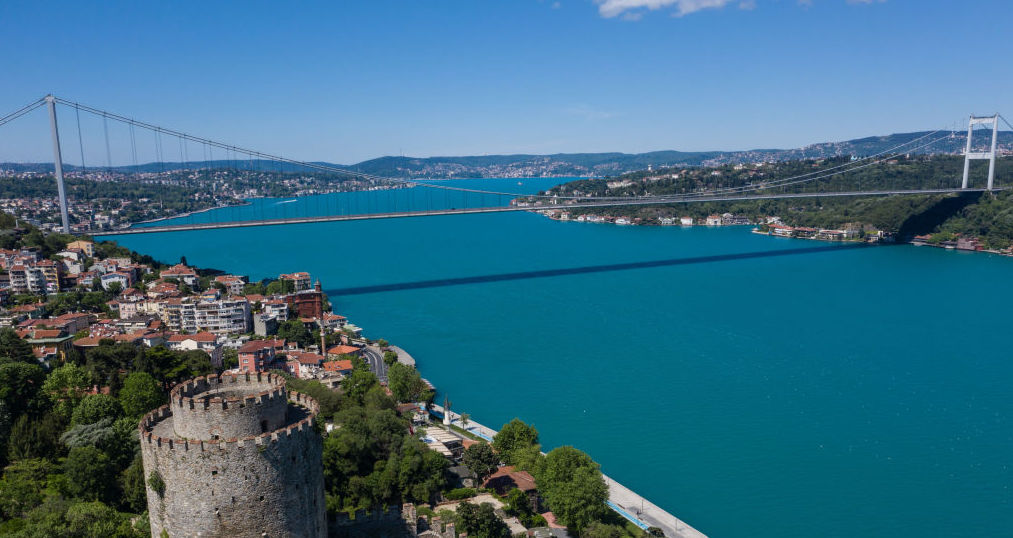
    US support for the Black Sea and the Middle East has been through several phases in recent years, with President Donald Trump’s generals having the biggest impact on policy change. While there has been increased engagement in the region, much more is needed from the US – as well as NATO and the EU – to ensure Black Sea security.

    Iran’s Unconventional Alliance Network in the Middle East and Beyond
    Photo by Morteza Nikoubazl/NurPhoto via Getty Images
  • Analysis
  • Iran’s Unconventional Alliance Network in the Middle East and Beyond

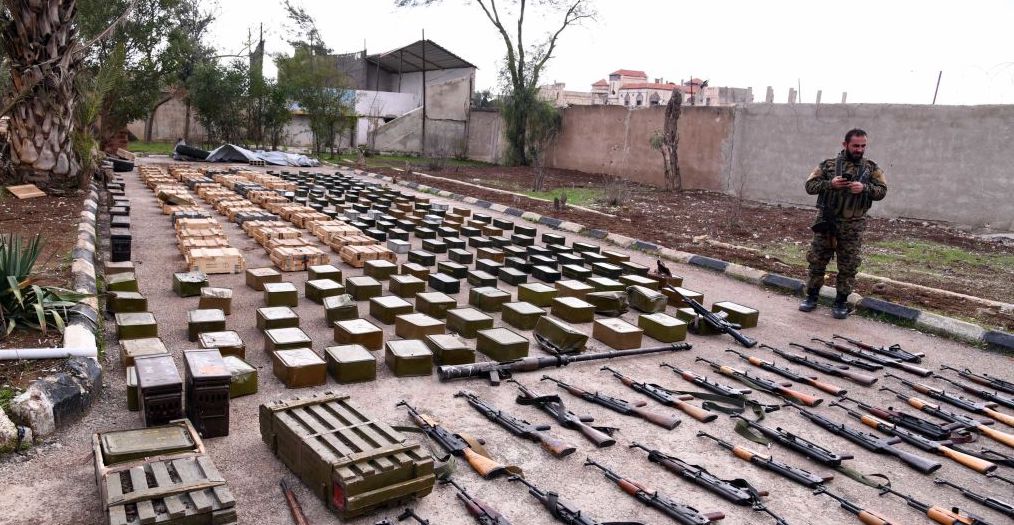
    The Islamic Republic’s unconventional alliance network reaches far and wide, and its workings have only intensified since the killing of Gen. Qassem Soleimani in early January 2020. The systematic effort to consolidate these alliances, indicated by the swift appointment of Gen. Esmail Qaani and his new deputy Gen. Mohammad Hosseinzadeh Hejazi to lead the Quds Force, is about much more than just retaliation and revenge against the United States. It is also, and perhaps more importantly, a calibrated response to the Trump administration’s reckless and escalatory changes to the established “rules of engagement” between Washington and Tehran.

    April 7, 2020