Yemen’s peace process: The Hodeida Agreement that never was?
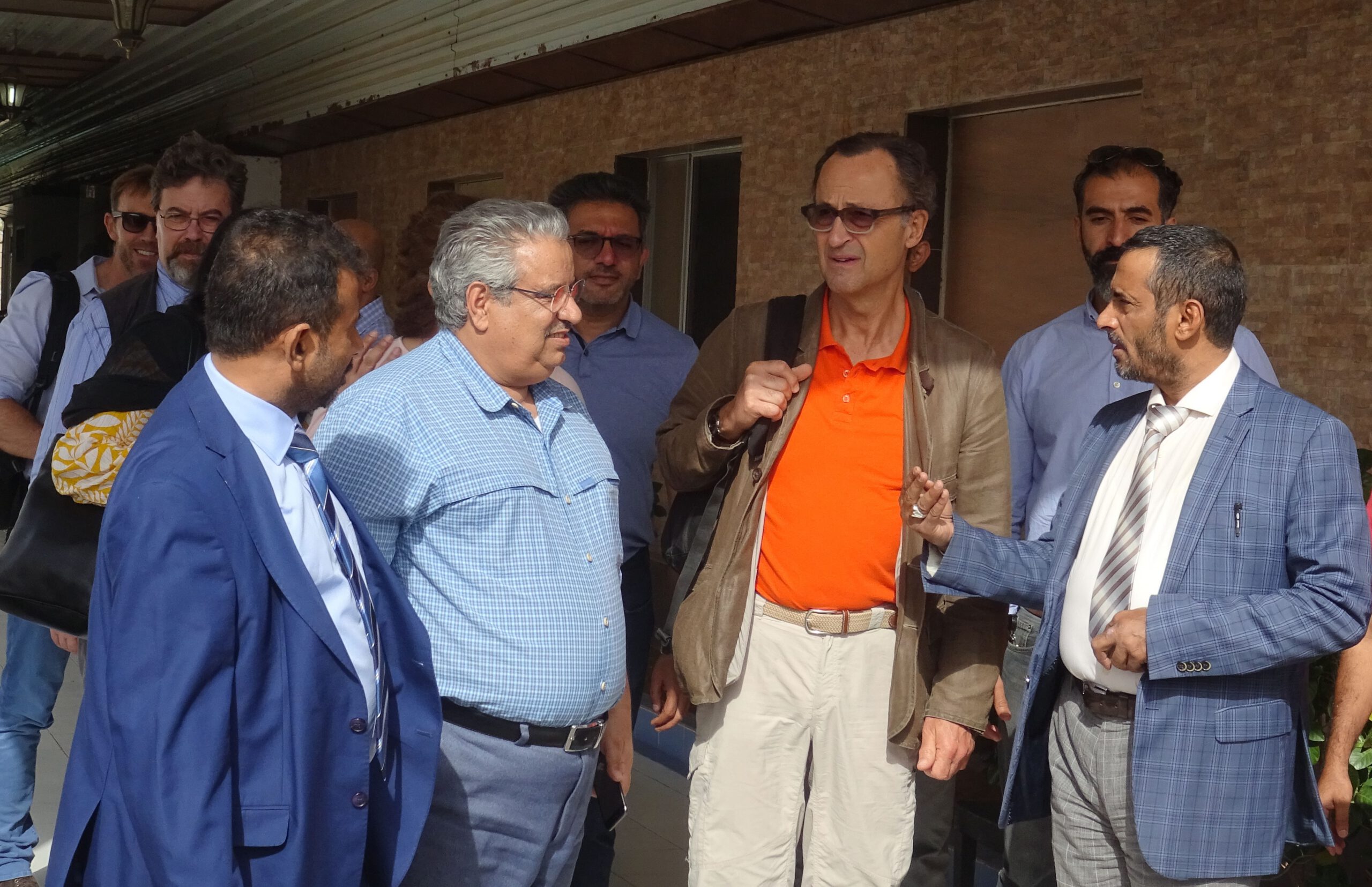
In late July, Lt. Gen. Michael Anker Lollesgaard left Yemen after his six-month term as the second head of the UN Mission in support of the Hodeida Agreement (UNMHA) came to an end. Unlike his predecessor, Maj. Gen. Patrick Cammaert, who departed quietly, Lollesgaard was given a proper sendoff from Sana’a. A senior Houthi commander, Maj. Gen. Ali al-Musheki, even went so far as to describe Lollesgaard as “a conscientious military commander.”
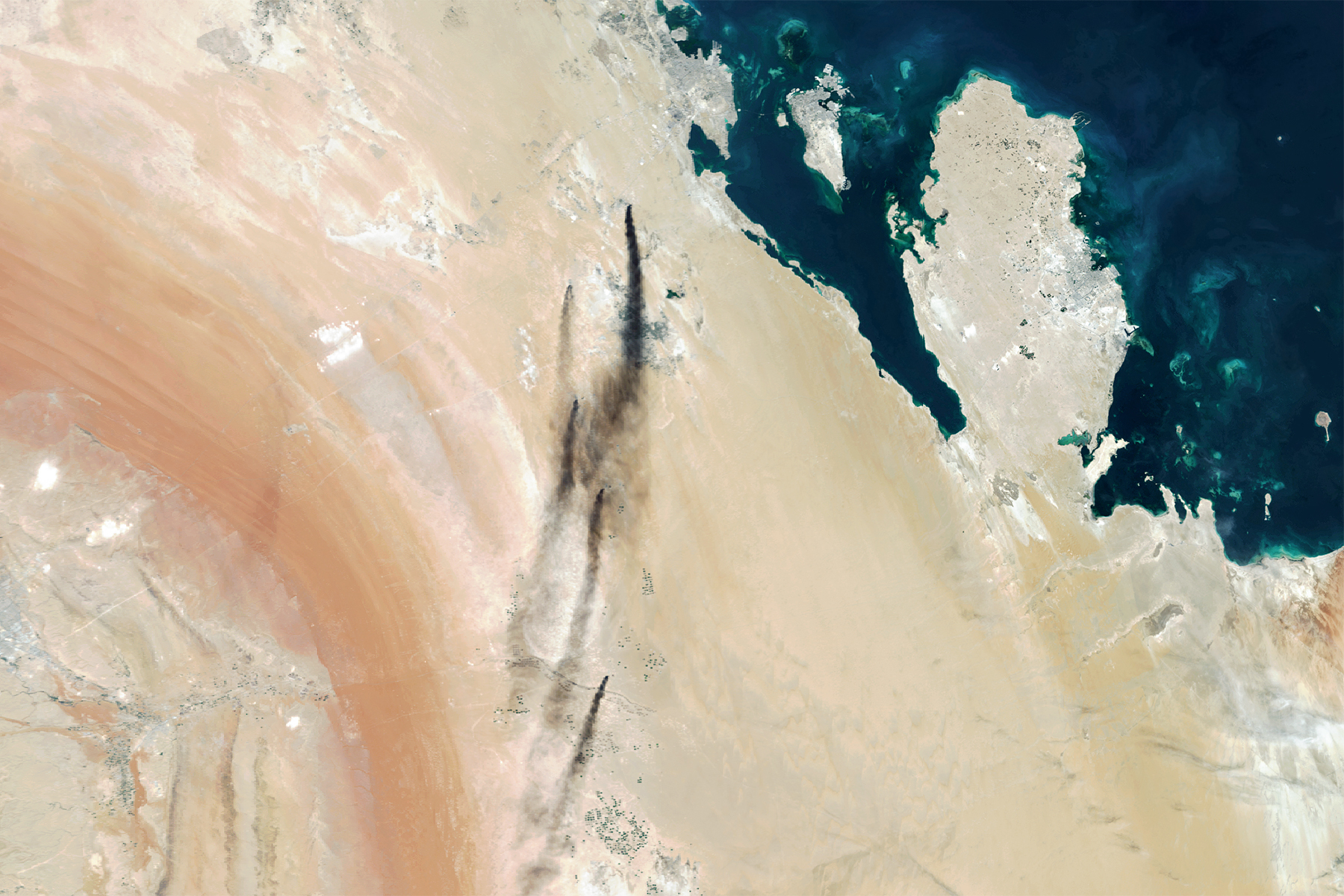
Monday Briefing: Attack on Saudi oil facilities has an impact far beyond the kingdom
This week’s briefing on recent news and upcoming events in the region featuring Ruba Husari, Paul Salem, Gerald Feierstein, Amal Kandeel, Grace Wermenbol, Robert S. Ford, Charles Lister, and Gonul Tol.
The end of an era: Trump invites China to police the Gulf
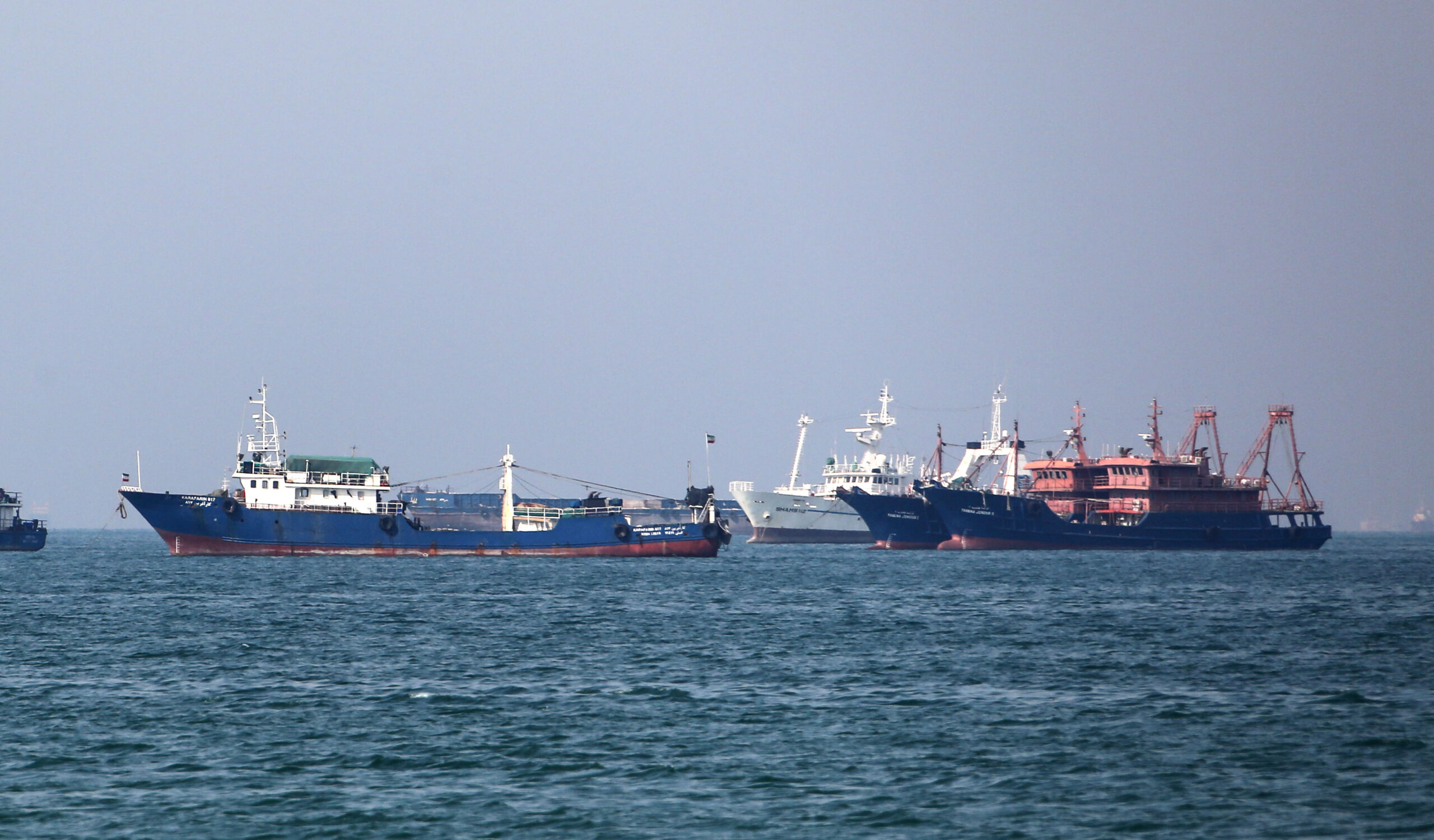
What was President Donald Trump thinking when, on June 24, when he announced a historic revision of U.S. security policy in the Gulf?
As Washington slept, Trump tweeted that “China gets 91% of its Oil from the Straight, Japan 62%, & many other countries likewise. So why are we protecting the shipping lanes for other countries (many years) for zero compensation. All of these countries should be protecting their own ships on what has always been a dangerous journey. We don’t even need to be there in that the U.S. has just become (by far) the largest producer of Energy anywhere in the world!”
Libya’s Hifter and the false narrative of authoritarian stability
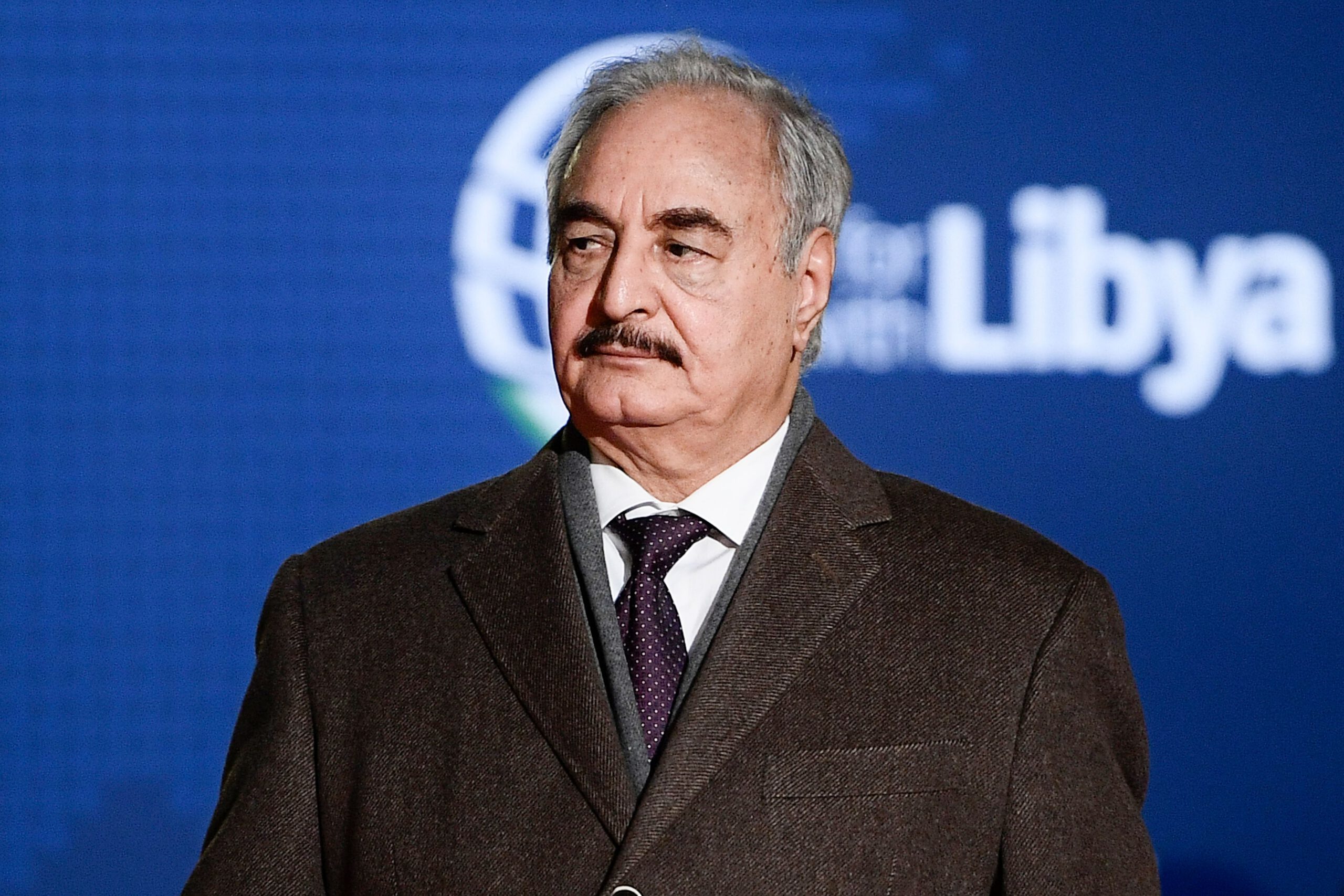
Khalifa Hifter has managed to garner outside support by appealing to foreign states’ desire for a stable Libya, but this rogue former general and would-be authoritarian has proven a troublesome proxy. In supporting his ongoing offensive on Tripoli, foreign states are undermining their own narrative of authoritarian stability.
Countering and courting Iran: Israeli-Palestinian objectives in Iraq
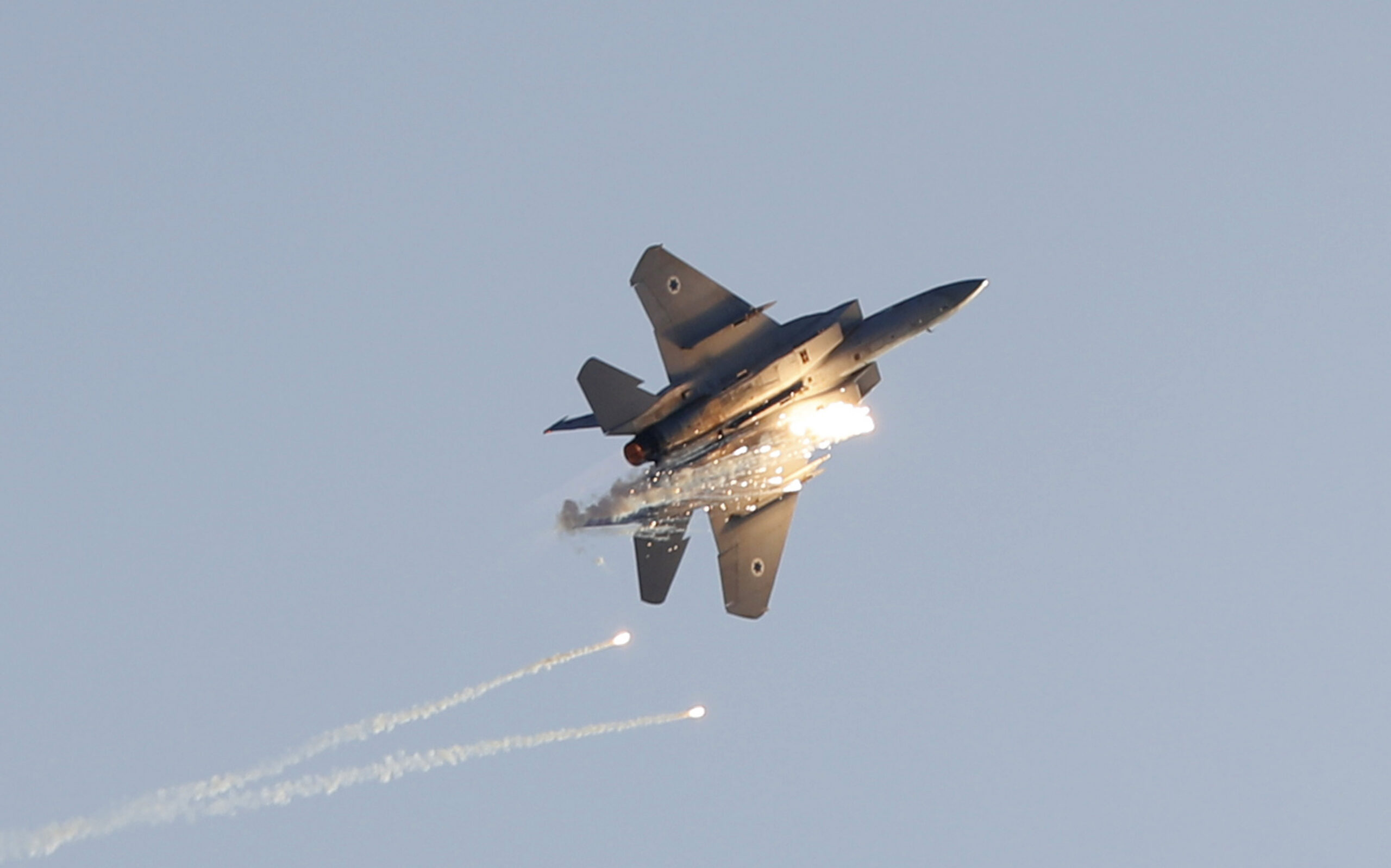
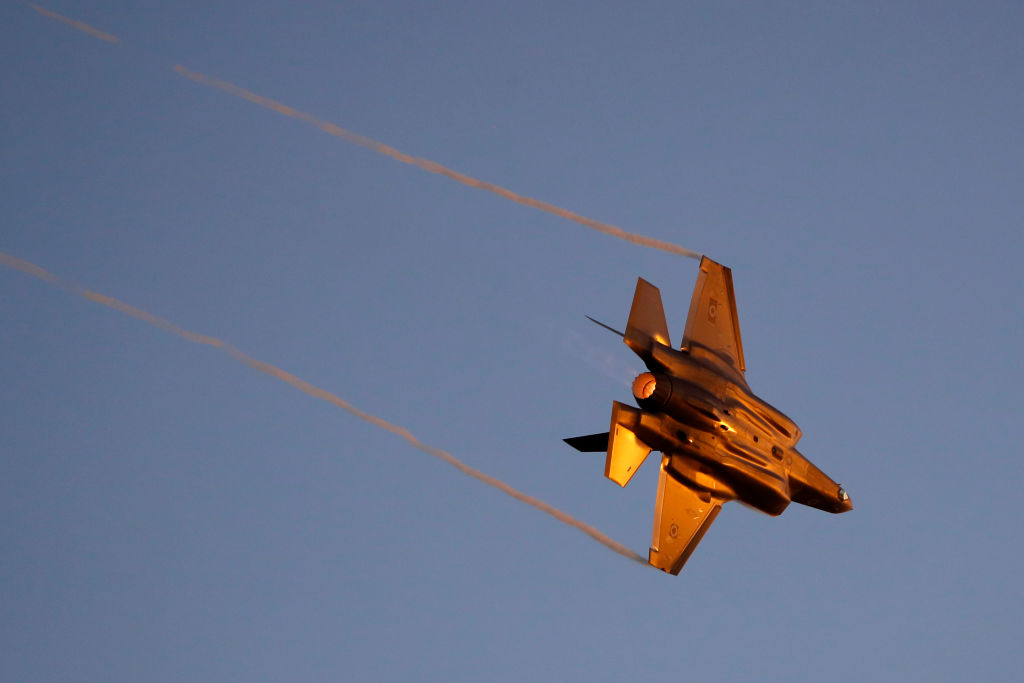
Israel has reportedly expanded its operations against Iran in the Middle East. In July, Israeli and foreign media attributed airstrikes on Iranian targets near Baghdad to Israel. Last week, U.S. officials confirmed that Israel was responsible for the attacks, which mark the first such air raids on Iraq since 1981, when Tel Aviv destroyed Saddam Hussein’s Osirak nuclear reactor.
On Aug. 12, an explosion took place inside an ammunition warehouse in the al-Saqr military base in southern Baghdad, triggering hundreds of mortars and rockets to fire off in all directions throughout urban, populated areas. One person was killed and 29 wounded, as munitions and debris scattered as far as 5 kilometers away.
Monday Briefing: Fighting flares up in southern Yemen
This week’s briefing on recent news and upcoming events in the region featuring Fatima Abo Alasrar, Gonul Tol, Marvin G. Weinbaum, Randa Slim, and Michael Sexton and Eliza Campbell.
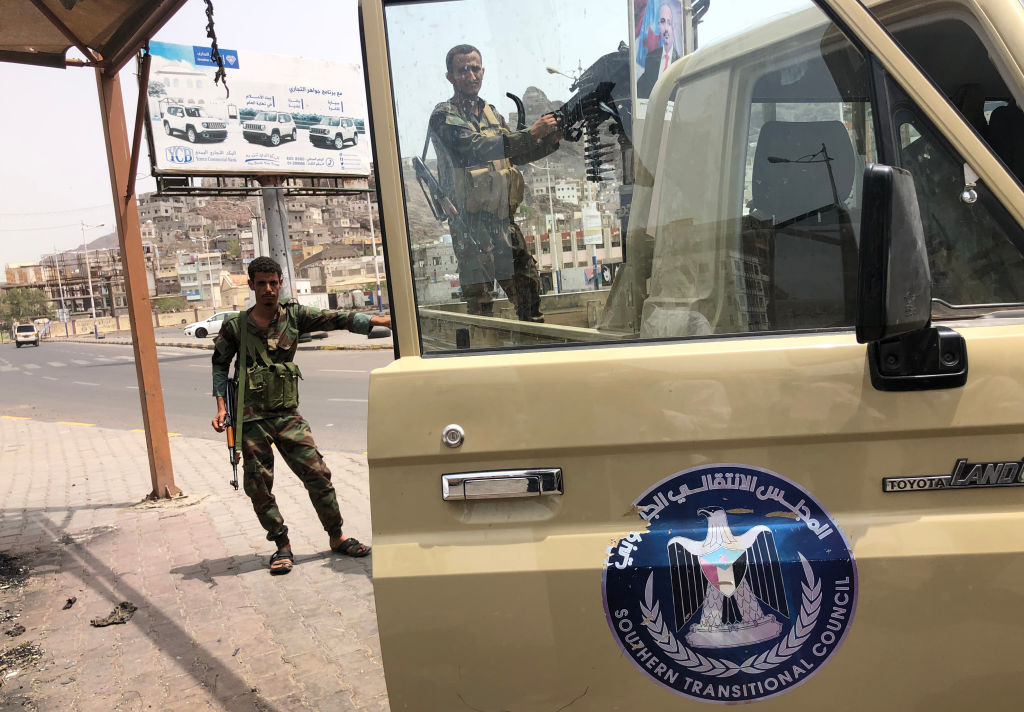
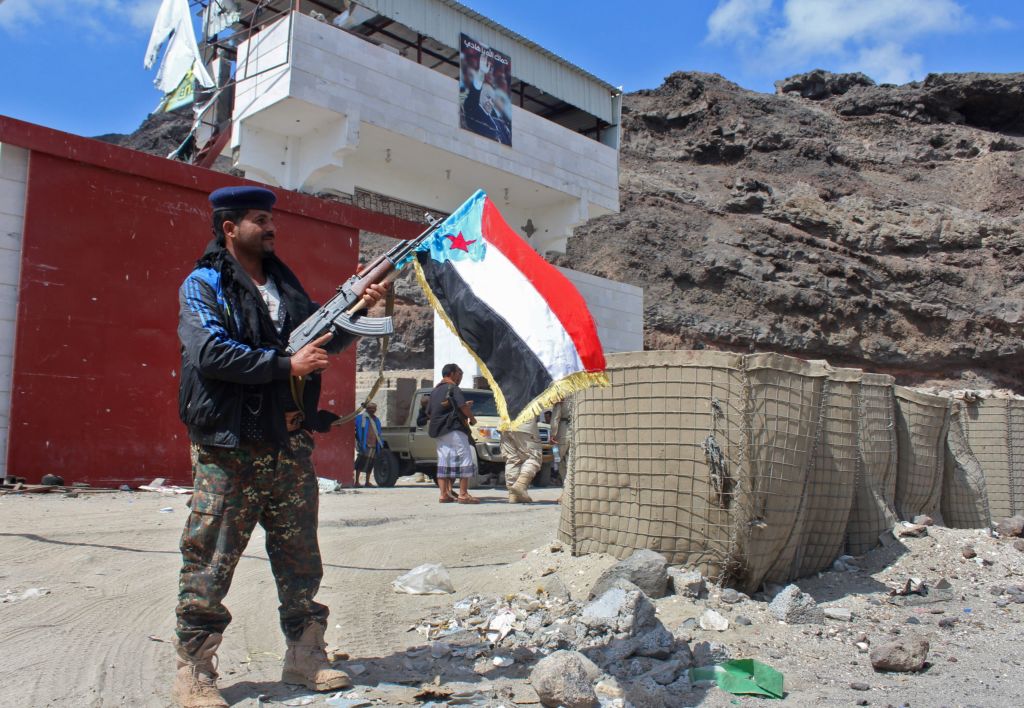
The UAE is reducing its military presence in Yemen and redeploying its forces. This news has spread rapidly, prompting many questions about what it could mean for the continuation or possible conclusion of the war in Yemen. However, the move will not affect the whole country equally.
The fifth generation of mobile phone networks (5G) is poised to become a key enabler of the digitalization of economies and societies. Digital transformation is at the heart of GCC nations’ ambitions to accelerate economic diversification, deliver public services more effectively and efficiently, and promote sustainable growth. GCC ambitions to accelerate the large-scale deployment of 5G dovetail with those of China’s hi-tech giant Huawei, which is competing for market share in infrastructure and smartphones. However, the US push to stymie Huawei’s efforts to expand the reach of its networking technologies has emerged as a potential stumbling block to more extensive ties between that company and GCC wireless carriers and customers.
The Gulf states, the “deal of the century,” and the Iranian threat
Many analysts have been dismissive of the plan’s prospects, but for Gulf states like Saudi Arabia, the UAE, and Bahrain, there’s at least one major reason to line up with Washington on the issue: Iran.
Divided over narratives: The new fault line in the Arab World
Many of the divisions in the Arab World today are ideological and revolve around narratives — carefully constructed ontological representations of both how the world works and how it is supposed to work conforming to clearly set out interests and values. While the old sectarian narratives might still play an underlying role, what divides Arabs from Morocco to Oman are different grand-strategic visions of the region’s future after the Arab Spring.
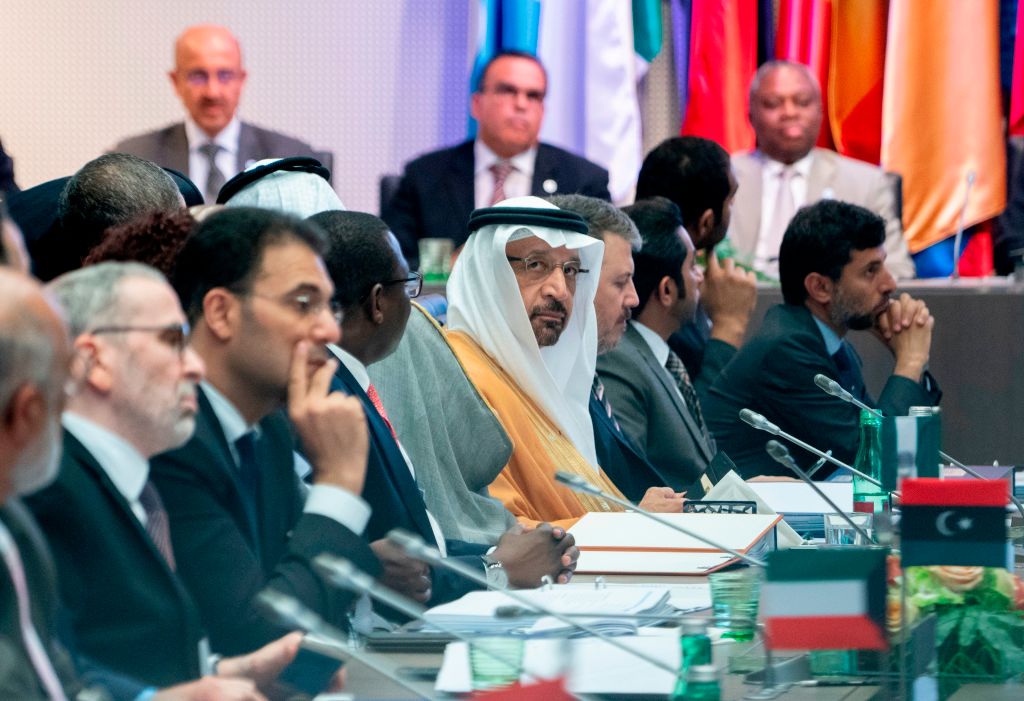
OPEC+ agrees to production-cut extension and new charter amid rising Middle East tensions
OPEC+ nations have ended speculation about whether they would continue oil production cuts by agreeing to a nine-month extension. Led by the global petroleum powers Saudi Arabia and Russia, the group agreed on July 2 to extend the current level of cuts until the second quarter of 2020.
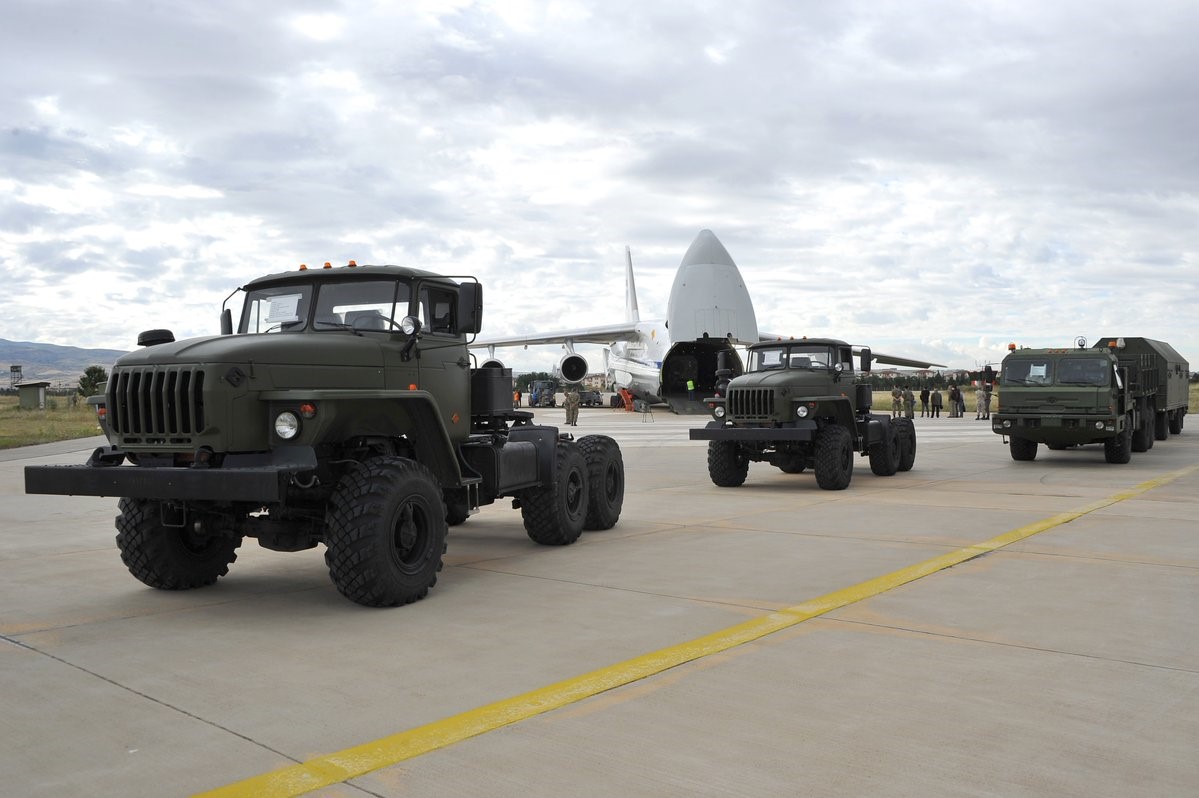
Monday Briefing: US and Turkey face S-400 confrontation
This week’s briefing on recent news and upcoming events in the region including Turkey’s confrontation with the U.S. over its S-400 defense system, the latest round of Afghan peace talks, the UAE’s drawdown in Yemen, Turkey’s media signaling on Syria, and the 21st consecutive week of protests in Algeria, featuring W. Robert Pearson, Marvin G. Weinbaum, Ibrahim Jalal, Guney Yildiz, and Robert S. Ford.
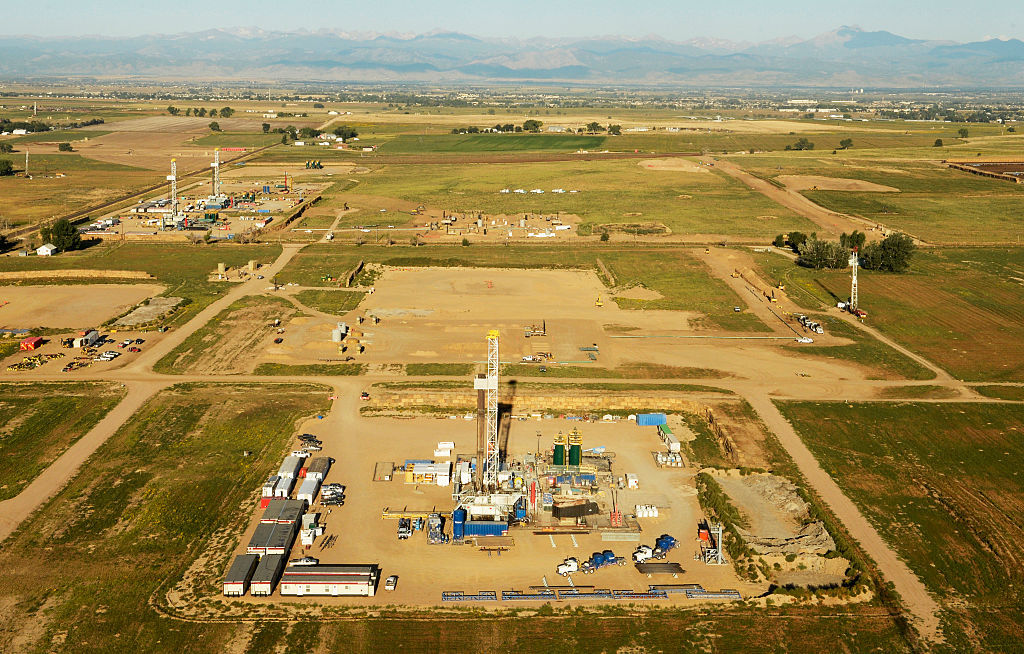
Shale oil and the illusion of US energy independence
U.S. crude oil and energy product exports surged to an all-time high in the third week of June, making the country a net exporter of oil and products for the third time since November 2018. This change lends credence to American officials’ presumption that amid growing U.S.-Iran tensions in the Persian Gulf, Washington is less compelled to police oil transit routes in the region, especially the Strait of Hormuz, than it was during the 1980s. However, while the U.S. is less reliant on oil imports than in the past, it still remains dependent on Gulf producers, albeit in different ways.
The UAE drawdown in Yemen is a welcome step, but it needs to be reciprocated
Reports that the UAE, a key member of the Saudi-led coalition fighting in Yemen, has decided to draw down and reposition its troops should be welcomed and taken seriously. It is not a small or symbolic move, but rather a serious, strategic, and thoughtful military and political decision. If reciprocated by the Iranian-backed Houthi militia, it could serve as the long-awaited breakthrough in the five-year-old Yemen war.