Biden Must Keep U.S. Operatives in Afghanistan To Enable the Counterterrorism Mission
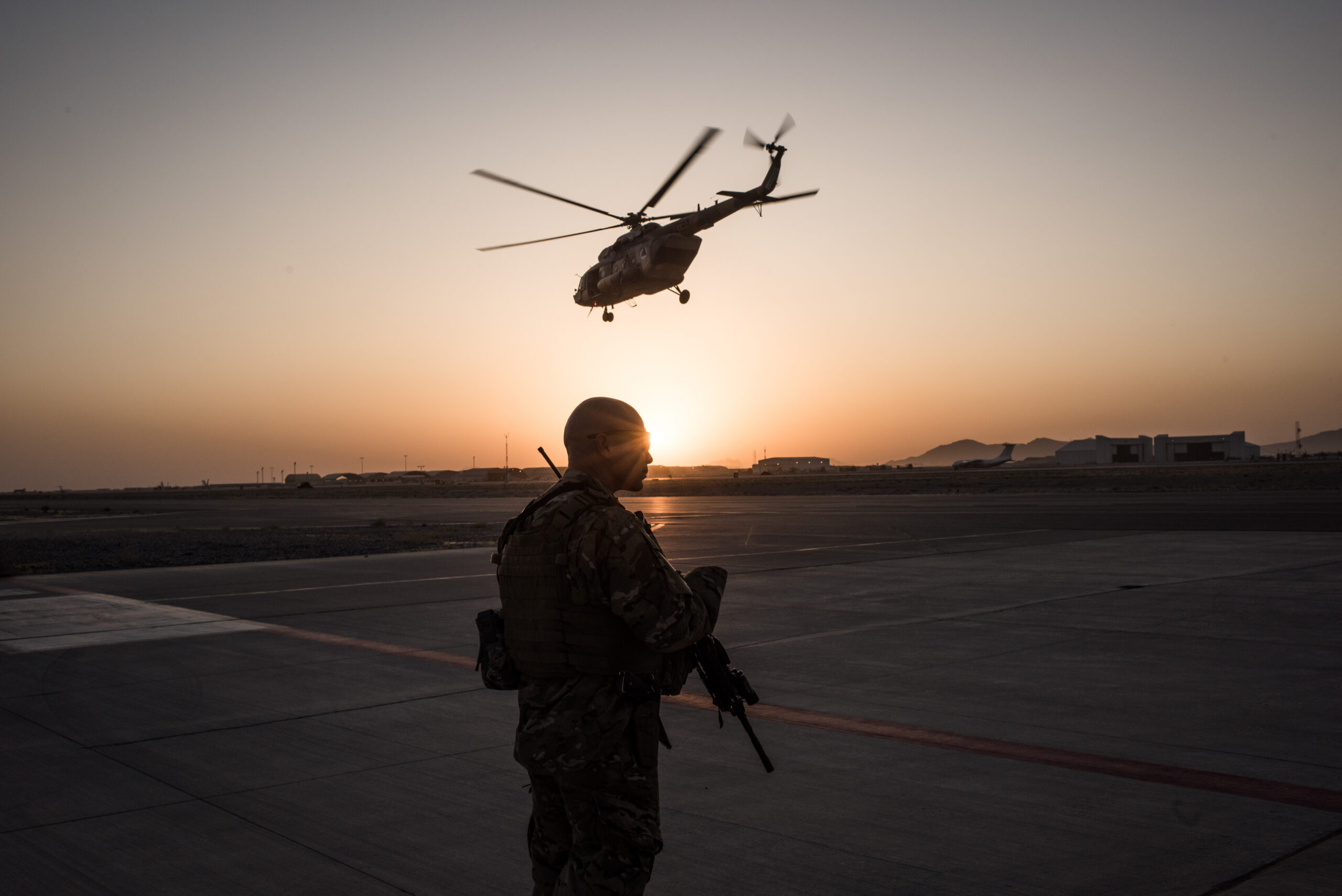
We can and must provide that assistance not to help defeat the Taliban, fix Afghanistan, or remove our moral stain, but to achieve a much more limited objective, one that’s stated by the President himself, which is to ensure that no major attack against the U.S. or U.S. strategic interests is launched from Afghanistan.
مع تكثيف جهود الإجلاء من قِبَل الولايات المتحدة وحلفائها في مطار كابول، تزداد معها التهديدات الإرهابية للمطار ومجاله الجوي. فلمدة 48 ساعة على الأقل، أشارت المعلومات الاستخباراتية إلى وجود تهديد “خطير” و”مستمر” بشن هجمات من قِبَل فرع تنظيم الدولة الإسلامية في أفغانستان، المعروف باسم ولاية خراسان الإسلامية (ISKP). وللمرة الأولى، بدأت طائرات النقل العسكرية يوم السبت بإطلاق مشاعل حرارية مضيئة أثناء الإقلاع – في مؤشر واضح على تهديد محتمل للاستهداف بصاروخ أرض – جو.
What’s next in Afghanistan? The prospects for future political violence
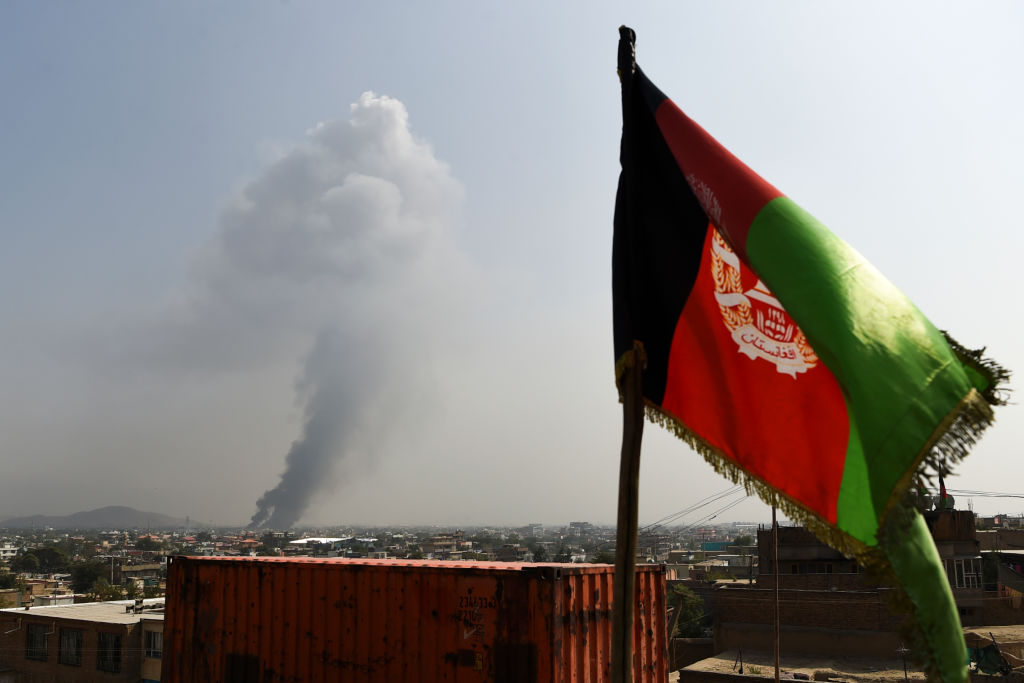
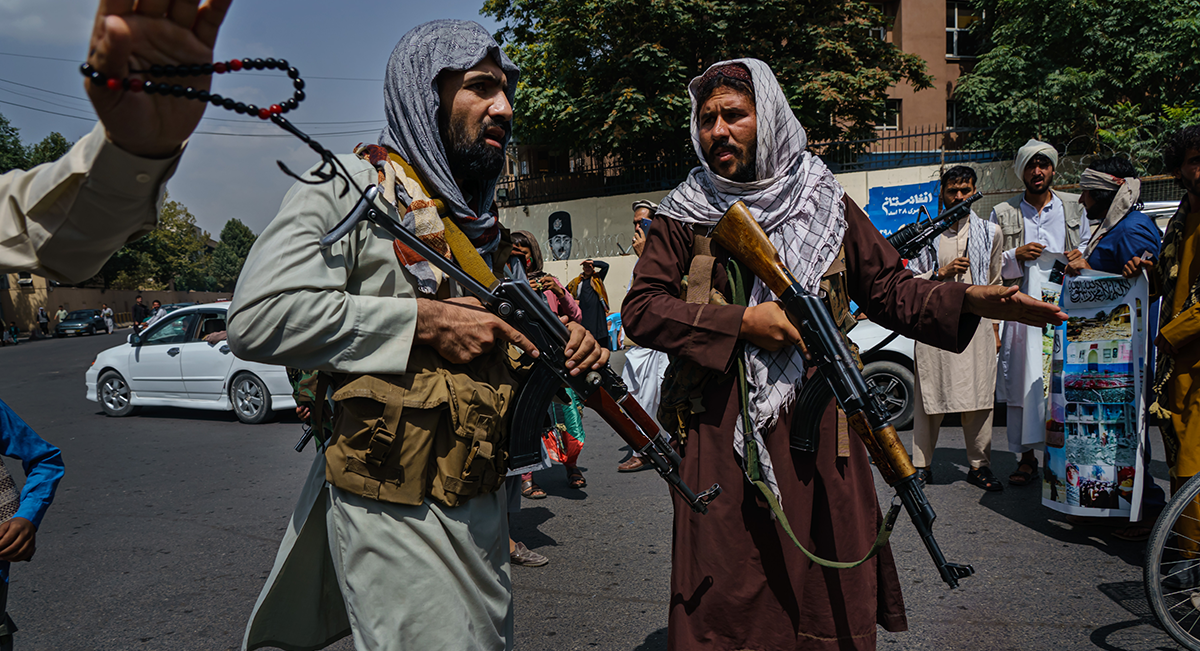
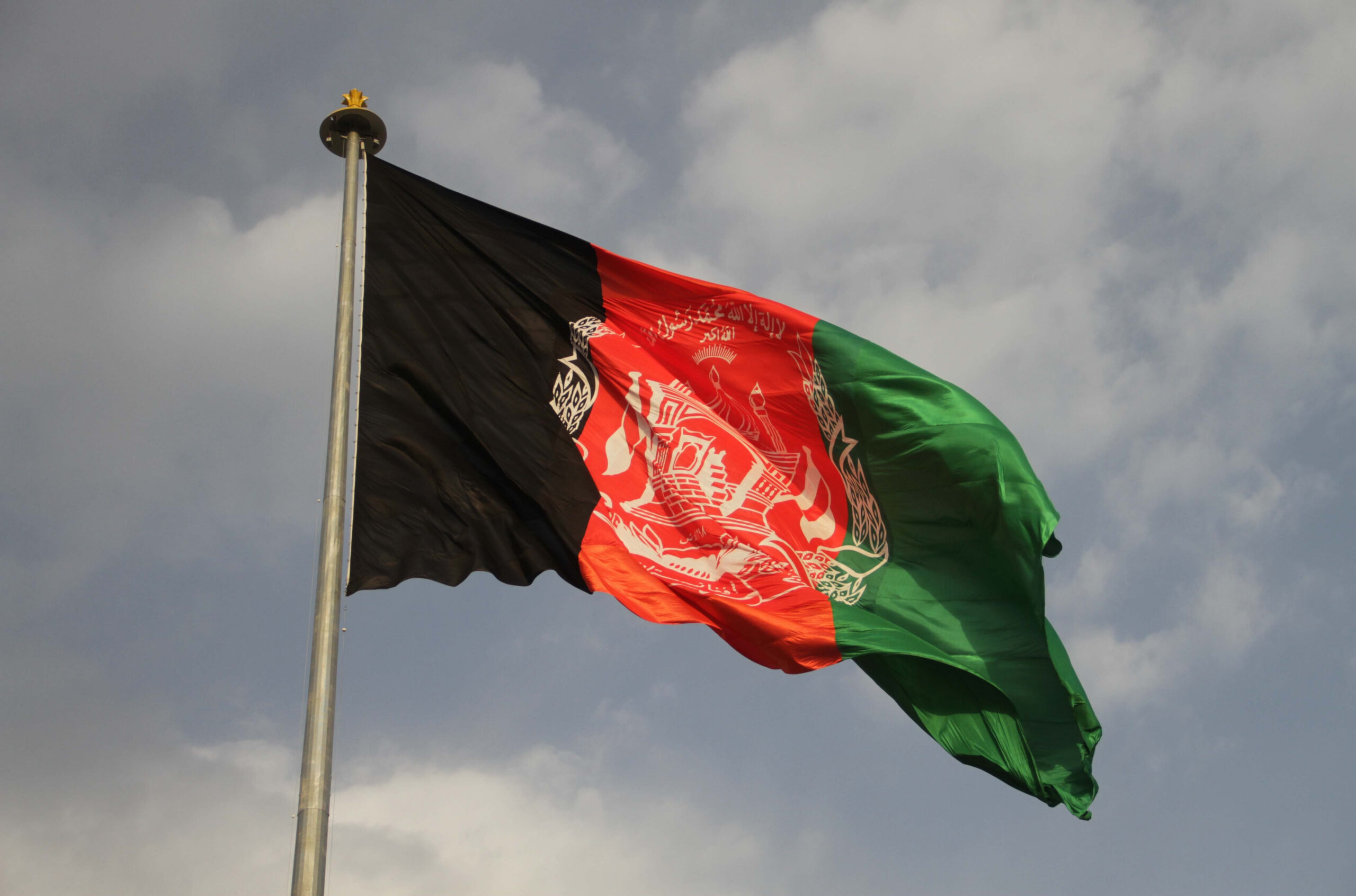
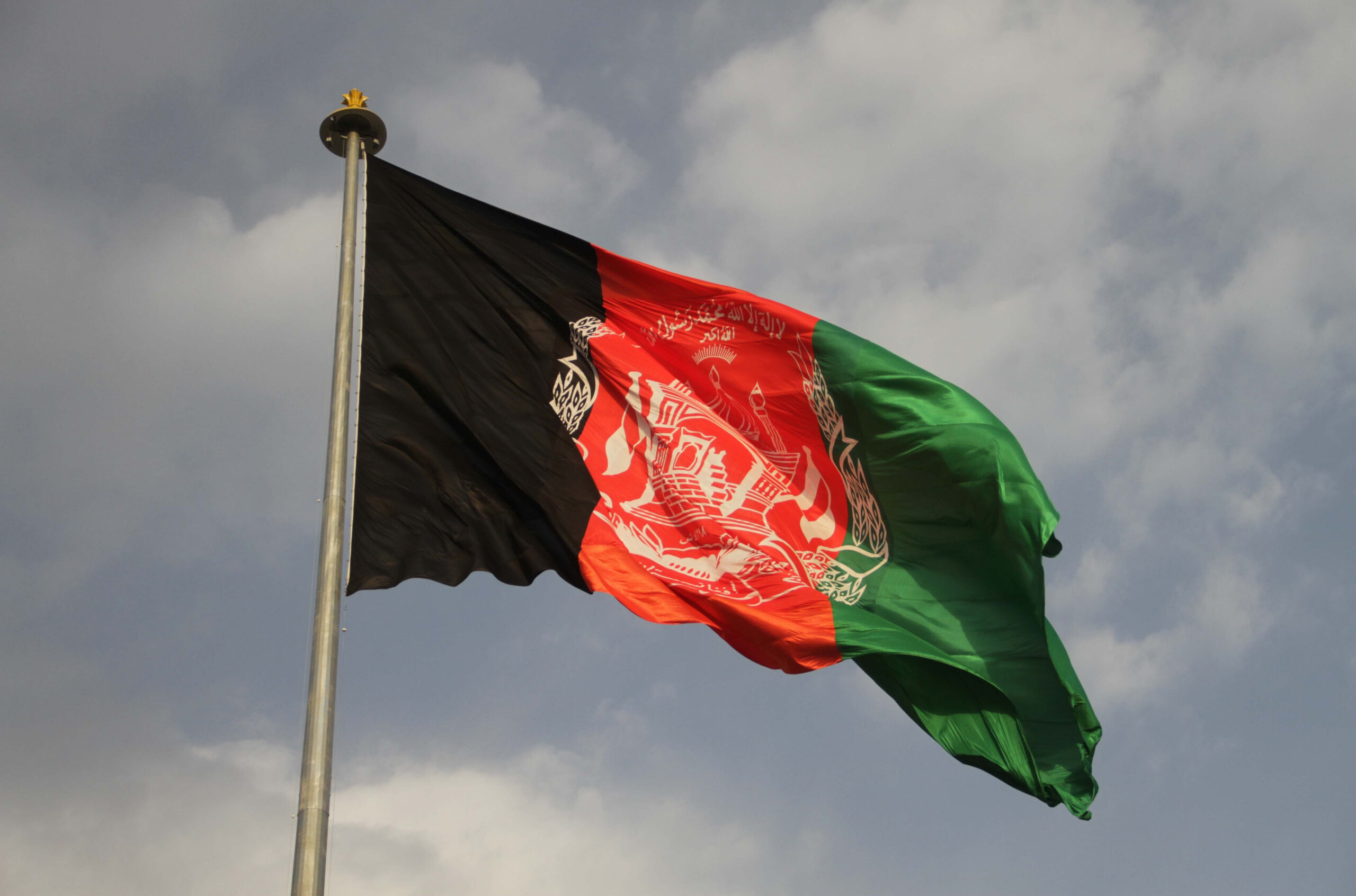
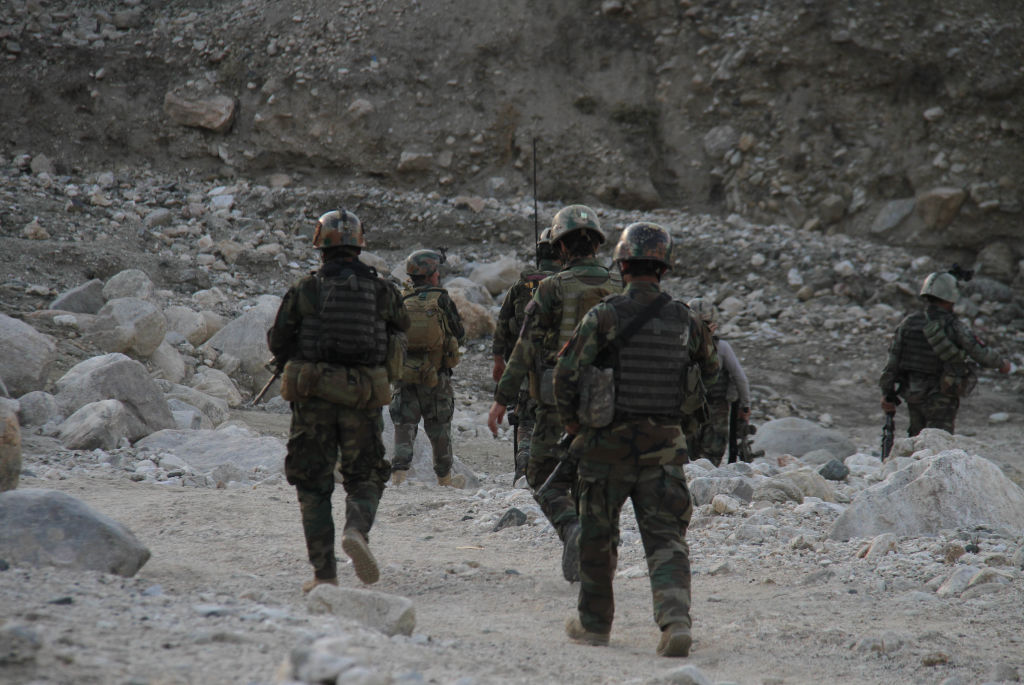
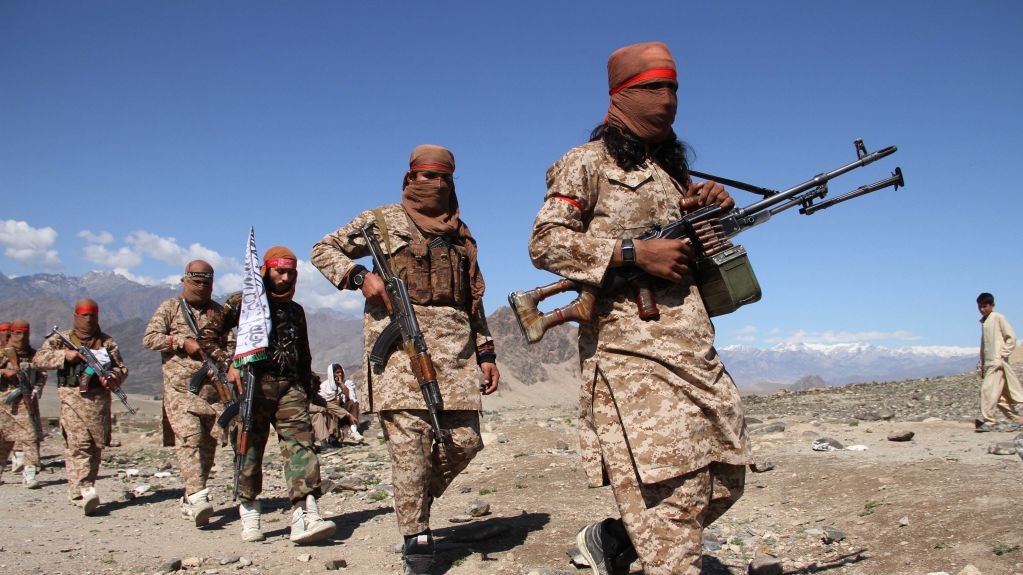
As the U.S. withdrew troops from Afghanistan, the Taliban pushed through large portions of the country, capturing strategic regional centers and ultimately securing the capital city of Kabul. In its pursuit, the Taliban faced relatively little resistance as it seized government strongholds. Rather than widespread fighting, reports indicate that Taliban fighters often cut deals with soldiers, offering payoffs or demanding surrenders. At the same time and as of the time of writing, the Taliban announced a general amnesty, encouraging former government officials and women to support the group.
Whether and how long this period of limited resistance and amnesty might last are unclear. What are the prospects for future political violence both within and outside the country?
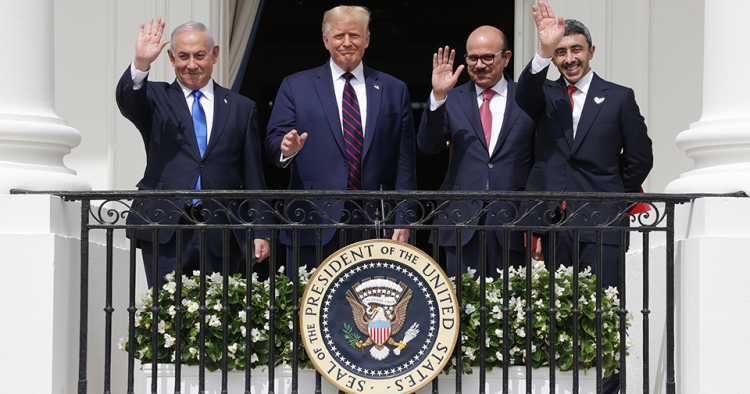
On Sept. 15, 2020, Emirati Foreign Minister Abdullah bin Zayed al-Nahyan, Bahraini Foreign Minister Abdullatif bin Rashid al-Zayani, then-Israeli Prime Minister Benjamin Netanyahu, and then-U.S. President Donald Trump met on the South Lawn of the White House to sign the Abraham Accords, normalizing relations between the two Gulf Arab states and Israel. Morocco followed suit several months later, signing a similar agreement with Israel on Dec. 22, and a week and a half after that, on Jan. 6, 2021, Sudan and Israel also agreed to normalize relations. A year on, these accords have had a significant, if not yet fully realized, impact on the Middle East, affecting everything from geopolitics and economics to tourism and people-to-people (P2P) ties, and they also reflect the changing dynamics in the region and beyond, particularly with the U.S. and China.
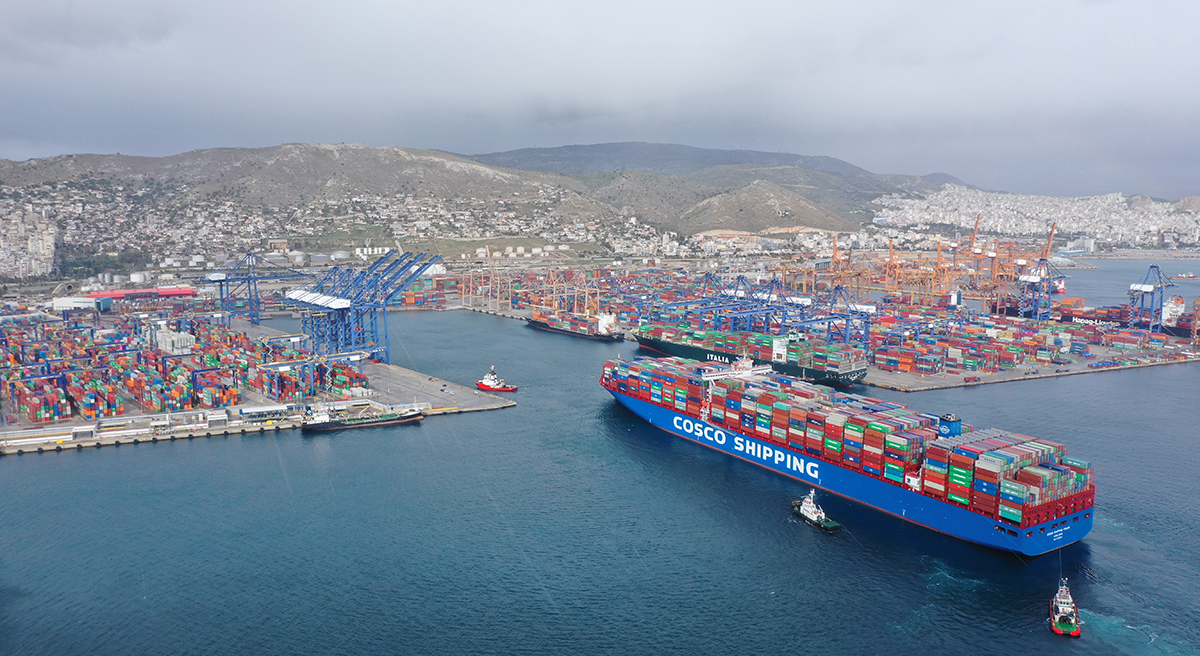
One of the most consequential changes in the Middle East’s geopolitical map is happening at the water’s edge. Along the entire eastern rim of the Mediterranean basin, global and regional actors are engaging in a spate of port capacity expansions, new private port construction, and the sell-off of major state-owned ports that will determine who sits atop the region’s global trade flows for decades to come. The international competition to rebuild Beirut’s port is one key puzzle piece in this larger process that is reconfiguring the Levant’s maritime commercial architecture and, as a consequence, the geopolitical contours of the Middle East.
The possibility that the Lebanese government could opt for China to reconstruct Beirut’s port has raised alarm in Washington and European capitals given China’s already outsized commercial port presence in Egypt, Israel, and Greece. Increased Chinese involvement in Lebanon’s port operations could consolidate Beijing’s hold over the commercial connectivity architecture of the Levant. Re-orienting global commercial flows between Europe, the Middle East, and Asia according to Beijing’s priorities would make China’s Belt and Road Initiative a dominant organizing principle in the international relations of the Middle East. The most effective way to offset China’s ambition may be to facilitate Mediterranean rivals France and Turkey to jointly rebuild Beirut’s port.
Dr. Marvin Weinbaum, director of MEI’s Afghanistan and Pakistan program, joins host Alistair Taylor for a bonus episode responding to the Taliban’s rapid overthrow of the Afghan military and government over the past week.
Amb. Dennis Ross and Karen Young join guest host Gerald Feierstein to discuss the progress of relations between Israel and the Arab world one year after the signing of the Abraham Accords, as well as the agreement’s economic impacts and what role the United States will play moving forward.
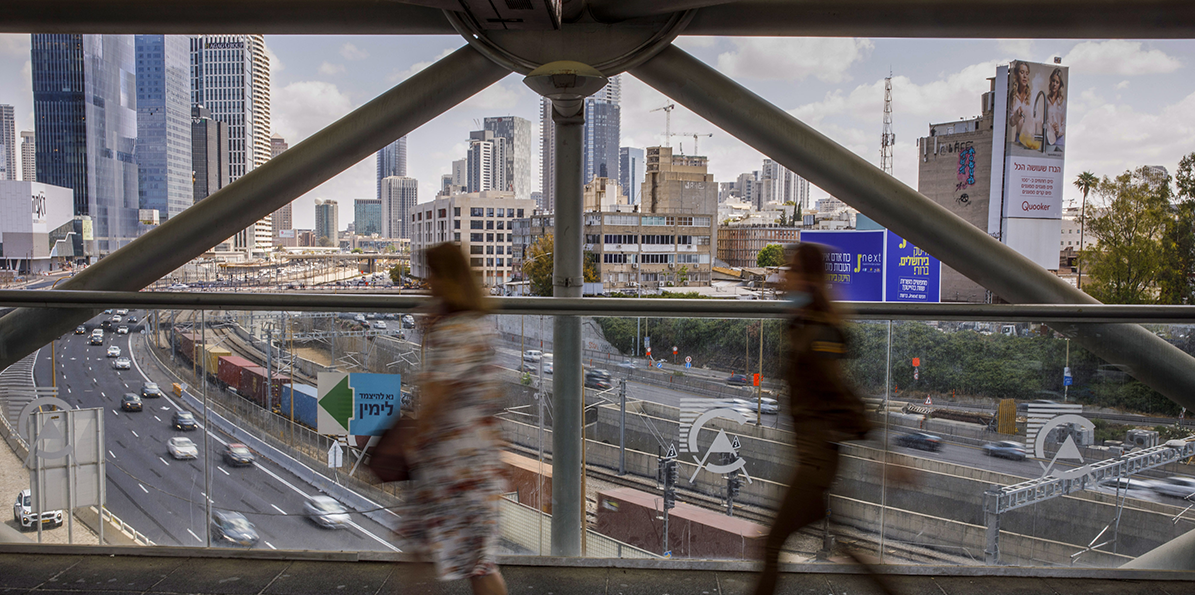
Israel and Egypt top growth expectations in MENA: A tale of two divergent strategies
The two countries in the Middle East with the highest growth expectations for 2022 are Israel and Egypt. Fitch Solutions estimates that MENA-wide GDP will grow by 3.6% in 2021, after a contraction of 4% in 2020. Egypt and Israel are the only countries within the region expected to grow their economies beyond the size of their pre-COVID-19 levels for 2021.
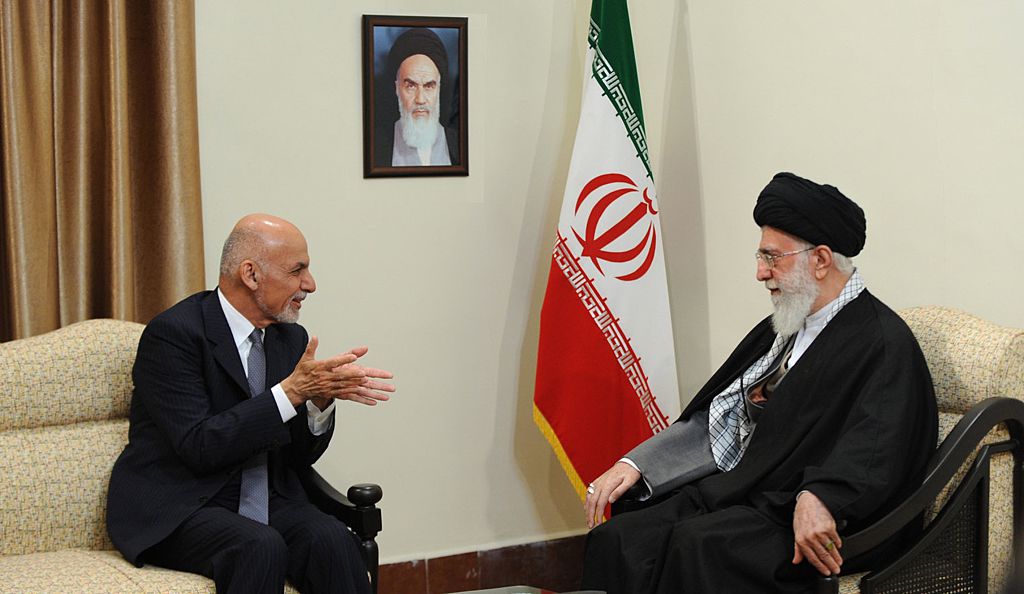
Background Briefing: The Geopolitics of Afghan-Iranian Relations
The below is an excerpt from the article, “The Geopolitics of Afghan-Iranian Relations,” by Ali A. Jalali, in the Summer 2021 issue of The Middle East Journal. The full article has been made available for free download for a limited time.
الكارثة الأفغانية وعواقبها على الشرق الأوسط الكبير
أولًا، انتصار طالبان يمثل انتصارًا هائلًا لرواية القاعدة والحركة الجهادية الأوسع. فبعد عشرين عامًا من وقوع الهجمات على الولايات المتحدة، ها هي الولايات المتحدة تُهزَم مرة أخرى وتُجبّر على الانسحاب بشكل مُذَل. سيكون هذا الانتصار بمثابة “برهان على صحة مبدأ” التجنيد الرئيسي للحركات الجهادية المتطرفة لعقود قادمة، ويجب أن نتوقع زيادة جديدة في التجنيد والعمل الجهادي في المنطقة، وزيادة المخاطر على المصالح الأمريكية والأراضي الأمريكية. ومن ثم فعلى الولايات المتحدة العمل مع الحلفاء والشركاء في المنطقة لوقف هذا المد المحتمل.
The Cipher Brief:Did you ever envision that the U.S. would pull out so quickly or completely leaving the Afghan military on its own without U.S. air support?
General Votel: I did not anticipate this during my time – but once the President sets a hard departure date – then a fast withdrawal is inevitable. No Commander wants to accept unnecessary risk with troops on the ground when you are up against a clearly articulated departure date.
“You’re all going to die”: Persuading Pakistan’s generals to see the light
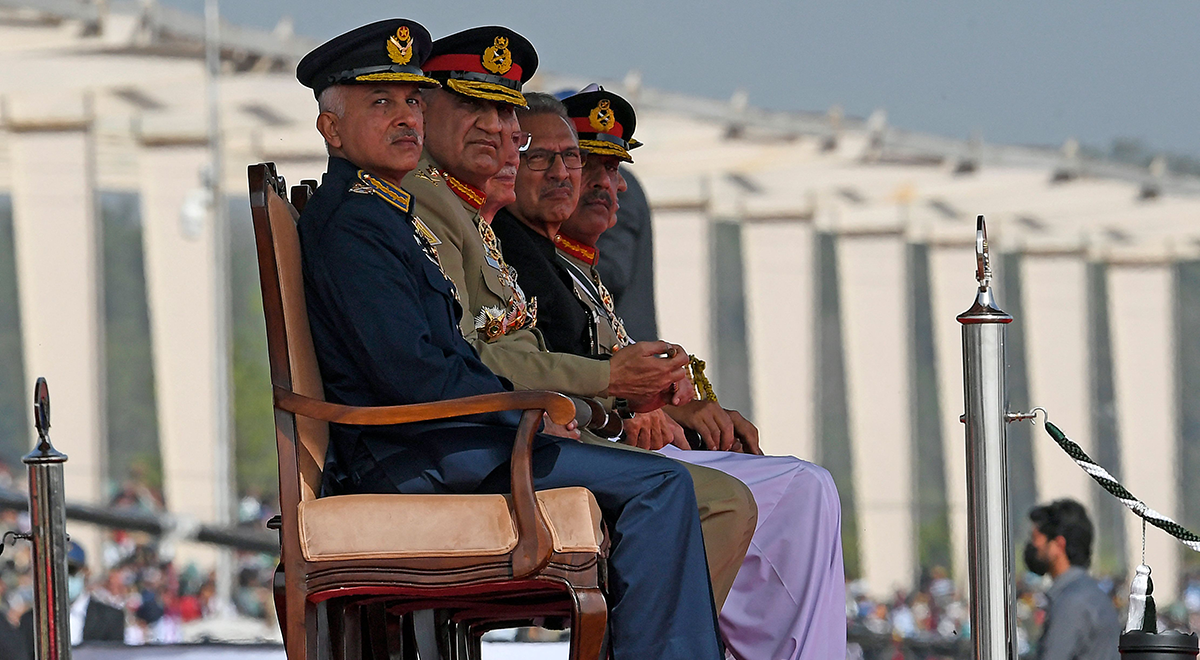
“You’re all going to die,” the diminutive, senior U.S. intelligence official observed in matter-of-fact fashion to her stunned Pakistan Inter-Services Intelligence (ISI) hosts. Her rather blunt appraisal was uncharacteristic of the engagement to which the senior Pakistani officials had grown accustomed and cut to the chase: the consequences of decades of Pakistan’s support to the Taliban, violent Kashmiri liberation groups, radical madrassas, and extremist local political groups were coming home to roost.
As Kabul falls to the Taliban, it’s safe to say that this is without a doubt the most significant day for al-Qaeda since 9/11. After two decades of relentless counterterrorism pressure from the United States and allies, al-Qaeda’s central leadership was in dire straits just weeks ago.