Syria tops the agenda as Erdogan heads to Washington
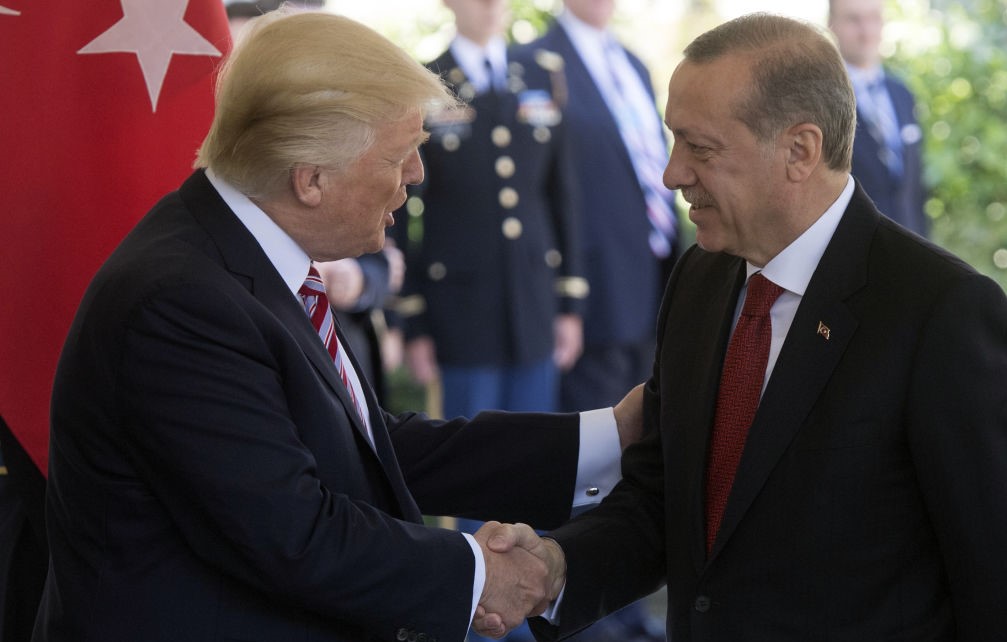
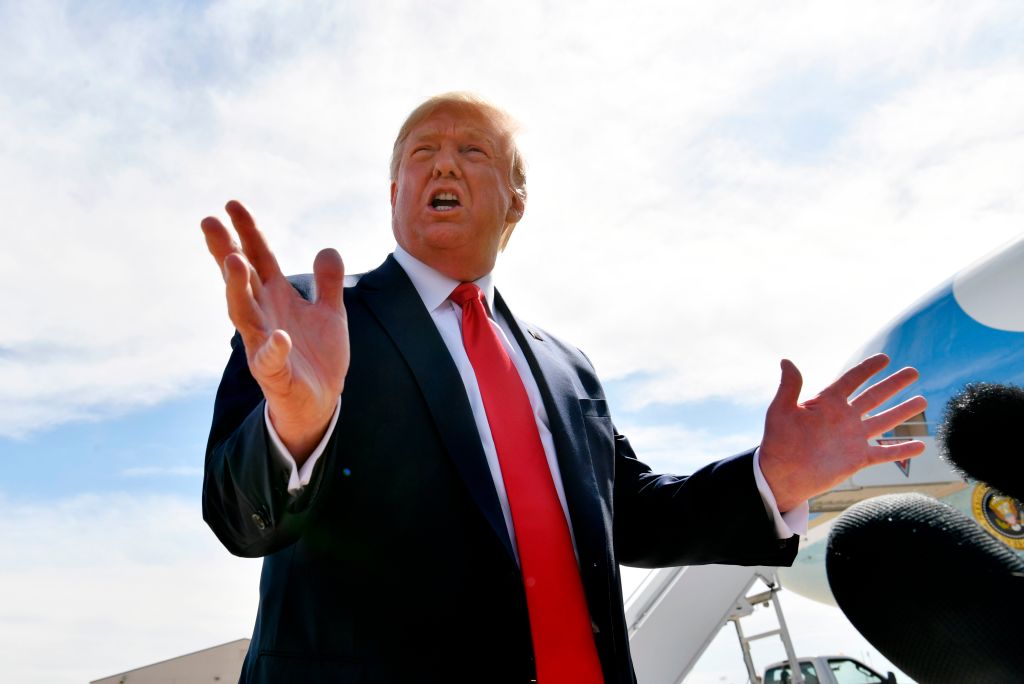
Turkish President Recep Tayyip Erdogan is set to meet with his U.S. counterpart, Donald Trump, in Washington on Wednesday. While there are doubtless other items for discussion on the agenda, at the top of the list is, at least on Turkey’s side, Syria — or more specifically, what U.S. policy is and should be in Syria.
Pakistan’s anti-government protests put Khan in a bind
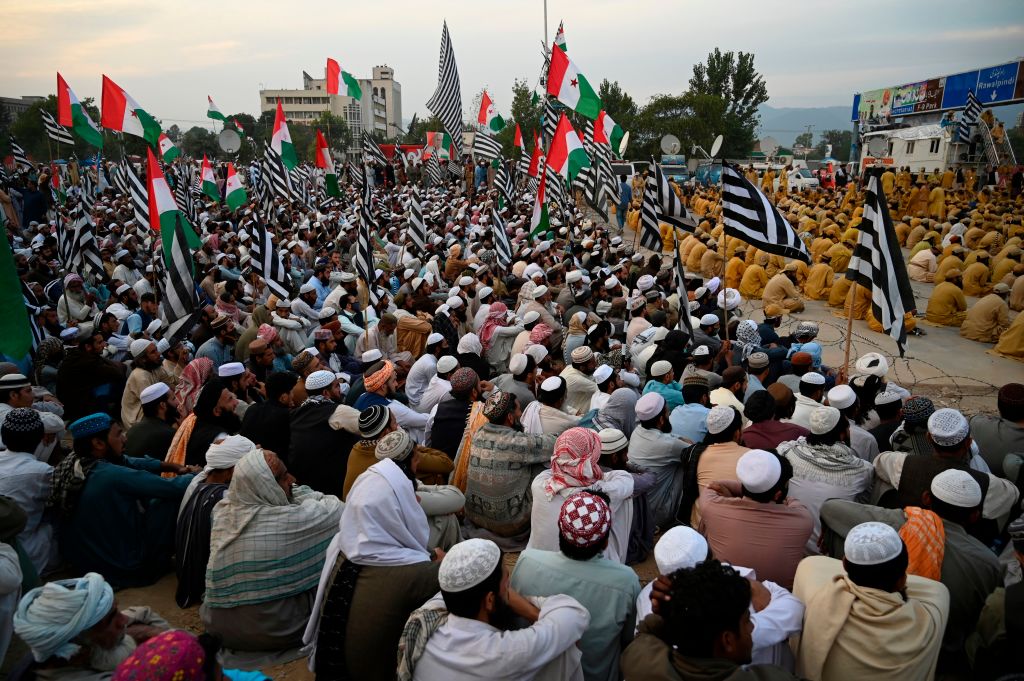
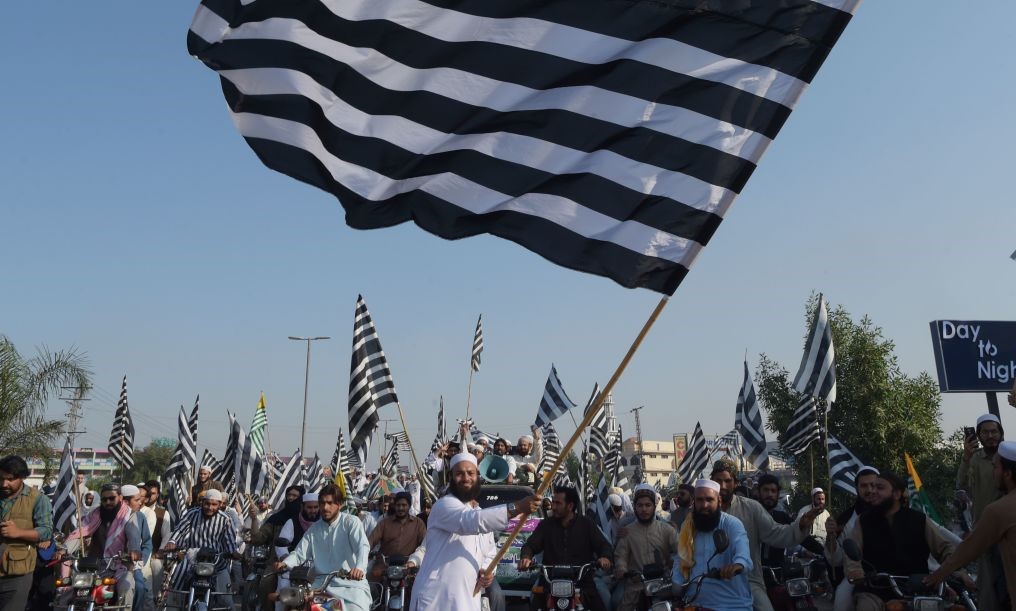
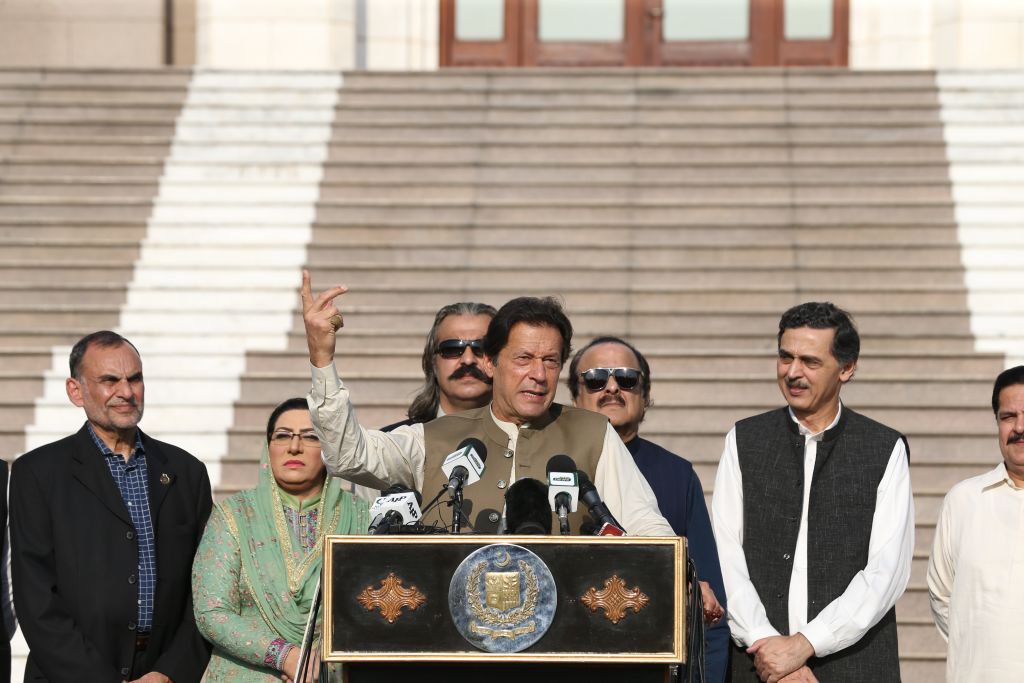
Pakistan’s capital, Islamabad, has been paralyzed in recent days by supporters of Maulana Fazlur Rehman and his Jamiat-Ulema-e-Islam (JUI-F), a well-entrenched Islamist party. The protestors are seeking the resignation of the military-backed Prime Minister Imran Khan and fresh elections, and the demonstration has emerged as an existential problem for Khan.
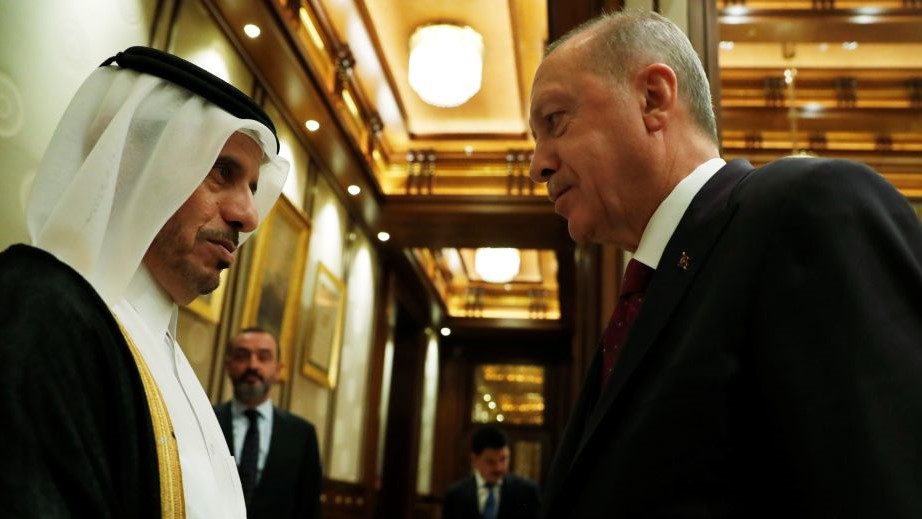
On Nov. 4 Daily Sabah, a strongly pro-government English-language daily in Turkey, published a scathing editorial with a title that says it all: “Al Jazeera English: A threat against the Turkey-Qatar alliance.” According to the editorial, Al Jazeera English slandered Turkey over its recent military incursion into northern Syria, and thus jeopardized the future of the Turkey-Qatar alliance. Given the close relationship between the Turkish government and Daily Sabah — and indeed the broader media environment in Turkey — it is highly unlikely that such a fiery editorial, which directly threatens Qatar, would have been published without a green light from “the palace.”
Testimony: The Human Toll of Turkey’s Policy at Home and Abroad
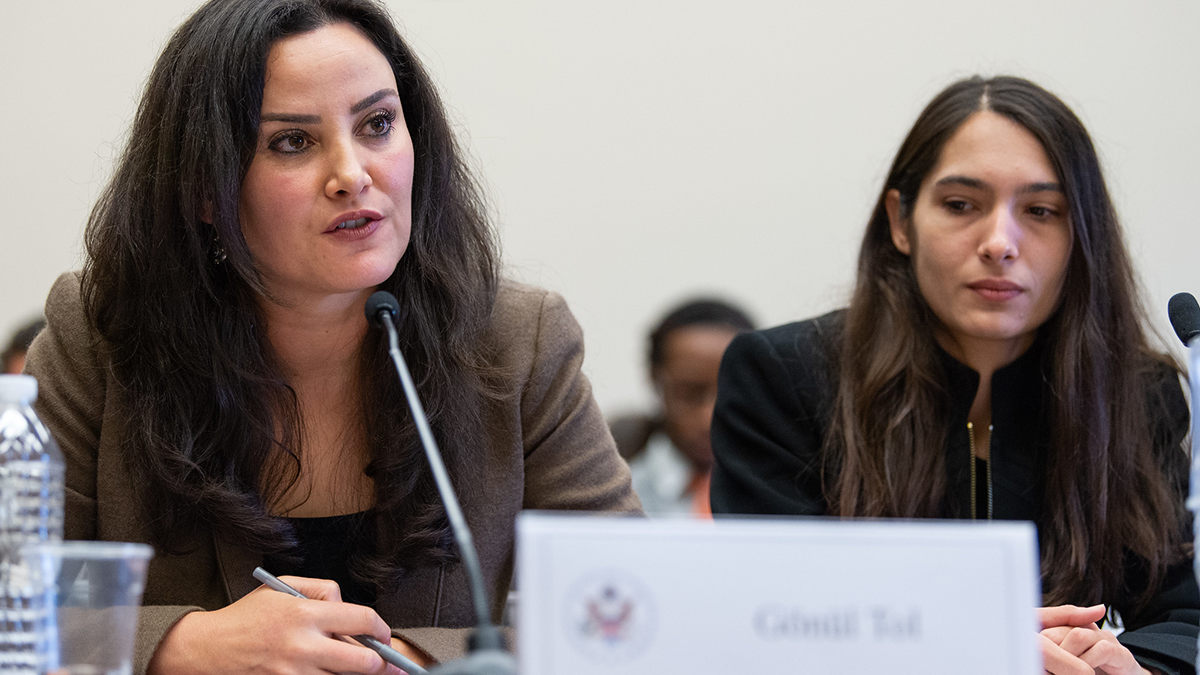
The following testimony was delivered before the U.S. Helsinki Commission at a hearing titled, “At What Cost: The Human Toll of Turkey’s Policy at Home and Abroad,” on October 31, 2019.
The US has a partner in eastern Syria — provided it has the will
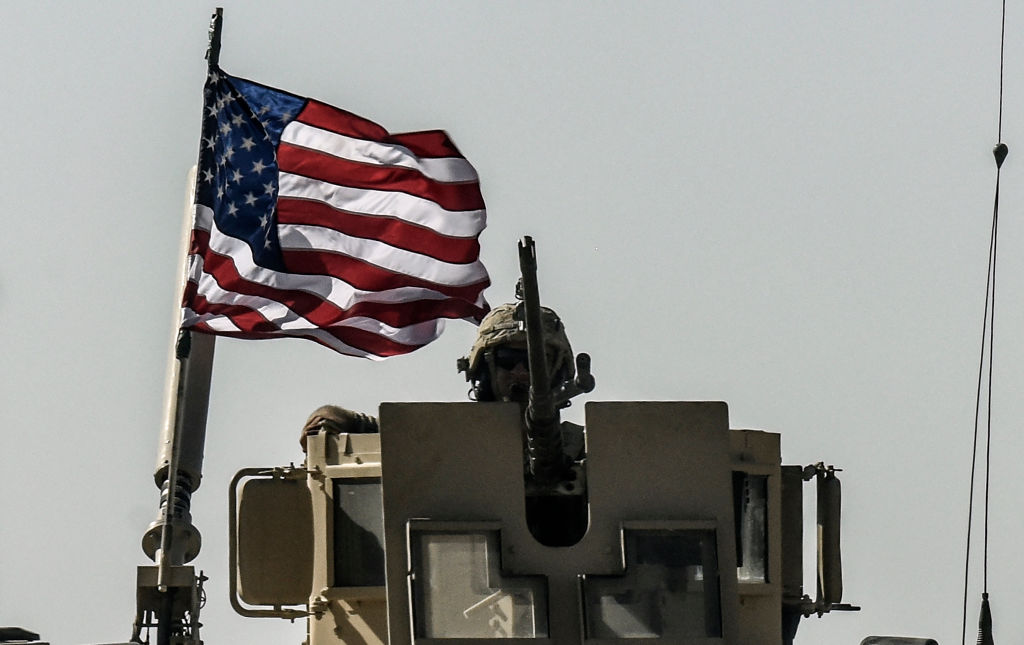
The Trump administration inherited a number of complex problems in the Syrian file from its predecessors in the White House. In dealing with the Syrian crisis, the Obama administration had three main priorities: not disturbing Iran in Syria during the process of nuclear negotiations, working with Russia toward a ceasefire in various parts of Syria (without trusting that Russia could deliver or should have the upper hand), and, most importantly, carrying out a limited military intervention in the northeast to defeat ISIS — an issue it considered separately from the Syrian crisis.
Turkish consolidation and American improvisation in eastern Syria
Damascus’ position is marginally stronger, and it is unlikely to concede anything of substance in Geneva despite continued American control of Deir ez-Zor’s oilfields.
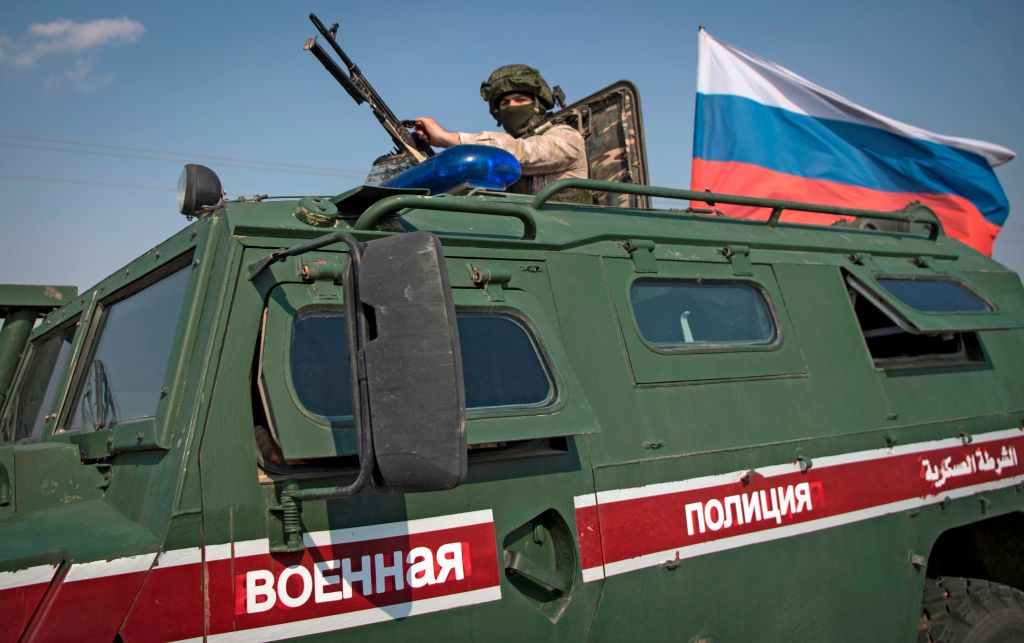
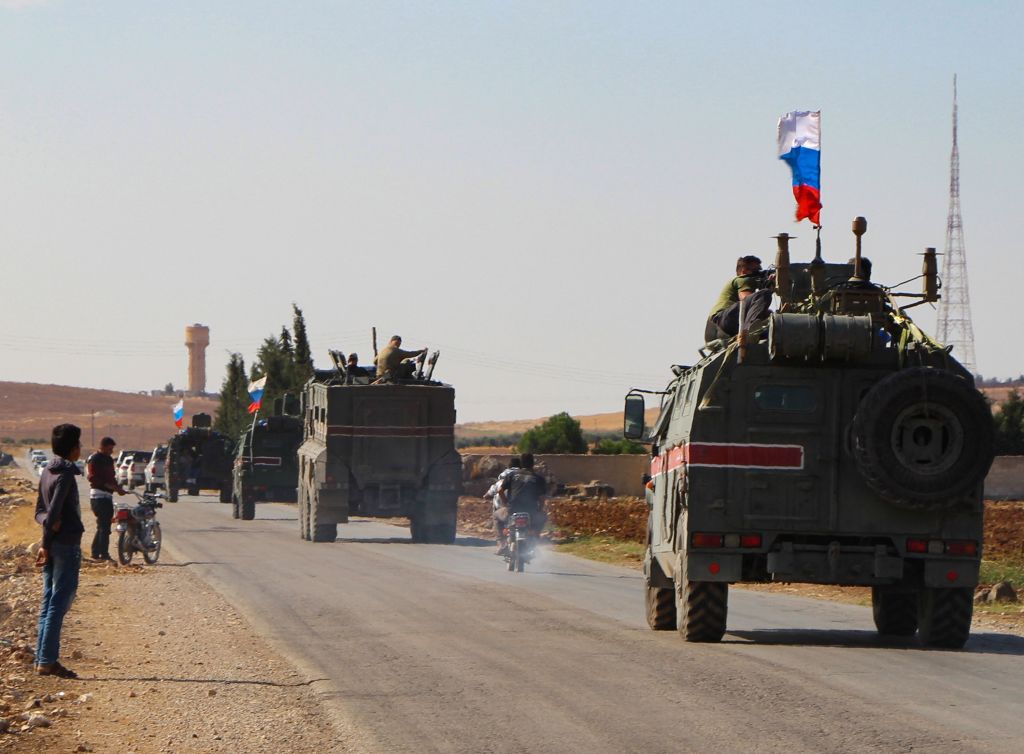
Russian-Turkish border deal on Syria holds, but the Western response is muddled
Russia is clear in its policy toward northeastern Syria: The future of the region will be determined through talks between the representatives of the Kurds, who traditionally live in the area, and Damascus.
Once again, an elected Pakistani government is being pressed to resign
While there is probably zero chance Prime Minister Khan will step down, efforts will persist in trying to delegitimize those in power because this is what Pakistan’s opposition parties seem best programmed to do.
Iran may not like it, but it can live with a Turkey-Russia deal on Syria
While the Iranians would have preferred it if the Turks had not invaded Syria, it does not change their most immediate policy objective, which is the survival of the Assad regime. As long as the Russians keep the Turks away from Assad’s forces, Tehran will, at least in the short term, be able to manage the consequences of Ankara’s actions.
The US eyes the exit as Afghan election results are once again delayed
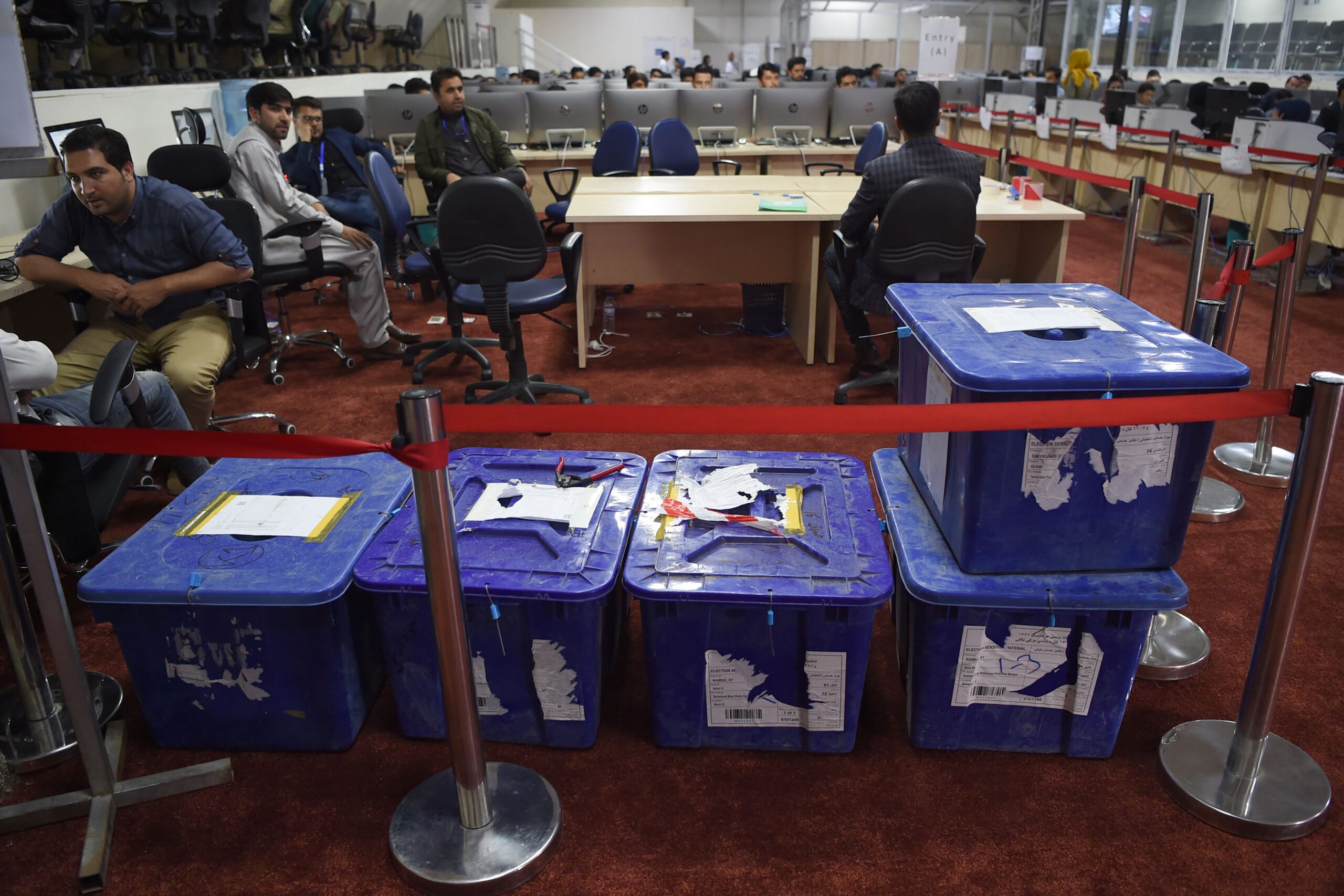
In a move that surprised no one, on Oct. 19 the Afghan election commission said it was unable to announce the preliminary results of the Sept. 28 presidential election as planned, due to delays in processing biometric data. Held amid political uncertainty, terrorist violence, and general skepticism, the September election was the fourth presidential contest in Afghanistan since 2001, when the brutal Taliban regime was toppled in the wake of the Sept. 11 terror attacks on the United States.
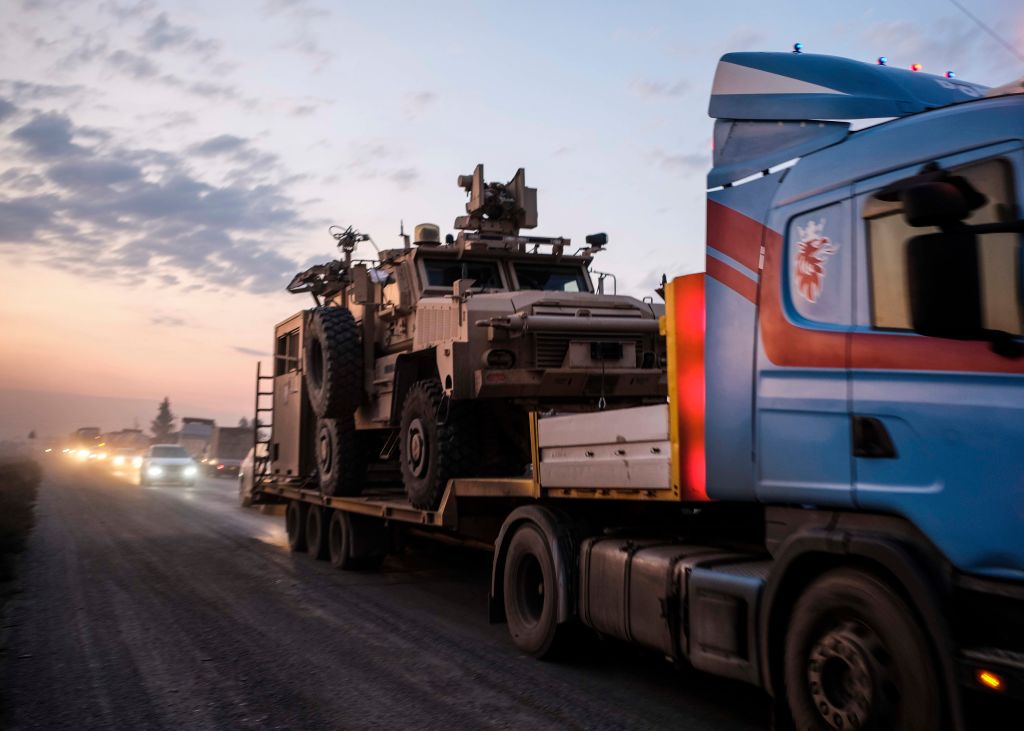
That some in Washington think another about-turn in policy allowing us to stay in negligible numbers, in a smaller piece of territory, would somehow enable us to sustain an anti-ISIS campaign and control Syria’s oil fields is nothing short of a fantasy.
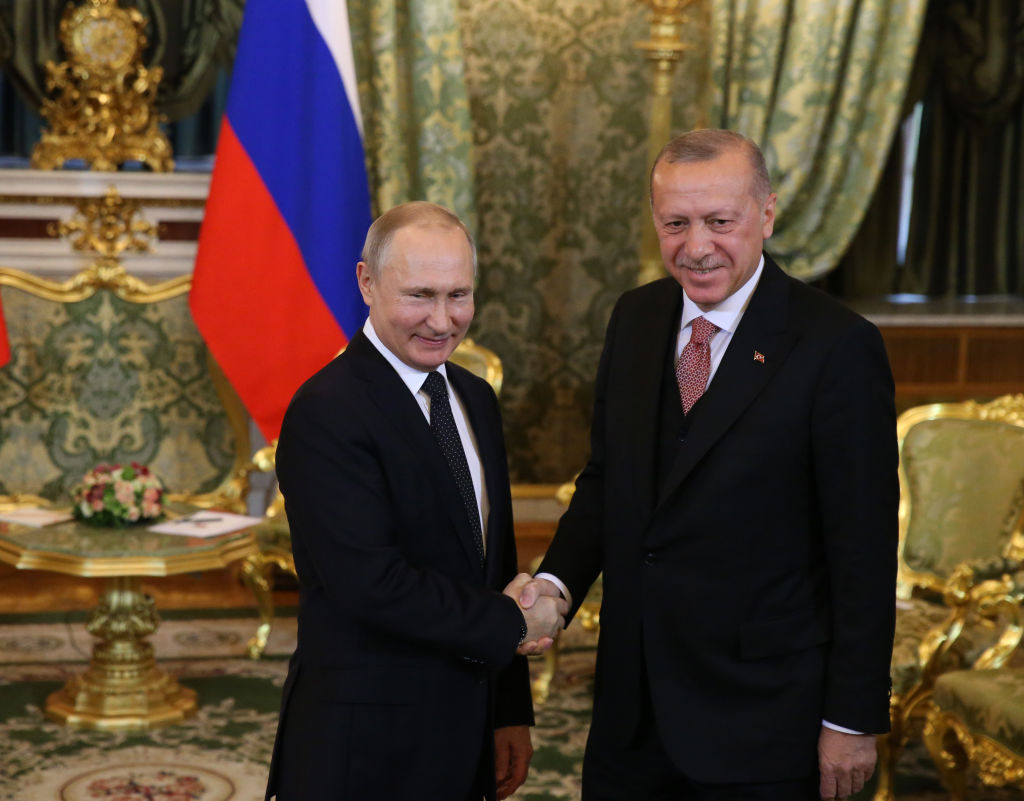
Erdogan heads to Russia for Syria safe zone talks with Putin
To make his case for an expansive safe zone in northern Syria stretching to Iraqi border, Recep Tayyip Erdogan is meeting with Russian President Vladimir Putin in Sochi. Putin might accept a limited Turkish presence in the area for now, but he is unlikely to agree to Turkey’s current plans.
Both Mr. Trump and Mr. Erdogan, each under mounting pressure at home, are trying to solve domestic challenges with a tragedy that will have long-term and unpredictable effects — none of them beneficial for the United States and any friends that remain.
Balochistan: From the periphery to the center of attention
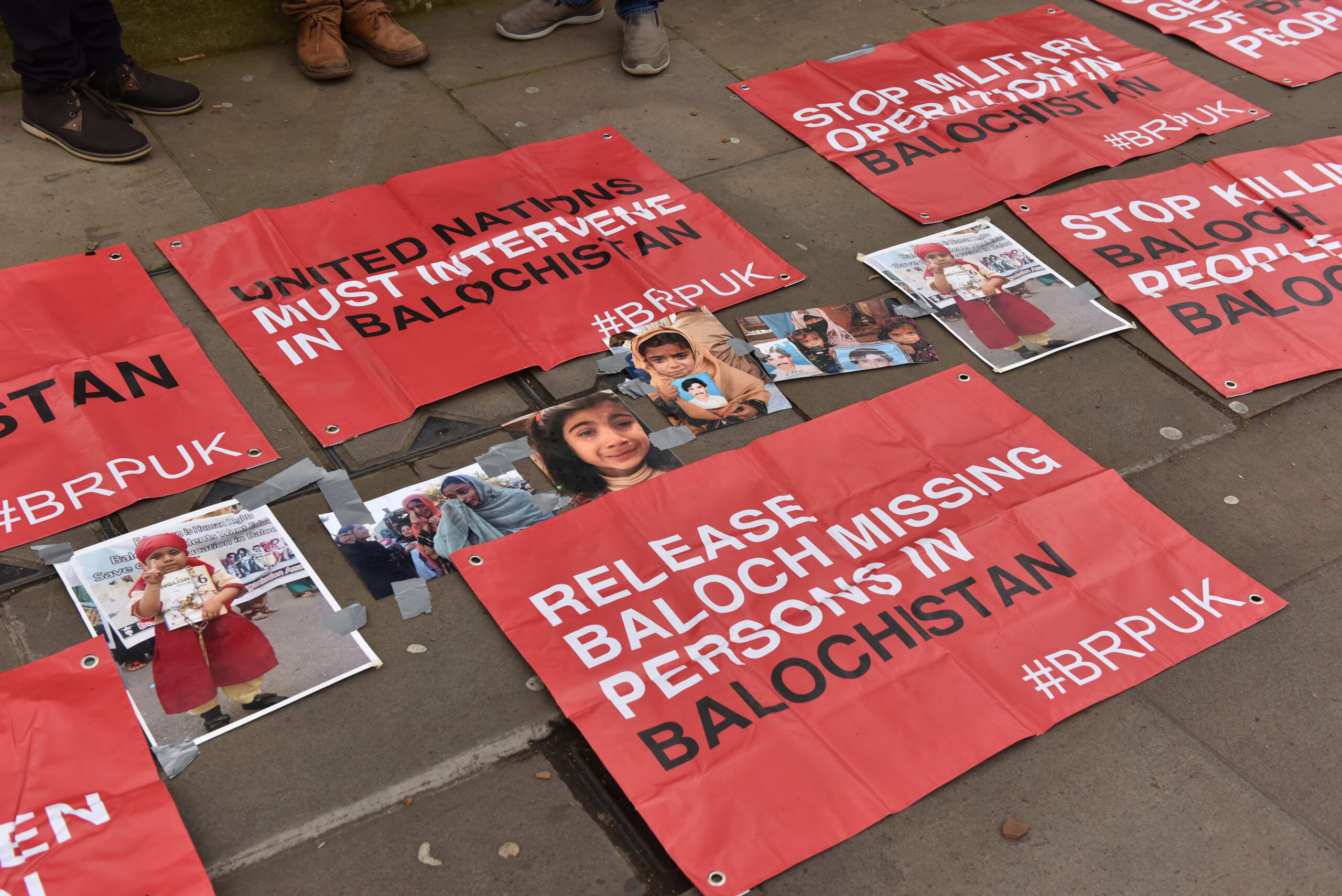
With an estimated $1 trillion in natural resources and sitting astride an international crossroads of increasingly critical importance, Balochistan is becoming a stage on which the world’s powers are playing out their ambitions. China, the U.S., and India have all formulated Balochistan policies in the past few years, hoping to utilize the region to achieve wider international goals — and the three countries across which Balochistan is divided, Pakistan, Afghanistan, and Iran, have been eager to use it as a bargaining chip for their own purposes.