Skip to Content

Research & Commentary Results

Filter by
2043 Results
The Growing Alignment Between the Gulf and the Eastern Mediterranean
Photo by IAKOVOS HATZISTAVROU/POOL/AFP via Getty Images
  • Analysis
  • The Growing Alignment Between the Gulf and the Eastern Mediterranean

    The synergies between the Gulf and the eastern Mediterranean theaters have grown substantially in recent years. Speaking at a meeting in Paphos, Cyprus in mid-April 2021 with his counterparts from Greece and Israel, as well as the former minister of state for foreign affairs of the UAE (now an advisor to the UAE president), the Cypriot foreign minister noted, “The evolving web of regional cooperation is creating a new narrative.” A week later, the UAE and Israeli fighter jets flew together publicly — for the first time — in an international aerial exercise hosted by Greece. How can we explain the signs of growing cooperation between these actors that seemingly operate in close but not completely overlapping arenas?

    Greece and Cyprus can play a modest role in advancing Israeli-Palestinian peace
  • Analysis
  • Greece and Cyprus can play a modest role in advancing Israeli-Palestinian peace

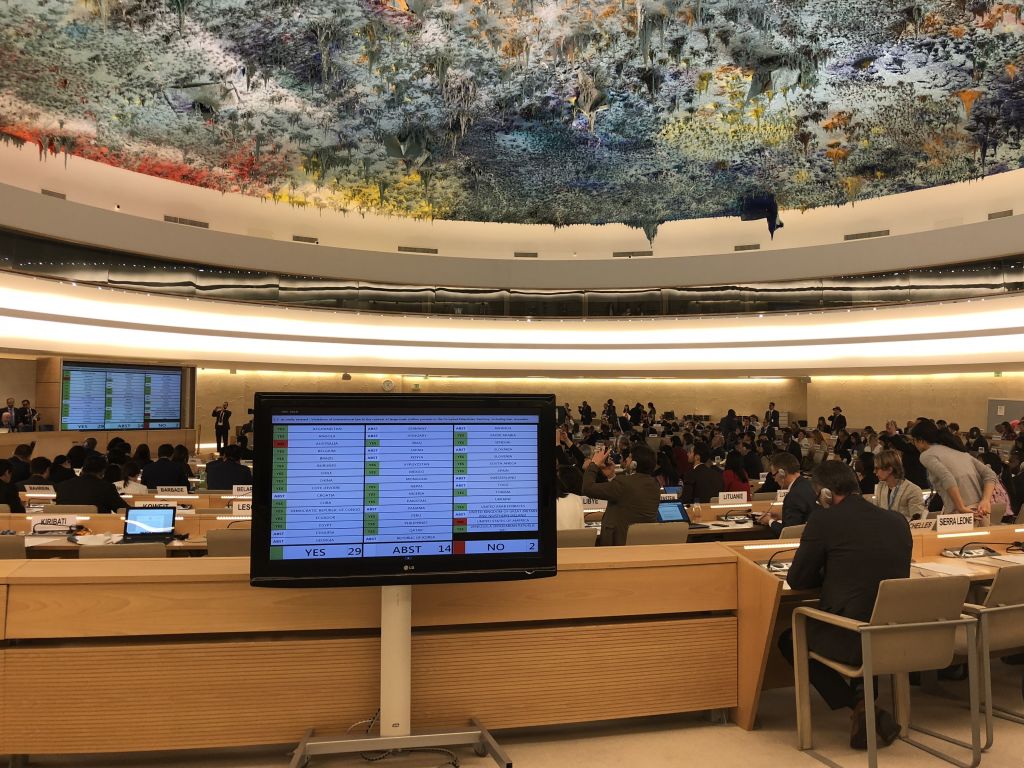
    In March 2021, the Eastern Mediterranean Gas Forum held its first meeting as a recognized international organization. Delegations from member countries – including Cyprus, Egypt, Greece, Israel, Italy, Jordan, and Palestine – gathered in Cairo to organize a regional gas market. The forum is a unique space that offers a platform for dialogue between European and Middle Eastern countries. Furthermore, it is rare that Israeli and Palestinian delegations cooperate on the international stage. Yet, as the inaugural meeting demonstrated, the conflict is never too far away. When the delegates voted on whether to grant the United Arab Emirates observer status in the forum – a privilege given to the United States and European Union – Palestine vetoed, a clear demonstration of Ramallah’s frustration with the normalization process that started a few months ago.

    May 21, 2021

    Amid the escalating violence in Israel and Palestine, can the EU move from words to deeds?
    Photo by Dursun Aydemir/Anadolu Agency/Getty Images
  • Analysis
  • Amid the escalating violence in Israel and Palestine, can the EU move from words to deeds?

    While riots and even violent military clashes between Israel and the Palestinians are unfortunately nothing new, and the conflict itself has been of interest to the international community for many decades, the recent, sudden escalation in violence has come as a surprise to many outside observers. This has forced individual states and international organizations to take a stance on what’s happening, including the EU. For the EU, the Middle East conflict is one of the greatest challenges in the immediate neighborhood and a major factor hindering the implementation of its European Neighborhood Policy in the eastern Mediterranean.

    May 20, 2021

    A successful US strategy in Syria must focus on hearts and minds of Syrian youth
    Photo by Muhammed Said/Anadolu Agency via Getty Images
  • Analysis
  • A successful US strategy in Syria must focus on hearts and minds of Syrian youth

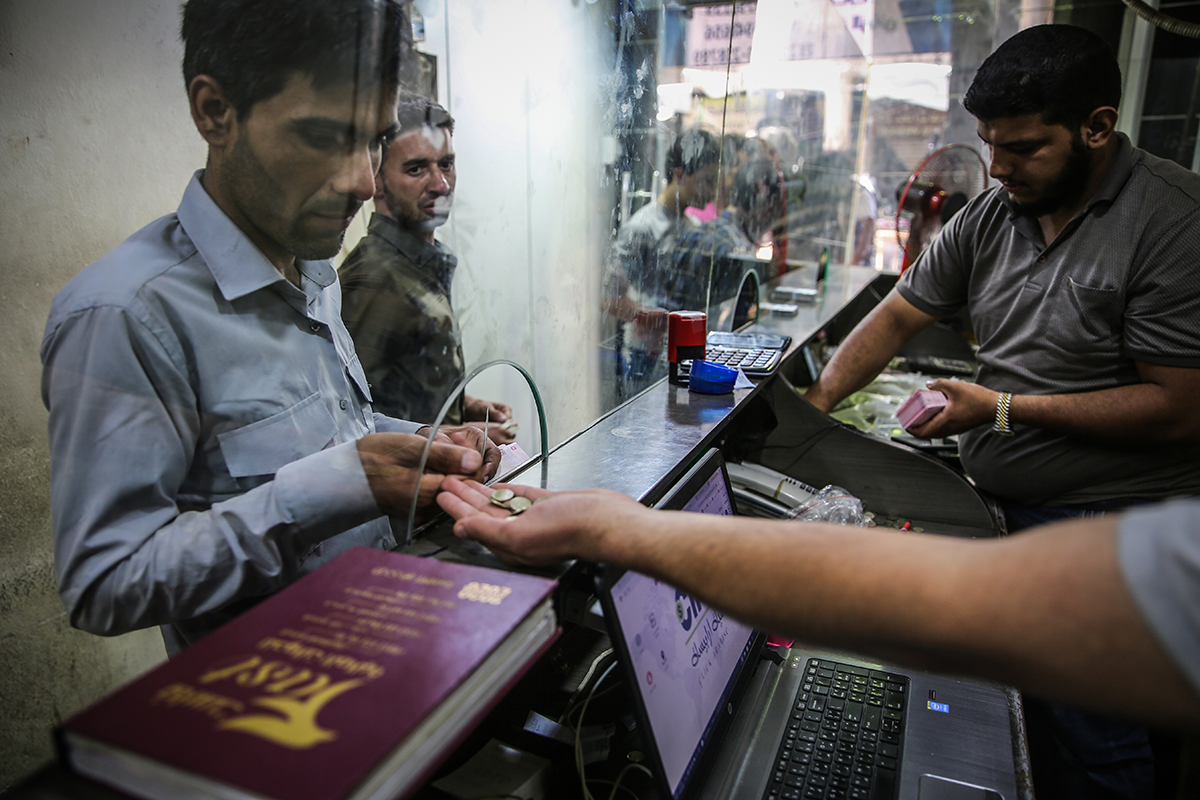
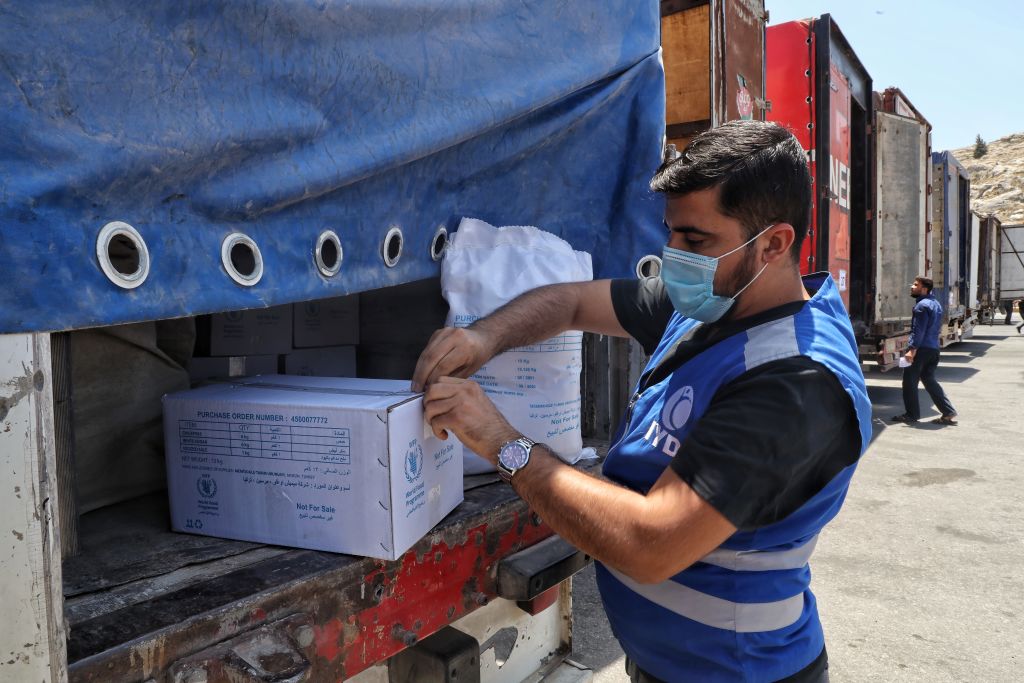
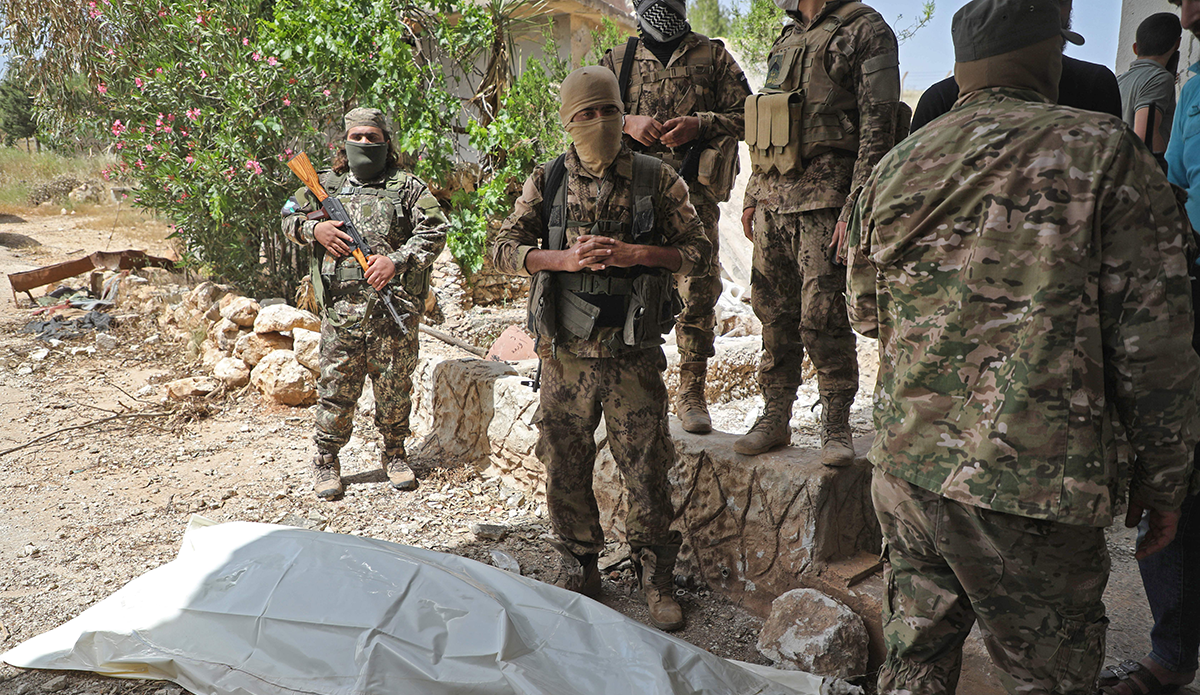
    Assad’s current geopolitical challenges present the U.S. with an important opportunity to address a growing national security threat. By taking steps today to ensure that areas currently outside of Assad’s control remain protected from both the Syrian regime and other external actors seeking to further destabilize the country amid the chaos, the U.S can protect itself and the West from an uncertain tomorrow and stand up for Syrian refugees in the process.

    May 19, 2021

    Israeli repression links the violence in Gaza and Jerusalem
    Photo by Ali Jadallah/Anadolu Agency via Getty Images
  • Commentary
  • Israeli repression links the violence in Gaza and Jerusalem

    Even as it pays lip service to a two-state solution, the international community—particularly the United States—has largely acquiesced to the Israeli-imposed status quo in Gaza and East Jerusalem by exempting both areas from the political and diplomatic process.

    May 14, 2021

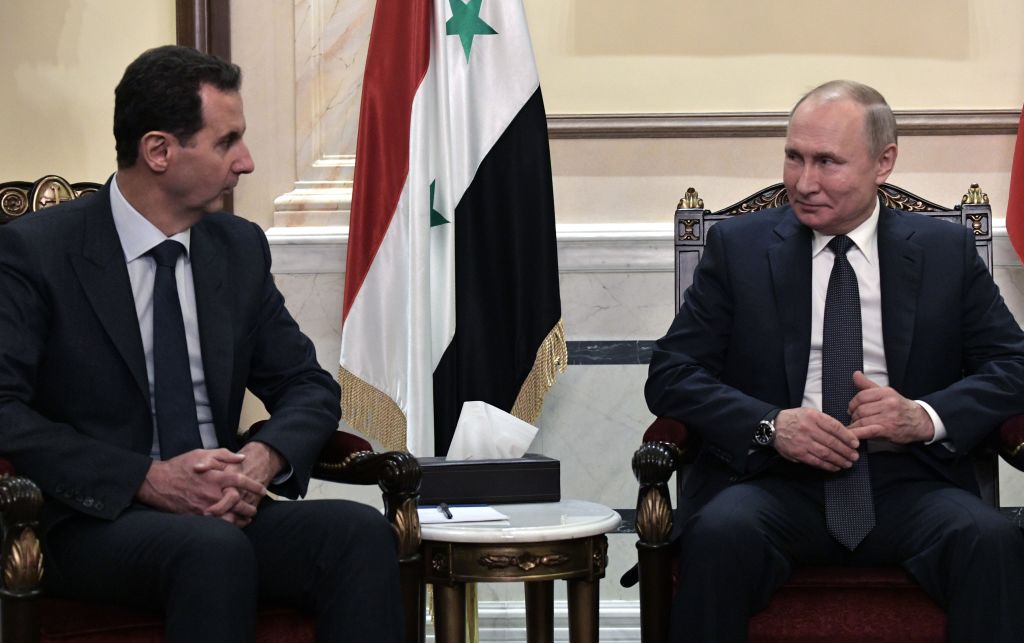
    Is Russia prepared for an open-ended conflict in Syria?
    Photo by Alexei NikolskyTASS via Getty Images
  • Analysis
  • Is Russia prepared for an open-ended conflict in Syria?

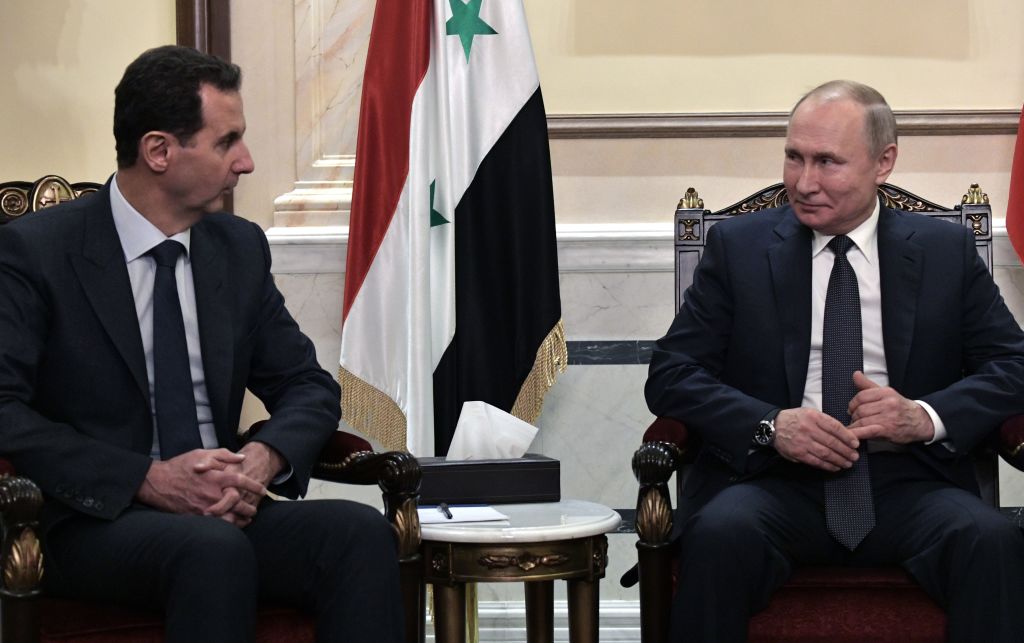
    Russia’s key foreign policy dilemma is the tension between its aspirations of retaining its Soviet-era geopolitical clout and its lack of ideological and economic tools to achieve that goal. From a strategic standpoint, Russia’s campaign in Syria seems like an open-ended story that bears some resemblance to the situation in Ukraine. These similarities in Russia’s methods are not accidental. The Kremlin lacks the ability to impose its foreign policy blueprint on the West and can only leverage its power to stir up trouble in unstable regions.

    How tech is cementing the UAE-Israel alliance
  • Analysis
  • How tech is cementing the UAE-Israel alliance

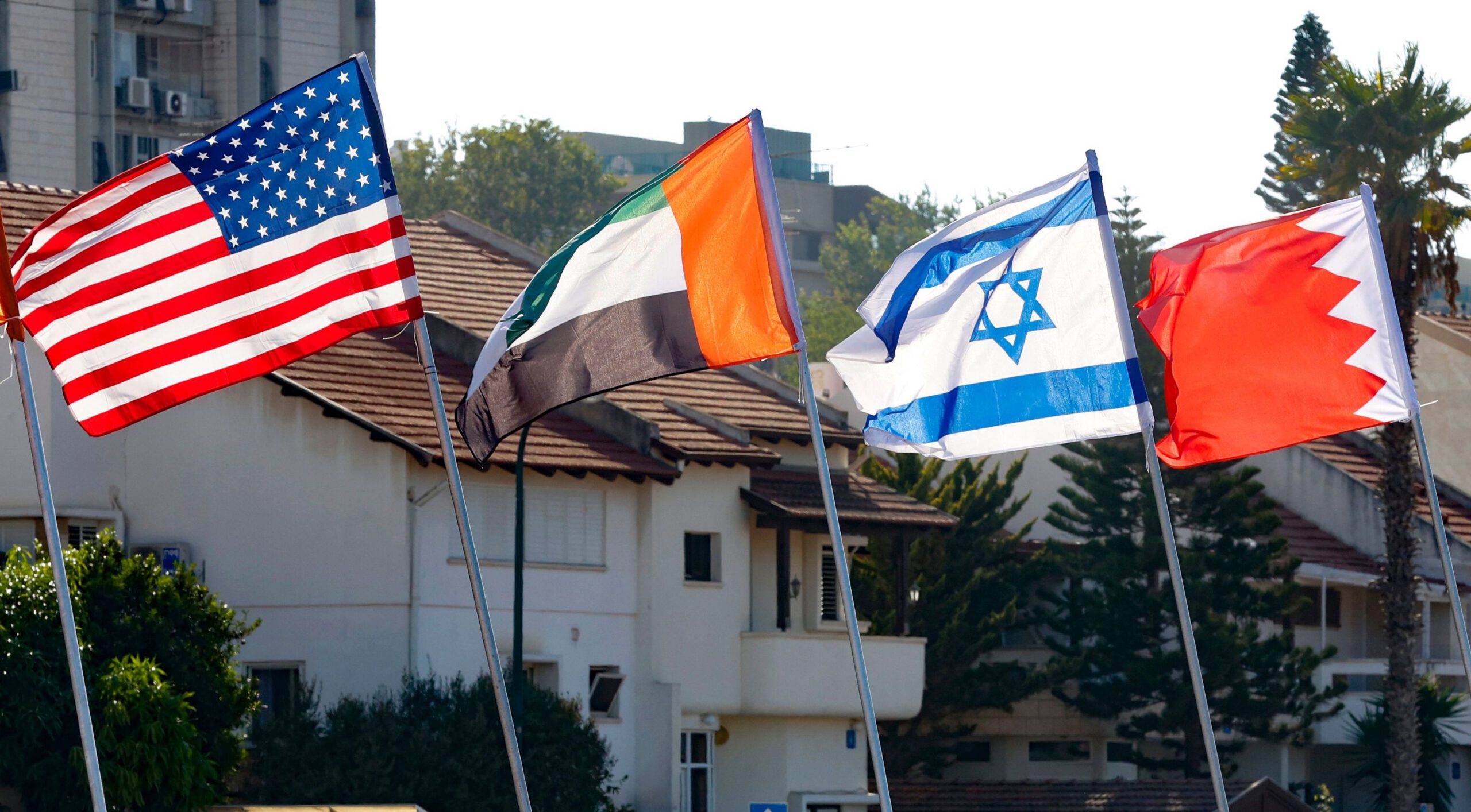
    Since the normalization of UAE-Israel relations was first announced, much of the international commentary only focused on the deal’s political and diplomatic significance. However, the deal will create a new digital order in the Middle East, one in which Israel and the UAE will partner more closely than ever in developing emerging technologies and cyber capabilities. This cooperation will be at the forefront of this UAE-Israel tech order.

    How Facebook’s Oversight Board Can Do More for Syria
    Photo by Muhammed Abdullah/Anadolu Agency via Getty Images
  • Analysis
  • How Facebook’s Oversight Board Can Do More for Syria

    Around the world, there is ongoing debate over the extent to which speech should be regulated for the common good. Facebook has been a key battleground in this debate. Indeed, since nearly its founding day, the company has struggled with the degree to which it bears responsibility for the content that its users post on the platform, including but not limited to, the glorification of violence, incitement to terrorism, and false and misleading political content. In 2020, the company officially launched the Facebook Oversight Board, a trust-based body composed of 40 members and tasked with passing final, binding rulings upon Facebook’s content moderation decisions.

    May 11, 2021