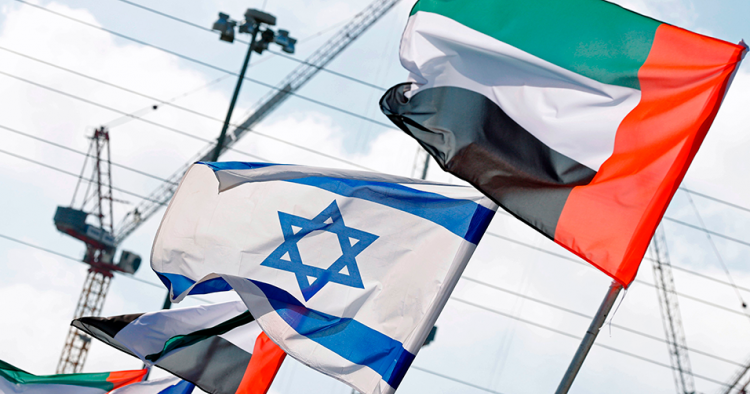
Washington Has Enabled Israeli Extremism
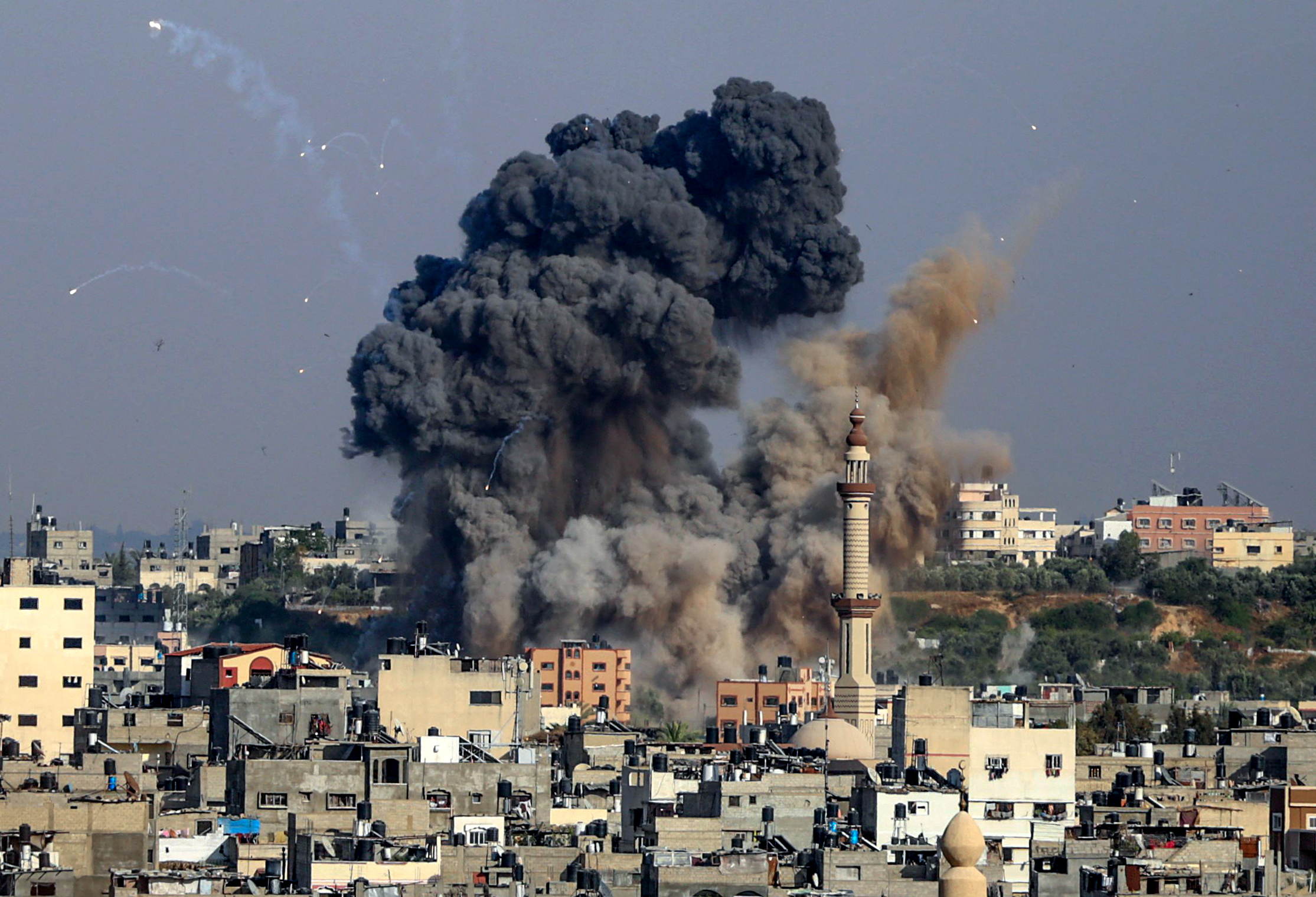
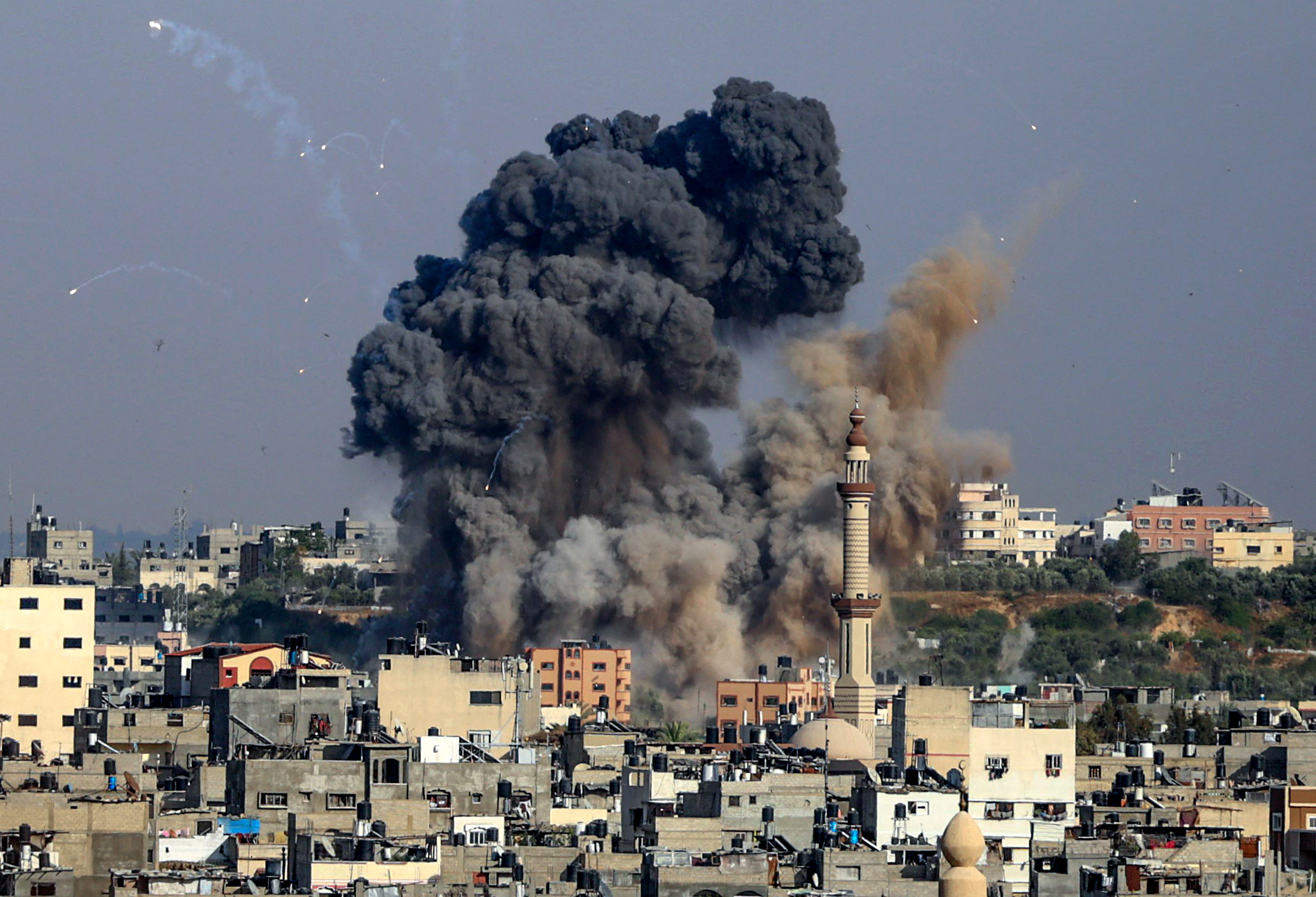
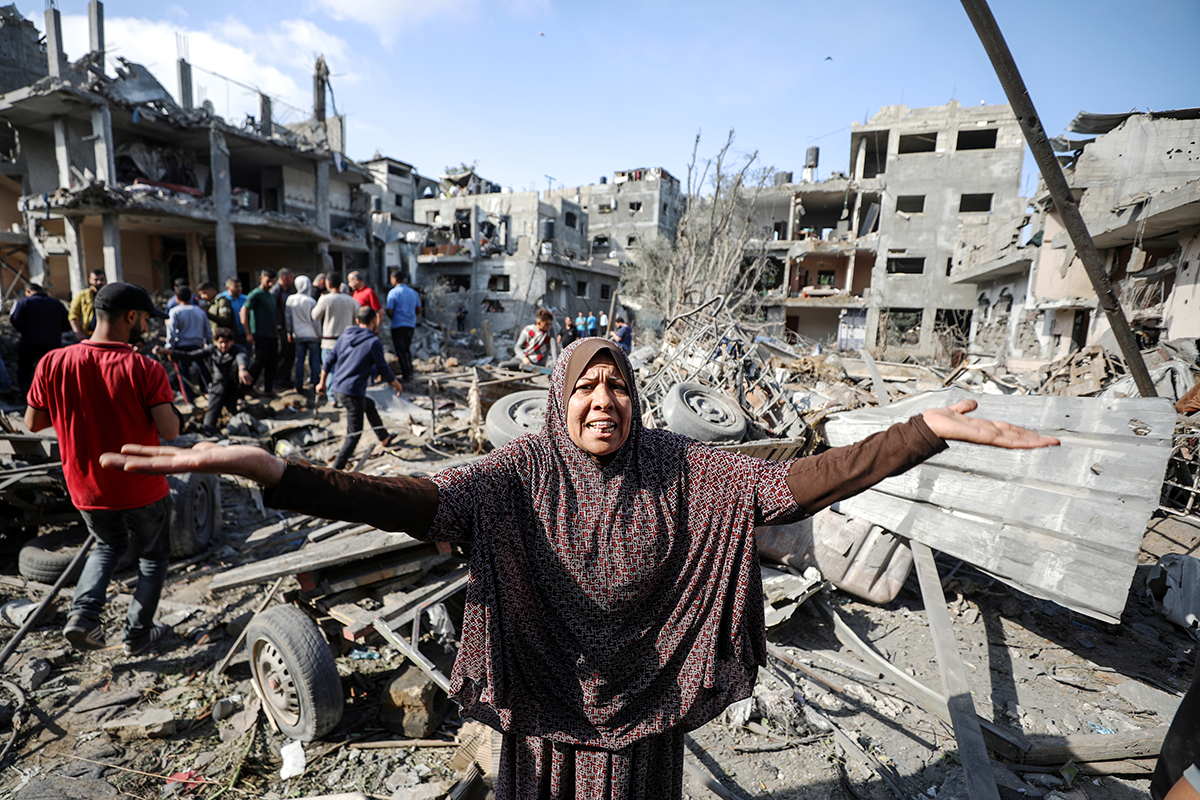
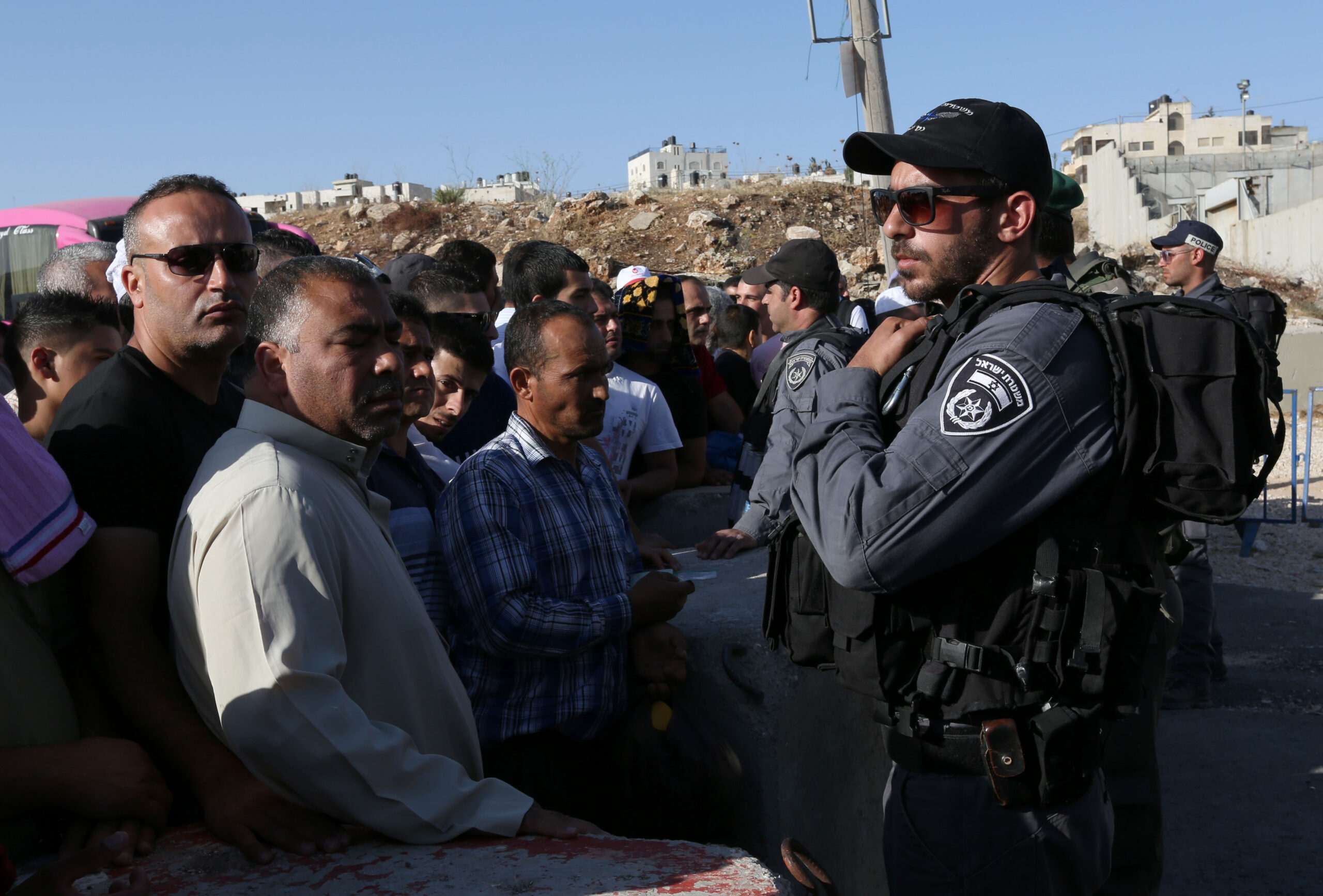
Failure to condemn anti-Palestinian violence will only further it.
“في حين أن المدى الكامل لتداعيات القرار لا يزال غير واضح، فليس هناك شك بأن عباس تسبب لنفسه بضرر كبير”.
الرغم من مرور أكثر من عامين على تحرير مخيم الباغوز في محافظة ديرالزور، والذي كان آخر معاقل تنظيم “داعش” في سورية، ومحاولات التحالف الدولي وحليفته الإدارة الذاتية ارساء الاستقرار في مناطق شرق الفرات ومنع عودة التنظيم إلى واجهة الأحداث، إلا أن التنظيم لازال يمارس نشاطه وعملياته الأمنية في المنطقة، والتي تشهد تزايداً ملحوظاً مع مرور الزمن خاصة في العامين الأخيرين.
Over two years have passed since the liberation of Baghouz camp in Syria’s Deir ez-Zor Governorate, which was ISIS’s last stronghold in the country. The international coalition and its ally, the Autonomous Administration of North and East Syria (AANES), have been attempting to stabilize areas east of the Euphrates to prevent ISIS from making a comeback. The group, however, is still active and carrying out security operations in the region, a trend that has increased dramatically over time, especially in the last two years.
Syrian refugees in Lebanon are now in a state of legal limbo and have been pushed further to the margins of society and into the arms of smugglers and profiteers as they, along with most Lebanese, desperately try to survive in a country described by one of its own political leaders as a sinking ship.
At the end of Joe Biden’s first 100 days as president of the United States, where do things stand when it comes to U.S. policy toward the Middle East and North Africa? We asked experts and scholars from across MEI to weigh in with their thoughts on the changes we’ve seen so far, the new challenges that have emerged, and what we know about the administration’s key priorities for the region.
In the past several weeks, news has been coming out of Ankara regularly about normalization in relations with countries with which Turkey has had problematic relationships for some time.
It’s easy to see why there’s an enduring attraction for a regional security dialogue in the Middle East. Countries in the region face shared and borderless challenges — including terrorism, insurgency, environmental safety, arms races, cybersecurity, maritime piracy, and the proliferation of weapons of mass destruction — that can be dealt with more effectively through multilateral measures.
On April 20, Chadian President Idriss Déby was killed by Front for Change and Concord in Chad (FACT) rebels in the country’s northwestern Tibesti region. The sudden death of Déby, who seized power in Chad via a military coup in December 1990 and was re-elected on April 11 with 79.3% of the vote, risks plunging Chad into a state of prolonged instability.
The U.S.-Israel relationship is a close partnership founded on shared national security interests as well as democratic values. Washington’s commitment to the security and wellbeing of the state of Israel is exceptional, and bilateral ties remain strong despite the erosion of support for Israel among progressive and isolationist circles in the U.S. In spite of all this, the Iran issue presents many pitfalls for miscalculation that could derail even the most well-intended efforts at formulating a coordinated U.S.-Israel strategy.
In the 19th century, the Gulf was a British lake. In the 20th century, American warships played an all but unchallenged role securing the safe and unfettered passage of oil to the West. As the 21st century progresses, the transition to a new era is unstoppable.
Five months into his job as commander of regime forces in Deir ez-Zor, Maj. Gen. Nizar Khader appears to have skillfully gained control over the diverse tapestry of loyalist forces in the region. Khader’s return to power in the east quickly put an end to the deadly disputes that had plagued the governorate’s security forces for years. He then launched a nearly three-month campaign, coordinated between Syrian, Iranian, and Russian forces, to push ISIS cells back into the province’s hinterlands, securing the crucial highway connecting Deir ez-Zor with Palmyra and Damascus to the west. His success, while impressive, will face its second major test soon as ISIS prepares for a potential Ramadan offensive.
Read MEI’s weekly briefing featuring expert analysis of key regional developments for the week ahead.
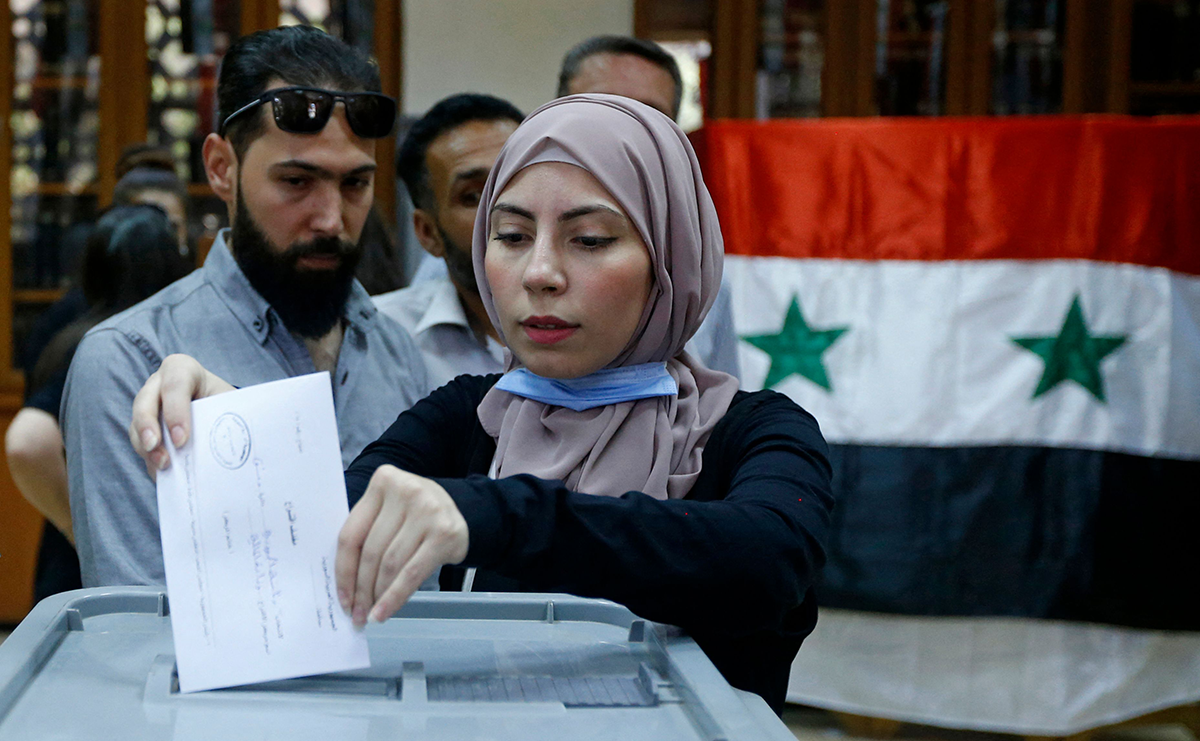
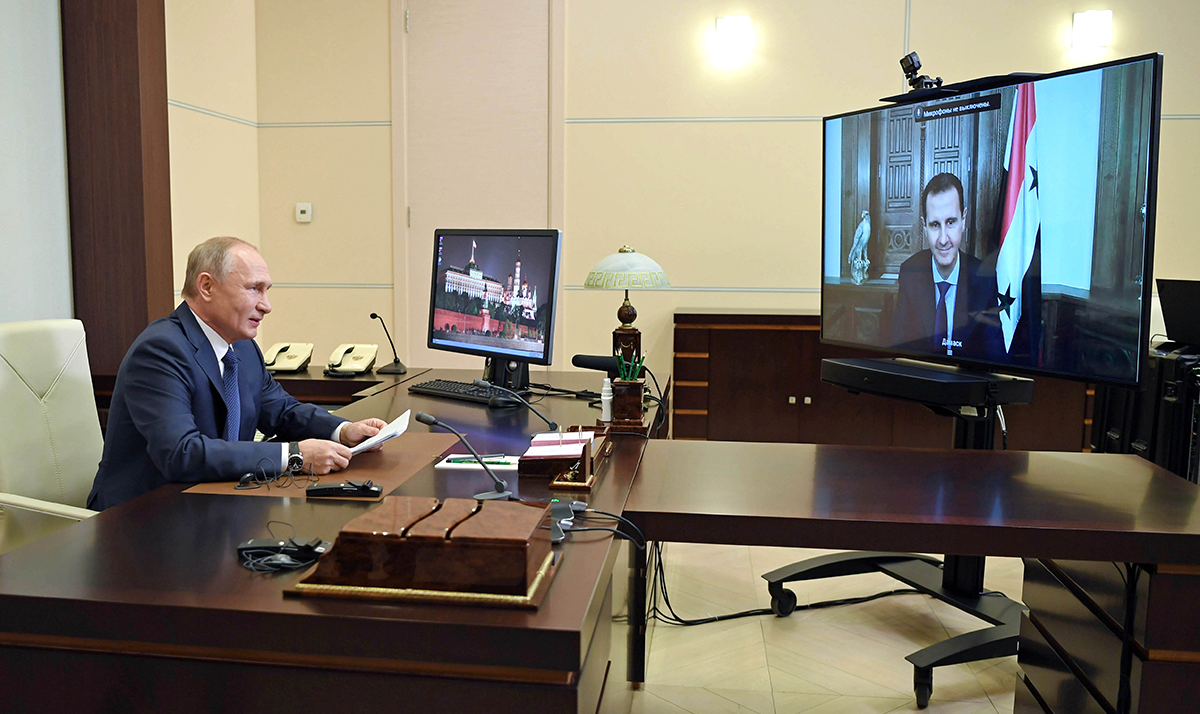
Since the start of the current war, Bashar al-Assad, in power since 2000, has consistently sought to promote himself as the protector of Syria’s minorities — be they Christian, Alawi, Shi’i or Druze —from Islamist extremists. Many Western audiences have been seduced by his smart casual look and by his increasingly prominent, beautifully turned-out British wife, Asma. With presidential elections due to take place, under Russian auspices, in the coming months, in which Assad is widely expected to run, his claim demands close scrutiny. What has happened to minorities over the last 10 years of war and how does that compare to their treatment historically inside Syria?
Khaled Elgindy and Lara Friedman discuss the public launch of their congressional teach-in series, “Israel-Palestine: Where We Are, What Comes Next, and Why It Matters to Congress.” The series of webinars features an array of American, Palestinian, Israeli, and international experts on topics dealing with the Israeli-Palestinian conflict and U.S. policy.