Skip to Content

Research & Commentary Results

Filter by
1574 Results
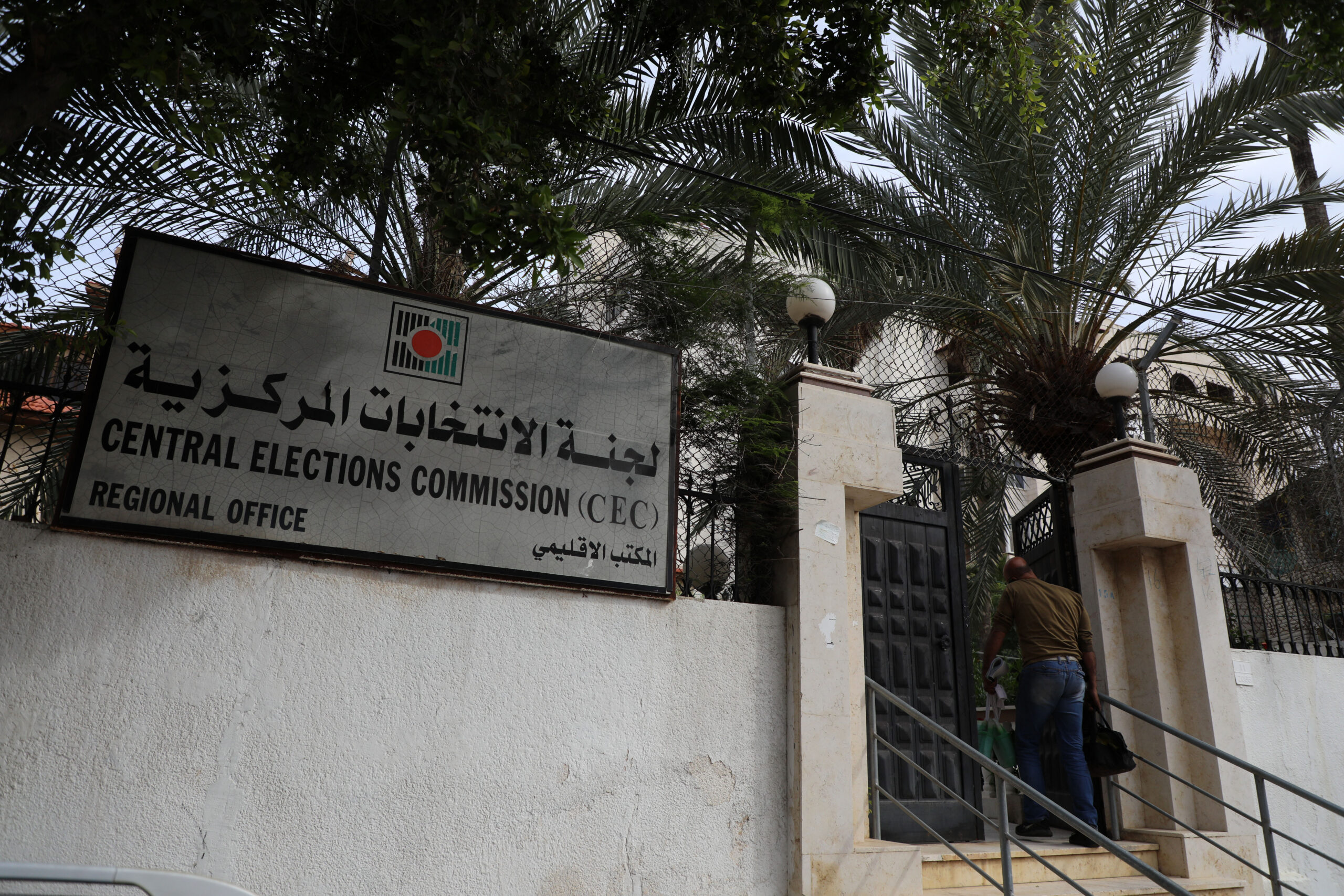
Protesting against techno: How a concert revealed the state of Palestinian society
  • Analysis
  • Protesting against techno: How a concert revealed the state of Palestinian society

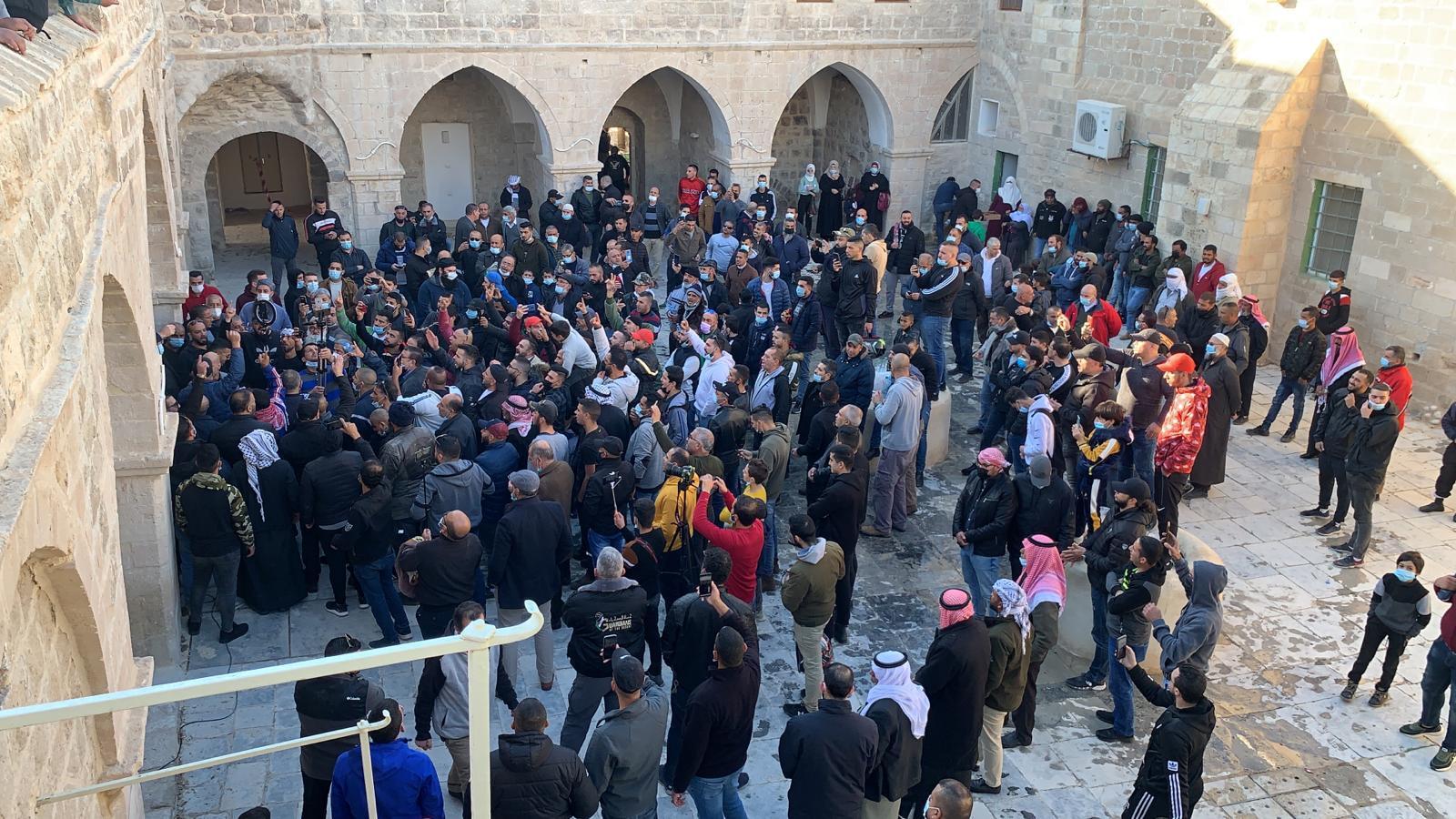
    Until December 26, 2020, techno music was not a common topic of conversation in Palestine. That changed when Sama Abdulhadi, a famous techno DJ, gave a concert at Maqam Nabi Musa that provoked a backlash from religious conservatives. Abdulhadi, who is a Palestinian living abroad, decided to return to her homeland to perform three concerts that would be streamed on Beatport, a website specializing in techno music. She reached an agreement with the Ministry of Tourism to perform at Maqam Nabi Musa for a crowd of about 30.

    January 14, 2021

    A Shift Among the Shi'a: Will a Marj'a Emerge from the Arabian Peninsula?
  • Analysis
  • A Shift Among the Shi'a: Will a Marj'a Emerge from the Arabian Peninsula?

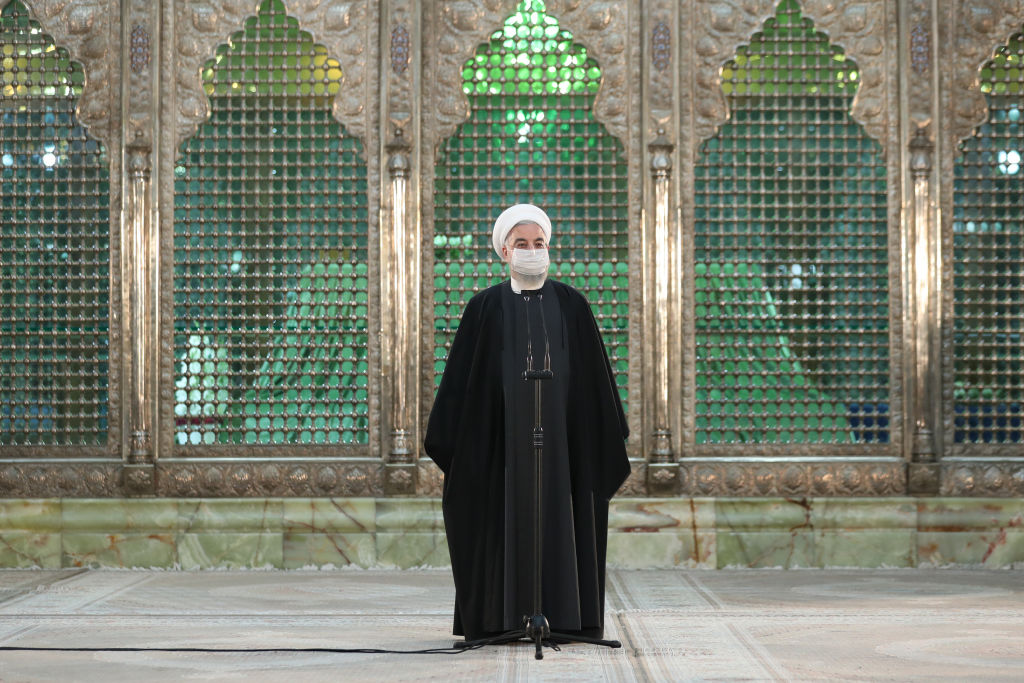
    This paper looks at the political implications of the relationship between Shi’a in the Gulf states and Iranian marj‘as, the historical background to these ties, and Gulf states’ concerns surrounding the outflow to Iran of religious taxes. In some Gulf countries, these issues are tied to concerns about the loyalty of Shi’a to the nation. The authors argue that the emergence of a marj‘a who would be based in one of the Gulf states could quell these concerns.The authors identify potential marj‘as from the region and steps that Gulf states must take so that their Shi’a citizens will shift their allegiance from foreign-based marj‘as to domestically based ones.

    January 12, 2021

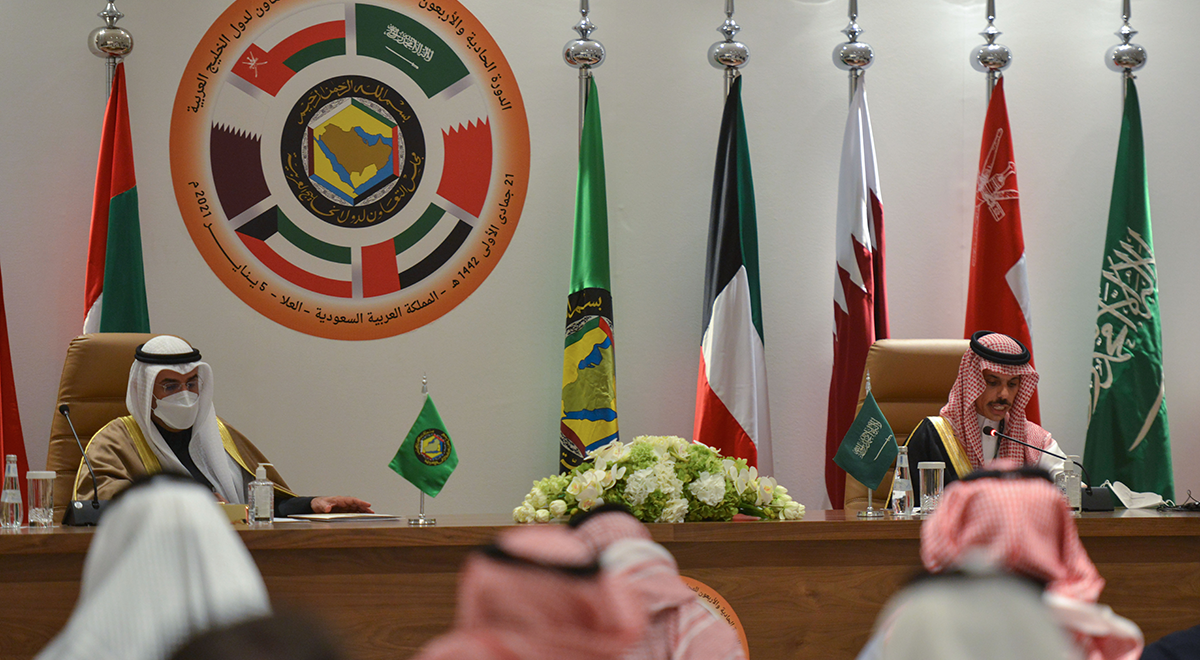
    The GCC al-Ula Statement: Perhaps a step, but not a solution
    Photo by FAYEZ NURELDINE/AFP via Getty Images
  • Commentary
  • The GCC al-Ula Statement: Perhaps a step, but not a solution

    The leaders of the six Gulf Cooperation Council (GCC) member states — Saudi Arabia, the United Arab Emirates, Oman, Kuwait, Bahrain, and Qatar — signed a “solidarity and stability” agreement, dubbed the “al-Ula Statement” after the Saudi city in which it was inked, at their Jan. 5 summit meeting.

    January 6, 2021

    In the Middle East, cyber sovereignty hampers economic diversification
    Photo by KARIM SAHIB/AFP via Getty Images
  • Analysis
  • In the Middle East, cyber sovereignty hampers economic diversification

    Rapid and unprecedented transformation in the Middle East, whether political, social, or technological, is forcing governments to reckon with enormous changes. Many governments are responding by attempting to pursue two contradictory paths forward — cyber sovereignty and digital transformation — and they might end up not achieving either.

    The United States and the Gulf: Trapped in transition?
    Photo by SAUL LOEB/POOL/AFP via Getty Images
  • Analysis
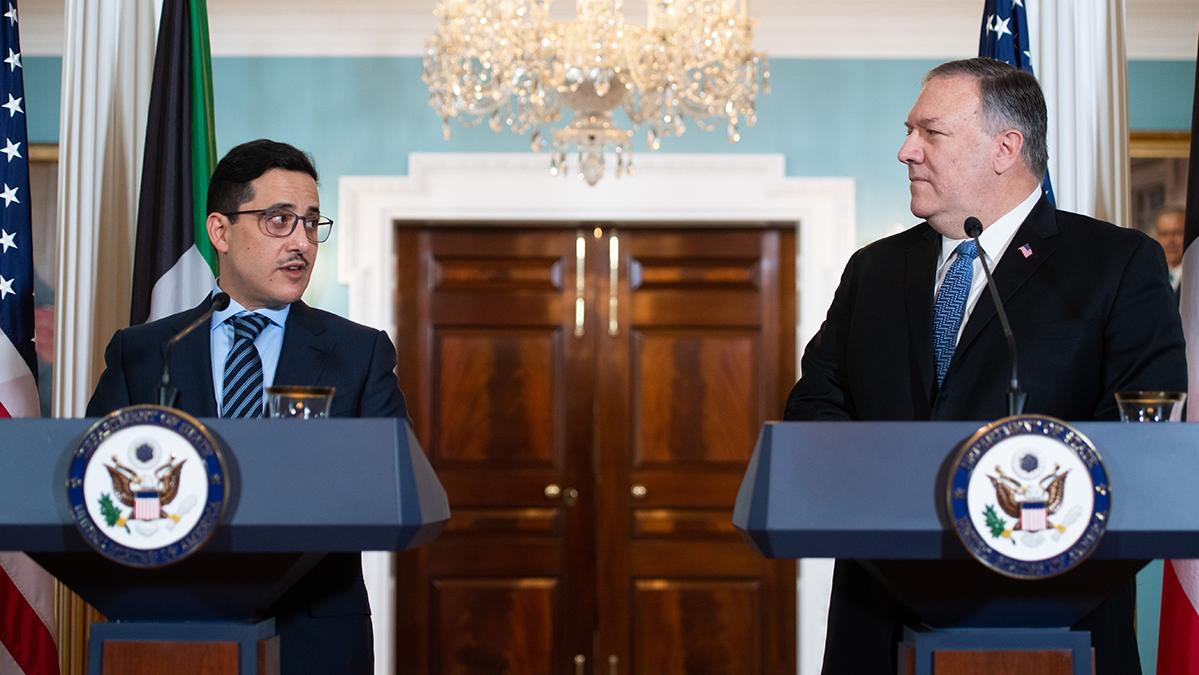
  • The United States and the Gulf: Trapped in transition?

    The mixed messages and pendulum swings in U.S. Gulf policy in recent years are rooted in and have further fueled deep questioning and a largely unresolved debate within the United States about America’s role in the region, and indeed in the world. Like the U.S., relations between the GCC and Iran are locked in confrontation. Breaking this impasse requires decisive U.S. reengagement in Gulf affairs led by vigorous, sustained diplomacy that promotes intra-GCC reconciliation and supports efforts aimed at tempering the Saudi-Iran strategic rivalry.

    How can China mediate between Israel and Pakistan?
  • Analysis
  • How can China mediate between Israel and Pakistan?

    Pakistan’s Prime Minister Imran Khan recently revealed that several countries are pressuring Islamabad to follow in the footsteps of the Gulf states by recognizing the state of Israel. Khan, however, expressed opposition to this idea, at least until there is a political settlement that meets Palestinian demands. While full normalization between Israel and Pakistan may still be out of reach, China could mediate between these two countries which have never established a diplomatic relationship.

    December 18, 2020

    The Fakhrizadeh assassination: A major failure for Iranian intelligence
    A funeral ceremony of Iranian Top nuclear scientist, Mohsen Fakhrizadeh Mahabadi, held at Defense Ministry of Iran in Tehran, Iran on November 30, 2020. Fakhrizadeh, who headed research and innovation at the defense ministry, was attacked Friday in Damavand county near Tehran.
  • Analysis
  • The Fakhrizadeh assassination: A major failure for Iranian intelligence

    The assassination of Mohsen Fakhrizadeh, the most important figure in Iran’s nuclear program, in late November 2020 is a major failure for Iran’s intelligence services. Despite all the secrecy and the emphasis on protecting Fakhrizadeh, however, he was still assassinated in the Absard area, about 70 km from Tehran, on Nov. 27. Why was he killed despite such a high level of protection, and what effect will his death have on the Iranian regime’s intelligence and security structures?

    December 18, 2020

    Palestinian refugees can no longer be sidelined
    A man cleans in a street near destroyed buildings in the Palestinian camp of Yarmuk southern Damascus on November 1, 2018. - Former residents of the Palestinian camp of Yarmuk are desperately counting on help from abroad to help raise the once-bustling neighbourhood back out of the rubble.
  • Commentary
  • Palestinian refugees can no longer be sidelined

    On Dec. 3, MEI’s Program on Palestine and Palestinian-Israeli Affairs convened a webinar on the future of Palestinian refugees and their place in the policy discourse following the election of President-elect Joe Biden and the departure of the Trump administration. Below is a summary of the major takeaways from the event, organized by topic.

    December 16, 2020

    2020 Year in Review
  • Commentary
  • 2020 Year in Review

    A look back at the year’s most important developments with analysis from Paul Salem, Alex Vatanka, Randa Slim, Gerald Feierstein, Gonul Tol, Jonathan M. Winer, Khaled Elgindy, Marvin G. Weinbaum, Mirette F. Mabrouk, Grace Wermenbol, Syed Mohammad Ali, Robert S. Ford, and Khaldoun Khelil.

    What could environmental cooperation between Iran and the GCC look like?
  • Analysis
  • What could environmental cooperation between Iran and the GCC look like?

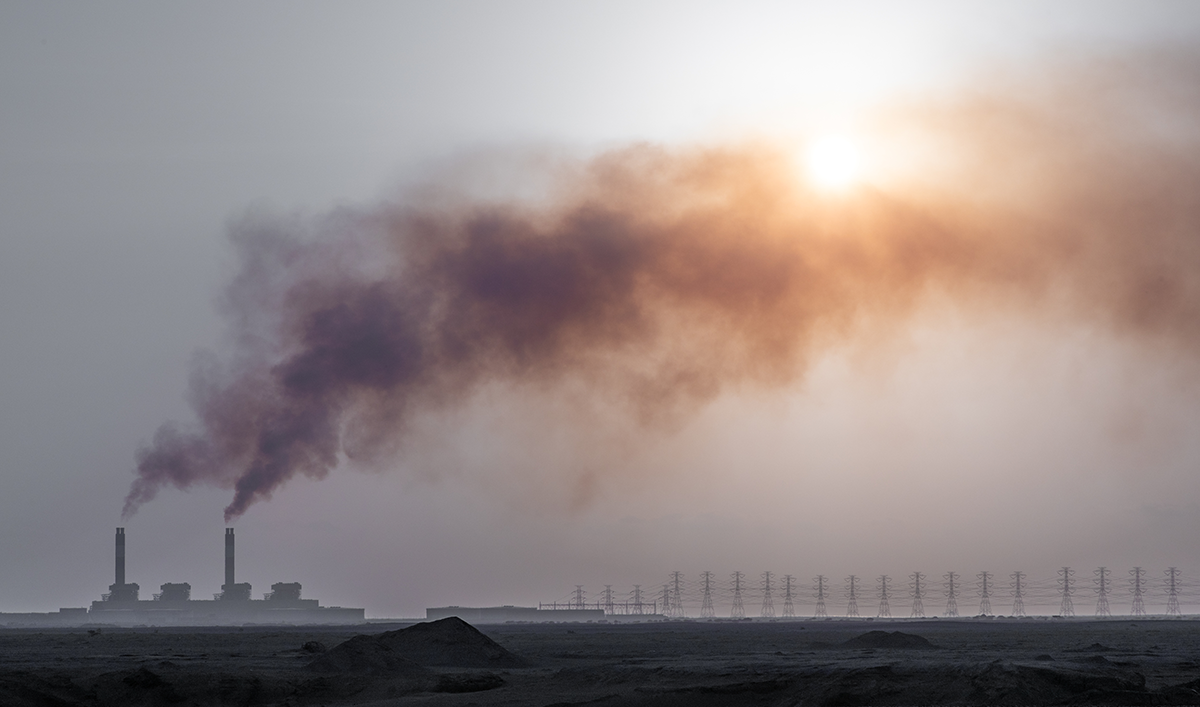
    The Persian Gulf states are among the most vulnerable on earth to the effects of climate change, which makes environmental cooperation necessary for their survival. Located in one of the hottest and driest parts of the planet, the region is vulnerable to extreme heat waves, dust storms, and water scarcity. All of these will increase in frequency and severity with further climate change. Protecting the natural environment of the region is not just an ecological concern, but a security one as well. Unmitagated climate change could spur conflict over limited resources and produce waves of migrants. While the future may seem bleak, environmental cooperation also presents a unique opportunity for improving the relationship between the Gulf Cooperation Council (GCC) states and Iran. Successes from cooperation on essential environmental issues could be the start of a more general rapprochement.

    December 10, 2020

    Special Briefing: The Trump administration’s potential last-minute Middle East policy moves
  • Commentary
  • Special Briefing: The Trump administration’s potential last-minute Middle East policy moves

    From Israel/Palestine and Lebanon to Iran and Afghanistan, there are a number of areas where the Trump administration may make policy moves before leaving office on Jan. 20. Experts from across MEI weigh in with their thoughts on what to watch out for over the next seven weeks.

    December 3, 2020

    Economic desperation and dependence are driving the Palestinian Authority’s political decisions
    Photo by Issam Rimawi/Anadolu Agency via Getty Images
  • Analysis
  • Economic desperation and dependence are driving the Palestinian Authority’s political decisions

    Faced with the Trump and Netanyahu governments’ persistent dismissal of the Palestinians and their rights, the PA has spent the better part of the last three years threatening to terminate all relations with Israel, and even to withdraw the Palestine Liberation Organization’s (PLO) recognition of Israel. The deteriorating situation culminated in Palestinian President Mahmoud Abbas’ May 2020 declaration that the Palestinian leadership was absolved “of all the agreements and understandings with the American and Israeli governments.” Notwithstanding previous similar warnings from Abbas in recent years, the announcement prompted speculation among Palestinian political parties, Palestinians at home and in the diaspora, scholars, activists, and journalists over the future of Palestinian politics in the post-Oslo era.

    December 2, 2020

    Biden could generate momentum for Israeli-Palestinian peace
  • Analysis
  • Biden could generate momentum for Israeli-Palestinian peace

    While the Israeli-Palestinian issue and renewal of negotiations is unlikely to feature prominently on his agenda anytime soon, Biden’s election generates renewed positive momentum.

    November 30, 2020