Saudi Arabia’s archeological treasures have long been hidden in plain sight, known mainly to the people living in their proximity and a handful of scholars. But five recent UNESCO World Heritage Site designations have highlighted the universal value of the country’s material legacy.
The UN deliberately (albeit mistakenly) accorded sovereignty to post-Gadhafi Libya’s economic institutions
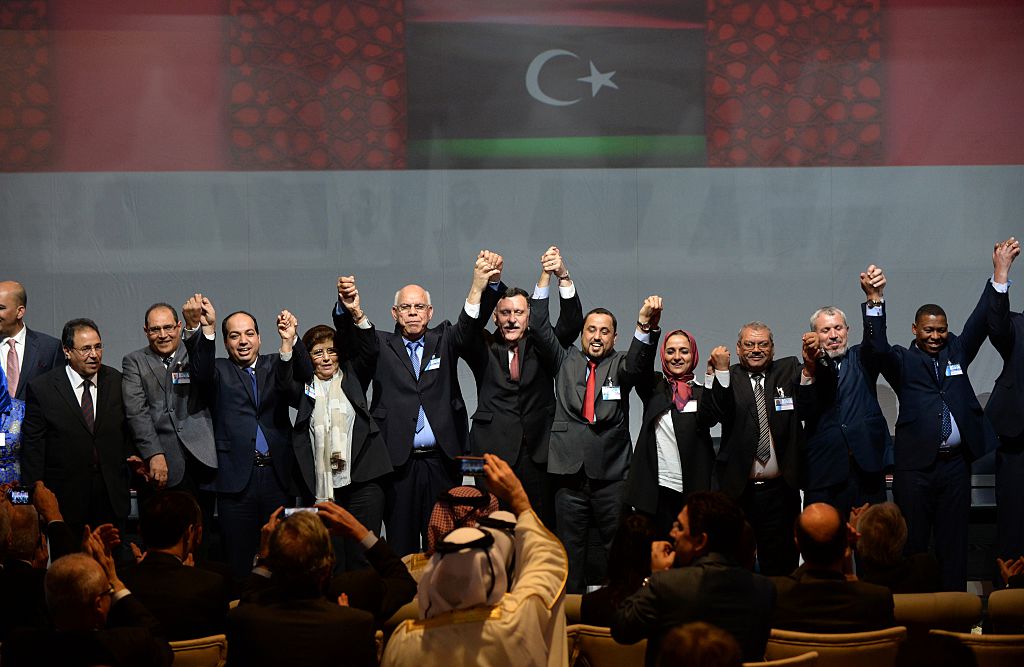
The crux of today’s Libya problem in international foreign policy lies in an underappreciated UN misstep in the most important international treaty concerning Libya, the 2015 Skhirat Agreement, and the decision to vest sovereignty in the heads of independent and semi-independent sub-state institutions like the Central Bank of Libya. The negative implications of this decision must now be addressed and it is time to move onto something new, after Skhirat.
How Libya’s economic structures enrich the militias
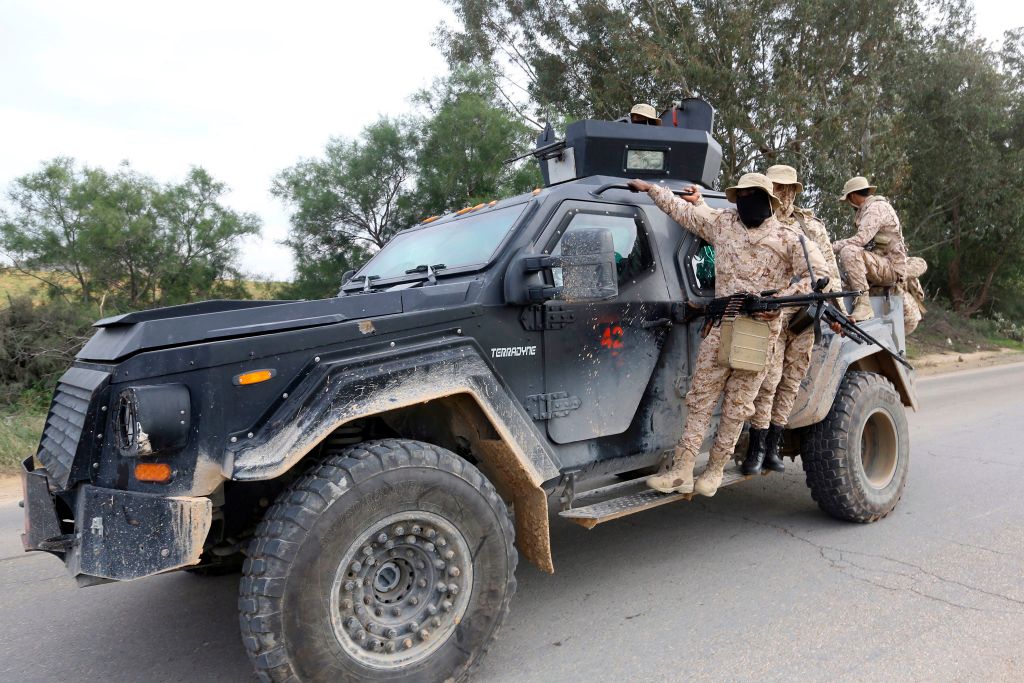
Largely overlooked in international policymaking toward Libya’s current conflict is the role of corruption as a key driver of violence, as opposed to merely its byproduct. The high-level debate on Libya at the UN General Assembly (UNGA) in late September and the proposed follow-on international conference to be hosted by Germany in October or November are the perfect opportunities to correct this oversight.
Iraq’s ancient city of Babylon gets long-overdue international recognition
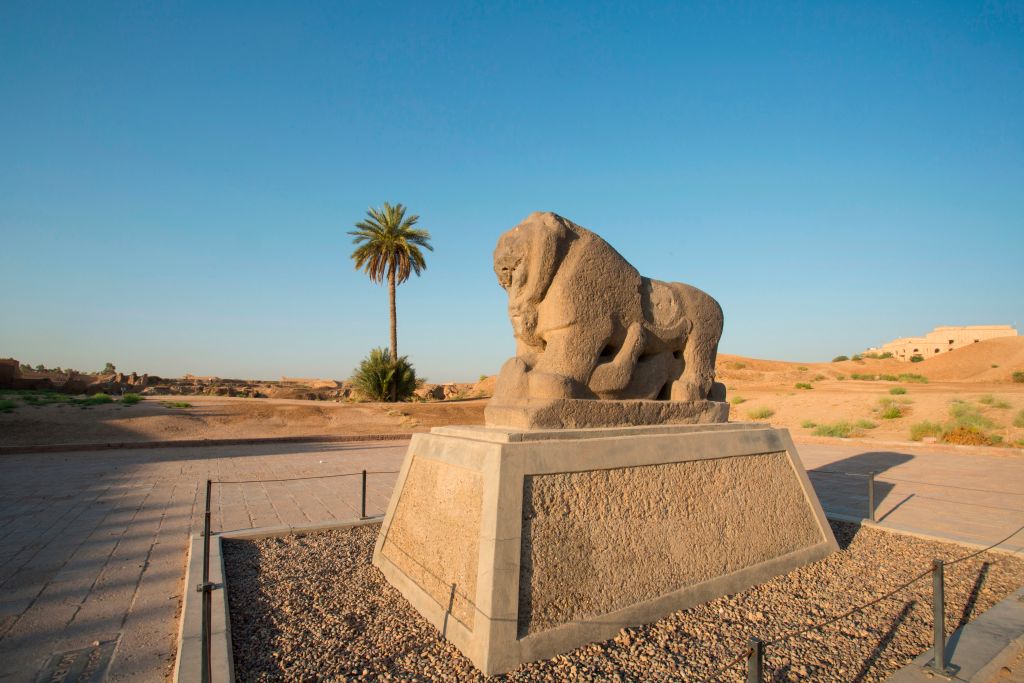
Babylon has seen it all. From its peak as the Neo-Babylonian capital under King Nebuchadnezzar through its heavy-handed 1987 reconstruction by Saddam Hussein to its post-invasion demise when American and Polish troops ran roughshod over its ruins and ISIS threatened its very existence, the ancient city has witnessed empires come and go.
Arabicity: Bringing the art of the Middle East to Washington
Renowned curator Rose Issa joins MEI Arts & Culture director Lyne Sneige to discuss Arabicity | Ourouba, the inaugural exhibit of contemporary Middle Eastern art that premiered September 14 at the new MEI Art Gallery, and why an understanding of the region’s arts and culture are important to the policy discourse in Washington.
New leadership and new challenges for Saudi Arabia's oil industry
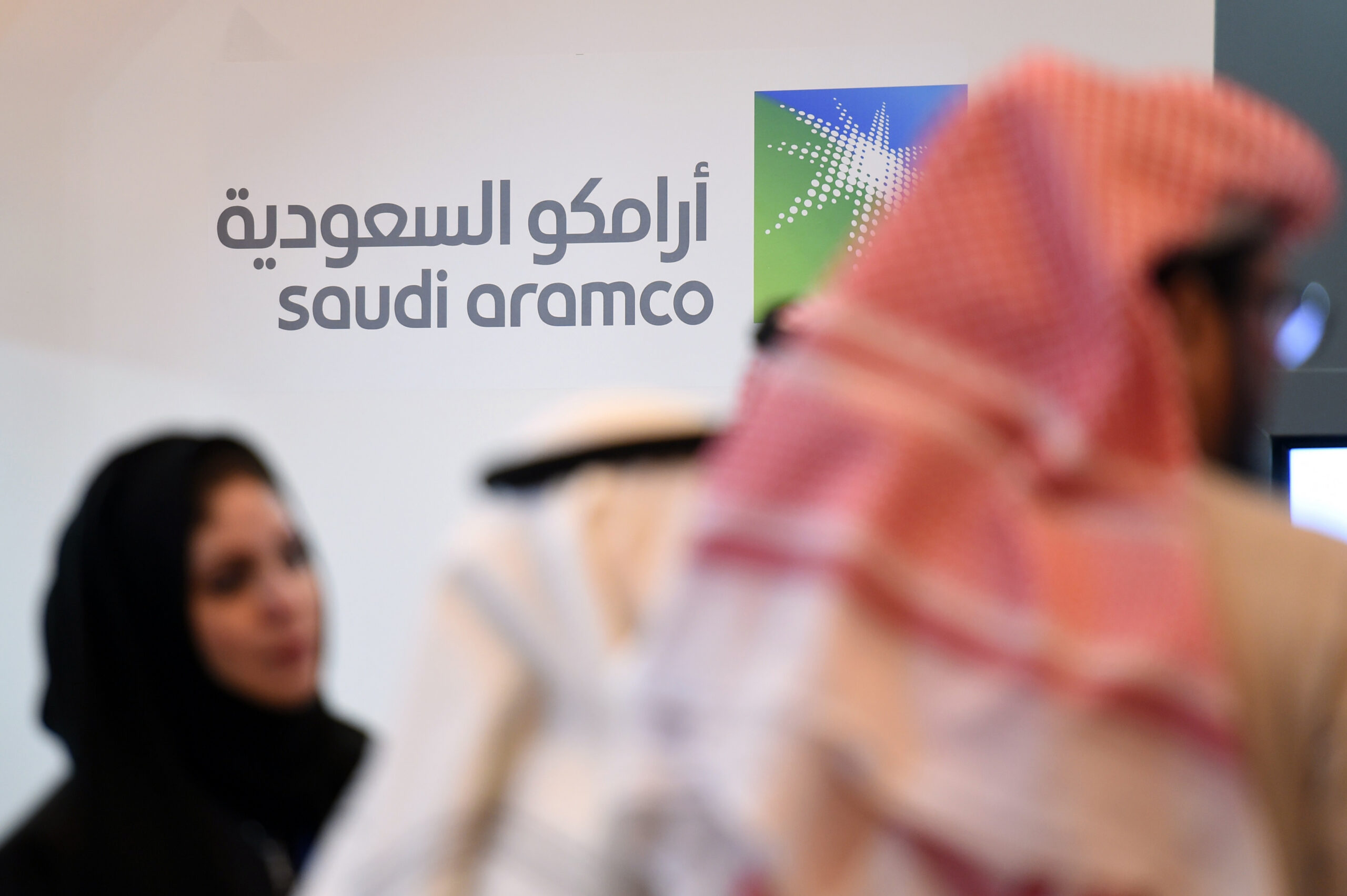
Saudi Arabia surprised the global oil and gas industry earlier this month by reshuffling its top two energy positions. Long-serving technocrat Khalid al-Falih was ousted as chair of Saudi Aramco one day and as head of the Ministry of Energy the next.
Russia, Iran, and the competition to shape Syria’s future
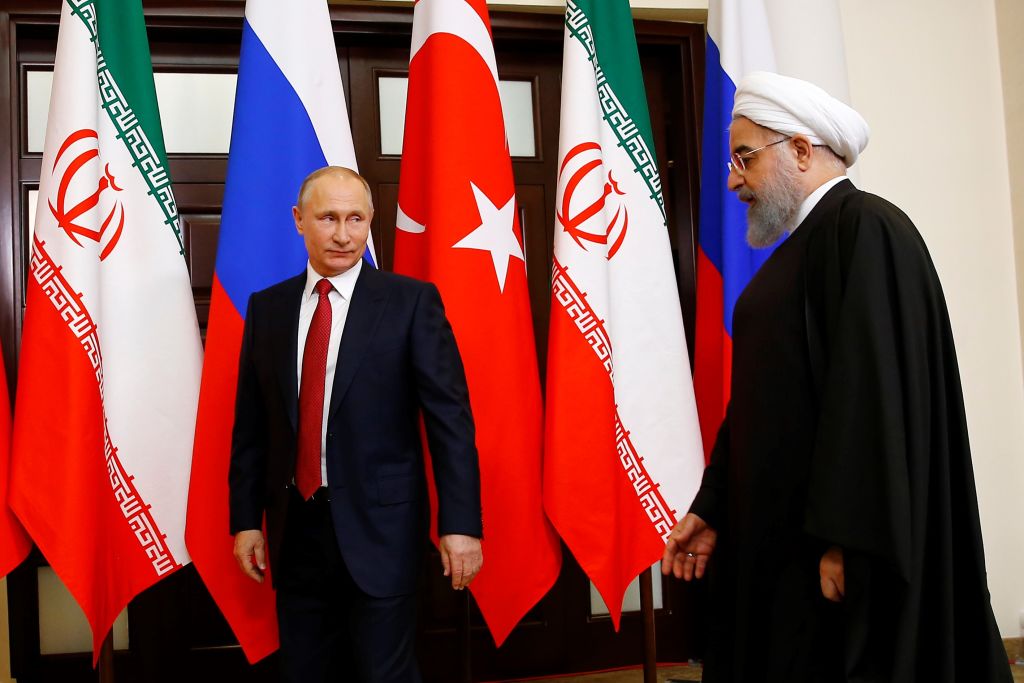
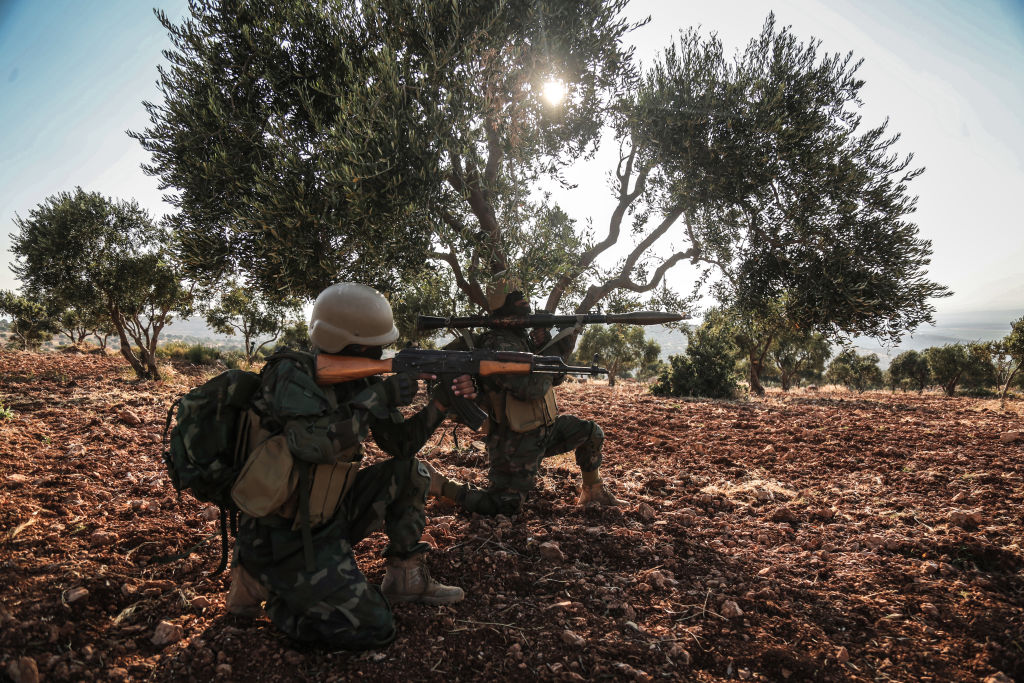
One important dynamic that is not acknowledged enough is the intensifying competition between Russia and Iran to determine the future shape of Syria and their position in it. While the very real competitive dynamic between Moscow and Tehran will never transition to hostility, it is beginning to have a very real effect on the evolution of major aspects of the crisis — from active conflict theaters, to the structures of the state, control over resources, and the prospect of intra-state conflict on Syrian soil.
Is it too late to save Lebanon from financial collapse?
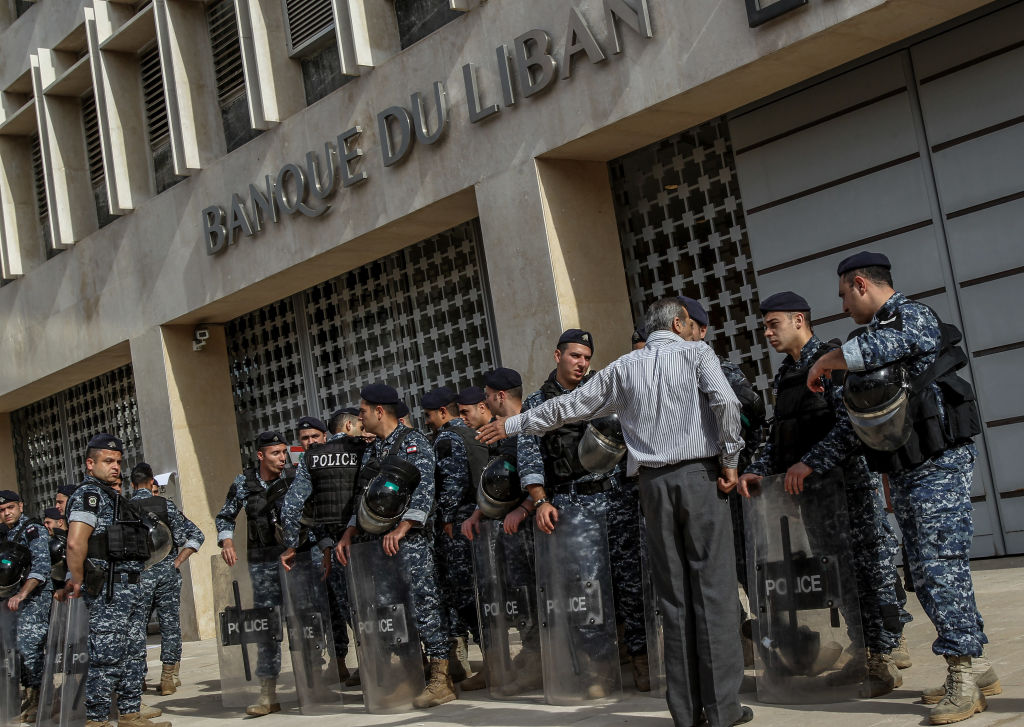
Things seem to be going from bad to worse for Lebanon’s economy. On Aug. 23 Fitch downgraded its credit rating to CCC, meaning both it and Moody’s now rate the country’s bonds as junk. Ten days later, on Sept. 2, Lebanon’s top officials and bankers declared the country was in a state of economic emergency and said emergency measures would be taken.
A shifting development paradigm for the Middle East and North Africa
Economic development paradigms have shifted focus over past decades: from minimizing imports to encouraging exports as the path to prosperity. Individual countries in the Middle East and North Africa (MENA) have had little success under either paradigm — the result being stagnant economies and high unemployment, especially among young people. Perhaps now is the time for MENA countries to follow a different path and focus on harnessing the power of their collective domestic demand to foster economic development.
The Syrian Oil Crisis: Causes, Possible Responses, and Implications
Unlike most other goods, the inflation-adjusted prices of oil and oil derivatives actually became cheaper in the years after the Syrian uprising and the loss of most of the country’s oil fields. Iran stepped in to fill the gap by shipping oil by sea through the Suez Canal. In recent months, however, these shipments seem to have ground to a halt, crippling regime-controlled areas. This paper examines several competing explanations for the slowdown in Iranian oil shipments, explores a range of possible responses for the Assad regime, and takes a closer look at the implications for the regime, its allies, and regular Syrians.
There Is No "Status Quo": Drivers of Violence in the Israeli-Palestinian Conflict
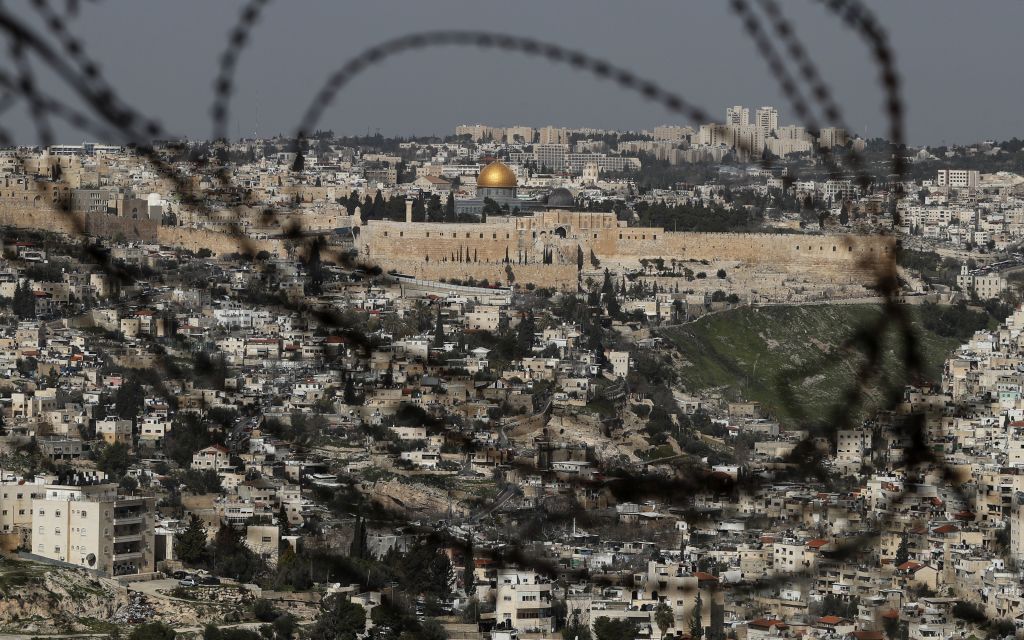
The Israeli-Palestinian conflict remains a destabilizing element in an already volatile Middle East. The Palestinians are too weak to wrest their independence from Israel. But as long as their right to self-determination is denied, they are likely to engage in regular violence targeting Israel. Absent outside intervention, Israel is powerful enough that it can suppress Palestinian demands for freedom — but it is not able to completely pacify the Palestinians. Thus, the conflict continues, punctuated every few years by rounds of more significant violence.
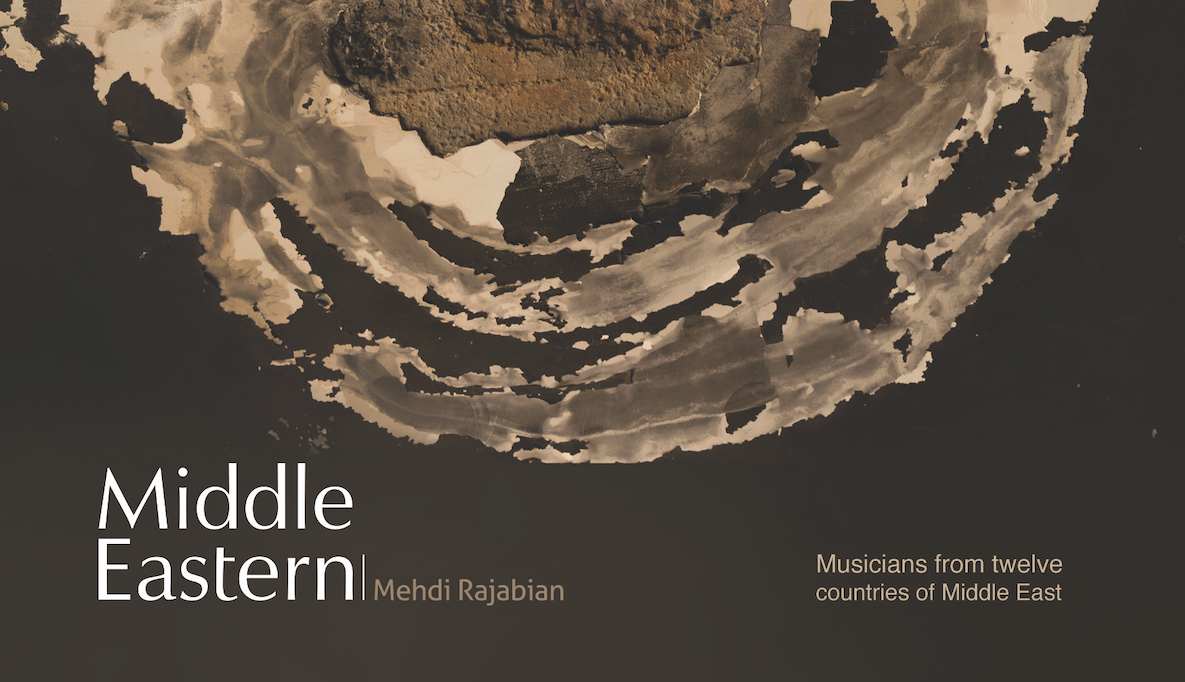
Messages for Peace: Iranian Artist Imprisoned for Music Releases New Album
Revolutionary Guards came to Mehdi Rajabian’s door on October 5, 2013. His crime? Running a music production company — Barg Music — that the Iranian government deemed offensive to Islam and the regime. Barg Music worked with restricted artists in Iran, particularly women, who have been legally forbidden from performing solo since the Iranian Revolution.
Monday Briefing: US-Turkey dispute over Syria comes to a head
This week’s briefing on recent news and upcoming events in the region including the Turkish-U.S. crisis meeting in Ankara on Syria, the resumption of U.S.-Taliban negotiations, Trump’s creation of a new “dovish” line on Iran, a rise in Egypt’s poverty levels, Sudan’s democratic transition, the easing of female guardianship rules in Saudi Arabia, and the end of the ceasefire in Idlib, featuring Charles Lister, Marvin G. Weinbaum, Paul Salem, W. Robert Pearson, Mirette F. Mabrouk, Thomas W. Lippman, and Robert S. Ford.