Roadmap for a strengthened NATO-Georgia partnership
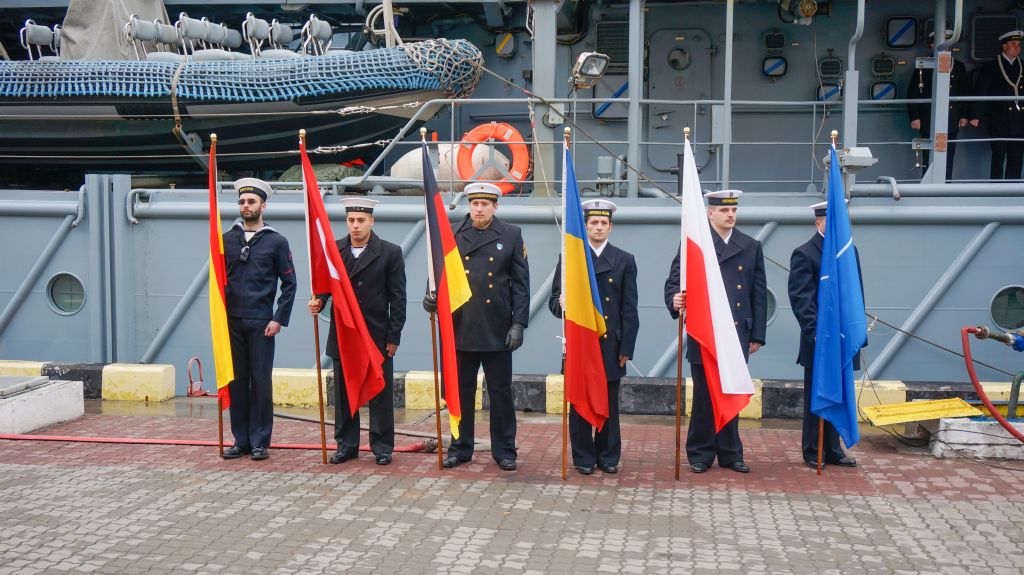
In April 2020, NATO Secretary General Jens Stoltenberg appointed an independent Reflection Group with the aim of defining the future of the Alliance. The group recently published an extensive report entitled NATO 2030: United for a New Era.” However, NATO 2030: United for a New Era does not provide further detail or recommendations on how these partnerships should be strengthened and expanded. The Alliance must strengthen and consolidate its partnership with Georgia to ensure its sovereignty and independence and mitigate the risks of further Russia aggression imposed.
The United States and the Gulf: Trapped in transition?
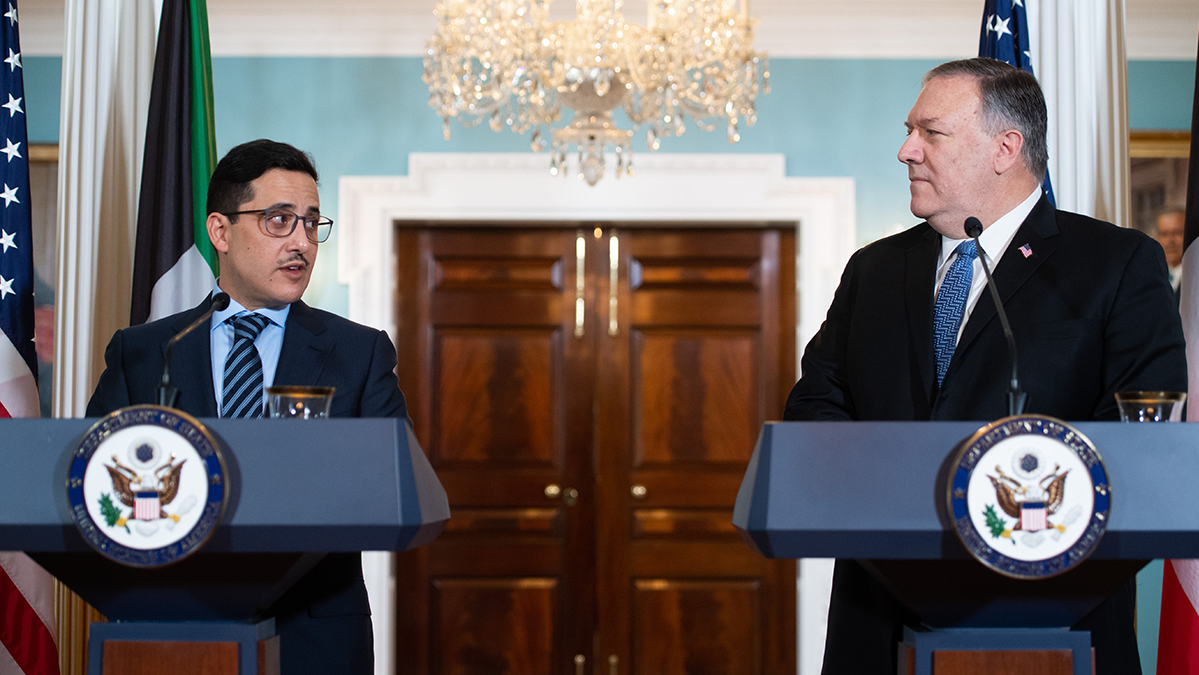
The mixed messages and pendulum swings in U.S. Gulf policy in recent years are rooted in and have further fueled deep questioning and a largely unresolved debate within the United States about America’s role in the region, and indeed in the world. Like the U.S., relations between the GCC and Iran are locked in confrontation. Breaking this impasse requires decisive U.S. reengagement in Gulf affairs led by vigorous, sustained diplomacy that promotes intra-GCC reconciliation and supports efforts aimed at tempering the Saudi-Iran strategic rivalry.
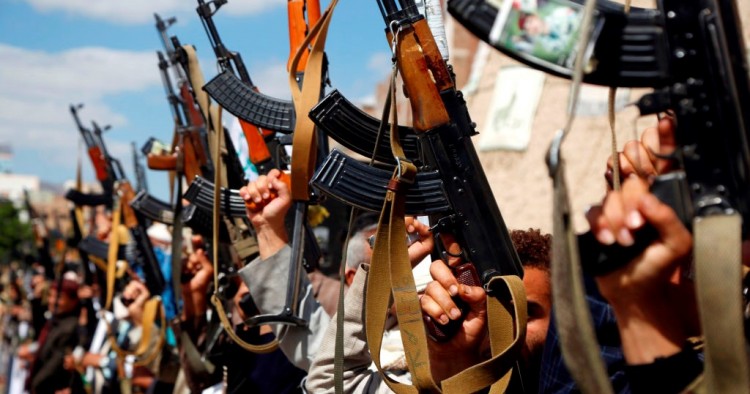
Political support, not terrorist designation, is key to moving forward in Yemen
Now is the time for a political reset in Yemen — and the United States must play an important role. This role must include encouraging all sides toward a more inclusive political process that reduces violence and raises Yemeni and international voices, and moves toward specific and achievable objectives over time. Solutions that purport to be either speedy or simple are, in fact, quite dangerous. To that point, the current administration’s consideration of designating Ansar Allah (the Houthi movement) as a foreign terrorist organization (FTO) will not help advance the United States or the other various participants in this conflict toward a durable strategic settlement.
The Fakhrizadeh assassination: A major failure for Iranian intelligence
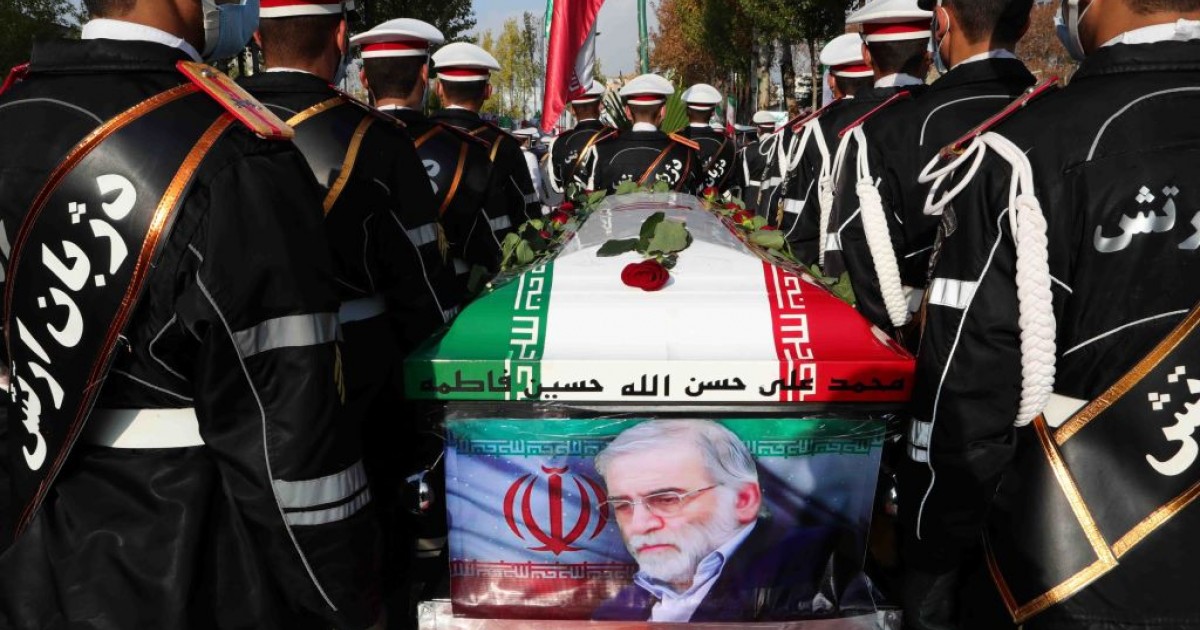
The assassination of Mohsen Fakhrizadeh, the most important figure in Iran’s nuclear program, in late November 2020 is a major failure for Iran’s intelligence services. Despite all the secrecy and the emphasis on protecting Fakhrizadeh, however, he was still assassinated in the Absard area, about 70 km from Tehran, on Nov. 27. Why was he killed despite such a high level of protection, and what effect will his death have on the Iranian regime’s intelligence and security structures?
The Black Sea: How America Can Avoid a Great-Power Conflict
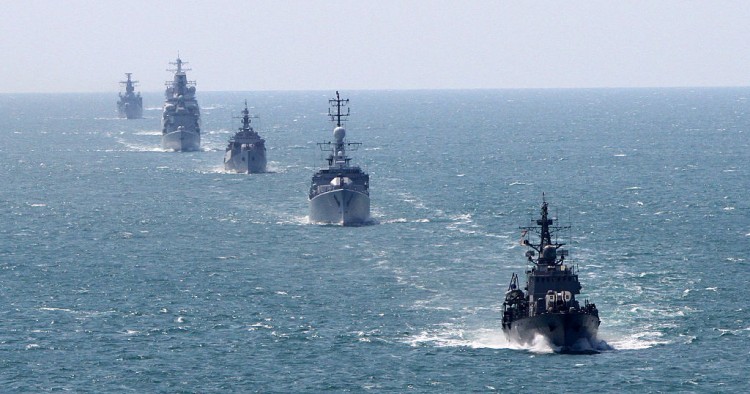
Many Americans find the whole swath of territory in eastern Europe, near Russia, very far away and hard to conceptualize. This part of the world involves a number of countries, small and large, that are generally not the most frequently discussed in American news nor frequented by American tourists. To make sense of much of this remote region, it can be helpful to take a perspective that centers on the Black Sea and views that body of water as the key point of reference for much of the region. Doing so not only helps clarify what Russia is up to in its near-abroad, but also shines a spotlight on Chinese activity, and what is required of America in response.
In our final episode of the year, host Alistair Taylor interviews several MEI scholars on the key events that transpired across the Middle East in 2020 including in Iraq, Iran, and Afghanistan, and they discuss US defense and diplomatic strategy in region as the as the transition to the Biden administration gets underway. Guests include Paul Salem, Bilal Saab, Randa Slim, and Marvin Weinbaum.
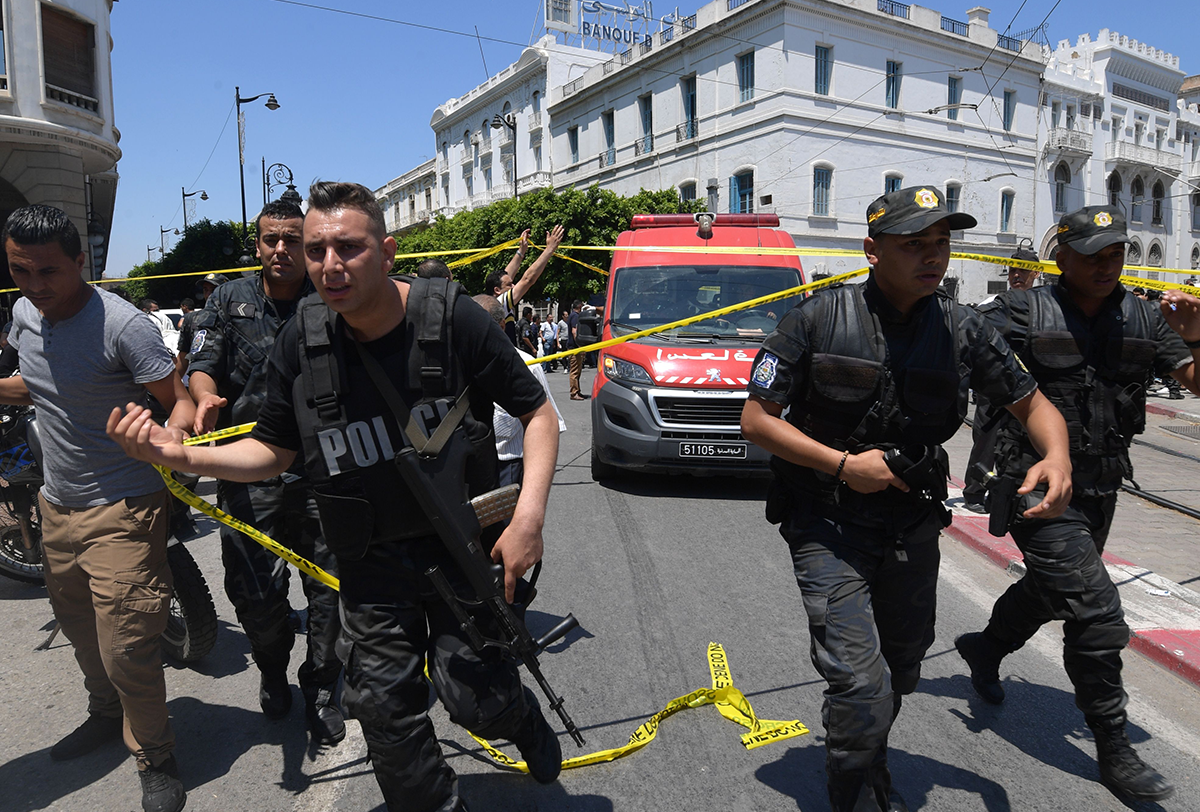
Putting up a fight: Tunisia’s counterterrorism successes and failures
Alongside a stalled economy and a messy political transition, the decade since the 2011 revolution has left Tunisia with an intermittent yet ferocious terrorism problem. The frequency of terrorist attacks highlights the dangers posed by an uncertain political environment, widespread economic problems, and regional instability. But the fact that they have become less deadly over time also seems to underline the improvements that successive governments have made to Tunisia’s security apparatus.
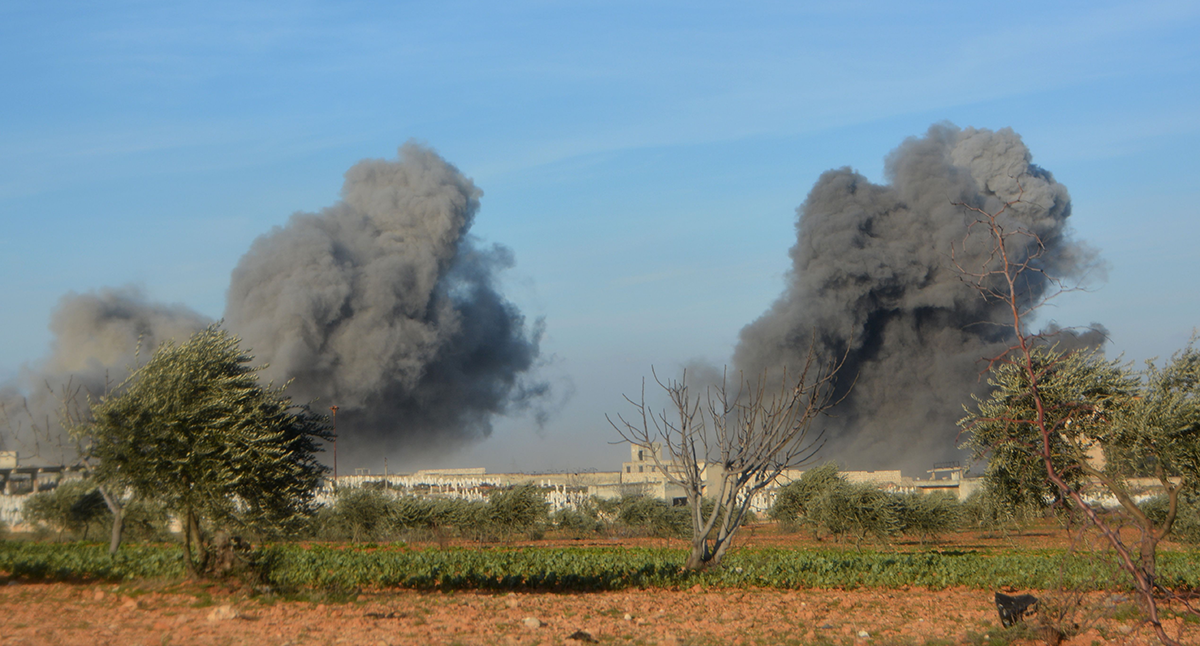
Weighing the scales of violence in northwest Syria
When looking at a map of all artillery and airstrikes in the period from November 2019 through November 2020, first, it is quite clear that the majority of attack are carried out by either Syrian, Russia, or pro-government forces across the northwest of the country, save for northern Aleppo, where the Turkish military is more active.
Now in its sixth year, the war in Yemen shows no signs of abating. The country faces what is widely considered the world’s worst humanitarian crisis — a situation that has only been exacerbated by the global coronavirus pandemic. As a new administration prepares to take over in Washington, it is a natural time to assess U.S. policy toward the country. We asked 9 experts to provide their perspective and answer the following question: How should the Biden administration approach Yemen?
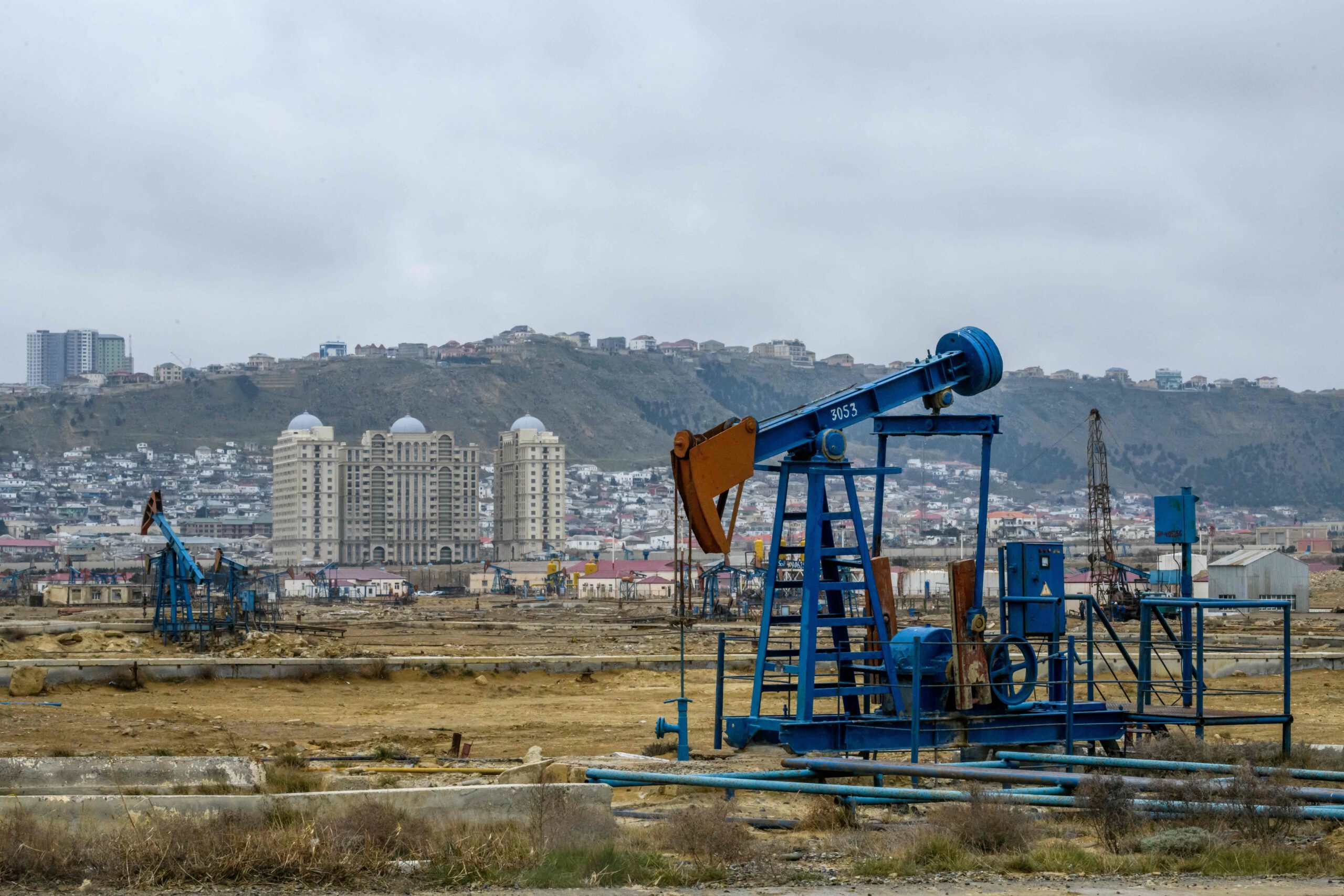
NATO's Energy Security Rests on a Fragile Ceasefire
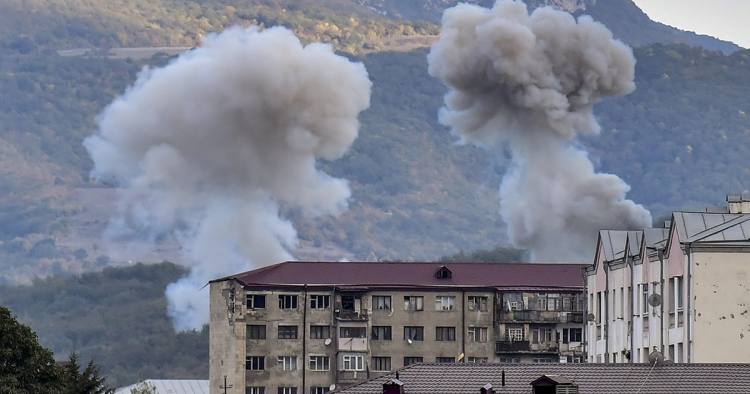
There is a lot riding on the success of the recent cease-fire agreement between Azerbaijan and Armenia. NATO’s energy security is now intertwined with the fragile deal. Fueled by Russian arms and military training, the Armenia-Azerbaijan conflict threatens to shake confidence in Europe’s drive to reduce its energy reliance on Moscow.
Our Shared Humanity, Middle Eastern Hospitality, and Authentic Georgian Wine Reinterpreted for Our Covid Christmas
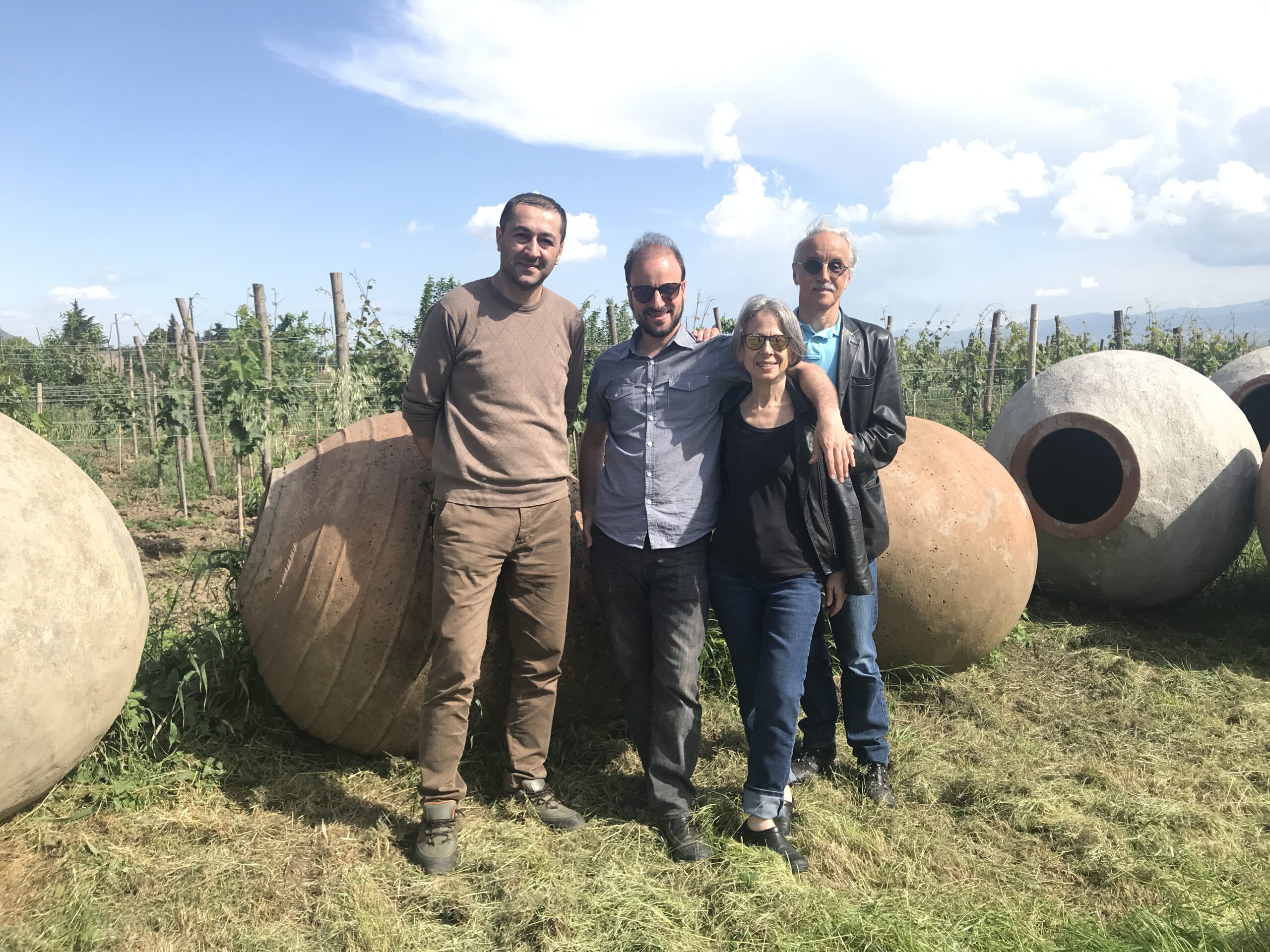
Therefore, this holiday season – dear reader – might I suggest a return to the essentials? The greater Middle East is the birthplace of Christianity, Judaism, and wine. This year, why not return to basics with some Georgian wine at the holiday table? Wine is central to Judeo-Christian rituals. It is a requirement for the Eucharist – as well as for Shabbat and Passover. A more secular property of wine is its ability to encapsulate a sense of place and epitomize the traditions of a culture.
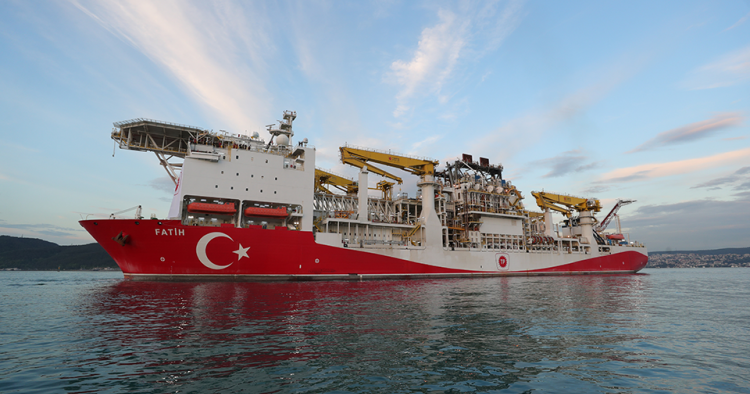
Less widely reported are other offshore discoveries in the Black Sea being made by various regional players, some more overtly than others. Given the not insignificant hurdles posed by limitations of technical capacity, a bounty of market supply, and unresolved conflicts leaving borders and exclusive economic zones (EEZs) in question, many are asking who’s campaigning for new Black Sea gas, and why? And just as importantly, whose national security interests stand best to gain?
New Geopolitical Realities of the Caucasus: Reevaluating Georgia’s National Security Strategy
We are moving toward a new status-quo in the South Caucasus, with different actors facing different challenges as well as opportunities. Georgia will be impacted by the outcome of the war in multiple ways, and the country will need a strategy to adapt to the new realities, taking into consideration gains and losses of the parties actively involved in the conflict, as well as post-conflict development.
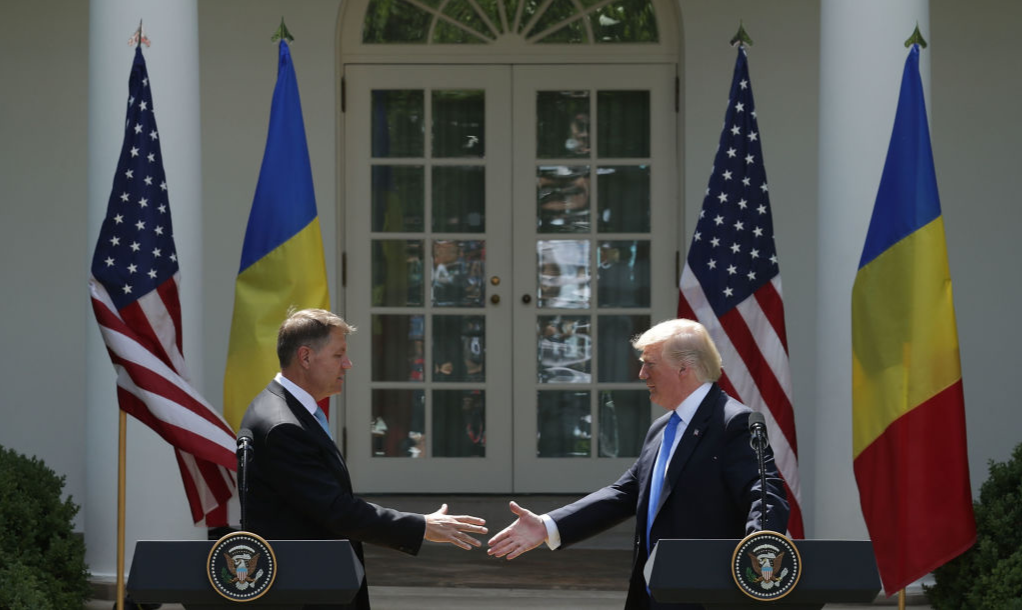
Elections 2020: A small victory for the right, but Romania won’t deviate from its Western path
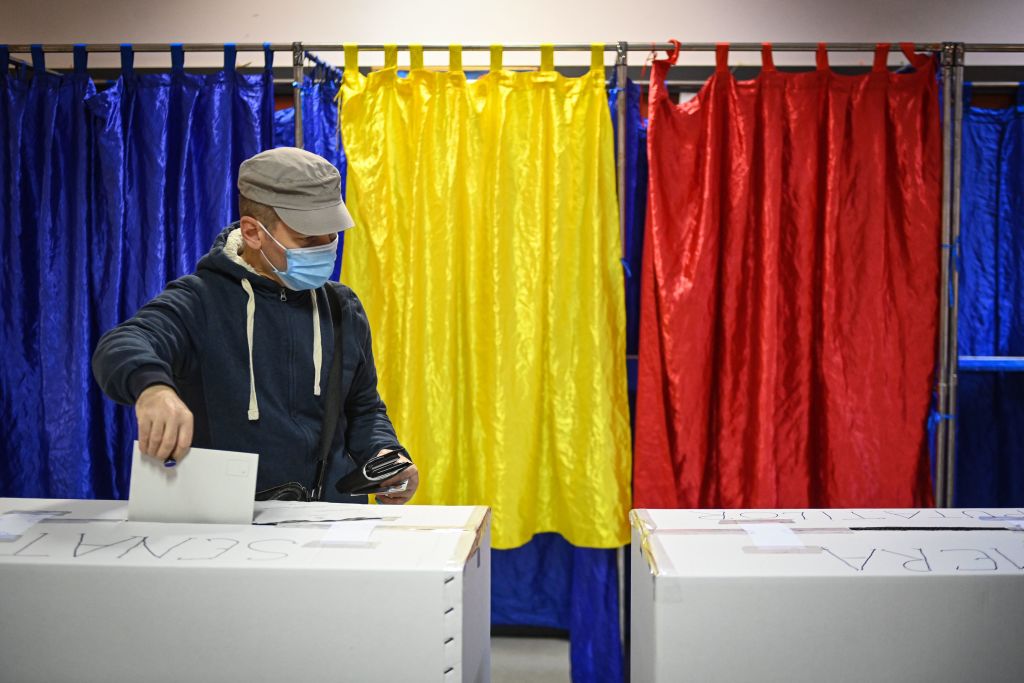
Romania is one of Eastern Europe’s largest countries. It also happens to be — alongside Poland — one of Europe’s most pro-Western electorates. However, results of Sunday’s legislative elections suggest Romania could once again be entering murky political waters.
U.S. Economic Engagement with the Black Sea Region Must Be a Priority for 2021
The Black Sea region is home to some of America’s strongest allies and most vocal advocates of continued Euro-Atlantic cooperation and integration. The Trump Administration’s commitment to the region has led with U.S. support for regional security. It is in America’s national interest to double down on the successes of the Trump Administration’s regional economic engagement strategy, and establish trade and investment initiatives as the forefront of U.S. policy toward the Black Sea region.