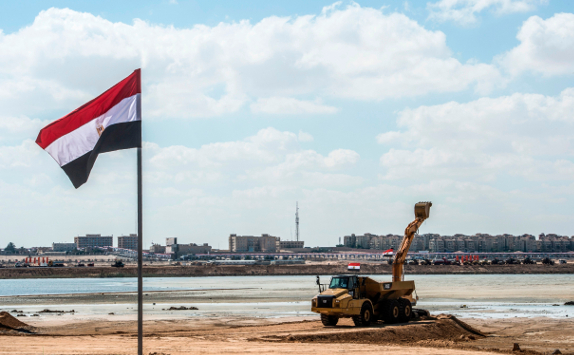
As the slow wheels of government inch toward policies that lead to cleaner air, Egyptian drivers could be provided with faster results by an unlikely partner—Chinese auto companies.
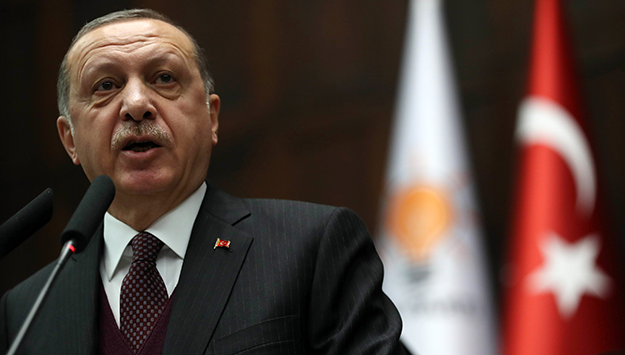
January 24, 2018 – Turkey began 2018 embroiled in domestic dissent and diplomatic friction. Last April’s constitutional referendum was met with widespread criticism as an attempt by President Erdogan to consolidate power. Activists and journalists face increasing restrictions on their rights, the government continues its crackdown on the opposition, and debates swirl over the future of Turkey’s economy, the Kurdish question, and relations with the United States and European Union.
Democracy, Inclusion and Political Moderation: Lessons from Religious Movements in the Middle East and Indonesia
There is a longstanding argument that inclusion in the political process can moderate Islamist groups. Looking at the evolution of Islamic movements in Egypt and in Indonesia, this essay suggests that patterns of informal inclusion, the nature of regime repression and the role of state ideology can all have significant impacts on the diversity of religious life and mass appeal of reformist voices.
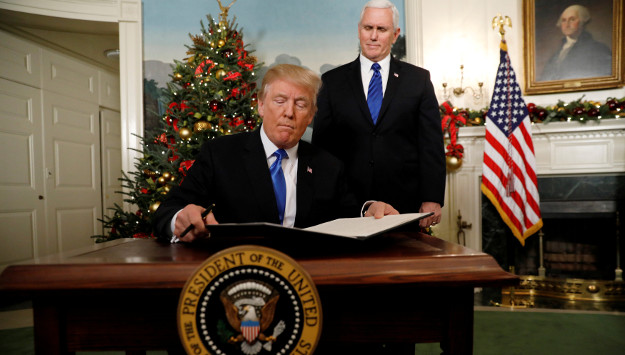
The Multiple Sorrows of Trump’s Jerusalem Announcement | Monday Briefing
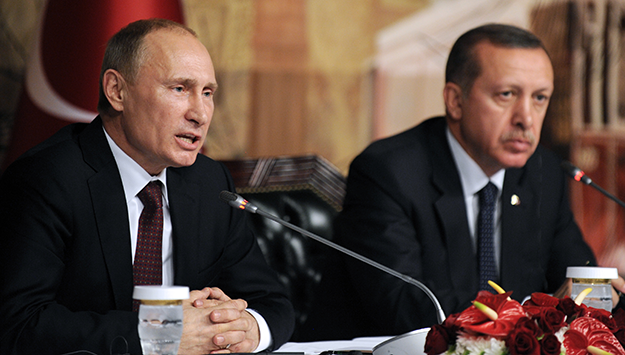
In this week’s Monday Briefing, MEI experts Paul Salem, Charles Lister, and Gonul Tol provide analysis on the international fallout from President Trump’s Jerusalem announcement and Russian President Vladimir Putin’s visit to Syria and then to Turkey to discuss Syria, Jerusalem, and energy matters.
After the 2014 Israel-Gaza war, I tried and failed to convince Hamas to hand over a key border crossing between Gaza and Israel to the control of the Palestinian Authority (P.A.).
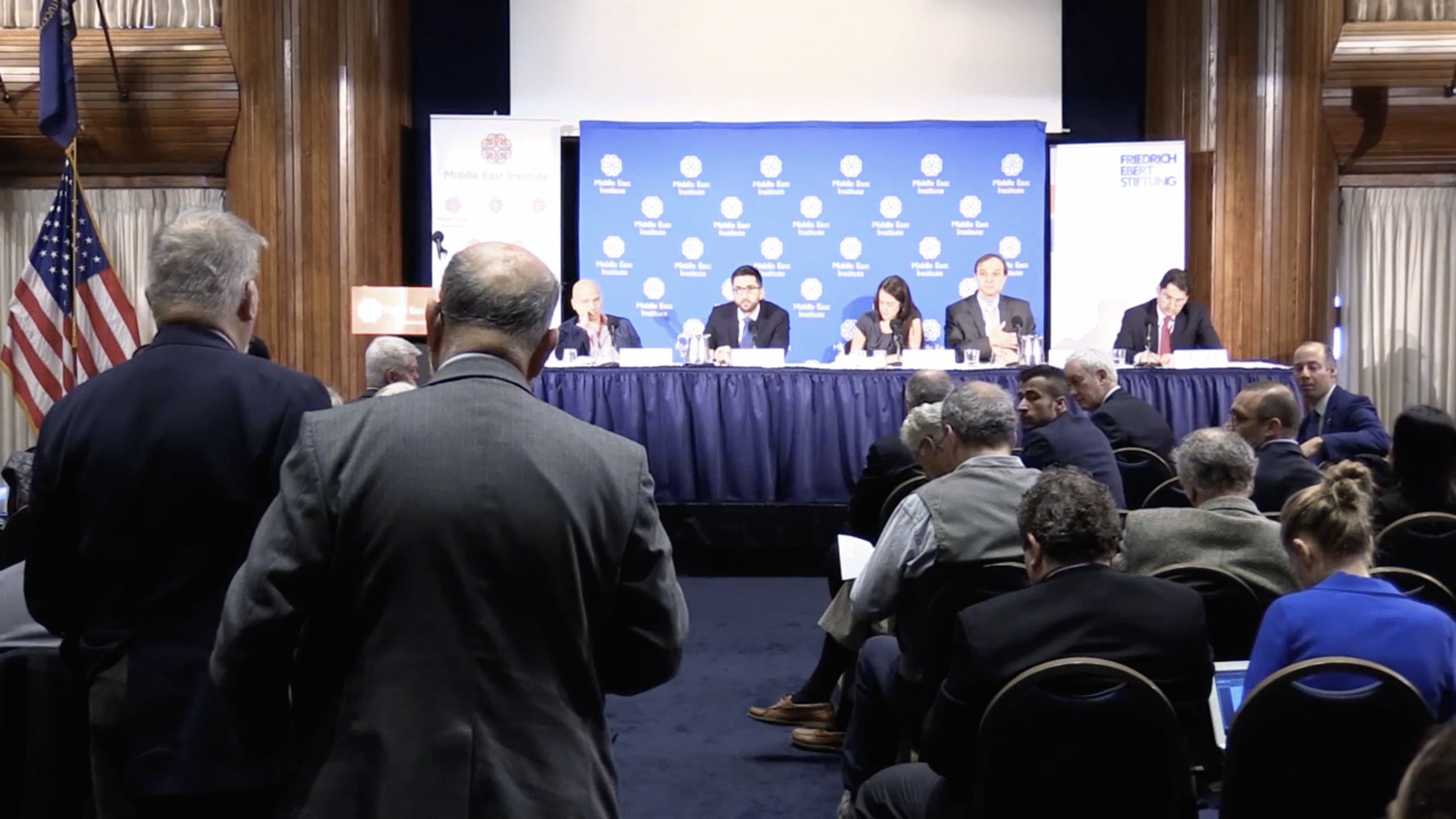
December 4, 2017- The Middle East Institute (MEI) and the Friedrich Ebert Foundation were pleased to host MEI’s 8th Annual Conference on Turkey. At a time of critical internal developments and international tensions, this program of three panels on Turkey’s domestic politics, economy, and foreign relations featured Turkish, European, and U.S. office-holders, policymakers, and expert analysts from both sides of the Atlantic.
From mixed signals over U.S. policy toward Syria’s Kurds, to an alleged kidnapping plot involving Michael Flynn, to the implication of President Erdogan in an international corruption scheme, U.S.-Turkey relations have struggled to find solid ground. Nicholas Danforth, senior policy analyst at the Bipartisan Policy Center, and Gonul Tol, director of Turkish studies at the Middle East Institute, join host Paul Salem to explain these stories and what they mean for both countries.
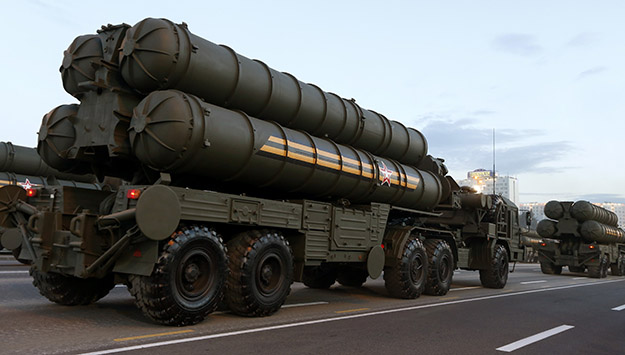
Turkey’s Quest for Air Defense: Is the S-400 Deal a Pivot to Russia?
Summary
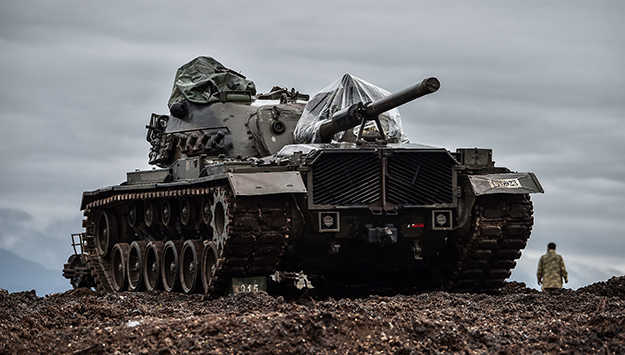
In an attempt to build up its air defense systems, Turkey is finalizing a deal to purchase the Russian S-400 weapons system. Ankara’s decision is in part a response to the threat posed by Russian involvement in Syria. Turkey is hoping that cultivating closer ties with Moscow might remove Russia as a threat. But, as this paper illustrates, the deal fails to address Turkey’s security concerns, further alienates its NATO allies, while providing Moscow more leverage over Ankara.
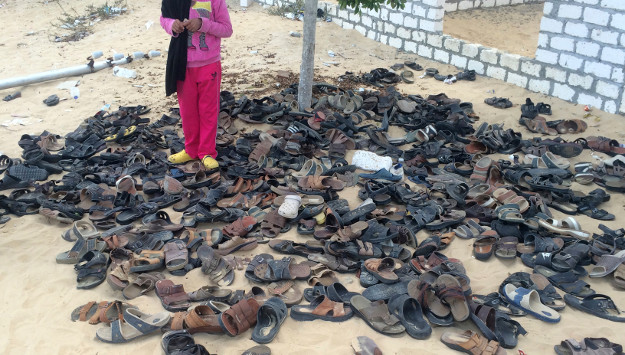
In this week’s Monday Briefing, MEI experts Charles Lister, Randa Slim, and Alex Vatanka provide analysis on recent and upcoming events including Egypt’s ongoing struggle with terrorism following the recent attack in Rawda mosque, the next round of intra-Syrian Geneva negotiations, and Iran’s anxiety over Russia’s plans in Syria.
France and Egypt Try to Moderate Saudi-Iran Escalation | Monday Briefing
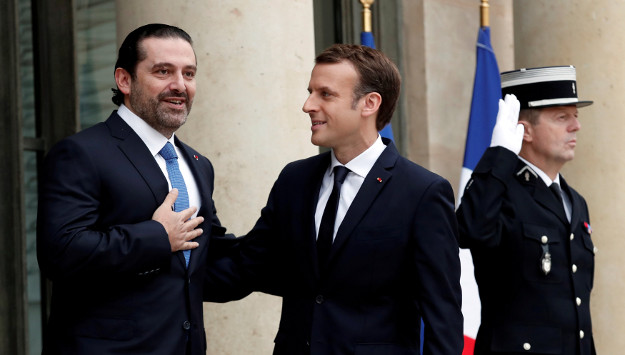
In this week’s Monday Briefing, MEI experts Paul Salem, Alex Vatanka, Randa Slim, Marvin G. Weinbaum, and Eran Etzion provide analysis on recent and upcoming events including the Arab League meeting in Cairo to moderate the Saudi-Iran escalation, Iran’s view of the Sochi Summit as a turning point, Putin’s effort to reach an agreement on Syria before presidential elections, Afghanistan’s response to the increase of US troops on their ground, and the political upheaval in Israel as Netanyahu’s corruption case continues.