The Multiple Sorrows of Trump’s Jerusalem Announcement | Monday Briefing
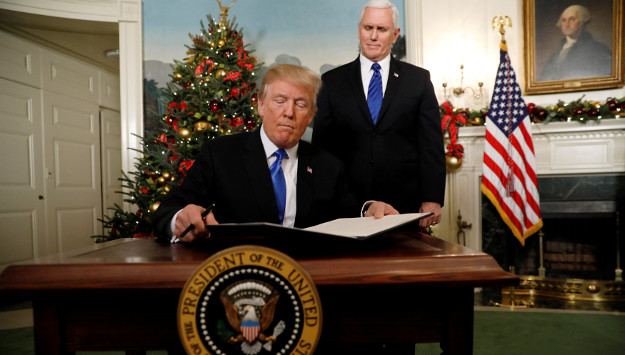
In this week’s Monday Briefing, MEI experts Paul Salem, Charles Lister, and Gonul Tol provide analysis on the international fallout from President Trump’s Jerusalem announcement and Russian President Vladimir Putin’s visit to Syria and then to Turkey to discuss Syria, Jerusalem, and energy matters.
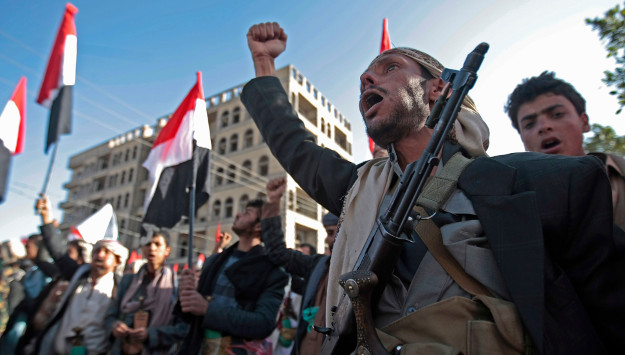
The killing of former Yemeni president Ali Abdullah Saleh marks a major turning point in Yemen’s ongoing civil war. Nadwa Al-Dawsari (POMED) and Gerald Feierstein (MEI) join Paul Salem to discuss the immediate fallout and what lies ahead.
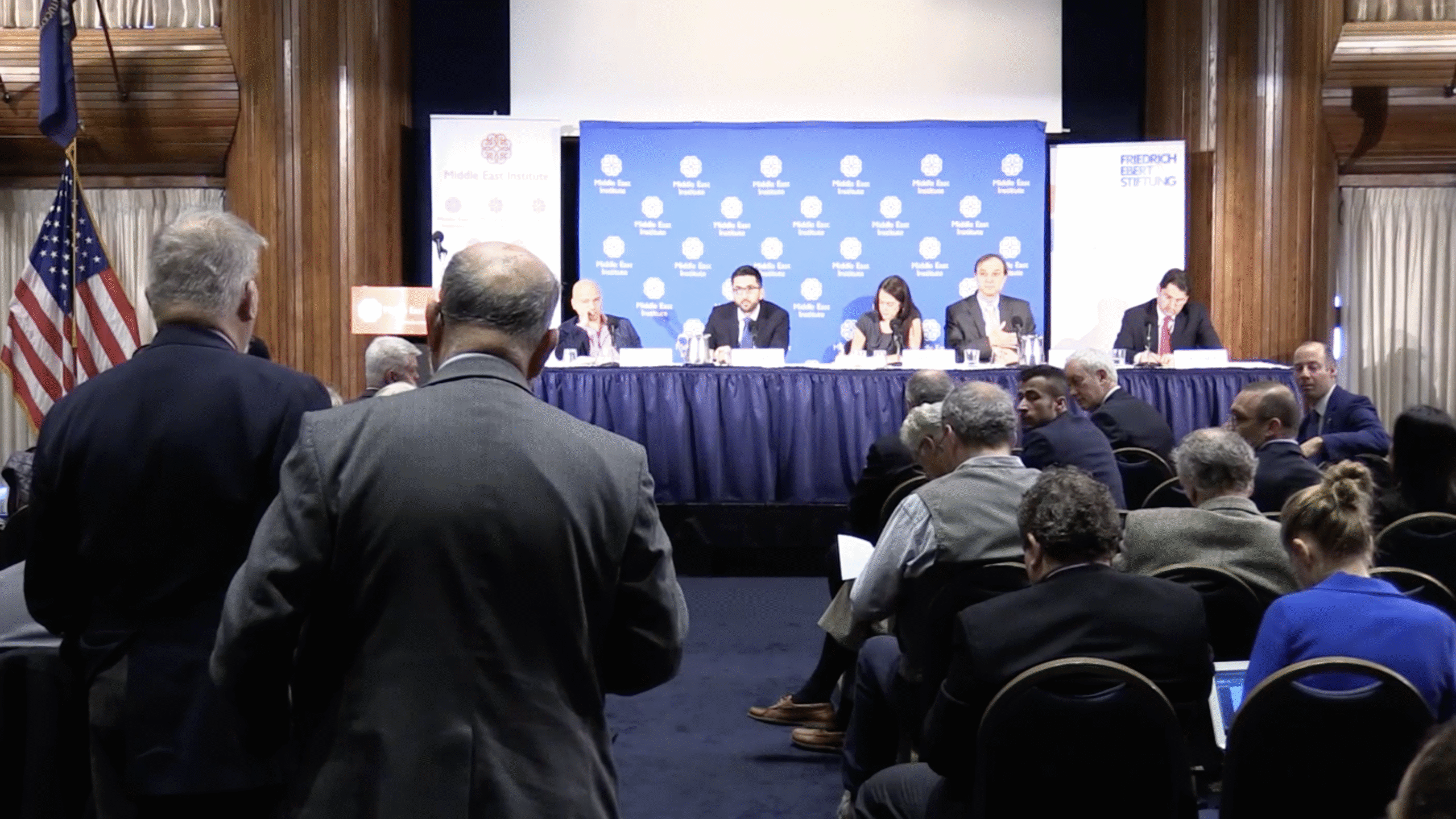
December 4, 2017- The Middle East Institute (MEI) and the Friedrich Ebert Foundation were pleased to host MEI’s 8th Annual Conference on Turkey. At a time of critical internal developments and international tensions, this program of three panels on Turkey’s domestic politics, economy, and foreign relations featured Turkish, European, and U.S. office-holders, policymakers, and expert analysts from both sides of the Atlantic.
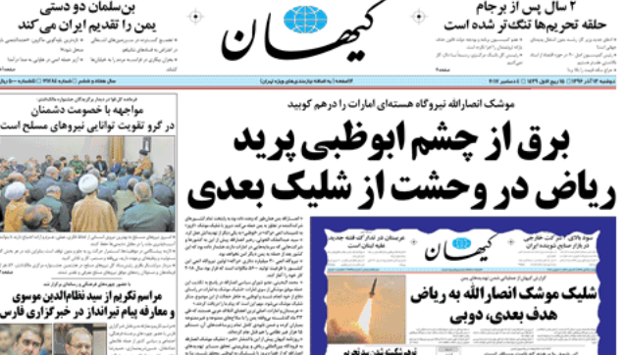
Iranian Leaders Celebrate Saleh’s Killing by Houthi Allies
Iranian leaders celebrate the killing of Ali Abdullah Saleh and some media outlets express the hope that the former Yemeni president’s death will further empower the Iran-backed Houthi rebels in Yemen.
Ali Akbar Salehi, a senior aide to Supreme Leader Ali Khamenei, said Saleh got what he deserved. “The Yemeni people that are with the resistance front will ultimately emerge victorious similar to the people of Syria, Iraq and Lebanon,” he added.
From mixed signals over U.S. policy toward Syria’s Kurds, to an alleged kidnapping plot involving Michael Flynn, to the implication of President Erdogan in an international corruption scheme, U.S.-Turkey relations have struggled to find solid ground. Nicholas Danforth, senior policy analyst at the Bipartisan Policy Center, and Gonul Tol, director of Turkish studies at the Middle East Institute, join host Paul Salem to explain these stories and what they mean for both countries.
Public Opinion in a Conflicted Middle East (Livestream)
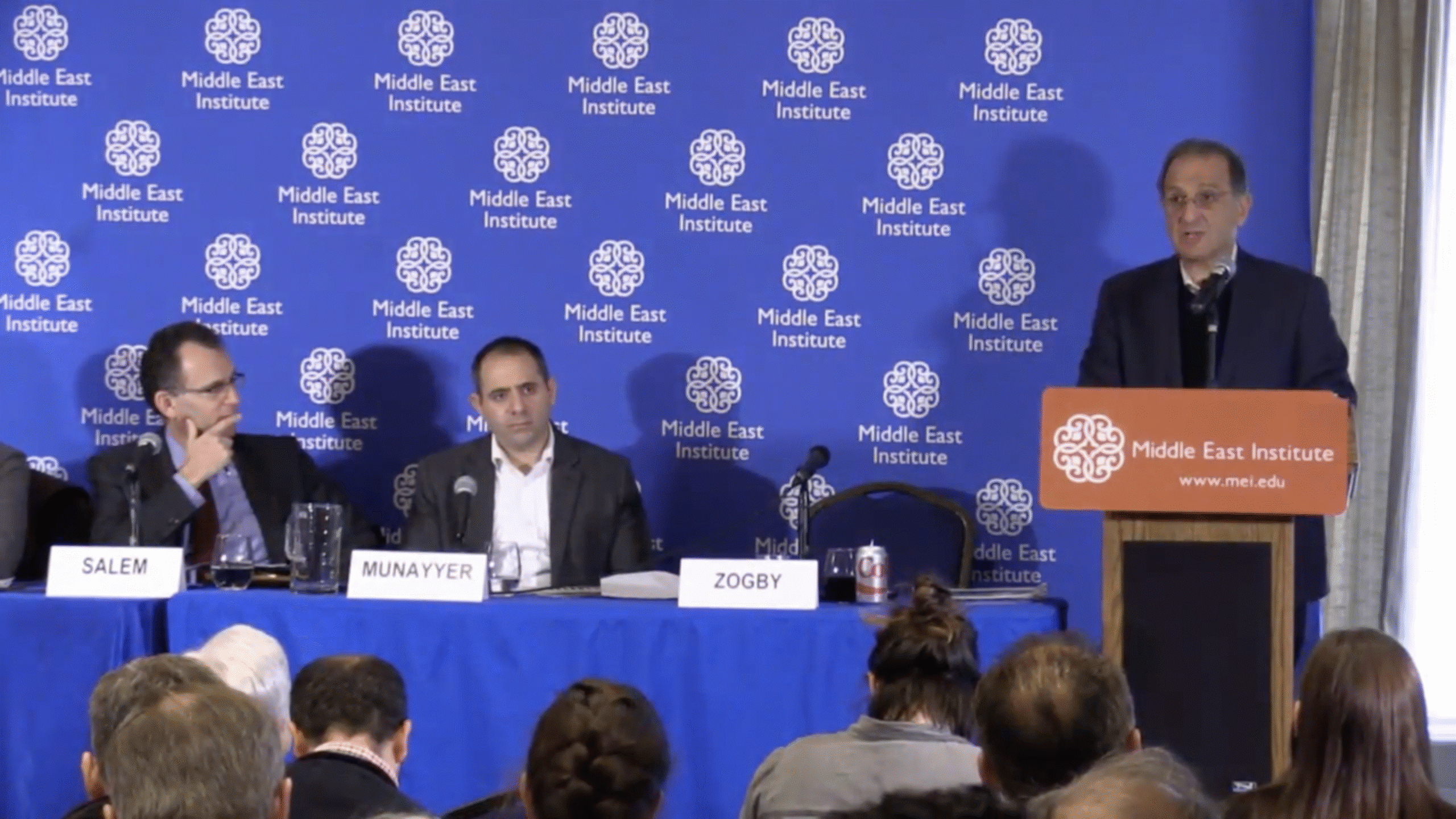
The Middle East Institute (MEI) and the Arab American Institute (AAI) are pleased to host James Zogby (AAI and Zogby Research Services) for the presentation of fresh polling results from across Egypt, Lebanon, Jordan, Palestine, Iraq, Saudi Arabia, the UAE, Iran, and Turkey. The report examines opinions from 7,800 respondents about the U.S. and other regional states’ roles in Syria, Iraq, and Yemen. It also looks at Trump Administration policy, political Islam, prospects for Israeli-Palestinian peace, the Iran nuclear deal, and the region’s refugee crisis.
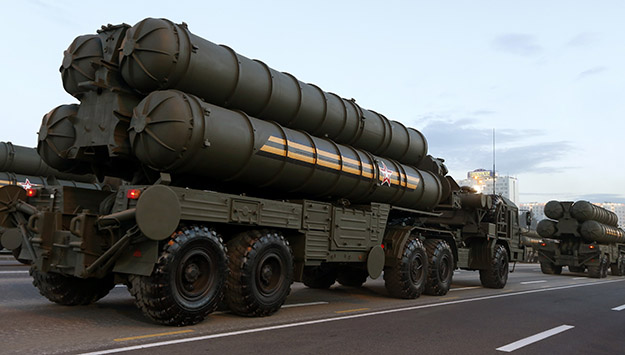
Turkey’s Quest for Air Defense: Is the S-400 Deal a Pivot to Russia?
Summary
In an attempt to build up its air defense systems, Turkey is finalizing a deal to purchase the Russian S-400 weapons system. Ankara’s decision is in part a response to the threat posed by Russian involvement in Syria. Turkey is hoping that cultivating closer ties with Moscow might remove Russia as a threat. But, as this paper illustrates, the deal fails to address Turkey’s security concerns, further alienates its NATO allies, while providing Moscow more leverage over Ankara.
I.R.G.C. Admits Aiding Houthis against Saudi-Led Coalition in Yemen
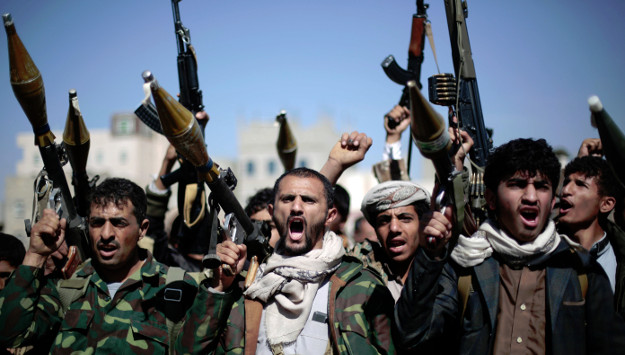
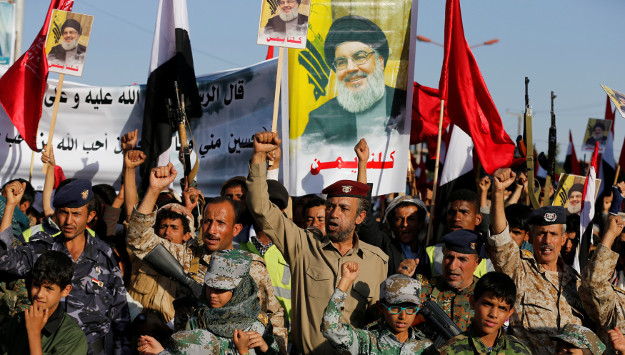
The head of the Islamic Revolution Guards Corps (I.R.G.C.) has admitted that Iran is providing assistance to the Houthi “resistance movement” fighting the Saudi-led coalition in Yemen. “Our assistance to the resistance front has been provided at the request of their people and governments, and Yemen is one of those examples. In Yemen, the power today lies in the hands of Ansarullah and Iran’s assistance is at the level of advisory and spiritual support, which Yemen needs more,” Major General Ali Jafari said at a press conference in Tehran on Thursday.
France and Egypt Try to Moderate Saudi-Iran Escalation | Monday Briefing
In this week’s Monday Briefing, MEI experts Paul Salem, Alex Vatanka, Randa Slim, Marvin G. Weinbaum, and Eran Etzion provide analysis on recent and upcoming events including the Arab League meeting in Cairo to moderate the Saudi-Iran escalation, Iran’s view of the Sochi Summit as a turning point, Putin’s effort to reach an agreement on Syria before presidential elections, Afghanistan’s response to the increase of US troops on their ground, and the political upheaval in Israel as Netanyahu’s corruption case continues.
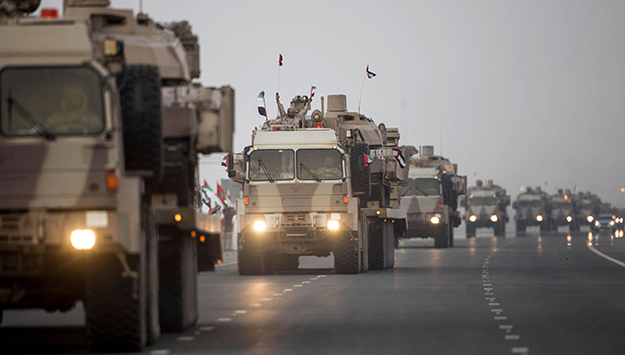
The war in Yemen is reshaping the armed forces of Arab Gulf states. It is the first time that Emirati and Saudi elite units are leading a war effort in their bid to counter Yemeni Houthi rebels and forces loyal to former President Ali Abdullah Saleh, as well as a counterterrorism campaign against jihadi groups, mainly Al-Qaeda in the Arabian Peninsula (AQAP).
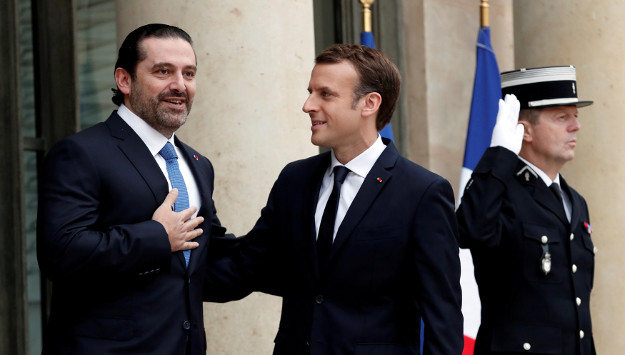
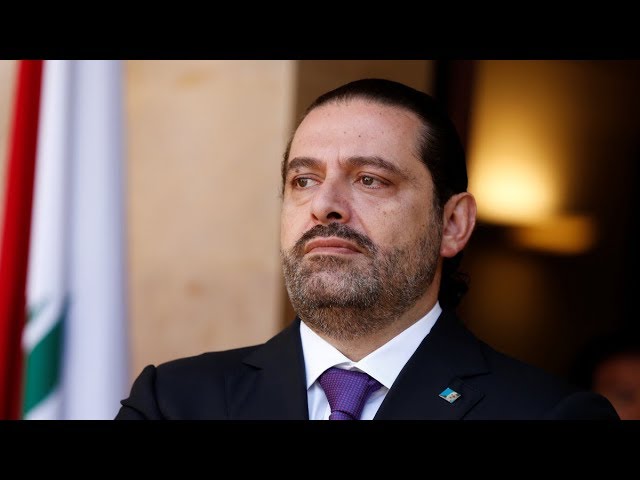
November 13, 2017 – The crisis between Saudi Arabia and Lebanon and the resignation of Prime Minister Saad Hariri appears to be largely about Yemen, says Paul Salem, Sr. Vice President for Policy Analysis, Research, and Programs at the Middle East Institute.
The Lebanon Crisis Pivots on Hezbollah’s Presence in Yemen | Monday Briefing
In this week’s Monday Briefing, contributors Paul Salem, Eran Etzion, Alex Vatanka, and Bilal Saab provide analysis on recent and upcoming events including the rising tension between Saudi Arabia and Lebanon over Hezbollah’s presence in Yemen, rumors that an Israeli attack on Lebanon is imminent, the Saudis’ latest attempt to round up collective action against Iran, and the new phase in the Saudi-Iran proxy war following the recent explosion of a pipeline in Bahrain.
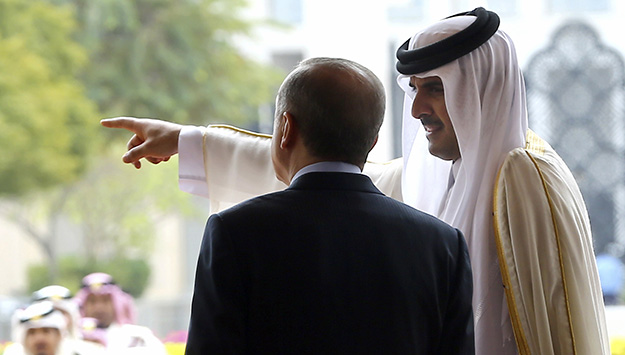
Qatar is Turkey’s closest ally in the Gulf Cooperation Council (G.C.C.) and, since 2011, Ankara has become Doha’s most important regional ally. From Syria to Libya, the Qataris and Turks have worked in tandem to pursue shared interests, chiefly via support for Islamist non-state actors. More than four months into the G.C.C. crisis, Ankara has played a pivotal role in assisting Qatar weather the blockade imposed by a quartet of Arab countries—Bahrain, Egypt, Saudi Arabia, and the United Arab Emirates (U.A.E.).