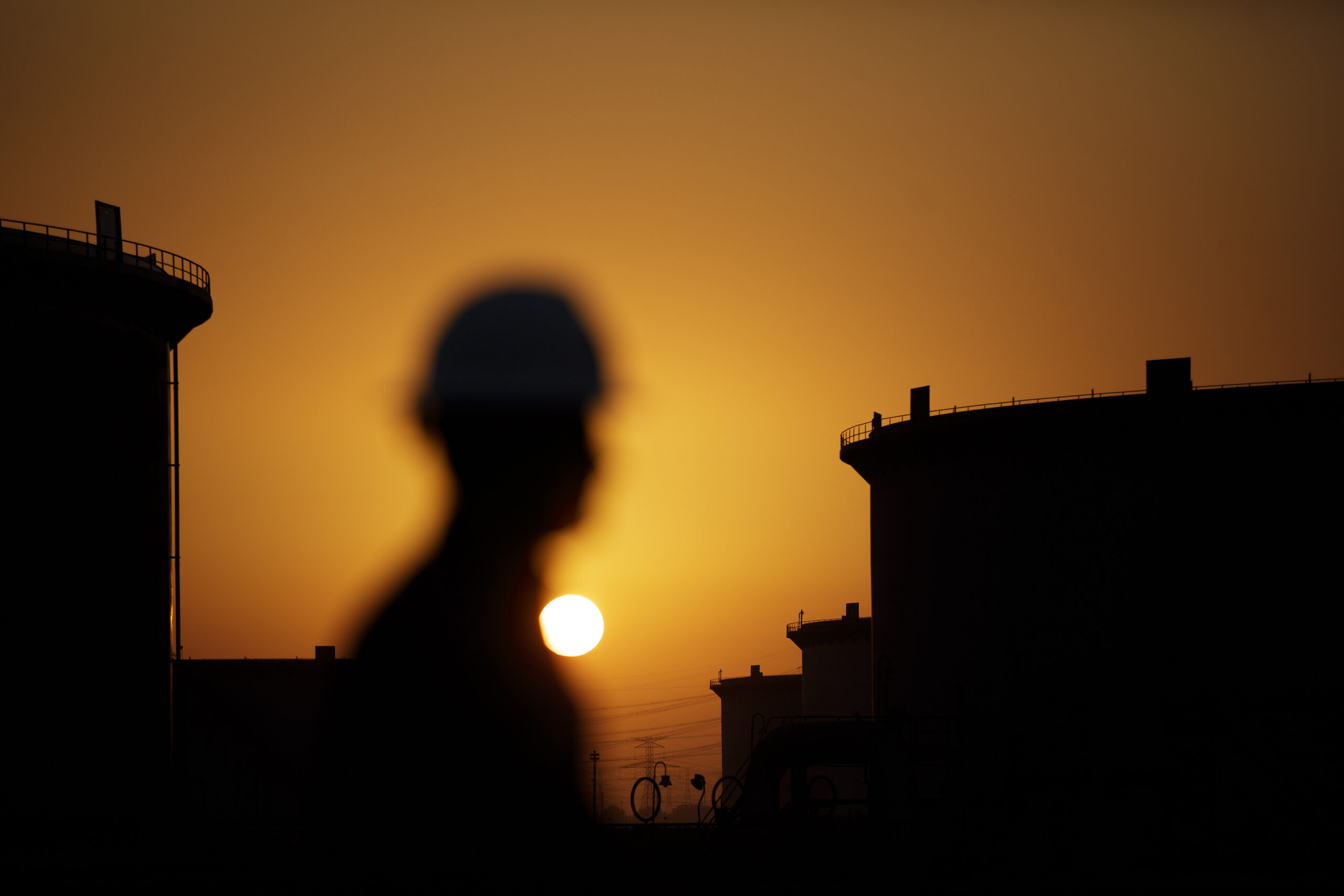
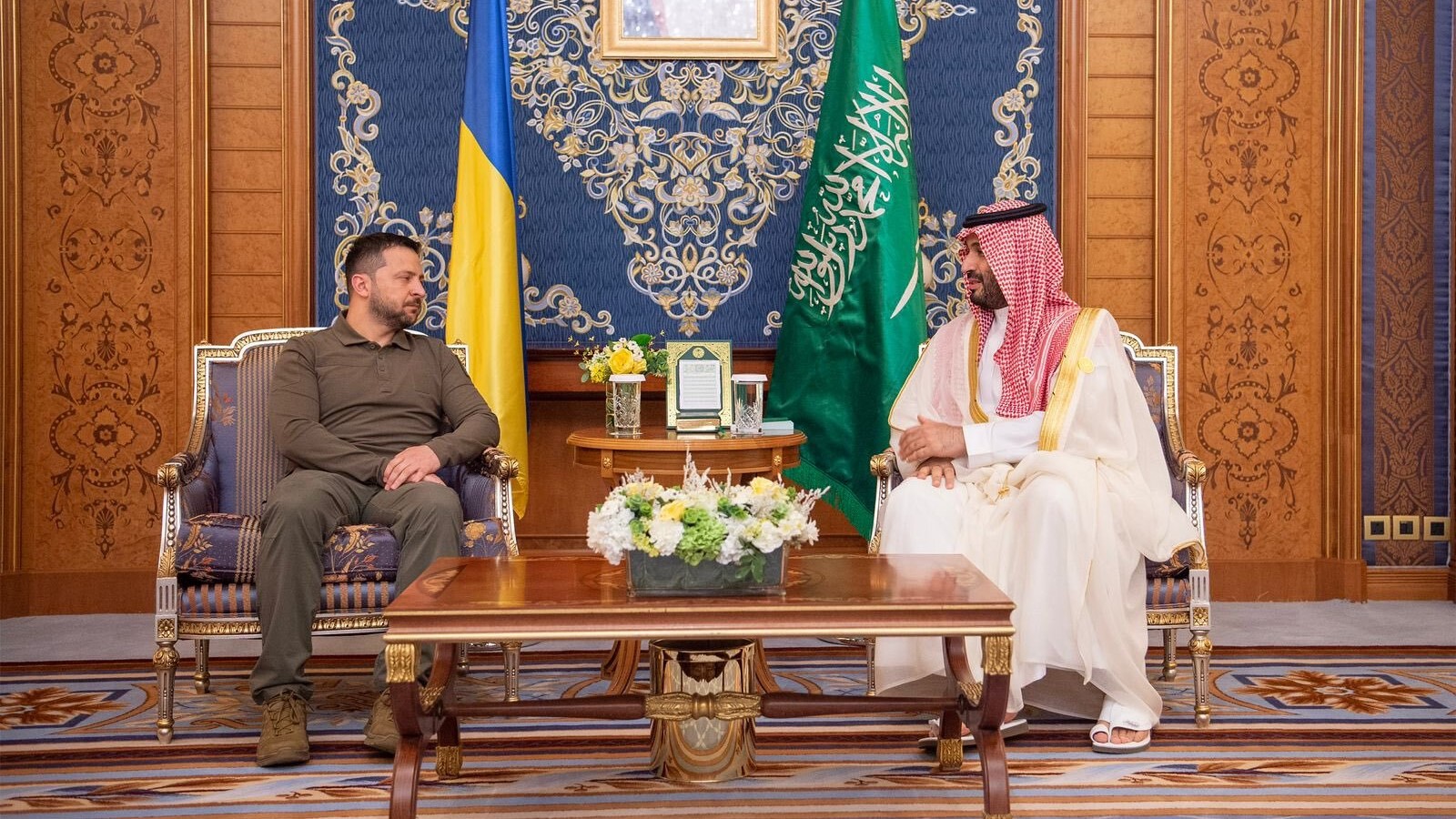
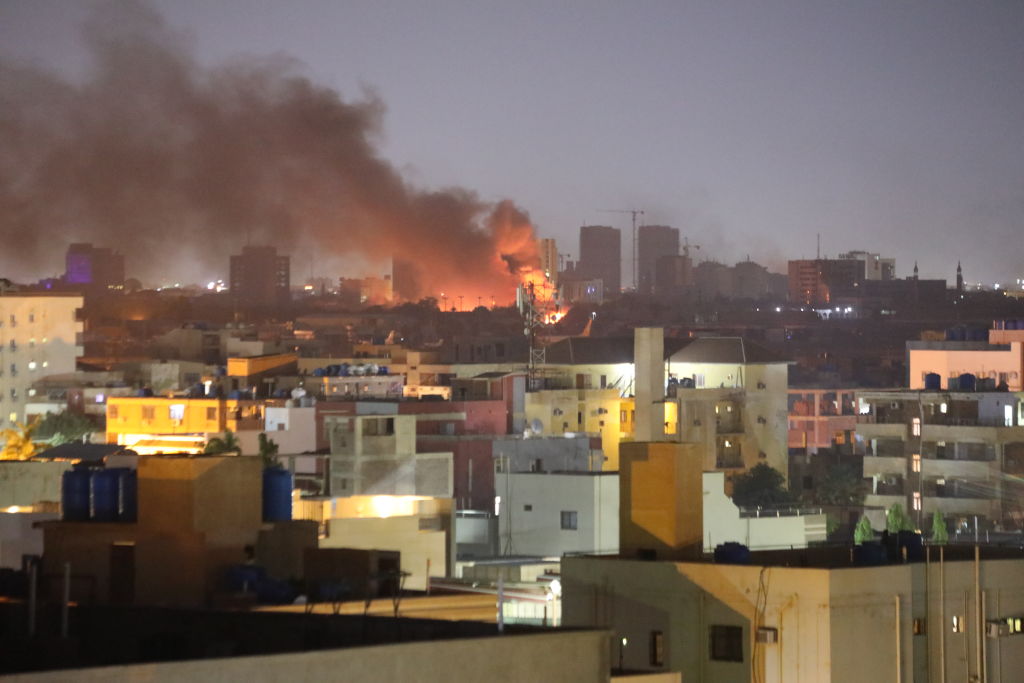
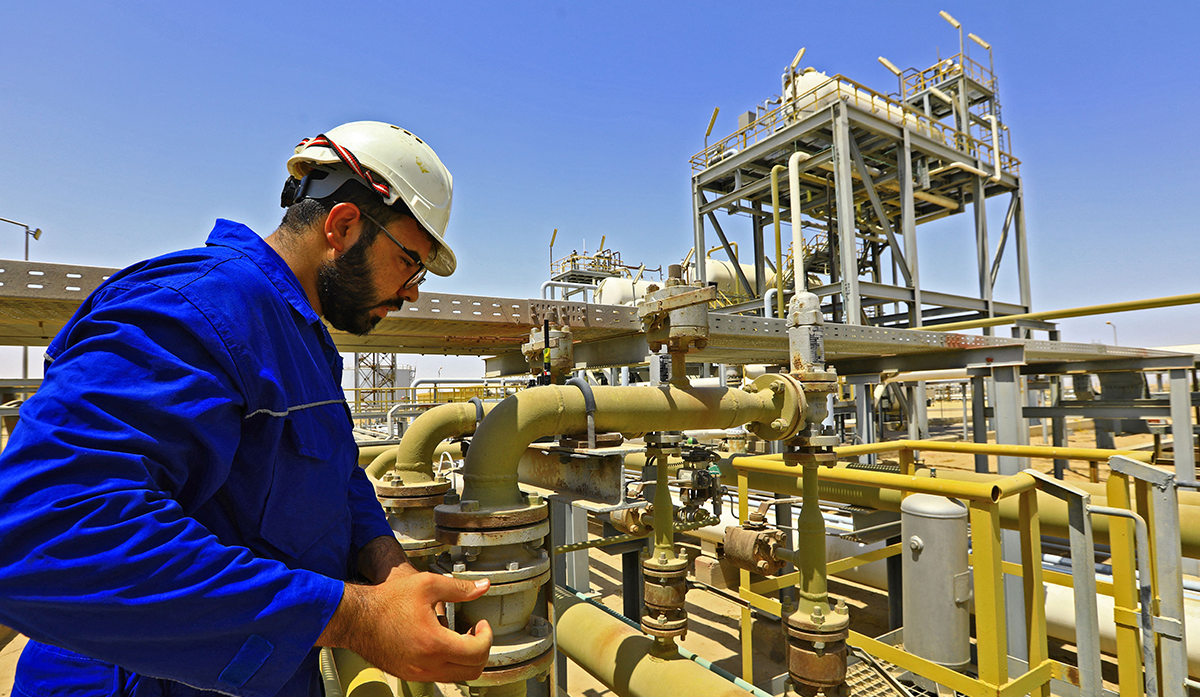
The current complex situation in the global oil market seriously tests the abilities of OPEC+ to play the role of a regulator, forcing Saudi Arabia to assume the main burden of responsibility for keeping oil prices from declining further and for shoring up the cartel ranks.
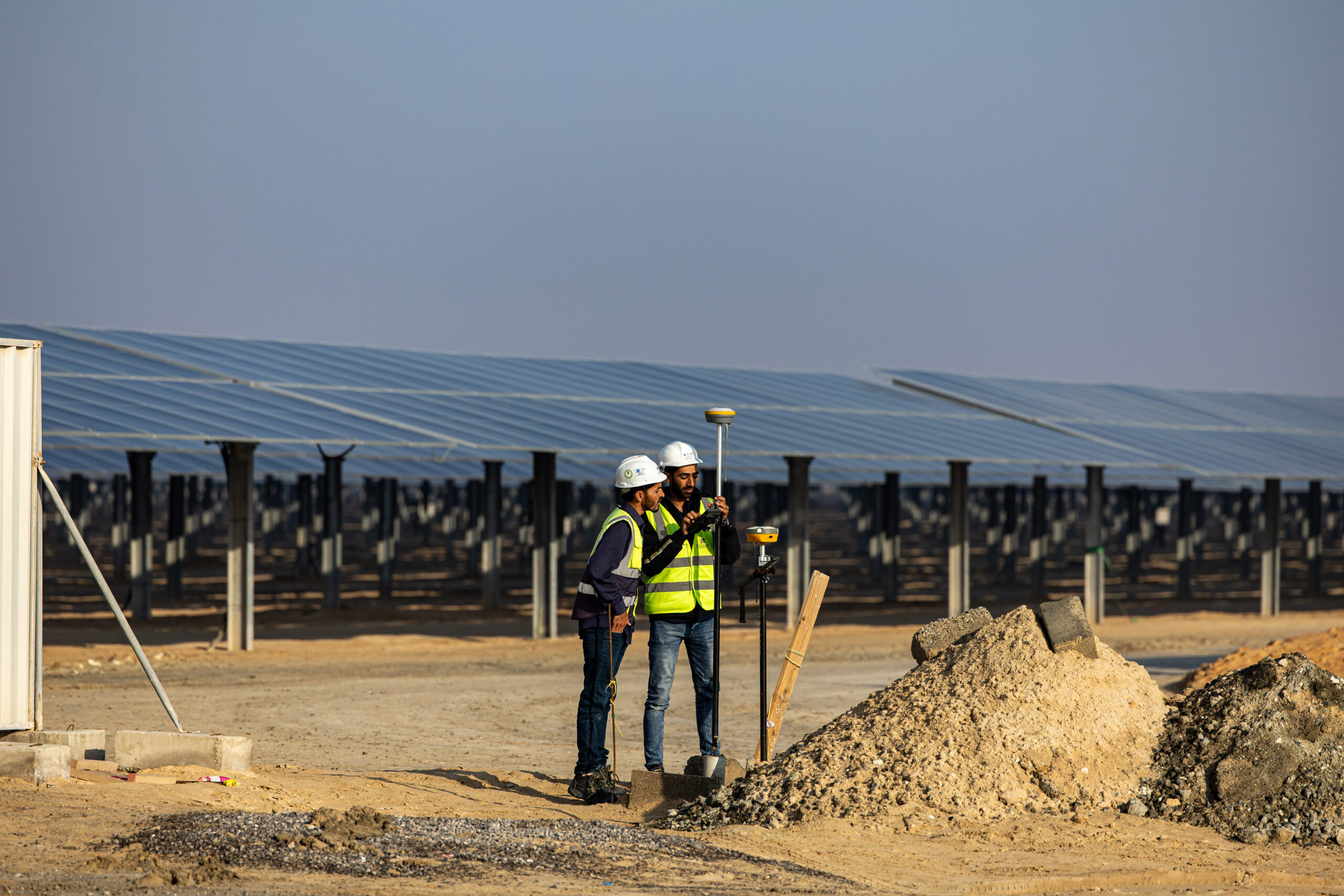
Measure, verify, certify: How to future-proof Gulf companies in the energy transition
Several Gulf states have introduced renewable energy certificates into their low-carbon energy eco-system. What are RECs and how can they help companies navigate the energy transition?
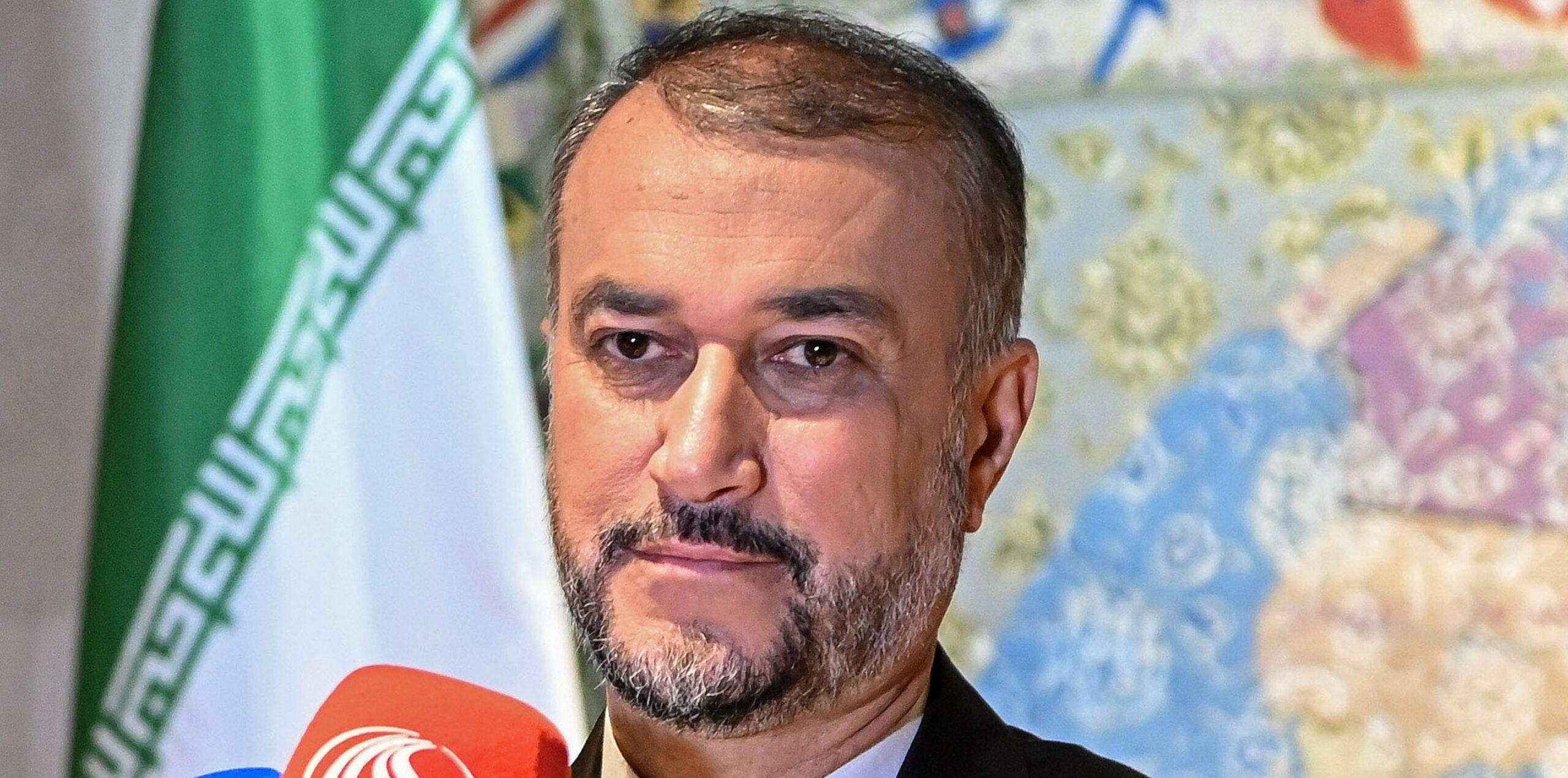
Iran and the GCC connectivity agenda: Implication for Washington’s Iran policy
The prevailing political spirit in the Gulf region is presently one of de-escalation. In the case of the UAE and Iran, a number of existing connections could help hasten the process of de-escalation and enable it to happen faster than anywhere else in the region.The outcome should be of interest not only to the UAE and Iran but also to the U.S. given the latter’s long-standing efforts to shape Iranian policies.
War as a catalyst for greater Black Sea-Gulf interconnectivity
Russia’s full-scale invasion of Ukraine has destabilized and distressed the entire Black Sea neighborhood. Yet despite the war, or perhaps because of it, strategically important foreign direct investments into Black Sea littoral countries, including from the Gulf, have endured or even grown.
The technical is geopolitical: Expanding US-UAE relations through AI
With AI development disproportionate attention is given to the world’s technological heavyweights, the U.S. and China, as they seek an innovative edge in their great power competition. But Gulf states like the UAE are also moving rapidly to invest in and adopt AI, with significant implications for bilateral relations. The momentum in both the U.S. and the UAE can be leveraged by anchoring further ideas for political, diplomatic, and military cooperation in the technical evolution of AI.
Both historical and modern-day conflicts in the Middle East have all been centered around classical territorial considerations of the loss or recovery of land. Escaping that cycle required a shift away from one of the main root causes of conflict: geography. The current changes in the region, characterized by a significant drive toward de-escalation and a growing willingness to periodically part ways with traditional allies, may be telling symptoms of a profound tectonic shift toward “quantum politics.”
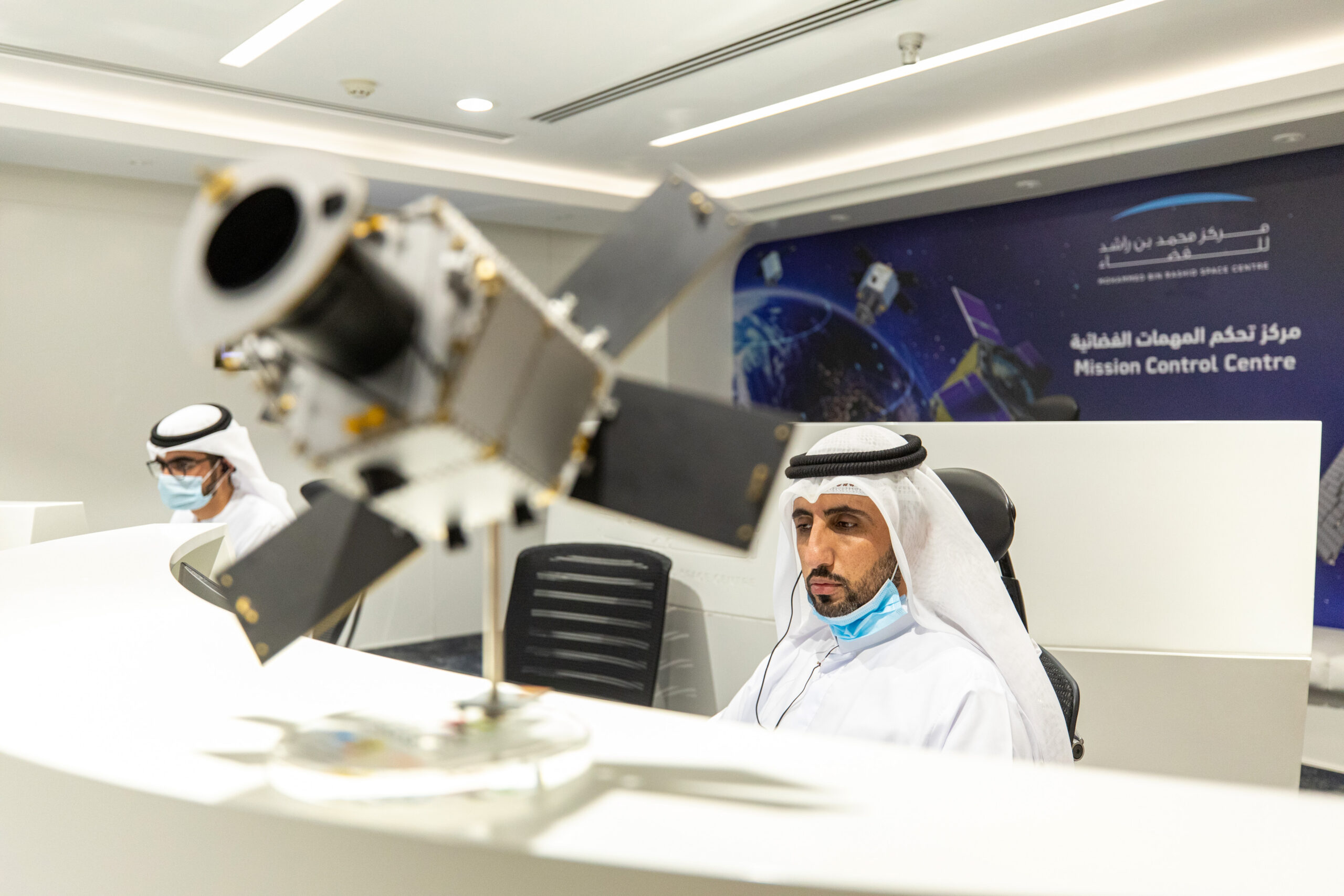
In the Middle East, the Gulf states — working together and on their own — are looking to achieve new scientific and commercial breakthroughs in various areas of the space industry. These ambitions carry major geopolitical implications with them, as an ever-growing number of spacefaring countries negotiate a sensitive and increasingly high-powered sector.
China and the Saudi-Iran rapprochement: Implications for Yemen
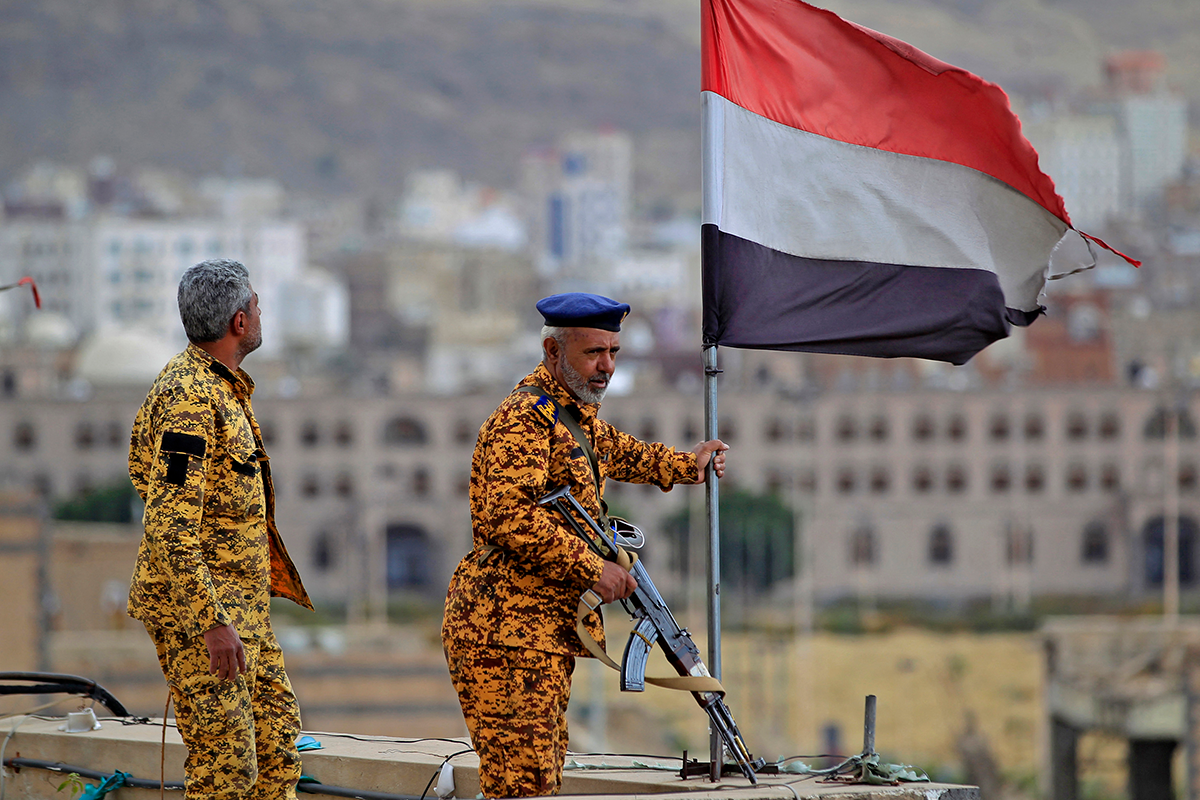
The conclusion of the China-brokered Saudi-Iranian détente on March 10, which aims to thaw long-standing enmity and manage competition between the two regional arch rivals, has multi-layered implications for Yemen.
Arab women break boundaries and stereotypes in Middle Eastern militaries
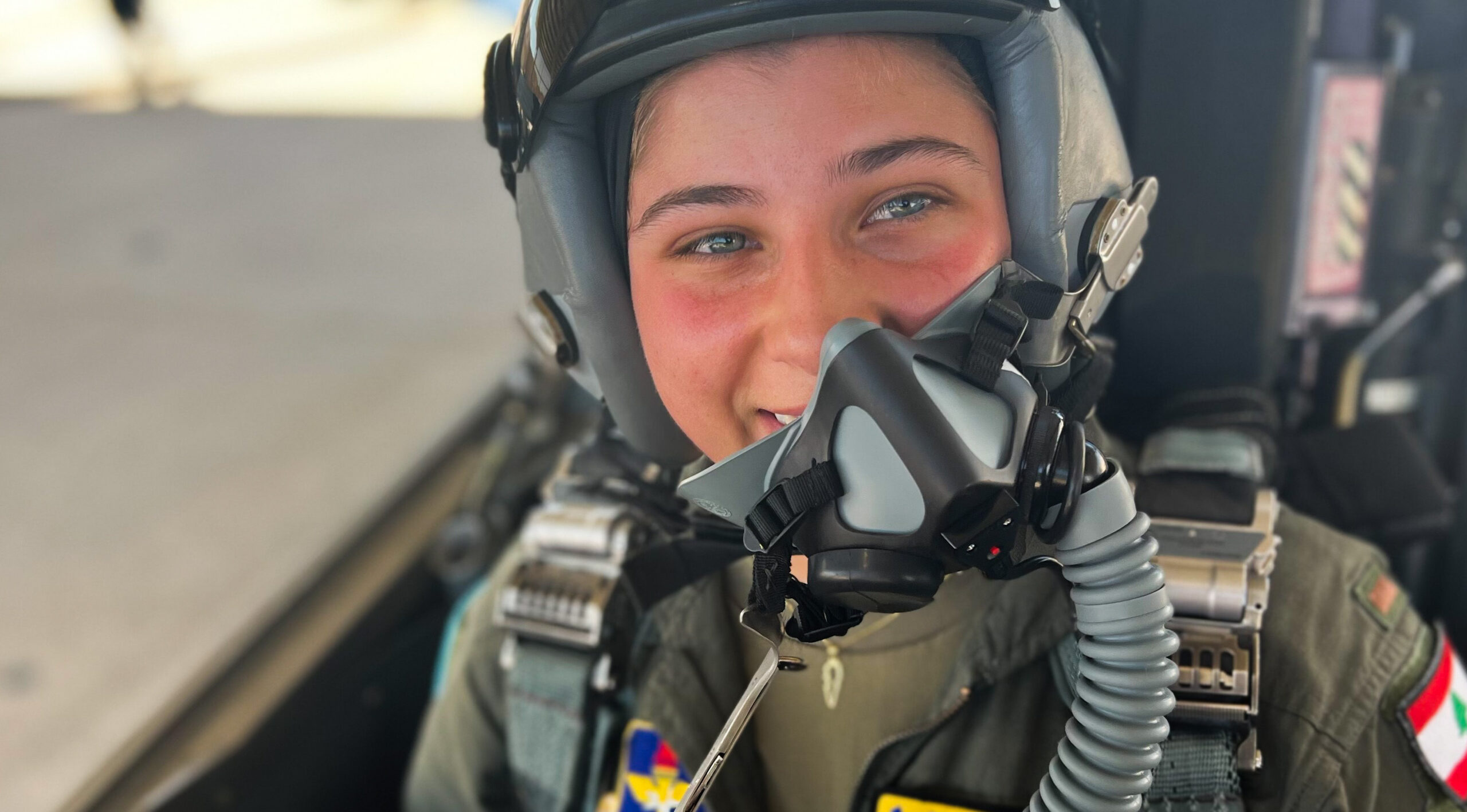
As Women’s History Month in the U.S. draws to a close, women in the armed forces of several Middle Eastern countries continue to achieve historic milestones, with many now serving as pilots, engineers, peacekeepers, and in special forces units. The role of women is steadily increasing as the result of new initiatives, policies, and gradually changing mindsets in the Middle East.
Missed opportunities: The billions sacrificed annually to generate electricity in the GCC
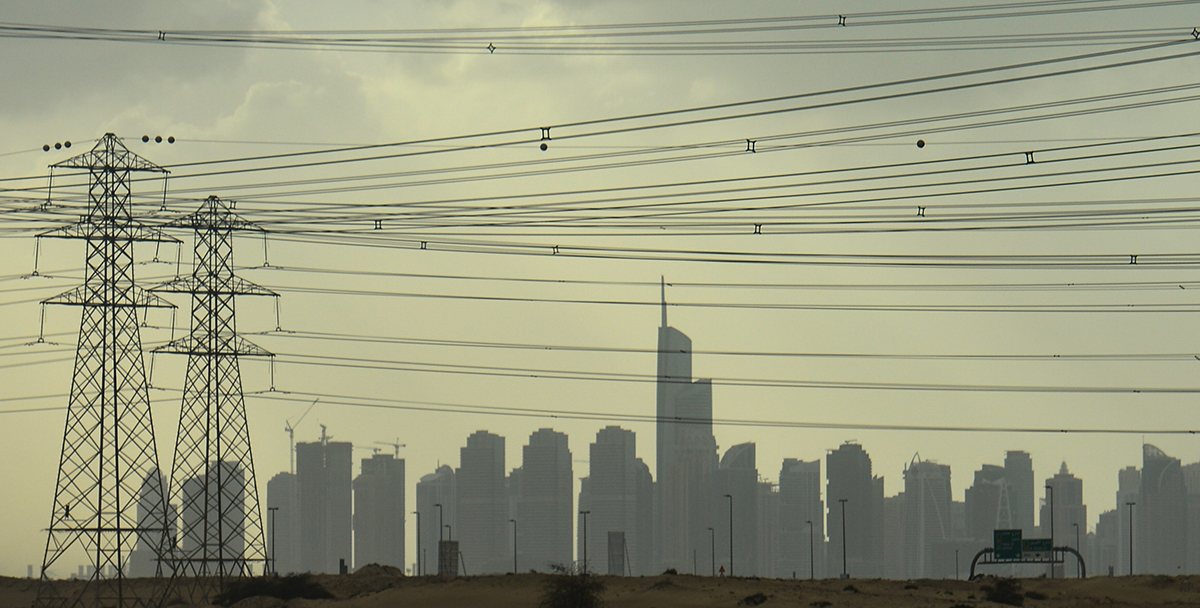
The GCC governments still cover over 40% of the cost of domestic electricity production. Yet, electricity subsidy bills alone do not reflect the full extent of their economic losses. Once the forgone revenues from the export of natural gas and oil used to meet rising domestic energy demand are added in, the total economic cost of the GCC’s electricity is too great to ignore.
A Saudi-Houthi deal won’t bring lasting peace in Yemen
The recent agreement to restore diplomatic relations between Saudi Arabia and Iran raised hope among Western leaders and some Yemen watchers that it could help bring an end to the war in Yemen. The international community, however, can do more harm than good if its actions are driven by hope and desperation rather than a careful reading of the reality on the ground. Yemen must not be a sacrificial lamb for improving relations between Iran and Saudi Arabia.
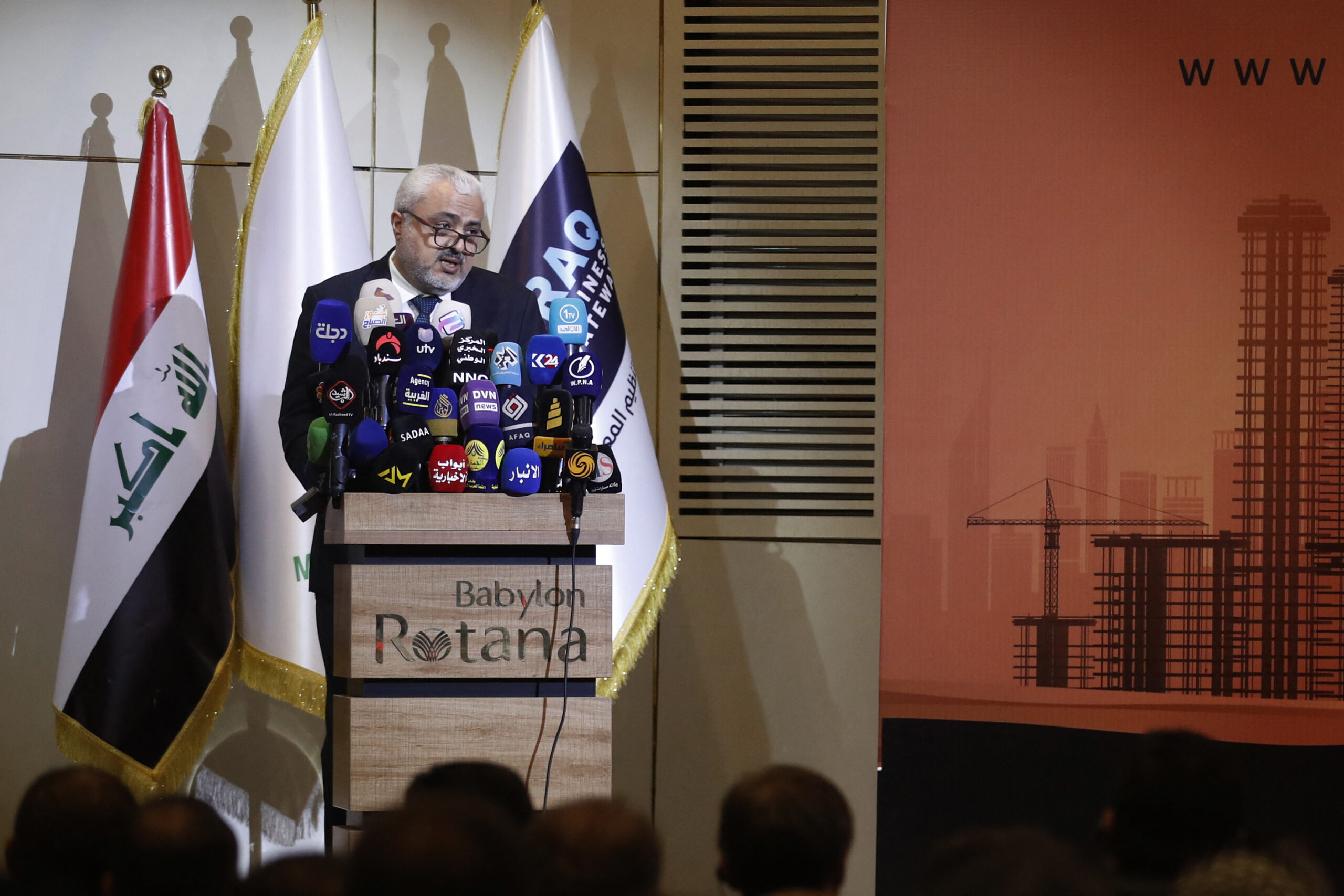
Economic Diversification, Energy Transition, and the Labor Market in Iraq and the Gulf
As part of a continued collaboration with the Middle East Peace and Security Forum held in Iraqi Kurdistan at the American University of Kurdistan, the Middle East Institute and the Iraq Policy Group held a workshop on Nov.15, 2022 focusing on challenges of economic diversification, energy transition, and impacts on labor markets in Iraq and the Gulf region. This report provides the insights and analyses of a select group of participants from the workshop.