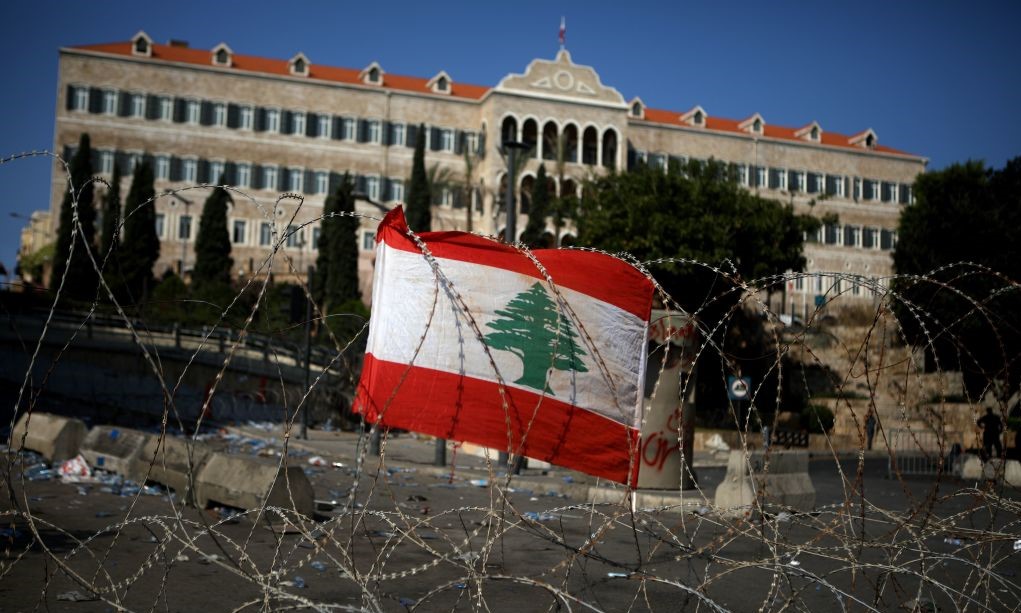
Lebanon protests enter their second month amid stalemate and uncertainty
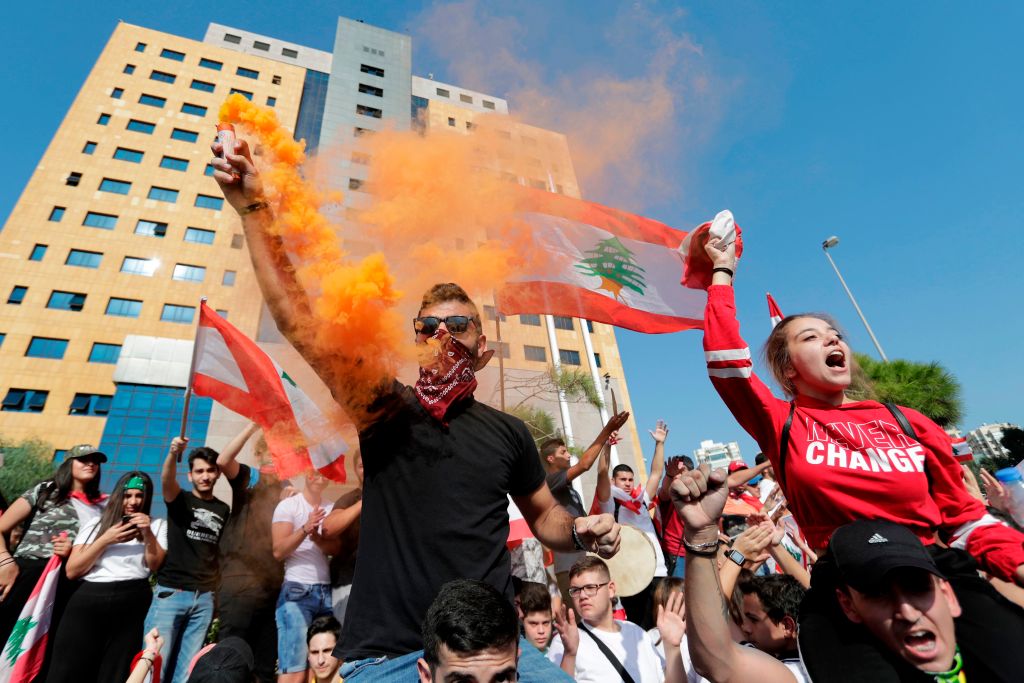
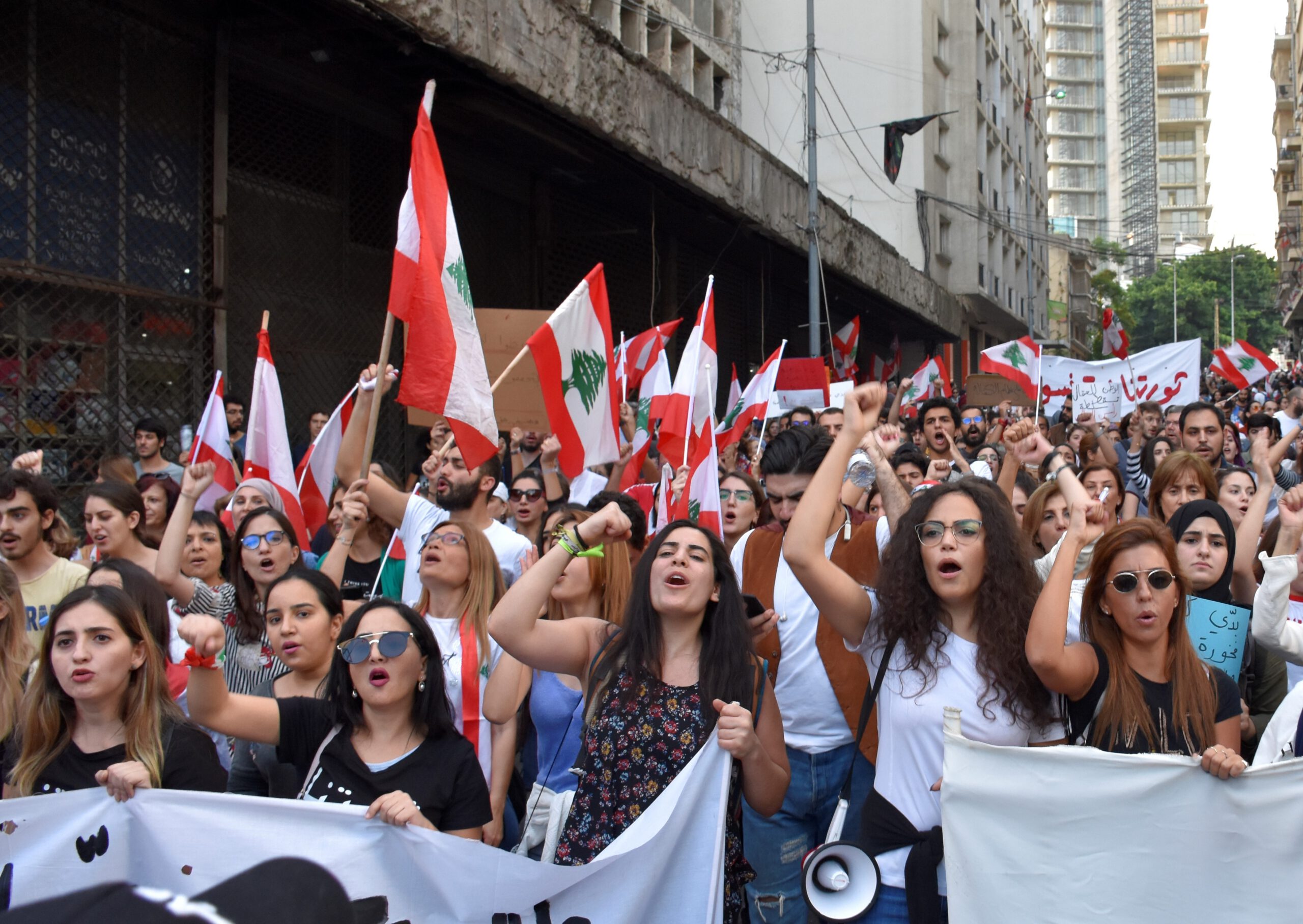
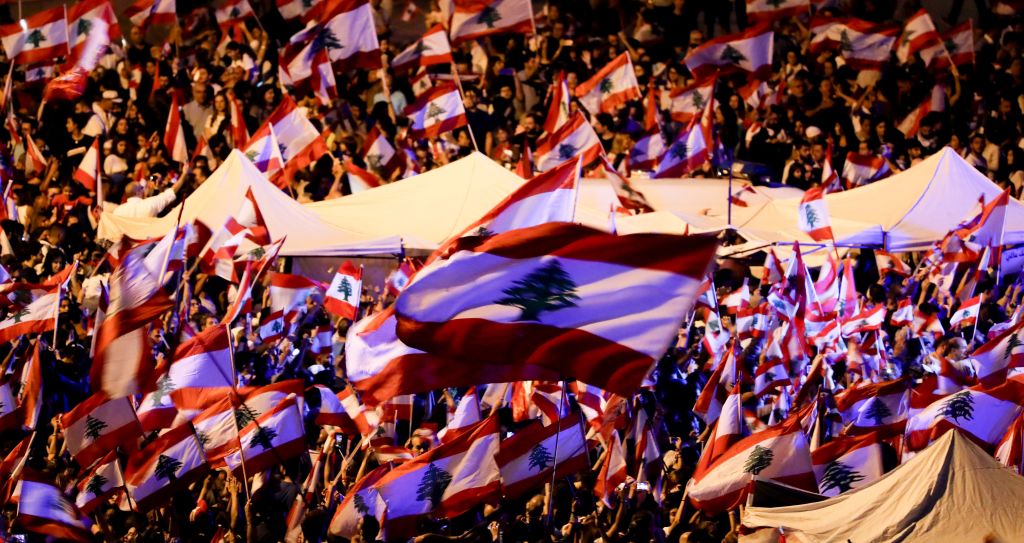
In Lebanon, the protests have entered their second month with contending parties stuck in a stalemate that is not hurting enough to incentivize concessions from any party. Ruling elites are at a loss what to do.
Despair and Decay: East Ghouta After 18 Months of Renewed Regime Rule
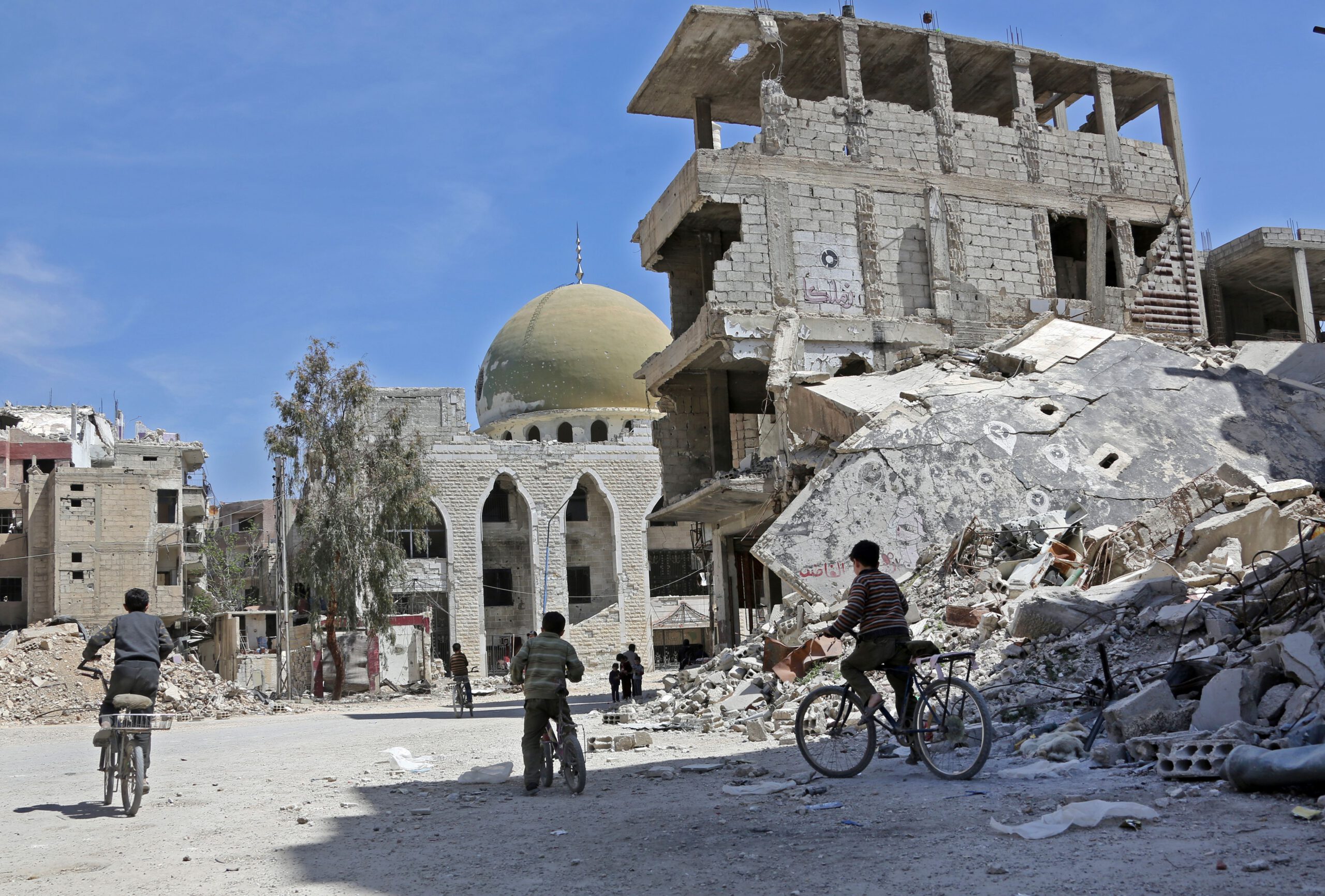
East Ghouta is perhaps the darkest example of renewed Assad regime rule over former opposition territory. 18 months after the regime recaptured the area, its security forces and intelligence apparatus continue to terrorize Syrians there. Night-time raids on homes, mass arrests, and forced disappearances are common occurrences across the region. Intelligence forces assert themselves in every aspect of daily life, especially at the ubiquitous checkpoints where personnel extort residents for bribes when they pass, subjecting them to security checks that can lead to civilians either being arrested on the spot or conscripted into military service. In addition, residents of East Ghouta are facing a humanitarian crisis amid a total lack of basic services, from sewage to schools and hospitals, and the basic pillars of the local economy remain in total disrepair.
Morocco seeks to position itself on the world stage
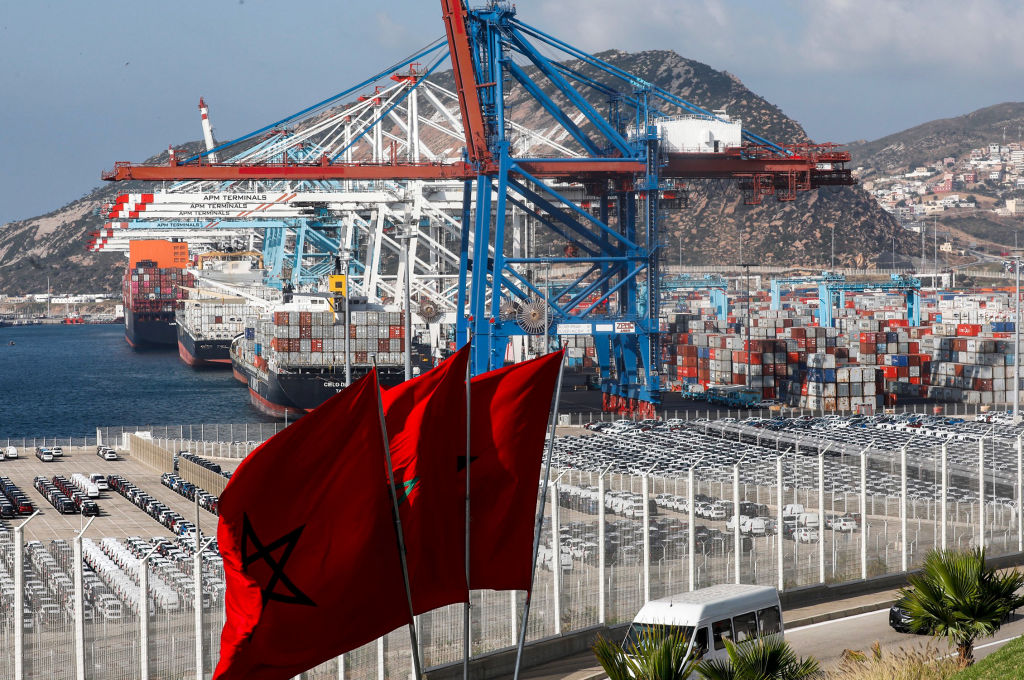
The Royal Institute for Strategic Studies (IRES), charged by the Government of Morocco with analyzing and monitoring the country’s external relations, turned its attention to the U.S.-Morocco relationship at a conference conducted at its Rabat headquarters on Oct. 29. Taking note of the long history of the bilateral relationship — Morocco was one of the first countries in the world to recognize the new American republic in 1777 — panelists reviewed the current state of political, economic, and cultural engagement between the two nations.
Seized Russian-printed dinars highlight an opportunity to reform Libya’s civil war economy
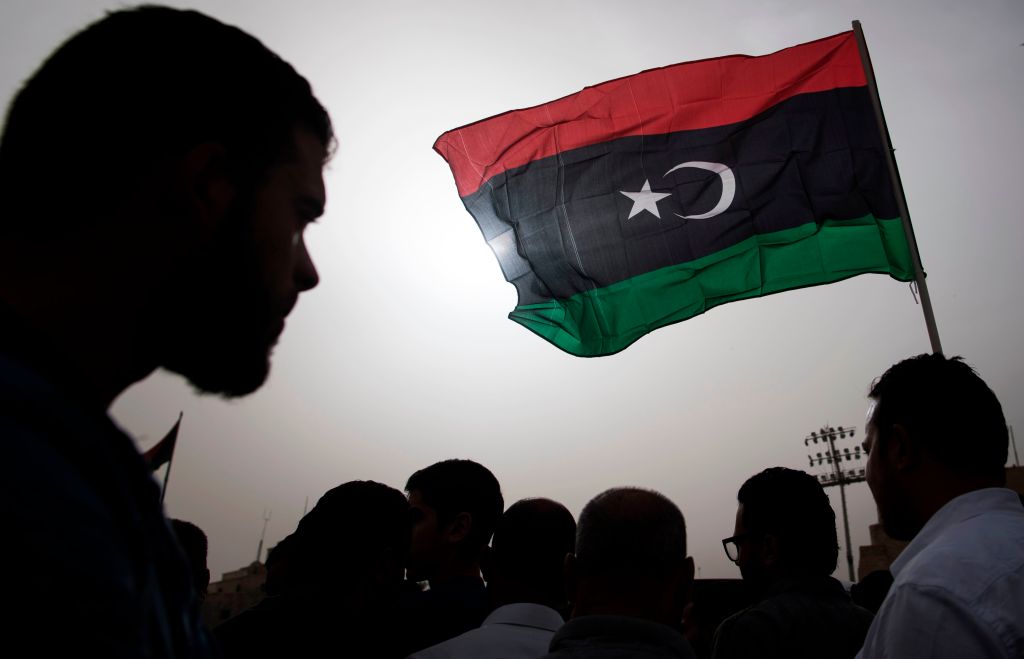
The Nov. 1 seizure by Malta of two 2000-cubic-foot containers full of Libyan currency printed by the Russian state printer, Goznak, that was intended for delivery to Libya’s non-internationally recognized eastern government, highlights the continuing importance of the economic aspects of Libya’s ongoing civil war.
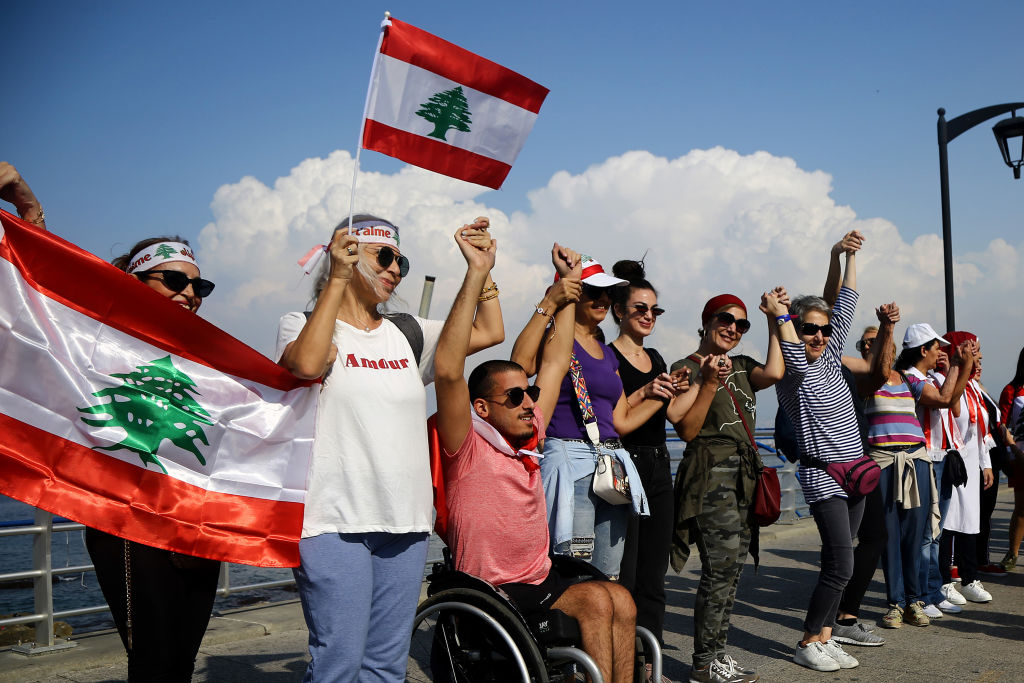
Women and women’s rights are central to Lebanon’s protest movement
On Oct. 29, Prime Minister Saad Hariri submitted his resignation and that of the government, a move that has been hailed as an important victory for the protestors who have taken to the streets across the country for nearly three weeks now. Heralded as al-thawra, or revolution in Arabic, Lebanon is witnessing the rise of an inclusive, decentralized, and grassroots movement that transcends geography, sect, and traditional loyalties to political dynasties and parties.
Iraq: Protests and violence continue amid a deepening political crisis
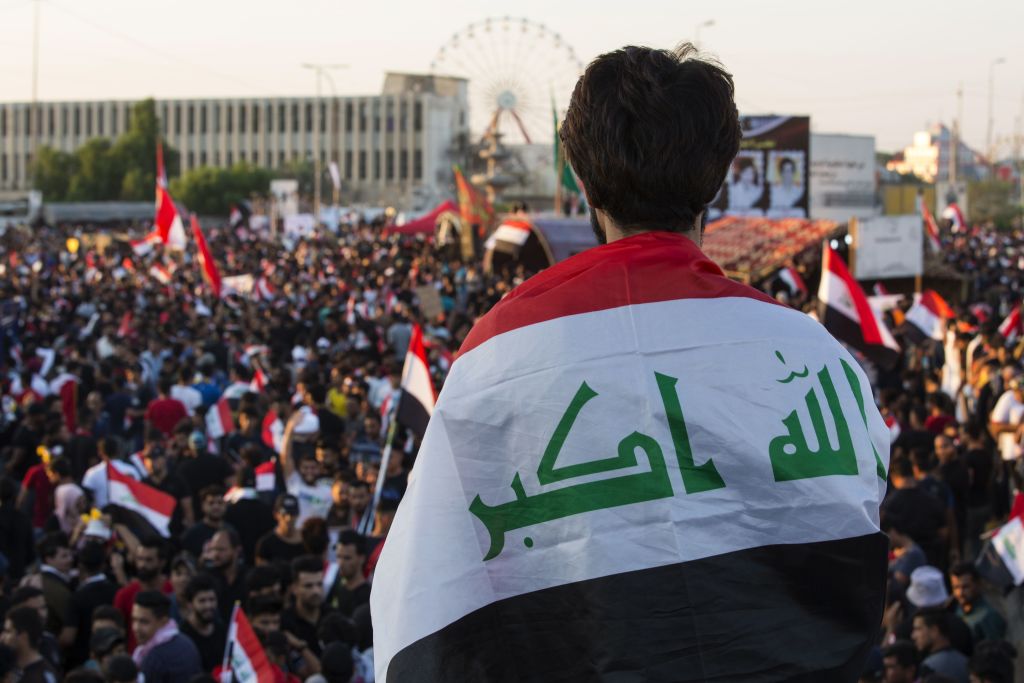
Iranian mediation might bring the two big political blocs to an agreement on a new government, but the protest movement demands only new, clean faces and won’t readily accept another cabinet drawn from discredited political blocs.
Justice and the rule of law: The World Bank in need of reinventing itself
Today, on the streets of Iraq, Lebanon, Egypt, Algeria, Tunisia, Morocco, and other countries, we hear the demands of the youth, asking for justice, governance, dignity, and jobs. In contrast to these demands, we see governments unwilling or unable to move towards systems of governance that would ensure transparency, accountability, and fair competition for all. Corruption can only be vanquished if transparency, a rigorous justice system, and credible redress mechanisms are put in place. The World Bank can and must re-engage on that path.
The US has a partner in eastern Syria — provided it has the will
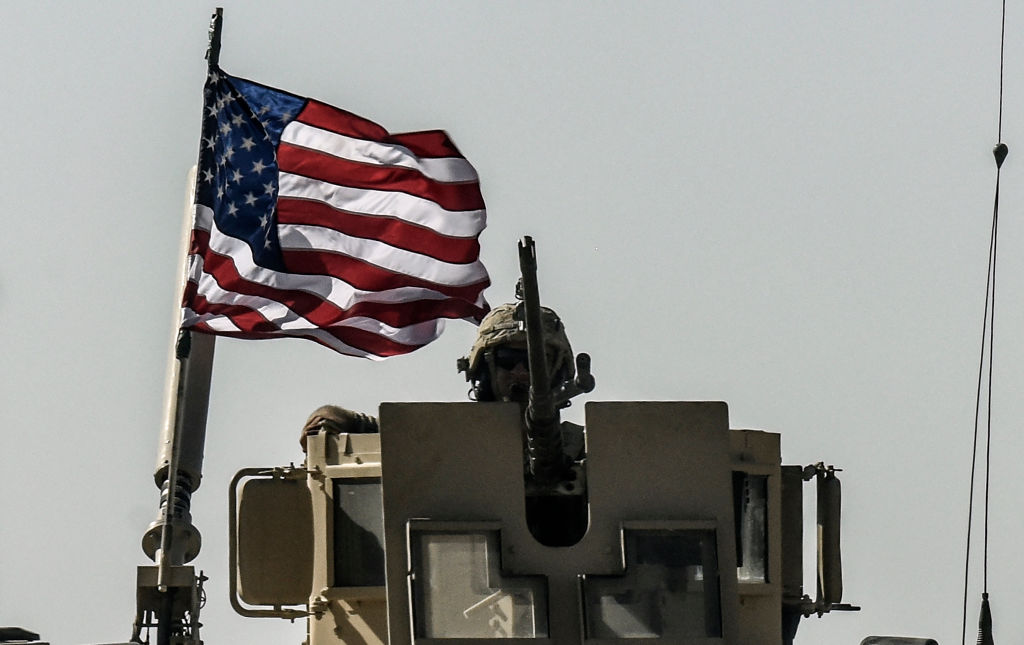
The Trump administration inherited a number of complex problems in the Syrian file from its predecessors in the White House. In dealing with the Syrian crisis, the Obama administration had three main priorities: not disturbing Iran in Syria during the process of nuclear negotiations, working with Russia toward a ceasefire in various parts of Syria (without trusting that Russia could deliver or should have the upper hand), and, most importantly, carrying out a limited military intervention in the northeast to defeat ISIS — an issue it considered separately from the Syrian crisis.
A crisis of confidence as Iraq’s protests continue amid violence
Only one leader has the moral standing and mass appeal to be able to move Iraq out of the deadly stalemate in which it now finds itself and which may degenerate into more violence and chaos if the status quo is not upended: Grand Ayatollah Ali al-Sistani.
A need for mediation in Lebanon as the government and protestors reach a standstill
It remains to be seen how resilient the protest movement is and how long it can remain mobilized for, especially if political leaders refuse to change their stance.
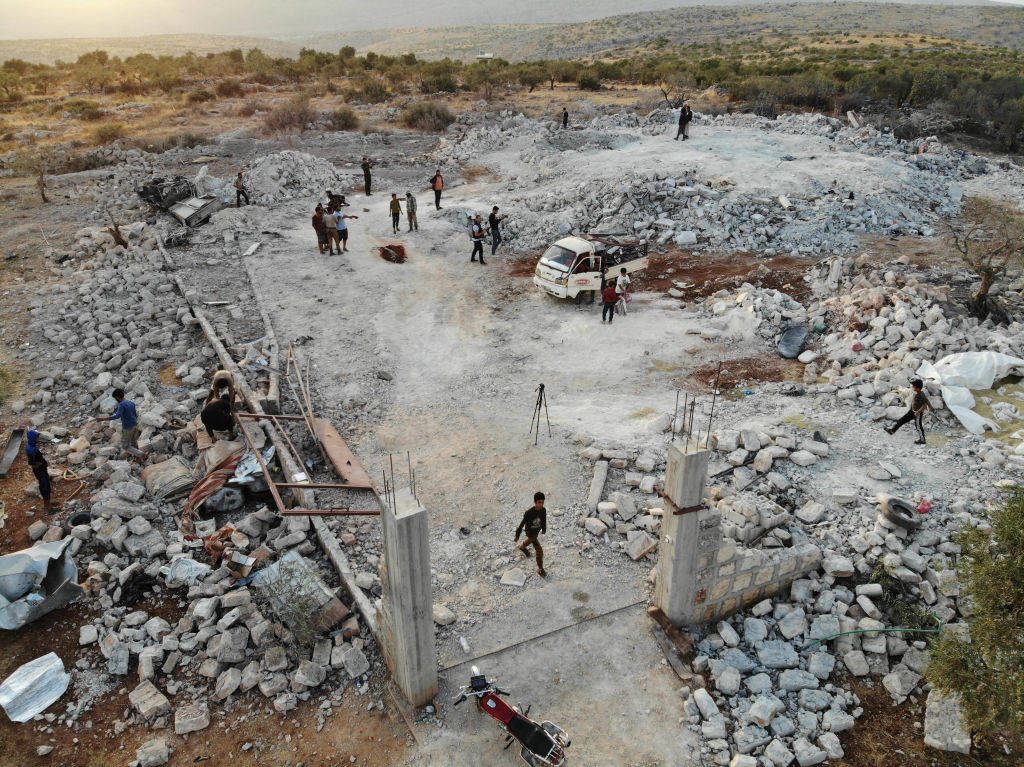
Baghdadi’s death is a major victory, but it won’t spell the end of ISIS
Had America’s posture in Syria not been so uncertain, and if President Trump had not effectively green-lighted a Turkish incursion into the northeast, we would have a much better chance of capitalizing on Baghdadi’s death.
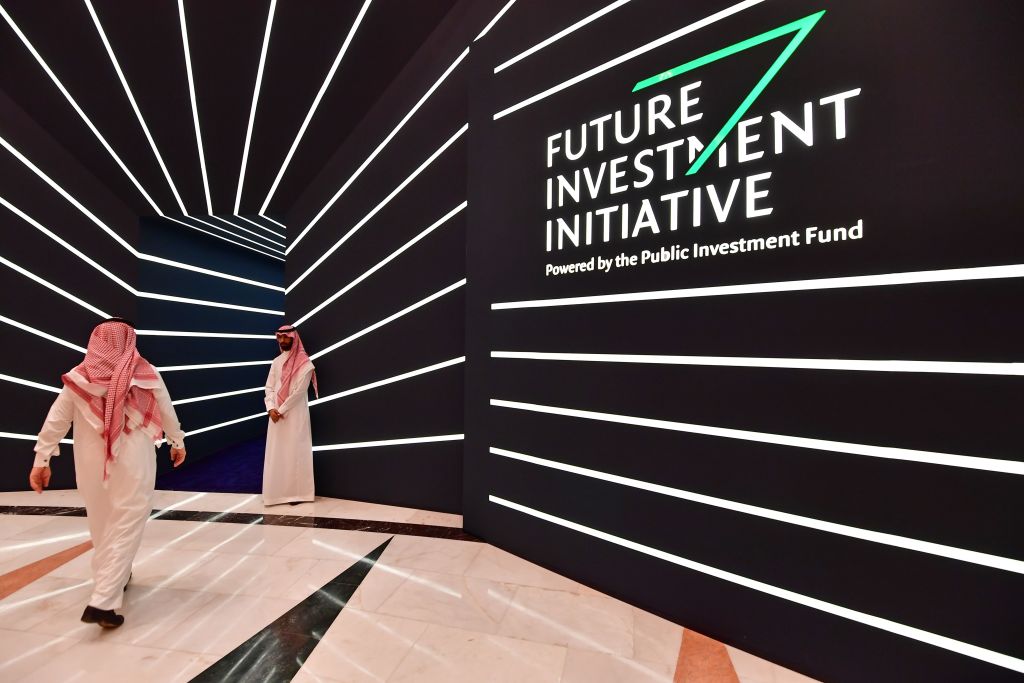
The Future Investment Initiative: A window on the kingdom’s future or a PR stunt?
The FII’s public relations bash is important in that it shows the world that the leadership of the kingdom has an ambitious and real vision to move the country forward.
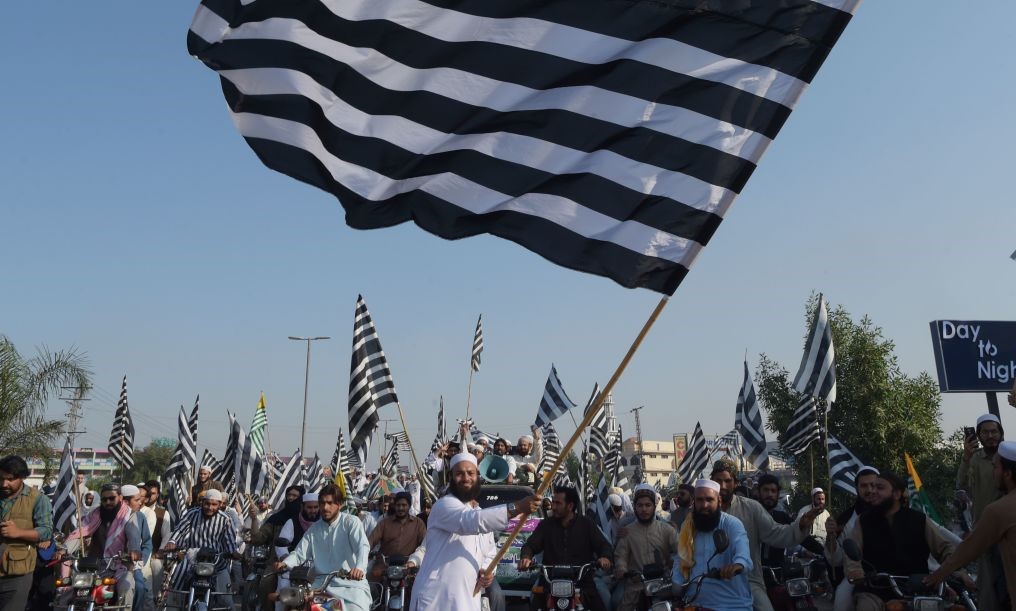
Once again, an elected Pakistani government is being pressed to resign
While there is probably zero chance Prime Minister Khan will step down, efforts will persist in trying to delegitimize those in power because this is what Pakistan’s opposition parties seem best programmed to do.
As protestors take to the streets across the country, Lebanon appears to be heading towards an economic meltdown with severe consequences for Lebanese citizens of all walks of life. We are concerned that failure to tackle current problems immediately and comprehensively could result in spiraling unemployment, uncontrollable inflation, more social unrest, civil strife and a severe deterioration in public health services and other basic resources.