Borders Beyond Borders: The Many (Many) Kurdish Political Parties of Syria
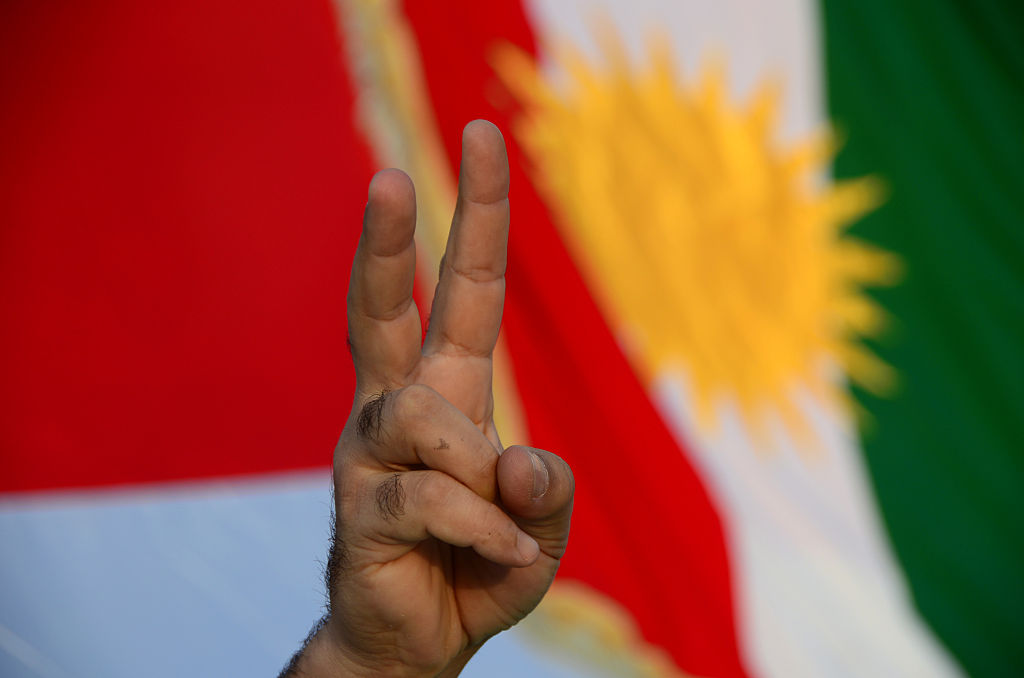
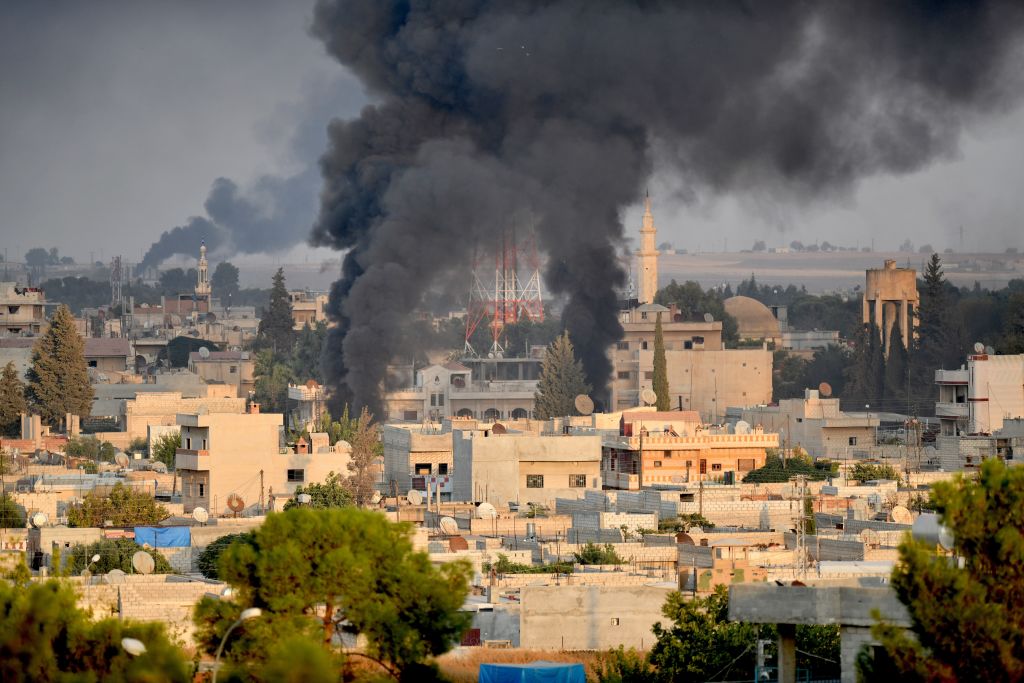
The launch of Turkey’s military incursion into northern Syria on Oct. 9 represents an existential threat for the Autonomous Administration in Northeast Syria (AANES) and Kurdish parties in Syria as a whole, prompting Kurdish political factions, both within Syria and abroad, to reevaluate their survival strategies and alliances. This report explores the various political factions within the Kurdish coalitions in Syria as they functioned under the AANES and the major rifts between them. Even under these dire circumstances Kurdish political factions in Syria have responded to the Turkish invasion independently.
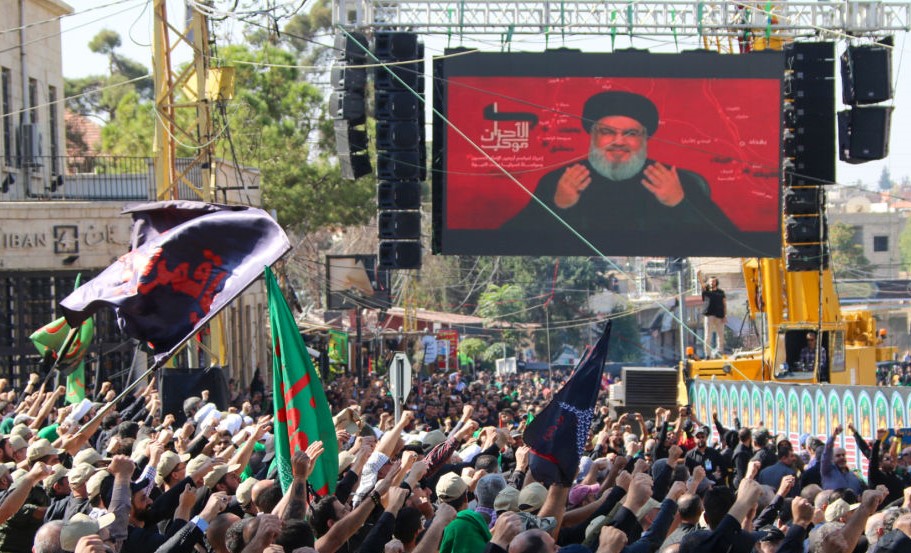
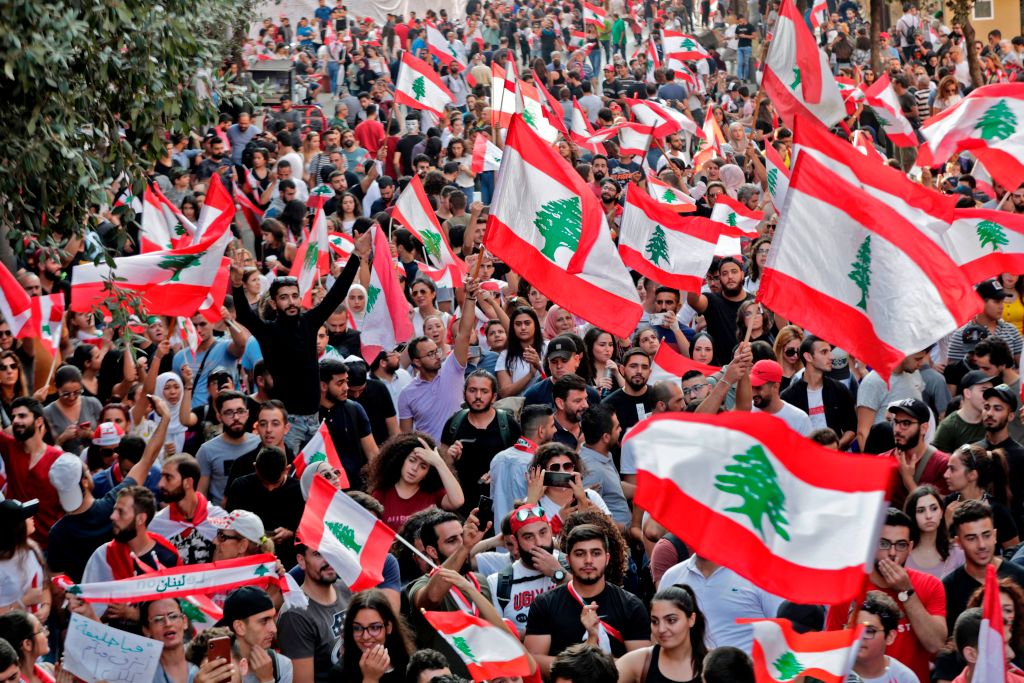
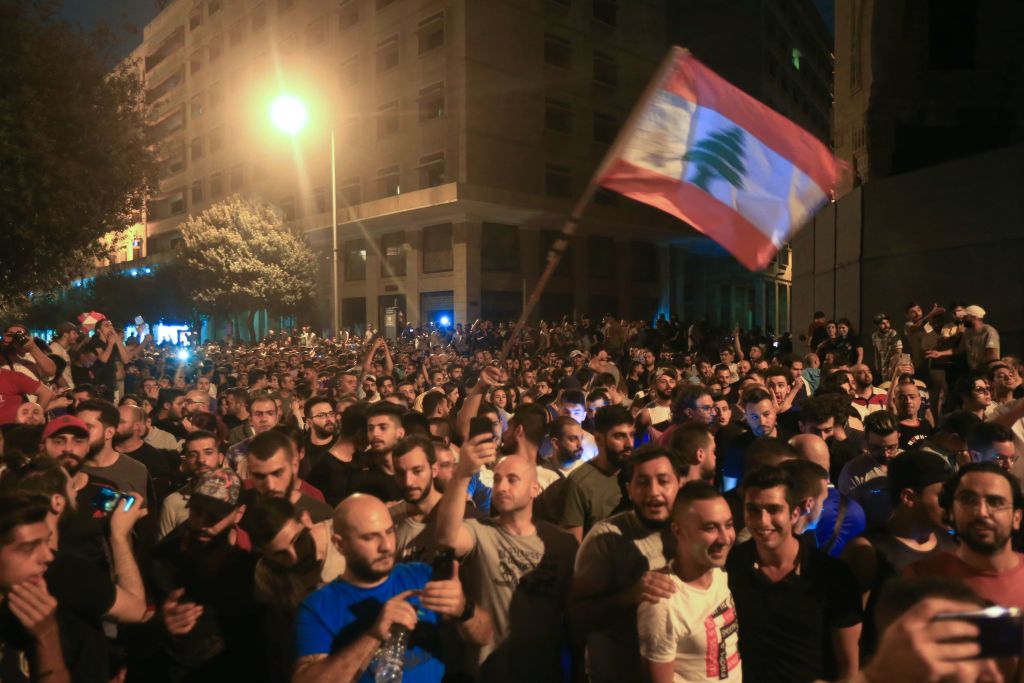
Lebanon’s current uprising, larger than the Cedar Revolution and rooted in long-held socio-economic grievances, has united protestors across the country in calls for fundamental political change. And this time, Shiites have joined the struggle. This is not a good outcome for Hezbollah — nothing threatens it more than discord within the Shi’a community — and it now finds itself in uncharted territory.
That some in Washington think another about-turn in policy allowing us to stay in negligible numbers, in a smaller piece of territory, would somehow enable us to sustain an anti-ISIS campaign and control Syria’s oil fields is nothing short of a fantasy.
Balochistan: From the periphery to the center of attention
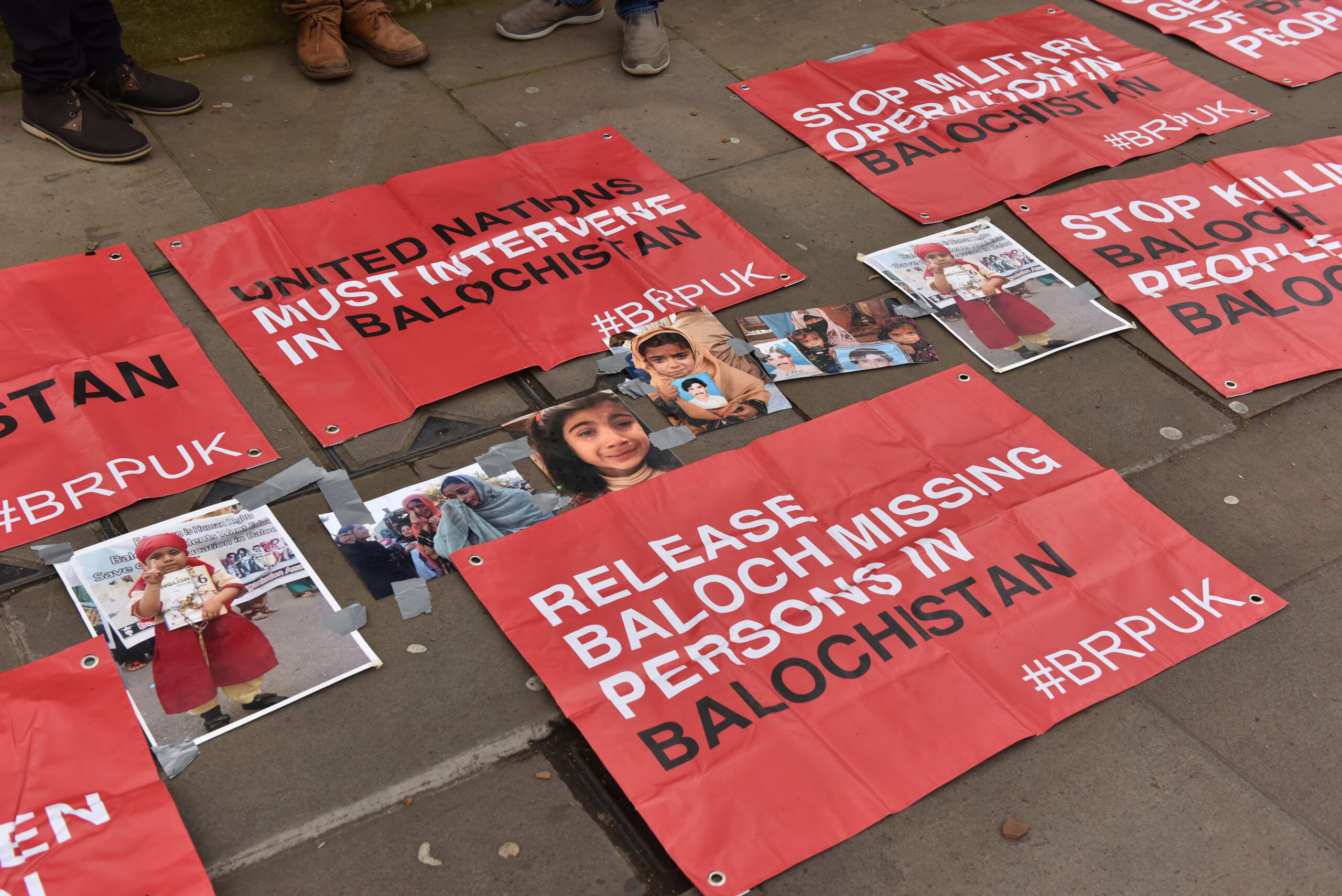
With an estimated $1 trillion in natural resources and sitting astride an international crossroads of increasingly critical importance, Balochistan is becoming a stage on which the world’s powers are playing out their ambitions. China, the U.S., and India have all formulated Balochistan policies in the past few years, hoping to utilize the region to achieve wider international goals — and the three countries across which Balochistan is divided, Pakistan, Afghanistan, and Iran, have been eager to use it as a bargaining chip for their own purposes.
Something had to give. Decades of corruption and criminal mismanagement by Lebanon’s ruling elites — the same clique who have governed the country since its independence in 1943 — have finally led to an economic implosion and a social explosion.
Nate Rosenblatt, a fellow with New America’s International Security program, and Aaron Y. Zelin, the Richard Borow Fellow at the Washington Institute for Near East Policy, join host Alistair Taylor to discuss Tunisia’s struggles with extremism and the factors that led it to become a major source of recruits for ISIS.
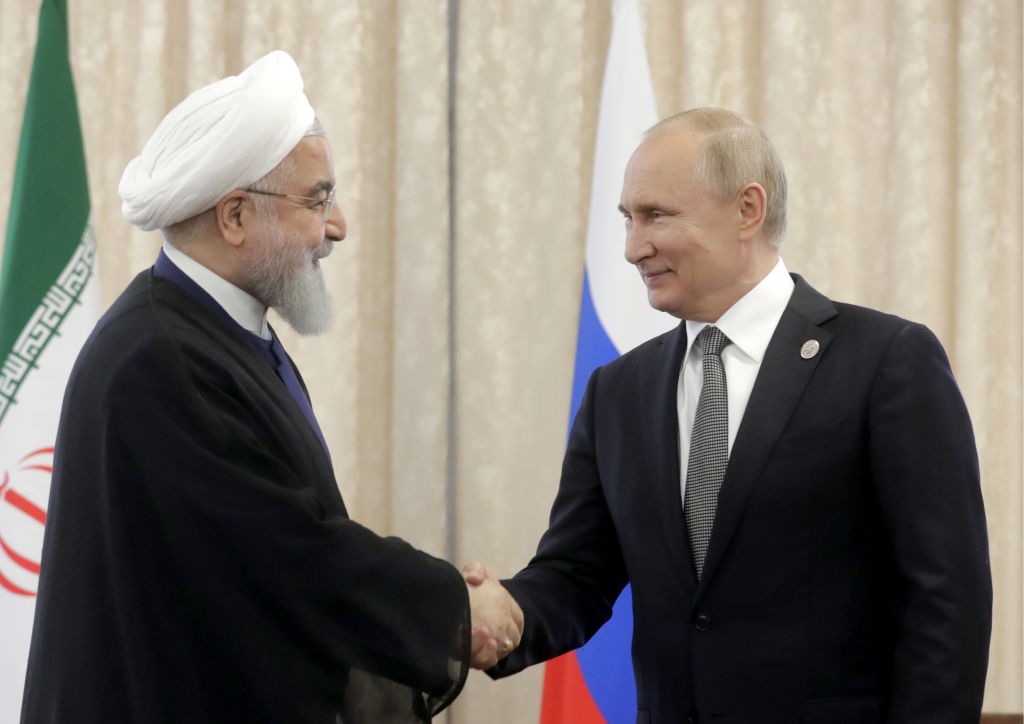
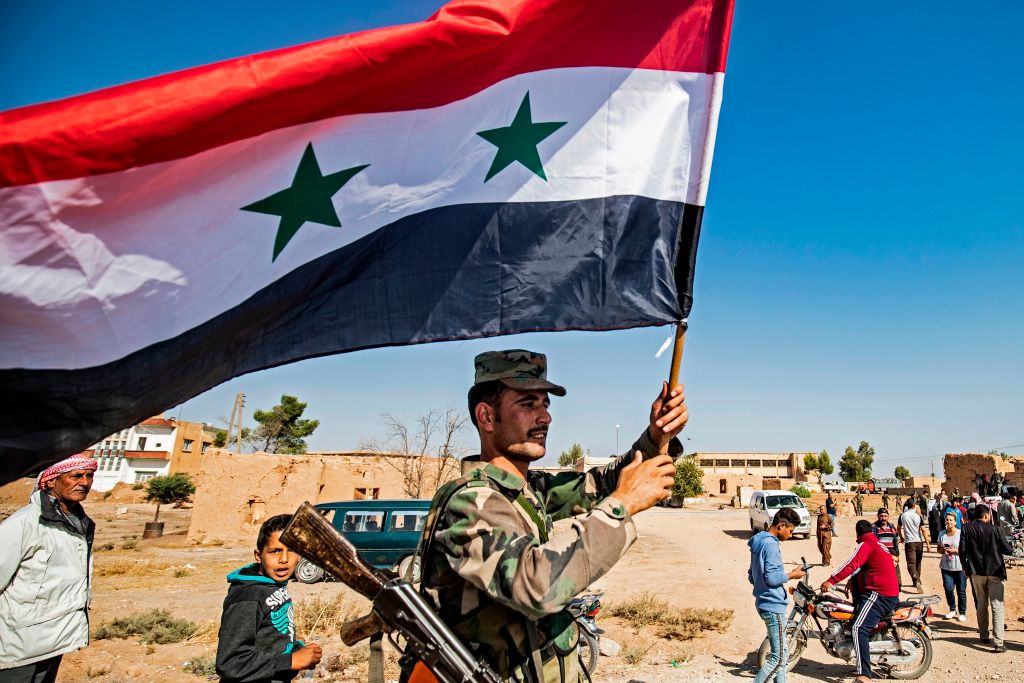
While the Turkish military offensive against the Kurdish-led Syrian Democratic Forces (SDF) in northern Syria might, once again, bring Moscow and Tehran together tactically in support of Assad’s rule and Syrian sovereignty, the two powers have fundamentally different visions for the war-ravaged country’s future.
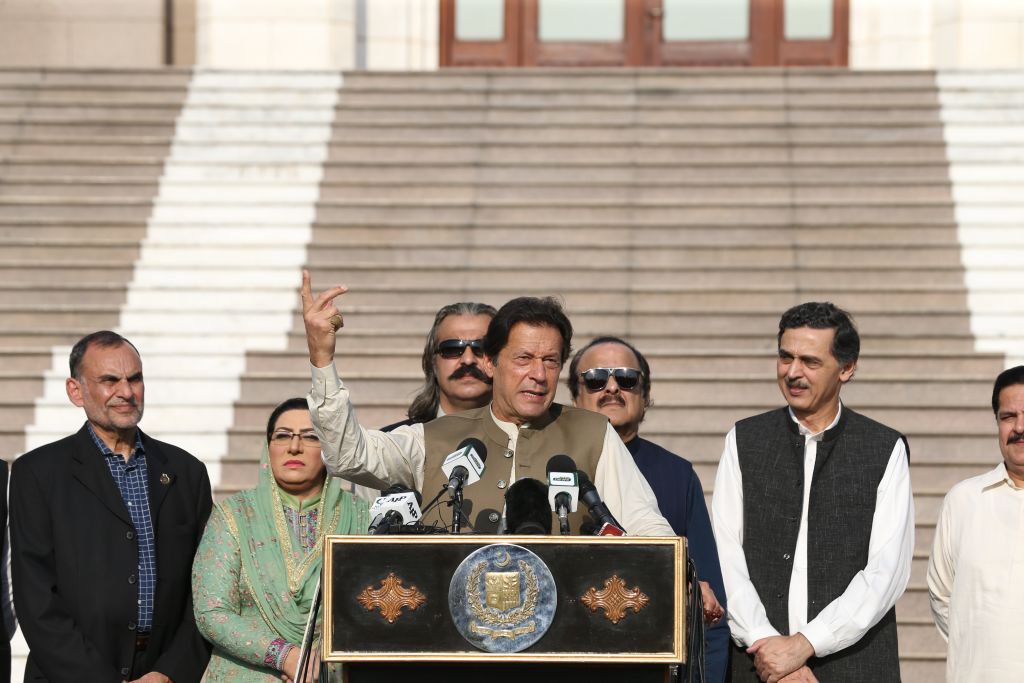
Turkey’s cross-border incursion into northeastern Syria has stirred up a hornet’s nest of instability and threats. If left unchecked, this latest “war within a war” will have deeply destabilizing consequences for many years.
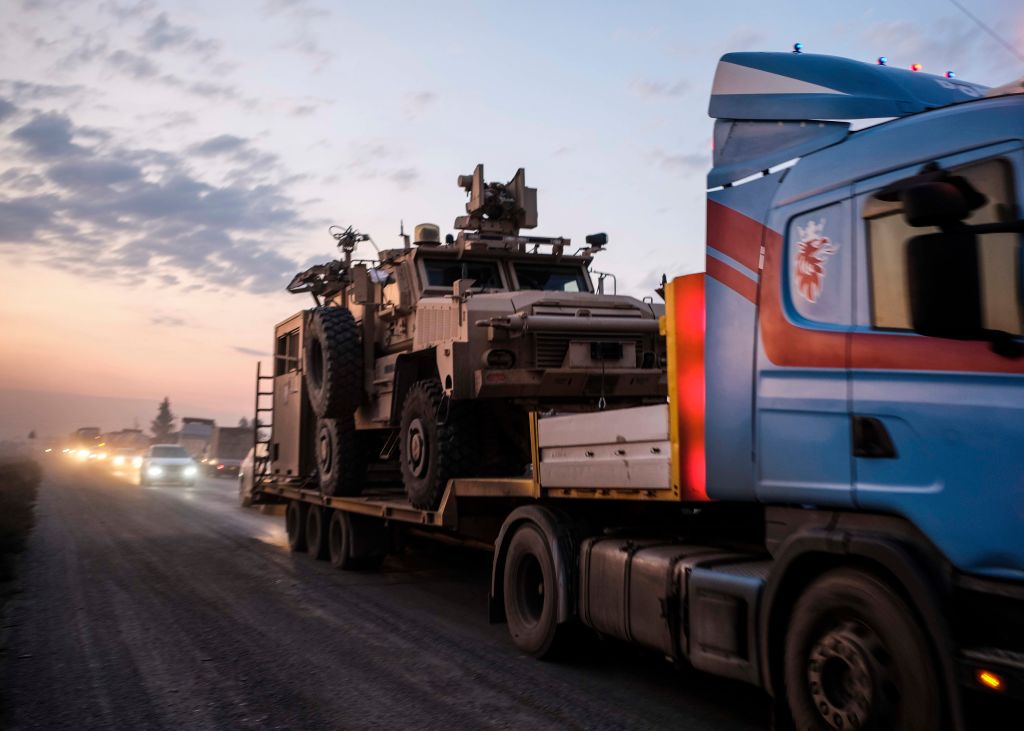
In one fell swoop, the U.S. has found itself evacuating a third of the country; breaking away from a 100,000-strong partner we trained and equipped; and watching it surrender to the regime that we have stood against from day one. In the chaos that has ensued, ISIS prisoners have been let loose, hundreds of thousands of civilians have been displaced, and a once relatively stable northeastern Syria has been thrown into a potentially intractable pit of ethnic, sectarian, and political conflict. The consequences of America’s self-destruction in Syria will be felt for many, many years to come.
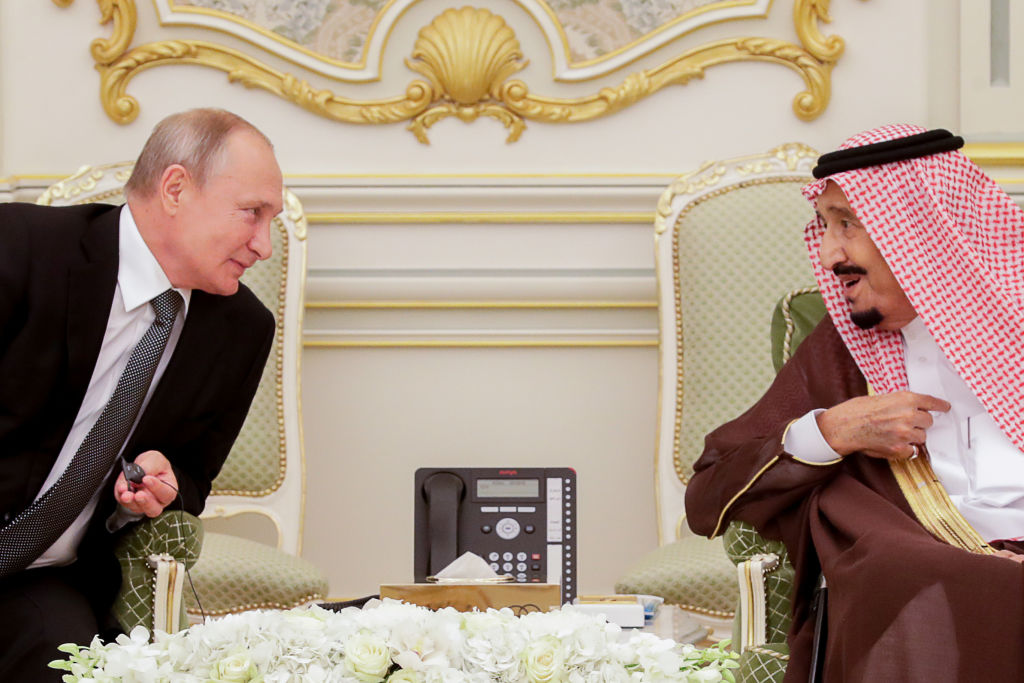
Putin reaps benefits of Trump’s Middle East policy collapse
Putin’s visit to Saudi Arabia and the UAE takes place as the U.S. position in the Middle East collapses in the face of a series of misjudgments and “own-goals” by the Trump administration.
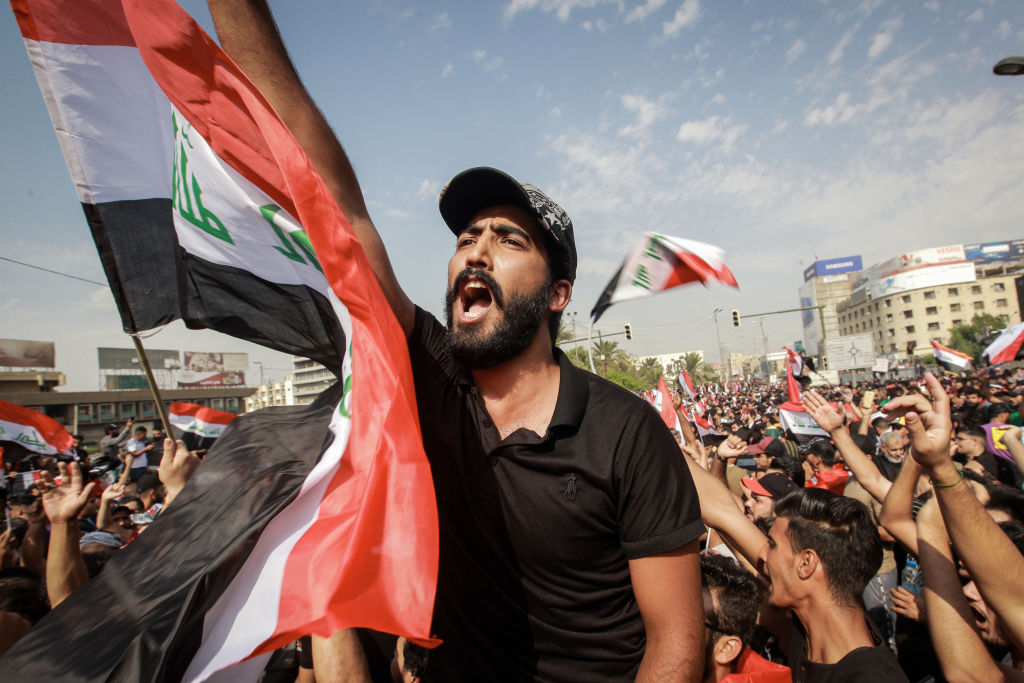
Iraqi youth protesters: Who they are, what they want, and what’s next
“We reached a level of injustice we could no longer take. For every action, there is a reaction,” explained one civil society activist following the Oct. 1 outbreak of protests in Baghdad and central and southern Iraq.
Fair competition is needed to economically empower women in the Arab world
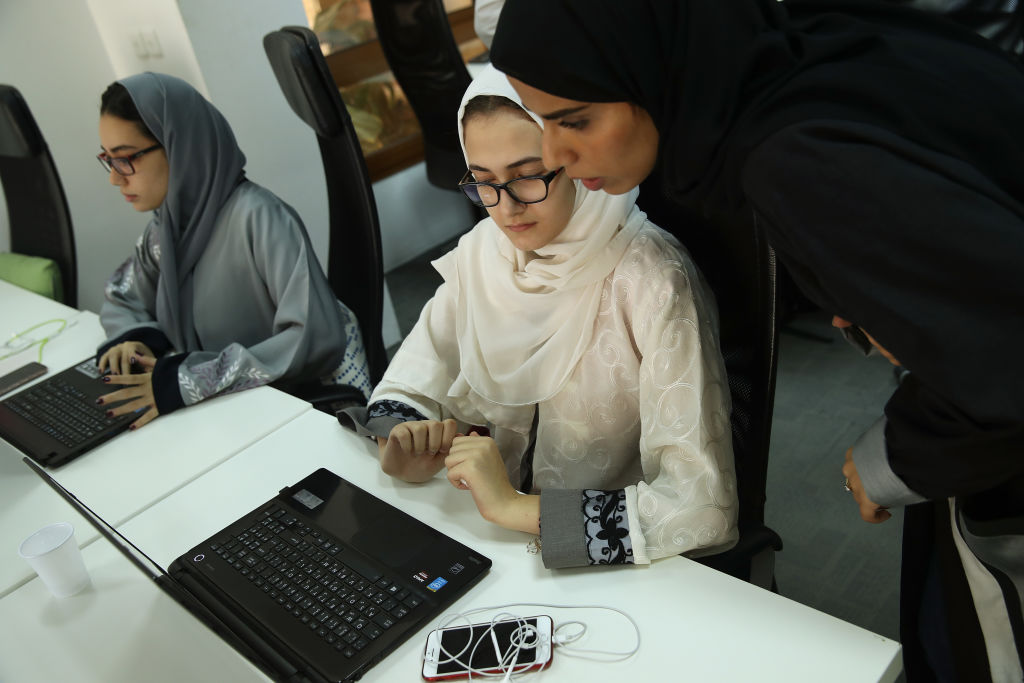
Female labor force participation levels in Arab countries are the lowest in the world — despite the rising educational attainment of women reaching working age. Indeed, young women across the Arab world exceed the education levels of young men, who are worrisomely falling behind. Remedying the underrepresentation of Arab women in the labor force and reviving the educational motivation of young men are both social and economic imperatives.
Trade, Reform, and Revitalization: Toward a US-Egypt Free Trade Agreement
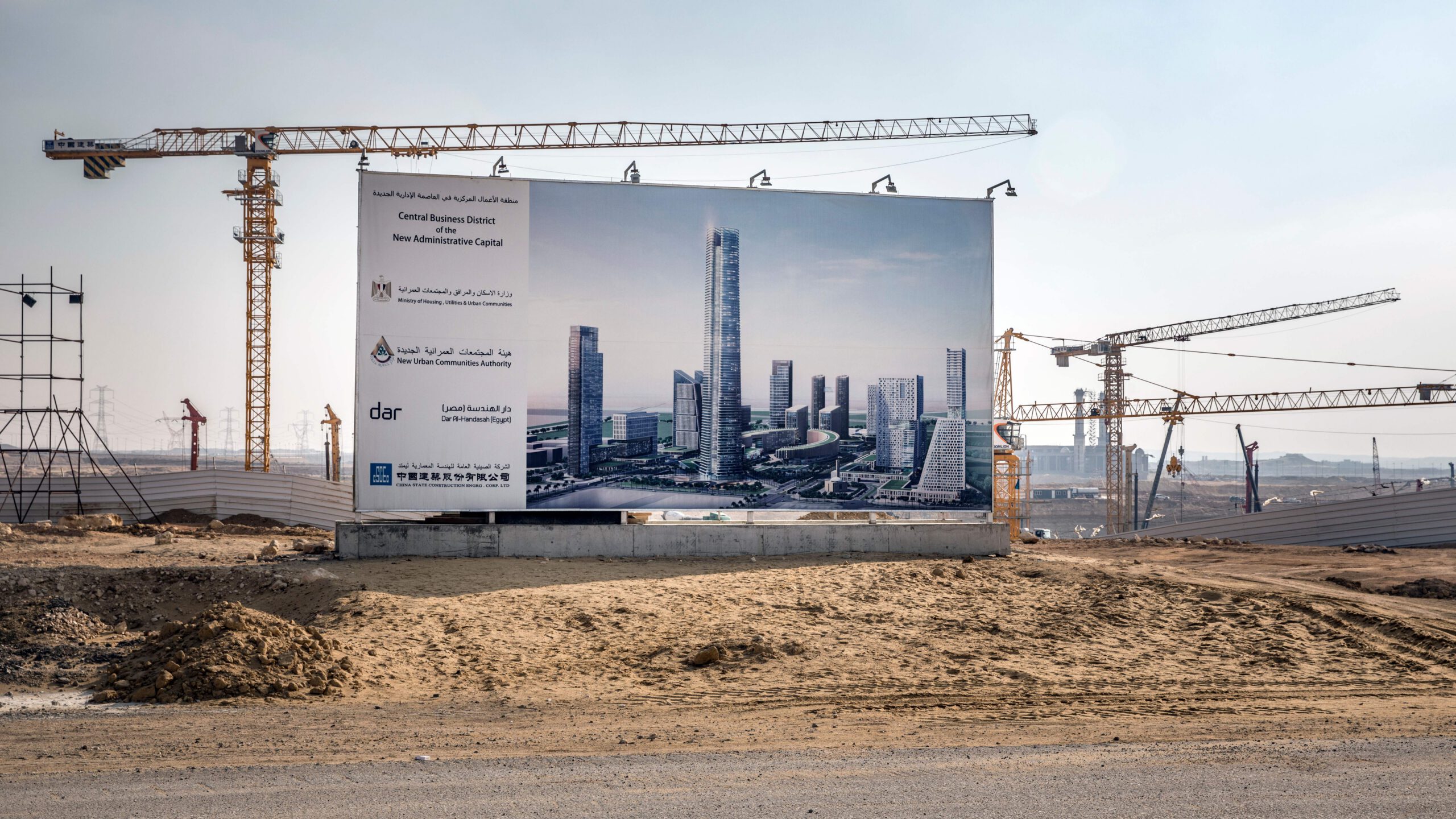
A question as to the value of a U.S.-Egypt Free Trade Agreement (FTA) misses the point. The question should not be whether an FTA would be in the interest of both parties since there is abundant evidence that it would. The question is what kind of FTA would best suit the needs, both short and long term, of the two parties: shallow integration or deep integration? This report argues that notwithstanding several hurdles, it is in the interest of both countries to move swiftly and decisively toward a deep FTA.