Lavrov’s Gulf trip highlights Russia’s growing regional role
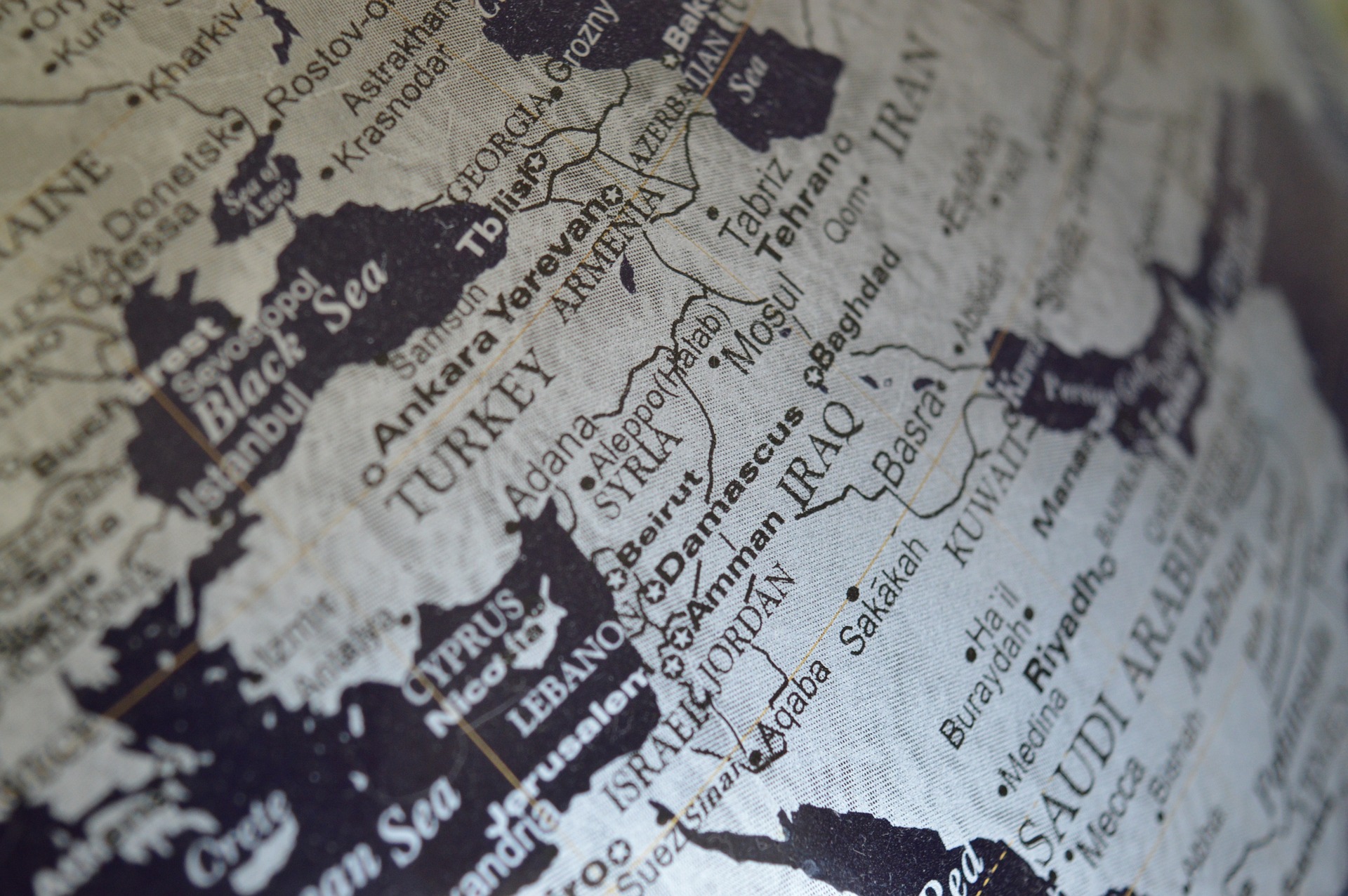
Russian Foreign Minister Sergei Lavrov made a four-day trip to the Gulf in early March, stopping in Qatar, Saudi Arabia, Kuwait, and the UAE as part of a broader effort to boost Moscow’s ties with the region. Although the Gulf monarchies are traditionally considered of some of the U.S’s closest allies, relations between Russia and the Gulf have improved in recent years and there is potential for further cooperation going forward.
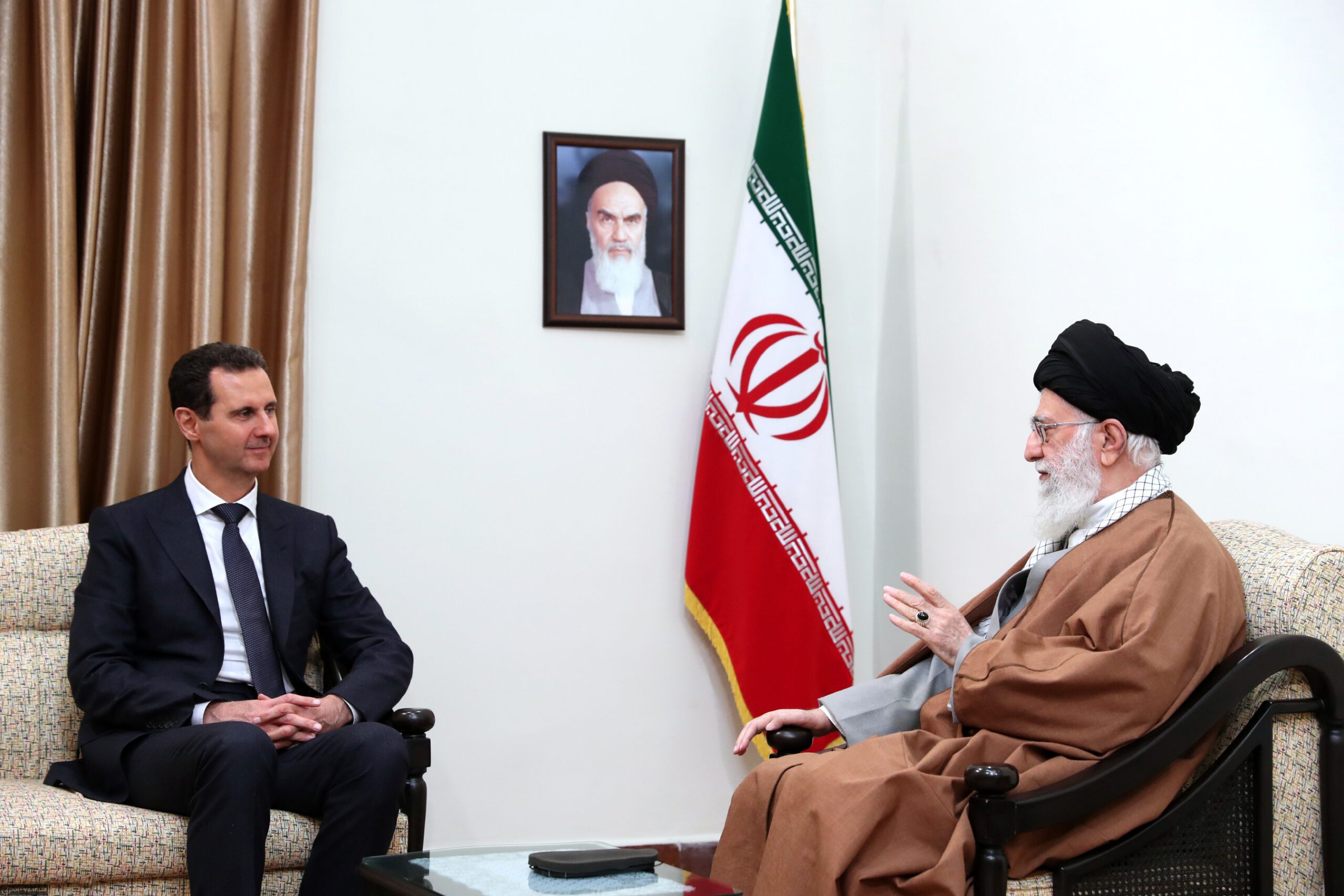
That the relationship between the Ba’ath regime in Syria and the ayatollahs of the Islamic Republic is one of loveless realpolitik is no secret to anyone with a passing familiarity with the history of Damascus-Tehran ties. The end of the war in Syria has already begun to expose faults in the unlikely marriage between a militant secular Arab regime rooted in the independence politics of the colonial era and the revolutionary rule of the wilayat al-faqih.
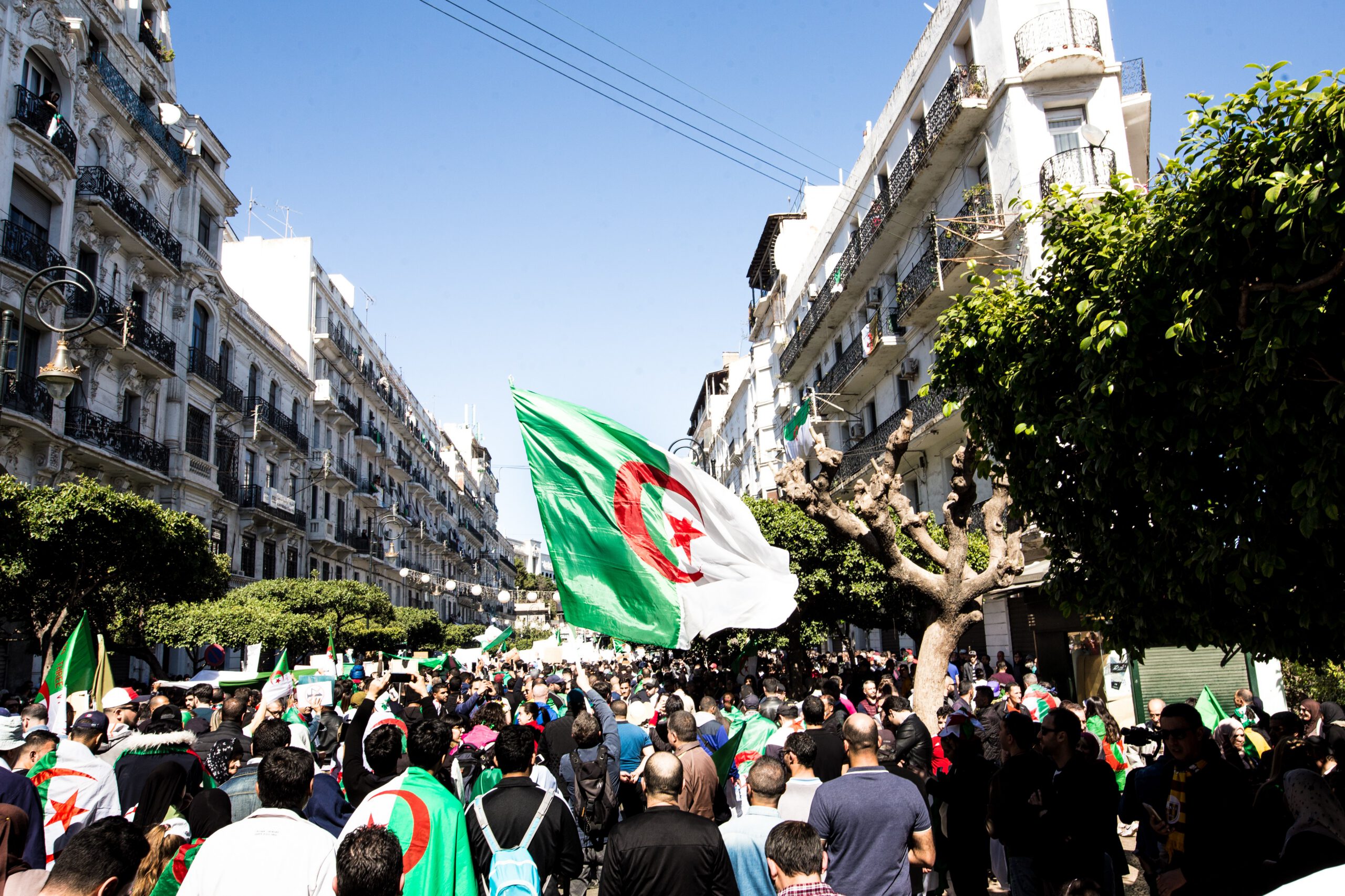
Monday Briefing: Algeria's political crisis is deepening
In this week’s Monday Briefing, MEI experts Robert S. Ford, Paul Salem, Marvin G. Weinbaum, Wa’el Alzayat, and Alex Vatanka provide analysis on recent and upcoming events including Algeria’s ongoing political crisis, the 16th anniversary of the U.S.-led invasion of Iraq, criticism of the U.S.-Taliban talks by Afghanistan’s national security advisor, international fundraising efforts to aid Syria, and Iranian President Hassan Rouhani’s fading political clout.
Saudi Arabia’s financial markets and economic development
Jean-François Seznec and Samer Mosis, authors of “The Financial Markets of the Arab Gulf: Power, Politics and Money,” join host Alistair Taylor for a deep dive on Saudi Arabia’s financial markets and the challenges facing its economic development.
Justifying Relations with an Apostate During a Jihad: A Salafi-Jihadist Group’s Relations with Turkey in Syria
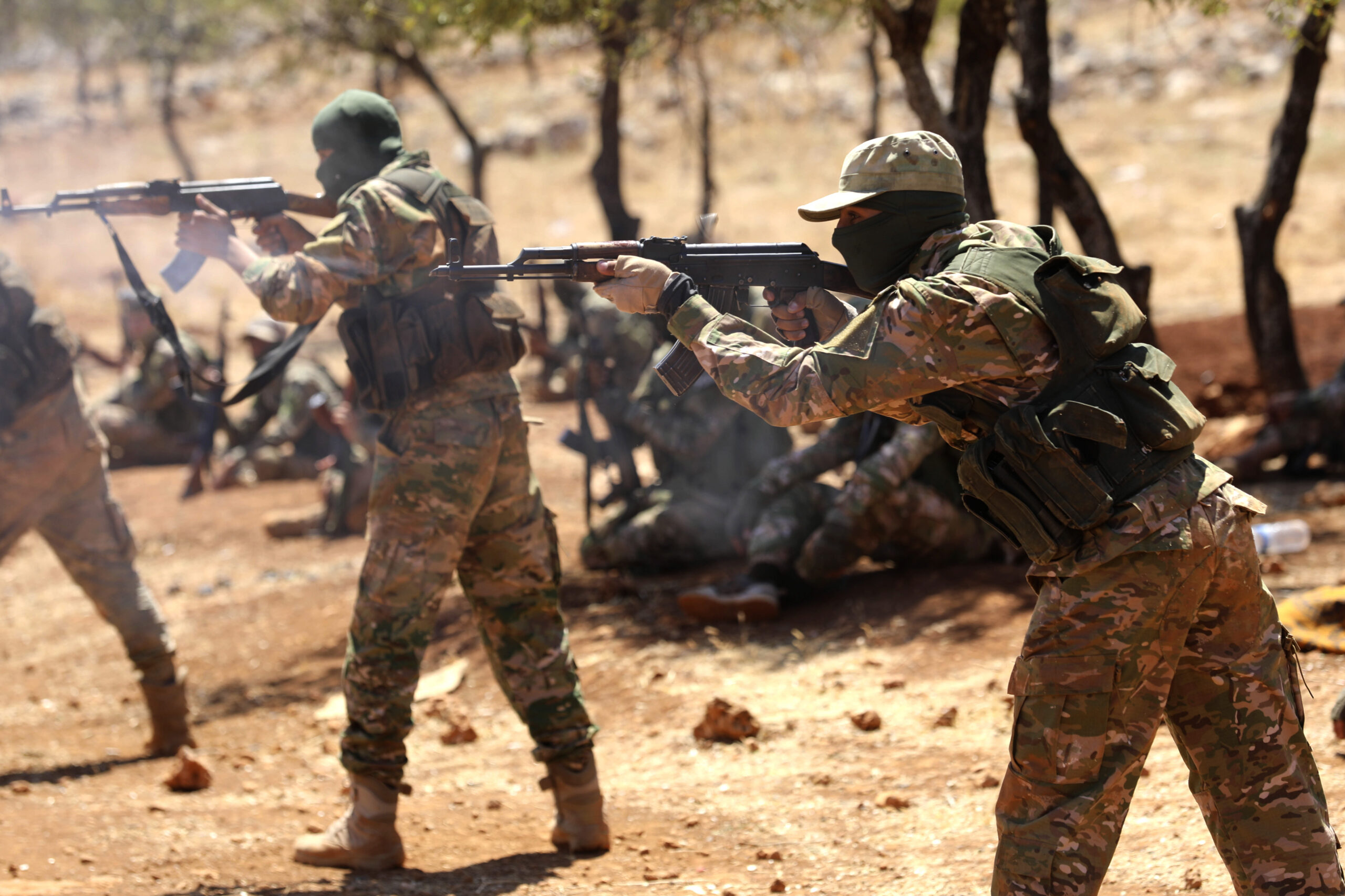
This analysis explains how the Salafi-Jihadist group Hayat Tahrir al-Sham (HTS) has legally justified its relations with Turkey. Although HTS was careful to avoid direct military collaboration with Turkey, it welcomed the Turkish Army’s presence as an additional force against the Syrian regime and secular opposition groups. This caused a significant rift among the group’s supporters and the al-Qaeda community, who accused HTS of thwarting its own jihad by forming relations with Turkey, considered by Salafi-Jihadists to be an apostate.
Saudi crown prince’s Asia trip showcases checkbook diplomacy and a more assertive foreign policy
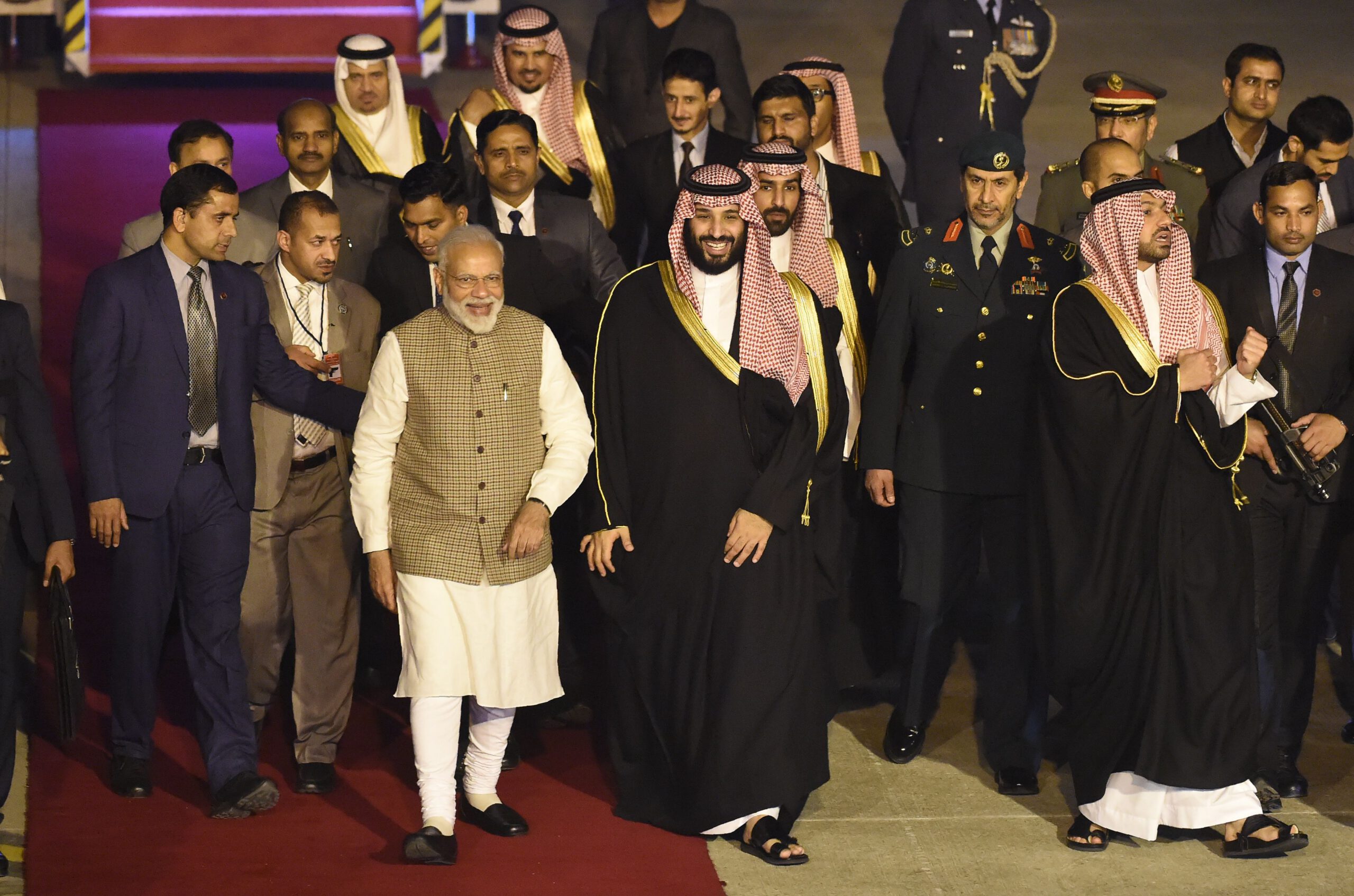
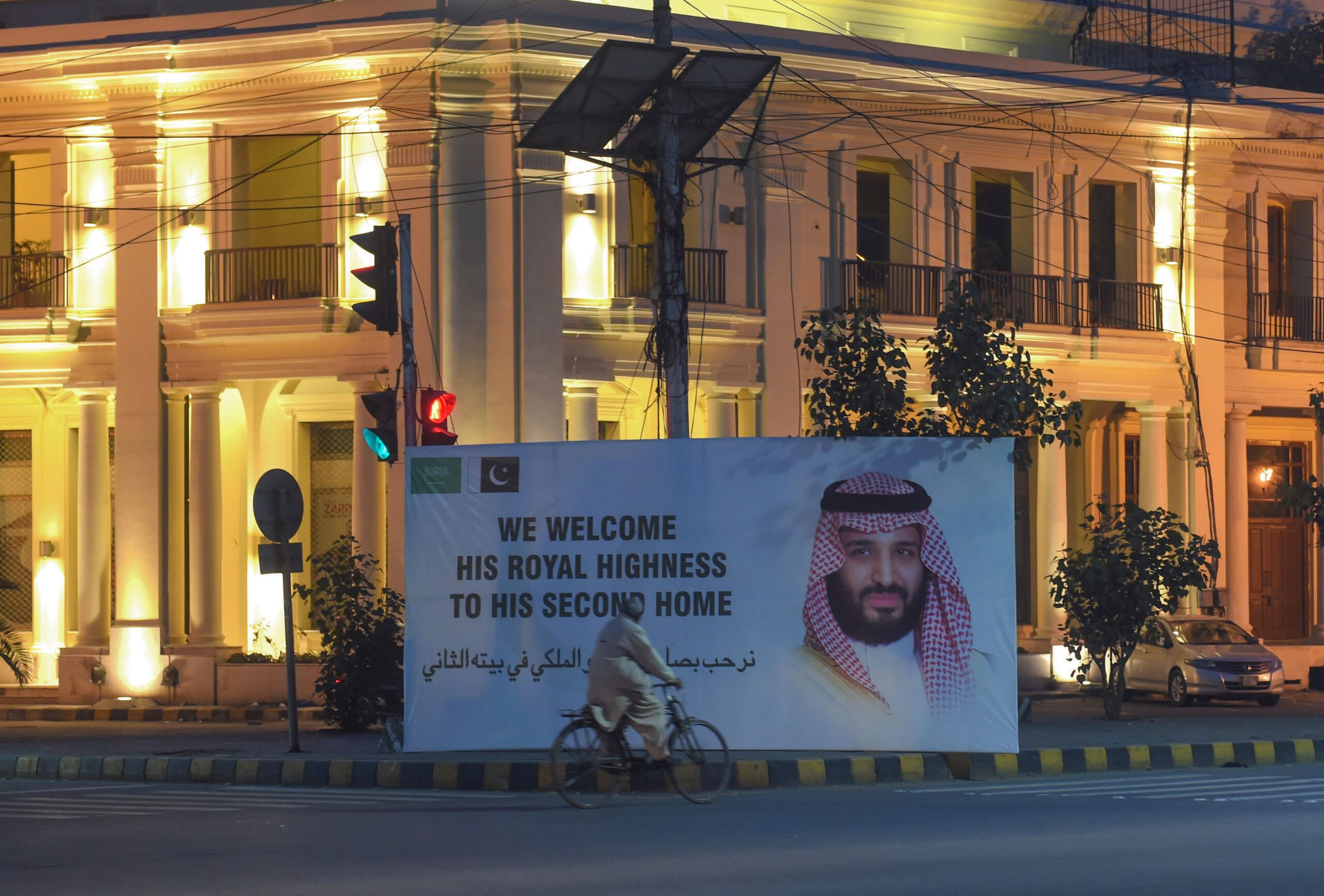
Saudi Crown Prince Mohammed bin Salman has wrapped up another round of checkbook diplomacy, showering up to $100 billion on Pakistan, India, and China during his visit to the three countries in late February. The trip was important for another reason as well: It showcased a new Saudi strategy of playing a more assertive foreign-policy role far beyond the Middle East.
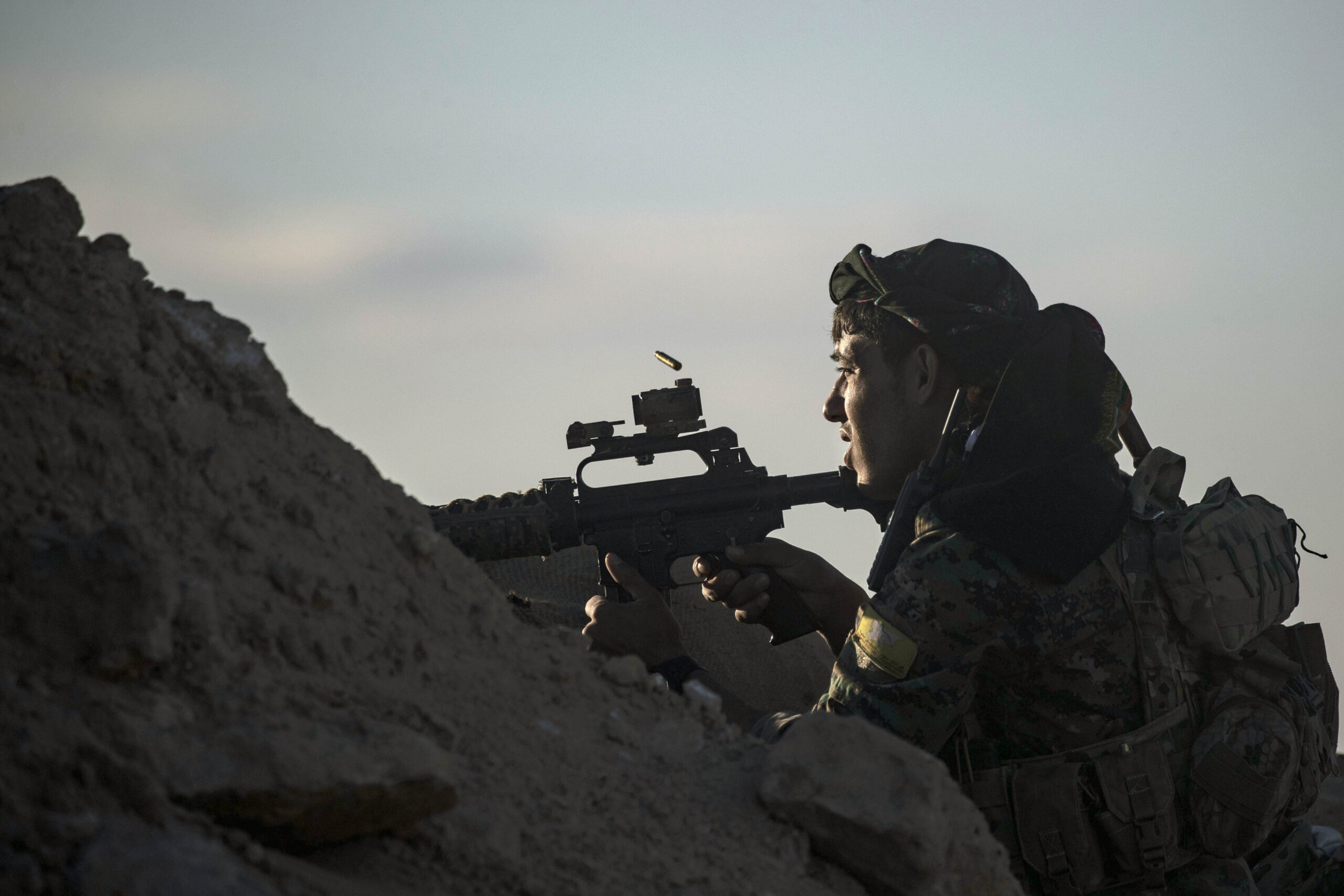
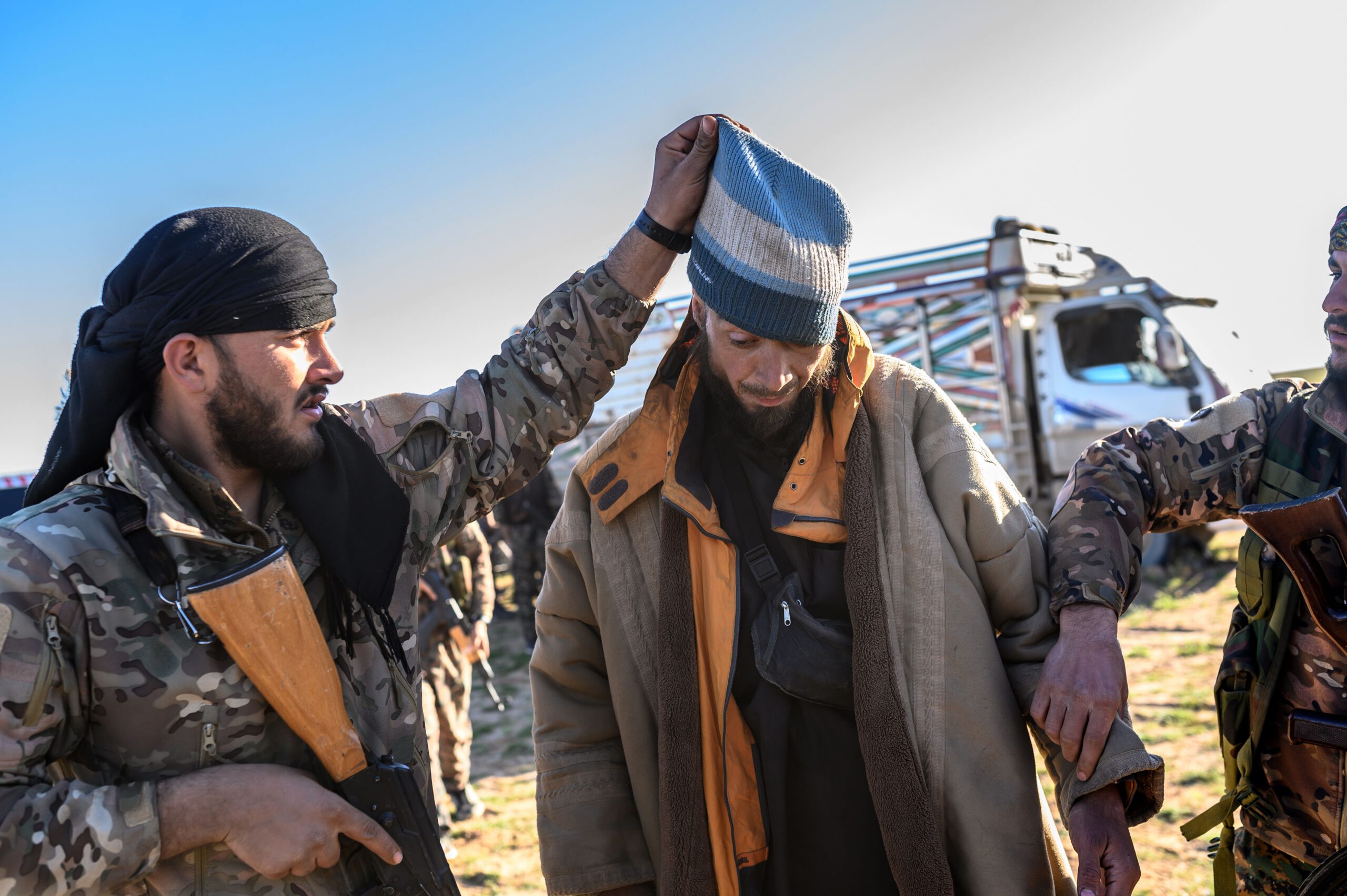
Perhaps the most immediate challenge facing the Syrian Democratic Forces is what to do with the influx of ISIS members and their families that have poured out of ISIS’s last stronghold, particularly since February 2019.
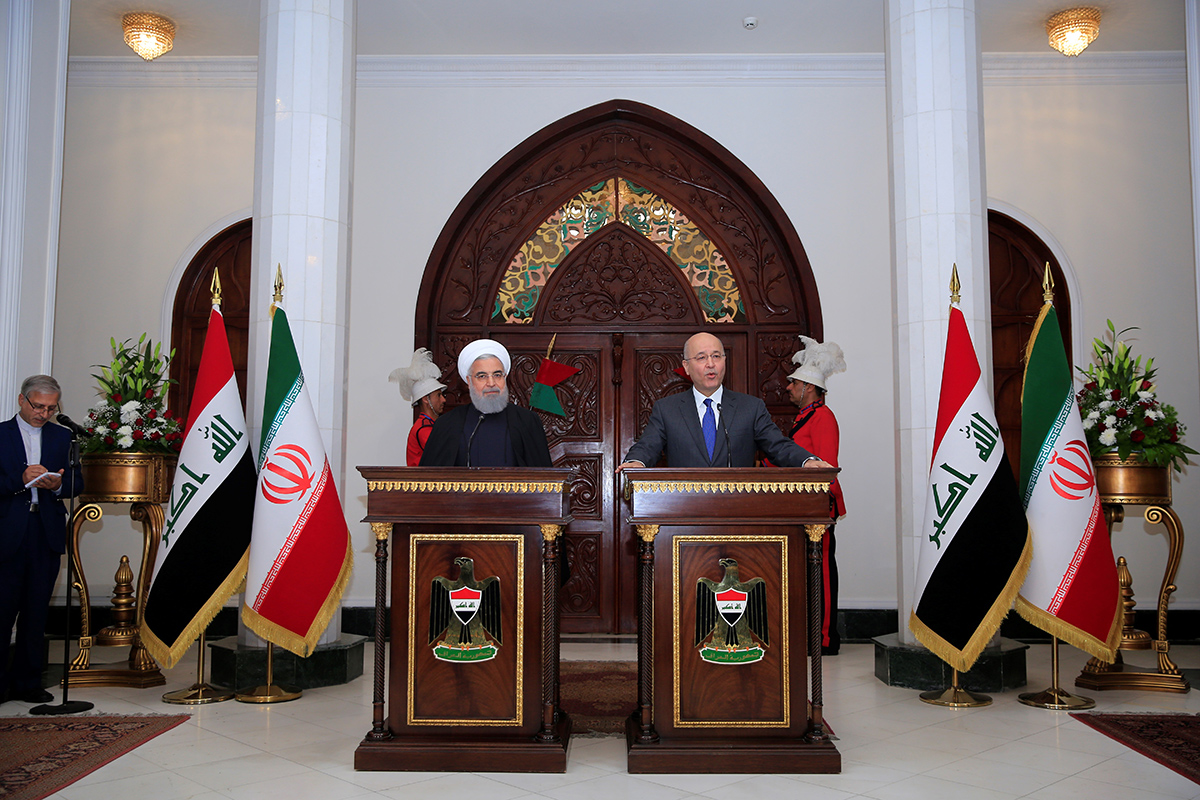
In this week’s Monday Briefing, MEI experts Randa Slim, Robert S. Ford, Marvin G. Weinbaum, James P. Farwell, Emadeddin Badi, Guney Yildiz, and Jean-François Seznec provide analysis on recent and upcoming events including Iranian President Hassan Rouhani’s visit to Baghdad, reconstruction efforts in Syria, the crackdown on militant Islamists in Pakistan, Iran’s cyber attack capabilities, upcoming elections in Libya, Turkish-Egyptian tensions, and Qatar’s $12B loan from bond markets.
US foreign policy towards the Middle East: Pumping air into a punctured tire
Theorizing the future of the Arab Gulf states and the broader Middle East requires a proper assessment of the state of power distribution in the region. Is there a new balance of power emerging in the Middle East, or is the distribution of power heading in a more dangerous direction?
Mounting tensions between Morocco and Saudi Arabia
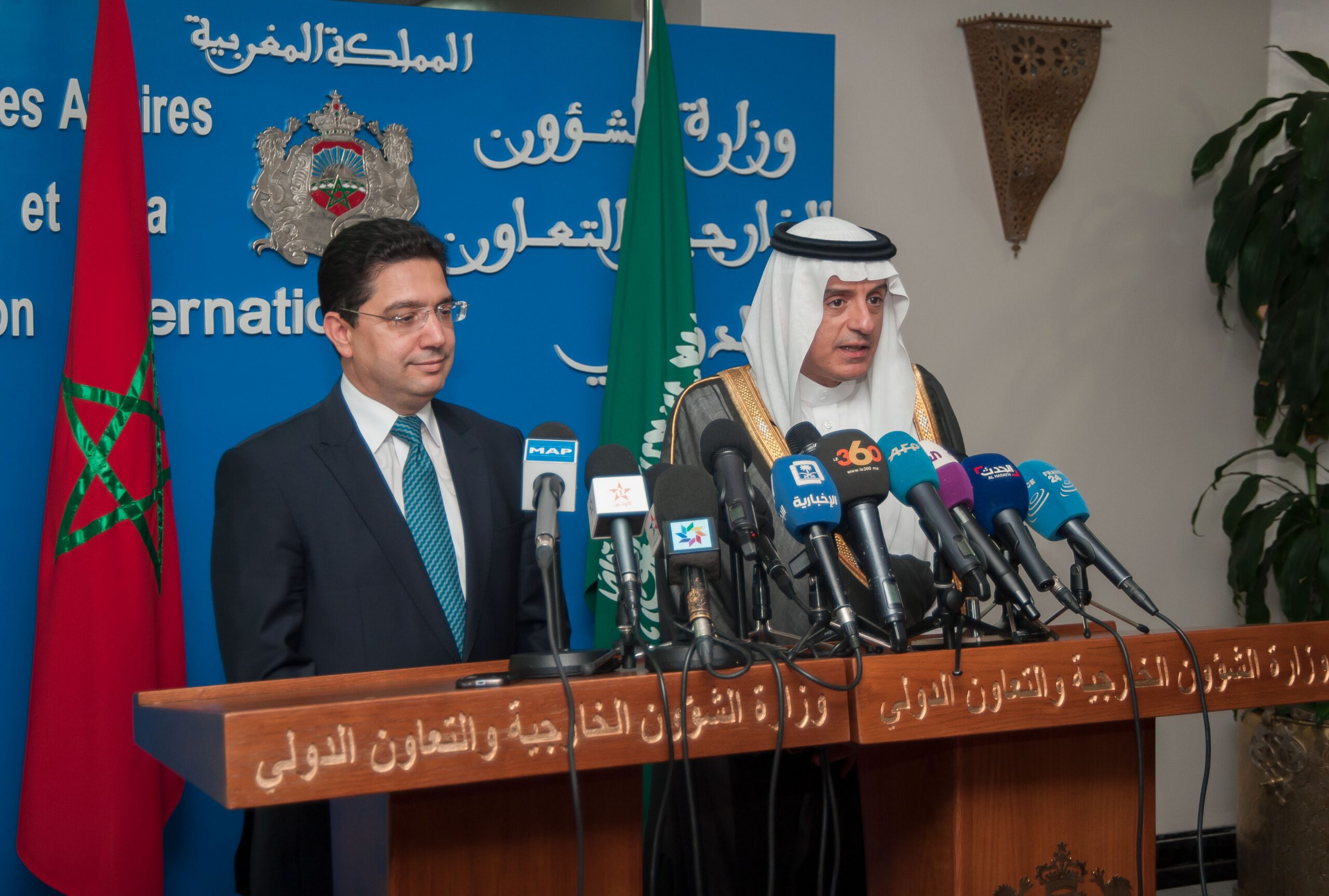
The alliance between Morocco and Saudi Arabia has historically been strong, bolstered by shared concerns about regional turmoil in the aftermath of the 2011 Arab Spring protests, but recent tensions have brought bilateral relations to an all-time low. Last month, frictions between Rabat and Riyadh came to the fore when Morocco recalled its ambassador from Saudi Arabia.
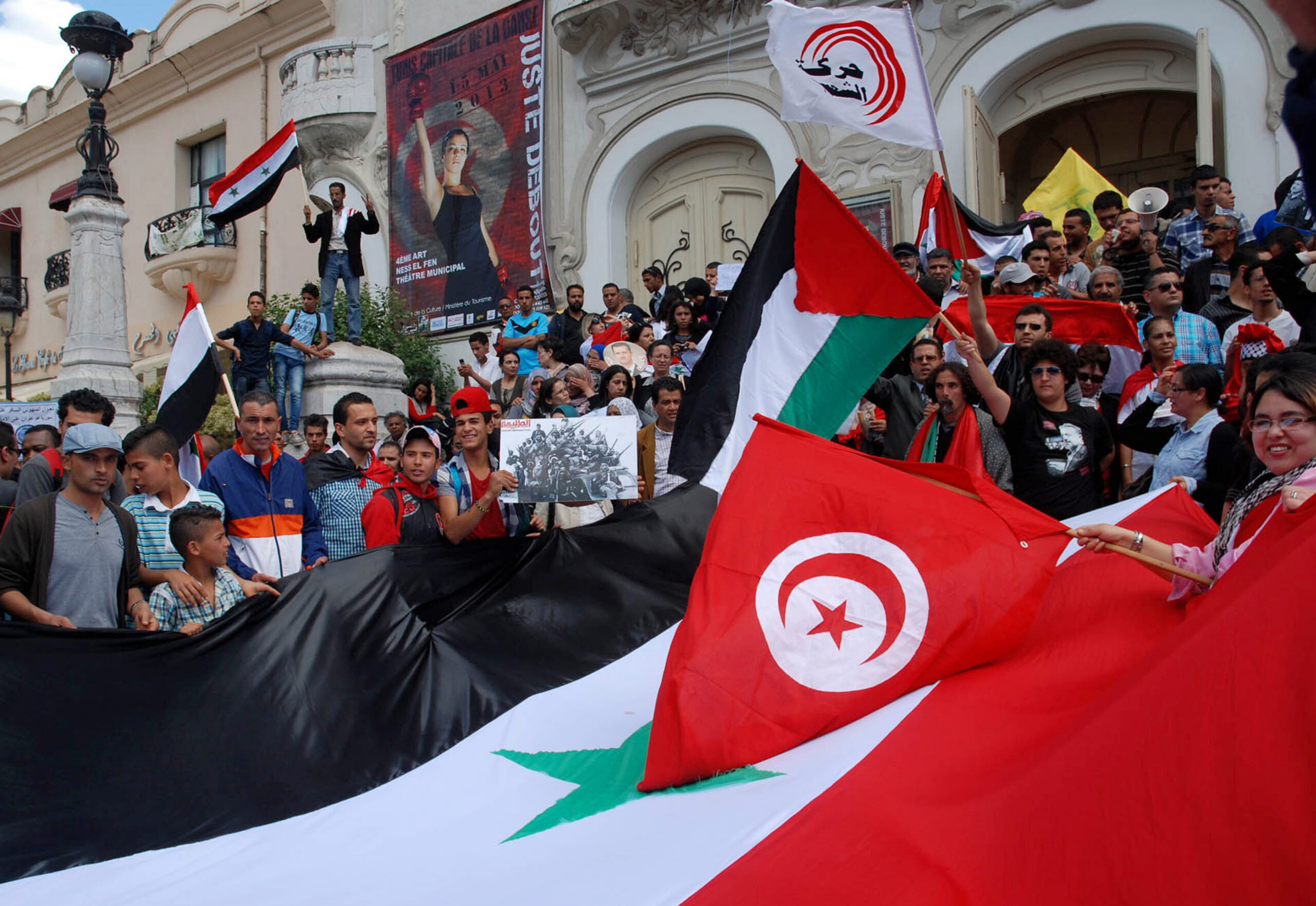
Observers of political affairs in the Arab world are keeping a close eye on the upcoming Arab League summit, set to be held at the end of March in Tunis. Although Syria will not participate in the meeting, the question of when, or how, to bring Damascus in from the cold after an eight-year suspension from the body will be the most important issue on the agenda.
Monday Briefing: Egypt hosts first EU-Arab League summit
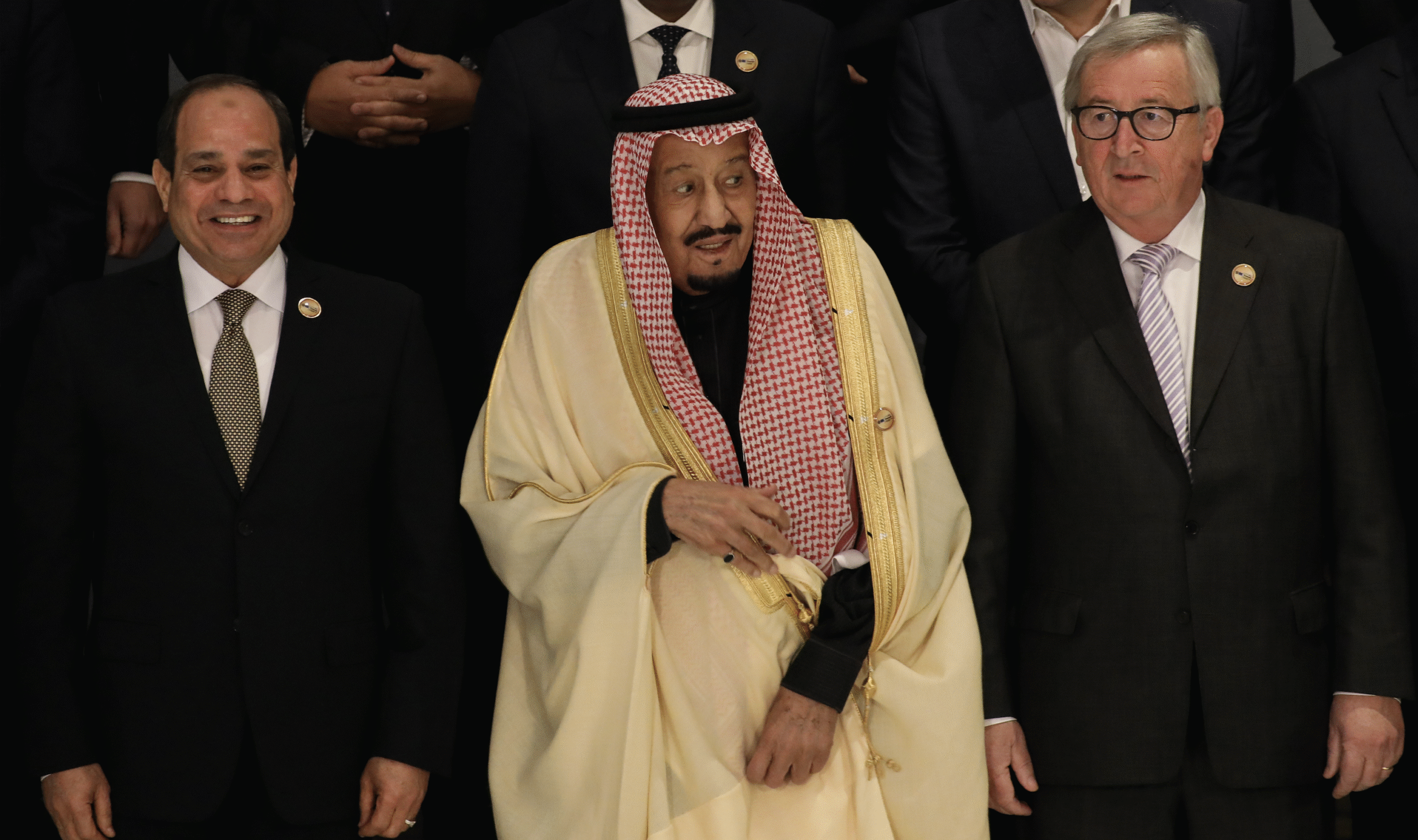
In this week’s Monday Briefing, contributors Mirette F. Mabrouk, Gerald Feierstein, Marvin G. Weinbaum, Przemysław Osiewicz, Grace Wermenbol, and W. Robert Pearson provide analysis on recent and upcoming events including the EU-Arab League summit, the progress in US-Taliban talks, challenges to Israeli Prime Minister Benjamin Netanyahu’s power, consequences of the Kashmir attack, and Turkey’s next steps in Syria.
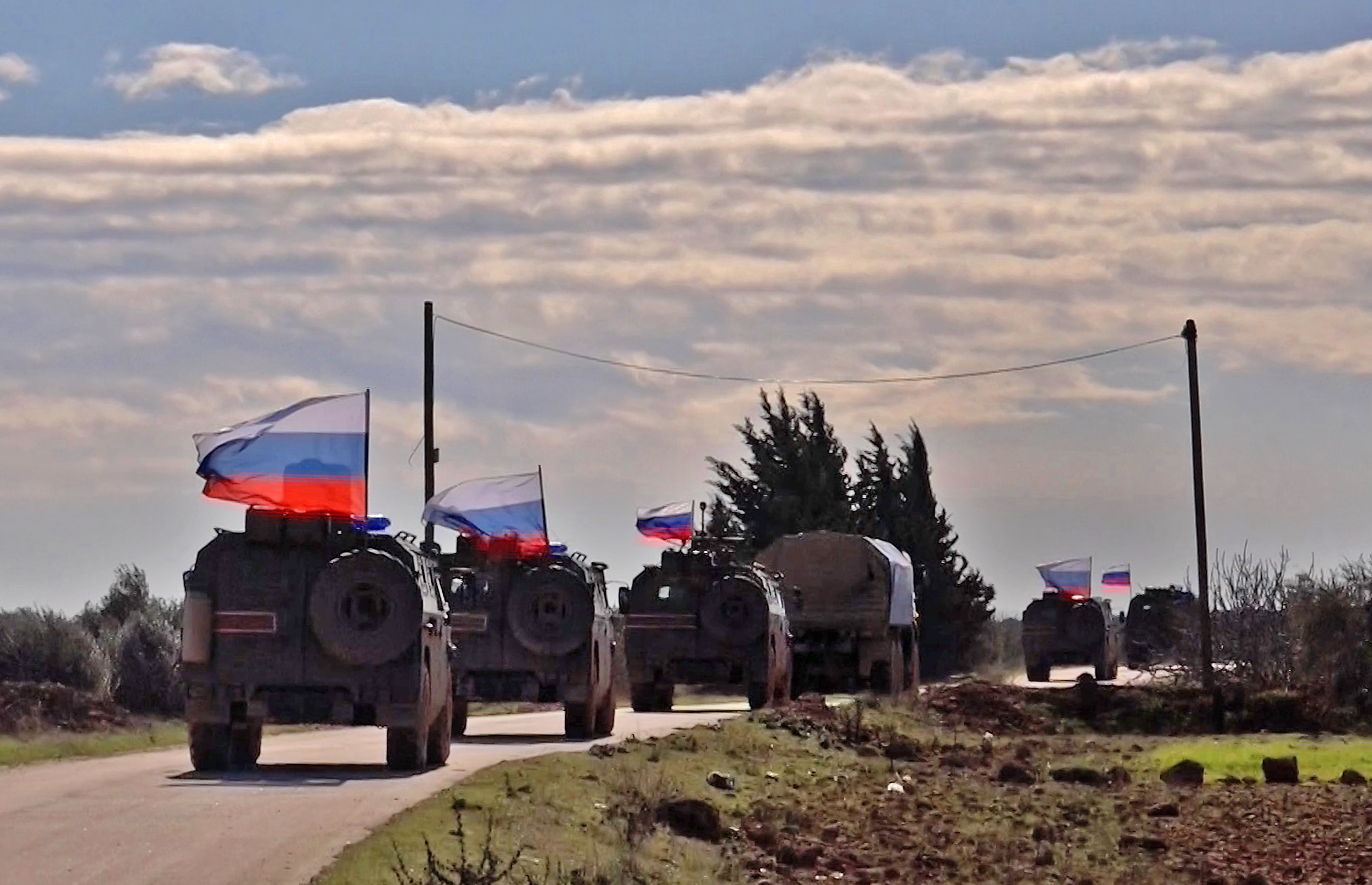
As the Sochi talks made clear, for all their efforts, Russia and Turkey remain far from a joint resolution on Manbij. But the two sides do not have equal clout on the issue. Russia’s significant and expanding military police presence in the Manbij countryside gives Moscow the final say on what will happen there, a reality that could result in Ankara losing some or all of the region to its Syrian rivals in Damascus.
Weekly Briefing: MBS South Asia swing aims to shore up relations
In this week’s briefing, MEI experts Gerald Feierstein, Charles Lister, Marvin G. Weinbaum, and W. Robert Pearson provide analysis on Saudi-Pakistan relations, Turkish politics in the lead-up to March municipal elections, and the question of what to do with ISIS prisoners after the group’s territorial collapse.