Ukraine’s role in the Black Sea: Navigating a geopolitical crossroads
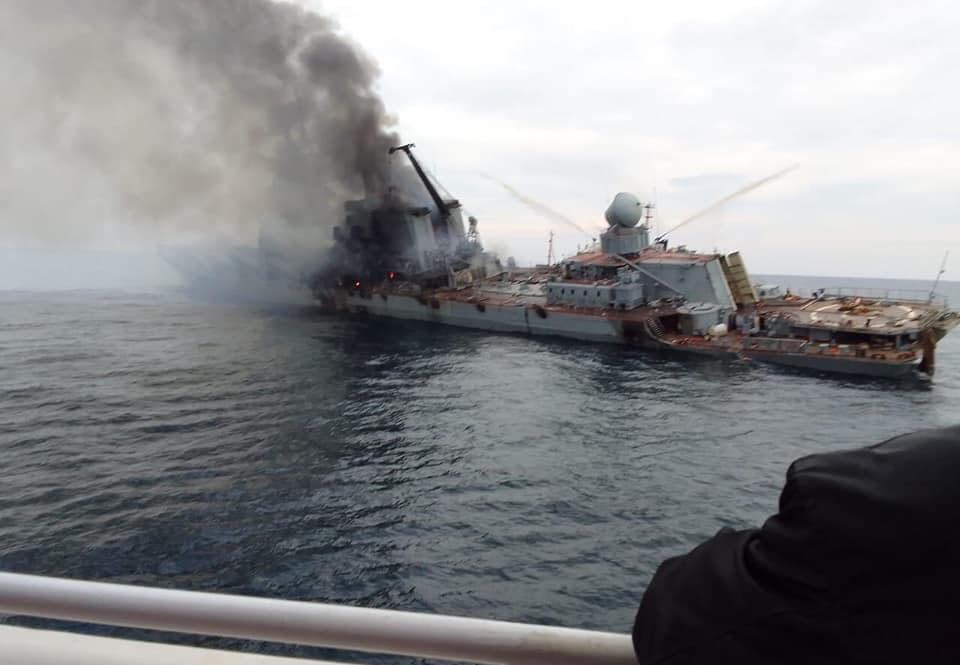
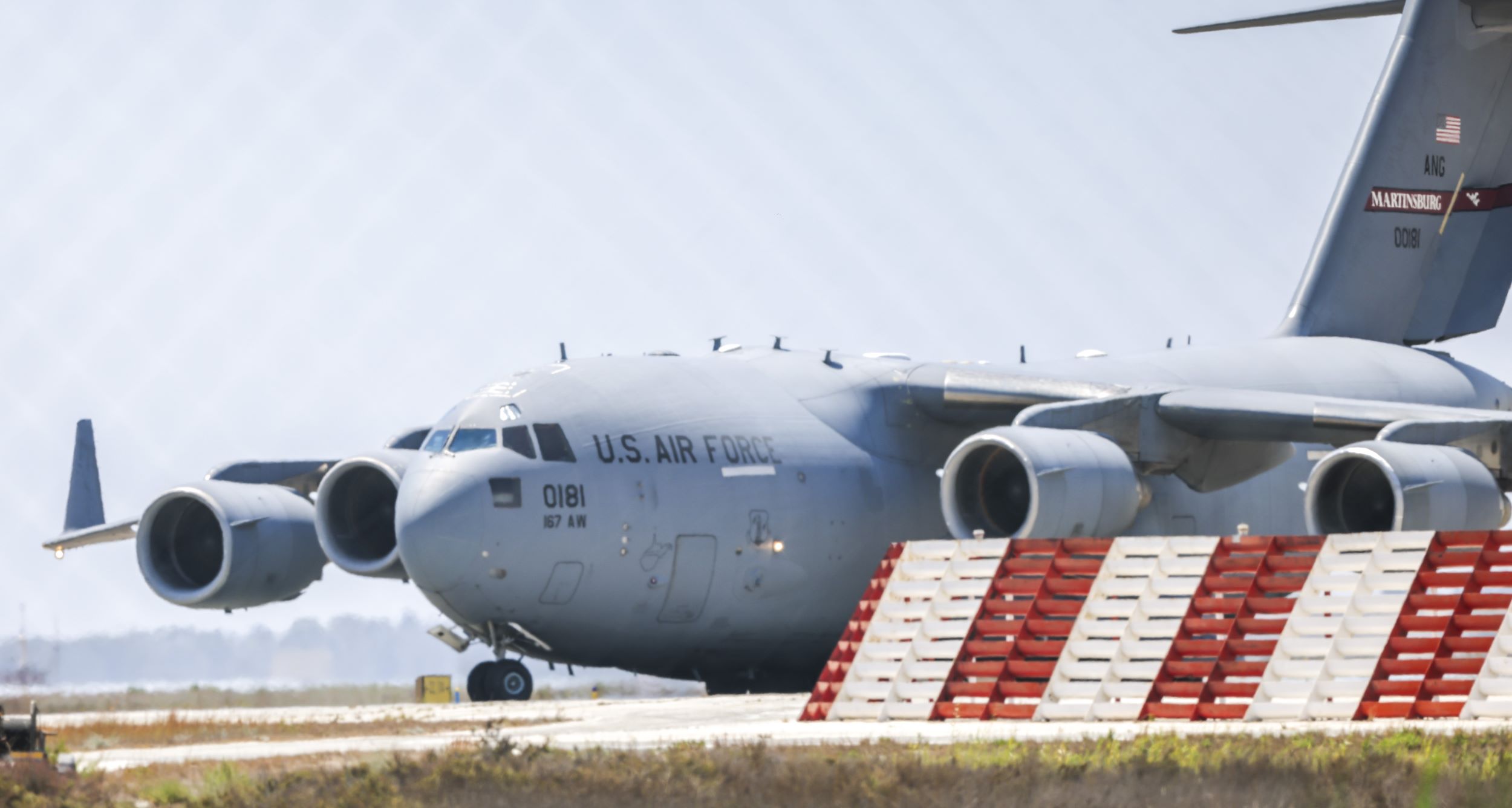
The Black Sea has recently become one of the world’s most important dynamically shifting geostrategic maritime areas, with Ukraine playing a crucial role in upending the naval balance of power there. Ukraine’s efforts to push back against Russia, bolstered by Western military aid, have challenged the status quo and reshaped the region’s security landscape.
Beyond oil: Google’s big bet on Saudi Arabia’s AI future
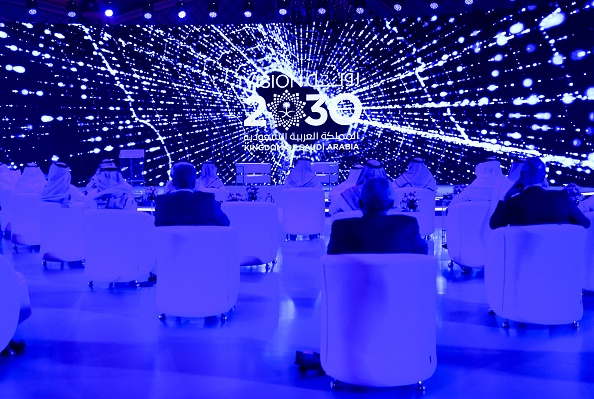
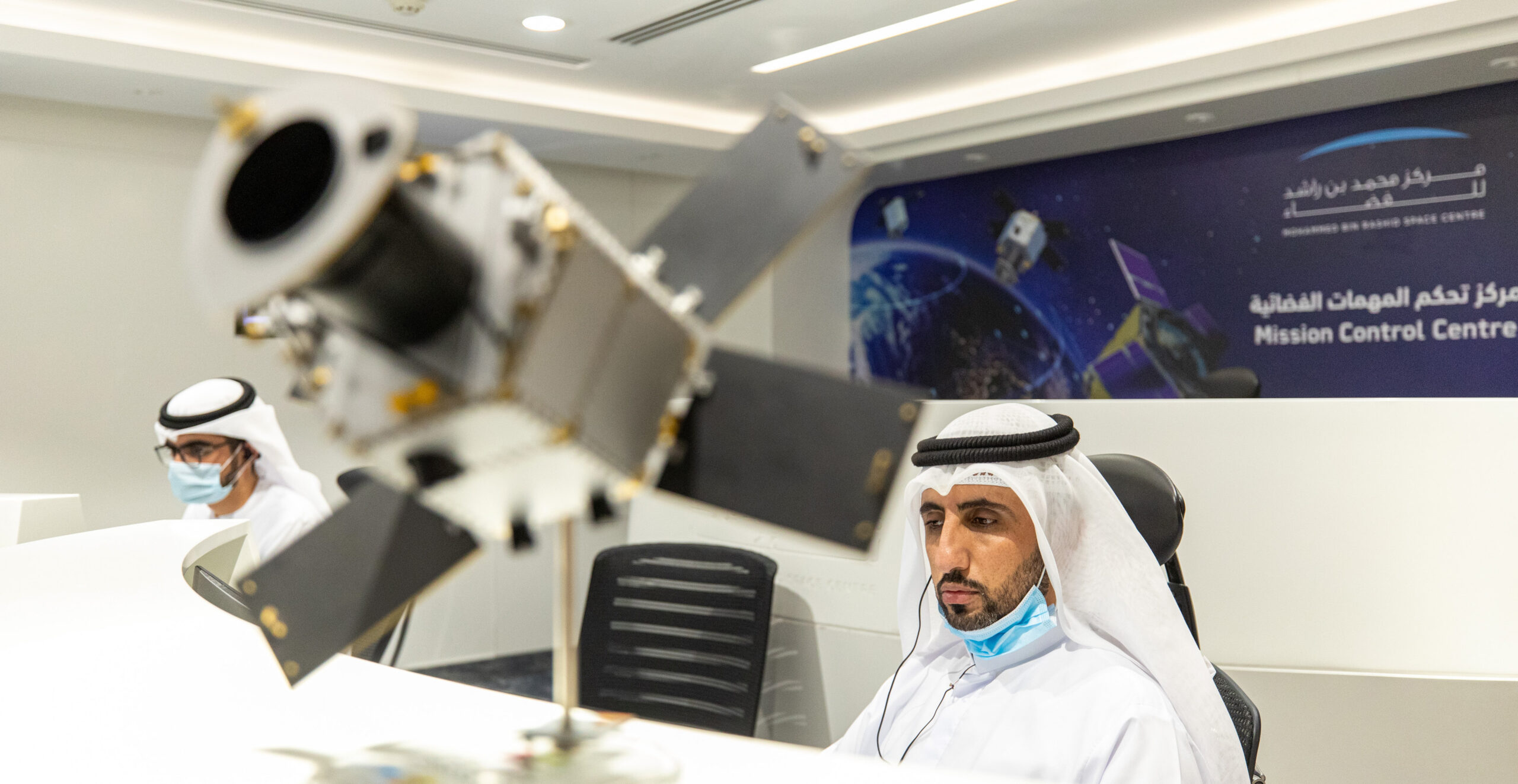
In a landmark move signaling the growing importance of the Middle East in the global tech landscape, Google has entered into a strategic partnership with Saudi Arabia’s Public Investment Fund (PIF), the kingdom’s sovereign wealth fund. The partnership underscores the “growing interlink” between AI and energy, as Saudi Arabia — along with the United Arab Emirates and other Gulf states — uses its energy surplus to power data centers, a critical pillar of AI infrastructure.
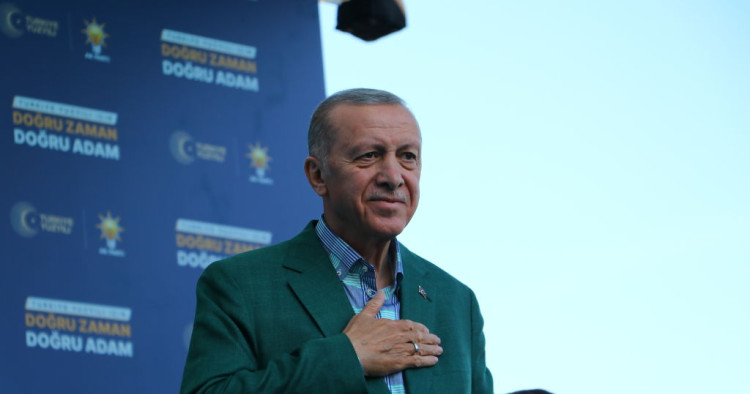
Erdoğan has big plans, but the Kurdish problem keeps getting in the way
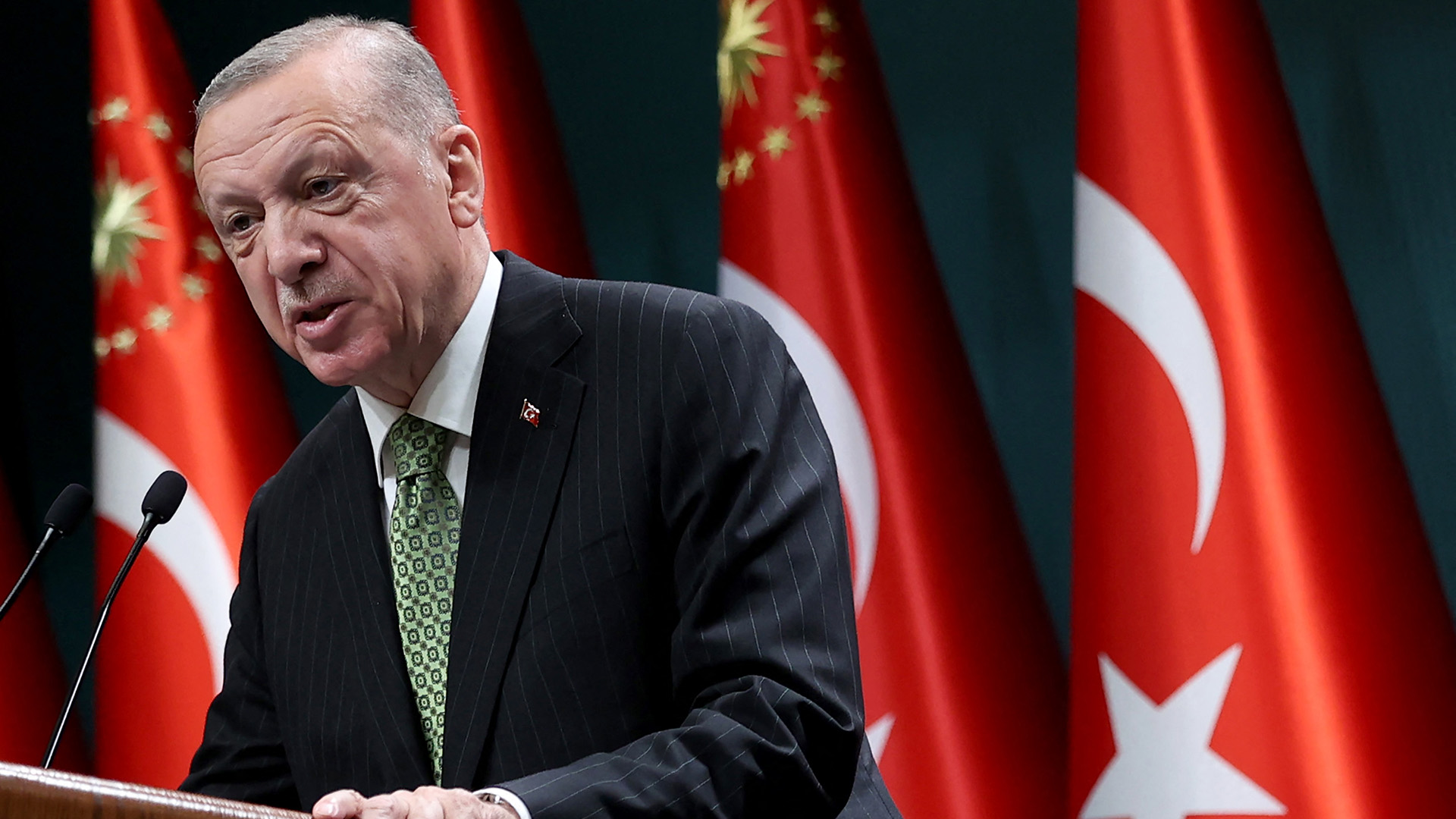
Gunmen armed with explosives and assault rifles assailed the headquarters of Turkey’s state-run aerospace company near Ankara on October 23, in a terrorist attack claimed by the outlawed Kurdistan Workers’ party (PKK). The incident complicates President Recep Tayyip Erdoğan’s efforts to exploit the regional chaos that followed Hamas’s attack on Israel a year ago to advance his domestic and regional goals.
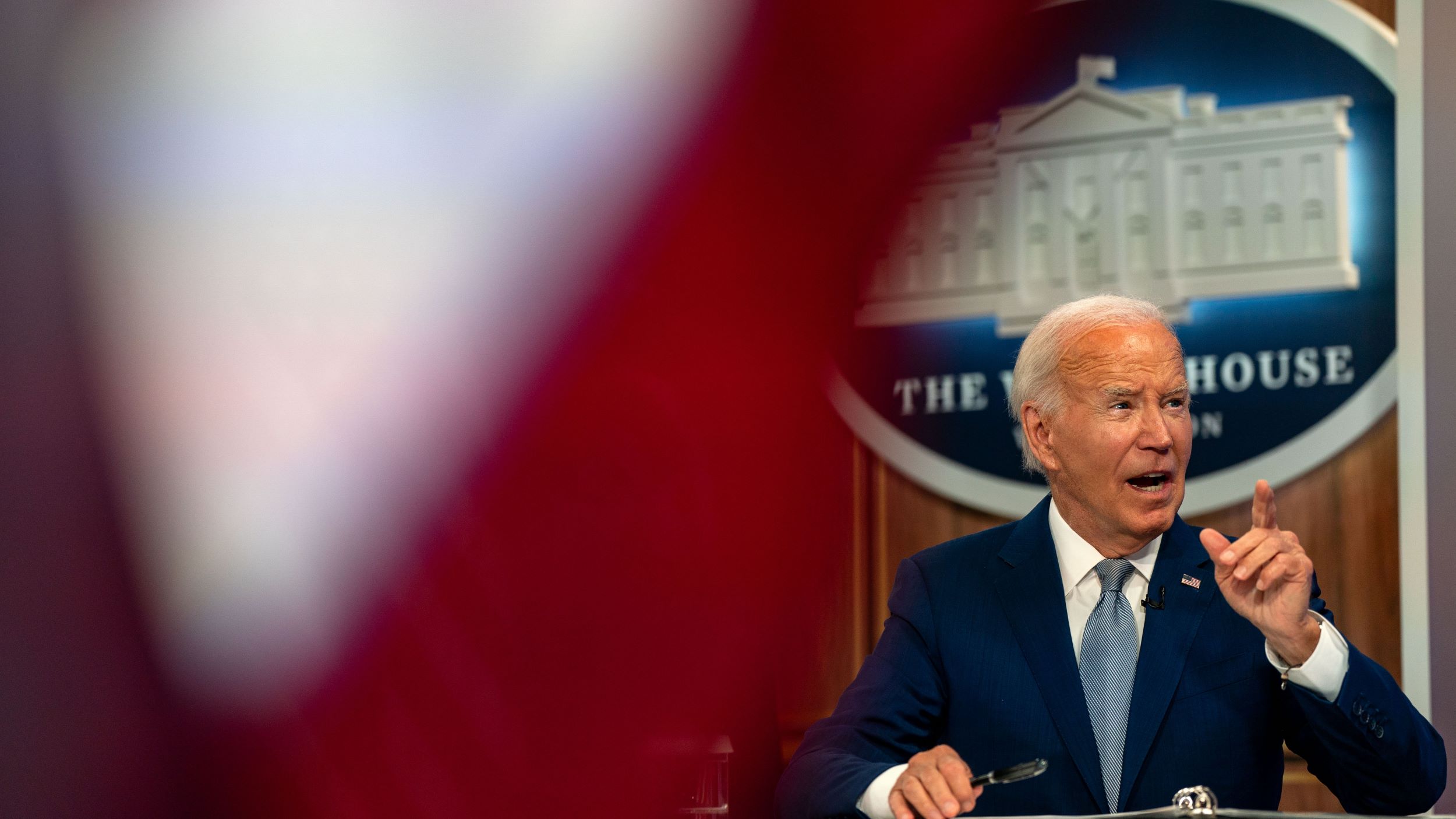
With the Middle East on the brink, how can the US recalibrate its response?
The Middle East teeters on the precipice of a substantial escalation, threatening to more fully draw in Lebanon, Iran, and perhaps other countries. What happens in the coming days, along with the decisions made by adversaries and allies alike, will determine if that happens.
Nato must wake up to Russia’s nuclear power deal with Turkey
Ask Nato’s secretary-general to name the decision of Turkish President Recep Tayyip Erdoğan that irks him the most and he’d probably say purchasing Russia’s S-400 missile defence system. But Nato has an even bigger problem when it comes to Turkey-Russia ties: the Akkuyu nuclear power plant.
As the Middle East becomes more autonomous and empowered domestically, the leaders in the region might consider more synergetic relations with each other and prepare national long-term plans that provide a balanced and integrated approach to social, technological, environmental, economic, and political development and progress.
Pakistan and the Middle East’s evolving approach to Afghanistan
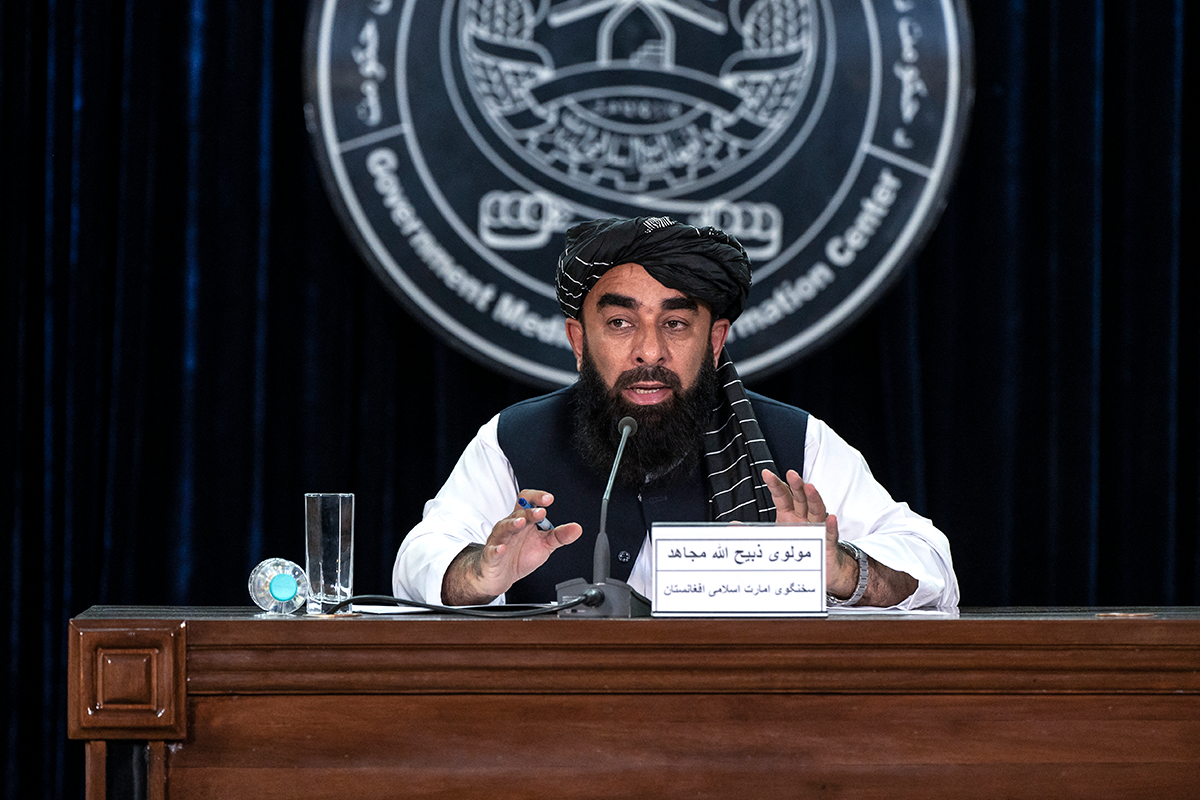
Afghanistan has long been an arena for proxy contestations by regional powers, which have adopted rather divergent Afghan policies over the past several decades of foreign occupation and are doing so again now when the country is in the vicelike grip of a resurgent Taliban.
Powering up: Turkey-Iraq transmission line is part of a broader strategic shift
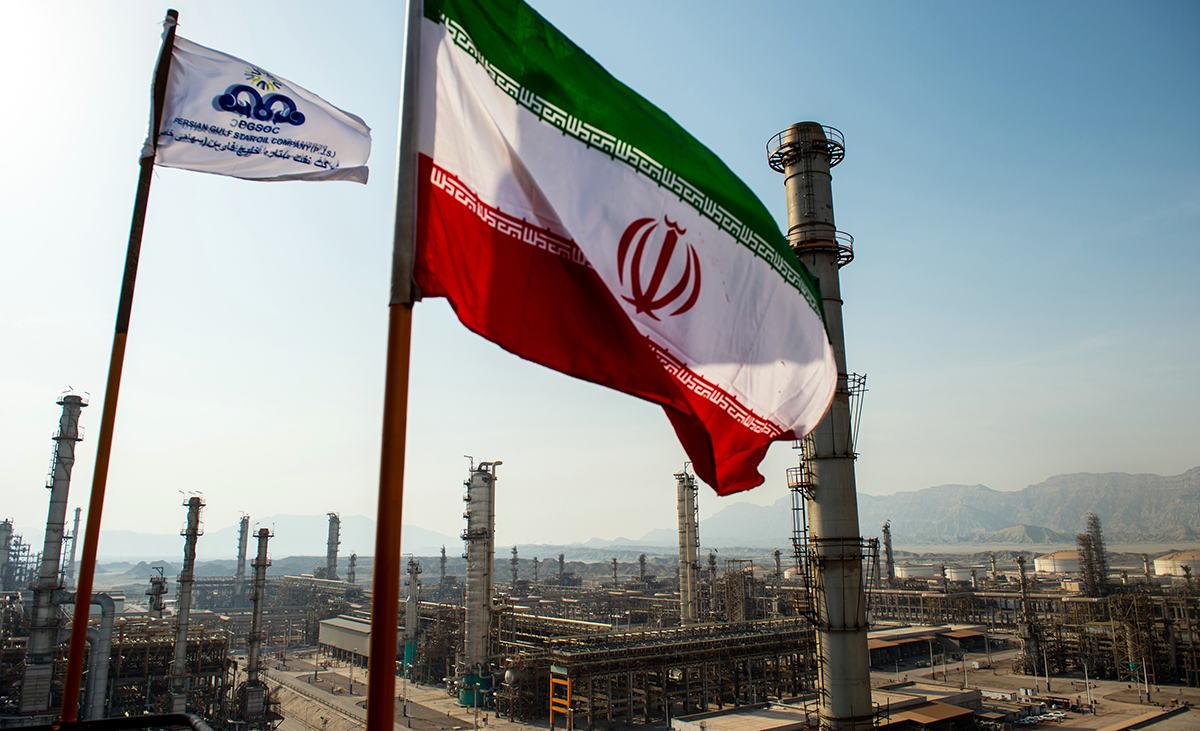
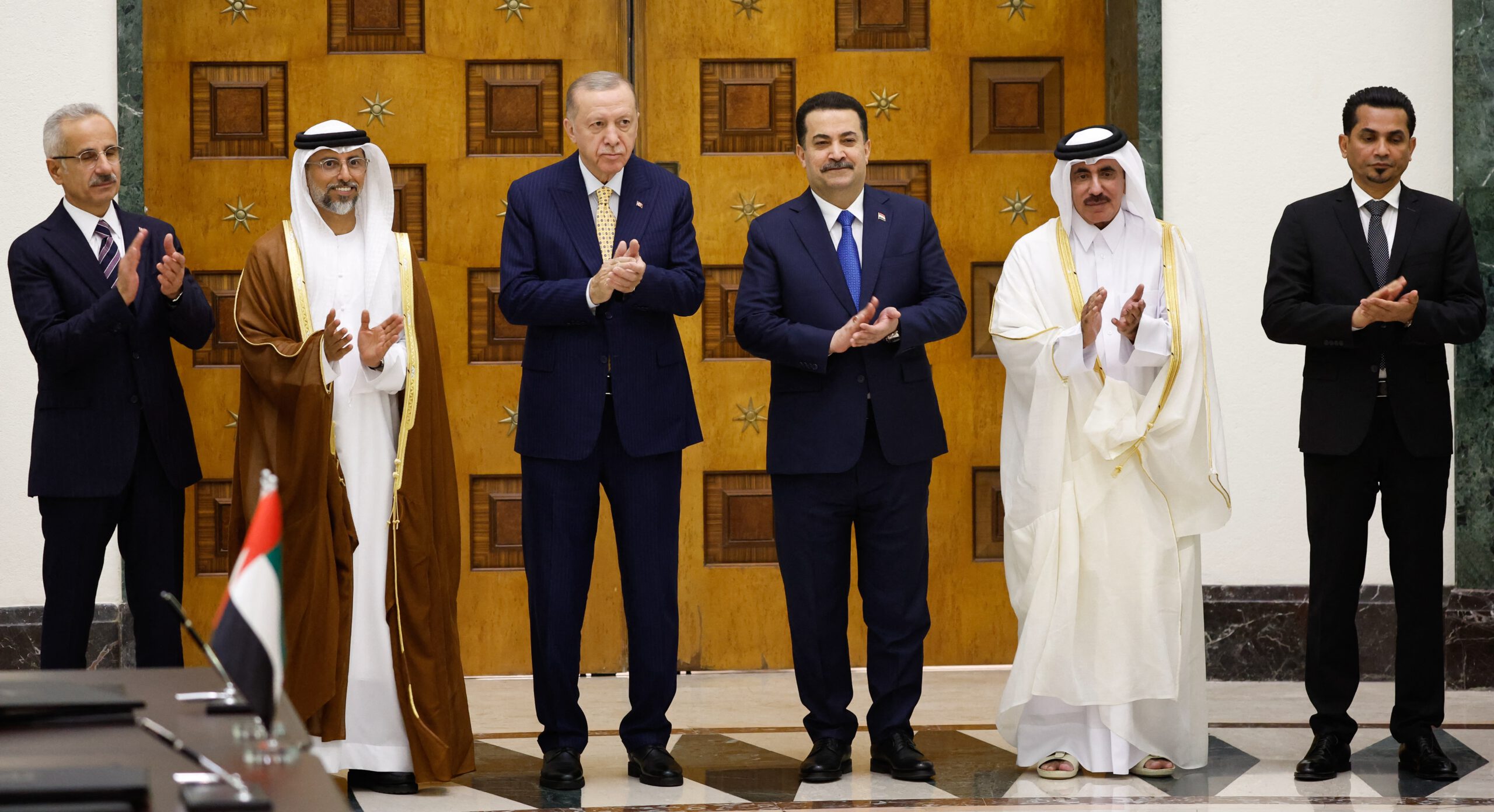
On July 21, 2024, Iraq inaugurated a new power line connecting Turkey and Iraq to handle Turkish electricity imports. Iraq is operationalizing this new power line with the goal of ensuring a more stable energy future, reshaping its geopolitical relationships, and reducing its reliance on Iran.
Monday Briefing: The Middle East is the closest it has ever been to an all-out war
After 10 months of Israel’s war on Gaza, the US administration has lost control over its ally and the fear of its opponents. As a result, Washington has only limited, if any, impact on the cost-benefit escalation calculus of the fighting sides. The Middle East is today the closest it has ever been to an all-out multi-front regional war.
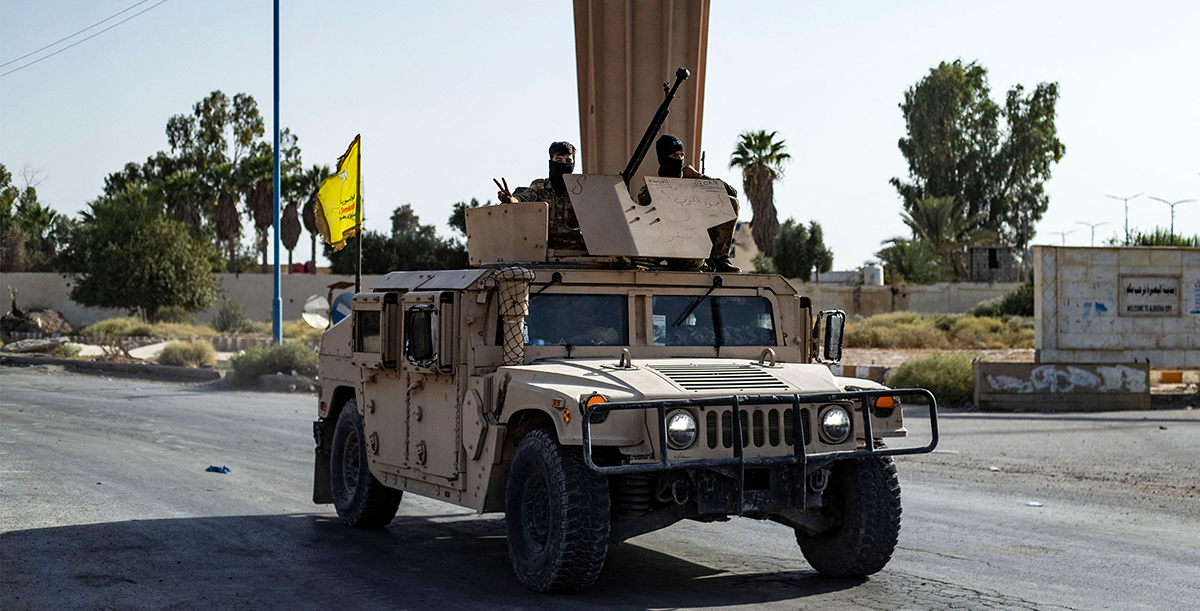
The impact of Turkish-Syrian normalization on the SDF
As speculation continues about a possible Turkish-Syrian normalization, what might such a process mean for the Syrian Democratic Forces (SDF), a close US ally? In a new piece for MEI, Amer al-Ahmed lays out three possible scenarios for the future of the SDF amid normalization.