The Russia-Ukraine war forces Egypt to face the need to feed itself: Infrastructure, international partnerships, and agritech can provide the solutions
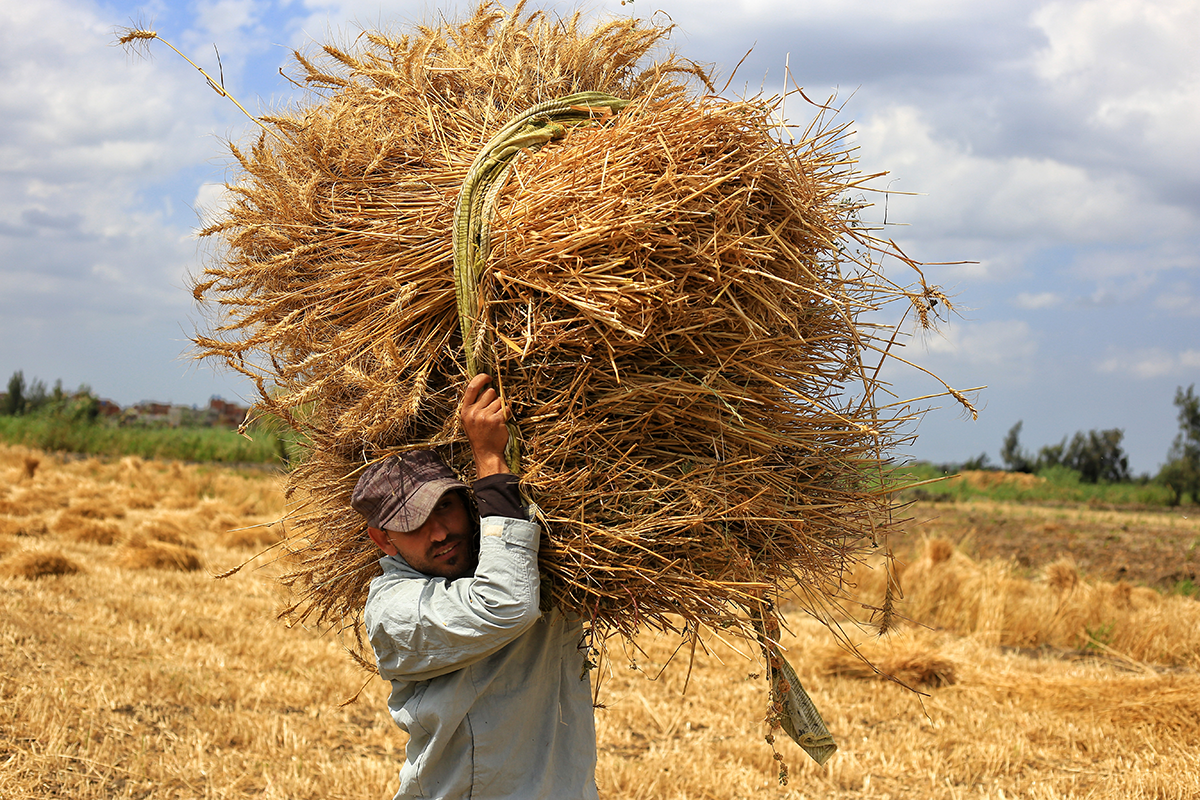
After 500 days of coping with the debilitating impact of Russia’s invasion of Ukraine, Egypt’s economy is faltering. At the core of the crisis is its fragile food security. Now, the Egyptian economy is fast approaching a tipping point and Cairo has no alternative but to boost its domestic agrifood production. In addition to building out its infrastructure, Egypt must also adopt cutting-edge agritech solutions to improve the water-use efficiency of the crops themselves.
Realigning priorities: Egypt's strategic shift toward Qatar, Turkey, and Iran
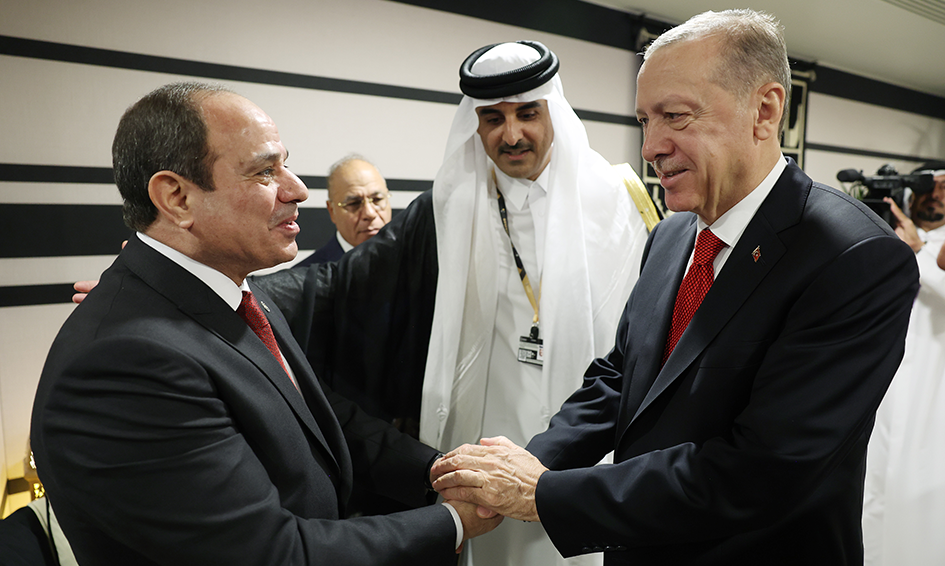
While some analysts attribute Egypt’s realignment toward Turkey, Qatar, and Iran to a change in the foreign policies of its influential allies, the UAE and Saudi Arabia, it can be argued that Egypt’s shift is primarily motivated by its domestic dynamics and its unfulfilled foreign policy objectives between 2014 and 2018. Egypt’s realignment, in that sense, seeks to achieve multiple unmet domestic and regional aims.
The new wave of dealmaking by Gulf sovereign wealth funds
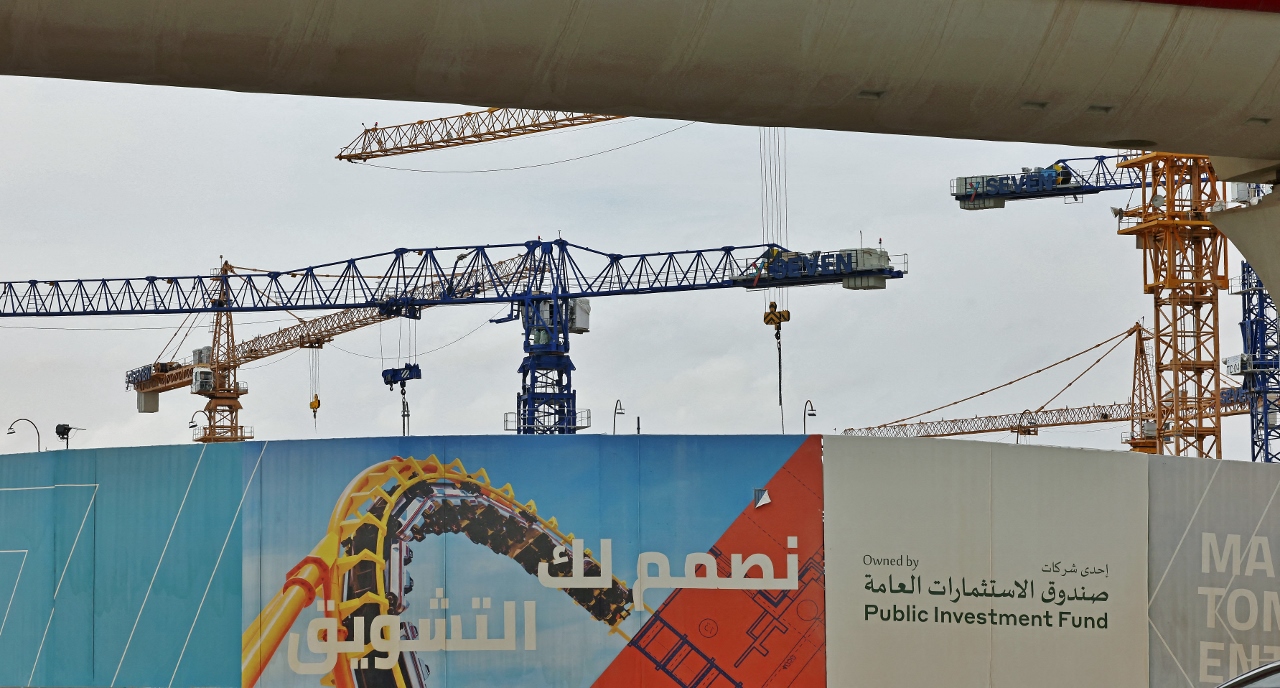
For resource-rich countries such as Gulf oil and natural gas producers, sovereign wealth funds have emerged as promising tools to save for future generations, mitigate the effects of outsized economic shocks, and/or be deployed as reserve investment and strategic development funds to spend on human, natural, social, and physical capital.
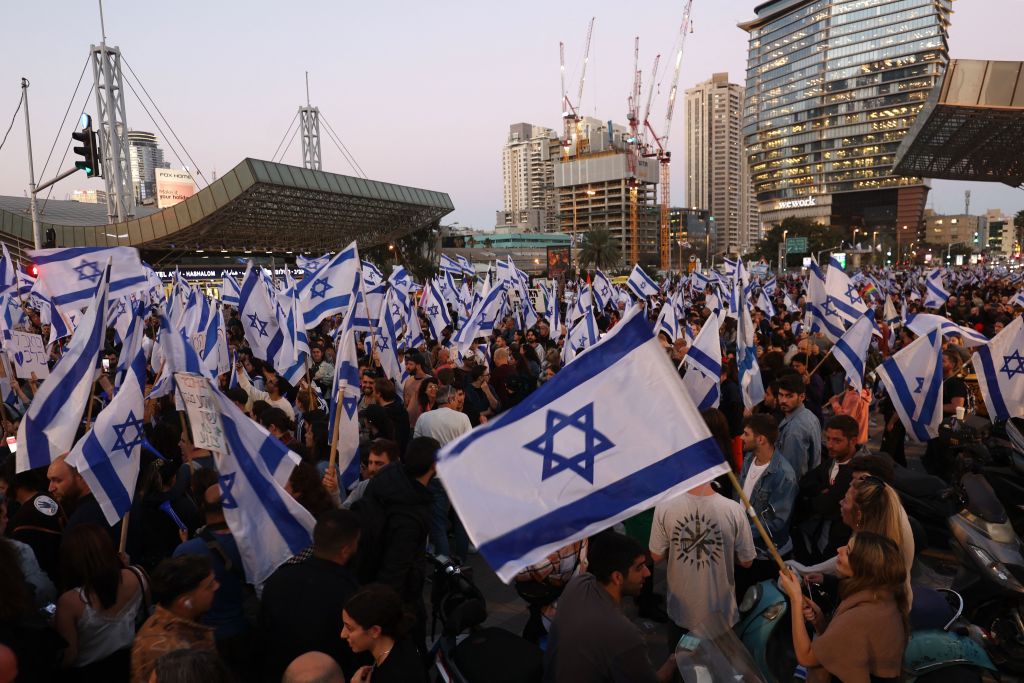
Regional Environmental Cooperation Between Israel and Its Neighbors
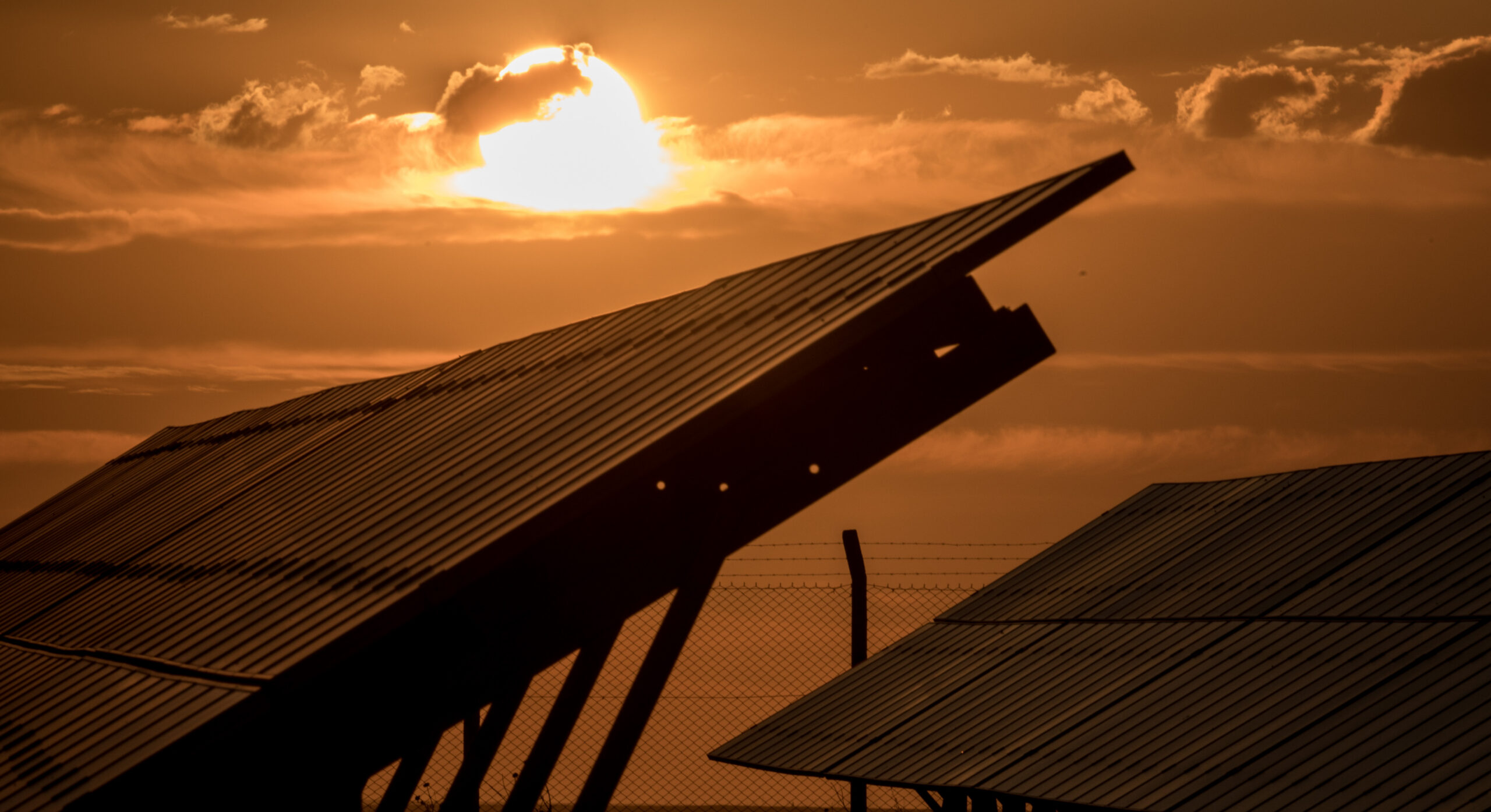
As environmental challenges become a priority for countries across the Middle East and the Mediterranean, this creates new opportunities for regional environmental cooperation, including between Israel and its neighbors. Despite being limited in scope and facing several key obstacles, regional cooperative endeavors are taking place, including on both the bilateral and multilateral levels, and efforts to sustain and expand them are underway. This new report, written under the auspices of the Israel Climate Forum, addresses the importance of regional environmental cooperation in the Middle East and Mediterranean, examines the scope of such cooperation between Israel and its neighbors, and spells out opportunities, obstacles, and recommendations for increased coordination and joint action, including the role the U.S. and Europe can play.
Libya’s ongoing debate over the role of political parties
Libya’s political players have grappled with how to build a political party culture since the country held its first post-Gadhafi elections in 2012. Under Moammar Gadhafi, political organizing was banned. Decades of regime propaganda against outlawed opposition movements made Libyans suspicious of political groups and parties.
Egyptian Engineers’ Syndicate vote sends another warning to government
For the second time in three months, Egyptians have expressed their dissatisfaction — albeit largely symbolically and on a limited scale — with the government’s tight control over nearly all public freedoms. The Engineers’ Syndicate’s vote against a government-selected candidate to head the organization may be pointing to growing public dissatisfaction with the authorities’ policies, both on the economic and political fronts.
The failure of partner-led, US-enabled policy in the Horn of Africa: The case study of Somalia
Rather than addressing the critical gaps in Somalia’s security, President Hassan Sheikh has chosen to prioritize nation-building over state-building, diverting scarce resources needed to stabilize areas liberated from al-Shabaab. The Biden administration has enabled President Sheikh’s nation-building project through its partner-led, U.S.-enabled approach.
Fish Farmers in the Nile River Delta: Empty Lakes and Dirty Waters
Egyptian fish farmers are facing mounting pressures: Year after year, their fish are getting smaller and less healthy, their production decreases, and they are forced to take out loans they are later unable to pay back. The Egyptian government’s recent efforts to invest heavily in aquaculture, though intended to address future food shortages, may only worsen the position of local fish farmers in the Nile Delta by exacerbating the effects of urbanization and climate change while undercutting prices.
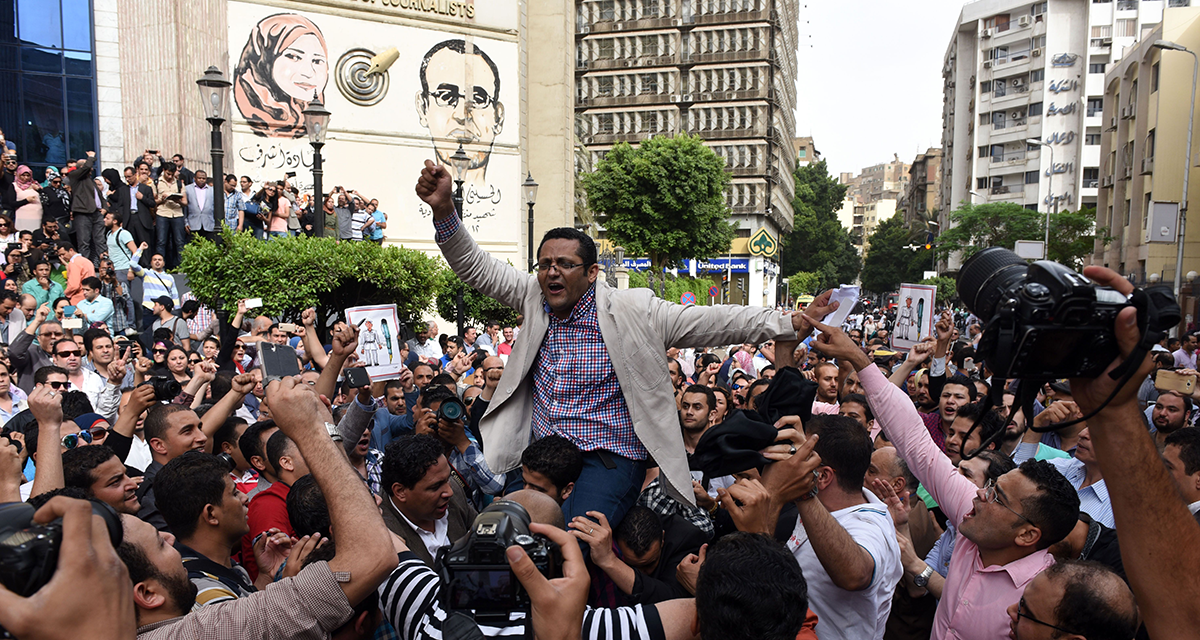
Press Syndicate elections provide a rare chance for Egypt’s journalists to celebrate
Since Egyptian President Abdel-Fattah el-Sisi took office nearly nine years ago, placing all forms of media under total state control has been a top priority. So when seasoned opposition journalist Khaled el-Balshy narrowly won the Egyptian Press Syndicate election on March 17, it was considered a major surprise, and provided a glimmer of hope for weakened opponents that they could still challenge the heavy-handed tactics of the state.
Arab women break boundaries and stereotypes in Middle Eastern militaries
As Women’s History Month in the U.S. draws to a close, women in the armed forces of several Middle Eastern countries continue to achieve historic milestones, with many now serving as pilots, engineers, peacekeepers, and in special forces units. The role of women is steadily increasing as the result of new initiatives, policies, and gradually changing mindsets in the Middle East.