Final Phase of Mosul Battle Begins | Weekly Briefing
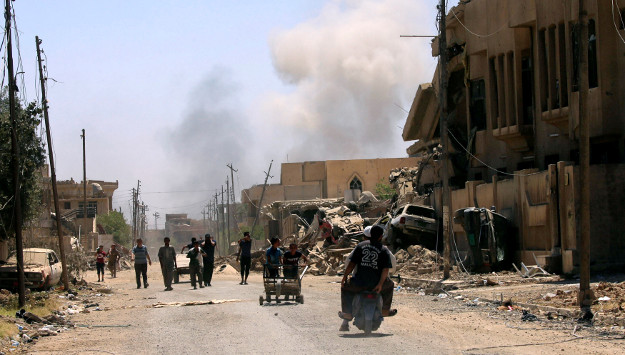
In this week’s Briefing, MEI experts Charles Lister, Gonul Tol, and Gerald Feierstein provide analysis on recent and upcoming events including the beginning of the final phase of the battle to retake Mosul, Germany’s consideration for withdrawing troops from Turkey, and Qatar’s fragile relations within the G.C.C.
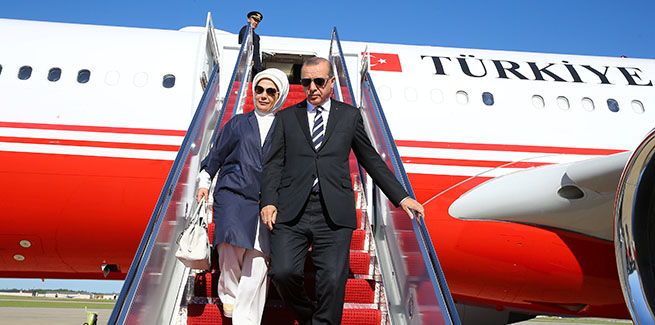
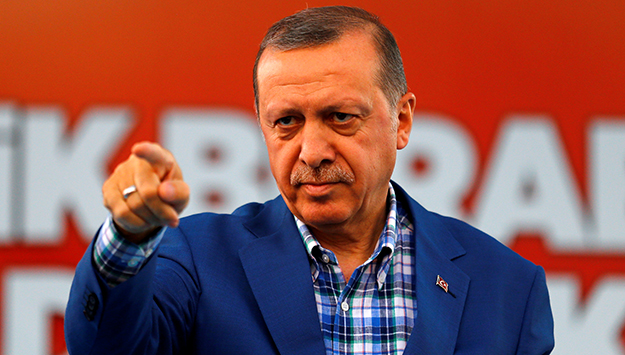
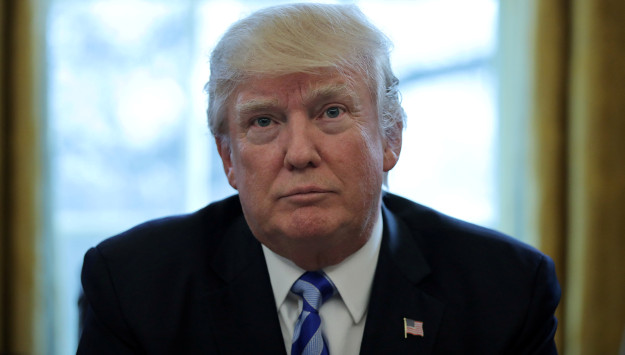
President Recep Tayyip Erdogan will meet President Donald Trump as a frustrated and disappointed man. His hopes for a clean slate after strained relations with President Barack Obama have been dashed as Trump has endorsed his predecessor’s policies against key Turkish demands. Importantly, Trump last week approved an Obama era plan to arm Syrian Kurds in preparation for the upcoming battle to retake Raqqa from ISIS.
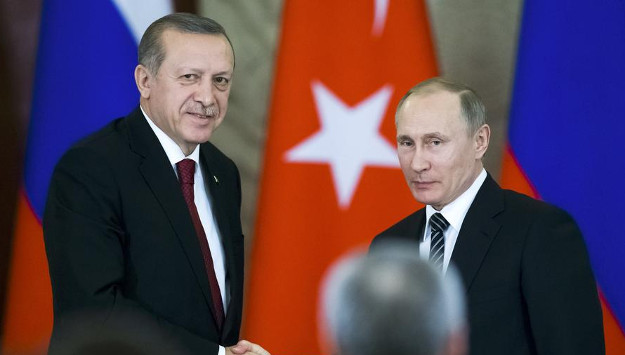
In this week’s Monday Briefing, MEI experts Gonul Tol, Randa Slim, Alex Vatanka, Marvin G. Weinbaum, and Mabrouka M’Barek provide analysis on recent and upcoming events including Turkish President Erdogan’s upcoming meeting with Russian President Putin, the upcoming speech by Hezbollah Secretary General Nasrallah, the suprising popularity of Rouhani’s VP in the Iranian Presidential Race, the Taliban’s new Spring offensive, and protests in Tunisia over a government proposal to give amnesty to the country’s corrupt financial elite.
Turkey's Erdogan Gets His Presidential Wish | Monday Briefing
In this week’s Monday Briefing, MEI experts Gonul Tol, Gerald Feierstein, Alex Vatanka, and Marvin G. Weinbaum provide analysis on recent and upcoming events including the victory of Turkish President Erdogan’s “Yes” constitutional referendum campaign to increase his powers, Secretary of Defense Mattis’ trip to the Middle East, the entry of 1,600 candidates for the upcoming Iranian presidential elections, and the alarming violence in Pakistan against accused “blasphemers”.
On Sunday, Turks will decide their political fate for decades to come. If President Recep Tayyip Erdogan wins, he will reach a new pinnacle in a remarkable career to solidify his unchallengeable rule in Turkey, and cement his role to rival that of Ataturk in modern Turkish history. He will still not be fully satisfied with a victory, if it comes. He will go on to use the win as a platform for securing an historic legacy to guide the Turkish state for the years ahead.
Voices from Turkey: What Locals Think of the Referendum
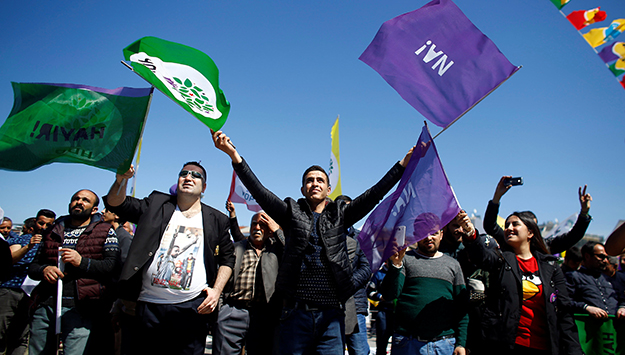
On April 16, Turkish citizens will head to the polls to vote in a landmark referendum on the proposed constitutional changes that, if passed, will transition the country from a parliamentary system to a presidential one. This referendum is the pinnacle of an election cycle that has been in motion since 2014, and has left the country increasingly polarized.
Hezbollah, the Lebanese Sectarian State, and Sectarianism
This essay discusses Hezbollah’s gradual acceptance of Lebanon’s sectarian political system, the means by which it has achieved hegemony over Lebanon’s Shiite population, and how its intervention in Syria has accentuated sectarianism and Sunni-Shiite tensions in Lebanon.
The Aftermath of U.S. Airstrikes in Syria | Monday Briefing
In this week’s Monday Briefing, MEI experts Paul Salem, Randa Slim, Charles Lister, Gonul Tol, and Alex Vatanka provide analysis on recent and upcoming events including the need for an overarching strategy in Syria following U.S. airstrikes, Secretary of State Tillerson’s upcoming visit to Moscow, the likely aftermath of U.S. airstrikes in Syria, Turkey’s growing frustration with U.S. strategy in Syria, and the rise of a hardliner challenger to Rouhani in the upcoming Iranian presidential election.
Strikes on Syria: Game Changer for U.S.-Turkey Relations?
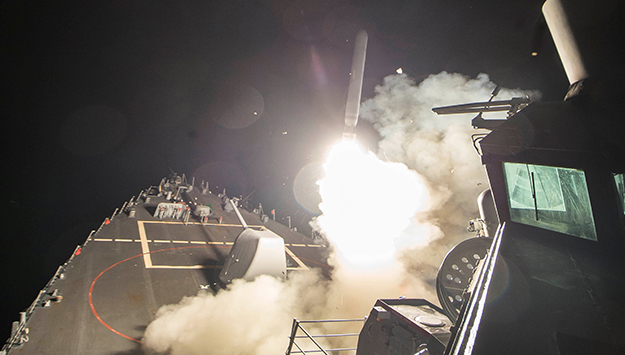
U.S. cruise missile strikes on al-Shayrat airfield northeast of Damascus early April 7 have changed the dynamics of the Syrian war. The strikes were intended as a clear and contained message to the Assad regime that the barbarism of the Syrian government has its limits. It was not a declaration of war by the United States, but it served to delineate last week’s message from the Americans that regime change in Damascus was “not practical”, a message that may have given Bashar al-Assad the impression that he now had a free hand in the war.
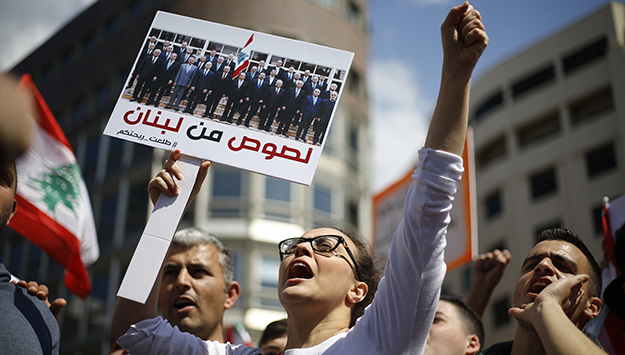
Lebanese protesters were out on the streets again over the weekend, this time against a new national budget that includes a number of tax hikes. The government claims the tax hikes are necessary to fund an overdue pay raise for public sector employees. In a country steeped in overt corruption—Lebanon ranks 136 of 176 states in Transparency International’s Corruption Perception Index—that message was always going to be a tough sell.