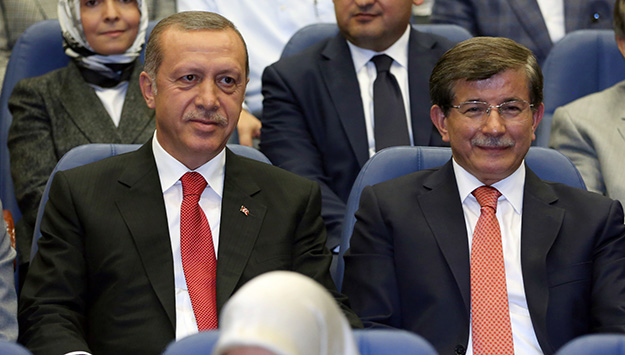
The recent public row between Deputy Prime Minister Bulent Arinc and Ankara Mayor Melih Gokcek marked the latest fallout from a widening rift between the country’s president, Recep Tayyip Erdogan, and his handpicked prime minister, Ahmet Davutoglu. If the crack continues to widen, it will not only deal a blow to Erdogan’s presidential dream but also to the future of the ruling party.
The Egypt Economic Development Conference: Success or Failure?
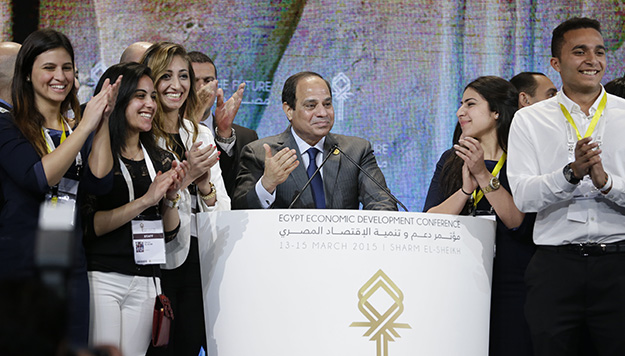
Saudi Arabia’s late King Abdullah first conceived of the Egypt Economic Development Conference (EEDC) as a means of supporting Egypt and its new government after the toppling of President Mohamed Morsi in June 2013. The plan was to provide a forum through which donors could coordinate their economic assistance, and lengthy preparations finally culminated in a well-organized event on March 13-15.
The Egyptian Family House: Fostering Religious Unity
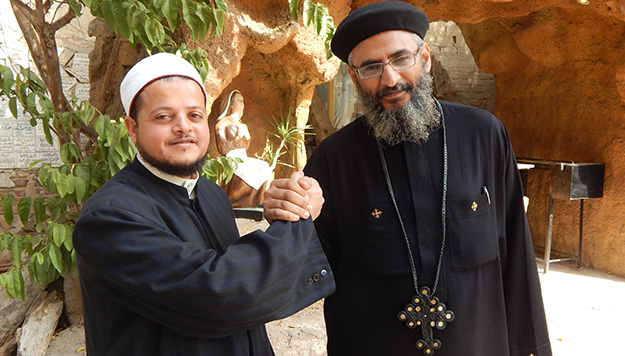
Egypt’s President Abdel Fattah el-Sisi has not been shy about the need to reform religious discourse and relations.[1] He is concerned about how the image of Islam has been marred by Muslims themselves, and how extremist thought has torn the fabric of Muslim-Christian unity. Visiting the Coptic Orthodox cathedral on Christmas Eve, he told the cheering audience, “We will build Egypt together.
Collection Spotlight: In the Name of Oil: Anglo-American Relations in the Middle East, 1950-1958
Ivan L. G. Pearson’s In the Name of Oil: Anglo-American Relations in the Middle East, 1950-1958 provides a comprehensive analysis of the extent to which British interests in the Middle East influenced or were furthered by the United States between 1950 and 1958.
Frustrated Turkey Turns to Onetime Ally Saudi Arabia
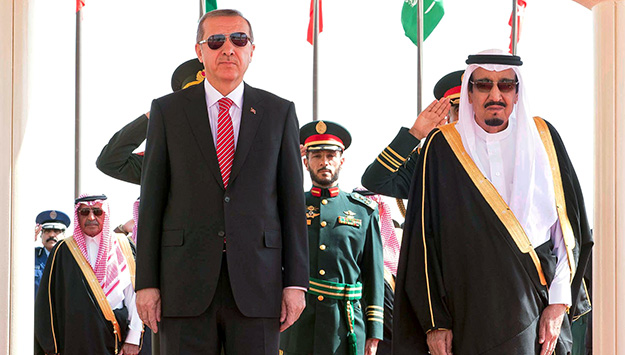
Frustrated by the United States’ failure to heed its advice on Syria and Iraq, and by Iran’s growing clout in these countries, Turkey seems to have decided to mend its frosty relationship with Saudi Arabia. When King Abdullah died earlier this year, Turkish President Recep Tayyip Erdogan immediately cut short an African tour and flew to Riyadh to offer his condolences. He declared a period of mourning in Turkey and ordered the Turkish flag to be flown at half-mast.
The Egypt Economic Conference: Q&A with Hoda Selim
Egypt’s Economic Development Conference will be held in Sharm el-Sheikh March 13-15, 2015. The conference aims to lay out the Egyptian government’s economic vision and plans for reform and position Egypt as a desirable destination for international investment. We spoke with Hoda Selim, an economist at Egypt’s Economic Research Forum, about the country’s current economic position and how the conference could help.
On March 13, Egyptian President Abdel Fattah el-Sisi will inaugurate the Egypt Economic Development Conference in the resort city of Sharm el-Sheikh. The main objective of the conference is to put Egypt back on the world investment map. Sisi’s government is aiming to achieve a target of $60 billion of foreign investment in the coming five years. This ambitious amount would close Egypt’s resource gap and would generate sufficient growth to absorb growing unemployment.
Could Kurds Be the Liberal Alternative Turks Have Been Looking For?
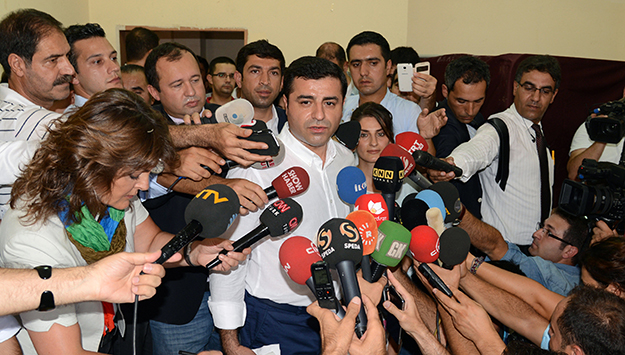
Turkey’s first tangible democratic push came from the Islamist camp in 2002 when the Islamist-rooted Justice and Development Party (AKP) came to power. The second could come from an unlikely source: the Kurds.
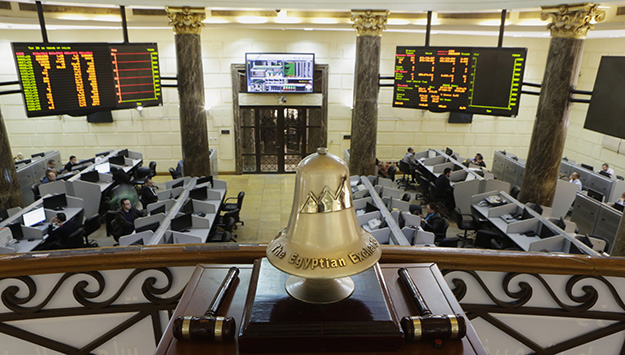
As 2014 drew to a close, the Egyptian economy was making international headlines. The Financial Times called Egypt the world’s best destination for stock market investment.[1] Meanwhile, the Egyptian press documented a flurry of visits by delegations of businessmen from various economic superpowers.
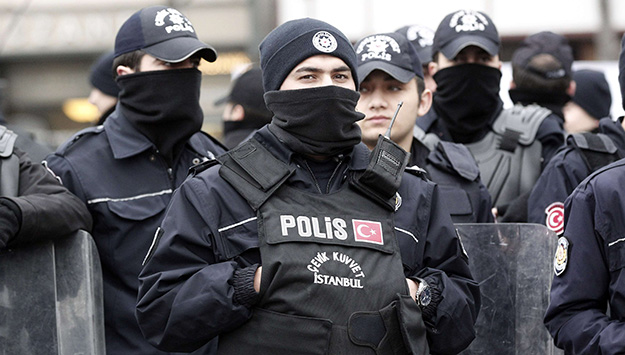
Turkey is in an unprecedented state of political tumult. Since the ascent of Recep Tayyip Erdogan’s Justice and Development Party (AKP) to power in 2002, all Turks have struggled to support, defeat, or accommodate this party that rose suddenly in free elections to national power. Now, that contest has entered a new and more dangerous phase.
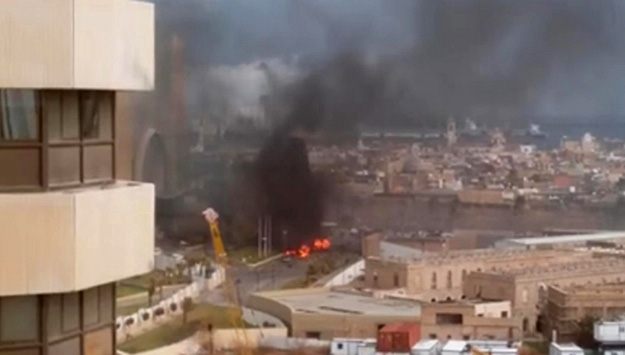
“Crises left to fester sometimes find their own way to the front burner.” Written on January 5, 2015, this sentence reflected my fear that starving Libya of high-profile international attention was increasingly risky. The beheading of 21 Egyptian Coptic Christians in Libya by Islamic State (ISIS) extremists this week appears to have placed the situation in Libya front and center.
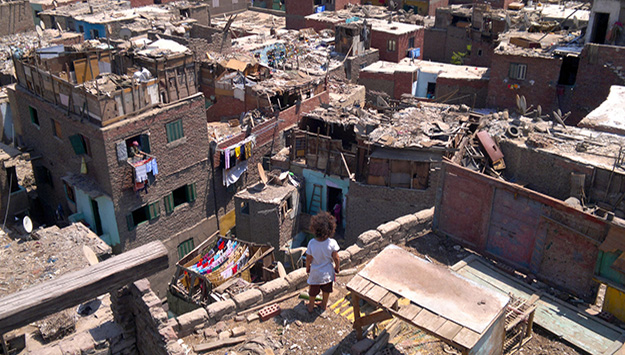
The government of former Egyptian President Hosni Mubarak had a vision for Cairo’s future. In 2007, it put forth a plan dubbed “Cairo 2050,” and among its objectives was to create wide avenues, green spaces, and new or revamped tourist sites, such as near the Pyramids.
Egypt's Security Challenge: ISIS, Sinai, and the Libyan Border
On January 28, 2015, jihadis in Sinai launched multiple, simultaneous attacks against Egyptian security forces in the vicinity of El Arish and the nearby towns of Sheikh Zuweid and Rafah. These attacks occurred only hours after President Abdul-Fattah el-Sisi said that he would die defending the region from terror. “We will never leave Sinai,” Sisi said. “Sinai is ours.
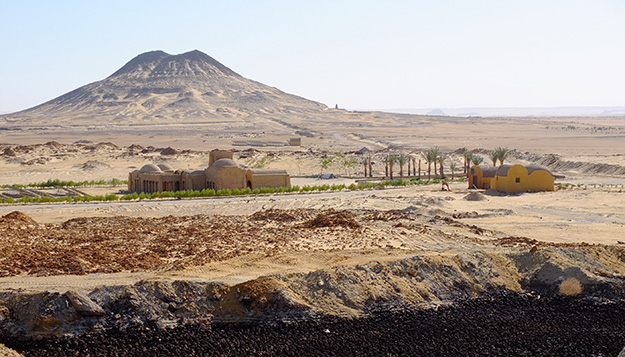
At the Bahariya Oasis 235 miles southwest of Cairo, the mountains of the Western Desert are interrupted by vast circular patterns of greenery. On one of these large farms, in striking contrast to the ancient, wind-shaped sandstone in the background, solar panels stand in neat rows. Here at the center of the largest hyper-arid region on earth, KarmSolar, a three-year-old Egyptian solar energy start-up company, has built its headquarters.

 Ivan L. G. Pearson’s In the Name of Oil: Anglo-American Relations in the Middle East, 1950-1958 provides a comprehensive analysis of the extent to which British interests in the Middle East influenced or were furthered by the United States between 1950 and 1958.