The Middle East in China’s Silk Road Visions: Business as Usual?
Chinese President Xi Jinping’s 2013 proclamation of the Silk Road Economic Belt (“One Belt, One Road”) and Twenty-First Century Maritime Silk Road initiatives provided an overarching framework for understanding China’s strategic priorities over the coming decade. The land-based and sea-based Silk Roads will link Asia and Europe via the Middle East and Central Asia through a series of transcontinental railroads, pipelines, ports, airports, and other infrastructure projects.
Robert Baer’s See No Evil presents a firsthand account of the life of a CIA case officer in the war on terror. From recruiting agents in the volatile Bekaa Valley in Lebanon to wiretapping Abu Nidal students in France, Baer provides a fascinating description of his CIA service.
The recent public row between Deputy Prime Minister Bulent Arinc and Ankara Mayor Melih Gokcek marked the latest fallout from a widening rift between the country’s president, Recep Tayyip Erdogan, and his handpicked prime minister, Ahmet Davutoglu. If the crack continues to widen, it will not only deal a blow to Erdogan’s presidential dream but also to the future of the ruling party.
Collection Spotlight: In the Name of Oil: Anglo-American Relations in the Middle East, 1950-1958
Ivan L. G. Pearson’s In the Name of Oil: Anglo-American Relations in the Middle East, 1950-1958 provides a comprehensive analysis of the extent to which British interests in the Middle East influenced or were furthered by the United States between 1950 and 1958.
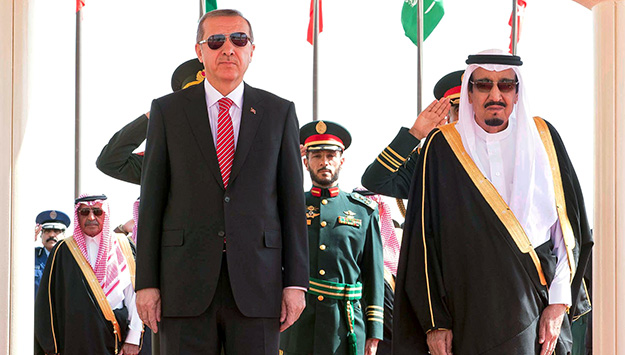
Frustrated Turkey Turns to Onetime Ally Saudi Arabia
Frustrated by the United States’ failure to heed its advice on Syria and Iraq, and by Iran’s growing clout in these countries, Turkey seems to have decided to mend its frosty relationship with Saudi Arabia. When King Abdullah died earlier this year, Turkish President Recep Tayyip Erdogan immediately cut short an African tour and flew to Riyadh to offer his condolences. He declared a period of mourning in Turkey and ordered the Turkish flag to be flown at half-mast.
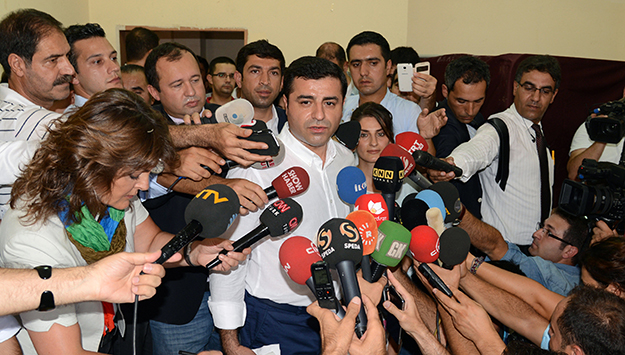
Could Kurds Be the Liberal Alternative Turks Have Been Looking For?
Turkey’s first tangible democratic push came from the Islamist camp in 2002 when the Islamist-rooted Justice and Development Party (AKP) came to power. The second could come from an unlikely source: the Kurds.
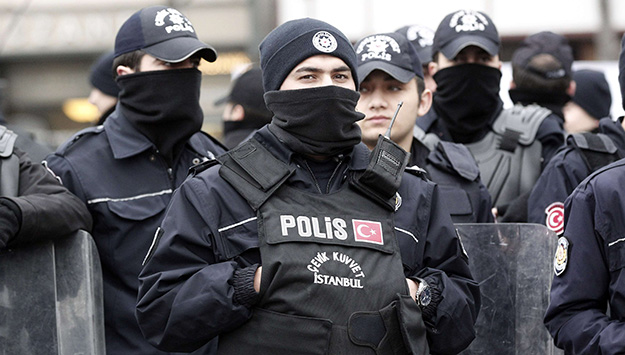
Turkey is in an unprecedented state of political tumult. Since the ascent of Recep Tayyip Erdogan’s Justice and Development Party (AKP) to power in 2002, all Turks have struggled to support, defeat, or accommodate this party that rose suddenly in free elections to national power. Now, that contest has entered a new and more dangerous phase.
Drug Use and Harm Reduction in the MENA Region and in Lebanon
Repressive policies that stigmatize and punish drug users have tended to exacerbate social problems rather than mitigate them. In contrast, harm reduction (HR) approaches to drug use have been shown to prevent the spread of blood-borne viruses (such as HIV, HBV, and HCV), thereby lowering morbidity and mortality rates. Over the past 15 years, many HR initiatives have been launched in the MENA region, including Lebanon. However, continued progress in HIV prevention will require more structured and comprehensive HR interventions, adjusted to the needs of local populations.
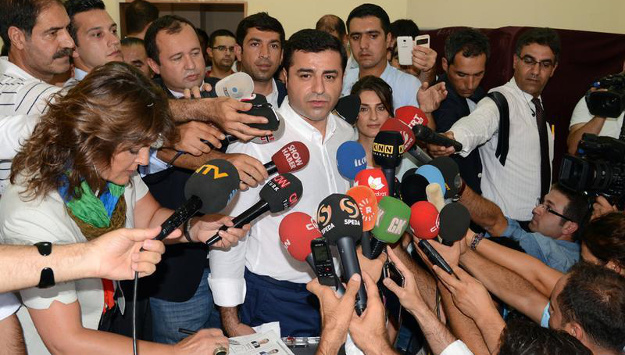
Turkey’s Kurds are playing a risky game. If they succeed, they can boost the country’s troubled democracy. If they fail, a further drift toward authoritarianism will follow.
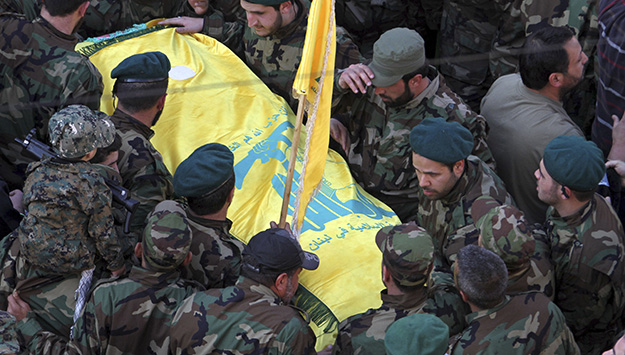
An Israeli helicopter fired rockets on a convoy in the Golan Heights on January 18, killing six members of Hezbollah and an Iranian general. MEI’s Randa Slim explains the context surrounding the attack and the likely repercussions.
Why did Israel choose this time to attack Hezbollah and Iranian targets in the Golan Heights?
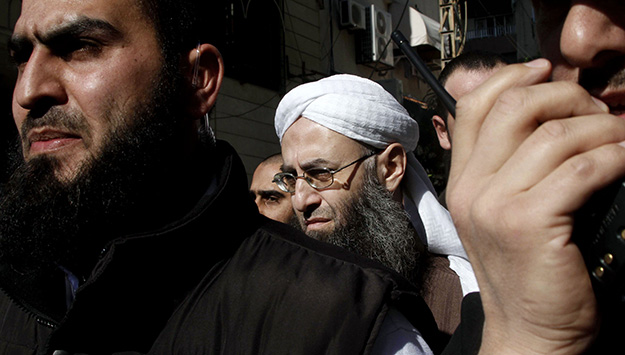
As fears of an ISIS surge in northern Lebanon continue to rise, it is important to have a balanced perspective on the makeup of current Lebanese Sunni Islamist groups. I recently spent three months conducting fieldwork in Lebanon, interviewing representatives from a wide variety of Islamist groups. I present my findings below.
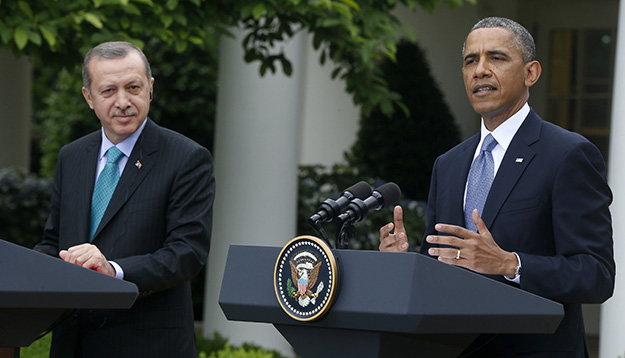
Washington-Ankara Tensions Will Shape Obama’s Legacy in Turkey
This paper is part of an MEI scholar series, titled “Obama’s Legacy in the Middle East: Passing the Baton in 2017.” Click here to view the full project, or navigate using the table of contents to the right.
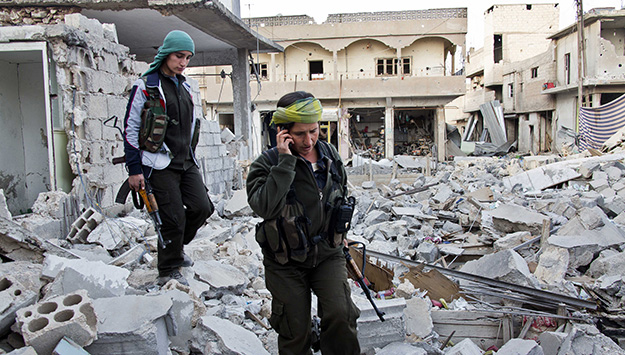
In the ongoing fighting in and around Kobani in northern Syria, it appears likely that the defending Kurdish forces will ultimately prevail and be able to expel the Islamic State (ISIS). However, in order to enable refugees to return, substantial aid and reconstruction efforts will be needed, and more benign Turkish border policies are essential in the meantime.
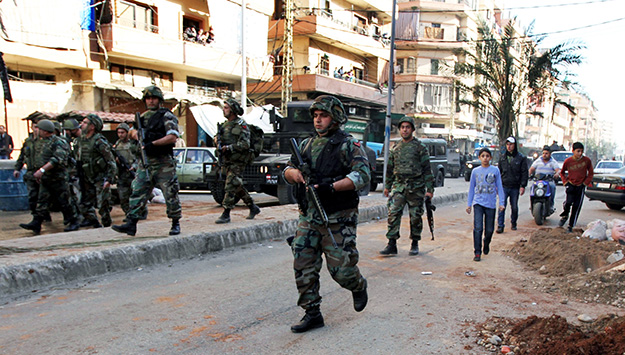
The Syrian Conflict and the Ascendancy of the Lebanese Armed Forces
In the past, the Lebanese Armed Forces’ (LAF) inability to confront or deter Israel was reflected as political weakness for the Lebanese government vis-à-vis Hezbollah. Israel’s withdrawal from south Lebanon in 2000 heralded a growing political role for Hezbollah. This role was further enhanced by the 2006 war with Israel, with Hezbollah claiming victory and consolidating its influence within the LAF and the government.

 Robert Baer’s See No Evil presents a firsthand account of the life of a CIA case officer in the war on terror. From recruiting agents in the volatile Bekaa Valley in Lebanon to wiretapping Abu Nidal students in France, Baer provides a fascinating description of his CIA service.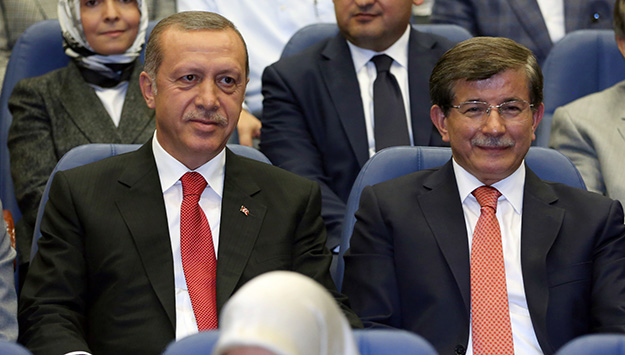
 Ivan L. G. Pearson’s In the Name of Oil: Anglo-American Relations in the Middle East, 1950-1958 provides a comprehensive analysis of the extent to which British interests in the Middle East influenced or were furthered by the United States between 1950 and 1958.