Skip to Content

Research & Commentary Results

Filter by
1011 Results
America moves closer to the brink of maximum uncertainty at home and abroad
Photo by Ronoldo Schemidt/AFP via Getty Images
  • Analysis
  • America moves closer to the brink of maximum uncertainty at home and abroad

    The spotlight in America this week is trained on the home front, with growing tensions inside the country over President Donald Trump’s immigration crackdown and a showdown unfolding on the streets of Los Angeles. At times like these, the rest of the world has a way of intruding, sometimes unexpectedly, and Trump 2.0’s foreign policy is still struggling to produce a major positive outcome from its frenetic activity trying to end kinetic wars while prosecuting an unprecedented economic war with much of the rest of the world.

    Saudi Arabia’s AI ambition, and what it means for the United States
    Photo by Win McNamee/Getty Images
  • Analysis
  • Saudi Arabia’s AI ambition, and what it means for the United States

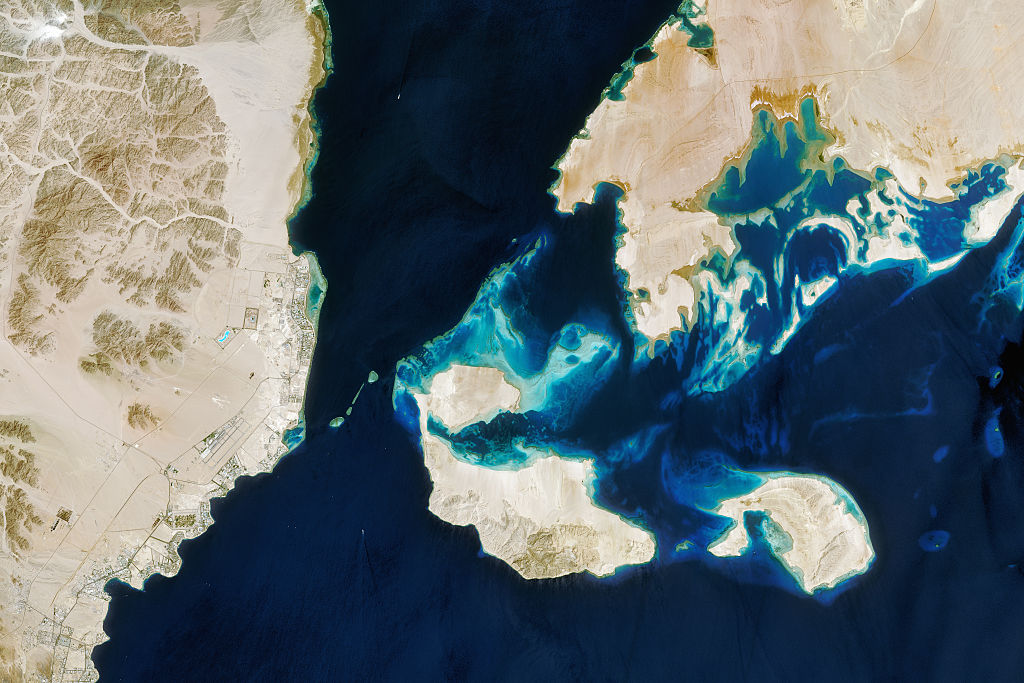
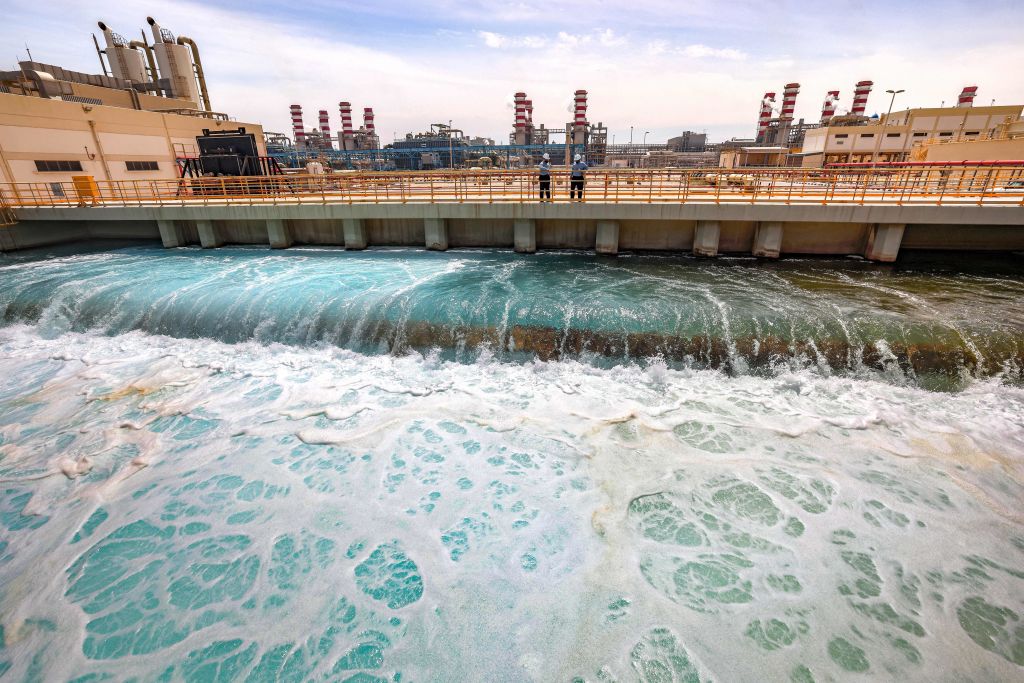
    A day before Air Force One touched down in Riyadh to kick off US President Donald Trump’s three-country tour of the Gulf, Saudi Arabia made a pivotal announcement. The kingdom, long synonymous with oil, revealed a major investment in artificial intelligence (AI) through its newly launched company, HumAIn. This pivot, explicitly timed to coincide with Trump’s visit starting on May 13, and in anticipation of the signing of multiple tech deals between US and Gulf firms during the trip, signaled a profound shift in US-Saudi relations — from a traditional oil-for-security alliance to a partnership centered on AI and digital infrastructure.

    The downside oil market risks of a new Iran deal
    Photo by Morteza Nikoubazl/NurPhoto via Getty Images
  • Analysis
  • The downside oil market risks of a new Iran deal

    Near-term progress in a renewed nuclear agreement between the United States and Iran could add further downward pressure to a delicate oil market, potentially heralding more fiscal pain for Gulf oil producers and complicating US energy strategy.

    AI, Tech, and the Future of US-Gulf Relations
  • Podcast
  • AI, Tech, and the Future of US-Gulf Relations

    Hosts Alistair Taylor and Matthew Czekaj speak with MEI Senior Fellow Mohammed Soliman about President Donald Trump’s recent trip to Saudi Arabia, the UAE, and Qatar, which yielded a wave of major US-Gulf tech and AI deals. Soliman explains how these partnerships mark a shift in the relationship—from oil and arms to compute power and data infrastructure—and what it means for the Gulf’s strategic role in the global AI ecosystem.

    May 22, 2025

    Back to reality: Gravity remains in place after Trump’s trip
    Photo by Bahsar Taleb/AFP via Getty Images (2385)
  • Analysis
  • Back to reality: Gravity remains in place after Trump’s trip

    The harsh realities of the region’s threats and challenges, like Iran and the Gaza war, stubbornly persist following the pomp and circumstance of Trump’s “spring bling” tour, which featured eye-popping dollar figures and an offer of a luxury jumbo jet from Qatar.

    US-Houthi Ceasefire Deal & the Future of Red Sea Security
  • Podcast
  • US-Houthi Ceasefire Deal & the Future of Red Sea Security

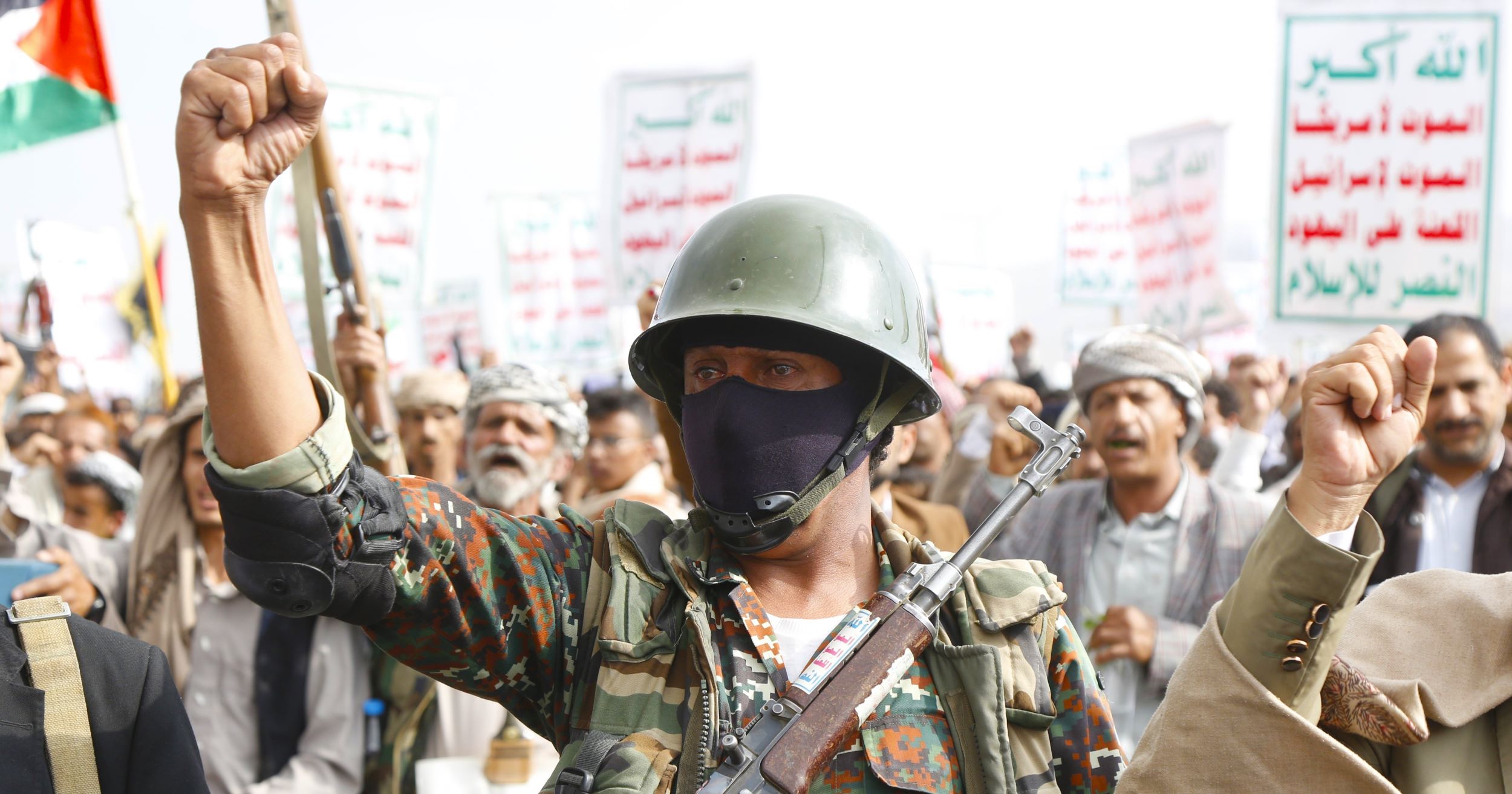
    The sudden announcement of a US-Houthi ceasefire, brokered by Oman, has halted Washington’s air campaign in Yemen and raised urgent questions about the future of Red Sea security. What prompted the deal, and what are its implications for maritime shipping, regional alliances, and the trajectory of Yemen’s civil war? This episode explores the strategic motivations behind the ceasefire, the role of Iran and Saudi Arabia, and how the Houthis could leverage the pause to regroup and expand their influence across the Horn of Africa.

    May 15, 2025

    A midstream appraisal of Trump’s historic Middle East trip
    Photo by BRENDAN SMIALOWSKI/AFP via Getty Images
  • Analysis
  • A midstream appraisal of Trump’s historic Middle East trip

    One of the strategic thrusts of the opening months of Trump’s second terms has been aimed at deepening America’s economic engagement with the leading economies of the Gulf. Thus, the first leg of his trip to the region resulted in a template for deeper US-Saudi ties.

    Trump travels to a Middle East in transition
    U.S. President Donald Trump boards Air Force One on May 12, 2025, at Joint Base Andrews, Maryland. President Trump is traveling to Saudi Arabia, the first stop on his four-day Middle East visit and the first international trip of his second term. Photo by Win McNamee/Getty Images
  • Analysis
  • Trump travels to a Middle East in transition

    This week, US President Donald Trump makes his inaugural visit to the Middle East since the start of his second term, traveling to Saudi Arabia, Qatar, and the United Arab Emirates on May 13-16. Amid the heightened focus on US policy toward the Middle East, MEI’s experts take stock of Trump’s trip to the Gulf, how his administration has shaped its approach to the wider region in its first several months, and how regional actors are responding to the policies coming out of Washington.

    Trump’s Gulf Visit: Strategic Stakes and Symbolic Optics
  • Podcast
  • Trump’s Gulf Visit: Strategic Stakes and Symbolic Optics

    President Donald Trump is heading to Saudi Arabia, Qatar, and the UAE on his first foreign trip of his second term, with major investment deals, defense cooperation, and tech diplomacy on the agenda. What are the Gulf states hoping to gain, and what does the trip signal about US policy in the region? Alistair Taylor speaks with Dr. Ibrahim al-Assil, Senior Fellow at MEI, about the goals of the visit, the geopolitical and economic dynamics at play, and how regional powers are navigating a complex landscape shaped by Iran, China, AI ambitions, and the crisis in Gaza.

    May 8, 2025

    US Policy in the Middle East: A Report Card
    Photo by Andrew Harnik/Getty Images
  • Report
  • US Policy in the Middle East: A Report Card

    President Donald J. Trump’s trip to the Middle East on May 13-16 comes on the heels of more than three months of whirlwind activity in US foreign policy where the region has been a higher priority than it was in the early months of the previous US administration. The US president has gained attention by proposing some provocative ideas and his team has made some signs of progress in talks with Iran, but thus far the second Trump administration has produced very few tangible advances for stability, prosperity, and progress in the Middle East. The following report assesses the US government’s actions on Middle East policy over the past three months, from late January to late April 2025.

    Realigning US-Saudi relations for the AI era
    FAYEZ NURELDINE/AFP via Getty Images
  • Analysis
  • Realigning US-Saudi relations for the AI era

    As Saudi Arabia accelerates its transformation into a global technology powerhouse, the United States has a pivotal opportunity to redefine its partnership with the kingdom. Moving beyond the traditional oil-for-security framework, a new partnership centered on artificial intelligence and digital infrastructure can anchor US-Saudi relations in the 21st century.​

    Trump’s domestic political support craters at the 100-day mark before his Middle East trip
    Photo by Bill Pugliano/Getty Images
  • Analysis
  • Trump’s domestic political support craters at the 100-day mark before his Middle East trip

    President Donald Trump reached the 100-day mark in his second term this week seeing a sharp drop in his domestic political standing. This comes less than two weeks before Trump embarks on a key Middle East trip to the Gulf. The administration may be looking to the presidential visit as a chance to achieve some progress, but the region remains fraught with uncertainty and US policy in the Middle East rarely provides domestic political dividends.

    5 key factors shaping Iran’s foreign policy calculus
    Photo by Fatemeh Bahrami/Anadolu via Getty Images
  • Analysis
  • 5 key factors shaping Iran’s foreign policy calculus

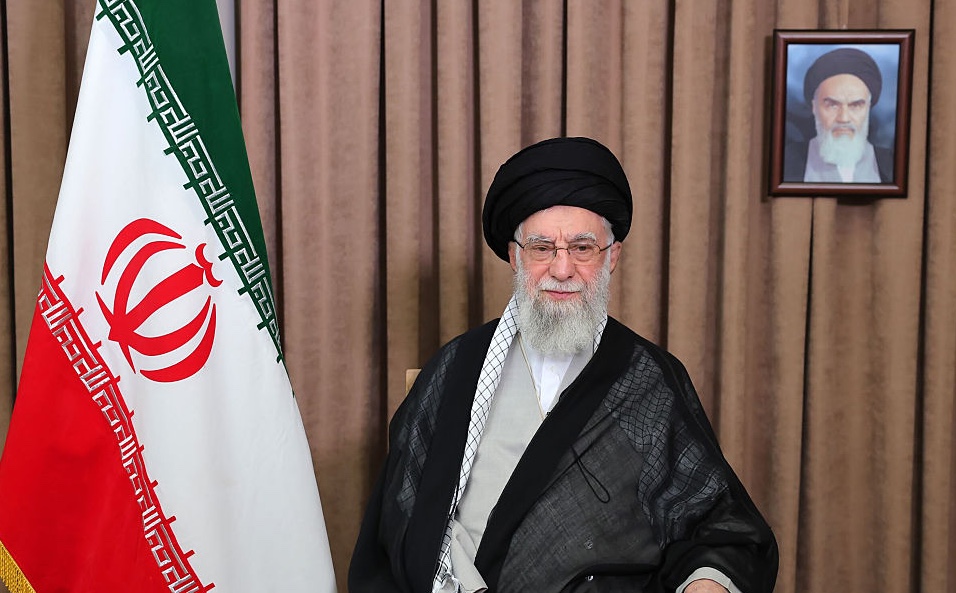
    Iran appears to be reorienting its approach to diplomatic engagement with its neighbors and the West by prioritizing the economic benefits of cooperation. A possible withdrawal of support for the Houthis is the latest significant potential outcome of Iran’s shifting stance. The following are five factors to watch for as a Tehran under duress reformulates its policies.

    Could Russia support US-Iran negotiations? The risks outweigh the benefits.
    Photo by Yevgeny Biyatov/Sputnik/AFP via Getty Images
  • Analysis
  • Could Russia support US-Iran negotiations? The risks outweigh the benefits.

    President Donald Trump wants a deal with Iran. Russia has offered to mediate. But an agreement negotiated by Moscow would turn the Middle East upside down as well as negate years of Western efforts to impede and deter further aggression by the Kremlin.