The taboo of regret: Iranian reflections on the seizure of the US embassy in 1979
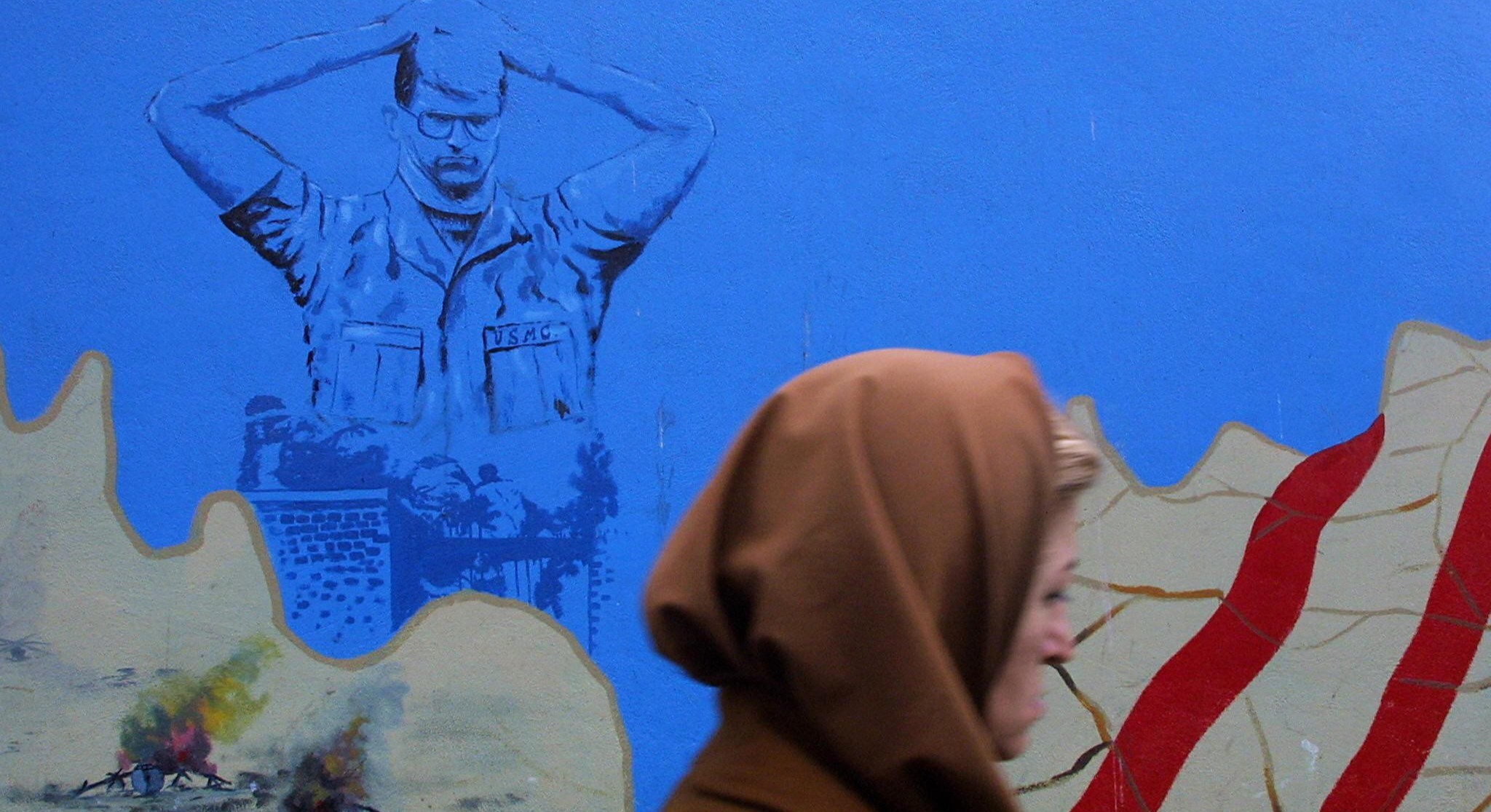
For decades, the 1979 takeover of the US Embassy in Tehran has symbolized the righteousness of the Islamic Republic of Iran’s revolutionary defiance and the legitimacy of “resistance” as state ideology. To question it is to pry open the logic of the entire enterprise.
US Policy in the Middle East: Third Quarter 2025 Report Card
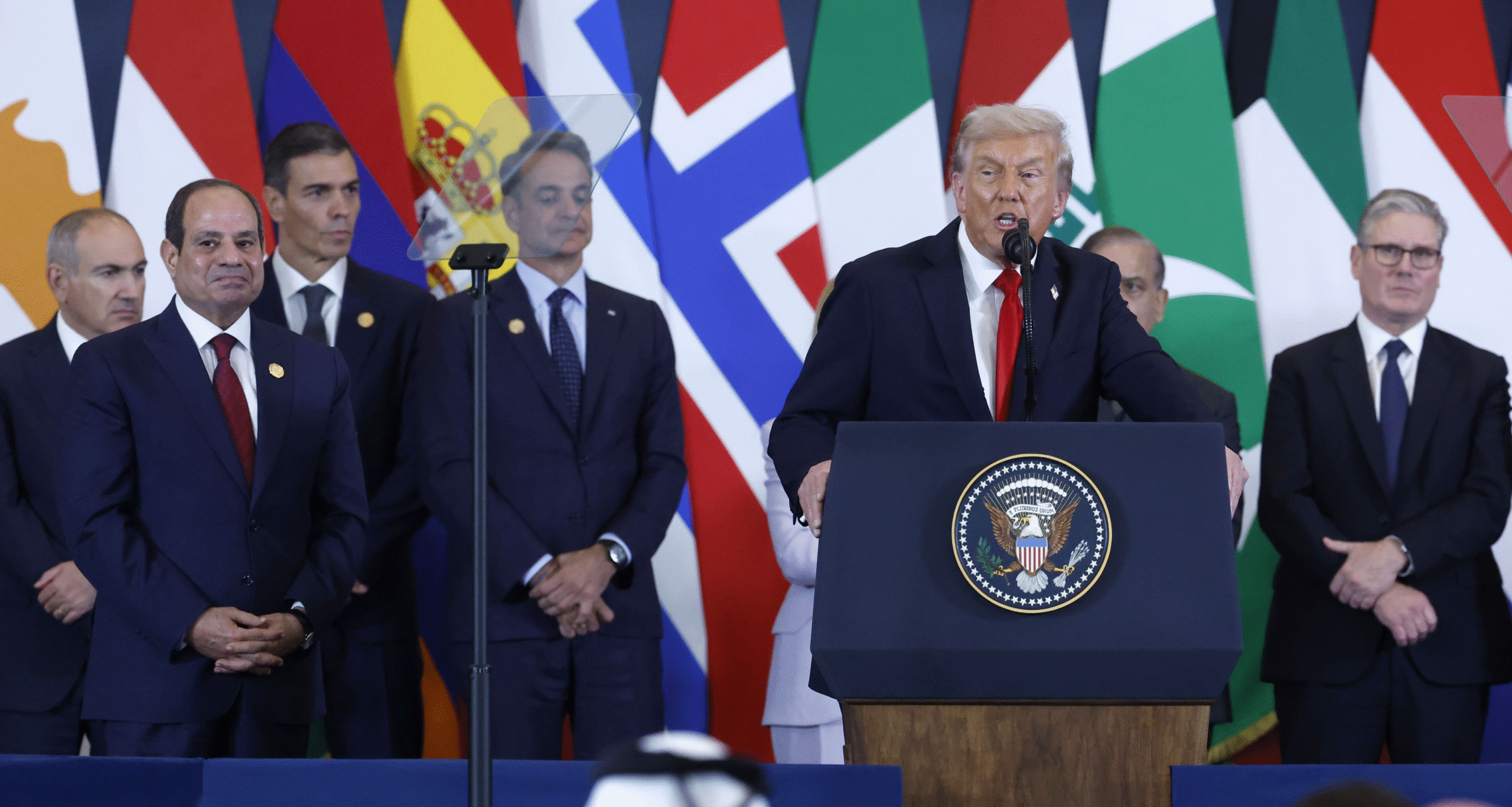
President Donald Trump continued to rewrite the playbook of US foreign policy this summer and early fall, with mixed results on the global stage but producing some important openings for progress in the Middle East due to a negotiated Gaza cease-fire and hostage-release deal.
Pakistan’s strategic defense pact with Saudi Arabia: A new security architecture in the wider Middle East
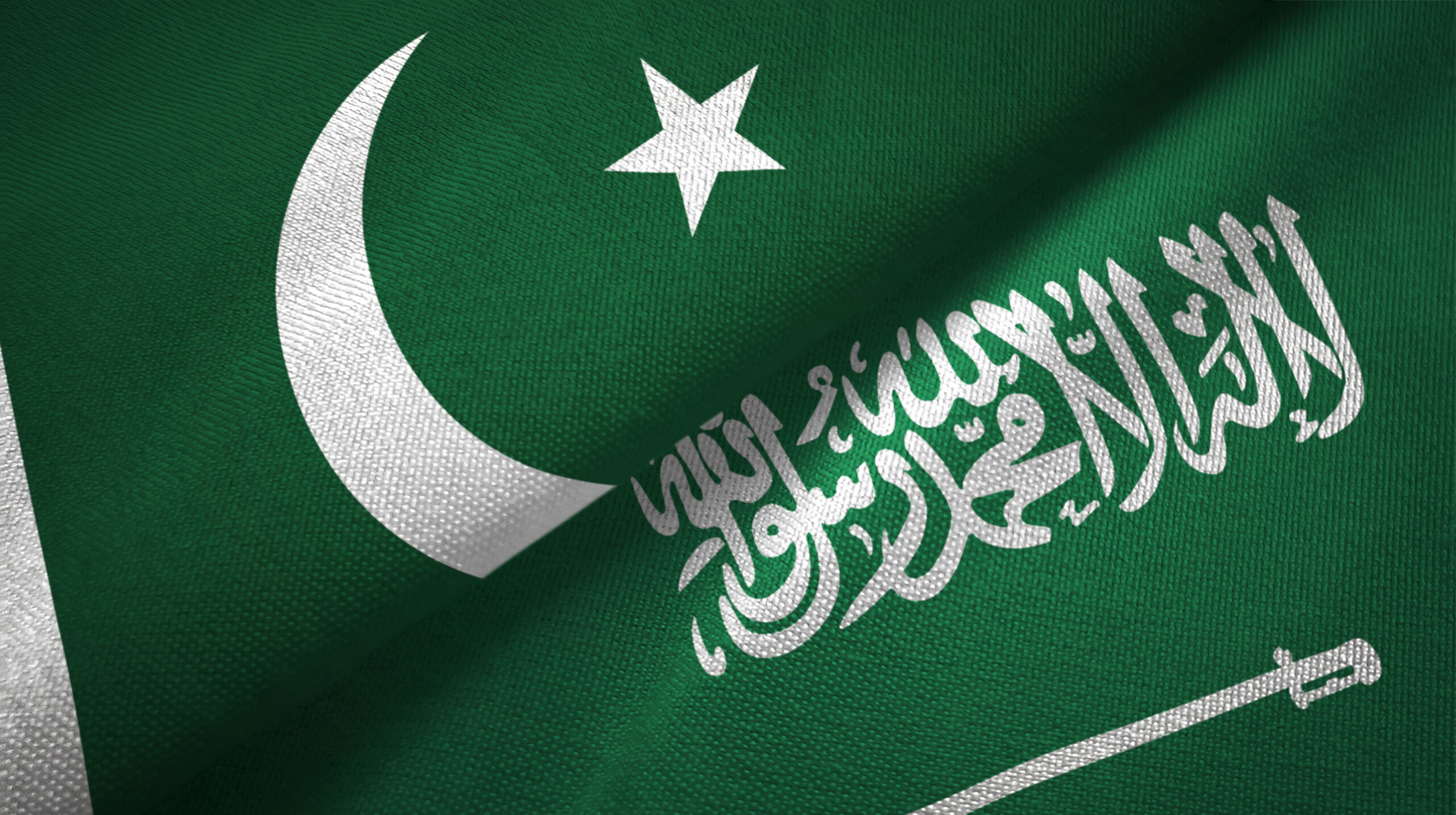
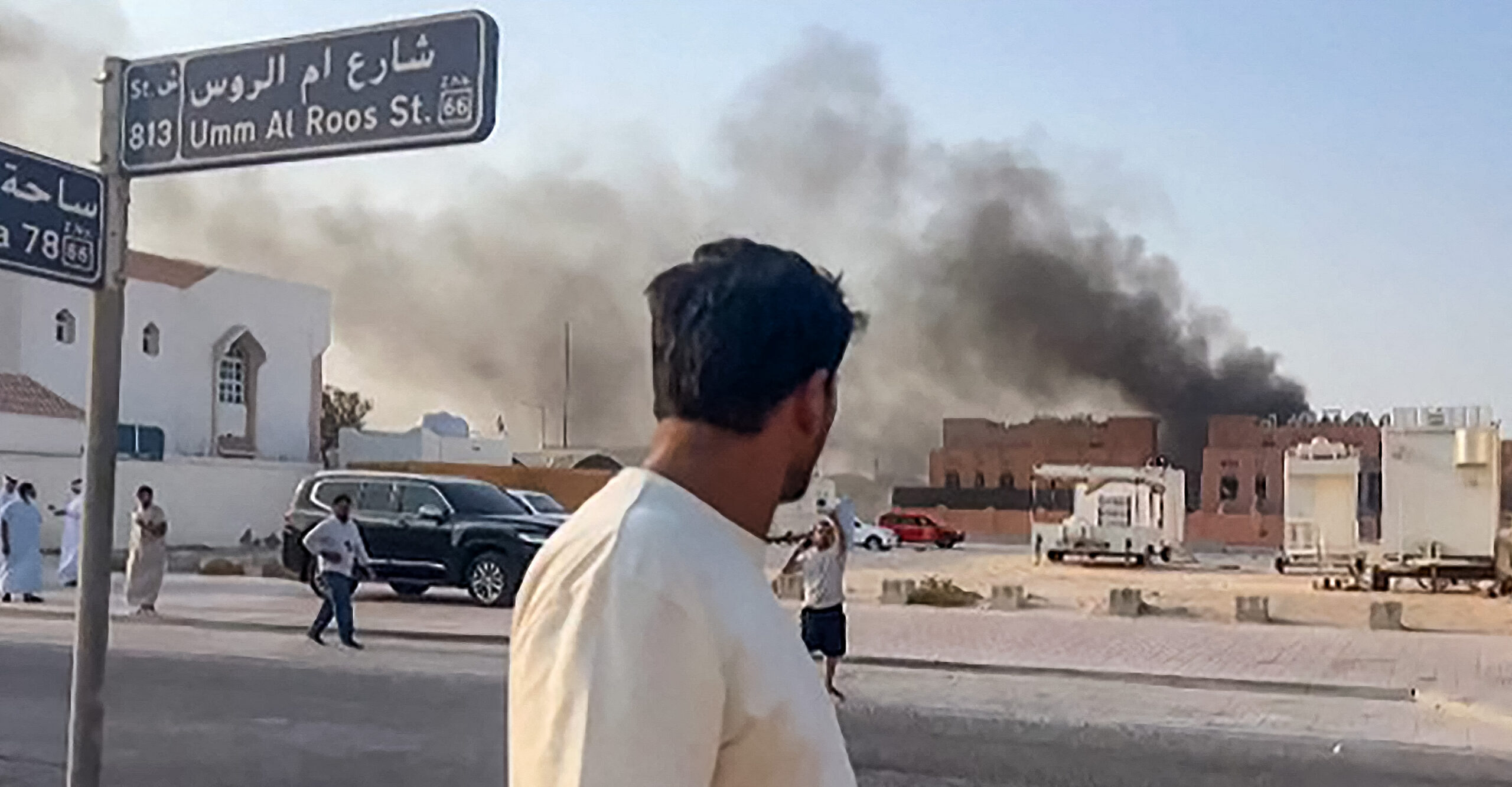
Following Israel’s September 9 strike on Hamas targets in Qatar, Pakistan has taken swift and significant foreign policy steps in response and adopted an unusually assertive stance. This shift was largely influenced by Pakistan’s military chief, Field Marshal Asim Munir. The latter is determined to enhance his country’s strategic autonomy and diplomatic leverage in an increasingly complex international environment by positioning Pakistan as a key security actor and an emerging middle power on the global stage.
Silent leverage, quiet gains? China and the Saudi-Pakistan defense pact
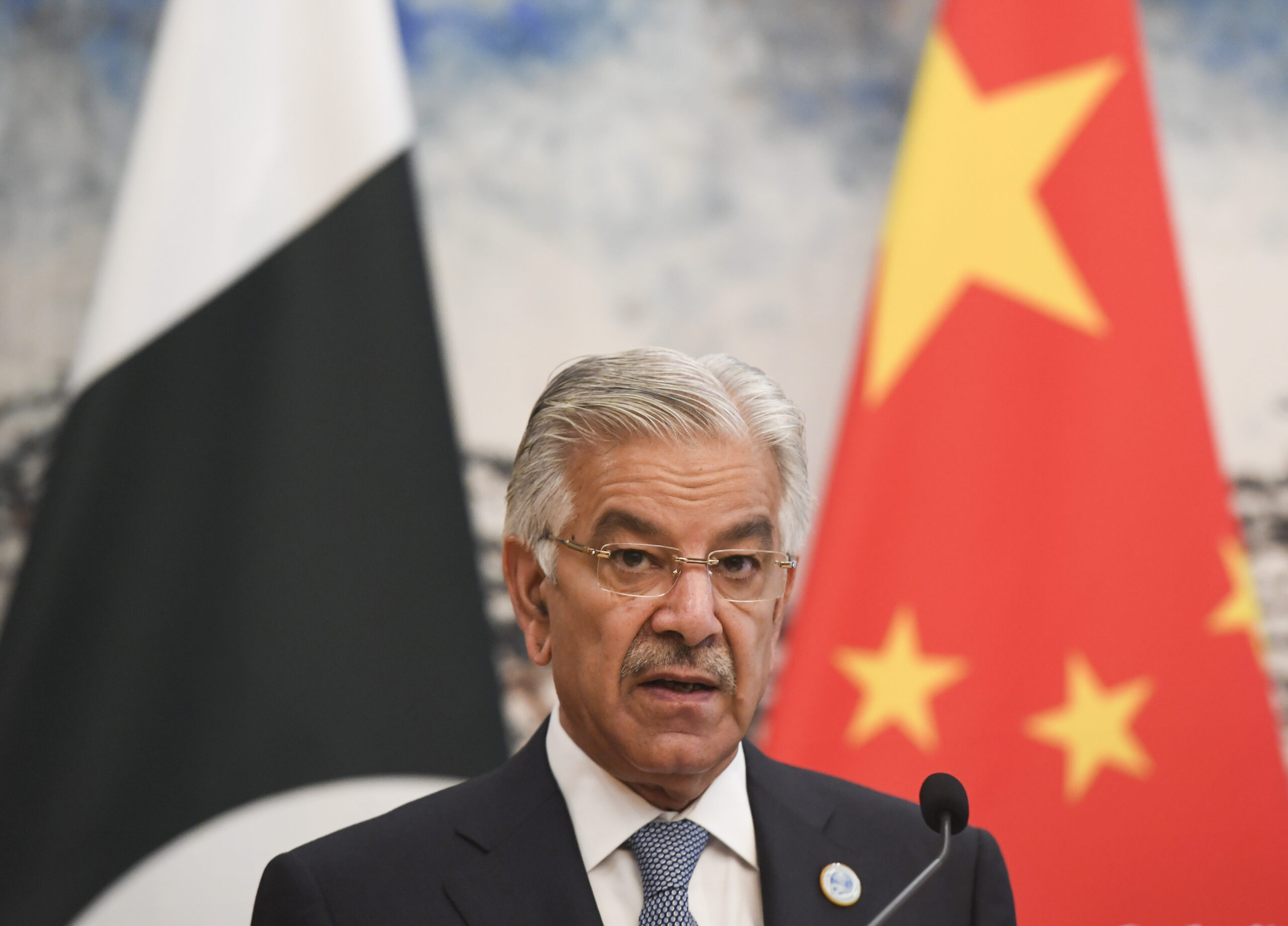
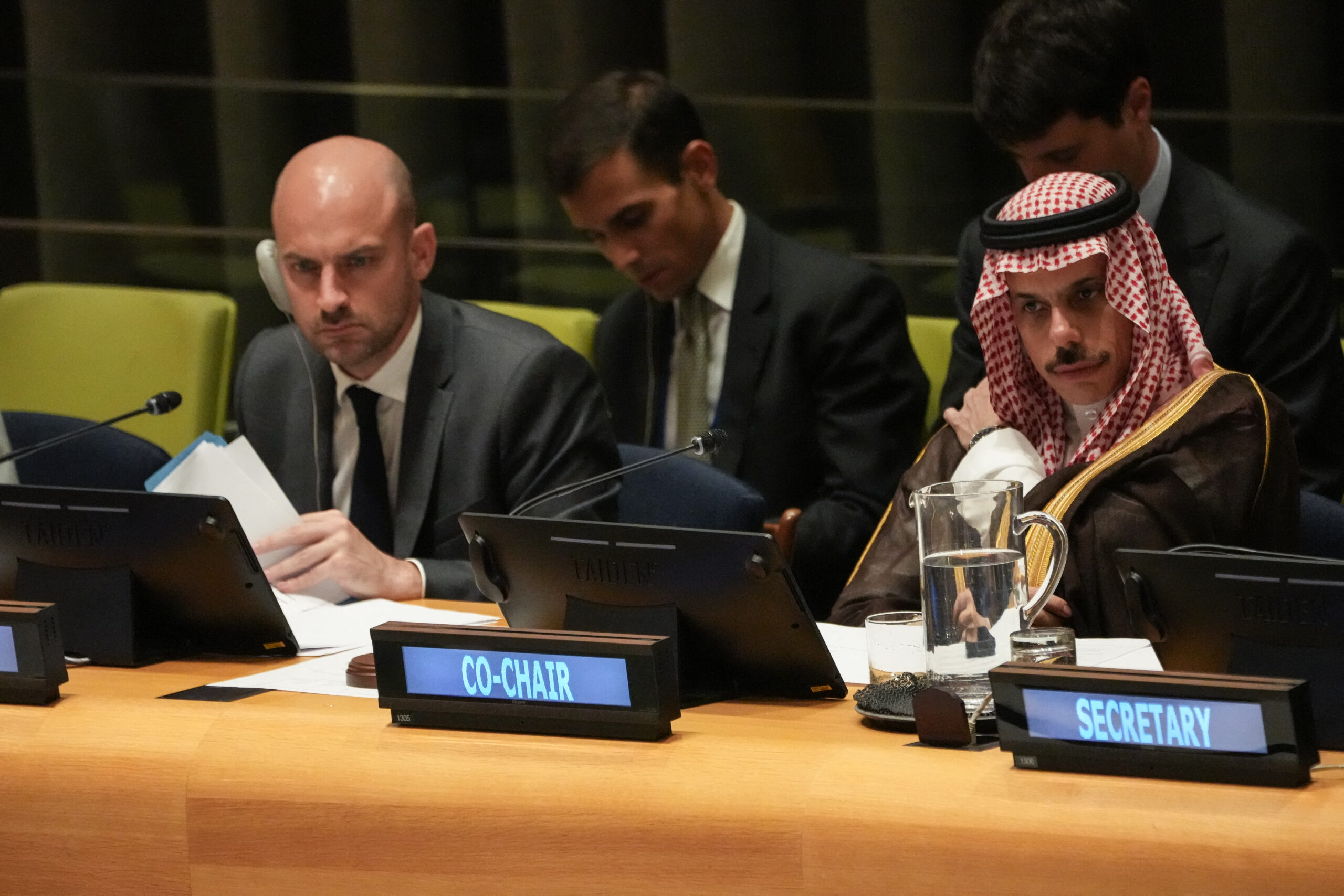
The Strategic Mutual Defense Agreement (SMDA) between Saudi Arabia and Pakistan, signed in Riyadh on September 17, is far more than a bilateral pledge. It represents a profound reordering of alignments in the Gulf and South Asia, reflecting and reinforcing the broader erosion of US preeminence in the Eurasian security architecture. While much of the initial commentary centered on the striking commitment of a wealthy Gulf monarchy to the defense of a nuclear-armed South Asian state, as well as the question of whether Pakistan had in fact extended its nuclear umbrella to Saudi Arabia, the deeper story is arguably China’s potential advance.
Don't believe the hype: The modest reality of the Saudi-Pakistani defense pact
The September 17 Saudi-Pakistani defense agreement generated a wave of overheated commentary about Saudi Arabia now residing under a Pakistani nuclear umbrella and how a new strategic reality was in the offing in the Persian Gulf and South Asian regions. Analysts need to slow their roll. Extended deterrence is an extremely difficult thing to pull off. The devil is in the details, about which we know nothing.
A Middle East NATO? Regional Security Options After Doha
Israel’s September 9 strike on Hamas leaders in Doha rattled Gulf capitals and revived a decades-old debate over whether the region needs a NATO-style defensive alliance. MEI Senior Fellow Jason Campbell joins hosts Alistair Taylor and Matthew Czekaj to unpack why past attempts at collective defense have fallen short, whether this moment is different, and what the crisis means for US security strategy in the Middle East.
Strategic drift in US Middle East policy as Trump speaks on the world stage
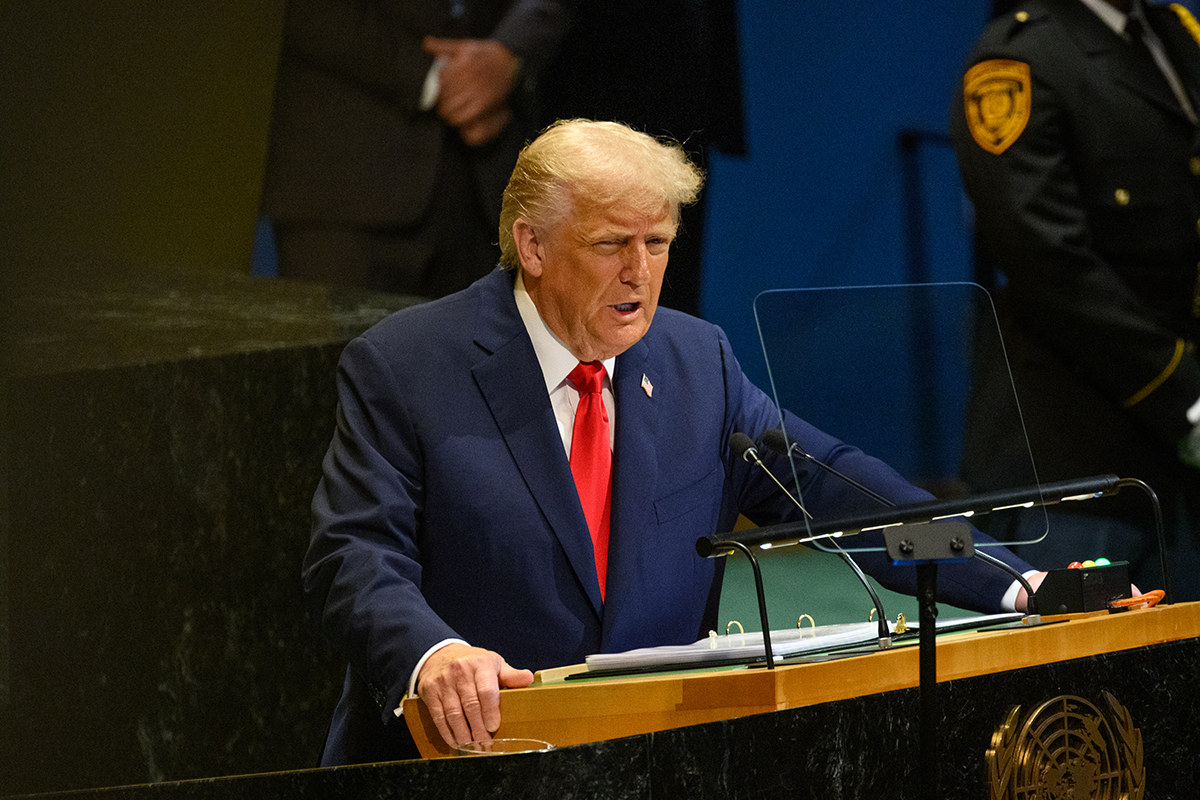
President Donald Trump used his speech this week before the United Nations General Assembly to reinforce his unique style of US foreign policy-making and levy criticisms against others, including the UN itself. But Trump did little to create a framework for crafting solutions to address problems and thorny security challenges.
Israel’s Doha strike could further destabilize region, undermine US security partnerships
The reverberations of Israel’s strike on the Hamas negotiating team in Doha yesterday are still rippling across the globe and will continue to for the foreseeable future. Its ramifications are profound and will alter the geopolitical landscape not just in the Middle East but likely on a global scale.
The coming weeks may prove decisive in Europe’s long struggle to manage Iran’s nuclear ambitions. On Aug. 28, the United Kingdom, France, and Germany announced they will trigger the “snapback” sanctions mechanism. Whether Europe’s gamble succeeds will determine both the future of non-proliferation and the credibility of Europe as a strategic actor.
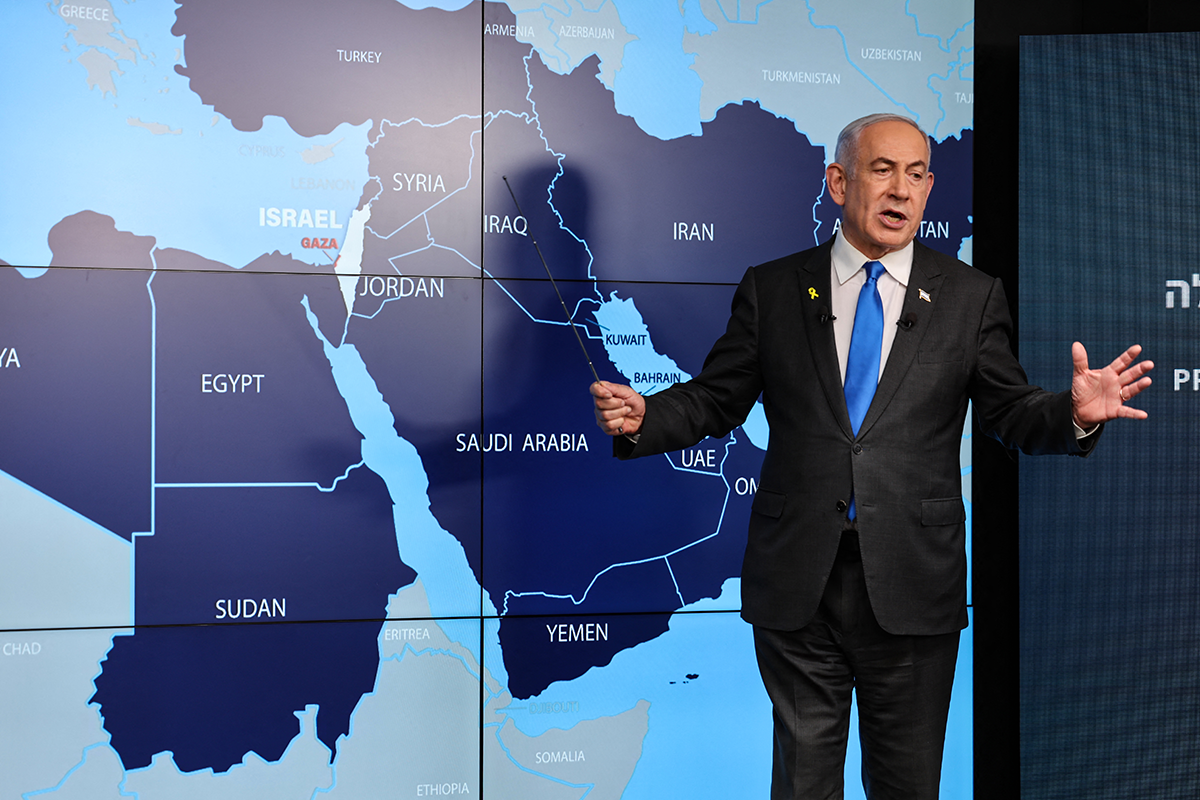
As the Trump administration pushes to expand the Abraham Accords in the Middle East and into the Caucasus and Central Asia, it overlooks a dramatic shift in perception across the Arab and Muslim world. Where once Israel might have been viewed as David battling a Goliath-like Arab world, today the roles appear reversed. Israel, empowered by unchecked military might and unwavering US support, is increasingly seen not just as a regional power but as a US-backed regional hegemon. For Gulf Arab states, this transformation presents a dilemma: Can a Goliath be a partner in peace?
Post-Oct. 7 divergent paths: Israel’s military maximalism and Saudi Arabia’s strategic de-escalation
The Hamas attack on Oct. 7, 2023, shattered Israel’s long-standing security paradigm, replacing limited deterrence with an ambitious campaign aimed at dismantling Hamas, confronting Hizballah and other Iranian proxies, and directly targeting Iran’s nuclear program with the support of the United States. In stark contrast, Saudi Arabia has prioritized regional stability and de-escalation, restoring relations with Iran, and focusing on its Vision 2030 economic transformation.
The monarchical Arab Gulf states emerged on the other side of last June’s Israeli and US attacks on Iran largely unscathed, with the important exception of a limited, retaliatory Iranian missile strike on the American airbase in Qatar. However, in a larger sense, this short war, part of the broader regional conflict that began with the Hamas attack on Israel in October 2023, reinforced the precariousness of the Gulf monarchies’ security situation.
Digital frontlines: What the 12-day war revealed about the evolution of Iran’s cyber strategy
During June’s Israel-Iran war, a quieter but significant battle played out in cyberspace, highlighting how Tehran has refined its use of digital tools to shape the battlespace, control domestic narratives, and project influence abroad. While largely ineffective in operational terms, Iran’s cyber response marked a new phase in its strategic evolution.
President Masoud Pezeshkian’s first year in office has been defined by Iran’s familiar political structural constraints, external crises, and a moderate-reformist base forever frustrated with his cautious pragmatism and unfulfilled promises. His July 2024 election was undeniably a setback for hardliners. Yet one year later, the assessment is sobering: While Pezeshkian has in some ways perhaps helped in slowing the hardline march, he has not made any fundamental difference in how the Islamic Republic is run. Every decision requires second-guessing Supreme Leader Ali Khamenei’s next move, and even as a president boxed in by the system with limited powers, he is constantly under the sword of Damocles.
US Policy in the Middle East: Second Quarter 2025 Report Card
Six months into his second term, President Donald Trump remains in search of a major, concrete foreign policy win. Trump 2.0’s foreign policy is still struggling to produce a major positive outcome from its frenetic activity trying to end kinetic wars while prosecuting an unprecedented economic war with much of the rest of the world. The whirlwind of uncertainty since Trump returned to office in January has yet to improve America’s overall strategic position in the world. The following report assesses the US government’s actions over the past three months from May to mid-July 2025.