Japan looks to the Gulf as it bets big on hydrogen
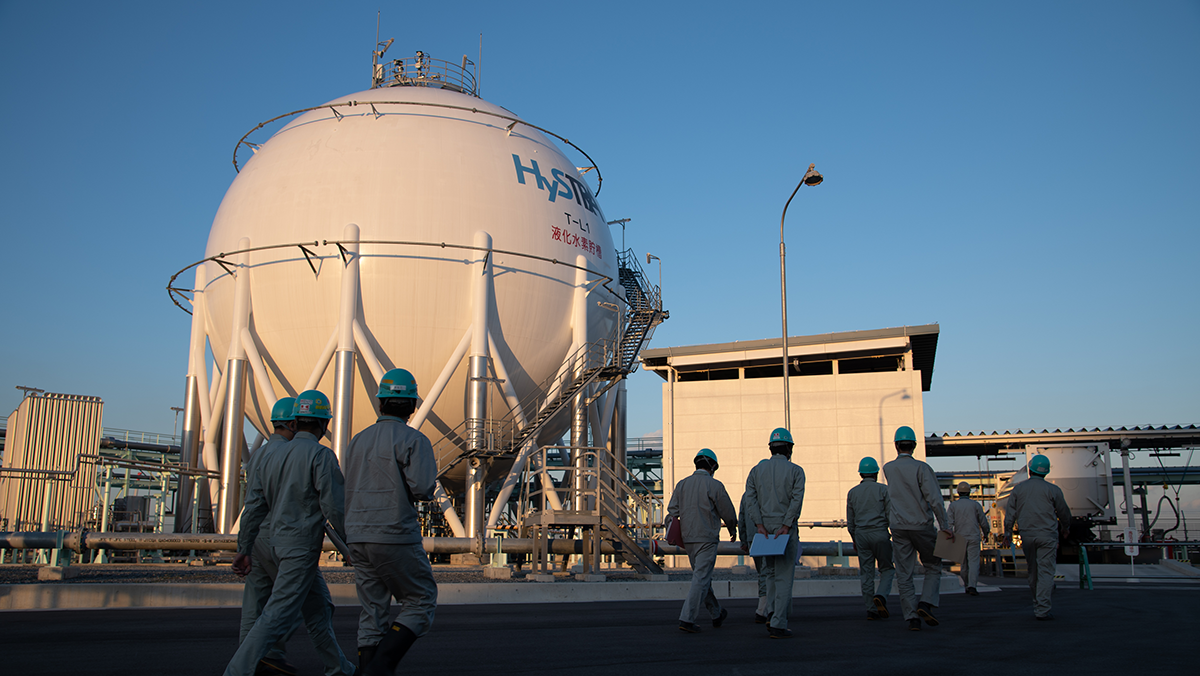
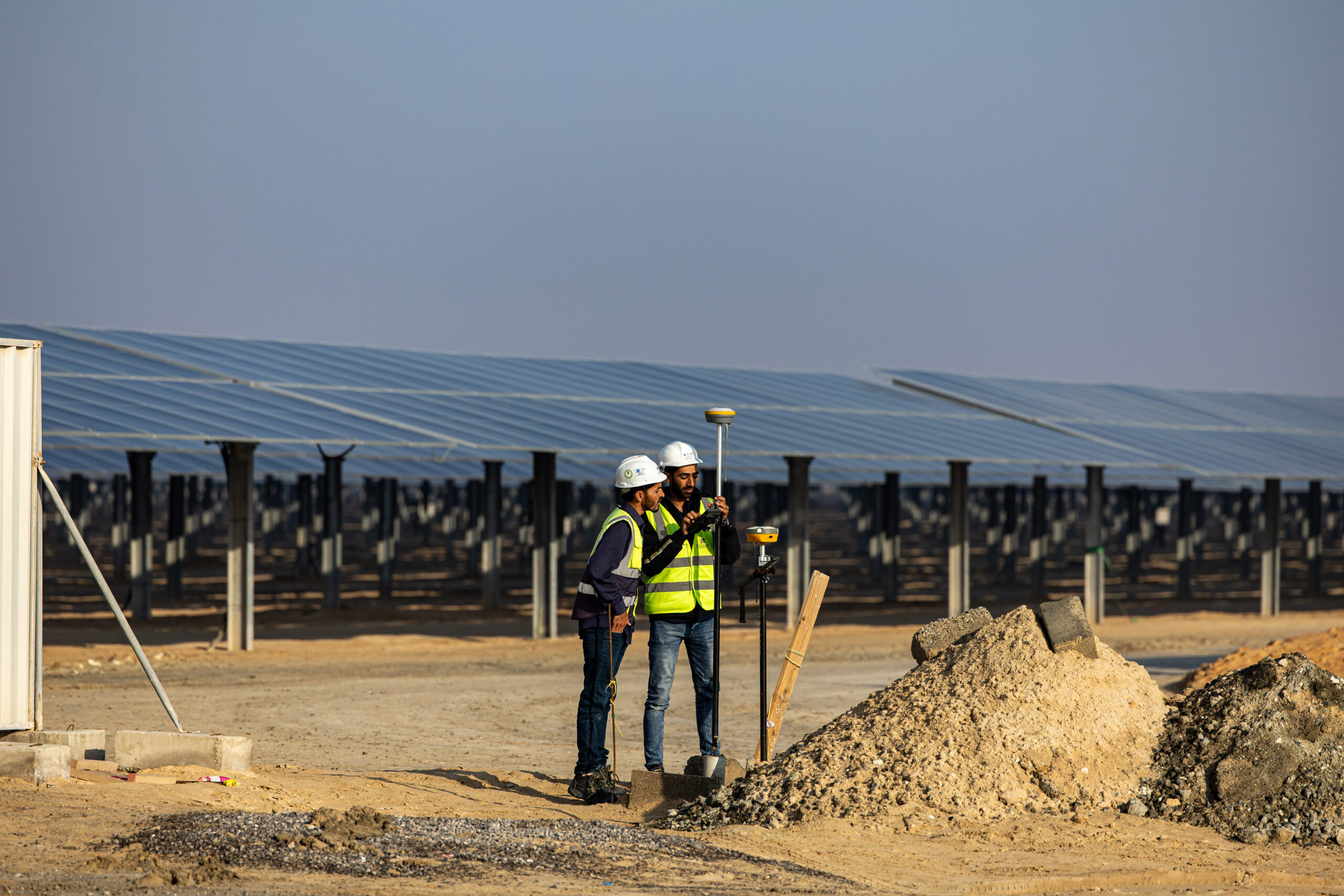
As a trailblazer in hydrogen diplomacy, Japan is seeking to develop a new pattern of energy interdependence with its longstanding partners, the Gulf Arab states — countries that are promising production bases for and exporters of green hydrogen and ammonia, and whose leaders have come to regard the development of clean hydrogen as an attractive way to diversify their economies.
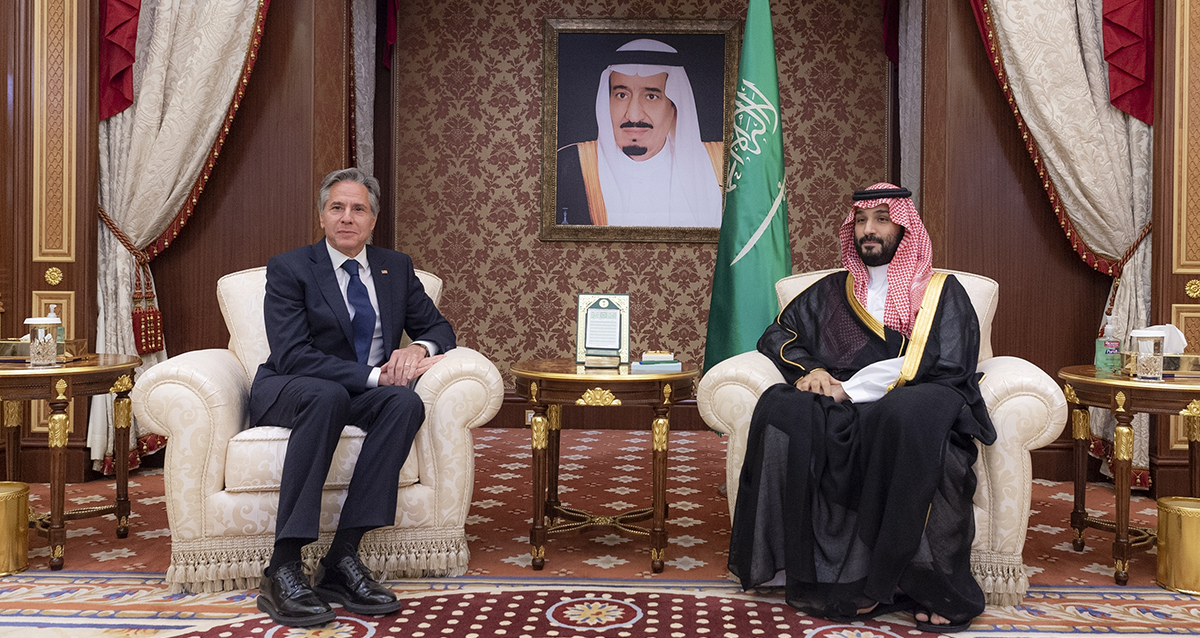
A defense treaty is not how Biden should fix the Saudi relationship
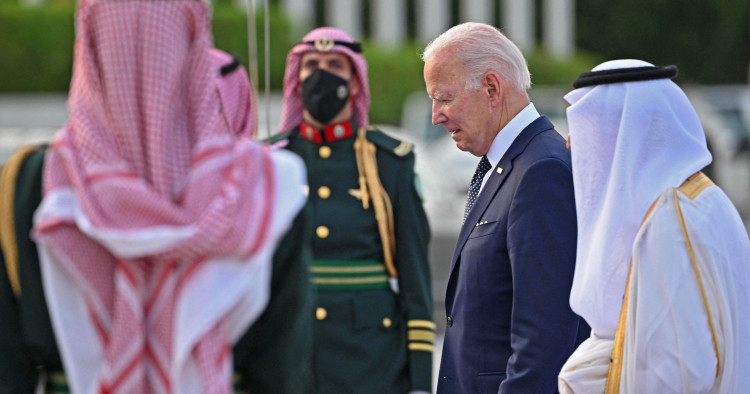
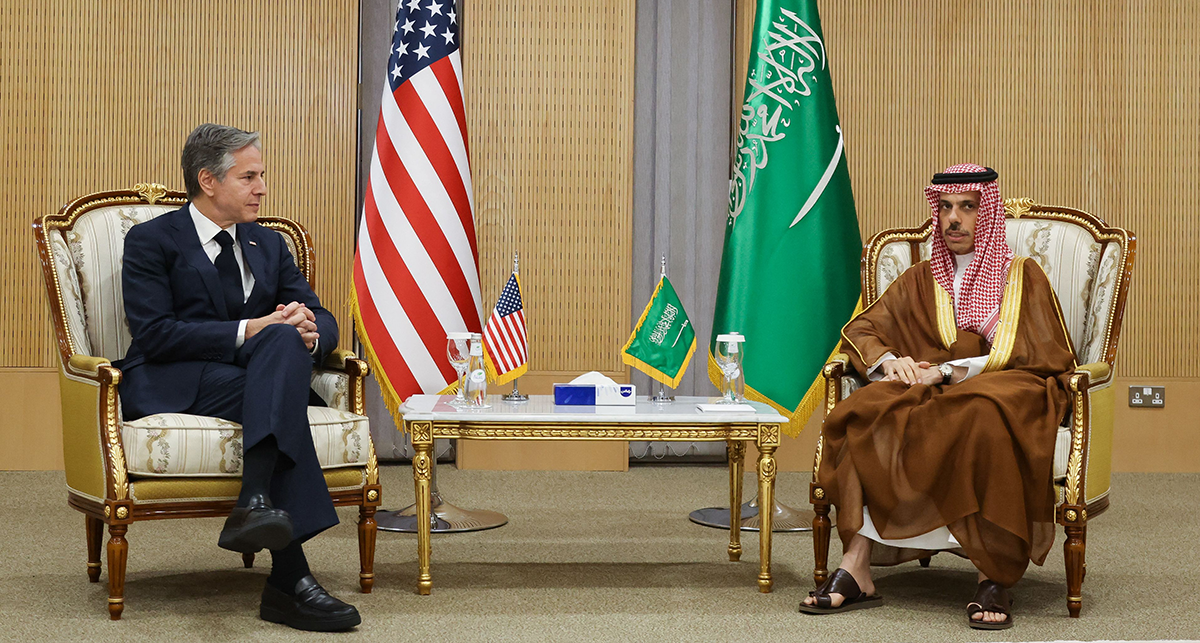
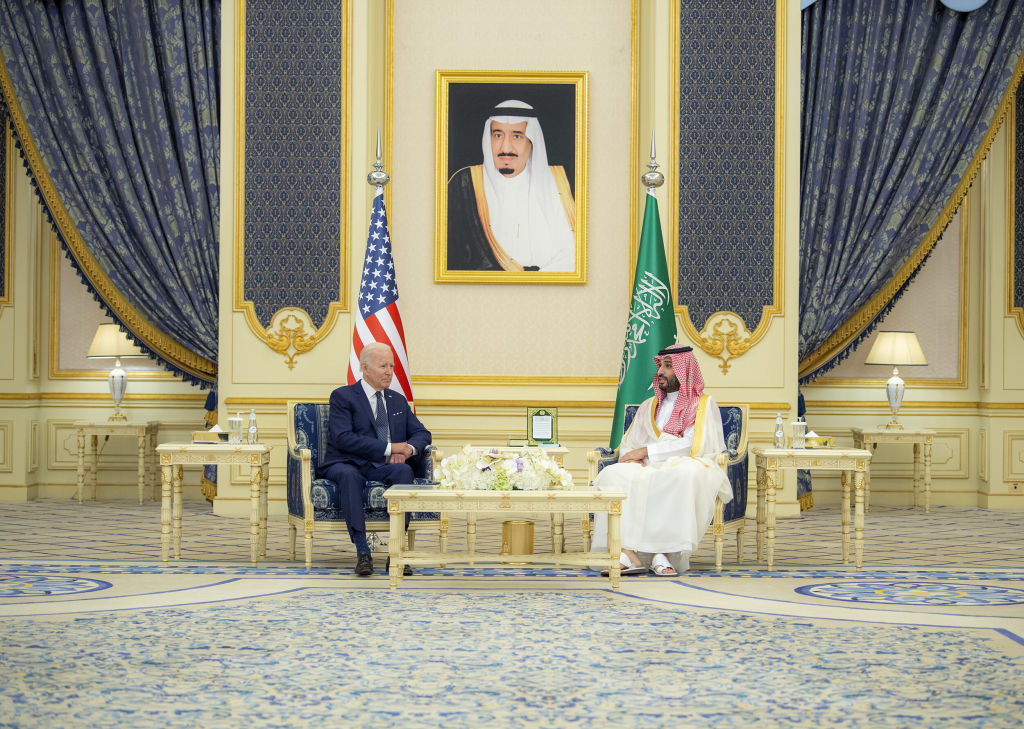
The United States has likely reached a crossroads in its relationship with Saudi Arabia. President Joe Biden can reconcile with Riyadh and use its influence to reshape the Middle East to Washington’s liking and stabilize the global energy markets. Or else the Saudis most probably will tie their fortunes much closer to China, thus complicating America’s top foreign-policy priority.
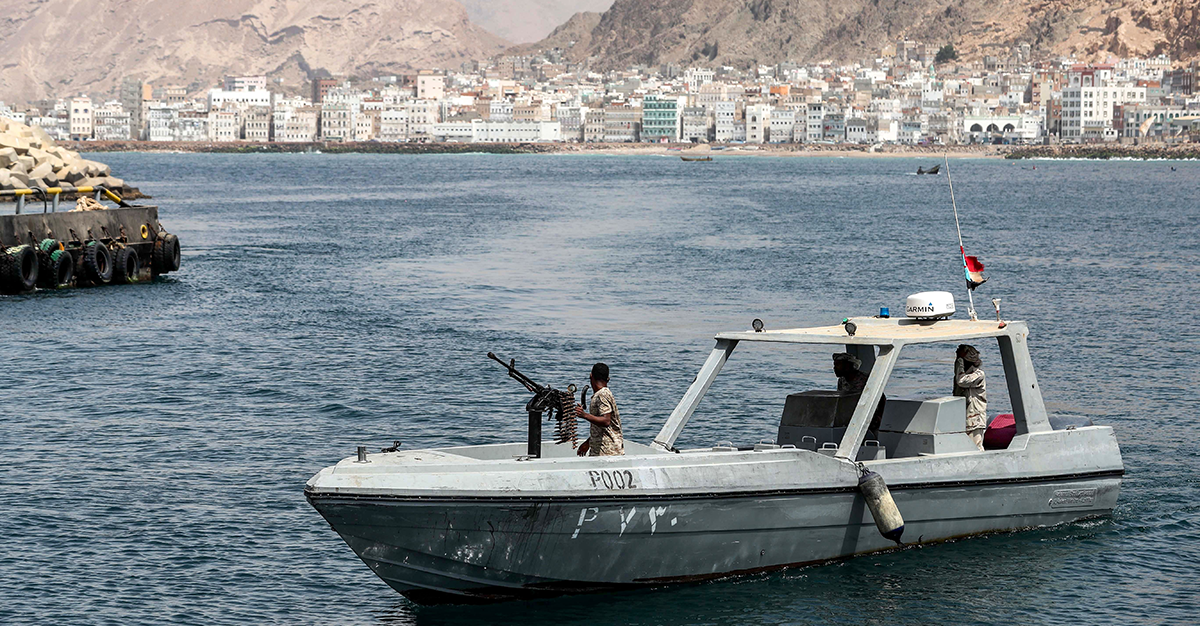
Changing dynamics reshape power networks in Yemen’s “two Hadramawts”
Since 2015, Yemen’s largest governorate, Hadramawt, has been informally divided between two distinct centers of power with different military loyalties and external backing. The balance of power within the governorate is no longer fixed, however. Changes in Hadramawt’s military, political, and economic dynamics are reshaping power networks in the governorate and beyond, with implications for the conflicting agendas of the Saudis, Emiratis, and Houthis.
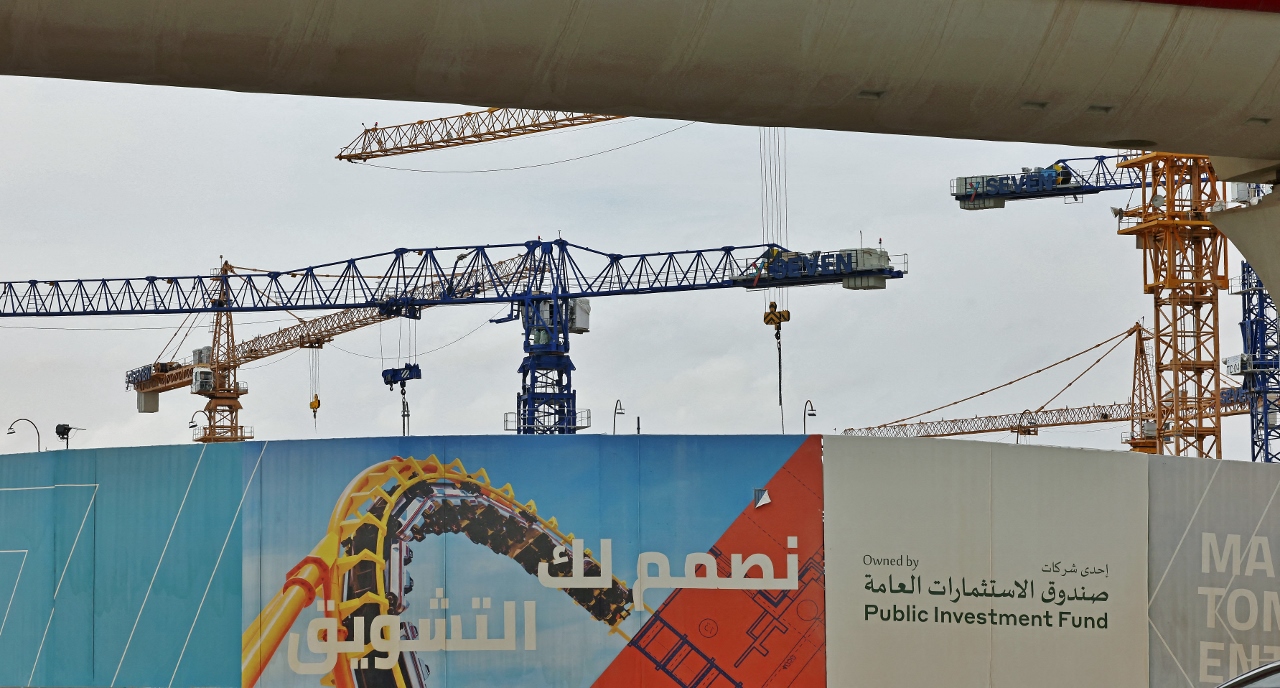
The new wave of dealmaking by Gulf sovereign wealth funds
For resource-rich countries such as Gulf oil and natural gas producers, sovereign wealth funds have emerged as promising tools to save for future generations, mitigate the effects of outsized economic shocks, and/or be deployed as reserve investment and strategic development funds to spend on human, natural, social, and physical capital.
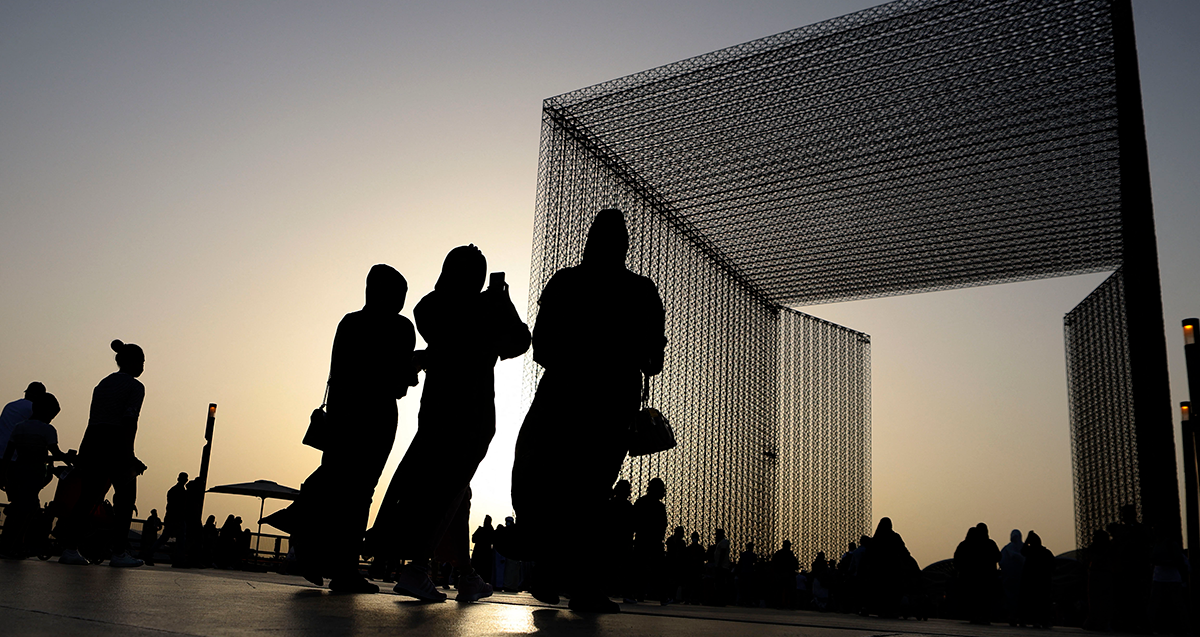
The Gulf’s twin failings: Innovation and private sector employment for nationals
The Gulf states emerged from the global pandemic with the wind in their economic sails. But high-profile events like Qatar’s hosting of the FIFA World Cup and the UAE’s World Expo continued to mask two subtle but major weaknesses that have plagued them for decades. Why do Gulf economies lack innovation? And why do they struggle to create private sector employment for nationals?
Saudi Arabia can alleviate US concerns over its civilian nuclear energy program. Here’s how.
Saudi leaders have stepped up their plans for developing peaceful nuclear energy, inviting technical bids to the planned construction of two 1.4 gigawatt-electric nuclear reactors and restating the kingdom’s intention to use domestic uranium resources for producing low-enriched uranium as nuclear fuel.
The current complex situation in the global oil market seriously tests the abilities of OPEC+ to play the role of a regulator, forcing Saudi Arabia to assume the main burden of responsibility for keeping oil prices from declining further and for shoring up the cartel ranks.
The U.S. and EU Should Coordinate their Saudi and Israeli-Palestinian Efforts
American and European eyes are set on Riyadh. Both the Biden administration and the European External Action Service are currently trying to advance policy moves that involve Saudi Arabia and that – if successful – will reshape the Middle East. Alas, when it comes to the Israeli-Palestinian issue, these European and American efforts are quite different, and even seem contradictory.
Saudi LNG exports: Overcoming challenges to commercial success
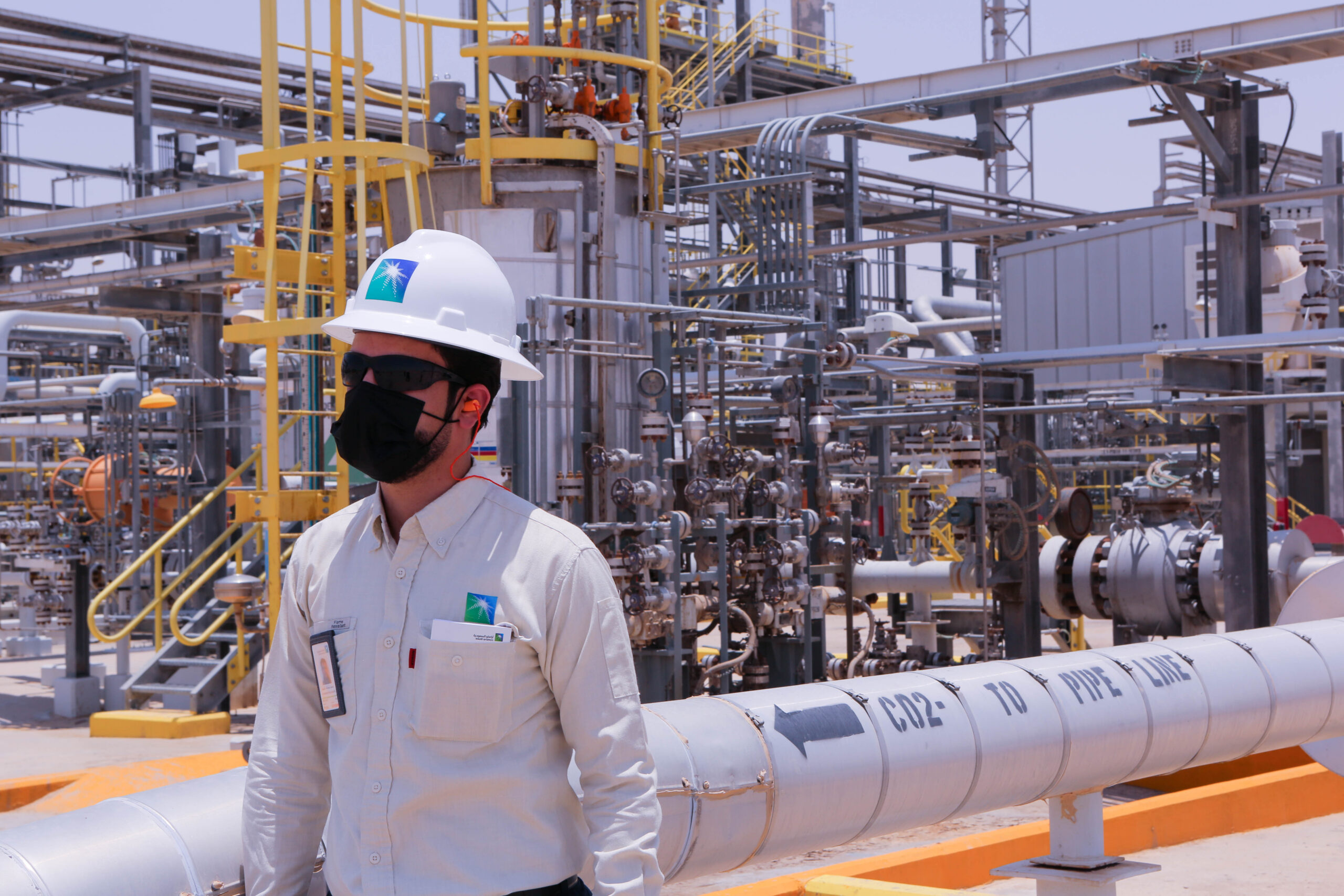
After issuing positive statements around greenfield blue hydrogen projects in late 2022, the company, Bloomberg now reports, may be migrating away from the hydrogen scheme and toward LNG exports. Both would require significant capital investment. Assuming the company decides to pursue an LNG export project, it will face many potentially value-erosive challenges and risks that must be overcome before achieving economic success.
Measure, verify, certify: How to future-proof Gulf companies in the energy transition
Several Gulf states have introduced renewable energy certificates into their low-carbon energy eco-system. What are RECs and how can they help companies navigate the energy transition?
Art in Dialogue with Nature: An Exploration of Saudi Arabia’s New Valley of the Arts
Wadi AlFann (‘Valley of the Arts’) is a new global cultural destination in Saudi Arabia, where monumental contemporary artworks are being commissioned for AlUla’s majestic desert landscape.
Curator Iwona Blazwick and participating Saudi artist Manal Al Dowayan speak with MEI’s Senior Vice President Kate Seelye about Wadi Al Fann’s permanent art commissions and the impact of the Kingdom’s investment in the arts as part of Saudi Vision 2030 on local communities and the international art scene.