Solar Power in the Gulf: Leaders and Laggards in Regulatory Support for Solar Power Deployment
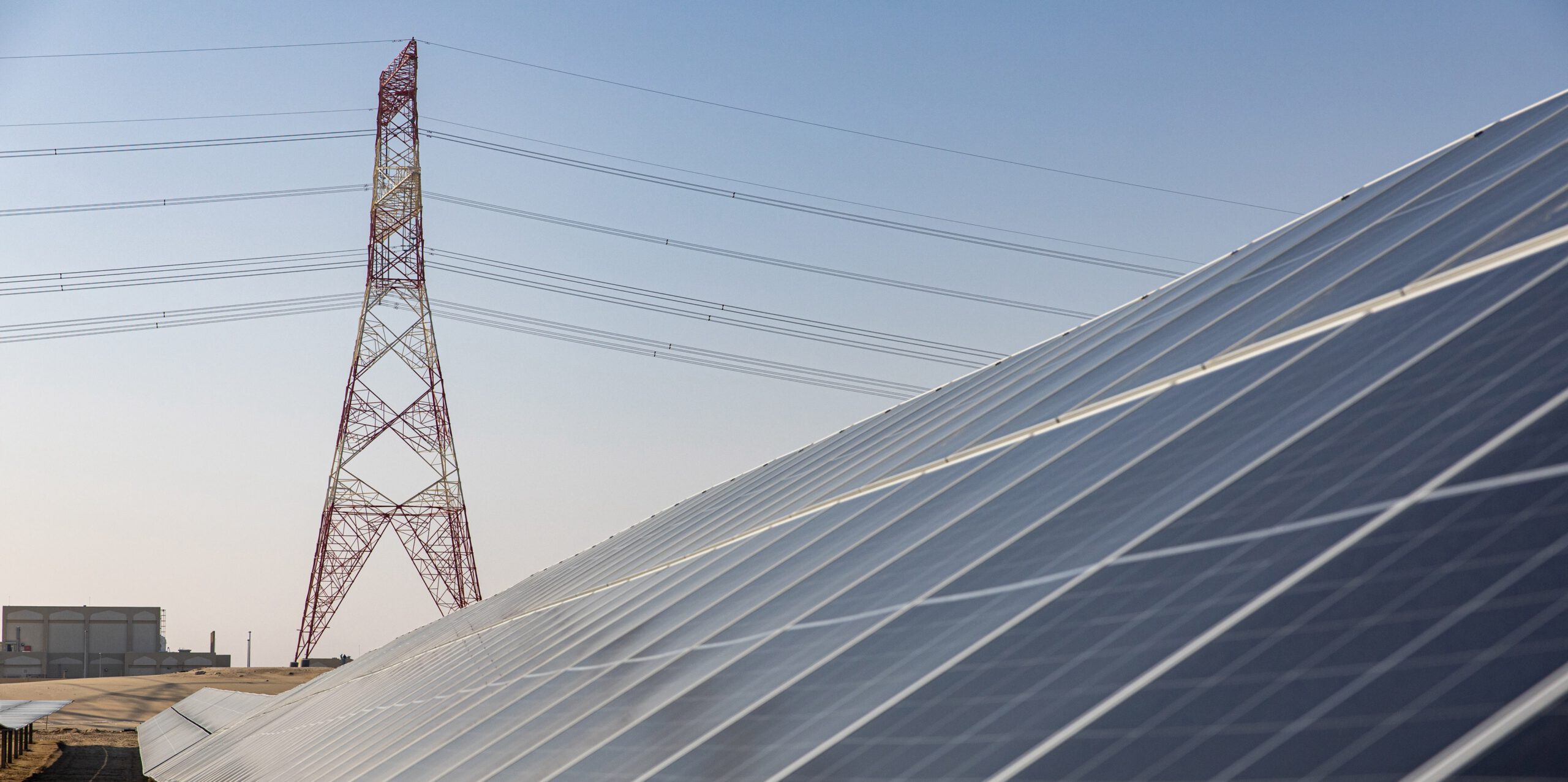
The hydrocarbon-rich Gulf states are located in the heart of the global sunbelt, endowing them with some of the greatest solar resources in the world. Peak load hours in these countries also align well with daily and seasonal solar radiation levels. Nevertheless, actual deployment of renewable power, including solar, is among the lowest in the world, even though output has increased significantly over the past five years. This paper analyzes why solar power has seen some success in a few states, while in others there has been little momentum.
Rethinking Democracy Ep. 5: Impact of Donald Trump’s Election on American Democracy and the World with Ruth Ben-Ghiat and Larry Diamond
Last month, the US electorate voted President-Elect Donald Trump back into the White House. His victory was seen by some experts as part of a global trend and a move towards anti-incumbency attitudes and populism. How will Trump’s rhetoric impact the United States domestically and internationally? Will he govern as a strongman during his second term? What can we expect to be different from his first term?
The Outlook for Energy Demand Growth in the Middle East and North Africa: Regional Supply as a Critical Driver of Demand
The Middle East and North Africa is typically viewed from afar as a region of major energy exporters rather than consumers. Consumption patterns vary significantly within the region itself, but a variety of factors warrant giving its energy demand much closer attention than it generally receives on an international level. The range of factors that will determine the changes in demand from every country in the region, each with their respective intricacies, are far too numerous to examine in the space of this study. However, many of the key drivers that are expected to have a broad impact on shaping the evolution of regional demand to the end of the current decade deserve critical review.
The Outlook for Energy Demand Growth in the MENA Region
The MENA region is set to experience substantial growth in demand for energy during the remaining years of the present decade. Factors driving this growth vary enormously by sub-region and individual country, but there are broad similarities in the forms of both primary and final energy demand growth that are expected to materialize by 2030.
Persian Gulf-Black Sea corridor: A new era for Iran-Europe trade or just another risk?
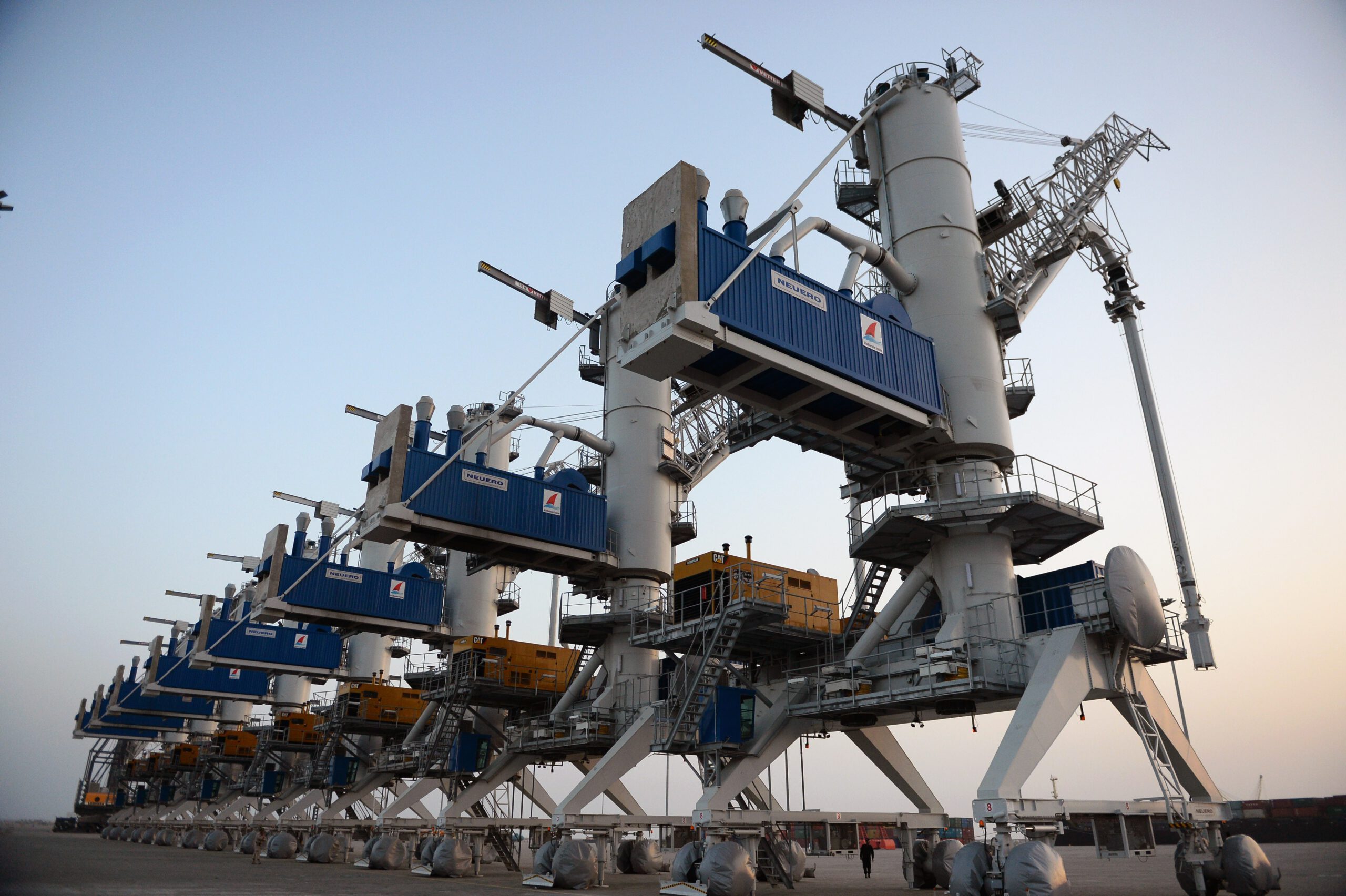
The Persian Gulf-Black Sea International Transport and Transit Corridor, which Tehran proposed eight years ago, remains relevant today in the context of strategic competition, as it offers Iran and participating countries an alternative trade route that bypasses traditional Western-dominated shipping lanes, potentially reshaping regional economic dynamics and geopolitical influence.
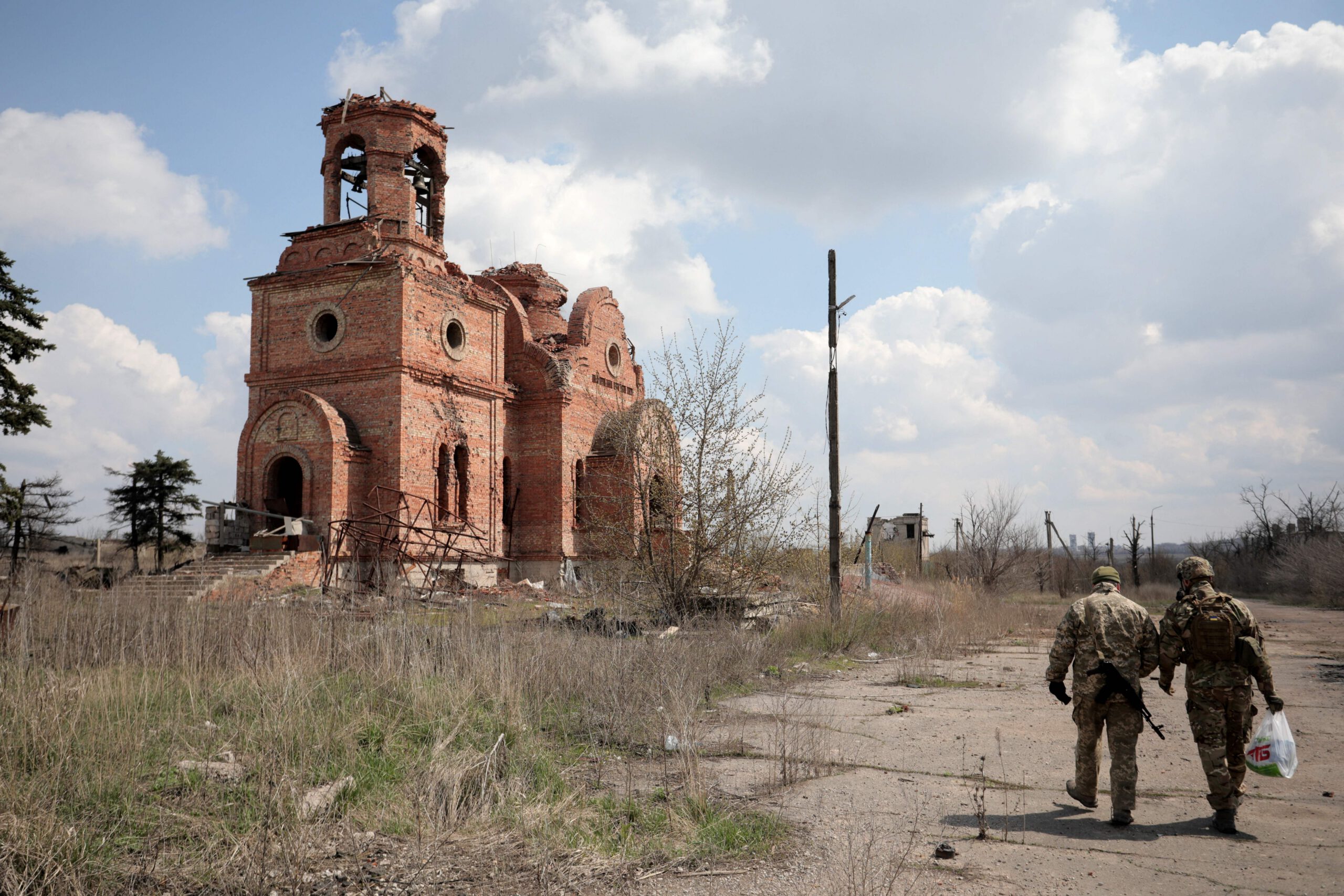
1,000 Days of Russia's Full-Scale War Against Ukraine
Wednesday, November 20, marks a somber anniversary for Ukraine: 1,000 days since Russia’s full-scale invasion of the country. Though the Ukrainians continue to hold out with Western assistance against Russian attacks, the past two-and-a-half years have been devastating for the country and its people. Ukraine now faces another winter at war as momentum appears to be shifting in Russia’s favor. What can the US and its allies do to ensure hostilities end as favorably as possible to Ukraine and in line with American strategic national interests?
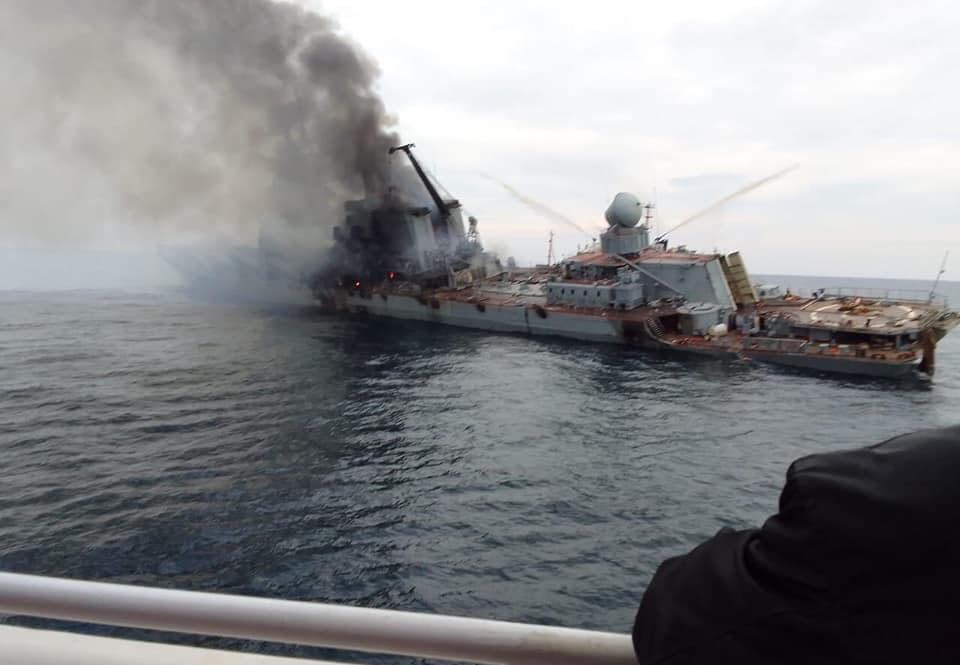
Ukraine’s role in the Black Sea: Navigating a geopolitical crossroads
The Black Sea has recently become one of the world’s most important dynamically shifting geostrategic maritime areas, with Ukraine playing a crucial role in upending the naval balance of power there. Ukraine’s efforts to push back against Russia, bolstered by Western military aid, have challenged the status quo and reshaped the region’s security landscape.
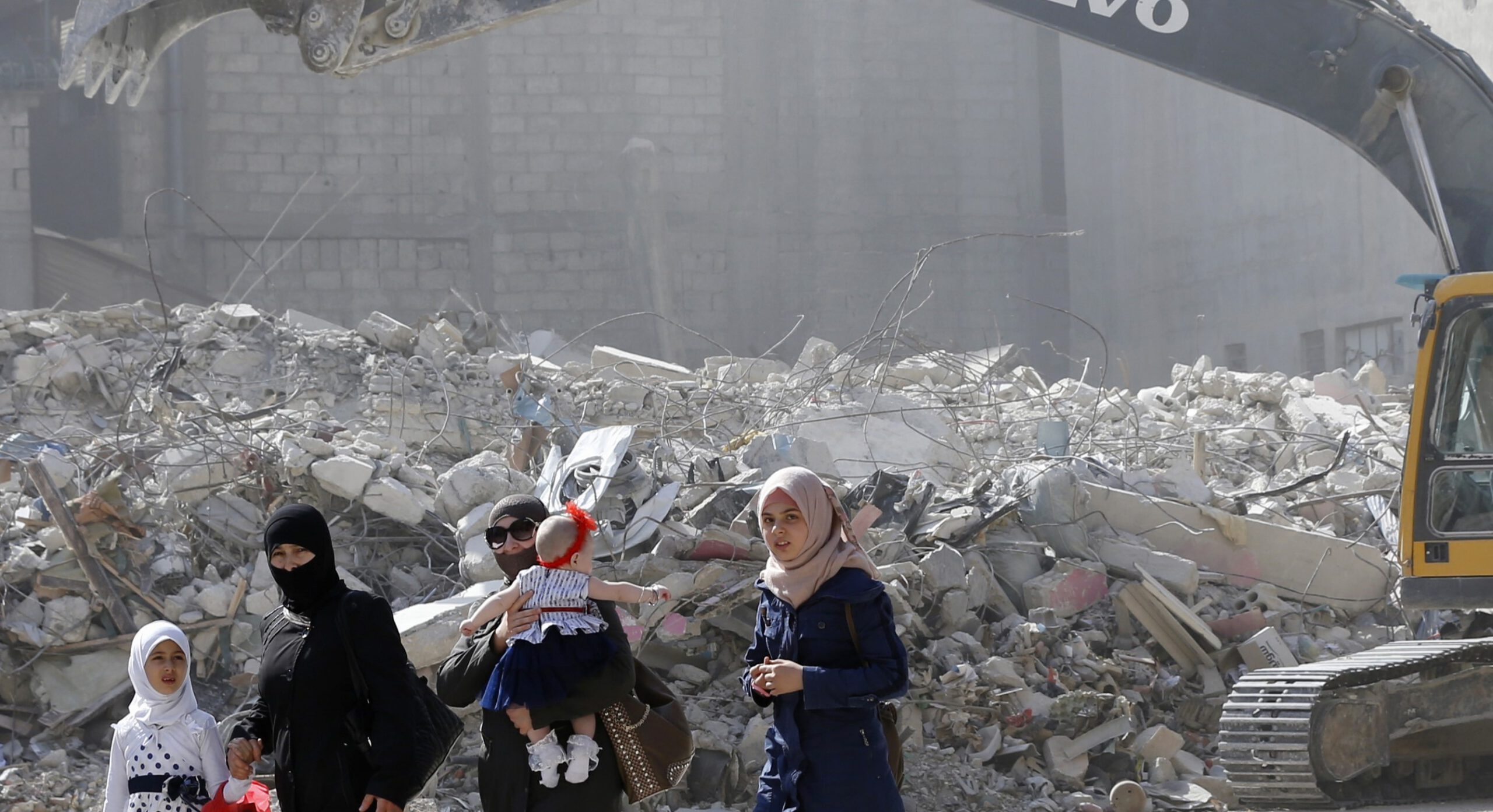
Early recovery and rehabilitation in regime-controlled areas of Syria: An assessment
The following is a short abstract, offering the main analytical findings and policy takeaways from a newly released Middle East Institute report on post-war reconstruction in Syria.
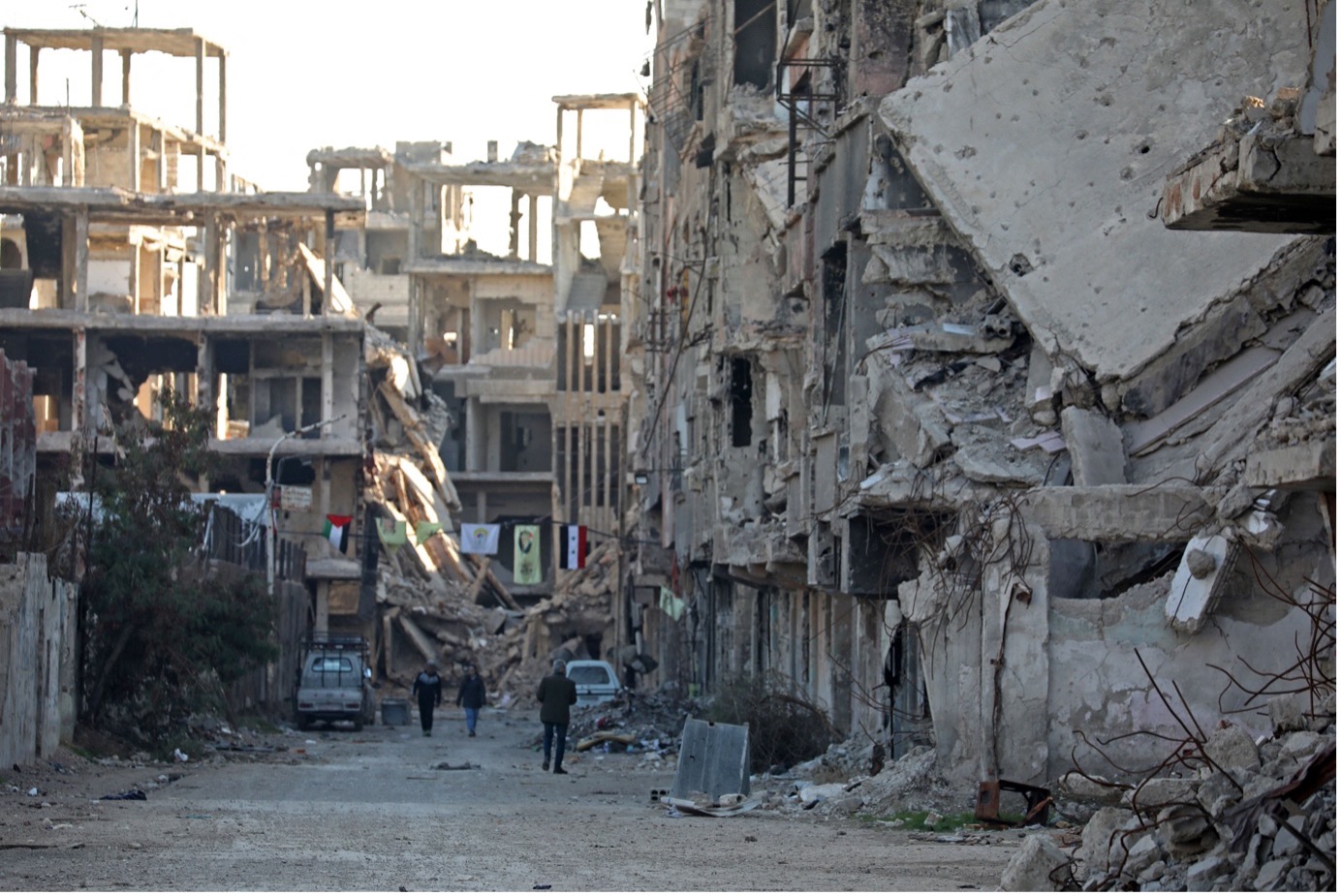
Inside Damascus’s Reconstruction Lab: Navigating the Framework of Return and Recovery
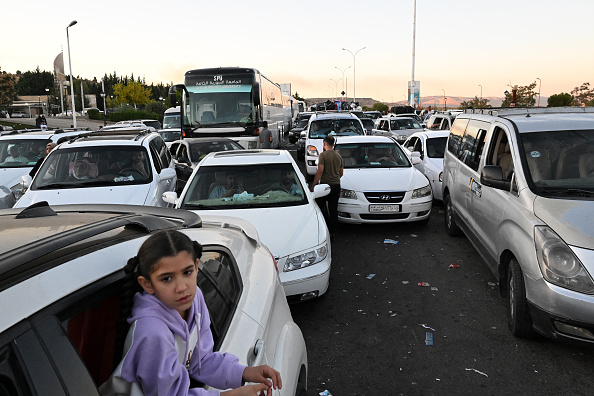
Since the end of the civil war in Syria, government officials have inaugurated high-end tourist projects and upscale urban housing schemes, while at the same time preventing Syrian refugees and internally displaced persons from returning to their ruined neighborhoods or rebuilding their demolished homes. The focus on luxury housing in a country devastated by conflict and within a city suffering from massive destruction and housing shortages encapsulates the contradictions of the regime’s policy for reconstruction and early recovery not only in Damascus but in the whole country.
Beyond oil: Google’s big bet on Saudi Arabia’s AI future
In a landmark move signaling the growing importance of the Middle East in the global tech landscape, Google has entered into a strategic partnership with Saudi Arabia’s Public Investment Fund (PIF), the kingdom’s sovereign wealth fund. The partnership underscores the “growing interlink” between AI and energy, as Saudi Arabia — along with the United Arab Emirates and other Gulf states — uses its energy surplus to power data centers, a critical pillar of AI infrastructure.
Assad’s economic fragility exposed by Israel’s war on Lebanon
Israel’s escalation of its military campaign against Hezbollah in Lebanon has severely disrupted the cross-border flow of goods into Syria that have long served as a critical lifeline for Damascus. These interruptions have worsened existing shortages, triggering sharp increases in the prices of essential commodities for Syrian who were already struggling economically.
Renewable Energy and Morocco’s New Green Industries: How Morocco’s Green Energy Ecosystem Can Expand Women and Youth Employment Through Sustainable Development
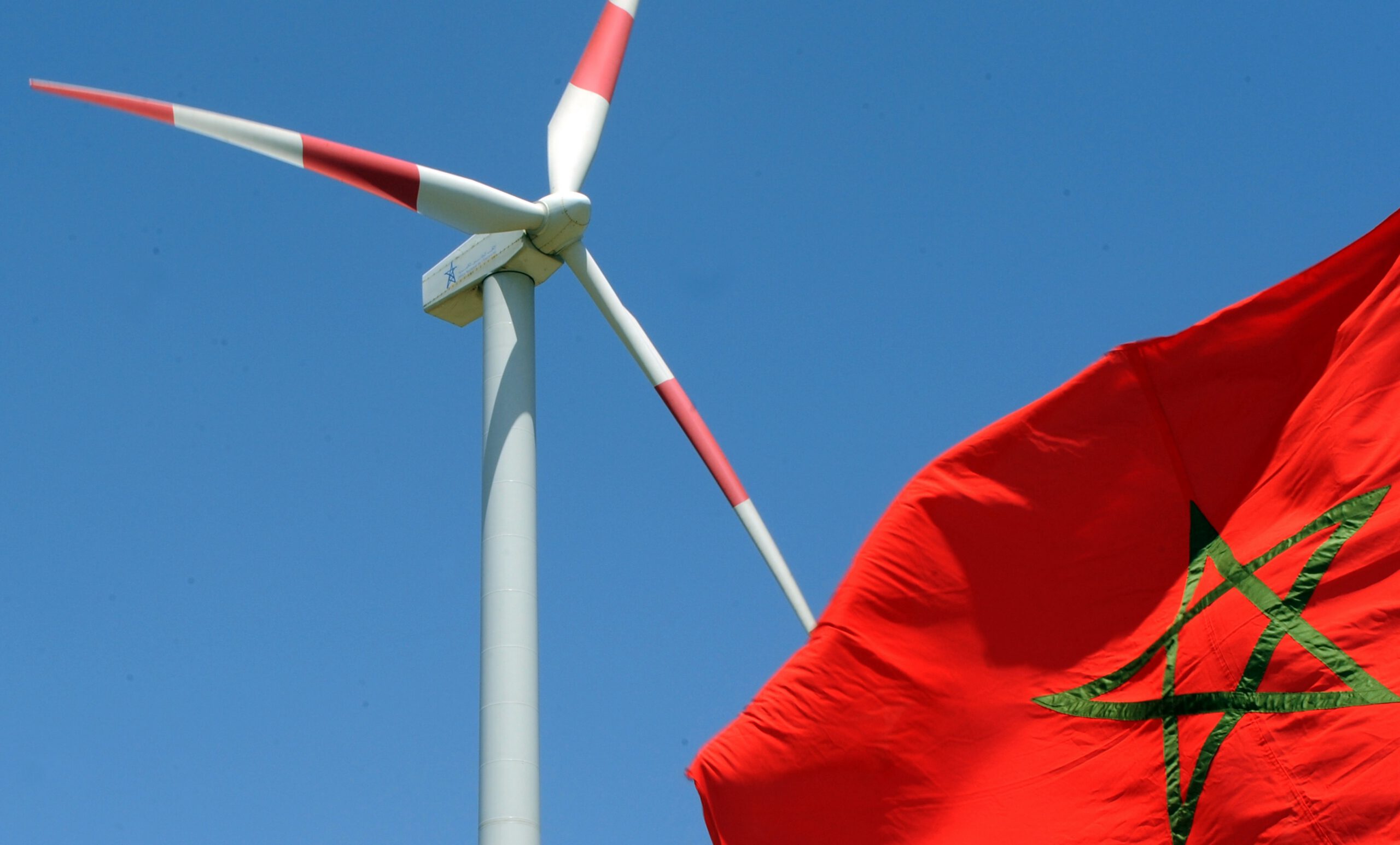
A leader in renewable energy in the Middle East and North Africa, Morocco is developing a dynamic green energy ecosystem that is beginning to incorporate renewable power into major sectors of its economy. Moving forward, renewable energy and the green energy ecosystem hold significant potential to drive the creation of employment opportunities for its growing population. Indeed, the expansion of green industrial manufacturing and agricultural production in Morocco could become the engine of sustainable human development more broadly. This case study explores current and planned efforts to expand the kingdom’s renewable energy sector and green energy ecosystem, assessing the opportunities and challenges in using these new green industries as a driver of long-term employment, particularly among women, youth, and rural populations.
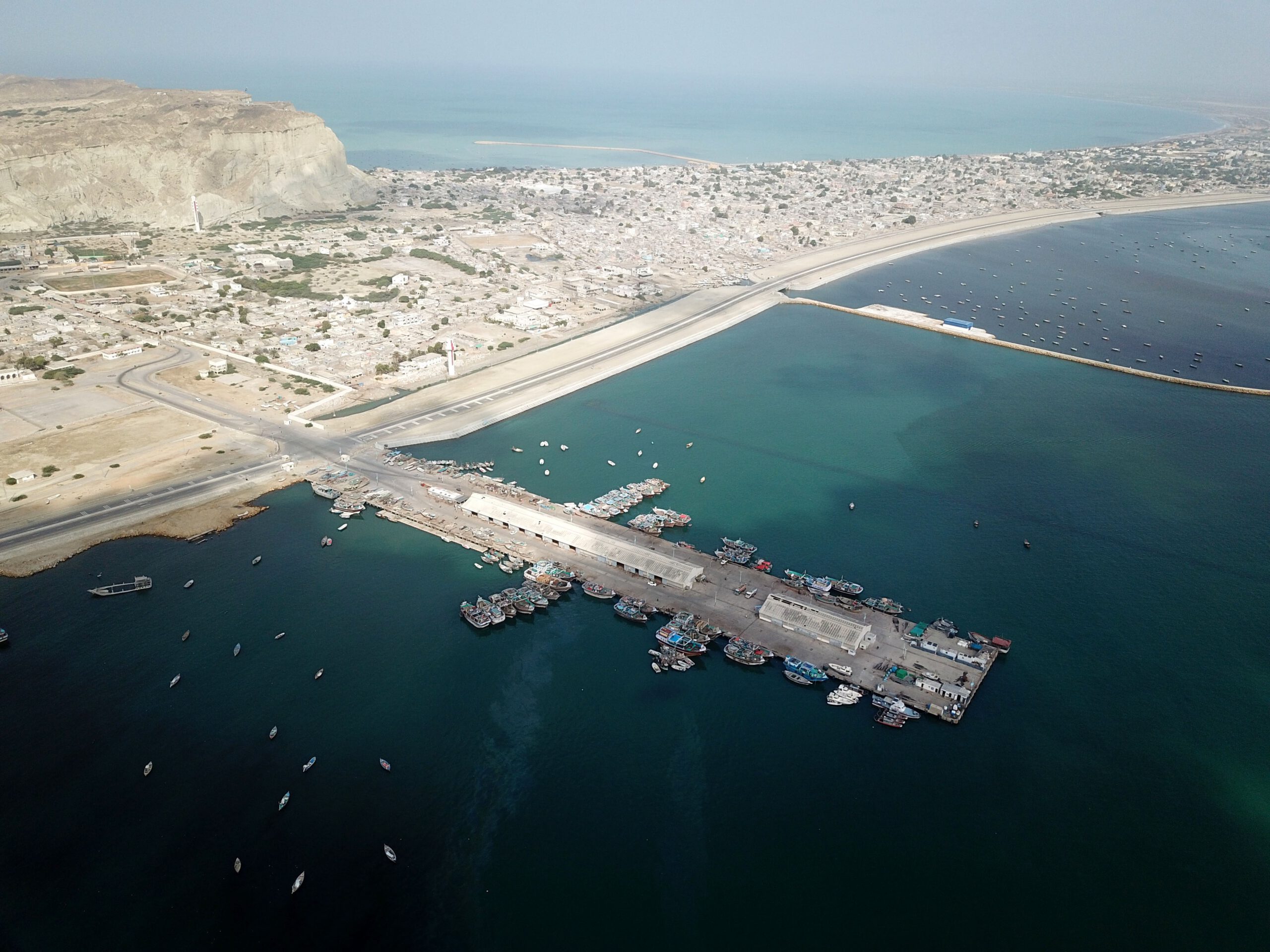
The strategic alliance between Pakistan and China, driven largely by opportunism and geostrategic interests, seems unshakable. However, the extent of its mutual benefit remains under scrutiny, especially for Islamabad, whose reliance on Beijing continues to deepen. Although China claims to base its foreign policy interactions on five key principles — respect for sovereignty, non-aggression, non-interference, equality and mutual benefit, and peaceful coexistence — its dealings with Pakistan indicate an unequal power dynamic that primarily serves its own interests. This imbalance in the Pakistan-China strategic alliance has led to a situation in which Islamabad’s autonomy is increasingly curtailed, and its vulnerability to Beijing’s influence is becoming more apparent.
The UAE and US elevate tech to a cornerstone of their relationship
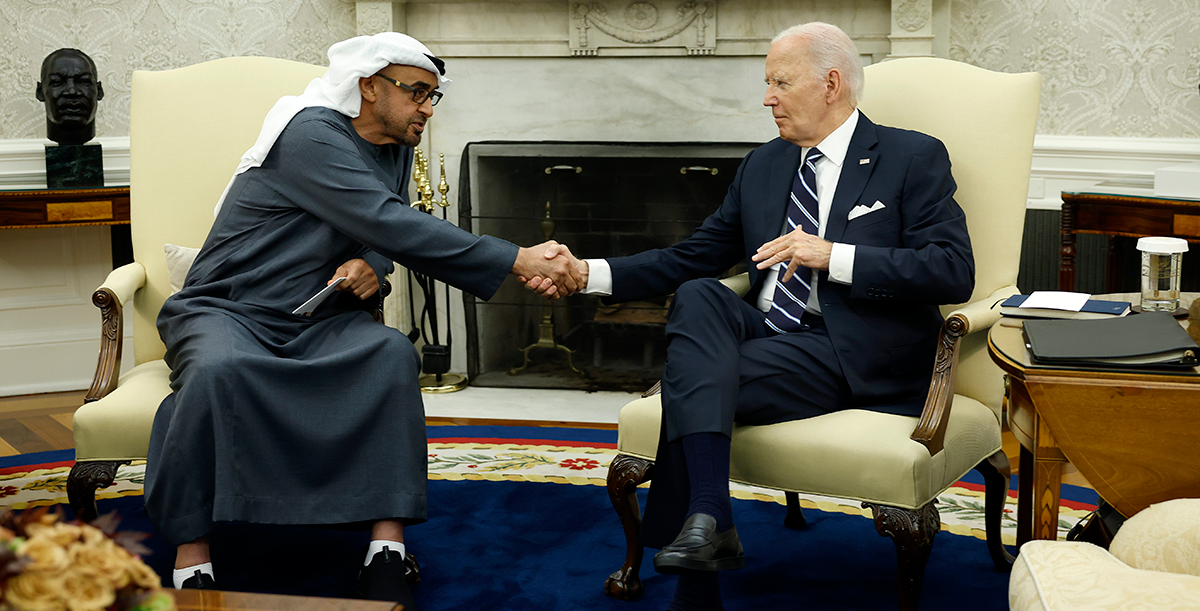
When President Mohamed bin Zayed Al Nahyan (MbZ) of the United Arab Emirates visited the White House on Sept. 23, the joint US-UAE statement was one of the most extensive yet covering pledges to cooperate on nearly every technological sector and signaling a clear goal to shift the bilateral relationship away from hydrocarbons.